

Is Whey Gluten Free? What You Need to Know Before You Buy
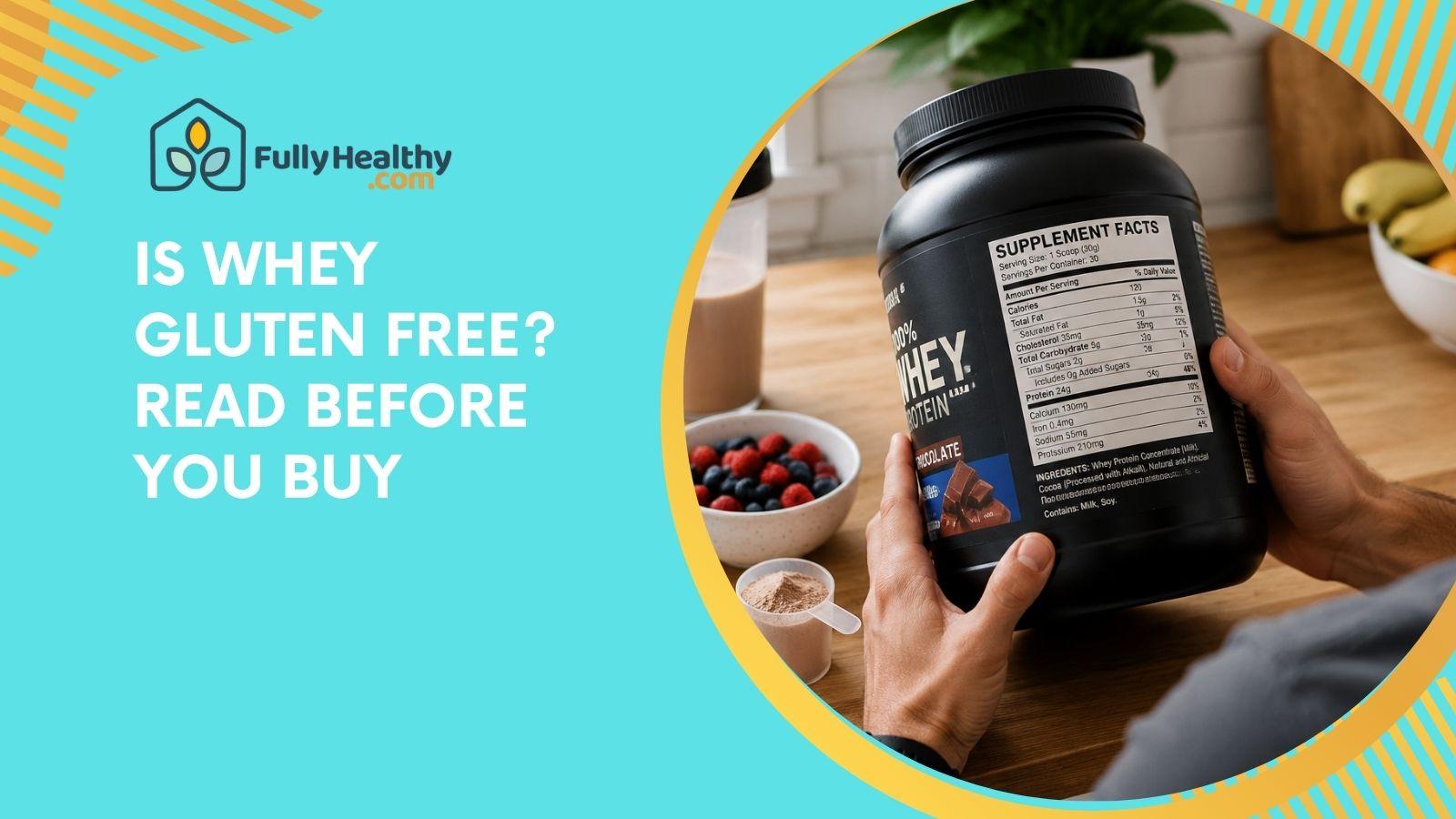
Is whey gluten-free? Plain whey is usually gluten-free because it comes from milk, not wheat, barley, or rye. But not every whey protein powder is safe for people with celiac disease or gluten sensitivity. Flavors, additives, shared equipment, and hidden ingredients can add gluten risk.
This article explains when whey is safe, what to check on labels, and how to choose better gluten-free options.
Is Whey Gluten Free?

Plain whey is naturally gluten-free because it comes from milk during cheese production, not from wheat, barley, or rye. However, the answer to is whey gluten free depends on the final product.
Some whey protein powders stay gluten-free, while others may contain flavorings, preservatives, wheat-derived ingredients such as wheat starch or other gluten-containing additives, or other ingredients that add risk. Always check the label before buying any protein powder or protein shakes.
What Makes Plain Whey Naturally Gluten-Free?
Whey is the liquid part of milk left after cheese is made. It is then processed into whey protein. Pure whey does not contain gluten, so plain whey protein isolate is generally gluten-free, but people with celiac disease should choose products that are tested or certified gluten-free to reduce the risk of cross-contact.
-
Source: Whey comes from milk, not wheat, barley, or rye.
-
Protein: Whey protein can help people add more protein to their diet.
-
Benefits: It may support muscle recovery and help improve protein intake.
-
Types: Common powders include whey concentrate, whey protein isolate, and hydrolyzed whey.
When Can Whey Protein Become Risky For Gluten-Free Diets?
Whey products labeled gluten-free may carry a risk of gluten exposure if gluten-containing ingredients are added or if manufacturing practices allow cross-contact. This may lead to cross-contamination or added gluten.
-
Check: Read the full ingredients list before using a scoop.
-
Avoid: Watch for wheat flour, barley, rye, malt, and gluten-based additives.
-
Label: Choose a gluten-free protein powder with clear gluten-free certification.
-
Note: Recipes can change, so check the brand page before buying.
What Is Surprisingly Not Gluten-Free?

Some foods look safe but still contain gluten. This often happens in packaged foods, sauces, snacks, and other products. Reading labels is important because gluten can hide in small amounts.
Which Everyday Foods Can Hide Gluten?
Gluten may appear in foods that do not look like bread or pasta. It is often used to improve texture, thickness, or flavor.
-
Examples: Soy sauce, soups, gravy, deli meats, candy, chips, and imitation seafood may contain gluten.
-
Production: Cross contamination can happen when foods are manufactured near wheat products.
-
Products: Some protein shakes and powders may contain gluten-containing additives or ingredients, depending on the formulation and manufacturing process.
-
Important: Certified gluten-free varieties are safer for people with celiac disease.
Which Label Terms Should Gluten-Free Shoppers Watch For?
Some ingredients sound harmless but may contain gluten. Learning these names makes shopping easier and safer.
-
Read: Look for clearly identified gluten-containing ingredients such as wheat, barley, rye, malt, and hydrolyzed wheat protein. Check the source of ingredients such as modified food starch when unclear.
-
Avoid: Skip products with wheat, barley, or rye unless they are clearly labeled gluten-free.
-
Means: A gluten-free claim should match the ingredient list.
-
Information: Use trusted health sources when you are unsure about an ingredient.
Why Do Doctors Say No To Whey Protein?

Healthcare professionals may recommend caution with whey protein for people with specific conditions, allergies, or dietary requirements. Whey can be helpful, but it is not the right protein powder for every body.
Who Should Be Careful With Whey Protein?
Some people may feel bloated or unwell after using whey products. Others may need medical advice before adding more protein to their diet.
-
Lactose: Whey concentrate can bother people with lactose intolerance.
-
Suitable: People with kidney disease should ask a healthcare professional before using whey.
-
Body: Some people report acne worsening with whey protein use, although evidence is limited and the relationship is not fully established.
-
Brand: Choose a trusted brand with clear ingredients and testing information.
Which Type Of Whey May Be Easier To Tolerate?
Different types of whey have different amounts of lactose, protein, and fat. Choosing the right one can reduce discomfort.
-
Whey Protein Isolate: This type usually has less lactose than whey concentrate.
-
Powders: Compare protein, fat, preservatives, and other ingredients before buying.
-
Check: Look for gluten, added gluten, and cross-contamination warnings.
-
Safe: Pick products that match your diet, health needs, and fitness goals.
Why Are Celiacs So Tired?

Fatigue is a common sign of celiac disease. It can happen when gluten damages the small intestine. This can reduce absorption of nutrients such as iron, folate, vitamin B12, and other essential nutrients. Over time, low iron, vitamin B12, or folate can lead to anemia and constant tiredness.
How Does Untreated Celiac Disease Cause Low Energy?
Untreated celiac disease can stop the body from getting enough nutrients. Even if someone eats well, damaged intestines may not absorb what the body needs for energy.
-
Main Cause: Gluten damage can reduce nutrient absorption.
-
Common Deficiencies: Low iron, vitamin B12, and folate can cause fatigue.
-
Long-Term Risk: Poor absorption may lead to malnutrition and weakness.
-
Recovery: A strict gluten-free diet can help the gut heal over time.
What Symptoms Can Appear Alongside Fatigue?
Tiredness often comes with other symptoms. These signs may affect digestion, skin, nerves, and overall health.
-
Digestive Symptoms: Diarrhea, bloating, stomach pain, constipation, and greasy stools may happen.
-
Other Symptoms: Weight loss, itchy rash, numbness, and balance problems may also appear.
-
Children: Children with untreated celiac disease may experience complications such as poor growth or delayed puberty.
-
Important: Speak with a healthcare professional if symptoms continue.
How Can FullyHealthy Help With Gluten-Free And AIP Shopping?
Fully Healthy is an online marketplace for people who need AIP, gluten-free, and allergen-friendly foods. It helps make shopping easier by putting specialty products in one place.
This article recommends checking the website when you want to find products that fit your diet without reading endless labels.
How Can FullyHealthy Make Gluten-Free and AIP Shopping Easier?
Fully Healthy organizes products by diet needs and shopping categories. This helps readers save time and choose items with more confidence.
-
Shop Categories: Browse AIP Elimination, AIP Reintros, Breakfast, Snacks, Personal Care, Bundles, and Seasonings.
-
Easy Shopping: Products are grouped clearly, so shoppers can find suitable options faster.
-
Helpful Resources: The website includes recipes and guides for people with food restrictions.
-
Trusted Marketplace: FullyHealthy is a marketplace that lists specialty products; consumers should review individual product labels and certifications.
Which FullyHealthy Products Can Readers Look For?
Fully Healthy offers specialty products for gluten-free and AIP lifestyles. Product availability may change, so readers should check the latest listings before buying.
-
Natural Sweeteners: Big Tree Farms Organic Brown Coconut Sugar, Bob's Red Mill Organic Coconut Sugar, and Coombs Family Farm Organic Maple Sugar are listed options.
-
Maple Products: Coombs Family Farm Organic Maple Syrup is available in different sizes.
-
Baking Mixes: EAT G.A.N.G.S.T.E.R Cut-Out Sugar Cookie Mix, Banana Bread Mix, and Chewy Choconot Brownie Mix are available.
-
Find: Visit FullyHealthy to find current products, recipes, and diet-friendly resources.
Final Thoughts
Plain whey is naturally gluten-free because it comes from milk, not wheat, barley, or rye. However, not every whey protein product is gluten-free.
Some whey protein powders contain added ingredients or may be exposed to cross-contamination during production. Always read the label, choose trusted brands, and look for certified gluten-free products to enjoy whey protein safely.
FAQs
How unhealthy is whey protein?
Whey protein is not unhealthy for most people. It can be a healthy source of protein when used as part of a balanced diet, but people with lactose intolerance, kidney disease, or dairy allergies should speak with a healthcare professional before using it.
Who Should Avoid Whey Protein?
People with severe lactose intolerance, a milk allergy, chronic kidney disease, or anyone who reacts to certain whey protein products may need to avoid whey or choose another gluten free protein powder.
What Is The Best Gluten-Free Protein Powder?
A suitable gluten-free protein powder is one that meets an individual’s dietary needs, has reliable gluten-free labeling or certification, and contains ingredients appropriate for their health requirements.
What Are Signs Of Gluten Intolerance?
Common signs include bloating, diarrhea, stomach pain, fatigue, headaches, and skin problems after eating foods that contain gluten. If symptoms continue, speak with a healthcare professional for proper testing.
What Country Eats The Least Gluten?
There is no reliable global ranking of countries by gluten intake because dietary patterns and gluten consumption data vary widely between populations. Gluten intake depends on local eating habits, but people following a gluten-free diet can find suitable foods and products in many countries by reading labels carefully.
Leave a comment