

What Is Beef Tallow Made Of? Updated Look At Beef Fat And Saturated Fat Risks
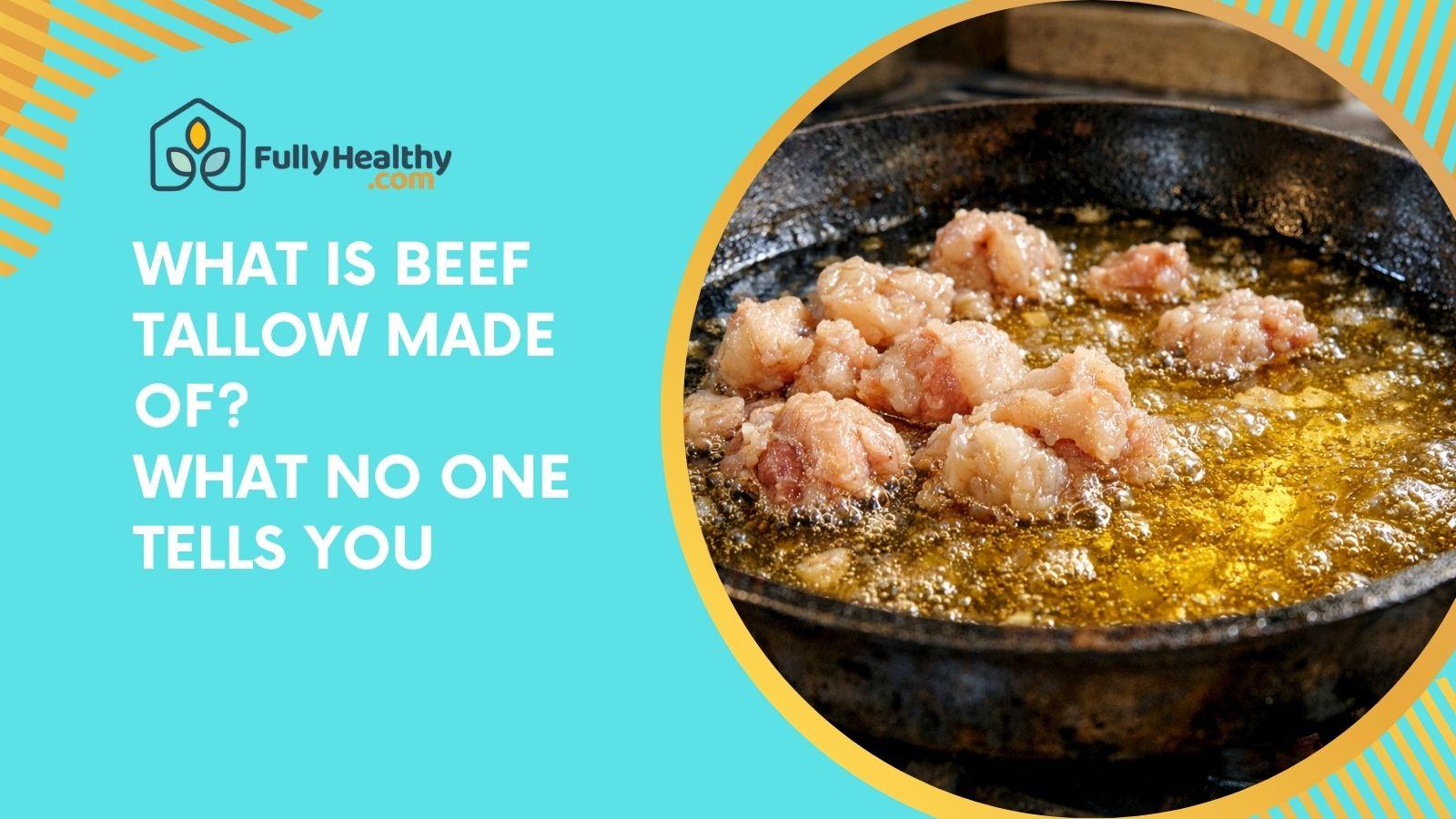
A traditional fat that is getting more attention is beef tallow. A lot of people want to know what beef tallow is made of and whether it is good for you or not. It is made from rendered cow fat and is used in cooking and on the skin.
Beef tallow is high in saturated and monounsaturated fat; skin risks are not inherent to tallow itself but may include irritation or acne in some users, especially on acne-prone skin. This guide tells you what it is, how it works, and if you should use it or not.
Featured Pantry Pick
EPIC // Grass Fed Beef Tallow - 11 oz
Loading...
What Is Beef Tallow Made Of?
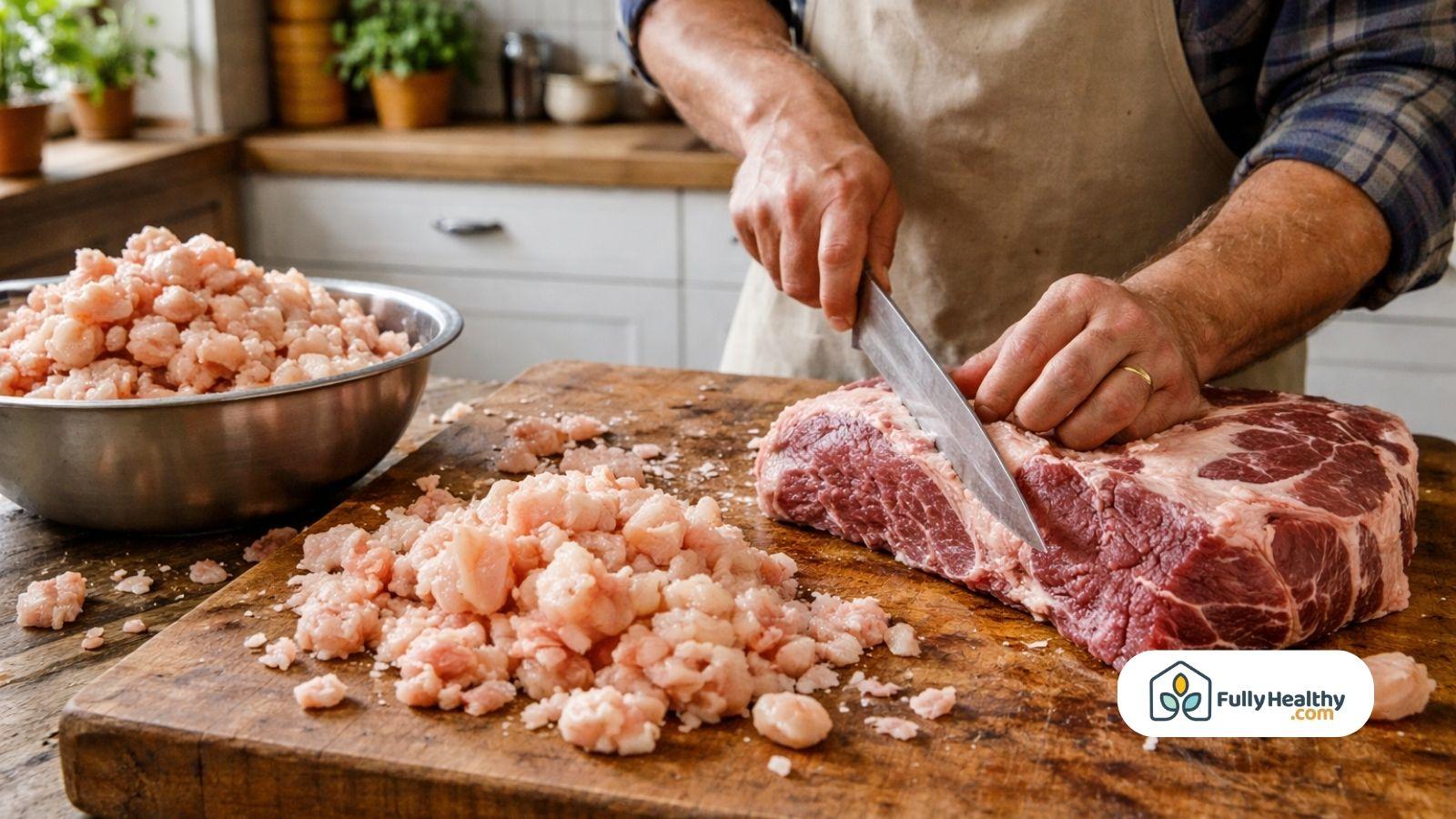
Beef tallow is made from rendered beef fat that comes from cows. It comes from fat that is slowly broken down and cleaned. When it cools, it turns into a solid fat that has a rich texture and a long shelf life. People have used it for cooking, frying, roasting, and even candle production.
People like it because it has a high smoke point, a stable composition, and can withstand high temperatures without breaking down.
What Exactly Is Beef Tallow And How Is It Produced
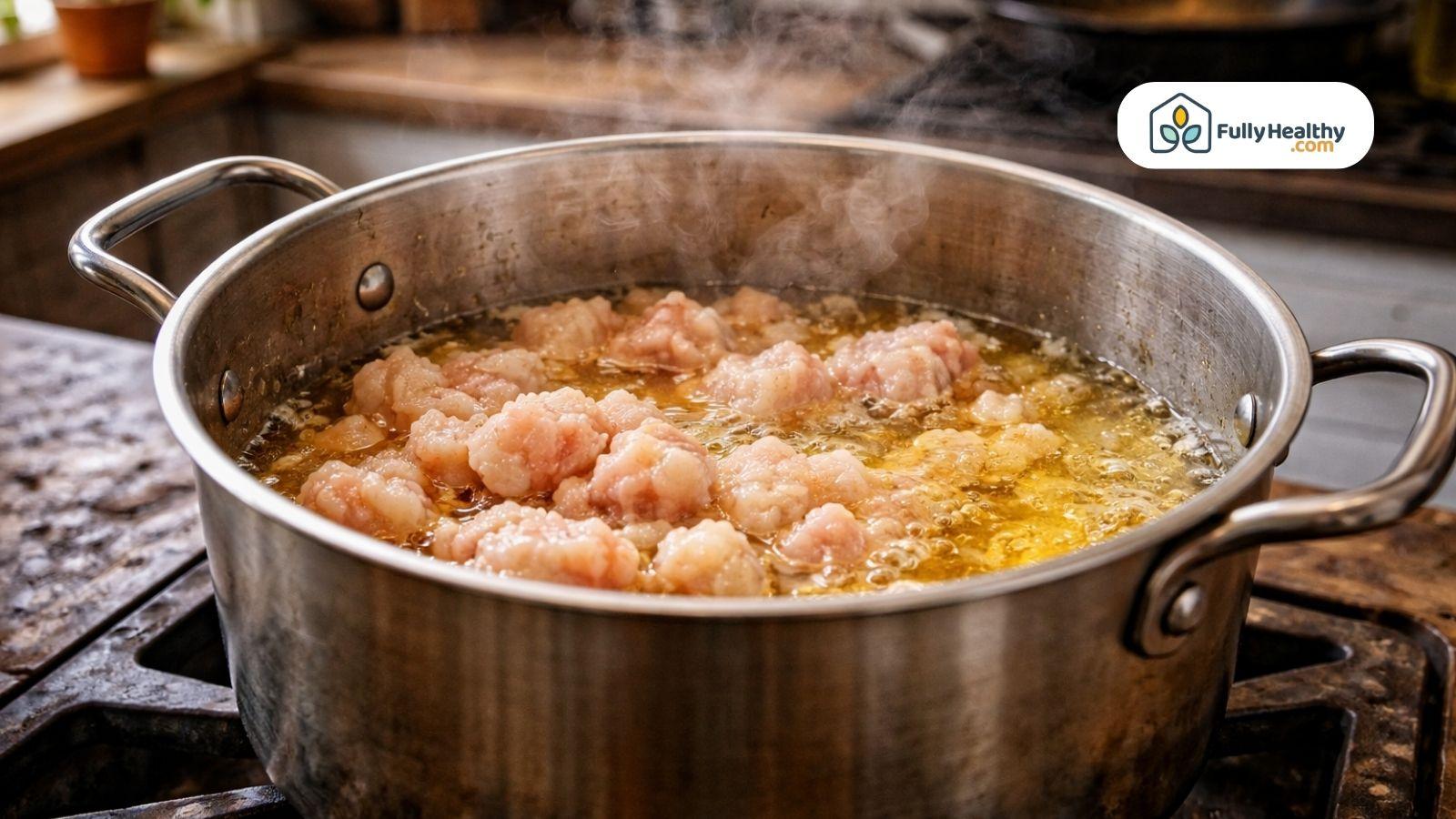
To make beef tallow, you heat cow fat, especially the suet that's found around the kidneys. This process changes solid fat into liquid fat. When it cools, the fat turns back into a solid. It gets rid of impurities and makes a smooth fat that can be used for many things.
-
Source: Comes from beef fat, mainly kidney fat (suet) taken from cattle organs.
-
Process: Fatty tissue is slowly melted, strained, and cooled to form rendered fat.
-
Form Change: Starts as melted liquid fat and hardens into a dense fat when cooled.
-
Comparison: Similar to lard or leaf lard from pigs, but firmer and more stable.
-
Quality: Often prepared in small batches to reduce unwanted animal byproducts.
What Nutrients And Components Are Found In Beef Tallow
Tallow consists of saturated fats like stearic acid, but it also has some unsaturated fats in it. Beef tallow may contain small amounts of fat-soluble vitamins, but levels vary widely by source and processing, so it should not be presented as a meaningful or reliable source of vitamins A, D, E, and K.
There are also trace amounts of conjugated linoleic acid, which may offer potential benefits, but more research is still needed.
-
Fat Content: High in saturated fat with small amounts of unsaturated fats.
-
Vitamins: Provides fat soluble vitamins that support the body and health.
-
Calories: Very high in calories, similar to butter, ghee, and oil.
-
Taste: Has a beefy flavor but can have a neutral taste when refined.
-
Uses: Common in frying, deep frying, roasting, baking, and even soaps and skincare products.
How Unhealthy Is Beef Tallow?
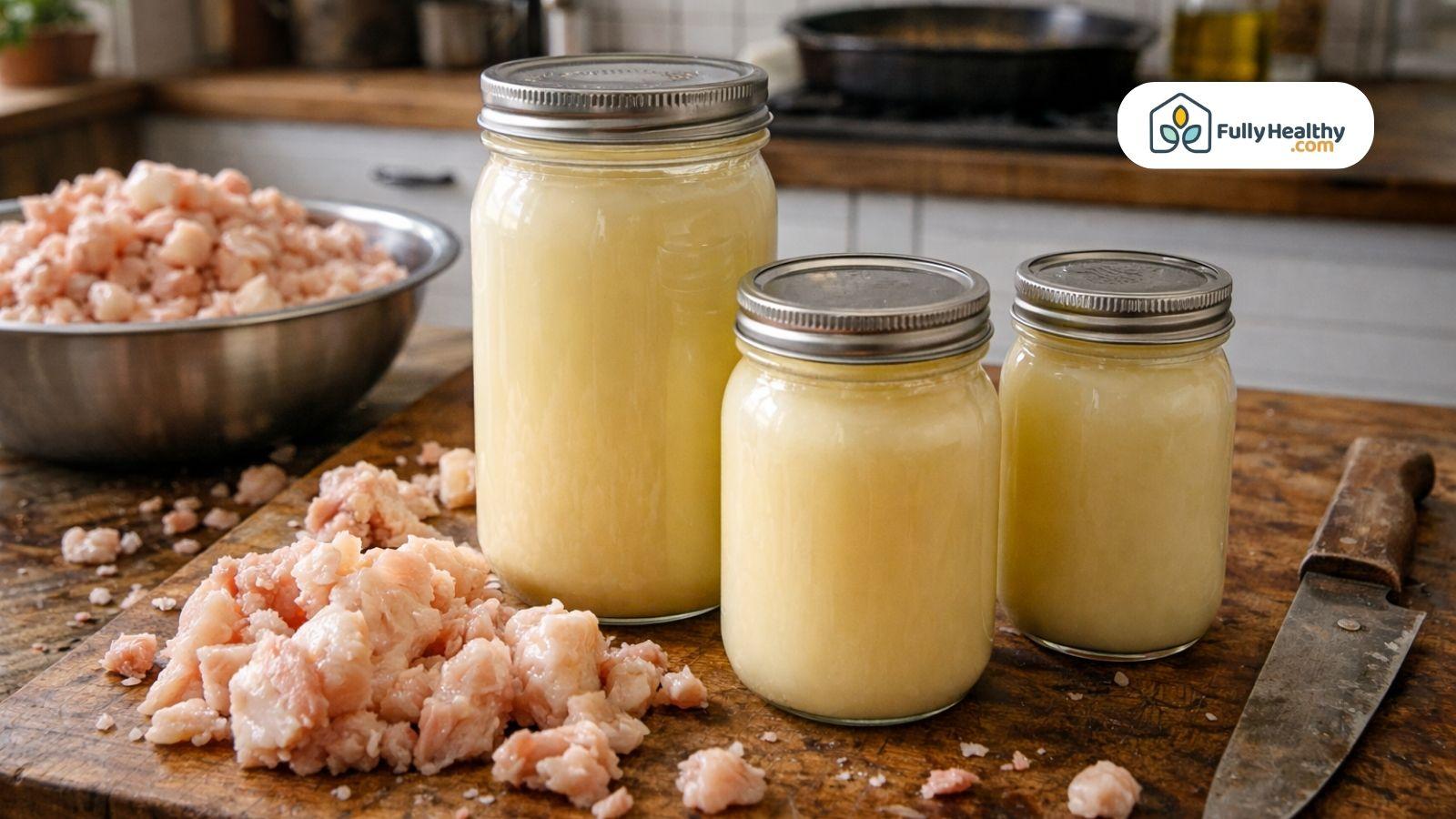
Inquiring about the health benefits of beef tallow is something that a lot of people do. Even though it has some good things for you in it, it has a lot of saturated fat. Eating too much can make your cholesterol levels go up and make you more likely to get heart disease.
Replacing saturated fats such as beef tallow with unsaturated oils is generally associated with lower LDL cholesterol and lower cardiovascular risk. It's good for your health to eat a variety of foods, like vegetables.
Is Beef Tallow Worse Than Seed Oils For Heart Health
Evidence supports replacing saturated fats with polyunsaturated fats to reduce LDL cholesterol and cardiovascular events; avoid absolute wording such as ‘bad’ and ‘better’ without context. Current evidence does not support broad claims that commonly used seed oils are inherently harmful when consumed within recommended dietary patterns.
-
Comparison: Vegetable oils contain more unsaturated fats than beef tallow.
-
Heart Health: Saturated fat may increase cholesterol levels over time.
-
Evidence: No strong proof that seed oils cause major health problems.
-
Recommendation: Oils like olive oil are often suggested for better nutrition.
What Are The Real Risks Of Consuming Beef Tallow Regularly
It's not good for you to eat a lot of rendered beef fat. It's easy to eat too many calories when it's used to fry or bake food because the fat is dense.
-
Calorie Intake: High calories can lead to weight gain if eaten often.
-
Heart Disease Risk: Too much saturated fat may increase heart disease risk.
-
Moderation: Best used in a small amount as part of a balanced diet.
-
Alternatives: Using less tallow and replacing part of it with oils rich in unsaturated fats, such as olive, canola, or soybean oil, is more evidence-based than mixing it with butter.
Is Beef Tallow Actually Good For Your Skin?
Beef tallow is becoming a new trend in skincare products. It's used because it's rich and softens the skin. It may not work for some skin types, though, and not everyone can use it.
Why Do People Use Beef Tallow As A Moisturizer
Tallow contains fatty acids also found in skin lipids, but it is not compositionally equivalent to human sebum. So, this helps keep the skin safe and moist. It builds a barrier on the skin to keep it from drying out.
-
Moisture Barrier: Helps lock in moisture and prevent water loss.
-
Texture: Thick at first, but melts into a light layer on the skin.
-
Best Use: Works better on dry areas like hands, elbows, and heels.
-
Appeal: Popular in simple and natural skincare routines.
What Do Dermatologists Say About Acne And Safety Risks
Tallow-based products may feel heavy or occlusive, and some people with acne-prone skin may break out, but pore-clogging depends on the formulation and individual response; this should not be stated as universal. Some people get acne because of this, mostly on their faces.
There is limited high-quality clinical research specifically on beef tallow as a facial skincare ingredient compared with standard moisturizers and acne treatments.
-
Pore Clogging: Can block pores and cause acne, especially for oily skin.
-
Skin Types: Not ideal for sensitive or acne-prone skin.
-
Safety Concerns: Some products may not be properly tested or regulated.
-
Usage Advice: Use carefully and avoid applying often on the face.
Why Was Beef Tallow Banned?
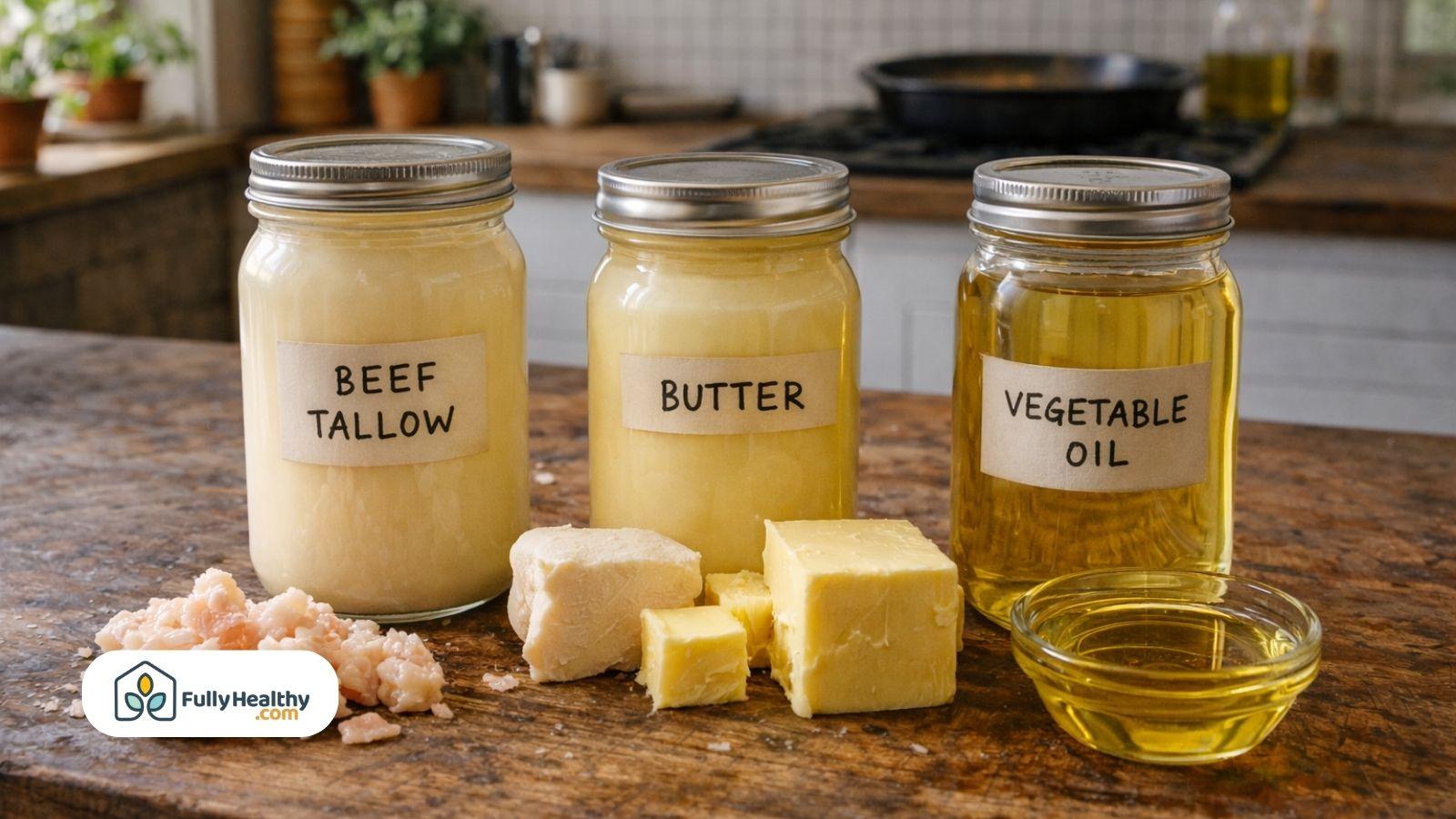
Beef tallow was not broadly banned; its use declined in many foods as dietary guidance shifted toward reducing saturated fat, and industry moved toward vegetable oils. When doctors found a link between saturated fat and heart disease, this change took place. This made people and food companies switch to other fats, such as vegetable oils.
In the past, beef tallow was often used to fry brisket and other meats and foods. But because of changes in health advice, people don't eat as much of it these days.
Was Beef Tallow Actually Banned Or Just Phased Out
We did not ban beef tallow; it was just phased out. From the late 20th century onward, many dietary guidelines advised limiting saturated fat from animal fats and replacing some of it with unsaturated fats. Because of this, it was used less and less over time.
-
Main reason: Concerns about heart disease linked to high saturated fat intake.
-
Public guidance: Experts advised limiting animal fats in daily diets.
-
Industry shift: Restaurants and food brands replaced tallow with plant-based oils.
-
Key point: It was not illegal, just less recommended due to health concerns.
What Caused The Shift From Tallow To Vegetable Oils
As nutrition science grew, people switched to vegetable oils. People thought these oils were better because they are easier to make in large amounts and have more unsaturated fats.
-
Health focus: Vegetable oils were promoted for better long-term health.
-
Production: Easier and cheaper to produce compared to animal fats.
-
Variety: Available in various types, offering more flexibility in cooking.
-
Texture difference: Oils give foods a softer texture compared to solid fats like tallow.
What Does Fully Healthy Offer For People Interested In Beef Tallow And Clean Eating?
Fully Healthy is an online store for people who have to stick to strict diets. It's not just about beef tallow, but it does support eating habits like that by selling simple, well-chosen foods. It helps people who want to stay away from processed foods and choose natural ones.
What Is FullyHealthy And How Does It Support Special Diets
Fully Healthy helps you find foods that are good for people on strict diets. It helps people with allergies or who are following structured eating plans the most.
-
Purpose: A one-stop shop for people with food sensitivities and special diet needs.
-
Diet support: Covers various types like gluten-free and autoimmune-friendly diets.
-
Convenience: Products are pre-checked, so users do not need to read every label.
-
Clean focus: Helps avoid hidden ingredients and supports simple eating habits.
What Types Of Products Can Complement A Tallow-Based Or Clean Diet
The platform has products that are good for people who follow a clean eating plan. You can use these foods along with traditional fats like tallow to make meals more balanced and help you plan better.
-
Food options: Includes snacks, baking mixes, and pantry staples.
-
Natural sweeteners: Offers alternatives that work well in clean recipes.
-
Cooking support: Products pair well with meat dishes and home cooking.
-
Storage benefits: Many items are suitable for long-term storage and easy use.
Final Thoughts
Beef tallow is made from rendered beef fat, which makes it useful in both cooking and for skin care. It has a rich flavor and some nutrients, but because it has a lot of saturated fat, it should only be used in small amounts.
Beef tallow can be used in cooking, but evidence does not support portraying it as healthier than unsaturated plant oils for cardiovascular health. You can make a smart choice if you know what beef tallow is made of. For better health in the long run, you should always eat it with other fats.
FAQs
Is beef tallow just grease?
No, beef tallow is rendered beef fat that is purified, making it cleaner and more stable than regular grease.
Can I use beef tallow on my face every day?
You can use it daily in a small amount, but it depends on your skin type, as it may clog pores for some people.
What is the unhealthiest oil to cook with?
There is no single universally ‘unhealthiest’ cooking oil; health effects depend on fatty acid profile, degree of processing, overall diet, and cooking conditions.
Does tallow get rid of wrinkles?
Tallow can help soften skin and improve texture, but it does not remove wrinkles or replace proven anti-aging treatments.
Which animal fat is best for skin?
No animal fat is established as ‘best’ for skin by strong clinical evidence; tolerance depends on skin type, formulation, and intended use.
Leave a comment