

What Makes Something Kosher? Everything You Need to Know
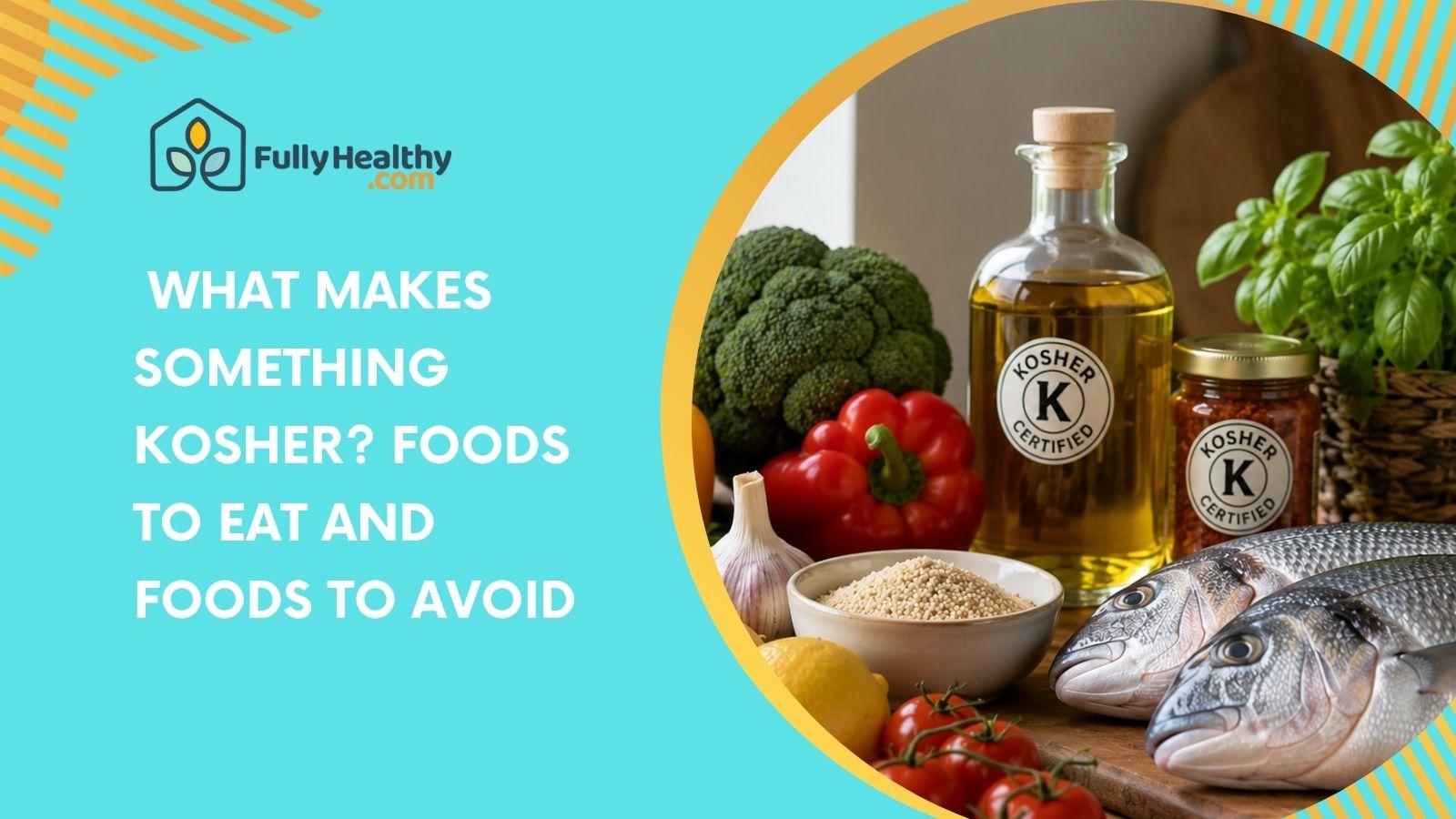
What makes something kosher? Foods are considered kosher when they follow Jewish dietary laws for ingredients, preparation, and handling. These rules determine which foods can be eaten, how meat is prepared, and why some everyday foods are not kosher.
Below, you'll learn what makes something kosher, the main kosher rules, surprising non-kosher foods, and the key differences between kosher and halal.
What Qualifies Something to Be Kosher?
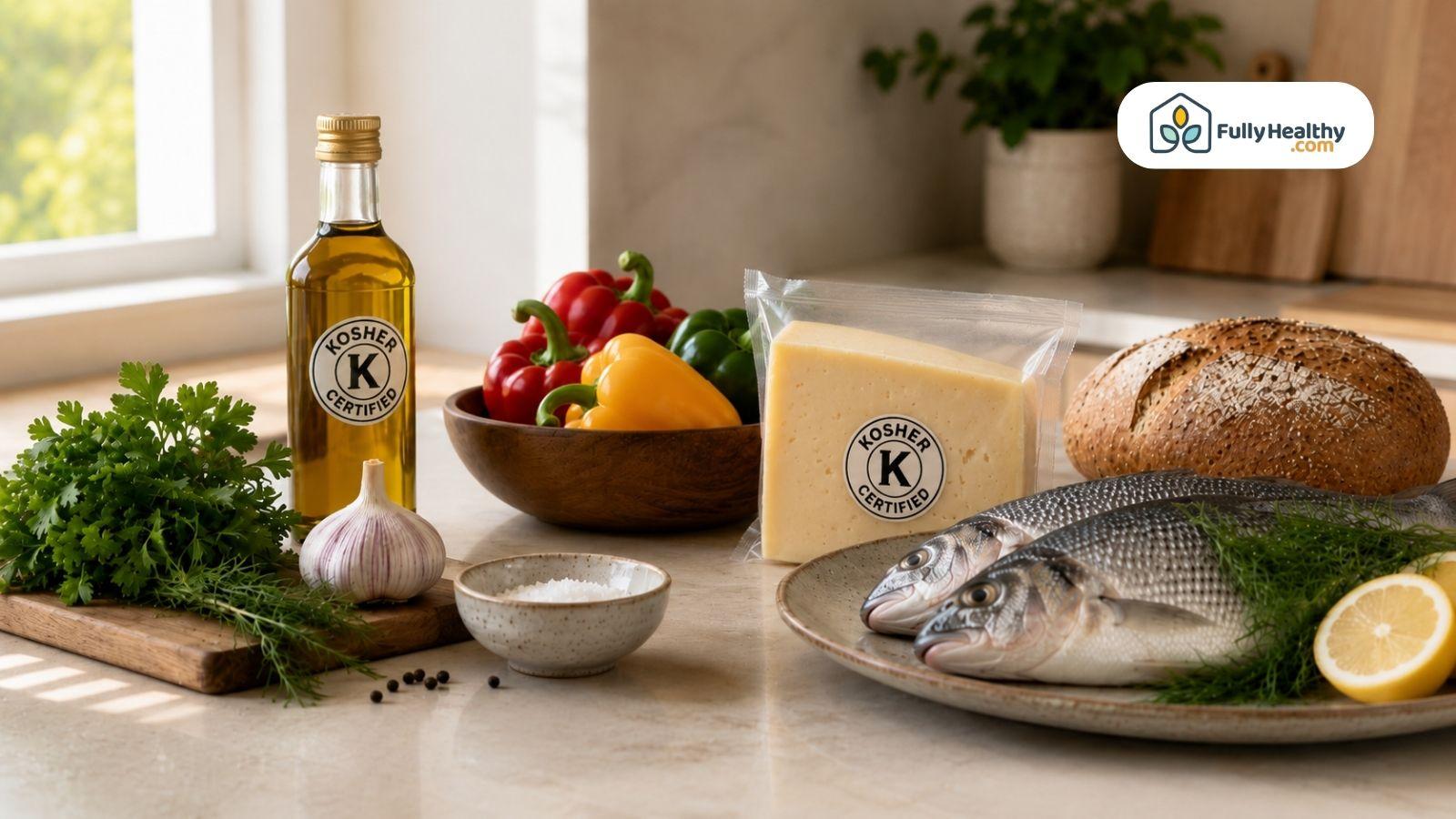
Something qualifies as kosher when it follows Jewish dietary laws that determine what foods people can eat and how those foods are prepared. These rules apply to the type of animal or ingredient, the cooking process, and how food is handled before it reaches the table.
Kosher Foods, Permitted Animals, and Food Categories
The first step in understanding what makes something kosher is knowing which foods are allowed. Jewish law permits certain animals, fish, and birds, while naturally plant-based foods are usually considered kosher if they are free from insects and non kosher ingredients.
-
Kosher Animal: Land animals must have split hooves and chew their cud.
-
Kosher Fish: Fish must have fins and scales.
-
Kosher Birds: Chicken, turkey, duck, and goose are commonly accepted.
-
Pareve Foods: Fruits, vegetables, grains, and nuts are neither meat nor dairy.
-
Kosher Diet: People following a kosher diet choose foods that meet these basic requirements.
Food Preparation, Certification, and Manufacturing Standards
Even if a food comes from an approved source, it must still be prepared according to kosher rules. The cooking process, production equipment, and kosher supervision all affect whether a food keeps its kosher status.
-
Kosher Slaughter: Kosher meat must come from a permitted animal slaughtered through shechita by a trained shochet, then inspected and prepared according to kosher law.
-
Kosher Certification: Certified kosher products are inspected by recognized organizations.
-
Kosher Symbols: Symbols such as OU identify products that meet kosher standards.
-
Non Kosher Equipment: Shared machinery can make a product non kosher.
-
Kosher Supervision: Production is monitored to confirm compliance with Jewish dietary laws.
What are the Three Main Rules of Kosher?
The three main rules of kosher are eating only approved animals, preparing food according to Jewish dietary laws, and keeping meat and dairy separate. These kosher rules work together to determine what people can eat, how food is prepared, and how a kosher diet is maintained at home and in food production.
Permitted Animals and Ritual Meat Preparation
The first two rules focus on the food itself and how it is prepared before anyone eats it. Only certain animals are considered kosher, and kosher meat must come from a specific slaughter process that follows Jewish law.
-
Approved Animals: A kosher animal includes cows, sheep, goats, and certain kosher birds such as chicken and turkey.
-
Kosher Fish: Fish must have fins and scales, while shellfish and other seafood are non kosher food.
-
Blood Removal: Blood is removed from kosher meat because Jewish dietary laws do not allow people to consume blood.
-
Kosher Butcher: A kosher butcher prepares and inspects meat before it is sold as certified kosher.
Meat and Dairy Separation in Everyday Kitchens
The third rule requires meat and dairy to stay separate during cooking, serving, and eating. This practice comes from the biblical instruction not to cook a baby goat in its mother's milk and remains one of the best-known kosher laws today.
-
Separate Meals: People who keep kosher do not eat meat and dairy in the same meal.
-
Separate Utensils: A kosher kitchen uses separate utensils, cooking utensils, and same dishes for meat products and dairy products.
-
Pareve Foods: Pareve foods are neither meat nor dairy, making them suitable with either meat or dairy meals.
-
Packaged Foods: Many processed foods contain hidden milk products or meat products, so kosher symbols help shoppers choose certified kosher items.
-
Kosher Kitchen: Separate storage, cookware, and dairy dishes help prevent cross-contamination and support keeping kosher.
What is Surprisingly Not Kosher?
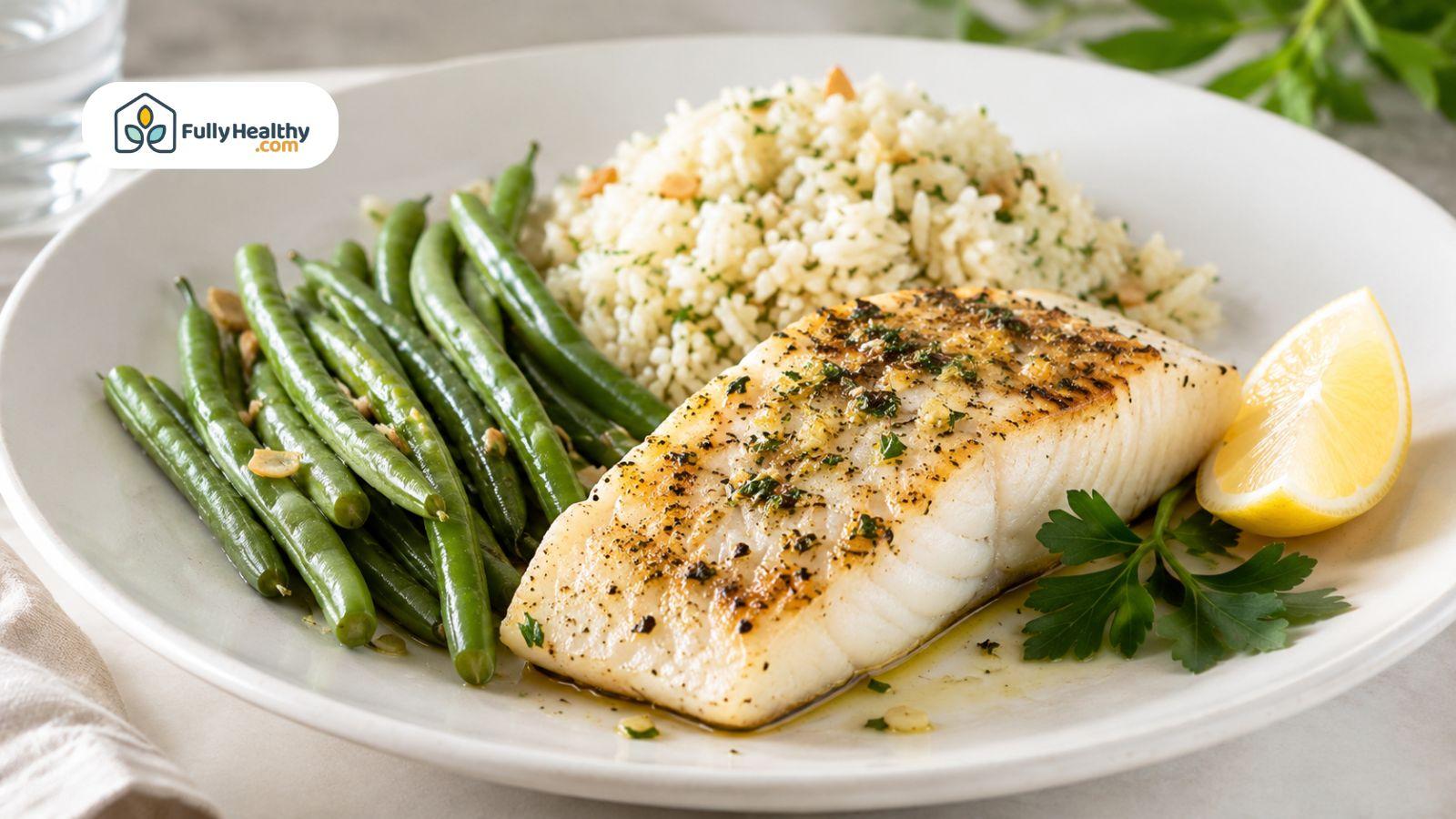
Some common foods, including cheese, gelatin, wine, and processed snacks, are not kosher despite appearing acceptable. Their ingredients, manufacturing process, or lack of kosher certification can make them non kosher.
Common Foods That Often Lose Kosher Status
Some everyday foods look harmless but may not meet kosher guidelines. Checking the ingredients and looking for reliable kosher certification helps confirm if a product is considered kosher.
-
Hard Cheese: May be non-kosher because of animal-derived rennet, other ingredients, or the absence of required Jewish involvement or supervision during production.
-
Gelatin: Gummies, marshmallows, and desserts often contain gelatin made from non-kosher meat.
-
Grape Juice: Grape juice and wine require special kosher supervision because Jewish law has additional rules for grape products.
-
Processed Foods: Chips, candy, sauces, and supplements may contain non kosher additives or hidden meat products.
-
Kosher Salt: Kosher salt is naturally kosher, but its name comes from its use in kosher food preparation, not because every brand is certified kosher.
Hidden Processing Ingredients and Cross-Contamination Risks
Even foods made with only kosher ingredients can lose their kosher status during production. Shared equipment, hidden additives, and poor handling can all make a product non-kosher.
-
Non-Kosher Equipment: Food processed on the same machines as non-kosher food may no longer be considered kosher.
-
Hidden Ingredients: Enzymes, flavorings, and preservatives sometimes come from non-kosher animal sources.
-
Fruits and Vegetables: Most fruits and vegetables are inherently kosher, but they must be checked for insects before eating.
-
Same Utensils: Using the same utensils for kosher and non=kosher food can affect kosher food preparation.
-
Kosher Supervision: Reliable kosher certification confirms that ingredients, equipment, and production follow kosher laws.
Is There a Big Difference Between Halal and Kosher?
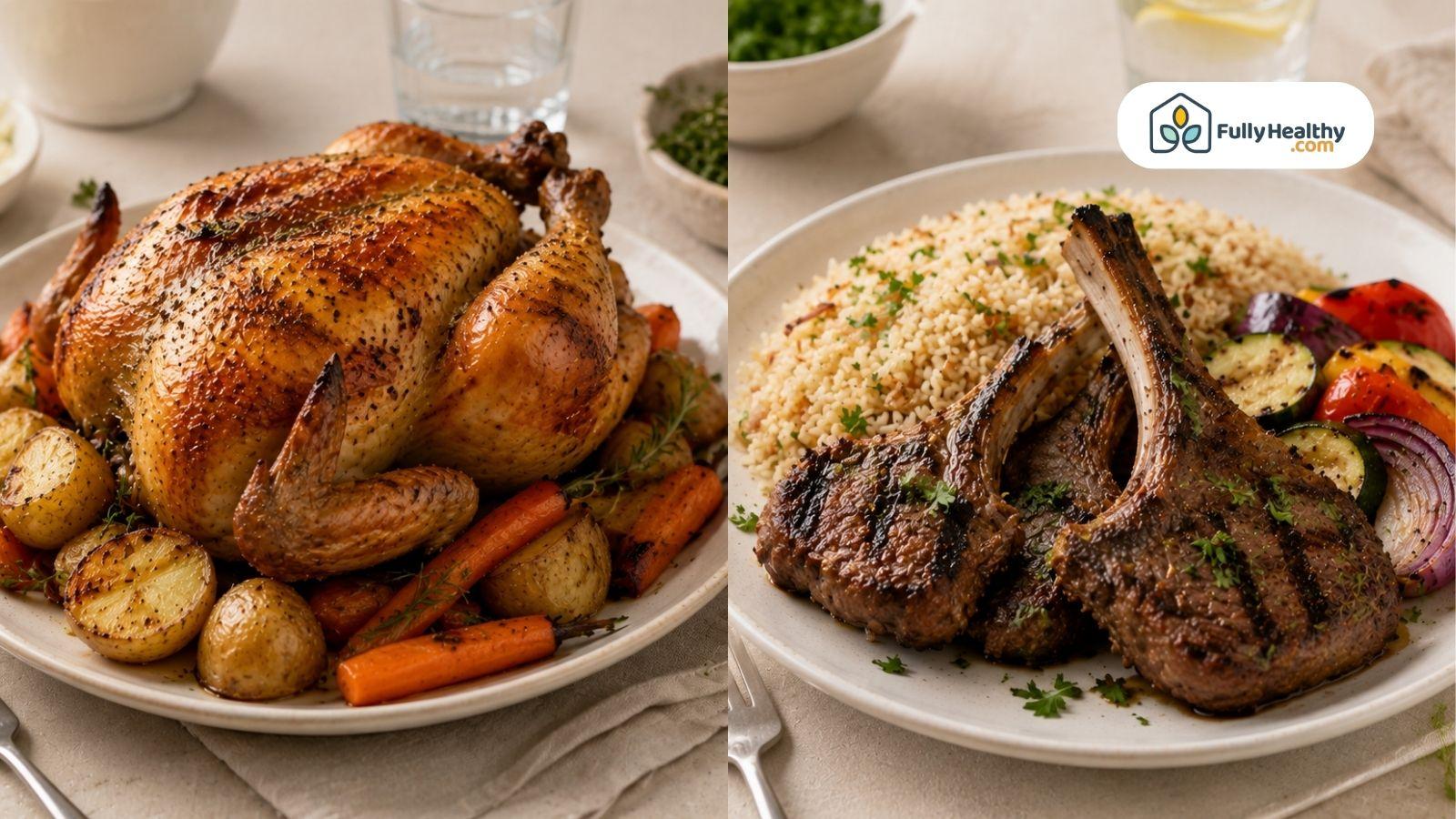
Yes, halal and kosher share several food rules, but they are not the same. Both follow religious dietary laws and require approved food preparation, but they have different rules for meat and dairy, alcohol, seafood, and religious supervision.
Important Differences in Food Rules and Certification
Kosher law requires meat and dairy to be prepared, served, and stored separately, while halal allows them to be eaten together. Halal also prohibits alcohol entirely, whereas kosher permits some alcoholic beverages if they are produced under kosher supervision.
Seafood rules differ as well, since kosher allows only fish with fins and scales, while halal generally accepts a broader range of seafood.
| Feature | Kosher | Halal |
|---|---|---|
| Pork | Not allowed | Not allowed |
| Meat Preparation | Shechita (Jewish method) | Dhabihah (Islamic method) |
| Meat & Dairy | Must be kept separate | Can be eaten together |
| Alcohol | Some allowed if certified kosher | Not allowed |
| Seafood | Fish must have fins and scales | Most seafood is allowed |
| Certification | Kosher certification | Halal certification |
Shared Dietary Principles Between Halal and Kosher
Halal and kosher both prohibit pork, require meat to come from approved animals, and follow religious rules for slaughter and food preparation. Both also use certification programs to verify that ingredients, manufacturing, and handling comply with their respective dietary laws, making it easier for consumers to identify approved products.
-
Religious Rules: Both follow food laws based on religious teachings.
-
Approved Meat: Both require animals to be slaughtered according to religious requirements.
-
Certification: Certified kosher and halal-certified products are inspected before reaching consumers.
-
Prohibited Foods: Pork is not allowed under either dietary system.
-
Food Preparation: Both emphasize clean food handling and proper preparation.
Shop Certified Kosher Foods at FullyHealthy
FullyHealthy makes shopping for specialty foods easier by offering a wide selection of certified kosher products alongside other dietary options. The store also carries gluten-free, Paleo, AIP, and allergen-friendly foods, making it convenient for people with different dietary needs.
Specialty Foods for Every Dietary Lifestyle
FullyHealthy brings together products for people following different eating plans in one place. This allows shoppers to buy kosher food together with other specialty grocery items.
-
Specialty Selection: Shop kosher products, gluten-free foods, Paleo foods, and AIP-friendly options.
-
Trusted Brands: Products come from well-known specialty food manufacturers.
-
Convenient Shopping: Browse packaged foods for different dietary preferences in one store.
-
Everyday Staples: Choose pantry items, snacks, seasonings, and meal ingredients.
-
Diet-Friendly Choices: Many products support multiple dietary lifestyles.
Popular Kosher and Specialty Products
FullyHealthy offers several products that fit into a kosher diet or support kosher cooking. Always check the product label for current kosher certification before purchasing.
-
Bubbies Kosher Dill Pickle Snacking Chips: Crunchy fermented pickle chips made with a classic kosher dill recipe, perfect for snacking or adding to sandwiches.
-
Real Salt Ancient Kosher Sea Salt Shaker: Unrefined ancient sea salt suitable for everyday cooking, baking, and seasoning while supporting kosher food preparation.
-
PAN'S Mushroom Jerky Teriyaki: A plant-based mushroom jerky with teriyaki flavor that works well as a convenient on-the-go snack.
-
Jackson's Avocado Oil Sweet Potato Chips: Sweet potato chips cooked in avocado oil for a simple snack made with quality ingredients.
-
Jovial Cassava Elbow Pasta: Grain-free cassava pasta that serves as an alternative to traditional wheat pasta for specialty diets.
-
Plantation Organic Blackstrap Molasses: Unsulphured organic blackstrap molasses that can be used in baking, marinades, sauces, and other recipes.
Final Thoughts
Learning what makes something kosher starts with knowing the basic rules for ingredients, food preparation, and certification. Once you know what to look for, identifying kosher foods becomes much simpler. Save this article for future reference and use it whenever you need a quick refresher on kosher food and Jewish dietary laws.
FAQs
Why is Pizza Not Kosher?
Pizza is not inherently non-kosher, and kosher pizza is widely made and eaten.
Why is Shrimp Not Kosher?
Shrimp are not kosher because they do not have fins and scales, which are required for seafood to be considered kosher under Jewish dietary laws.
Is All Coca-Cola Kosher?
No, not all Coca-Cola products are kosher, so look for a recognized kosher certification symbol on the label.
Why is Pasta Not Kosher?
Plain pasta is usually kosher, but it is not kosher during Passover or if it contains non-kosher ingredients or is made without proper kosher certification.
Why is Parmesan Not Kosher?
Traditional Parmesan is not kosher because it is usually made with animal rennet from non-kosher sources and is produced without kosher supervision.
Leave a comment