

Why Can't Dogs Have Chocolate? Chocolate Poisoning Facts

Why can't dogs have chocolate? Chocolate is a treat for people, but dogs shouldn't eat it. This chemical in chocolate is called theobromine, and dogs can't break it down. This can make them very sick or even kill them as it builds up in their bodies. It is more dangerous to eat dark chocolate.
Even a small amount of chocolate ingestion can harm small dogs. Read this to find out why dogs shouldn't eat chocolate, how much is too much, and what to do.
Featured Baking Pick
Enjoy Life // Semi-Sweet Mini Chocolate Chips - 9 oz
Loading...
Why Can't Dogs Have Chocolate?

Plenty of pet owners want to know, "Why is chocolate bad for dogs?" Theobromine and caffeine are the chemicals in chocolate that make it tasty to people. Unlike humans, dogs metabolize theobromine and caffeine much more slowly, making them more susceptible to toxic effects.
Dark or bitter chocolate can make your dog sick, even if it's just a little bit. Chocolate poisoning in dogs is a big problem, and knowing what causes it can help keep your dog safe.
Theobromine and Caffeine: Why They’re Toxic
It is theobromine that makes chocolate dangerous for dogs. This chemical builds up in a dog's body and is found in all chocolate products. Even in small amounts, theobromine and caffeine are more dangerous for dogs than for people because they are broken down more slowly.
-
Toxic ingredients in chocolate: Theobromine and caffeine.
-
Act on the body: Nervous system, heart, and kidneys.
-
Takes time to show: Symptoms may show up after several hours.
-
Chocolate types: Theobromine is most commonly found in dark chocolate and baker's chocolate.
-
Higher risk: This reaction is worse for the smaller the dog.
How Chocolate Affects a Dog’s Body
Dogs' systems get too excited when they eat chocolate. First, the nervous system is hurt, then the heart and kidneys. Symptoms of chocolate poisoning vary depending on the dog's weight and how much chocolate was consumed.
-
Nervous system effects: Unease, shaking, and seizures
-
Cardiac symptoms: A fast heartbeat, an irregular heartbeat, or high blood pressure.
-
Kidney issues: More urination, increased thirst, and dehydration.
-
Gastrointestinal signs: Vomiting, diarrhea, and pancreatitis could be caused by too much sugar and fat.
How Much Chocolate Is Toxic to a Dog?
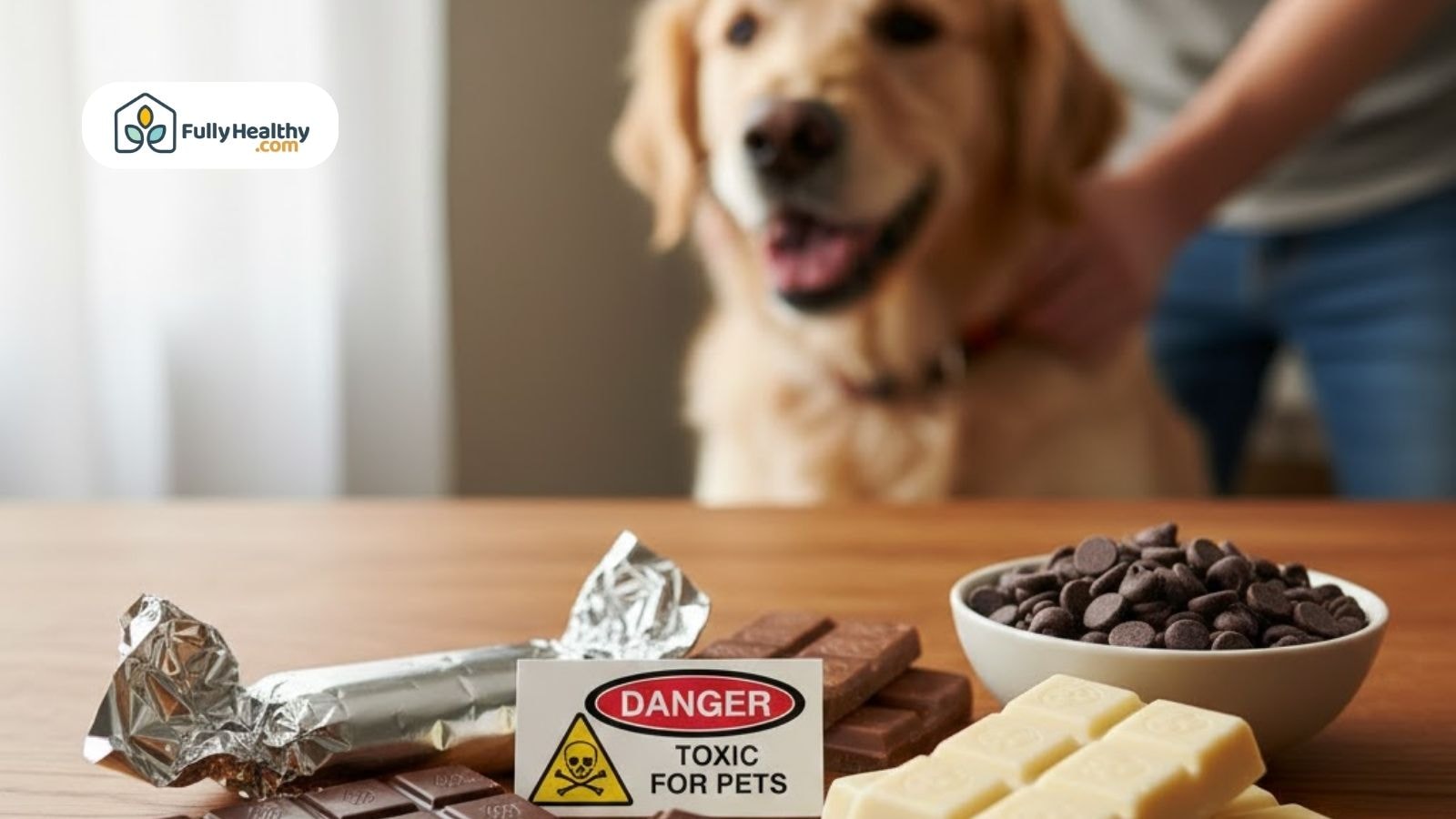
Someone who owns a pet often asks, "How much chocolate is bad for them?" The dog's size, the type of chocolate they ate, and how much they ate all vary the answer. Chocolate ingestion in small dogs is far more serious than in large ones. There is more theobromine in darker, bitter chocolate, which raises the risk.
Toxic Levels by Chocolate Type and Dog Size
There are various amounts of theobromine in chocolate. Most of theobromine can be found in Baker's chocolate and cocoa powder. White chocolate has the least theobromine. But all of them should still be avoided.
-
Cocoa powder: Highest concentration of theobromine
-
Baker’s chocolate: Second highest.
-
Dark chocolate: Even more dangerous than milk chocolate.
-
Milk chocolate: Not as risky, but still unhealthy
-
White chocolate: White chocolate contains negligible theobromine, but excessive fat and sugar can still pose pancreatitis risks, especially in small dogs.
How Weight and Quantity Affect Risk
A dog's weight is a key factor in how chocolate poisoning affects development. It is more likely to happen if the dog is small. If you eat even a little dark chocolate, you could get chocolate poisoning.
-
Mild symptoms: 20 mg/kg of theobromine.
-
Severe symptoms: 40–50 mg/kg.
-
Lethal dose: Over 100 mg/kg.
-
Small dogs: Small dogs may be at risk from ingesting as little as 0.5 ounces (14 g) of dark chocolate, depending on their weight and the chocolate's theobromine content.
-
Large dogs: Still need vet care, but may be able to handle more.
-
Dangerous combo: Not enough weight and dark chocolate = emergency
What to Do If a Dog Ate Chocolate?

Act quickly if you see that your dog has eaten chocolate. Contact your vet or an emergency line right away. Prompt treatment can save lives. Chocolate can still cause delayed reactions in dogs, even if they don't show any symptoms. Do not think that your dog is safe just because they look fine.
Immediate Actions Pet Owners Should Take
First, don't panic. Learn about the chocolate ingested, how much was eaten, and when it was eaten. Do not treat your dog at home without first talking to a vet.
-
Call your vet: Get in touch right away for advice.
-
Save the wrapper: Helps figure out toxicity.
-
Do not induce vomiting: Unless a veterinarian tells you to.
-
Monitor your dog: Even if it's late, look for signs of chocolate poisoning.
What Vets Do During Treatment
Veterinary care focuses on keeping vital organs healthy and lowering the body's absorption of theobromine. It's important to act quickly because better results will follow.
-
Induce vomiting: Only with a vet's supervision.
-
Administer activated charcoal: Stops the absorption of toxins
-
Provide IV fluids: Helps the kidneys work and stay hydrated.
-
Heart rate monitoring: For heart rhythm problems or a fast heart rate.
-
Blood pressure monitoring: Ensures stability in severe cases.
-
Seizure control: Used when chocolate poisoning progresses to neurological symptoms.
-
Supportive care: Changes based on the dog's weight and clinical signs.
What Does FullyHealthy.com Offer for Dogs or Dog Owners?
Many dog owners don't know that chocolate, candy, and brownies are bad for dogs. Gourmet dog treats look like sweets for people, but they are made without any ingredients that are bad for dogs.
People who are worried about their pets can enjoy sweets in a safer way on Fully Healthy without worrying about chocolate poisoning. For families with dogs, keeping chocolate and other toxic food out of the dog's reach is crucial.
Safe Treat Alternatives Without Chocolate or Risky Additives
There are clean-label, allergen-free options on Fully Healthy that don't have any chocolate, raisins, or artificial sweeteners, which are all known to be bad for dogs. Carob treats are safer for dogs than treats with milk chocolate or baker's chocolate because most dogs can handle them.
-
Chocolate-free mixes: Bakeries that make cookies and brownies with carob instead of chocolate.
-
Dog-safe ingredients: There is no theobromine, caffeine, or a lot of sugar in it.
-
No risky additives: Doesn't have any artificial sweeteners or harmful fillers.
-
Helpful for pet households: Stops dogs from getting chocolate poisoning.
AIP-Friendly Snacks and How They Support Dog-Safe Homes
AIP (Autoimmune Protocol) snacks are made for people, but they can also help dogs live safely. Foods like chocolate and raisins are toxic to dogs, and AIP snacks are formulated without such harmful ingredients.
-
No chocolate toxicity risk: Keeps you from showing signs of chocolate poisoning.
-
No hidden toxins: Easier to be around dogs that might eat food that gets dropped.
-
Better awareness: Encourages safer ways for people and pets to eat.
-
Vet-recommended awareness: follows the best practices in veterinary medicine.
Final Thoughts
Why can't dogs have chocolate? Many pet owners still want to know why chocolate is bad for dogs. The answer is simple: chocolate is poisonous. It is bad for dogs to eat chocolate, especially dark or baker's chocolate, because it can make them have seizures. Even if dogs eat white chocolate, it can still be dangerous. How much chocolate and what kind are important.
If your pet gets chocolate poisoning or shows any other symptoms, you should call a vet or veterinarian immediately. Don't eat foods that have added sugar. Your dog can live if it gets help quickly.
FAQs
Is it okay to give your dog a little bit of chocolate?
No. Even small amounts of chocolate can be toxic to dogs due to the presence of theobromine, with symptoms possibly appearing within hours.
Why is chocolate toxic to dogs but not humans?
Dogs eat and can’t process theobromine like humans, especially from baker's chocolate, making chocolate bad for dogs.
Why can't dogs have peanut butter?
Some peanut butter has xylitol, which is toxic to dogs, and pet owners must check before dogs eat it.
Why can't dogs eat ice cream?
Ice cream contains lactose and high sugar levels, which can cause gastrointestinal distress in dogs, particularly those with lactose intolerance.
What if my dog eats chocolate but is acting fine?
Even if dogs eat chocolate and seem okay, pet owners must act fast—baker's chocolate can delay clinical signs.
Leave a comment