

Are Cucumbers Keto? The Truth About Carbs And Keto Diets
Many people starting a low-carb diet often ask, are cucumbers keto? Yes is the short answer. You can use cucumbers as a vegetable in keto meals and snacks because they don't have many carbs.
But how many can you eat before you go over your carb limit? This book tells you how many carbs are in cucumbers, which vegetables are best for ketosis, what mistakes people usually make, and easy ways to stay in ketosis.
🥒 Love Pickles? Bite into Crisp Cucumbers with Bold Dill Flavor!
Are Cucumbers Keto?
Many people think that cucumbers are good for people on the keto diet because they are mostly water and have few carbs. People on a ketogenic diet can stay in ketosis longer by choosing vegetables that are low in carbs. A lot of new people want to know how many carbs cucumbers have and if they are within daily limits. The good news is that cucumbers are low-carb foods that taste great in salads, snacks, and drinks.
Are Cucumbers Keto-Friendly On A Low-Carb Diet
Cucumbers naturally have very few carbs, which makes them great for people on the keto diet. They don't have many net carbs per serving because they are mostly water. So you can eat cucumbers without too much concern about going over your daily carb limits.
-
Carb content: One medium cucumber contains about 3–4 grams of total carbs and roughly 2–3 grams of net carbs after fiber is removed.
-
Serving example: Half a cup of cucumber slices or sliced cucumbers usually contains about 1–2 grams of net carbs.
-
Peeling difference: An unpeeled cucumber keeps its fiber, which may slightly lower net carbs compared to peeled slices.
-
Nutrition basics: Cucumber nutrition facts show small amounts of vitamin K, hydration benefits, and very few calories.
Why Cucumbers Fit Easily Into Keto Macros
The ketogenic diet usually limits the amount of carbs you eat each day to 20 to 50 grams. Because cucumbers don't have many carbs, they are easy to include in your daily keto macros. It's usually fine to eat an entire cucumber without going over your daily limits.
Cucumbers are also versatile and easy to include in meals, making them practical for people following a keto diet.
-
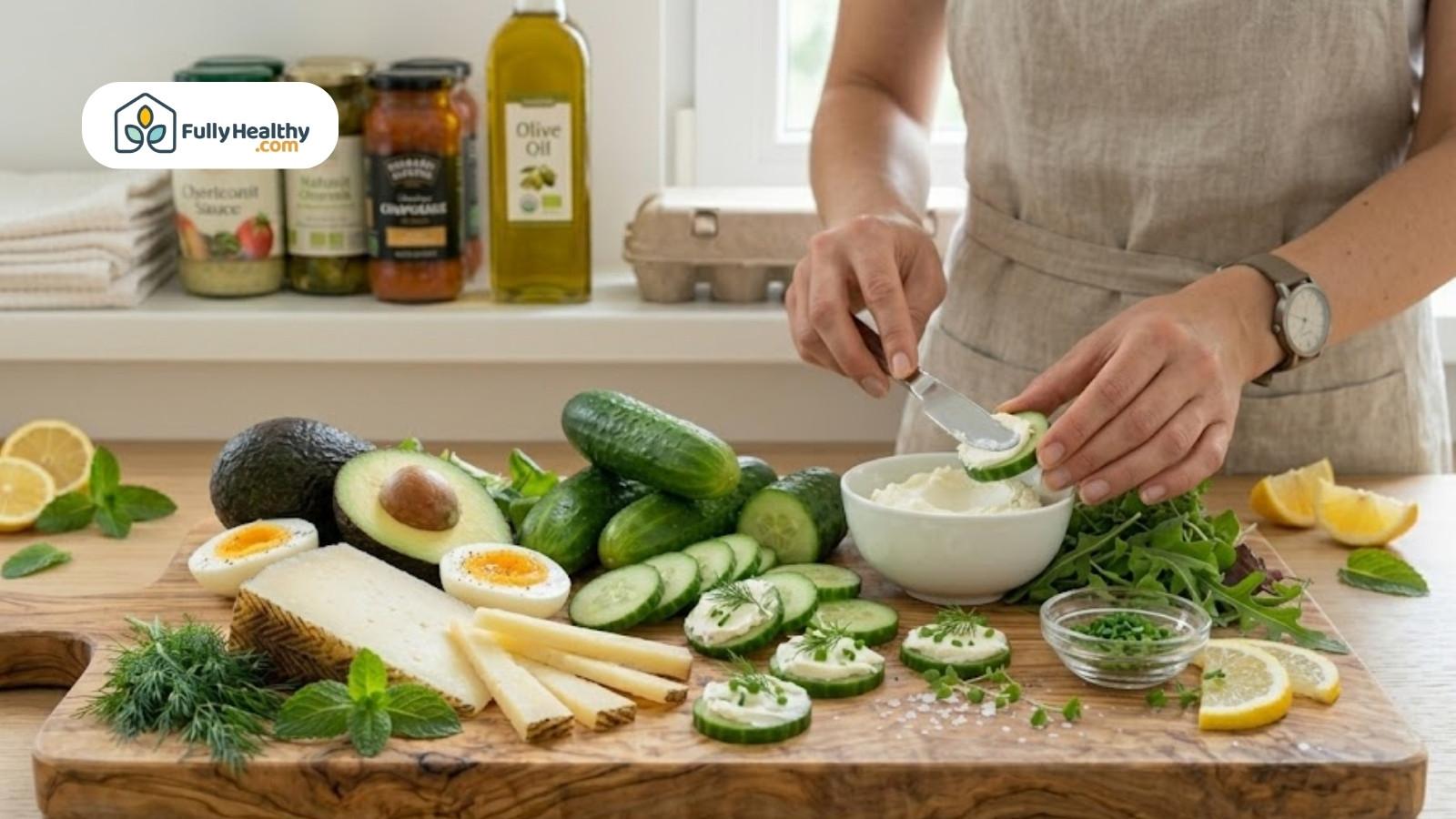
Simple snack: Cucumber slices topped with cream cheese orsour cream create a quick keto friendly snack.
-
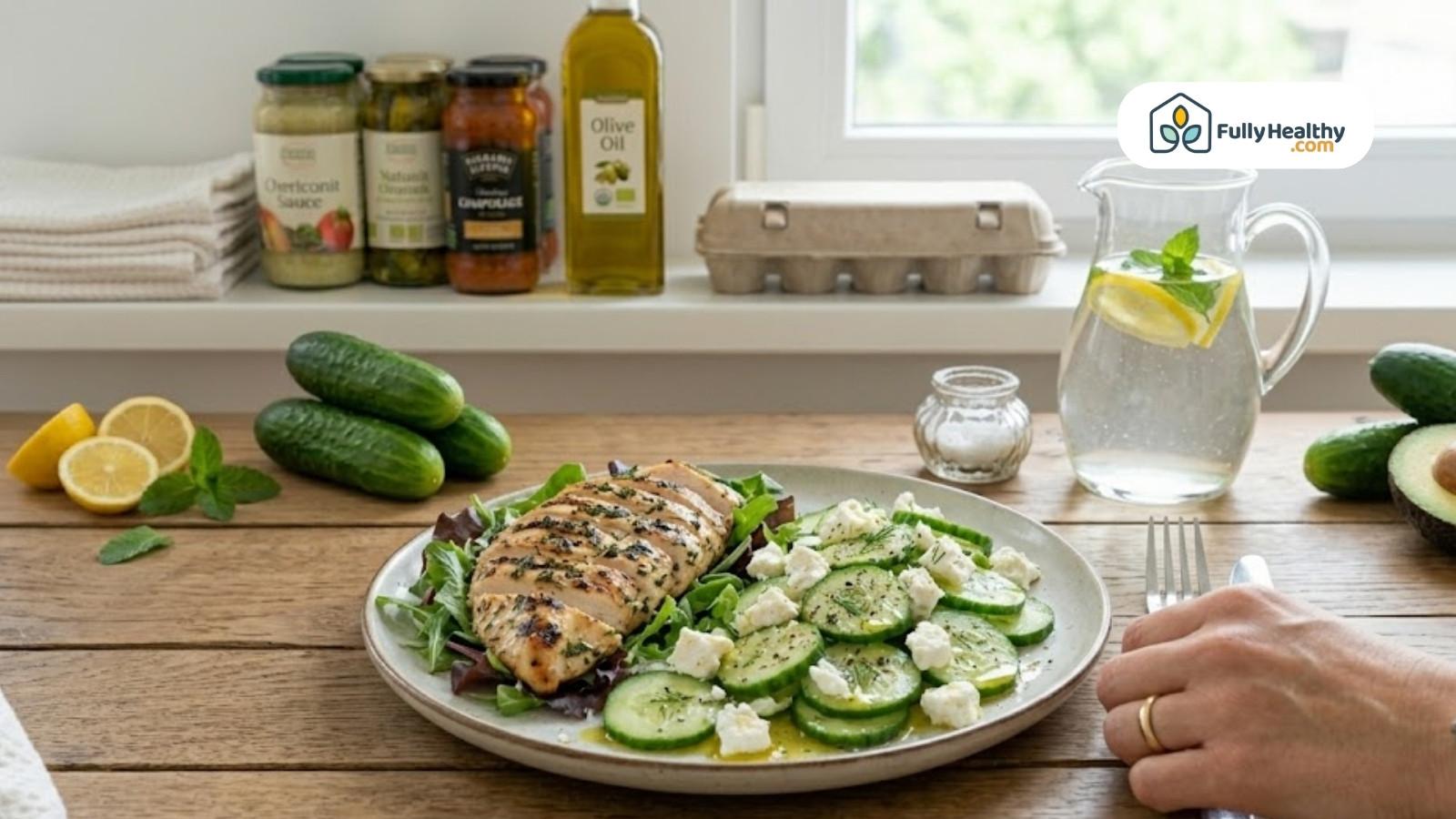
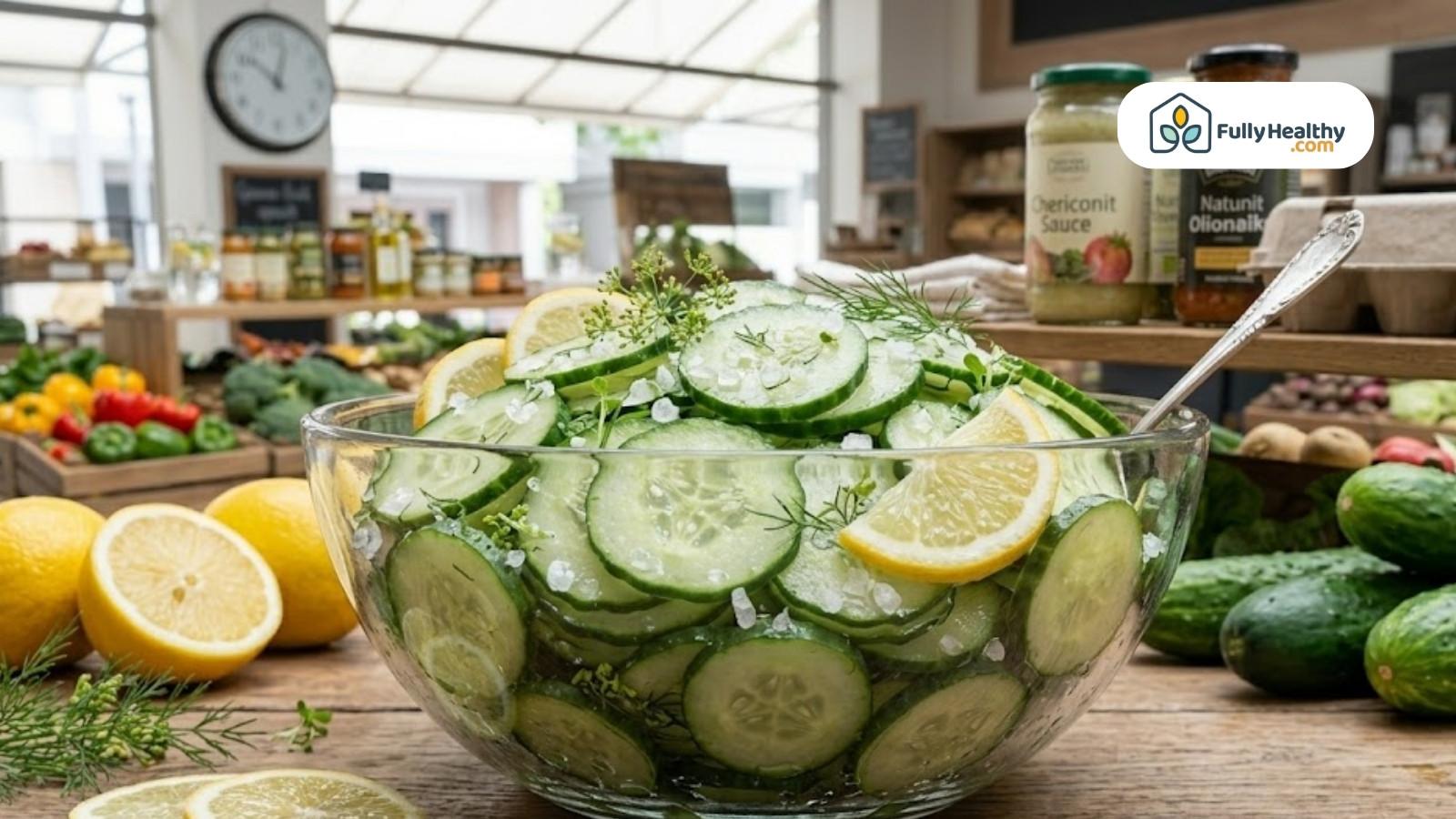
Fresh salad: Combine sliced cucumbers with lemon juice, fresh dill, and fresh herbs to make a light cucumber salad.
-
Flavor pairing: Serve cucumber rounds with smoked salmon pate and chopped green onion for an easy appetizer.
-
Hydration support: Cucumbers contain a high amount of water, which helps maintain hydration during keto.
What Veggies Can I Eat On Keto?
Vegetables remain important when following a keto diet. They provide fiber, vitamins, and minerals that support digestion and overall health. However, the key is choosing low carb vegetables rather than starchy vegetables that contain more sugar and carbohydrates.
Best Low-Carb Vegetables For Keto Diets
Low carb vegetables are usually non-starchy vegetables that contain fewer grams of net carbs per serving. These foods are easy to add to keto meals and help bring variety and flavor to your diet.
-
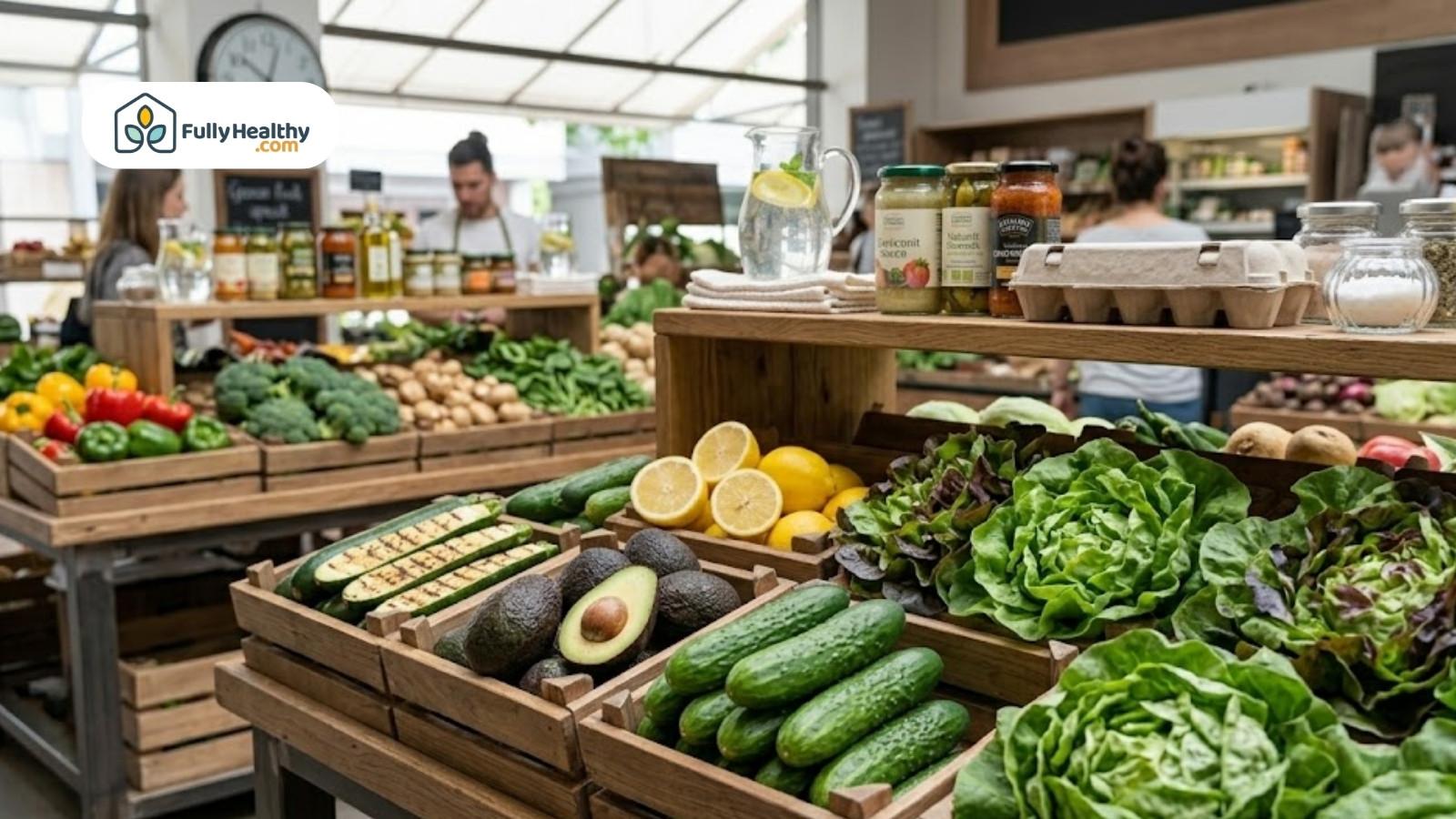
Leafy greens: Spinach, lettuce, and kale contain very few carbs and support overall health benefits.
-
Salad favorites: Cucumbers keto friendly vegetables that add crunch and freshness to many meals.
-
Pasta substitute: Zucchini noodles act as a low carb alternative to traditional pasta dishes.
-
Crunchy additions: Celery, bell peppers, and green onion add flavor while keeping carbs low.
These vegetables also provide nutrients that support energy levels and may assist with weight loss when following a ketogenic diet.
Vegetables To Limit Or Avoid On Keto
Not every vegetable fits well into a keto meal plan. Some vegetables contain more starch, which increases carb levels and may affect ketosis.
Starchy vegetables tend to contain more total carbs and may raise blood sugar faster than low carb vegetables.
-
High-carb examples: Potatoes, corn, and peas are common starchy vegetables that contain higher carbohydrate levels.
-
Carb comparison: Many of these vegetables contain more than 10 grams of net carbs per serving.
-
Keto impact: Eating large portions may prevent the body from switching to burn fat effectively.
-
Better choices: Replace them with low carb vegetables such as cucumber, lettuce, or zucchini.
How Many Cucumbers Can I Have On Keto?
Portion size still matters when following a keto diet, but cucumbers are one of the easiest vegetables to include. Because they contain few grams of net carbs, moderate servings usually fit comfortably within daily carb limits.
Typical Carb Counts In Cucumber Servings
Knowing cucumber nutrition facts can help answer the common question of how many carbs cucumbers contain. Most servings contain minimal carbohydrates, making them ideal for keto meals and snacks.
-
One medium cucumber: Contains about 3–4 grams of total carbs and around 2–3 grams of net carbs.
-
Entire cucumber serving: Even eating a large cucumber usually stays under about 5 grams of net carbs.
-
Portion reference: One medium cucumber or several cucumber slices easily fits most keto daily carb limits.
-
Fiber benefit: The fiber in cucumbers helps lower grams of net carbs compared with total carbs.
Tips For Eating Cucumbers Without Exceeding Carb Limits
Cucumbers are very versatile and work well in many keto recipes. They add crunch, freshness, and hydration while keeping carb intake low.
-
Simple salad: Make cucumber salad using lemon juice, red onion, fresh herbs, and olive oil.
-
Quick snack: Top cucumber slices with cream cheese, sour cream, and fresh dill for extra flavor.
-
Protein pairing: Serve sliced cucumbers with smoked salmon pate for a light keto lunch option.
-
Refreshing drink: Blend cucumber with celery juice for a cool, low carb beverage.
What Are Common Mistakes On A Keto Diet?
Starting a ketogenic diet can feel simple, but many beginners make mistakes that slow progress. A balanced approach is important for maintaining a low carb lifestyle while still getting enough nutrients. Paying attention to food quality, portion sizes, and nutritional information helps support long-term success and better health benefits.
Common Beginner Errors That Disrupt Ketosis
Many people focus only on reducing carbs, but the ketogenic diet works best when fat, protein, and vegetables are balanced. Ignoring this balance may prevent the body from staying in ketosis.
-
Cutting carbs too aggressively: Removing all carbohydrates at once can lead to fatigue and low energy instead of steady weight loss.
-
Ignoring nutrient density: Meals should include nutrient dense foods that provide essential vitamins and minerals.
-
Eating too much protein: High protein intake may reduce the body’s ability to burn fat efficiently.
-
Overeating in one sitting: Even keto foods can exceed your daily allotment of carbs and calories if eaten in large portions.
Maintaining a balanced plate helps improve nutrient density and supports a sustainable low carb lifestyle.
Nutrition And Lifestyle Mistakes Keto Beginners Make
Another common mistake is avoiding vegetables completely. While carbs must remain low, vegetables provide important nutrients and antioxidants that support overall health.
Vegetables also contribute to better digestion and help meet daily intake needs for essential vitamins.
-
Skipping vegetables: Low carb vegetables like asparagus contain vitamin a, vitamin c, and other essential vitamins.
-
Choosing processed foods: Depending only on packaged keto snacks can reduce nutritional value.
-
Ignoring hydration: Drinking enough fluids helps maintain energy and supports overall nutritional balance.
-
Not checking labels: Reading nutritional information helps control daily intake and avoid hidden carbs.
FullyHealthy: A Place Where Keto Dieters Love
Finding keto friendly foods can sometimes feel challenging, especially when managing special dietary needs. FullyHealthy is an online marketplace that helps simplify healthy shopping. It focuses on clean ingredients and foods designed to support a low carb lifestyle while still providing delicious and nutrient dense options.
How FullyHealthy Supports Specialty Diets
FullyHealthy helps people follow specialty diets by offering carefully selected foods with clear nutritional information. These products often emphasize nutrient density and whole ingredients that support better health.
-
Special diet options: The store offers foods suitable for keto, gluten-free, and other specialty diet plans.
-
Clear nutritional information: Product labels help shoppers understand nutritional value and daily intake details.
-
Focus on quality ingredients: Many products highlight natural ingredients that improve nutrient density.
-
Convenient shopping: An online marketplace makes it easier to find foods that support a low carb lifestyle.
Products Available On FullyHealthy
FullyHealthy also offers specialty products that make keto meals easier and more delicious. These foods allow people to enjoy variety while staying within their daily allotment of carbohydrates.
-
Base Culture Original Gluten-Free Keto Bread: A low carb alternative made with almonds, flax, and eggs that supports a keto diet.
-
Hearty Sauces AIP Ranch Mix: A seasoning mix that creates dressings or marinades and pairs well with foods like avocado and vegetables.
-
Farmer’s Market Organic Pumpkin: A pure pumpkin product made from one fruit ingredient that can be used in soups, sauces, or baked dishes.
-
Flexible meal options: These products help create delicious meals while maintaining good nutritional value and balanced daily intake.
Final Thoughts
Cucumbers are a simple and practical food for anyone following a keto diet. They are very low in carbs, refreshing, and easy to add to many meals. Whether you enjoy cucumber slices in salads or snacks, they fit easily into most keto meal plans. One cup of sliced cucumber contains very few carbohydrates and is almost calorie free, which makes it helpful for people managing carb intake and weight goals.
You can add cucumbers to salads, snacks, or simple meals to keep things fresh and light. Their high water content also supports hydration. Overall, cucumbers are a convenient vegetable that works well in a balanced keto eating plan.
FAQs
Are cucumbers keto friendly if I eat one cup daily?
Yes, one cup of cucumber slices is very low in carbohydrates and almost calorie free, which makes it suitable for most keto meal plans.
How many carbs are in one cup of cucumbers?
One cup of sliced cucumbers typically contains only a small amount of carbohydrates and very few calories.
Can cucumbers help with weight goals on keto?
Yes, cucumbers are almost calorie free and low in carbs, which makes them useful for people focusing on weight management.
Is one cup of cucumber a good snack on keto?
Yes, one cup of cucumber slices is a refreshing and low-carb snack that fits well within keto carb limits.
Why are cucumbers considered keto friendly?
Cucumbers are mostly water, very low in carbohydrates, and nearly calorie free, making them easy to include in keto meals.
Leave a comment