

Are Hibiscus Poisonous to Dogs? A Clear Safety Guide
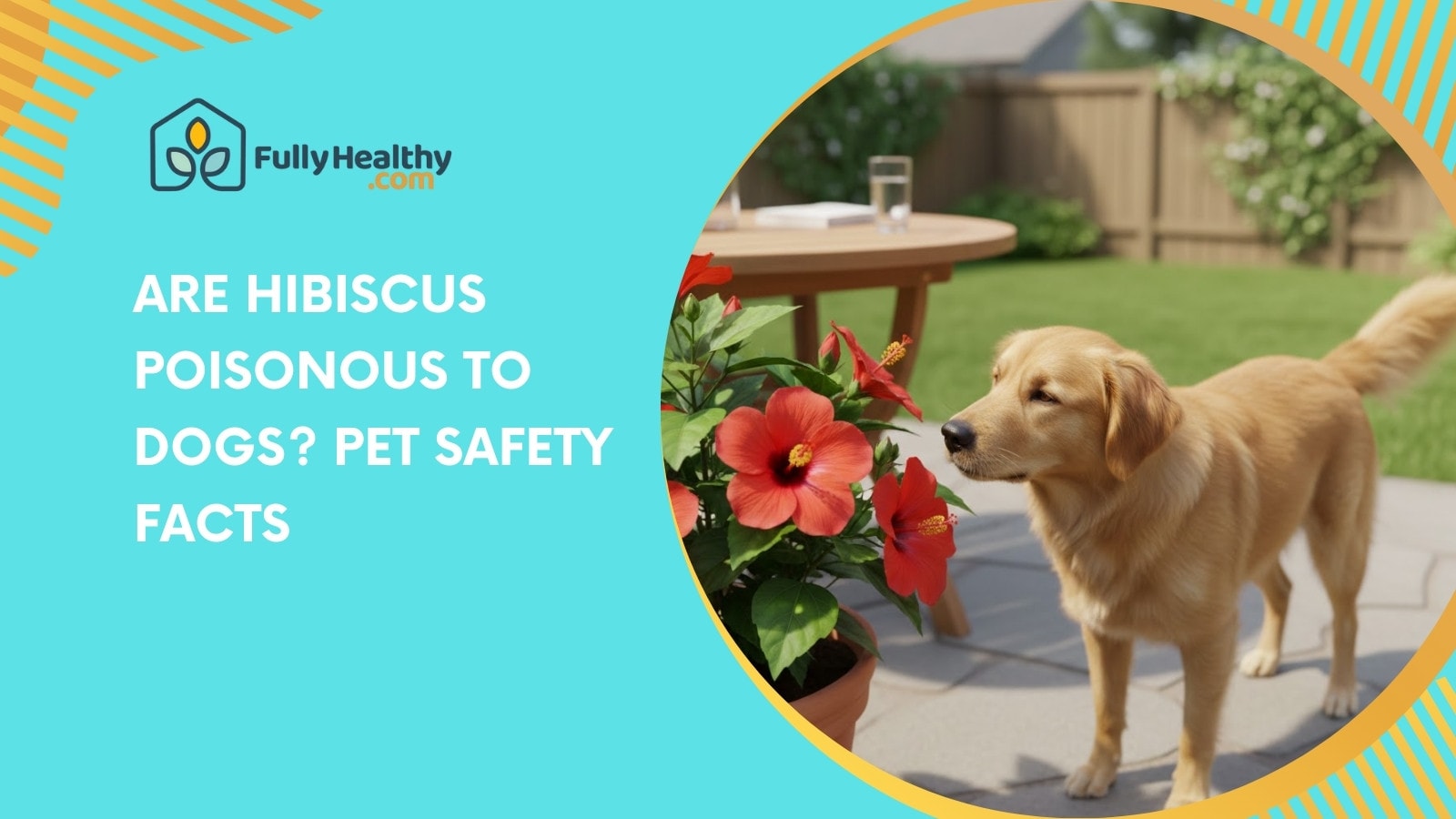
Are hibiscus poisonous to dogs? In a word, yes, some can be. Dogs shouldn't eat all hibiscus plants, but Rose of Sharon and some other types may make them sick if they do. Even though symptoms are mild, like throwing up or having diarrhea, they are still important. This article talks about which hibiscus are dangerous, why dogs eat them, and what you should do next.
❤️ Support Your Heart Naturally — Refresh with Hibiscus Tea!
Are Hibiscus Poisonous to Dogs?
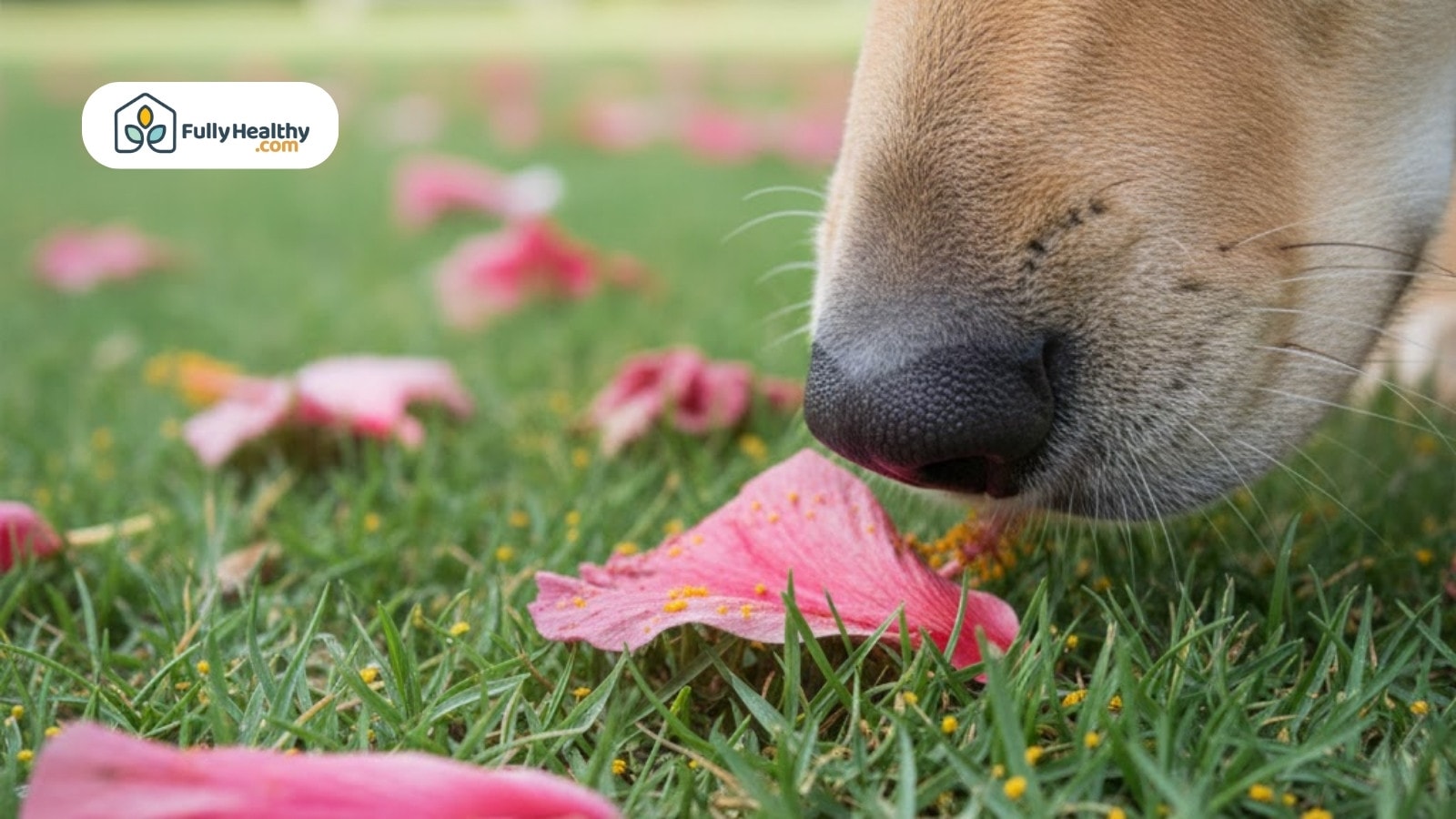
Many people who own pets aren't sure if the hibiscus plant is safe for their animals. It's not as simple as yes or no. There are different types of hibiscus plants that are poisonous to dogs. Some are more dangerous than others. The risk is different for each species, how much was eaten raw, and how sensitive your pet is.
Are Hibiscus Poisonous to Dogs or Just Certain Parts?
Concerns about hibiscus plants that are poisonous are not all the same. Different types are more likely to make things worse, especially if a dog eats a lot of plant matter. All parts of plants flowers, leaves, and stems can make your stomach hurt.
-
High-Risk Species: Hibiscus syriacus, also known as sharon hibiscus or rose of sharon, is more likely to cause ill effects.
-
Amount Consumed: Large amounts increase the risk of vomiting, diarrhea, and nausea.
-
Form of Exposure: Eating plant material eaten raw is more concerning than brief contact.
-
Other Pets: Cats may also experience digestive upset from toxic plants.
What Happens If a Dog Eats Hibiscus?
Sometimes, symptoms show up within a few hours after a dog ate hibiscus. People who eat a lot of it may have other symptoms if they don't feel well afterward.
-
Common Symptoms: Upset stomach, vomiting, diarrhea, nausea, and general gi upset.
-
Other Symptoms: Skin irritation, allergic reactions, or bloody diarrhea in rare cases.
-
Severity Factors: The type of hibiscus, large amounts eaten, and pet size all matter.
-
When to Act: If symptoms develop or worsen, contact a veterinarian or vet promptly.
What Hibiscus Is Toxic to Dogs?
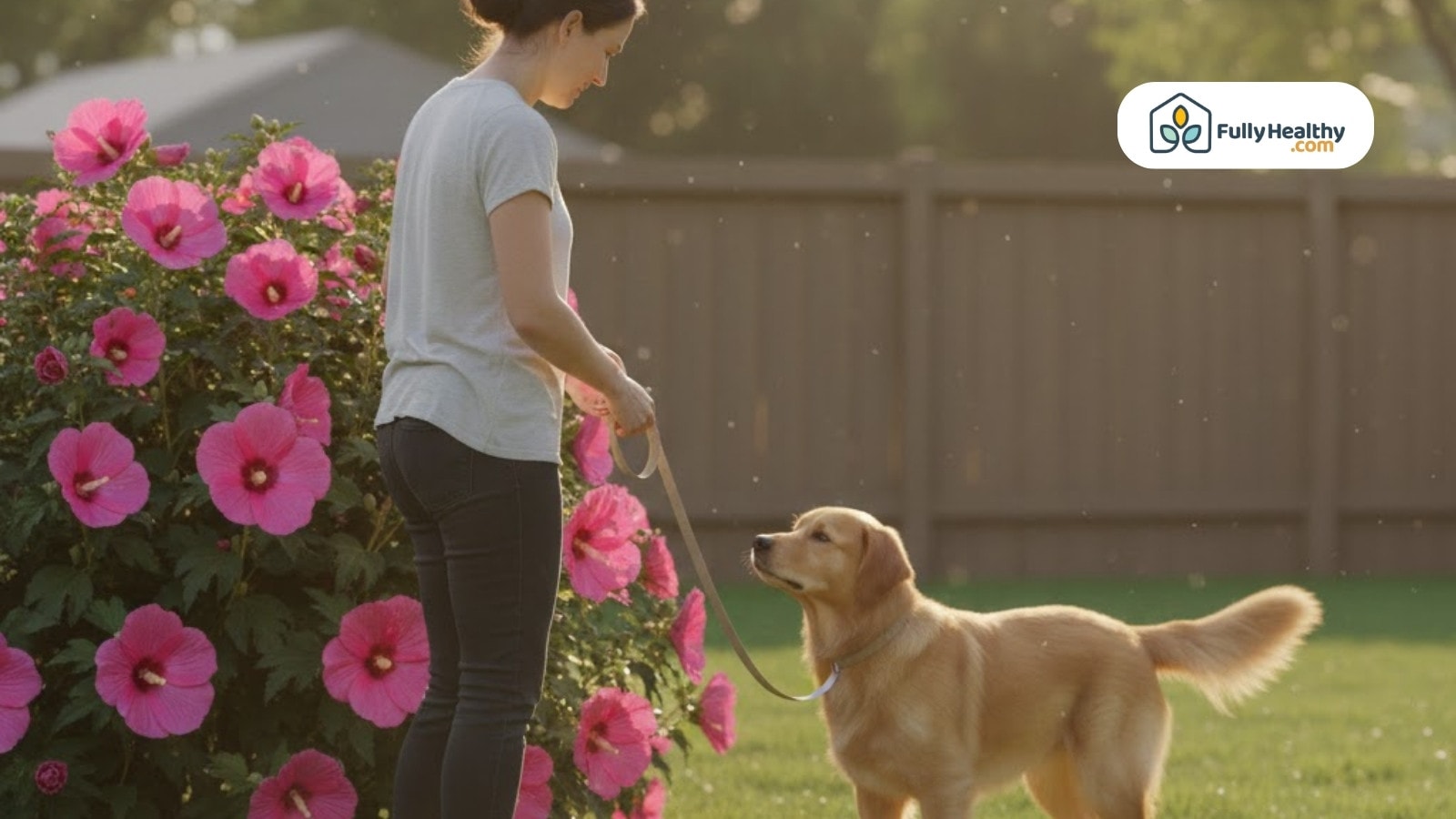
Not all flowers that look like roses are poisonous, but some types of hibiscus are. Pet owners can compare dangerous types of plants to other harmful plants, like snake plants or sago palms, when they know which types are dangerous.
Is Rose of Sharon Dangerous for Dogs?
Rose of sharon, sometimes called sharon, is the most commonly linked hibiscus to digestive upset in dogs. Hibiscus syriacus is the primary species involved in hibiscus poisoning cases.
-
Scientific Name: Hibiscus syriacus is frequently linked to digestive upset.
-
Typical Effects: Vomiting, diarrhea, nausea, and gastrointestinal distress.
-
Severity Comparison: Symptoms are usually milder than those caused by sago palm.
-
Yard Risk: Fallen flowers from a rose or sharon plant increase exposure.
Are All Hibiscus Plants Unsafe for Dogs?
Some types of hibiscus, like hibiscus rosa sinensis, which is also called the china rose, are thought to be less dangerous. They are still not safe for pets to eat, though.
-
Lower Risk Does Not Mean Safe: Digestive upset may still occur.
-
Tea Confusion: Hibiscus tea and tea products are for humans and may affect blood pressure and blood sugar, but they are not for pets.
-
Other Plants: Compare hibiscus risks with snake plant and other plants commonly kept indoors.
-
Best Practice: Keep all plants out of reach of pets.
Why Is My Dog Eating Hibiscus Leaves?
Dogs may chew on plants for reasons other than being hungry. A pet might taste leaves, flowers, or other plants in the yard out of curiosity, boredom, or mild sickness.
Do Dogs Eat Plants Because They’re Sick?
Based on what vets know, dogs sometimes eat plants when they are already sick. Sometimes, the plant is not the first thing that made the person sick.
-
Pre-Existing GI Upset: Nausea or gastrointestinal distress may occur first.
-
Self-Soothing Behavior: Dogs may chew plants to relieve discomfort.
-
Timing Confusion: Vomiting after exposure does not always mean poisoning.
-
Observation Matters: Monitor closely if symptoms last beyond a few hours.
Behavioral vs Medical Reasons Dogs Chew Plants
It may be normal to chew, but being exposed to something over and over again raises the risk, especially with toxic plants.
-
Curiosity: Young pets explore plants and other plants by chewing.
-
Easy Access: Open yards increase the chance a dog consumed plant material again.
-
Prevention Steps: Remove fallen leaves and flowers to prevent ingestion.
-
Safety Action: Withhold food temporarily and seek immediate veterinary care if severe symptoms appear.
Is Hibiscus Flower Good for Dogs to Eat?
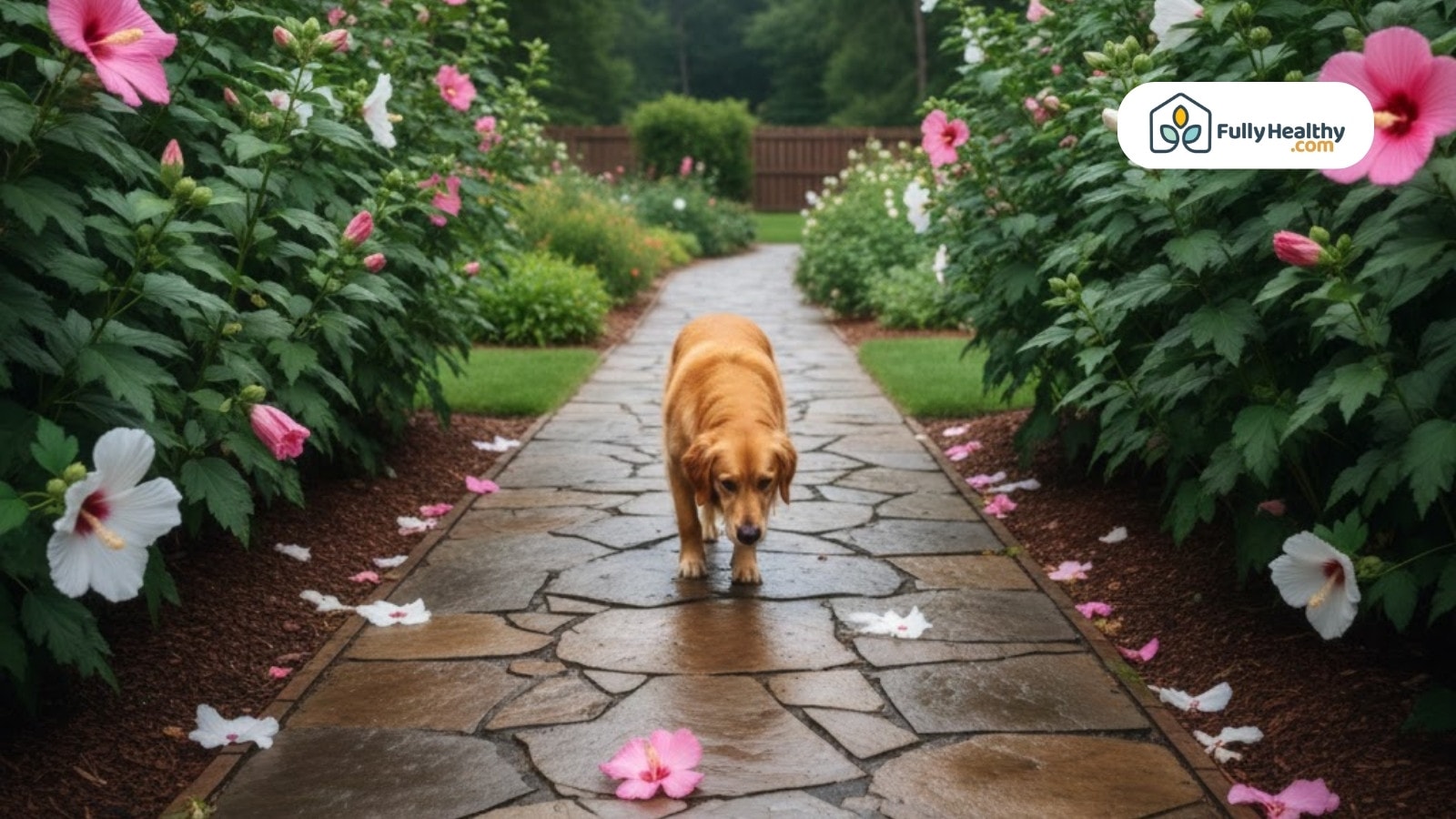
Hibiscus flowers may look like they won't hurt anything in the garden, but animals shouldn't eat them. Even though small amounts don't always make dogs very sick, hibiscus flowers can still make their mouth and digestive system hurt. Curious pets and puppies are especially at risk because they chew on plants to learn more about them.
Can Dogs Safely Eat Hibiscus Flowers?
Heliconia flowers are not safe for dogs to eat, even in small amounts. If you eat the blossoms raw, they can hurt your stomach and irritate sensitive tissues. Reactions depend on the size, health, and amount eaten by the pet.
-
Small Exposures: Small amounts may lead to mild digestive upset rather than serious toxicity.
-
Oral Irritation: Blossoms can irritate the mouth and tongue, causing drooling or discomfort.
-
Pet Size Matters: A puppy or smaller dog may show signs faster than larger animals.
-
No Health Benefit: Hibiscus flowers provide no nutritional value for pets.
What to Do If Your Dog Eats a Hibiscus Flower
If your dog ingested hibiscus, observe closely over the next few hours. Most cases are mild, but early action helps prevent complications like dehydration.
-
Early Signs: Vomiting, diarrhea, reduced appetite, or pawing at the mouth.
-
Fluid Loss Risk: Repeated vomiting or diarrhea can lead to dehydration.
-
Monitoring Timeframe: Symptoms often appear within a few hours after ingestion.
-
Vet Guidance: Contact a vet if symptoms worsen or do not improve.
How FullyHealthy Can Help Pet Owners Choose Safer Household Teas
A lot of pet owners like herbal tea, but they also want to keep their homes safe. FullyHealthy sells herbs and tea products that can only be used by people. Keeping things out of reach and being aware of what's around you can help keep pets from accidentally eating dangerous things.
Hibiscus Tea vs Hibiscus Plants: What Pet Owners Should Know
Hibiscus tea is made for people, not pets. Although humans may drink tea for wellness support, dogs should never be given hibiscus tea or related herbs.
-
Human-Only Products: Hibiscus tea is not formulated for animals.
-
Different Exposure Risks: Tea and raw plant material both pose risks if ingested by pets.
-
Safe Storage: Keep tea bags, loose herbs, and packaging out of reach.
-
Garden Awareness: Pets may confuse tea ingredients with garden plants.
Hibiscus-Free Tea Options Available on FullyHealthy
Pet owners can still enjoy tea while keeping pets safe by choosing hibiscus-free options for themselves.
-
Alternative Herbs: Ginger and dandelion teas are suitable for humans only.
-
Smart Storage Habits: Sealed containers help prevent chewing and spills.
-
Multi-Pet Homes: Extra care is needed when cats and dogs share spaces.
-
Prevention Focus: Good habits reduce accidental ingestion and stress.
Final Thoughts
It's important to keep your pet safe around plants. Can dogs get sick from hibiscus? Yes, some types of hibiscus plants are poisonous. For example, hibiscus syriacus, rose of sharon, sharon hibiscus, and sharon can poison a dog if it eats a significant amount of it raw.
Some of the most common signs are vomiting, diarrhea, nausea, an upset stomach, GI upset, gastrointestinal distress, skin irritation, allergic reactions, bloody diarrhea, mouth and tongue irritation, loss of appetite, dehydration, and signs that show up within a few hours. Some plants in the garden, like the snake plant and the sago palm, are poisonous to pets, cats, and a puppy.
Herbs, tea, and hibiscus tea can change blood sugar and blood pressure in people, but not in your furry friends. Stop the animal from eating, temporarily withhold food, and keep an eye on its symptoms. If symptoms appear, get immediate veterinary care from a veterinarian or vet.
FAQs
Are hibiscus poisonous to dogs if small amounts ingested?
Yes, small amounts ingested can still cause toxicity signs like Gi upset, vomiting, diarrhea, nausea, and appetite changes in animals.
What happens if a dog consumed hibiscus rosa sinensis or China rose?
A dog consumed hibiscus rosa sinensis or China rose may have digestive upset, gastrointestinal distress, and other symptoms from plant material.
Are hibiscus plants poisonous to cats and pets in the garden?
Yes, hibiscus plants poisonous risks apply to cats, pets, and animals, similar to other plants like snake plant, sago palm, and toxic plants.
Is hibiscus tea safe for pets regarding blood pressure and blood sugar?
No, hibiscus tea, tea, and herbs affect blood pressure and blood sugar in humans only and are unsafe if ingested by a pet.
When should I call a veterinarian after ingestion?
Call a veterinarian or vet for immediate veterinary care if symptoms develop, signs worsen, bloody diarrhea appears, dehydration occurs, or large amounts were eaten raw.
Leave a comment