

Is Chocolate Bad for Cats? Hidden Dangers You Must Know
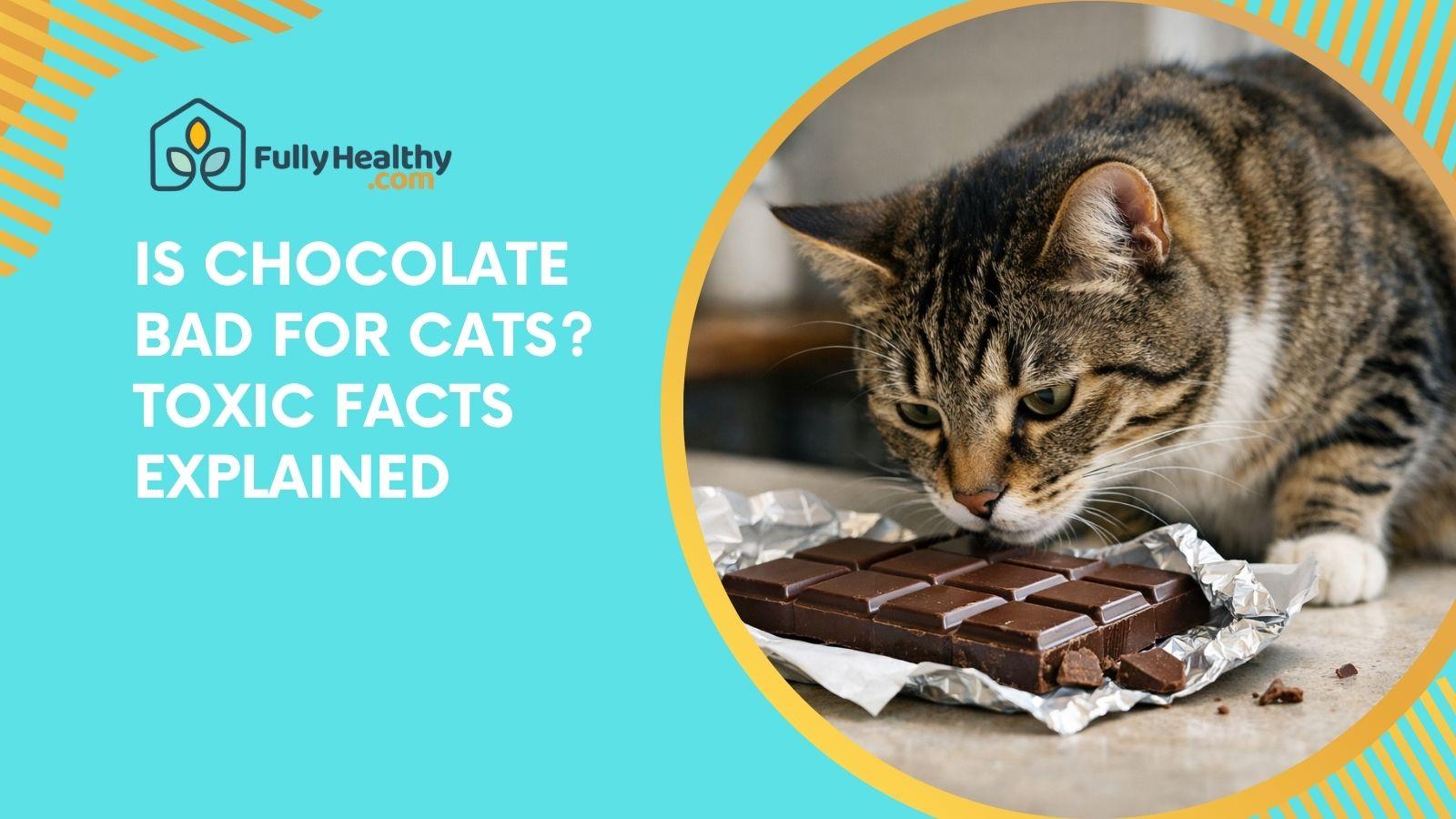
Chocolate may seem harmless, but many owners ask: is chocolate bad for cats? Unfortunately, chocolate is poisonous and can hurt your cat's heart and nervous system very quickly. Small amounts can cause vomiting, diarrhea, restlessness, or tachycardia; severity depends on the cat’s body weight, the type of chocolate, and the estimated methylxanthine dose.
This blog tells you how much chocolate is harmful, what signs to look out for, and how it stacks up against other dangerous cat poisons so you can keep your pet safe.
Featured Baking Pick
Enjoy Life // Semi-Sweet Mini Chocolate Chips - 9 oz
Loading...
Is Chocolate Bad For Cats?
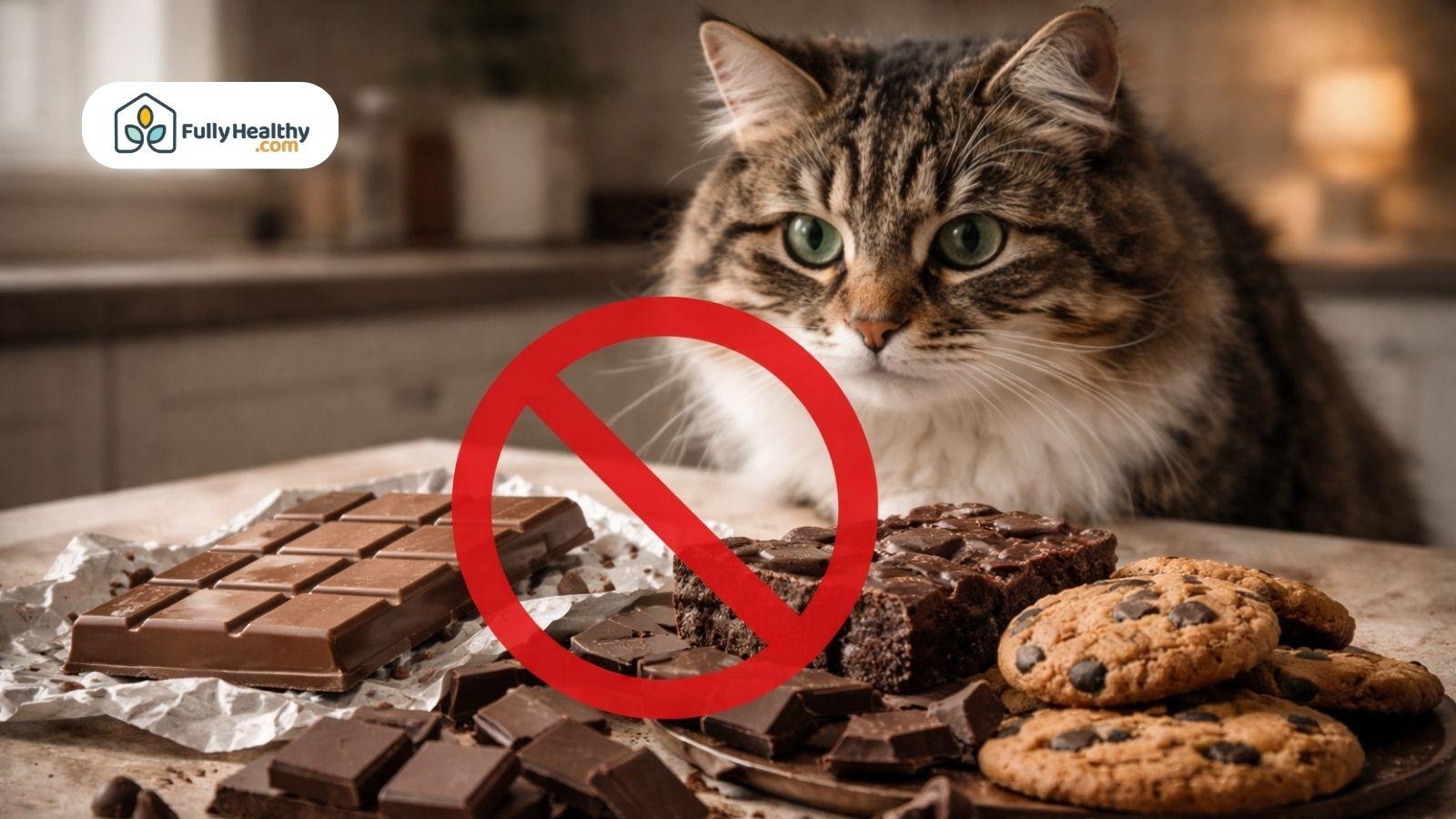
Cats should never be given chocolate as a sweet treat because it is bad for them. Cats should not eat chocolate; although some may investigate chocolate-containing foods, cats are generally indifferent to sweet taste because they lack a functional sweet receptor.
Theobromine and caffeine, which are found in chocolate, can build up to dangerous levels in cats. Cats can develop chocolate toxicosis after ingesting a sufficient methylxanthine dose; clinical signs often begin within about 6–12 hours, and severity varies with dose and chocolate type.
Why Is Chocolate Bad For Cats And What Makes It Toxic?
Theobromine and caffeine are two of the poisonous chemicals that make chocolate bad for you. These drugs speed up the heart rate and affect the nervous system. Cats are sensitive to methylxanthines, but the key point is that chocolate toxicosis in cats is uncommon and dose-dependent; avoid the unsupported comparison that cats categorically metabolize these compounds worse than dogs.
-
Toxic compounds: Theobromine and caffeine are the main causes of chocolate toxicity and directly affect the heart and brain.
-
High-risk types: Dark chocolate, baking chocolate, semi sweet chocolate, and baker's chocolate contain more cocoa and are more dangerous than milk chocolate or white chocolate.
-
Slow metabolism: Methylxanthines in chocolate can be absorbed and may persist long enough to cause toxicosis; avoid the unquantified claim ‘processes cocoa very slowly.
-
Common sources: Chocolate bar, chocolate milk, chocolate ice cream, cocoa powder, and baked goods can all lead to chocolate poisoning.
What Happens If A Cat Eats Chocolate (Symptoms And Timeline)?
Clinical signs typically appear within about 6–12 hours after ingestion. Things happen based on how much chocolate the cat eats and how much it weighs. Some signs might not seem too bad at first, but they can quickly become major health issues.
-
Early signs of chocolate: Vomiting, diarrhea, and stomach upset are often the first symptoms.
-
Behavior changes: Restlessness, increased heart rate, and unusual activity may follow.
-
Severe cases: Tremors, seizures, and collapse can occur if the condition worsens.
-
Emergency response: Contact a vet or pet poison helpline right away and never try to induce vomiting unless told to do so.
How Much Chocolate Is Toxic To Cats?

No amount of chocolate should be considered safe, but not every exposure causes illness; risk depends on dose, body weight, and chocolate type. Small animals are especially likely to get hurt by even a small amount.
The risk changes based on the cat's weight, the type of chocolate, and how much cocoa it has. Pet owners can act quickly if they think their cat has eaten chocolate if they know how much chocolate is harmful.
Toxic Dosage Levels And How Risk Varies By Chocolate Type
There are different amounts of cocoa in different chocolate treats, which changes how dangerous they are. Milk chocolate generally contains less methylxanthine than dark or baking chocolate, while white chocolate contains negligible theobromine and is usually a much lower toxicosis risk, though still inappropriate for cats because of fat/sugar.
-
Dose guideline: Estimated methylxanthine exposures around 20 mg/kg may cause mild signs, while higher exposures increase the risk of severe toxicosis.
-
Most dangerous types: Baker's chocolate, cocoa powder, and semi sweet chocolate contain the highest levels of toxic compounds.
-
Lower-risk options: White chocolate has very little cocoa but is still unsafe due to sugar and fat.
-
Size matters: The same amount of chocolate can affect smaller cats more severely than larger ones.
Why Even Small Amounts Of Chocolate Can Harm Cats
Even small exposures warrant caution, but risk should be framed as dose-dependent rather than implying every tiny exposure is toxic. Even if you only eat a little chocolate or more than once, it can still make you sick.
-
Toxin buildup: Toxic compounds can quickly build up in the cat's system after chocolate ingestion.
-
Digestive issues: Many cats are lactose intolerant, so milk and sugar can add extra health problems.
-
Hidden risks: Chocolate stash items like baked goods or chocolate milk can expose your cat without you noticing.
-
Important action: If your cat shows any unusual signs after eating chocolate, seek veterinary care immediately.
What Is The Deadliest Poison For Cats?

Cats can get very sick from chocolate, but it's not the most dangerous poison for them. A lot of things around the house are more dangerous and can hurt you faster. Pet parents should know these risks to better protect their furry loved companions. There is no single universally ‘deadliest’ poison for cats; lethality depends on agent, dose, exposure route, and treatment timing.
The Most Fatal Household Toxins For Cats (Ranked Risks)
There are household toxins that can be more rapidly life-threatening to cats than chocolate, including ethylene glycol, acetaminophen, and permethrin. You can find these in a lot of everyday items.
-
Antifreeze danger: Ethylene glycol is extremely toxic to cats and can be fatal even in small amounts.
-
Insecticide exposure: Permethrin is a well-established, high-risk feline neurotoxin; avoid grouping bifenthrin with the same certainty unless you cite feline-specific evidence.
-
Human medications: Drugs such as acetaminophen are highly toxic to cats and should never be given.
-
Other hazards: Certain plants and chemicals can also cause severe and rapid health problems.
Where Does Chocolate Rank Among Cat Poisons?
Cats can still get sick from chocolate, but not as badly as many chemical poisons. But you should never ignore it because eating chocolate can still make your symptoms worse.
-
Moderate risk level: Chocolate toxicosis can be serious, but feline exposures are less commonly reported than exposures to some other high-risk toxins; avoid an unqualified fatality ranking.
-
Common exposure: Many cats eat chocolate from unsecured chocolatey treats or a chocolate stash at home.
-
Treatment matters: Early treatment, including activated charcoal and veterinary care, can improve recovery chances.
-
Final advice: Always contact a veterinarian immediately if your cat consumed chocolate.
What Is The Silent Killer Of Cats?

This topic is unrelated to chocolate toxicosis and should be removed to maintain scientific focus. Cats can get diseases that hide at first and spread slowly, which are called "silent killers." These conditions, unlike chocolate poisoning, are often not known until they get worse.
Because of this, they are very dangerous for your cat. Pet owners can better handle long-term illnesses and sudden risks when they know the difference, especially if the chocolate your cat ate turns into an emergency.
Common Silent Killer Diseases Every Cat Owner Should Know
Some illnesses are called "silent killers" because they are hard to spot in their early stages. These illnesses hurt your cat's health slowly over time by affecting important organs.
-
Chronic kidney disease: Causes toxin buildup in the body and leads to gradual organ failure.
-
Hyperthyroidism: Increases metabolism, causing weight loss and a fast heart rate.
-
Diabetes mellitus: Affects blood sugar levels and can lead to weakness and dehydration.
-
Heart disease: May not show clear signs until breathing problems or sudden collapse occur.
-
Cancer risks: Often detected late, which makes treatment more difficult and less effective.
How Silent Killers Differ From Acute Poisoning Like Chocolate Toxicity
When someone eats chocolate, the poisoning that follows happens quickly. Silent killers work more slowly. Both are very bad, but they show up and get worse in different ways.
-
Onset speed: Silent killers develop over months or years, while chocolate poisoning can appear within hours.
-
Cat's symptoms: Chronic illness shows gradual changes, while poisoning causes sudden vomiting, tremors, or seizures.
-
Urgency level: Chocolate toxicity needs immediate action, while silent diseases require regular vet checkups for early detection.
-
Prevention focus: Routine care helps prevent disease, while avoiding chocolate and other foods reduces poisoning risk.
What Does FullyHealthy Offer For Safer Food Choices Related To This Topic?
An online store called Fully Healthy sells clean, allergen-free foods. Even though it's not made for pets, it helps people choose healthier foods and stay away from dangerous things like chocolate. This makes it less likely that your furry feline will get exposed by accident.
How FullyHealthy Supports Safer, Cleaner Eating Habits For Households
Products on the platform are made with simple, safe ingredients. This keeps pet owners' kitchens safer and keeps them from giving their pets dangerous foods.
-
Clean ingredient focus: Products are made without common allergens or hidden harmful additives.
-
Diet-friendly options: Supports AIP, gluten-free, and other special diets.
-
Safer home environment: Fewer harmful foods in the house lowers the risk for pets.
-
Better awareness: Encourages mindful food storage and safer habits around animals.
What Products Can Replace Traditional Sweets And Reduce Chocolate Exposure Risks
FullyHealthy gives you safer options for chocolate treats that you can keep at home. Ingesting chocolate by your cat is less likely to happen if you do this.
-
Natural sweeteners: Options like coconut sugar and maple sugar replace chocolate-based ingredients.
-
Baking alternatives: Allergen-free mixes that do not contain cocoa or harmful compounds.
-
Safer snacks: Clean treats that avoid ingredients toxic to cats.
-
Simple safety tip: Keep chocolate your cat cannot reach, and replace it with safer alternatives.
Final Thoughts
Is chocolate bad for cats? Most definitely. Even a small amount of chocolate can quickly hurt your feline friend. Chocolate has theobromine and caffeine in it, which cats' bodies can't break down. This means that cats can get chocolate poisoning and have serious health problems.
This includes milk chocolate, dark chocolate, and baking chocolate. Don't let your cat eat any of these. If you notice that your cat has eaten chocolate, you should call your vet right away to avoid serious problems.
FAQs
Is It Okay If My Cat Licked A Little Chocolate?
No, even a small lick can be harmful because chocolate toxicity affects a cat’s body quickly, so contact a vet if your cat shows symptoms.
What Is The #1 Cause Of Death In Cats?
Chronic kidney disease is common in older cats and is a major cause of morbidity and mortality, but avoid presenting it as the single #1 cause of death without a cited epidemiologic source.
What Is “I Love You” In Cat Language?
Cats show affection through slow blinking, head bunting, and purring rather than words.
How Do Cats Say “I’m Sorry”?
Cats may show apology-like behavior by being extra affectionate, rubbing against you, or staying close.
What Kills Cats Faster At Home?
Common household hazards such as ethylene glycol, acetaminophen, and permethrin can rapidly become life-threatening; chocolate is also toxic but is not typically cited as a top feline household killer in the same category.
Leave a comment