
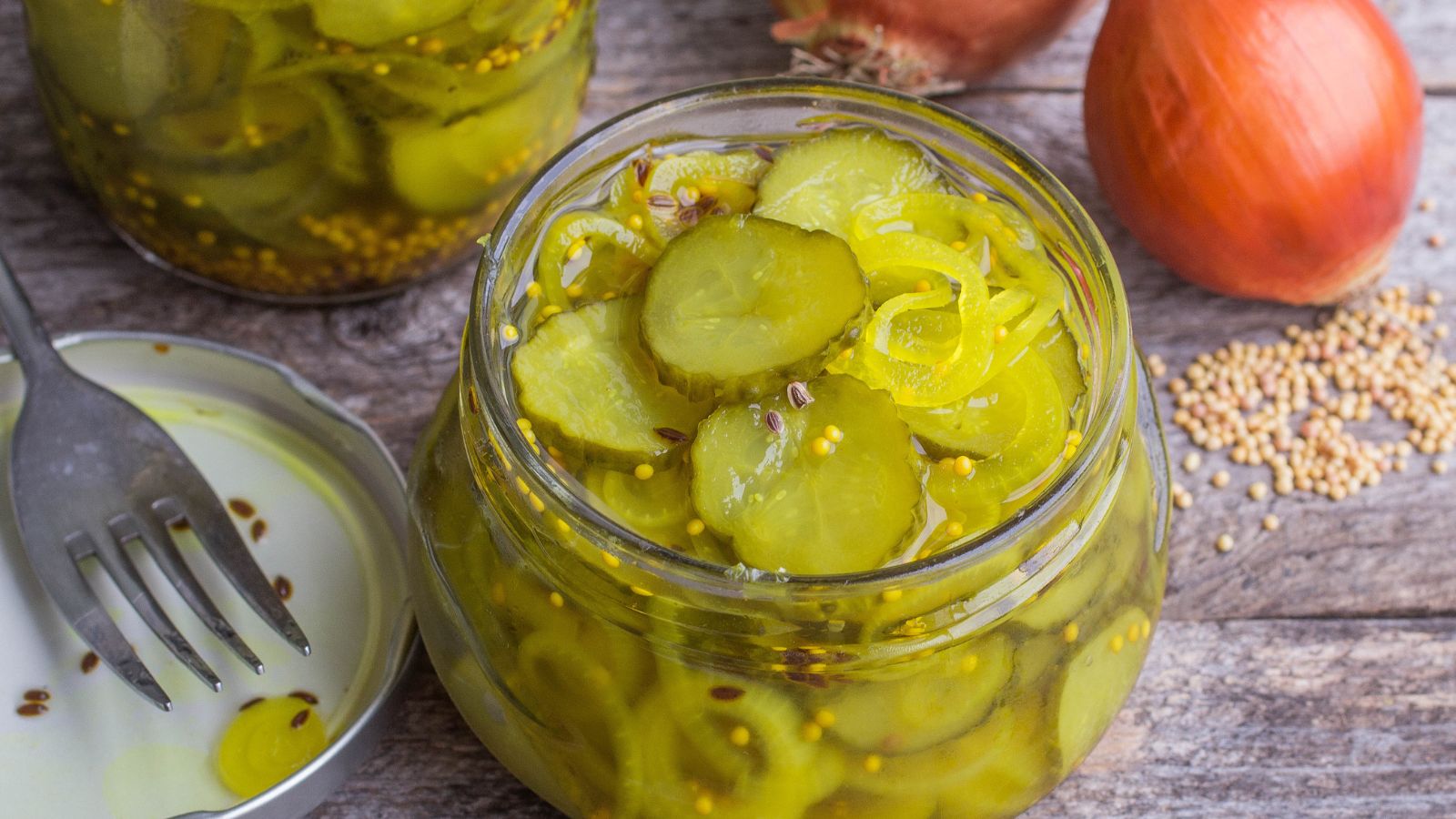
Are Pickles a Vegetable? Exploring Dill Pickles and More

Many people aren't sure if pickles are vegetables or just a snack. Pickles begin as cucumbers, but the process of pickling changes their classification. They may contain small amounts of antioxidants and vitamins, but the pickling process can significantly reduce their levels, and many varieties are high in sodium.
We'll talk about whether pickles are a vegetable, their health benefits, their place in the food world, and whether they're really junk food in this article.
🥬 Gut-Friendly Goodness in a Jar – Click Here to Get Yours!
Are Pickles a Vegetable?

Pickles are usually thought of as vegetables, but they come from cucumbers, which are fruits. The pickling process includes putting them in a brine solution that usually has vinegar, salt, and spices in it.
They may look like vegetables now, but they're actually fruits that have been fermented or preserved in vinegar to become pickles. However, when it comes to food, pickles are usually thought of as vegetables because they are used in salads, sandwiches, and charcuterie boards.
Pickles Are Considered Vegetables in Culinary Terms
-
Cucumber plant: In plants, the cucumber is a fruit, but in cooking, it's used like a vegetable.
-
Tasty condiments: Sandwiches, burgers, and egg salad taste better with pickles on them.
-
Pickled cucumbers: To make things easier for cooks, most pickles come from the cucumber plant and are called vegetables.
Botanically, Pickles Are Fruits
-
Fruits, not vegetables: Botanically, cucumbers are fruits since they develop from the flower of the plant, although they are used as vegetables in culinary contexts.
-
The pickling process changes things: Even though cucumbers are fruits at first, the process of pickling them makes them more like vegetables for cooking.
Are Pickles a Healthy Snack?

Pickles can be a healthy snack, but only if you eat the right kind and the right amount. Most pickles are high in sodium, which could be bad for people with high blood pressure or other health problems. Dill and butter pickles are usually low in calories and fat. Only naturally fermented pickles contain probiotics; most commercial vinegar-based pickles do not.
Health Benefits of Pickles
-
Low-calorie, low-fat snack: It's possible to eat pickles like dill and sweet ones without worrying about how many calories they have.
-
Rich in nutrients: Some pickles retain vitamin K, but vitamin C and beta-carotene levels are often diminished during the pickling process.
-
Fermented pickles: Probiotics are good bacteria that help your body digest food and keep your gut healthy. Some pickles are fermented foods.
The Risks of High Sodium Content
-
High in sodium: If the pickles aren't homemade or marked "low-sodium," they may have a lot of sodium.
-
Potential health risks: High blood pressure, heart disease, and other health problems can be made worse by eating too much sodium. Pickles should be eaten in moderation or with low-sodium varieties if you are on a low-sodium diet.
What Food Category Are Pickles In?

Although pickles are sometimes confused with fruits, they are usually thought of as vegetables when used in cooking. This is mainly because they go well with other vegetables like green beans, onions, and lettuce as condiments and side dishes.
Separating pickles into different groups depends on how they are made. Sour and sweet pickles are examples of pickled vegetables, while fermented pickles are examples of fermented foods.
Pickles as Vegetables in Food Dishes
-
Common in sandwiches and salads: Puppies like pickles on their burgers, sandwiches, and salads.
-
Pickles in main dishes: For example, pickled cucumbers, pickled peppers, and other vegetables give chicken or tomatoes a new flavor.
Pickles as Fruits in Botany
-
Botanical classification: Actually, pickles are fruits since they come from cucumbers, which are fruits.
-
Versatile in food: With a variety of foods, like bread and tomatoes, pickles can be enjoyed whether they are sweet, sour, or in a brine solution.
Is Pickles a Junk Food?

Although pickles are often thought of as a snack, they are not always considered junk food. The pickling process gives them distinct flavors that can enhance meals, but not all pickles are created equal.
Some pickles, like butter or dill, are low in calories, while others, like sweet pickles, have extra sugars used to sweeten them. Health concerns around pickles are primarily due to their high sodium content, which may be problematic for individuals with hypertension or heart issues.
Pickles Can Be Nutritious
-
Good source of nutrients: For example, depending on the type, pickles are low in calories and high in important nutrients like vitamin K and vitamin C..
-
Fermented pickles: Lactofermented foods, like dill pickles, contain good bacteria called probiotics that help keep your gut healthy.
Risks of High Sodium in Pickles
-
High in sodium: Some pickling liquids, like brine, contain salt. This means that high sodium intake from pickles can contribute to elevated blood pressure, particularly in sodium-sensitive individuals.
-
Sweet pickles: Sweet pickles, for example, have extra sugar added to them, which may not be good for everyone.
Is FullyHealthy a Good Place for Dietary Needs?
FullyHealthy is an online store that sells foods that are free of common allergens and is designed to help people with special dietary needs. They sell things like AIP-compliant foods, which are great for people who are on a certain diet or who want to stay away from natural sugars or spices that make people with food sensitivities sick.
FullyHealthy's selection is great for people who want to buy healthy foods, especially their specialty foods like pickled cauliflower and peppers.
Variety of Products to Choose From
-
AIP and allergen-free: FullyHealthy specializes in making food that fits special diets. They have pickles, sauces, and other foods that are gluten-free, AIP-friendly, and more.
-
Great for recipes: You can add FullyHealthy pickles to meals, sandwiches, and burgers to make them taste better without going against your diet.
Supporting Health-Conscious Diets
-
Diet-friendly options: They sell pickles with less salt for people who want to eat healthier foods.
-
Guilt-free pickles: You can find healthier versions of dill pickles and butter pickles at FullyHealthy, whether you like them or not.
Final Thoughts
Pickles are not only a tasty snack, but they can also be used to make meals more interesting. They go well with burgers, chicken, or even a charcuterie board. Even though pickles can be good for you, they often contain a lot of salt during the pickling process, so it's important to eat them in moderation.
No matter if you like sweet pickles, pickle juice, or pickled onions, remember that pickles can be healthy or fancy, depending on how they're made. So, enjoy your pickles wisely and come up with new recipes.
FAQs
Are pickles a vegetable or a fruit?
Pickles start as fruits (cucumbers), but due to the pickling process, they are commonly categorized as vegetables in cooking.
Can I drink pickle juice after a grill session?
Yes, pickle juice is sometimes consumed post-exercise for electrolyte replenishment, and some limited studies suggest it may help with cramp relief, though evidence remains inconclusive.
How do sweet pickles differ from other types of pickles?
Sweet pickles contain added sugar, giving them a sweeter taste, unlike dill pickles, which are more sour due to vinegar.
Can pickles be used as an appetizer?
Absolutely! Pickles are often served as a quick appetizer, especially when paired with bread, tomatoes, or a cheeseburger. Share it on Facebook!
How can I store pickles for later use?
Pickles are typically stored in jars with pickling liquid and salt to preserve them. You can even store them in the fridge or use them for chili recipes.
Leave a comment