

Can Cats Eat Mushrooms? What Every Cat Owner Should Know First
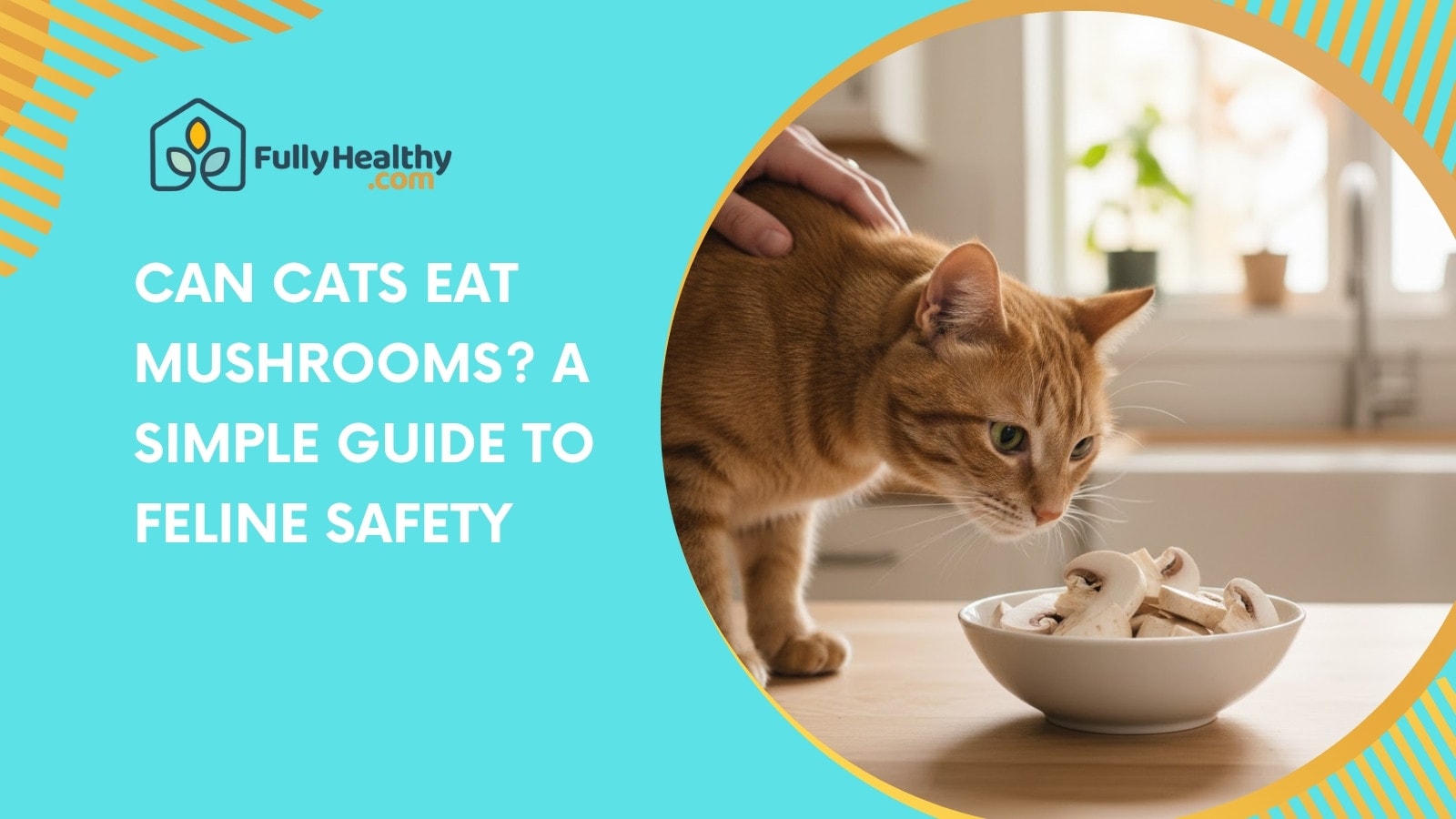
Can cats eat mushrooms? Yes, but only some types. Common store-bought mushrooms like white button or shiitake are generally safe for cats in small amounts, but some specialty or exotic varieties may still cause digestive upset. But wild mushrooms can be dangerous and even kill you.
It tells you which kinds are safe for cats to eat and which ones they shouldn't. It also talks about why cats might like mushrooms and how to serve them safely. Here's what you need to know right away if your cat has been looking at your food.
Featured Pantry Pick
Wild Zora // Instant Soup Mushroom Beef with Mushrooms Pumpkin Turmeric - 0.5 oz
Loading...
Can Cats Eat Mushrooms?
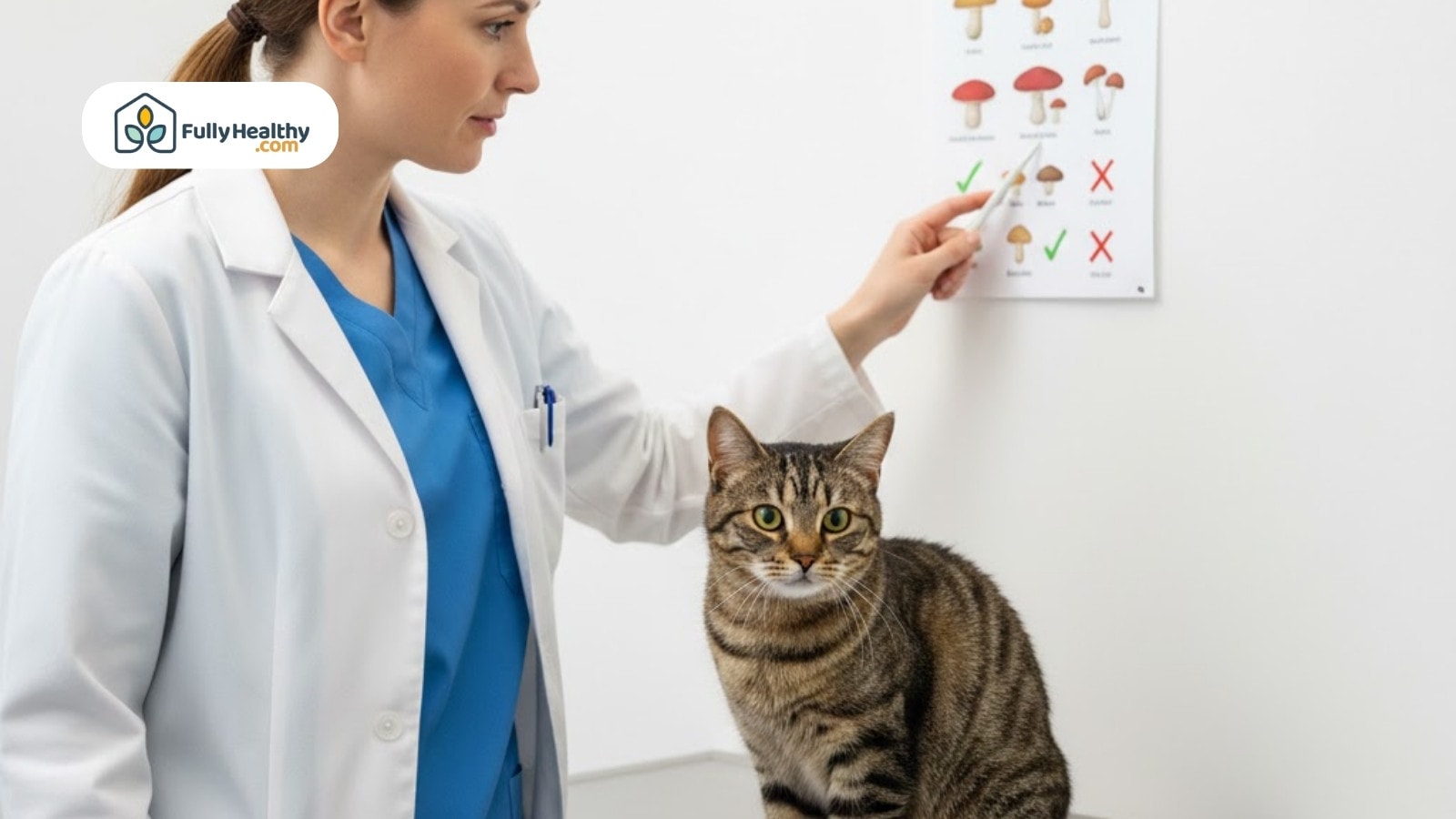
Mushrooms can be tricky regarding feline safety. Some are safe in small amounts, while others, even in tiny doses can be lethal to cats. Being able to tell the difference will help keep your pet safe and healthy.
Which Mushrooms Are Safe or Unsafe for Cats?
Cats can eat store-bought mushrooms like portobello mushrooms or shiitake mushrooms without getting sick. But don't let them eat wild mushrooms. Some of these toxic mushrooms, like death cap mushrooms (Amanita phalloides) and Amanita muscaria, are extremely poisonous to cats. These are extremely poisonous and even small amounts can kill you. It's best to keep cat mushrooms limited to store-bought kinds and offer them only in small, cooked portions.
-
Safe mushrooms include: White button, portobello, and shiitake mushrooms.
-
Poisonous mushrooms include: Amanita phalloides (death cap), amanita muscaria, and many other wild mushrooms.
-
Never offer raw mushrooms from outside: Cats eat raw mushrooms out of curiosity, but wild ones may cause mushroom toxicity.
-
Avoid magic mushrooms: These may cause hallucinations, tremors, or worse in cats.
What Are the Symptoms of Mushroom Poisoning in Cats?
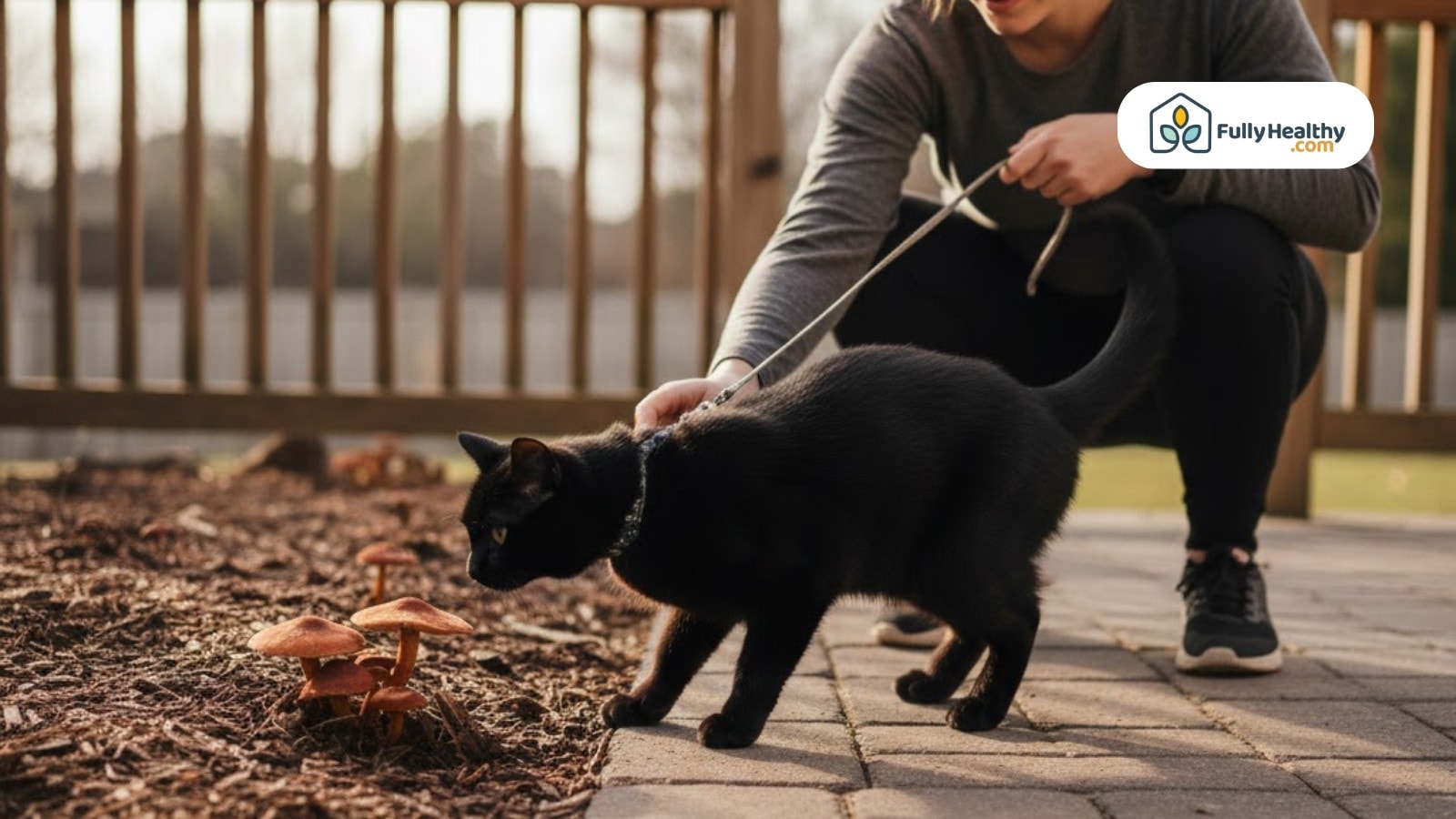
Mushroom poisoning in cats can happen fast. If your cat eats a wild mushroom or something suspicious, you must act quickly. Most mushrooms in the wild are unsafe. Protect your feline friend by removing wild mushrooms from your yard.
-
Early symptoms: Vomiting, drooling, loss of appetite, or lack of coordination.
-
Advanced symptoms: Seizures, yellow gums or eyes, and extreme tiredness.
-
Call for help: Contact the Pet Poison Helpline and take your cat to the vet immediately.
-
Treatment may include: Use of activated charcoal, IV fluids, and close monitoring.
Is It Okay for Cats to Eat Cooked Mushrooms?
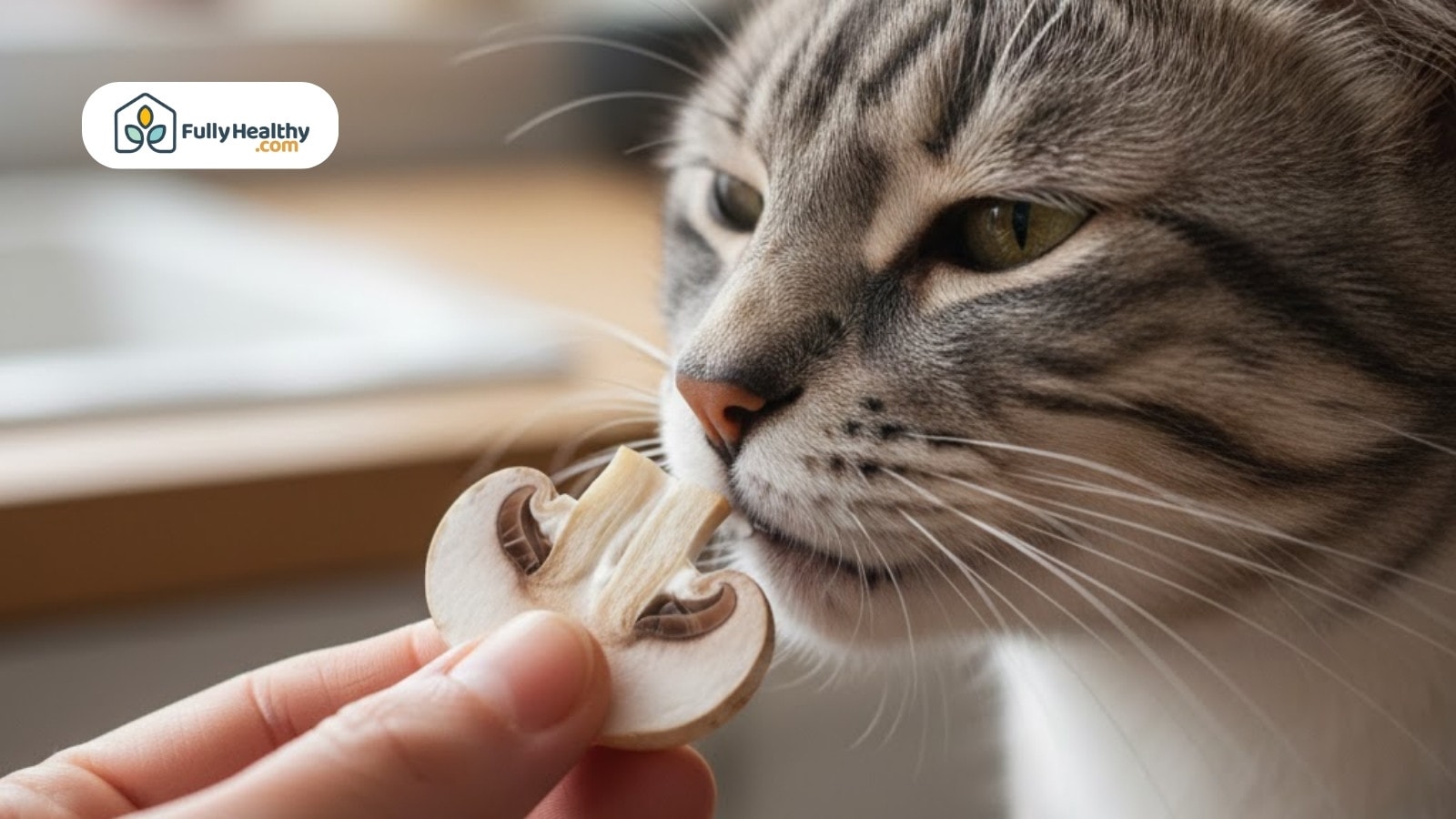
Mushrooms can be easier for cats to digest if you cook them. A small piece of cooked mushroom is fine for cats to eat, but it should never be their only food. Just save it for special occasions.
Cooked vs. Raw Mushrooms: What’s Safer for Digestion?
Some domesticated cats might try to eat mushrooms raw, but it's better to give them cooked mushrooms. Raw mushrooms may have mold or bacteria on them and are harder to digest. If you want to give your furry friend a taste, the best mushrooms are plain, not seasoned, and well-cooked.
-
Cats eat raw mushrooms: They might eat out of curiosity, but these can cause gastrointestinal irritation or bacterial contamination risk.
-
Cooked mushrooms are safer: Cooking breaks down tough fibers and kills bacteria.
-
Avoid seasoned foods: Never feed mushrooms from dishes like pizza or stir-fry.
-
Don’t confuse dog mushrooms: What’s safe for dogs isn’t always safe for cats.
Ingredients to Avoid When Preparing Mushrooms for Cats
The other things in the dish might not be safe, even if the mushroom is. A lot of the common things that people put on their food are bad for cats. The safety of your cat is the most important thing. If you're not sure, don't put mushrooms on their plate.
-
Avoid garlic and onions: These are toxic to cats and can cause anemia.
-
Skip salt and sauces: These can lead to kidney problems or sodium poisoning.
-
No flavored mushroom dishes: Mushrooms on pizza or with herbs are not safe.
-
Watch the quantity: If you're wondering how many mushrooms to give, keep it to a small piece, no more than 10% of your cat’s meal.
Do Mushrooms Help Cats?
When cats eat certain safe mushrooms once in a while, they might get a little health benefit too. In moderation, they should be part of a cat's diet, but too many can be harmful.
Nutrients Found in Edible Mushrooms That May Support Health
There are some nutrients and fiber in mushrooms that may help your cat stay healthy, but only in very small amounts. These health benefits aren't very big for cats, but some pet owners like giving their pets new things to eat.
-
Beta-glucans: These support the immune and digestive system.
-
Amino acid content: This helps with muscle and tissue repair.
-
B vitamins: Important for energy and a healthy coat.
-
Natural fiber: Can improve digestion and reduce hairballs.
When Are Mushrooms Worth Including as a Treat or Supplement?
Your cat should never eat a lot of mushrooms. But if your vet agrees, they can sometimes be used as a treat.
-
Not meant for daily use: Mushrooms should be an occasional treat, not a regular meal.
-
Talk to your vet first: Especially before giving mushrooms as a supplement.
-
Only use cat-safe supplements: Some are made with mushroom blends for pets.
-
Stick to tiny portions: A small slice is enough, too much increases the risk of side effects.
Why Do Cats Love Mushrooms?
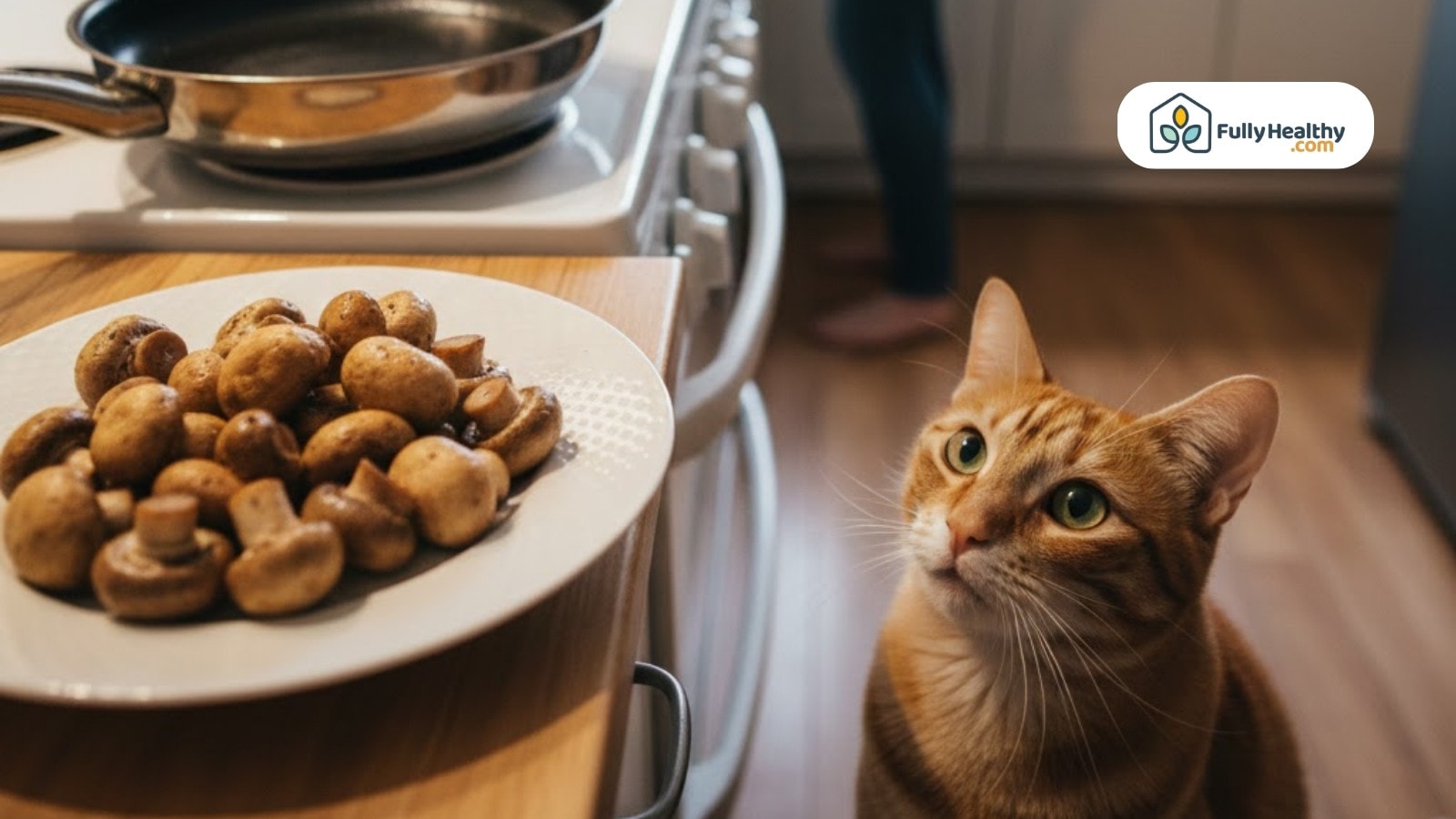
Even though cats are obligate carnivores, some still show interest in mushrooms. They don't do this because mushrooms are part of their natural diet; they do it because they smell and taste different, especially the meaty umami flavor.
The Umami Factor: Why Cats Are Drawn to Mushrooms
Mushrooms have an amino acid called glutamate in them that makes food taste savory and meaty. While it's not really food for cats, this can be appealing to them. It's normal to be curious, but just because your cat wants to bite doesn't mean it's safe.
-
Mimics meat flavor: The umami flavor in mushrooms tastes like meat to most cats.
-
Smell attracts cats: Some mushroom species have scents that stimulate the parasympathetic nervous system, making cats curious.
-
More tempting when cooked: Mushrooms from grocery stores, like white button mushrooms, are more appealing when warm.
-
Not all cats react the same: Some may love mushrooms, while others ignore them completely.
Texture and Curiosity: Other Possible Reasons for Attraction
Cats may think of mushrooms as meat because they are soft and chewy. Also, a lot of cats are naturally interested, especially when their owners are eating. If you're not sure they're safe, it's best to keep mushrooms out of reach.
-
Texture feels like meat: Cooked mushrooms can resemble soft meat in texture.
-
Cats explore with their mouth: Especially curious kittens or indoor cats.
-
Trying human food can be risky: Accidental ingestion of toxic mushrooms can lead to liver failure, neurological damage, or death.
-
Avoid feeding leftovers: Some dishes contain dairy products or spices unsafe for pets.
What Can FullyHealthy Do for Cat-Loving Mushroom Enthusiasts?
FullyHealthy has foods with lots of mushrooms that are made with healthy ingredients. Even though these products are made for people, pet owners can use them to keep their kitchens safer for their pets by removing the harmful ingredients that are often added to processed food.
Products Featuring Mushrooms That Support Clean Eating
These meals include only real, wholesome ingredients, no fillers, no fake stuff. That means less worry if your cat manages to sneak a nibble. These are free from potent toxins found in wild mushrooms like fly agaric or false morel.
-
Wild Zora Instant Soup: A mix of beef, mushrooms, pumpkin, and turmeric.
-
Kettle & Fire Mushroom Broth: Made with shiitake mushrooms, lion’s mane, and slow-simmered chicken bones.
-
Wild Zora Quinoa Meal: Includes grass-fed beef, mushrooms, garlic, and oregano.
Specialty Diet Support for AIP, Paleo, and More
FullyHealthy supports special diets like AIP and Paleo, which also helps reduce accidental pet exposure to harmful ingredients.
-
No common allergens: Safer kitchens mean fewer pet health risks.
-
Avoid feeding table scraps: Even healthy food may upset your cat’s stomach.
-
Ask your vet first: Only induce vomiting if advised by a professional.
-
Minor health benefits: Some clean ingredients might gently support your cat’s immune system if consumed in tiny, safe amounts.
Final Thoughts
Some mushrooms may be good for you, but many of them are poisonous to cats and dogs. You can give cats small amounts of safe mushrooms like those you can buy at the store, but wild mushrooms like amanita mushrooms or the deadly webcap can damage or kill their organs.
Always keep an eye out for common signs of poisoning and talk to your vet before giving your pet any new foods or treats. Being careful and knowing what to do will help keep your cat healthy.
FAQs
Can amanita mushrooms kill cats?
Yes, amanita mushrooms contain toxins that can cause liver damage, seizures, and even death in cats.
Are mushrooms vegetables or fungi?
Mushrooms are fungi, not vegetables, but they are often grouped with vegetables in cooking.
What are common symptoms of mushroom poisoning in cats?
Common symptoms include vomiting, diarrhea, tremors, and damage to organ systems.
Can cats and dogs eat mushrooms for nutritional benefits?
Some store-bought mushrooms may have nutritional benefits, but they can also cause health problems if not given correctly.
Is deadly webcap dangerous to pets?
Yes, the deadly webcap is toxic and can be fatal to both cats and dogs.
Leave a comment