

Can Dogs Eat Mushrooms? A Simple Guide to Protect Your Pet
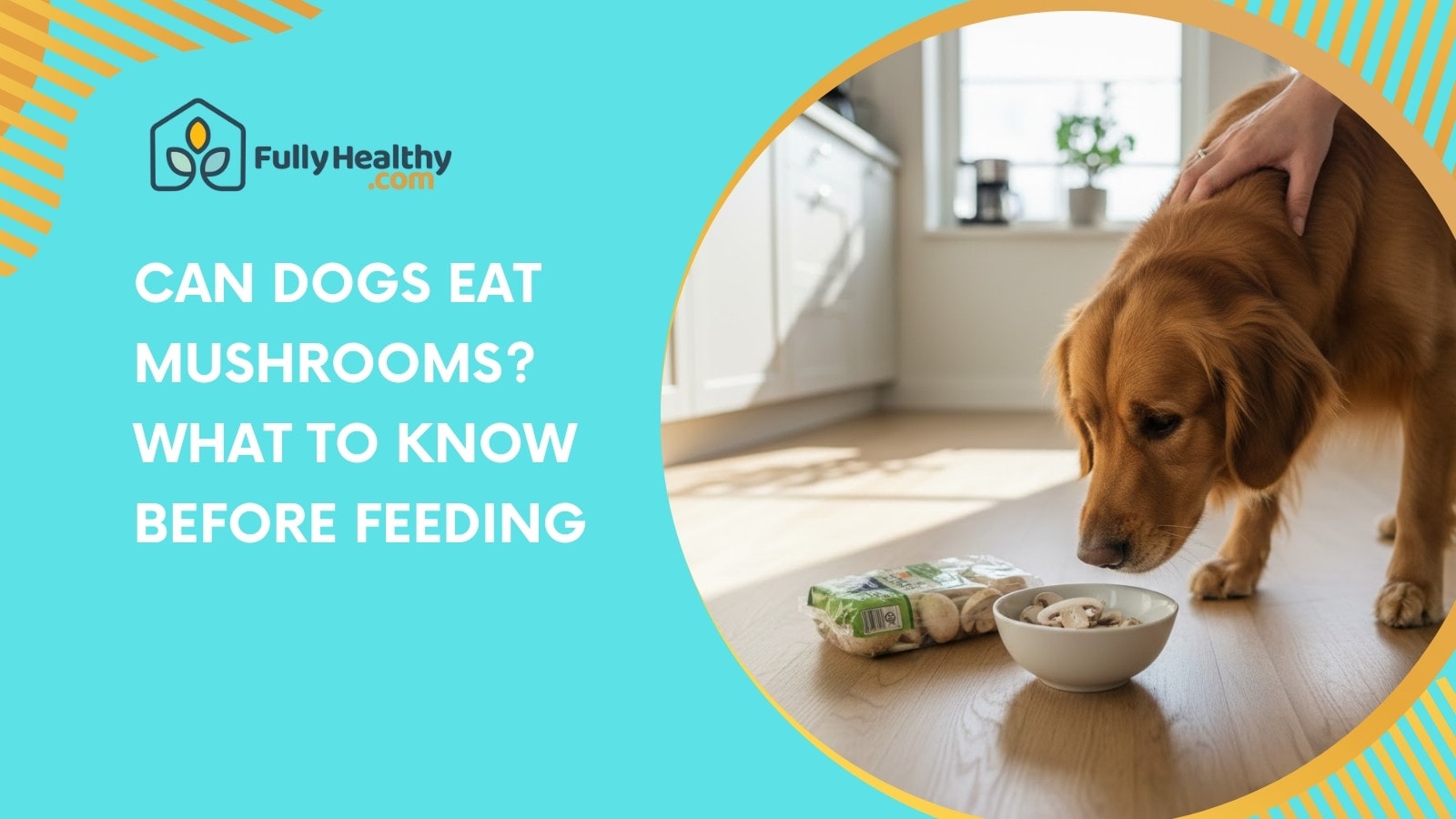
Can dogs eat mushrooms? The short answer is: some yes, many no. Some dogs may tolerate small amounts of plain, cooked store-bought mushrooms, but reactions can vary, and they offer no essential nutrients. But wild mushrooms can be very dangerous and even kill you.
You will learn which mushrooms are safe and which are not, how much is okay, and what to do if your dog eats the wrong kind. Let's make things clear up so your dog stays safe.
Featured Pantry Pick
Wild Zora // Instant Soup Mushroom Beef with Mushrooms Pumpkin Turmeric - 0.5 oz
Loading...
Can Dogs Eat Mushrooms?
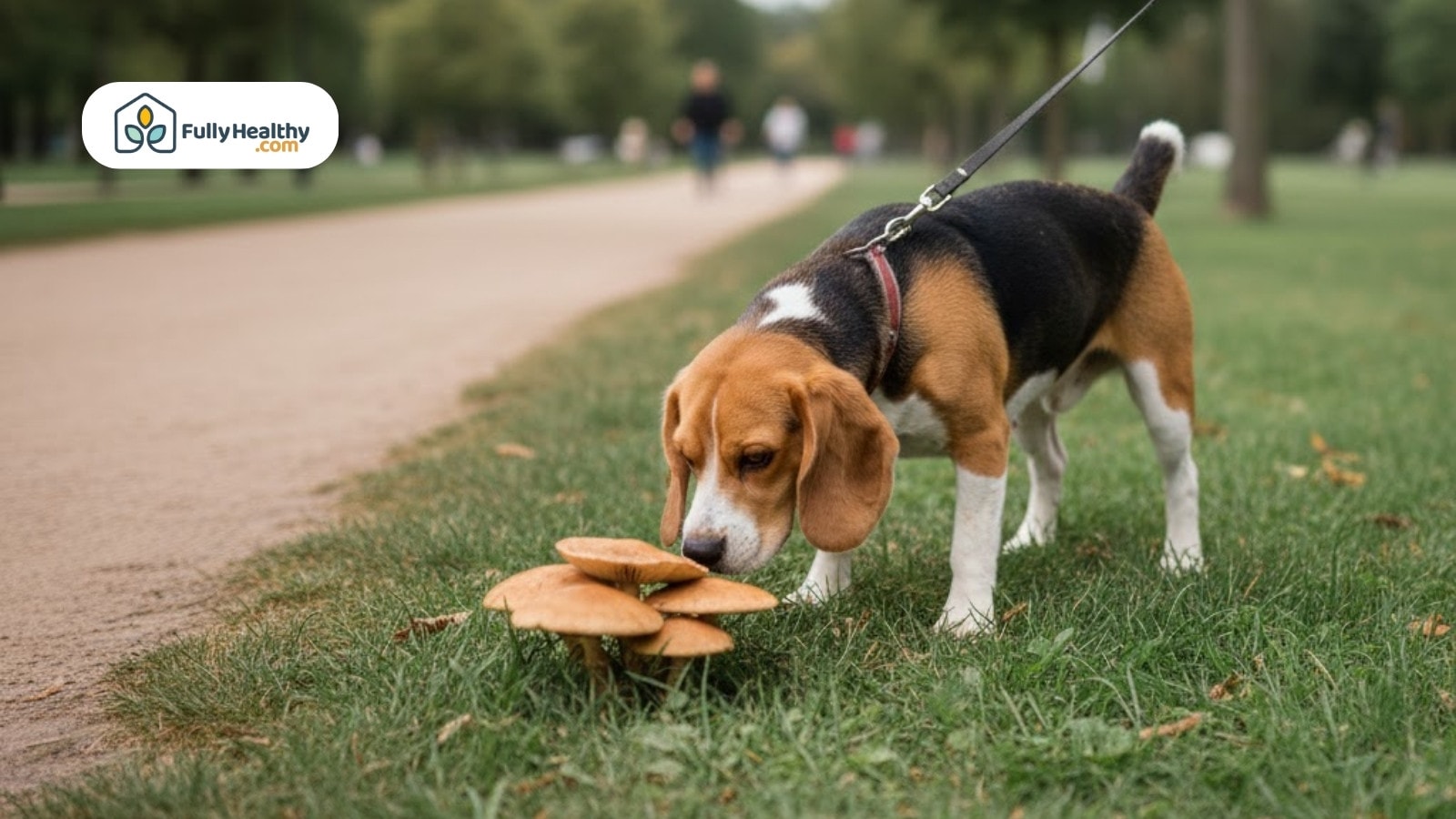
Not all mushrooms are safe for dogs. While some shop bought mushrooms cooked the right way are okay, others can be very harmful. Incidental ingestion of wild mushrooms by dogs is relatively common and can lead to serious toxicity depending on the species. Knowing which mushrooms are safe and which are not can help protect your dog from serious harm.
Are Store-Bought Mushrooms Safe or Dangerous?
Some edible mushrooms, like portobello, chestnut, and cremini mushrooms, are safe for dogs as long as they are cooked and not seasoned. Some people think they are good for dogs, but most people don't think they should be in dog's diet.
-
Safe varieties: Dogs can eat cooked mushrooms like plain white, cremini, or portobello mushrooms in small amounts.
-
Avoid seasonings: Never cook mushrooms in olive oil, garlic, butter, or salt. These are harmful to dogs.
-
No raw mushrooms: Raw mushrooms can upset your dog's stomach and may be harder to digest.
-
Not essential: Your dog doesn’t need mushrooms to stay healthy, so skip them unless advised by a vet.
Why Wild Mushrooms Are a Life-Threatening Risk
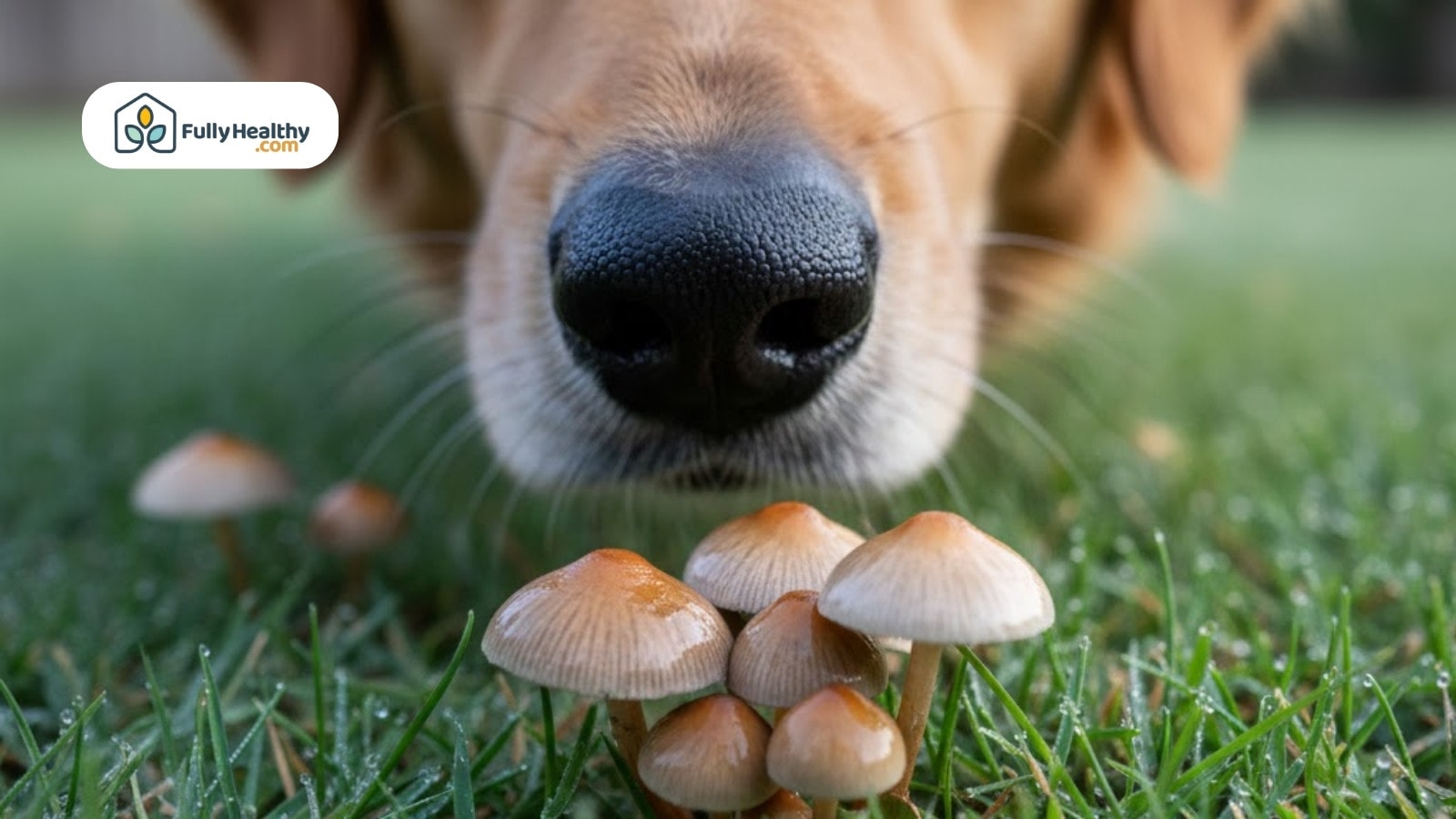
A lot of species of wild mushroom species are poisonous or even deadly, even though they often look like they are safe. Even eating a few wild mushrooms can make you very sick or even kill you. Dogs can't tell the difference. That's the reason you should never let your dog get close to outside mushrooms.
-
Never safe: Do not let your dogs eat wild mushrooms under any condition.
-
Highly toxic types: Mushrooms like death cap mushroom, fly agaric, and amanita muscaria are extremely poisonous.
-
Where they grow: You can often spot wild mushrooms growing after rain or in damp areas.
-
Common mistake: Many people feed wild mushrooms they think are safe—but even one bite can cause poisoning.
What Kind of Mushrooms Are Good for Dogs?
It is known that some non-toxic mushrooms may help the immune system and are used in natural pet supplements. To make them safe to put in dog food, these mushrooms are often dried or processed. But you should only use these if your vet says it's okay.
Medicinal Mushrooms and Their Health Benefits
Some mushrooms contain chemicals that are good for your health and may help dogs if you use them the right way. These are not the fresh ones you can buy at the store. Instead, they are powders or extracts that have been specially made.
-
Immune boosters: Reishi, turkey tail, and chaga mushrooms can support immune function.
-
Brain health: Lion’s mane is known to promote cognitive balance in older dogs.
-
Liver and detox: Limited studies suggest Cordyceps may influence liver enzyme activity, but its use in dogs requires veterinary approval.
-
Safe forms: Only give mushrooms that are made for pets, not raw or homemade versions.
How Mushroom Compounds Support Canine Wellness
Beta-glucans, antioxidants, and anti-inflammatory agents are some of the natural chemicals that are found in mushrooms. These can help dogs deal with stress, get better, and make their immune systems stronger.
-
Special compounds: Some mushrooms produce polysaccharides and triterpenes, which may protect cells.
-
Not all safe: Just because a mushroom helps humans doesn’t mean it’s safe for dogs.
-
Dog-specific only: Look for products made just for pets, don’t use powders made for people.
-
Check with a vet: Always talk to your vet before adding any mushroom supplement to your dog’s routine.
How Much Mushrooms Can I Give My Dog?
You should only give your dog very small amounts of cooked mushrooms and only very rarely. Too much can make your stomach hurt, and it's simple to make a mistake that makes you poisoned by mushrooms.
Safe Portion Sizes for Store-Bought Mushrooms
Moderation is important when giving your dog store-bought mushrooms that have been cooked the right way. Serves should be small and not too often.
-
Start small: Give one or two small pieces to see how your dog reacts.
-
Plain only: Always feed mushrooms plain, no sauces, oils, or seasoning.
-
Dogs eat cooked mushrooms: Only occasionally and in tiny amounts.
-
Feed mushrooms as treats, not meals or daily food.
Why Overfeeding or Daily Use Isn’t Recommended
Large amounts of even mushrooms that aren't poisonous can be bad for you. Dogs may get allergies or digestive issues, and using it for a long time can raise the risk of them being exposed to hidden toxins.
-
Watch for signs: Symptoms of mushroom poisoning in dogs include vomiting, diarrhea, and confusion.
-
Be cautious: Some mushrooms that seem safe may be mixed with dangerous ones.
-
No benefit daily: Dogs don’t get extra health benefits from eating mushrooms often.
-
Vet guidance only: Always check with your vet to know what’s right for your dog.
What If My Dog Eats a Small Piece of Mushroom?

Dogs can get sick from even a small bite of the wrong mushroom. Because there are such a vast variety of fungi, it's hard to say which ones are safe or toxic to dogs. If your dog eats a mushroom outside or on the floor whilst cooking, it's best to be safe and act quickly.
Immediate Steps You Should Take at Home
You should act quickly if your dog eats a mushroom from the yard or while you're cooking by accident. Do not think it is safe, even a small amount could be a incredibly poisonous mushroom.
-
Contact a vet: Call your veterinarian or go to an emergency veterinary hospital immediately.
-
Save a sample: Bring part of the mushroom (if available) for ID, this helps your vet treat the case.
-
Don’t induce vomiting: Unless told by your vet, don’t try to make your dog vomit at home.
-
Act fast: The faster you act, the better your dog’s chances if it's a poisonous mushroom.
Mild vs. Severe Symptoms: What to Watch For
Symptoms of mushroom poisoning depend on the species and how many mushrooms your dog ate. Some dogs only show mild symptoms, while others may get sick very fast.
-
Mild symptoms: Drooling, diarrhea, tiredness, and minor vomiting.
-
Severe signs: Seizures, jaundice, trembling, or collapse.
-
High-risk mushrooms: Amanita phalloides (death cap), false morel, death angel, and funeral bell.
-
Need help now: Call the animal poison control center if you can't reach a vet.
What Does FullyHealthy Offer for Mushroom Lovers?
FullyHealthy sells clean-label foods that are good for people with strict diets. Among these are mushrooms that are served plain, cooked, and without any additives that are bad for you. Some things that are made for people may be safe for dogs in small amounts that have been approved by a vet.
A Look at Their Mushroom-Powered Product Line
FullyHealthy offers meals that include edible fungi like white or chestnut mushrooms and portobello mushrooms, which some dogs eat safely when cooked and unseasoned.
-
Wild Zora Instant Soup: Made with beef, pumpkin, and plain mushrooms, with no harmful spices.
-
Kettle & Fire Bone Broth: Uses slow-simmered portobello mushrooms and has very little salt.
-
Wild Zora Quinoa Meal: Includes mushrooms and beef, only safe for dogs if garlic is excluded.
Why FullyHealthy Is Trusted by Pet-Conscious Shoppers
Mushrooms sold at Fullyhealthy are sold for people, but their clean ingredients make it easier to tell if they are safe for pets.
-
Use caution: Always check for onion, garlic, or seasoning before sharing with pets.
-
Avoid feeding leftovers: Some mushrooms bad for dogs may be hidden in human meals.
-
Prevent mushroom poisoning: Stick to cooked, simple recipes if offering a small taste.
-
Ask your vet: Only let dogs safely eat mushrooms approved by your veterinarian.
Final Thoughts
Dogs can get both good and bad things from mushrooms. Portobello mushrooms, dried mushrooms, and other safe mushrooms may be okay in small amounts, but many wild mushrooms found outside are poisonous. Don't think a small mushroom is safe just because it looks like it won't hurt you.
If your dog eats an unknown mushroom, you should call your vet right away because some mushrooms can kill the liver or cause serious neurological problems. Keep mushrooms in a paper bag and out of reach of pets at all times. Also, never trust what casual mushroom hunters say.
If you're not sure, don't add mushrooms to your dog's food. Instead, stick to healthy foods like B vitamins from safe sources. Remember that what's safe for you might not be safe for your dog, even if you eat store-bought mushrooms.
FAQs
Can dogs eat portobello mushrooms cooked with oil or not?
Yes, dogs eat portobello mushrooms only if cooked plain without oil or garlic.
What happens if my dog ingests a small mushroom from outside?
If your dog ingests a small mushroom, take it in a paper bag and call a veterinarian immediately.
Are dried mushrooms used as a dog food topper safe?
Dried mushrooms may be safe if specifically processed and labeled for pets; others may contain toxic compounds leading to liver damage.
Can I feed my dog mushrooms I eat mushrooms bought at store?
Only safe mushrooms served plain are okay; never share seasoned or mixed food even if you eat mushrooms bought yourself.
Do mushroom hunters know which mushroom varieties are toxic wild mushrooms?
No, even mushroom hunters make mistakes; toxic wild mushrooms can cause neurological symptoms or worse.
Leave a comment