

Can Chickens Eat Oranges or Not? Vet-Backed Guide
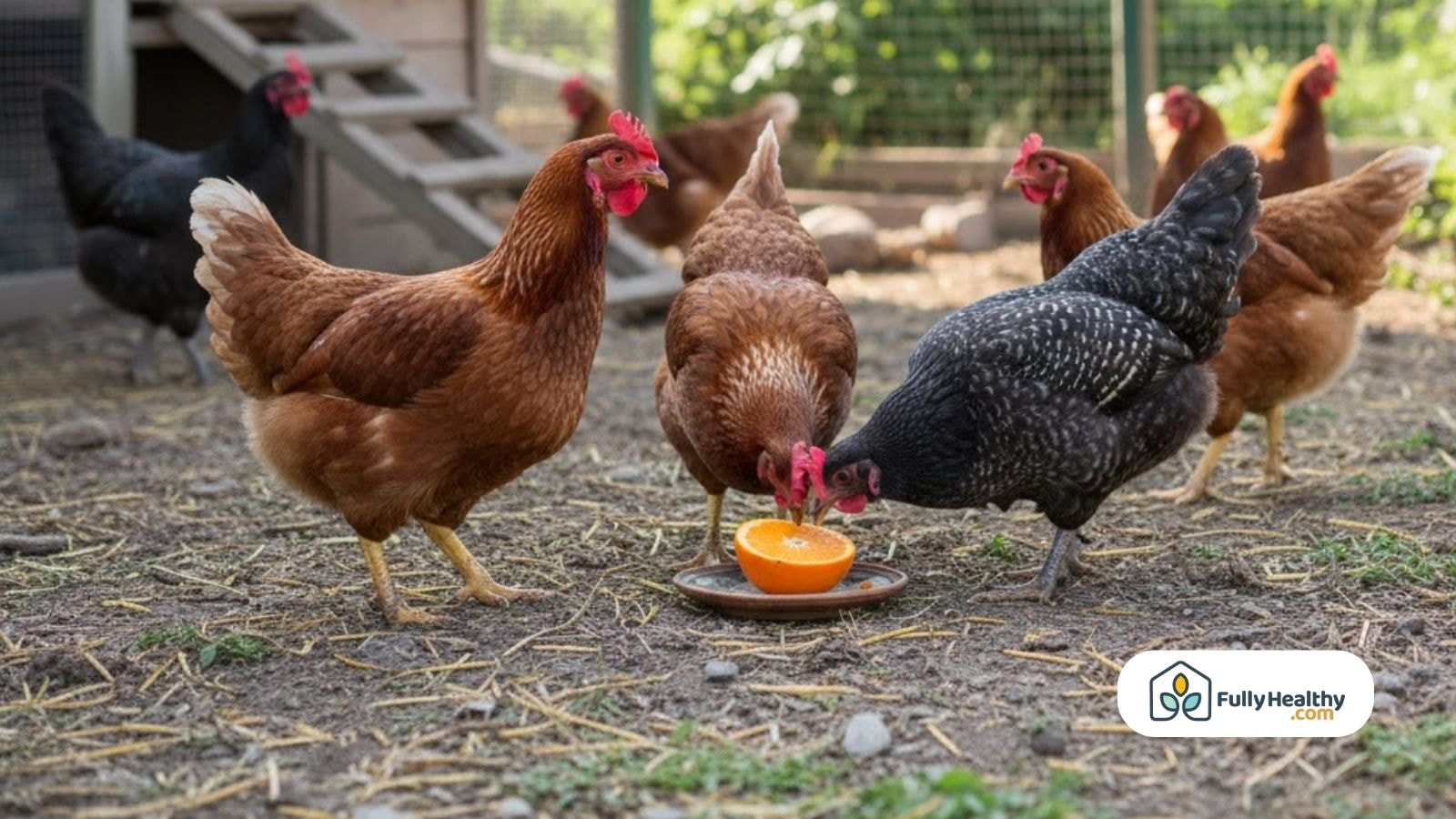
Can chickens eat oranges, right? Absolutely, but not too much. Oranges are not poisonous, and while some chickens may avoid them due to their acidity, moderate consumption is not known to cause illness.
Apples and citrus fruits are usually avoided by chickens on their own. Some pecks won't hurt, but too much citrus could make it harder to digest food or lay eggs. This guide tells you which fruits are safe and which ones you should avoid, as well as how to feed and care for your flock in a way that keeps them healthy.
Featured Pantry Pick
Wild Planet // Organic Roasted Chicken Breast Salted - 5 oz
Loading...
Can Chickens Eat Oranges?
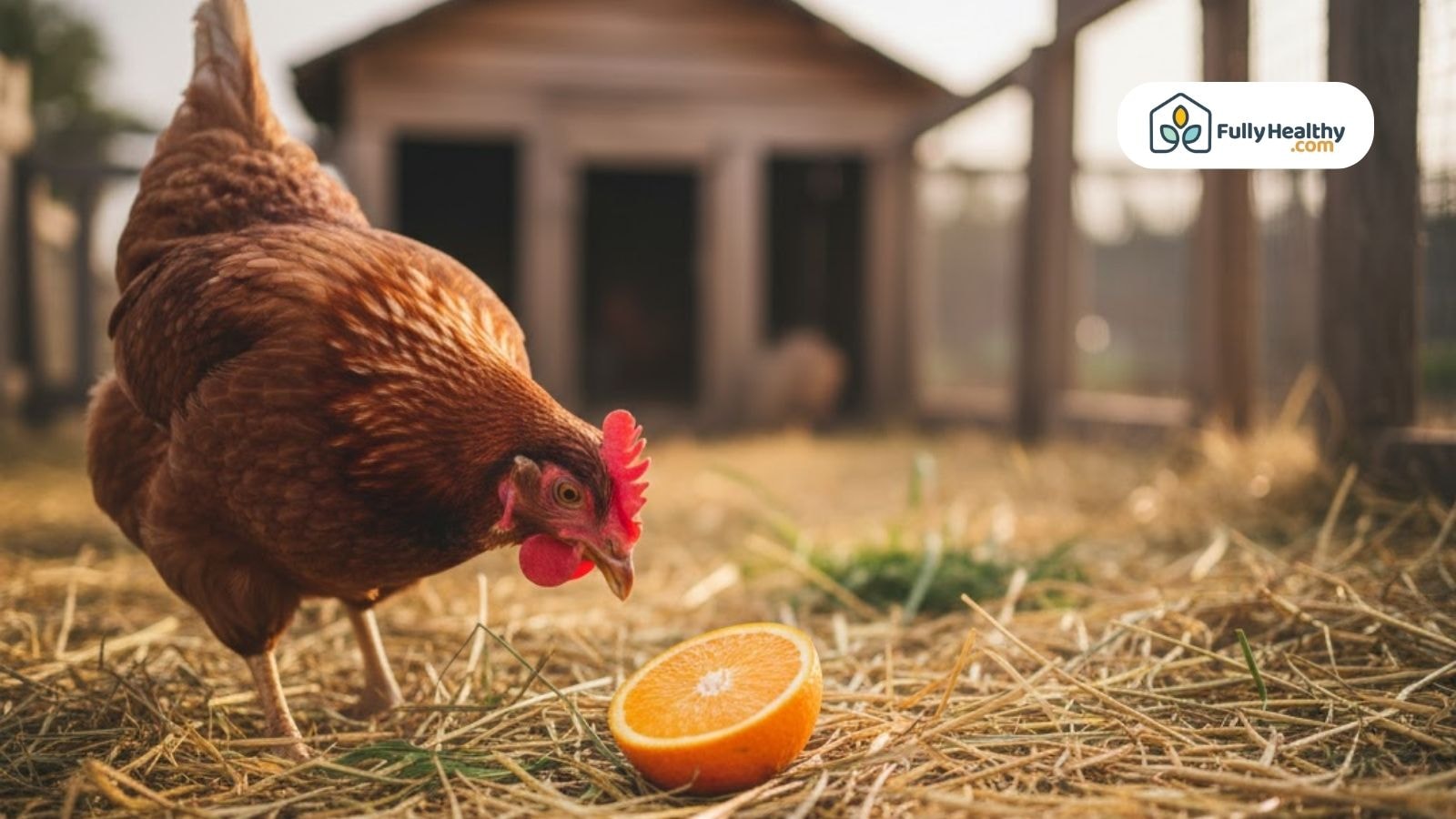
Many people who own chickens want to know if it's safe for them to eat oranges. Yes, but only in small amounts. Oranges are not poisonous to chickens, but giving them a lot of them can lead to digestive issues from the strong citrus flavor.
Citrus fruits aren't usually good for chickens, but some may nibble on orange slices just to see what's going on. To keep your flock healthy, you need to know when and how to feed oranges.
Chickens Usually Avoid Citrus Naturally
Chicks can eat oranges, but they stay away from them most of the time. The smell and taste of oranges and mandarin oranges are too strong for many birds to handle. Chickens usually like mild or sweet foods better than sour ones.
-
Natural aversion to citrus: Orange peels or slices have a strong smell that most chickens don't like.
-
Not harmful in moderation: If chickens only eat a small amount of oranges, they are not in any danger.
-
Good source of vitamin C: Vitamin C in oranges can help your immune system, especially when it's hot outside.
-
Better alternatives: Cantaloupe, bananas, and apples without the seeds are some of the fruits that chickens absolutely love.
Effects of Oranges on Chickens' Digestion and Diet
If you feed chickens a lot of citrus fruits, it might make their digestion worse. Chickens eat many kinds of fruit, but some chicken owners report looser droppings after citrus consumption, but scientific studies confirming negative effects on nutrient absorption are lacking.
-
Acidity concerns: Oranges are acidic, which can make your stomach upset.
-
Small amounts only: To keep your dog healthy, give oranges only sometimes and in small pieces.
-
Avoid peels: To make things worse, orange peels might have extra sugar or chemicals in them.
-
Not for baby chicks: Citrus fruits are not recommended for baby chicks due to their sensitive digestive systems, but small, diluted amounts are unlikely to be harmful.
Are Any Fruits Poisonous to Chickens?
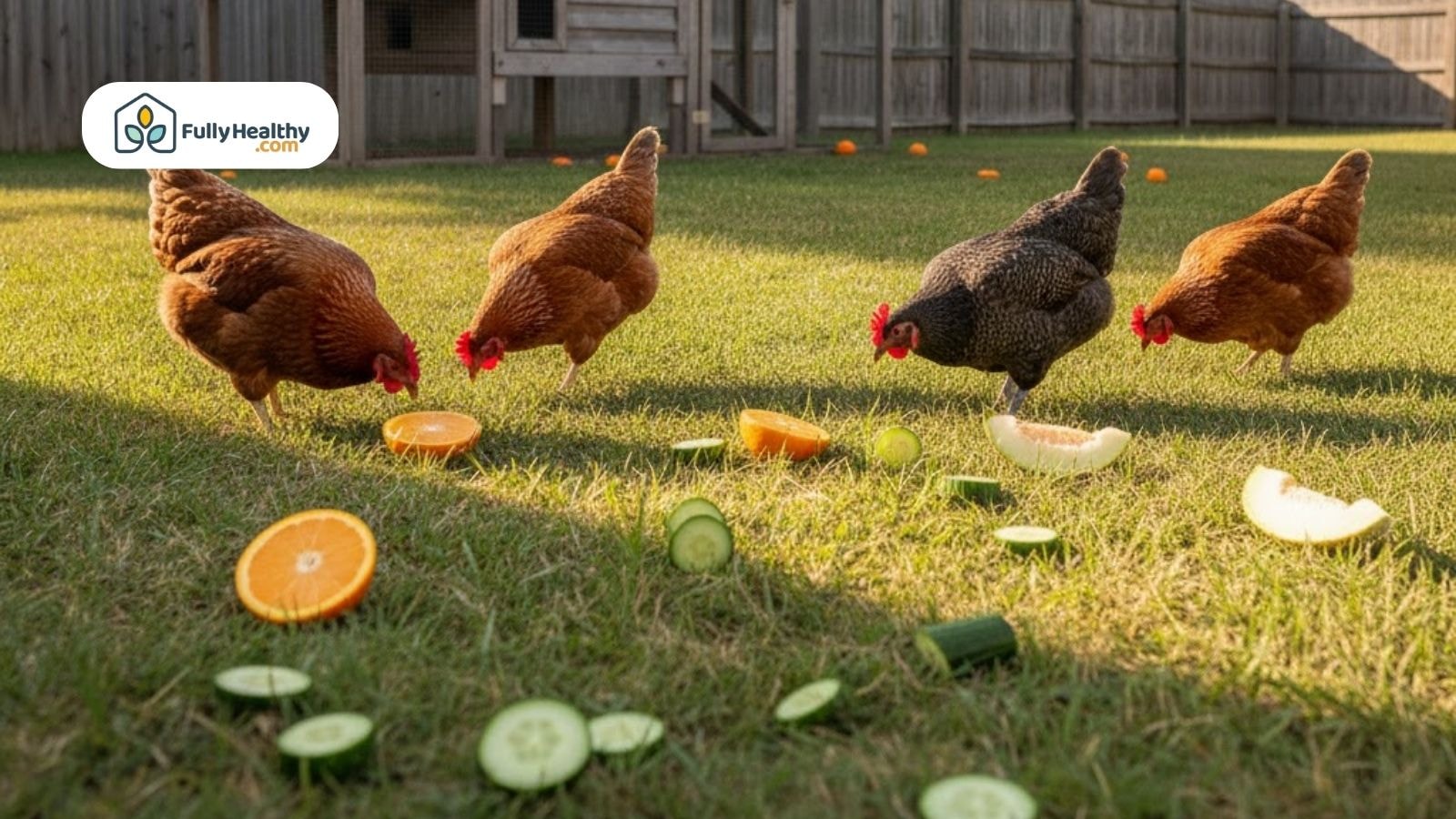
Fruits are good for you, but some of them can be bad for chickens. If you know which fruits to stay away from, you can avoid serious health problems. Chickens eat a lot of fruits, but some aren't safe for them because they contain chemicals that are bad for them or could choke them.
Fruits with Toxic Seeds and Pits
Some fruits have poisonous chemicals in them that can hurt or kill chickens. Most of the time, these dangers are in the fruit's seeds or pits, not in the flesh.
-
Apple seeds: Apples are safe for chickens to eat, but the seeds must be taken out because they contain cyanide.
-
Stone fruit pits: The pits of cherries, peaches, and plums contain amygdalin, which makes cyanide.
-
Avocado skin and pit: Avocado skins and pits contain persin, a compound toxic to birds; however, the pulp in small amounts is considered low risk and is still best avoided.
-
Remove all seeds: To keep yourself from getting sick, always cut fruits in half and take out the seeds.
Other Harmful Substances to Watch Out For
Aside from fruit pits, there are other natural substances that can hurt chickens if they are not avoided.
-
Oxalic acid: It is found in the leaves of rhubarb and the green parts of some other vegetables. It changes how well calcium is absorbed and the quality of eggs.
-
Solanine: It may be bad for your health and can be found in green potatoes and tomatoes that aren't ripe yet.
-
Moldy fruit: Don't give your pet rotten fruits; they might have toxins in them that weaken the immune system.
-
Added sugar: Stay away from fruits and treats that have added sugar because it is bad for overall health.
Are Chickens Allowed Citrus?
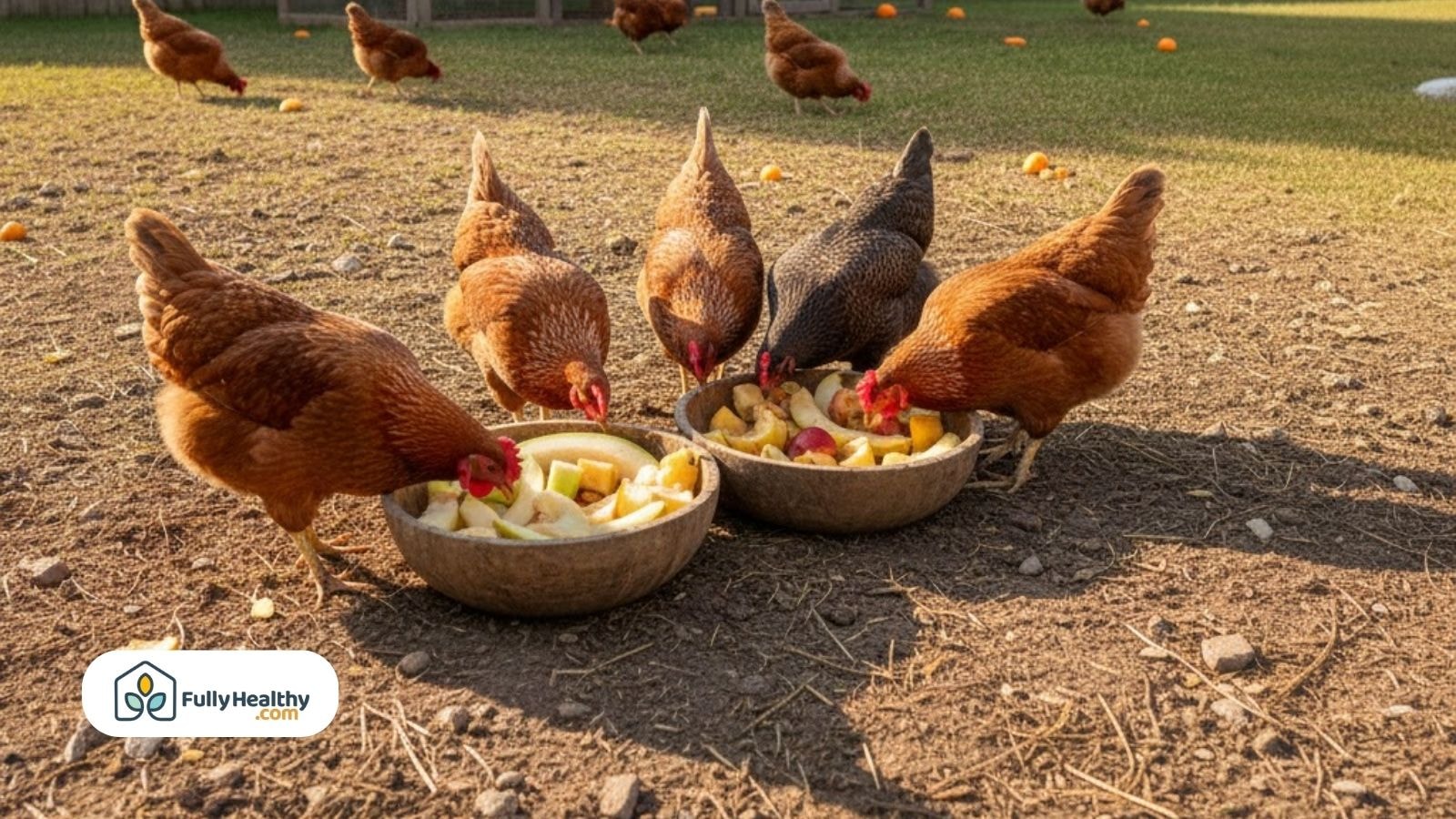
Oranges and other citrus fruits are often called into question when it comes to their safety. Chickens can eat citrus fruits, but they shouldn't eat them all the time. If you feed chickens citrus fruits too often, it could make them lay fewer eggs and throw off their diet.
Citrus and Its Effect on Egg Production
Giving chickens food If they eat citrus often, it might affect how well their chicken eggs hatch. Some chicken owners see a drop in the number or quality of eggs their chickens lay when they feed them too much citrus.
-
Egg production warning: There is no established scientific link between citrus consumption and reduced egg hatchability.
-
Avoid regular feeding: Oranges should only be given as a treat and not every day.
-
Balance is key: A well-balanced diet keeps the egg's yolk color, shell strength, and consistency.
-
Other fruits are better: Chickens eat carrots, bananas, cantaloupe, and berries more happily.
Safer Fruit Options and Feeding Tips
There are a lot of healthy treats that are high in essential nutrients and don't have the risks that citrus may have. These fruits are good for you and help your immune system.
-
Safe fruits: Chickens eat sweet potatoes, cooked carrots, broccoli, asparagus, cabbage, and cucumbers.
-
Feed in moderation: When you eat too much fruit, the nutrients become unbalanced.
-
Avoid large quantities: Always start with a small amount and watch how people react.
-
Cut into small pieces: Lowers the risk of choking and makes digestion better.
-
Offer variety: To get more vitamin A, vitamin E, and beta carotene, eat more fruits and vegetables.
What Is the Number One Killer of Chickens?
It's not what the chickens eat or the treats they get that will hurt them the most. It's what they eat. What kills chickens more than anything else is being eaten. It only takes one night for raccoons, dogs, and hawks to clean out a flock.
It's just as important to keep your chicken coop safe as it is to feed them the right foods. Making sure your birds are safe will keep them healthy and allow them to keep laying strong, healthy eggs.
Raccoons and Dogs Are the Most Common Threats
There are predators everywhere, even in cities. There are more chicken deaths caused by raccoons and dogs than by any other animal. These threats don't care how well the chickens eat; they just want the chickens.
-
Top predator: They know how to climb well and can open latches to get into a chicken coop.
-
Daytime danger: When chickens are free to roam during the day, dogs often kill them.
-
Urban problem: Raccoons live in cities and are active during the day.
-
Fast attacks: One break-in can quickly cause a lot of flock loss.
Protecting the Coop and Run from Predators
For the safety of your birds, you must keep your chicken coop locked up for their well being. Predators can get to good food, but that won't help. It takes planning and daily care to keep chickens safe.
-
Strong wire mesh: Instead of regular chicken wire, use hardware cloth that has small holes in it.
-
Latch all doors: Raccoons can't open certain locks.
-
Cover the top: Hawks can't get in through the overhead net, and the chickens can stay cool on hot days.
-
No gaps: To keep weasels and snakes out, seal all the holes around the base of the coop.
-
Keep run clear: Get rid of any piles of wood or brush that animals could use to hide.
-
Sensor lights: Motion-activated lights scare off night-time threats.
What Does FullyHealthy.com Offer Backyard Chicken Owners?
People with food allergies or special diets can use FullyHealthy.com, but chicken owners who want to feed their flocks natural, clean food can also use it as a convenient option. Chickens eat a lot of different things, but not all treats are the same. When used correctly, treats made with good ingredients can be good for both you and your chickens.
Clean, Allergy-Friendly Options for Chicken Owners
A lot of people who keep chickens also eat gluten-free, AIP, or allergen-free way. FullyHealthy sells healthy foods that are good for you and your lifestyle. A lot of the time, the food you give your flock is natural, clean, and healthy, just like you.
-
Convenient shopping: There's no need to read every label because everything is clean.
-
Good for humans, safe for flocks: Coconut sugar’s effects on chickens are not well studied; it should be used sparingly, if at all, due to sugar content.s bad for chicken egg q
-
Avoids added sugar: A safer way to give chickens fruit treats in the summer.
A Chicken-Friendly Product: Organic Coconut Sugar
Organic Coconut Sugar, which you can buy at FullyHealthy, is a great choice for frozen treats. It helps birds stay cool in hot weather when mixed with fruits they eat, like cantaloupe, cucumbers, and berries. It's best to use it in small amounts to avoid the risks of added sugar.
-
Use for enrichment: Add fruits that chickens can eat, like broccoli, oranges, or bell peppers.
-
Safe for baby chicks?: Can chick chicks eat sweet foods? That's not right—only adult chickens should use this.
-
Avoid choking hazards: Before you freeze treats and fruits, cut them up into small pieces.
-
Enhances treats: Just a little goes a long way with chopped sweet potatoes or sunflower seeds.
Final Thoughts
Can chickens eat oranges? Chickens can eat small amounts of oranges, but their owners need to be careful when they feed them. Oranges have vitamin C and some other nutrients, but if you eat too many of them or the peels, they could be bad for your health. Chickens eat oranges and other fruits, but make sure the diet is balanced to keep the eggs fresh and keep them from choking. Chickens eat a lot of healthy foods, like fruit, but they never get added sugar. Chickens that eat right will stay healthy, eat well, and lay strong eggs.
FAQs
Can chickens eat oranges every day?
No, chickens eat oranges only in a small portion because too much sugar and citrus fruit can cause health issues in chickens diet.
Is citrus bad for chicken egg quality?
While some anecdotal reports link citrus to minor changes in egg quality, scientific studies have not confirmed this association.
Can chickens eat orange peels?
No, chickens can eat oranges but not orange peels, which may can pose a choking risk and may contain pesticide residues; wash thoroughly and chop finely if feeding.
What other fruits can chickens eat safely?
Chickens eat cantaloupe, chickens eat cucumbers, and chickens eat asparagus as nutritious foods with good nutrients and fewer health risks.
What vegetables are safe for chickens to eat?
Chickens eat cabbage, chickens eat broccoli, and chickens eat asparagus safely if served in a small portion to stay healthy.
Leave a comment