

Can Dogs Eat Orange Peels? Vet Tips on Citrus Snacks
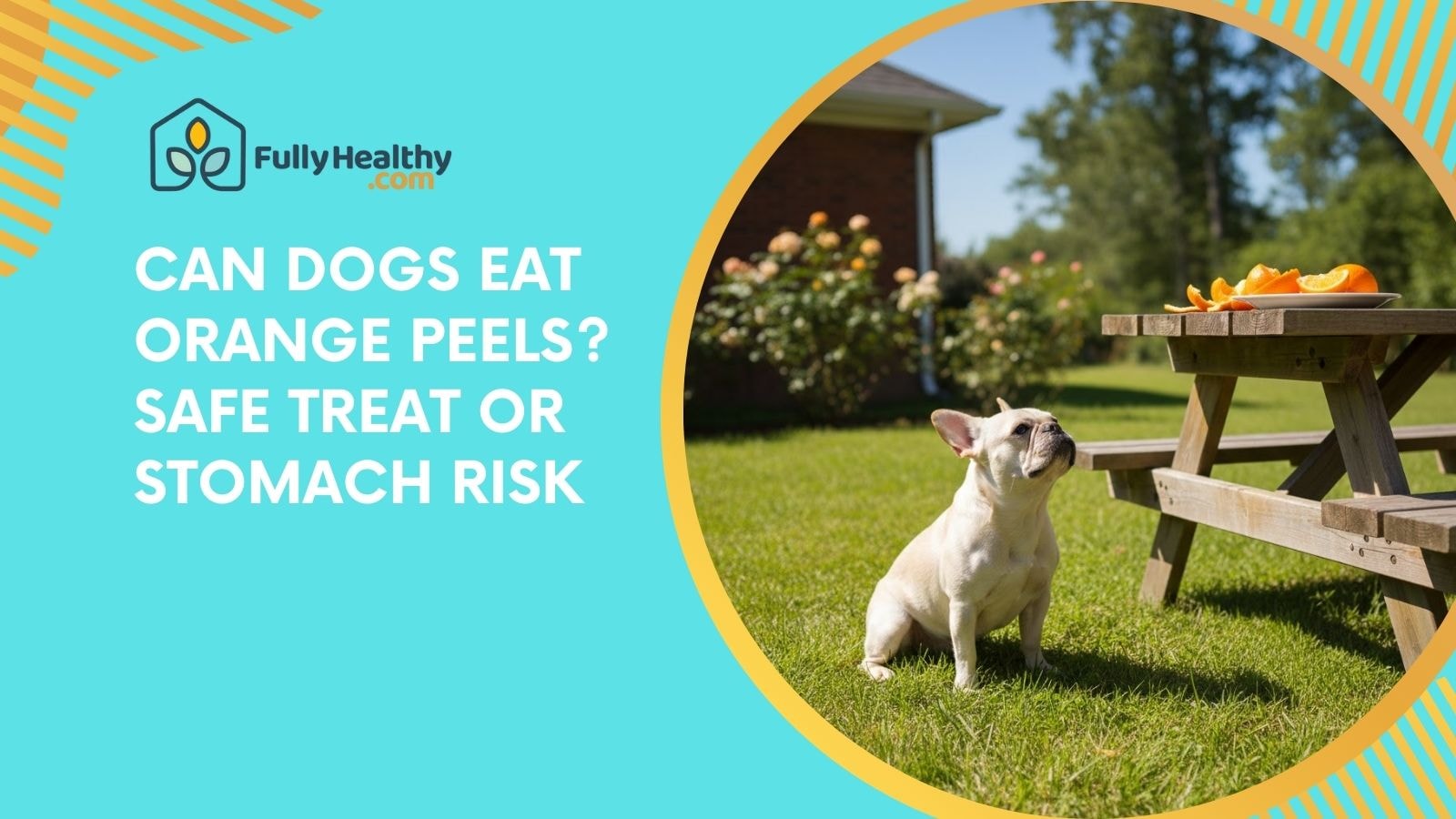
Can dogs eat orange peels? Not really. An orange by itself is safe, but the peel can be harmful. That stuff is tough to break down and could block your dog's intestines. There are fruits that are good for dogs and fruits that are bad for them.
It talks about which fruits are safe and which ones you should stay away from. It also says that orange peels aren't a good treat for your dog, even if he begs for them.
Featured Pantry Pick
St. Dalfour // Orange Marmalade Fruit Spread - 10 oz
Loading...
Can Dogs Eat Orange Peels?

Orange peels may not look dangerous, but dogs shouldn't eat them. In small amounts, the fleshy part of an orange is fine, but the peel can cause digestive issues. It is tough, difficult to digest, and not very healthy. Orange peels can cause gastrointestinal upset due to their essential oils and citric acid and may lead to intestinal blockage, especially in small dogs.
Are Orange Peels Toxic or Just Hard to Digest?
Keep a close eye on them in case they eat orange peels by accident. Large dogs might be able to handle it, but most dogs, especially extra-small dogs, might have trouble with the peel. Intentionally feeding orange peels to dogs should be avoided. If symptoms show up, you should call a vet right away to avoid problems.
-
Vomiting or dry heaving: If the peel is stuck, this could happen.
-
Loss of appetite: Could mean pain or an obstruction.
-
Constipation or diarrhea: The most common signs of digestive stress.
-
Lethargy: Pain or bloating may be the cause of low energy.
What Should You Do If Your Dog Eats the Peel?
If your dog eats orange peels by accident, watch them closely. Some large dogs may pass it with no issue, but for most dogs, especially small ones, the peel could be a problem. You should never feed orange peels on purpose. If symptoms appear, contact a vet expert immediately to avoid complications.
-
Monitor for 24 hours: Especially in toy and puppy breeds.
-
Call your vet: If you see someone throwing up, being bloated, or in pain.
-
Prevent repeat events: Orange peels and other citrus fruits should not be touched.
Can Dogs Eat Oranges Safely?

Oranges for dogs offer some health benefits when fed responsibly. Oranges are a sweet treat and good for you because they are full of fiber and vitamin C. When prepared correctly, fresh orange slices can support a healthy immune system and improve digestive health. However, not all dogs enjoy the taste, and the fruit's high sugar content can be too much for diabetic dogs or stomach problems.
What Nutrients in Oranges Can Benefit Dogs?
If you feed your dog oranges the right way, they can be good for their health. The fruit has natural sugars, some citric acid, and vitamin C, which is good for a dog's immune system. Extra vitamin C isn't needed by adult dogs, but it might help reduce swelling and speed up the healing process.
-
Vitamin C: Aids in the dog's recovery from sickness.
-
Dietary fiber: If given in small pieces, it helps the digestive system.
-
Potassium: Helps the heart and kidneys work better.
-
Water content: Fresh orange slices will help your dog stay hydrated.
How Much Orange Is Safe for Dogs to Eat?
Some dogs can eat small amounts of orange pieces, but it depends on what they normally eat and their breed size. Oranges should only be given as an occasional treat, not every day. Cut back on the amount to avoid too much sugar.
One to two pieces are fine for big dogs. One small piece is enough for small dogs. Take off the orange peel and seeds every time to prevent choking and being exposed to harmful chemicals.
-
Portion control: Follow the 10% rule of your dog’s daily calories.
-
Preparation: Always peel an orange and take out the seeds.
-
Frequency: Oranges should only be fed once or twice a week at most.
-
Alternative uses: Add orange slices to food or blend orange pieces into a fruit smoothie (no sugar added).
What Is the Most Toxic Fruit for Dogs?

Oranges are safe for dogs to eat, but some fruits are very bad for them. Grapes are the most dangerous fruit for dogs because they can suddenly kill their kidneys. It only takes a few to kill you. Some fruits, like cherries, and some citrus fruits, like bergamot oranges and blood oranges, have poisonous chemicals or hard pits that can choke you.
Why Are Grapes and Raisins Dangerous to Dogs?
Grapes and raisins are very bad for you. No one knows exactly what the toxic compound is, but even small amounts can do a lot of damage to kidney function. There’s little risk of recovery without immediate treatment. Get help right away if your dog eats any grapes.
-
Toxic to dogs: Can lead to kidney failure.
-
No safe amount: Some dogs can get sick from just one grape.
-
Symptoms: Losing your appetite, throwing up, having diarrhea, and being tired.
What Other Fruits Are Harmful or Fatal to Dogs?
Besides grapes, you should also stay away from many other fruits. The pits and stems of cherries have cyanide in them. Orange seeds should be avoided due to the choking risk and trace cyanogenic compounds. Since they have a lot of citric acid and essential oils, citrus fruits like lemons and bergamot oranges may make your stomach upset.
-
Cherries: Cyanide in the stems and pits can kill you.
-
Avocados: Pancreatitis may be caused by a lot of fat.
-
Orange seeds: Could be a choking hazard and are a little poisonous.
-
Other citrus fruits: Could make stomachs upset or lead to digestive problems.
What Does FullyHealthy.com Offer for Pet-Savvy Shoppers?
Oranges are good for dogs in small amounts, but pet owners often want clean, healthy foods for themselves, too. FullyHealthy.com helps people on low-inflammatory, AIP, or allergen-free diets find products they can trust.
Even though many of the items aren't made for pets, they do encourage healthy habits that can help dog owners choose safe fruits and new foods for their dogs. When choosing safe snacks for yourself or your dog, it's important to know what's in them.
How Does FullyHealthy Help Health-Conscious Pet Owners?
FullyHealthy has foods for people that are sugar-free and have clean labels. This keeps dog owners from giving their dogs things that have extra sugar or chemicals that are bad for them. People who know what's in their pantry are less likely to accidentally give their dogs something dangerous, like a few orange seeds or fruit rinds.
-
Smart ingredient filters: Sweeteners and citric acid are easy to stay away from.
-
Food transparency: Find out what is safe in small amounts.
-
AIP-safe habits: Better treat prep for people with sensitive stomachs.
Which FullyHealthy Products Reflect Mindful Treat Choices?
Oranges good for dogs must be fresh orange slices only, just like the real, clean snacks FullyHealthy sells. People who eat well are more likely to feed their pets oranges correctly and avoid giving them orange peels or juice, which can be harmful.
-
Top options: Coconut sugar, banana mixes, and fruit snacks.
-
Avoid risks: There is no extra sugar or harmful chemicals.
-
Bonus use: It goes well with some things, like a fruit smoothie or food topper that is safe for dogs.
Final Thoughts
It's safe for dogs to eat small amounts of oranges, but not the peels. Orange peels may cause gastrointestinal upset or intestinal blockage. Not even the peel or orange juice should be given to your dog. If your puppies eat oranges, take out the seeds and peel first. Apple juice is generally not recommended for dogs due to its high sugar content, even if pure.
Don't eat too many citrus fruits, like pup oranges and other citrus fruits.Only small amounts of fresh citrus slices (like oranges) may be given occasionally, while citrus-flavored drinks should be avoided entirely. Giving your dog orange slices the right way or adding them to a fruit smoothie will help his immune system. Talk to your vet about how many oranges are safe to give your pet.
FAQs
What happens if a dog eats an orange peel?
Dogs eat orange peels by accident and may get upset stomach, blockage, or react to citric acid and toxic compounds from citrus fruit.
Can dogs eat mandarin orange peels?
No, mandarin peels, while not acutely toxic, can still pose risks due to essential oils, sugars, and digestibility issues.
Why do dogs not like orange peels?
Many dogs eat oranges but avoid orange peels because of strong smell from citric acid in citrus fruit and sensitive stomachs reacting badly.
Is orange peel digestible?
No, orange peels are not digestible and should not be in dog diet, even in small quantities or as a food topper or sugar free fruit smoothie.
What are signs of orange poisoning in dogs?
Dogs may experience vomiting, lethargy, or diarrhea if they ingest orange peels or large quantities of citrus due to essential oils and acidity.
Leave a comment