

Can Chocolate Go Bad? How Long It Really Lasts
Can chocolate go bad, or does it last forever in your pantry? Even though chocolate doesn't go bad like some other foods do, it can lose its quality, taste, and texture over time. How long it lasts depends on the ingredients, how it's stored, and the temperature.
More important than the date is the bloom, smell, and taste changes. How to store chocolate right, how long does chocolate last, and how do you know if it is still safe to eat?
Featured Baking Pick
Enjoy Life // Semi-Sweet Mini Chocolate Chips - 9 oz
Loading...
Can Chocolate Go Bad?
Chocolate go bad over time, but it does not go bad the same way as perishable foods. The shelf life depends on type, storage conditions, and how well it is stored properly.
Why Chocolate Rarely “Spoils” Like Other Foods
Yes, chocolate can go bad, but not like perishable foods such as milk or fruit. Because it has low moisture, it rarely spoils quickly. Instead, it usually loses quality over time, developing a white coating called bloom or a stale taste before it becomes unsafe to eat.
-
Low moisture content: Cocoa solids and cocoa butter reduce bacterial growth compared to foods with more moisture.
-
Best before date meaning: The best before date reflects peak quality, not a strict expiration date for safety.
-
Shelf stability: Solid chocolate is generally safe to eat long after the printed date if stored properly.
-
Improper storage risks: Heat, high humidity, and direct sunlight can cause faster quality loss and chocolate bloom.
-
Fat behavior: Cocoa butter can separate over time, affecting texture and surface of the chocolate.
How Long Each Type Actually Lasts
The shelf life of chocolate varies depending on ingredients like milk solids, sugar, and added fillings. Different types respond differently to storage conditions and exposure to heat or moisture.
-
Dark chocolate lifespan: Dark chocolate can last 1 to 2 years due to higher cocoa and lower milk content.
-
Milk chocolate lifespan: Milk chocolate lasts about 6 to 12 months because milk solids break down faster.
-
White chocolate lifespan: White chocolate lasts 4 to 6 months since it contains more milk and fat.
-
Filled chocolate limits: Chocolate truffles, nuts, or fruit fillings shorten shelf life due to fresh ingredients.
-
Storage impact: Chocolate stored properly in a cool dry place maintains peak quality longer.
How Do You Tell If Chocolate Has Gone Bad?
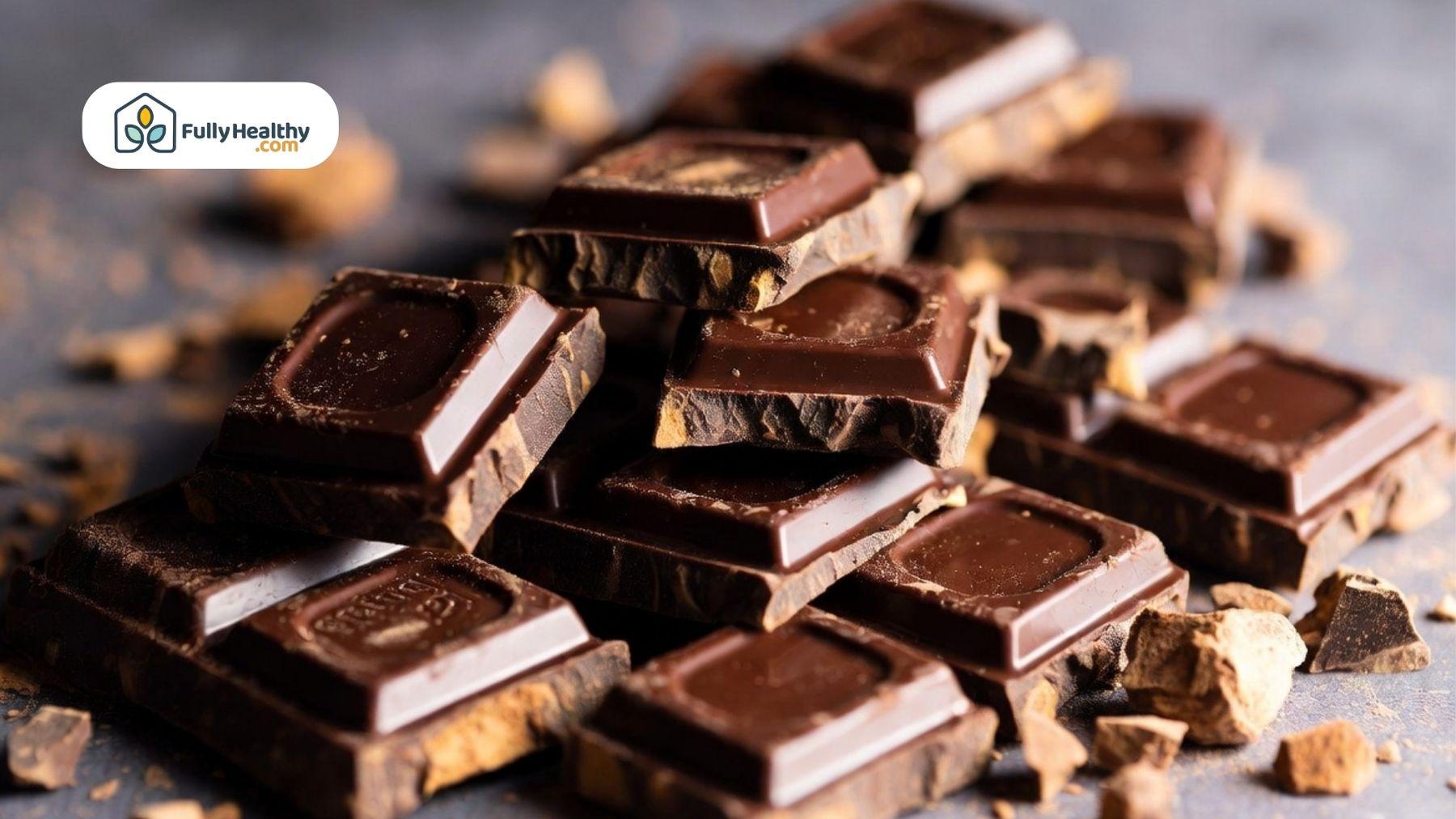
Chocolate can change appearance and texture before it becomes unsafe. Knowing these signs helps you judge if chocolate has gone bad without relying only on the expiration date.
What Bloom Means and Why It Happens
Chocolate bloom appears on the chocolate surface and can look like white or gray streaks. It happens due to fat bloom or sugar bloom and is not mold.
-
Fat bloom cause: Cocoa butter rises to the surface when chocolate is exposed to heat or temperature changes.
-
Sugar bloom cause: Moisture causes sugar to dissolve and recrystallize into sugar crystals on the surface.
-
Not harmful: Chocolate bloom is safe to eat even if it looks unappealing.
-
Texture change: Bloom can make chocolate feel chalky or grainy instead of smooth.
-
Storage link: Improper storage and high humidity increase the chance of bloom forming.
Smell, Taste, and Texture Warning Signs
Smell and taste are stronger indicators than appearance when deciding if chocolate has gone bad. Changes in flavor and texture signal declining quality.
-
Rancid smell: A sour or stale smell means fats in chocolate have started to go bad.
-
Flat flavor: Loss of rich cocoa flavor indicates the chocolate is no longer fresh.
-
Chalky texture: A dry or crumbly texture shows moisture has evaporates or fat has separated.
-
Surface issues: Sticky or uneven surface of the chocolate can indicate storage problems.
-
Strong odors: Chocolate absorbs strong odors from other foods, affecting smell and taste.
What Happens If I Eat Bad Chocolate?
Eating bad chocolate usually does not cause serious harm, but it depends on storage conditions and ingredients. Most changes affect taste and texture rather than safety.
What You’ll Likely Experience After Eating It
Most chocolate that has passed its expiration date can still be eaten as long as it is solid and kept in the right way. The experience is less enjoyable than it is dangerous to your health.
-
Unpleasant taste: You may notice a sour, rancid, or off flavor that signals the fats have degraded.
-
Stomach discomfort: Mild nausea, bloating, or an upset stomach can occur, especially if the chocolate contains spoiled ingredients like milk.
-
Digestive issues: In some cases, you may experience diarrhea if bacteria or mold has developed.
-
Odd smell reaction: A strong, unusual odor can trigger a loss of appetite or slight queasiness.
-
Aftertaste: A lingering bitter or chemical-like aftertaste may remain after eating.
-
Food safety concern: If mold is present or the chocolate smells and tastes clearly off, it is best not to continue eating it.
When Eating It Becomes a Real Concern
Some types of chocolate can go bad faster and become unsafe depending on ingredients and storage. These situations require more caution.
-
Fresh ingredients risk: Chocolate with nuts, fruit, or cream can spoil faster due to more moisture.
-
Mold presence: Visible mold on the chocolate surface means it should not be eaten.
-
Bad smell: Strong sour or off smell signals the chocolate has gone bad.
-
Stored improperly: Exposure to heat, moisture, or air can make chocolate unsafe sooner.
-
Storage failures: Not using an airtight container or leaving chocolate in hot conditions increases risk.
What Candy Bar Has the Longest Shelf Life?
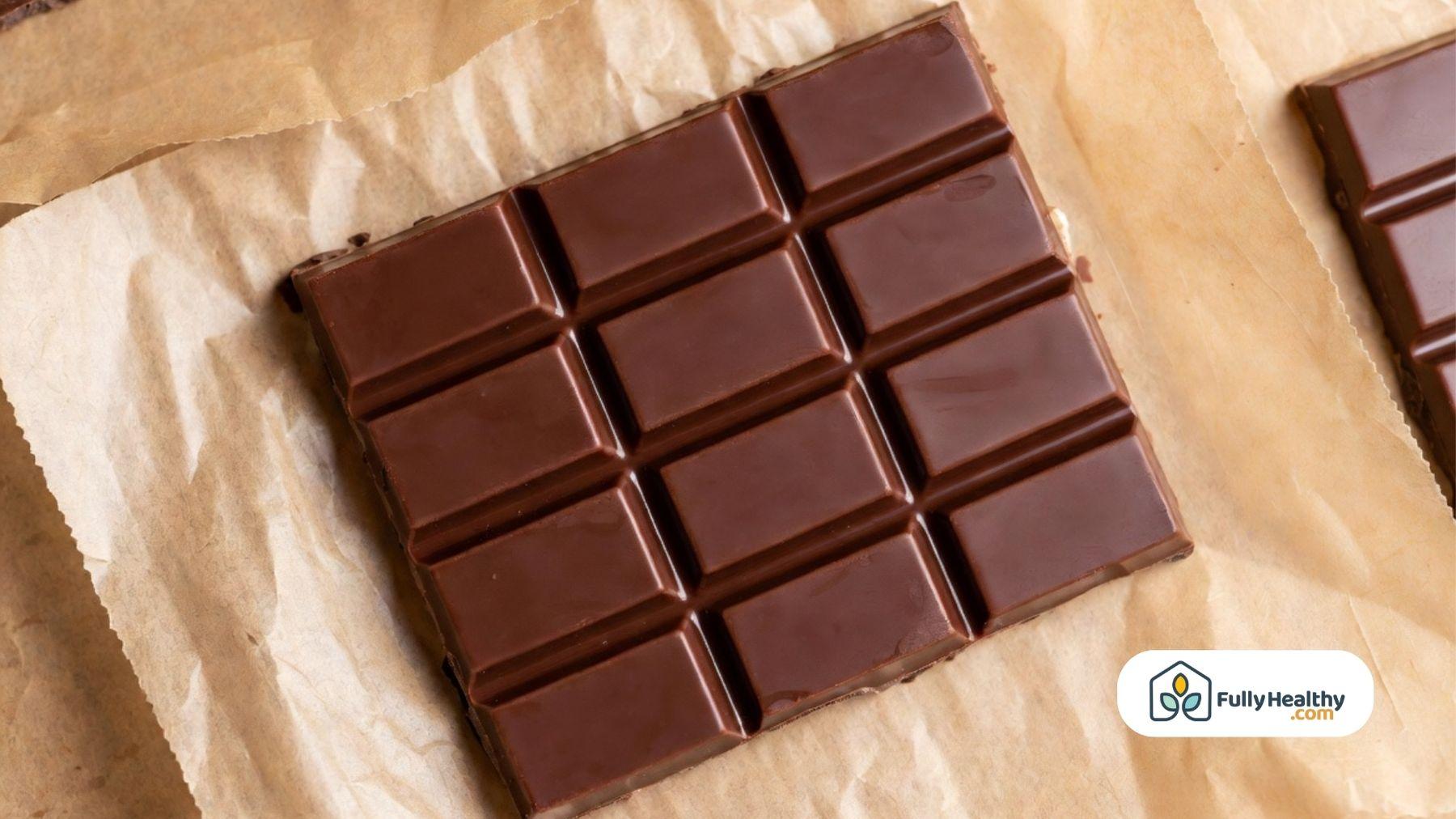
Different kinds of chocolate have different shelf lives, which depend on the ingredients and how they are stored. Choosing the right kind helps the taste and quality last longer.
Why Dark Chocolate Lasts the Longest Overall
Dark chocolate stays fresh longer because it has more cocoa and less milk, which makes it more stable. It stays fresh longer if you store it the right way, in a cool, dry place.
-
Higher cocoa content: More cocoa solids and cocoa butter improve stability over time.
-
No milk solids: Absence of milk reduces risk of faster spoilage.
-
Lower moisture: Less moisture means fewer conditions for spoilage compared to other foods.
-
Shelf life range: Dark chocolate can last up to 1 to 2 years when stored properly.
-
Storage advantage: Keeping it in a dark place away from heat preserves quality and texture.
Why Filled and Mixed Bars Expire Faster
Chocolate bars with added ingredients have a shorter shelf life due to increased moisture and fat interactions. These additions make them more sensitive to storage conditions.
-
Added ingredients: Nuts, fruit, and caramel introduce more moisture and reduce shelf life.
-
Dairy content: Milk chocolate and fillings with milk break down faster over time.
-
Fat interaction: Additional fats can go bad faster, affecting flavor and smell.
-
Storage sensitivity: High humidity and temperature changes accelerate decline.
-
Quality loss: These bars lose peak quality faster even when stored correctly.
Shop Chocolate Options at FullyHealthy
For those with dietary needs, chocolate options vary widely based on ingredients and sourcing. Choosing products designed for specific diets helps maintain both safety and quality.
What FullyHealthy Offers for Special Diets
FullyHealthy provides chocolate and snack options tailored to specific dietary requirements. It focuses on clean ingredients and products designed for restricted diets.
-
Diet categories: Offers options for Paleo, gluten-free, and allergen-friendly foods.
-
Ingredient focus: Products avoid common allergens and use simple, clean ingredients.
-
Storage guidance: Items are designed to maintain quality when stored properly.
-
Product variety: Includes chocolate chips, snacks, and dessert alternatives.
-
Target audience: Ideal for those managing sensitivities to milk, sugar, or other foods.
Featured Chocolate Products to Consider
Several chocolate-based products stand out for their ingredient quality and dietary focus. These options provide alternatives without sacrificing flavor or texture.
-
Jack’s Paleo Kitchen Chocolate Chip Cookies: Made with clean ingredients and suitable for Paleo diets, offering a balanced chocolate chip cookie texture without common allergens.
-
Autoimmune H&N Paleo Perfection Double Chocolate Protein Powder: A protein-rich option using alternative ingredients for those avoiding traditional cocoa or dairy-based blends.
-
Enjoy Life Semi-Sweet Mini Chocolate Chips: Allergy-friendly chocolate chips free from common allergens, ideal for baking or snacking.
-
GoodPud Chocolate Fudge: A ready-to-eat chocolate dessert with a smooth texture and rich flavor, designed for convenience and clean eating.
-
Enjoy Life Semi-Sweet Mini Chocolate Chips: A second option for allergen-friendly chocolate chips, offering flexibility for storage and portion use.
Final Thoughts
When chocolate goes bad depends on how it is stored, not just the date on the package. Keep chocolate in a cool place where it won't melt, and don't put it in the fridge or freezer unless you have to. Put chocolate in the fridge only when you can't keep it out of the heat, and be careful when you're freezing it to keep the texture and flavor.
Room temperature with proper storage keeps quality longer and prevents bloom or damage. Store it right so your chocolate stays enjoyable every time you eat it.
FAQs
Is it safe to eat expired chocolate?
Yes, chocolate expire dates mainly affect quality, and it is generally safe to eat if stored properly at room temperature or in a cool temperature without signs of spoilage.
Can I eat 20 year old chocolate?
You can eat very old chocolate if it was stored properly, but freezing chocolate or keeping it in a freezer or fridge for that long may cause texture and flavor loss.
Is chocolate bad for LDL cholesterol?
Chocolate in moderation is not necessarily bad for LDL cholesterol, especially dark chocolate, but melting and improper storage do not affect its nutritional impact.
Can you get sick from spoiled chocolate?
You can get sick from spoiled chocolate if it was stored improperly, especially with fresh ingredients, but most solid chocolate stored at room temperature remains safe.
How long can chocolate last in the fridge?
Chocolate generally lasts in the fridge for 3 to 6 months, though it is best stored in a cool, dry pantry.
Leave a comment