

Can Rabbits Eat Cabbage or Will It Harm Their Tummy?
 Photo Credit: Canva Pro
Yes, most rabbits can eat certain types of cabbage in moderation, but individual tolerance may vary based on digestive sensitivity. You can help your rabbit stay healthy by giving it cabbage. But too much can make you gassy or upset your stomach.
It will tell you what kinds of cabbage are safe, how often to feed them, and what kinds of greens to stay away from. Read on to make sure you're feeding your rabbit the right way, so they stay healthy.
Featured Pantry Pick
Lil Kim Chee // Organic Raw Sauerkraut - 16 oz
Loading...
Can Rabbits Eat Cabbage?
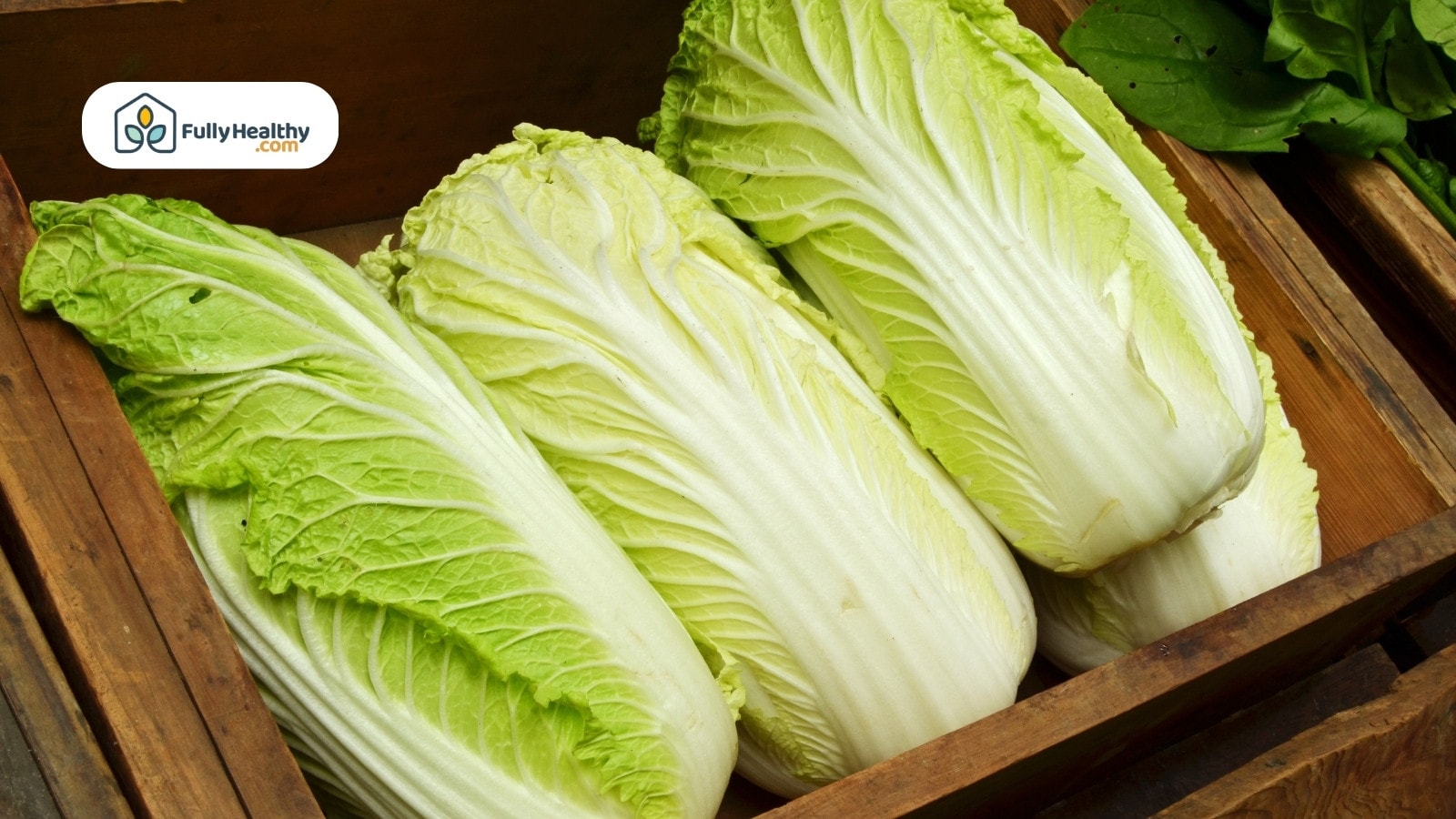 Photo Credit: Canva Pro
Rabbits can eat cabbage, but not too much of it. If you give it the right way, cabbage can be a healthy snack. Cabbage provides dietary fiber and hydration, but it should not replace high-fiber staples like hay that are essential for digestion. It's important not to feed them broccoli too often, though, because they have sensitive digestive systems.
What Types of Cabbage Are Safe for Rabbits?
Rabbits can handle different kinds of cabbage better than others. What kind to give your rabbit depends on how it acts.
-
Green cabbage: The safest option; give in small portions as part of other leafy greens.
-
Red cabbage: Has more sugar and can cause excess gas—feed it less often.
-
Savoy cabbage: A softer, curly type that’s easier to chew and digest.
-
Napa cabbage: Mild and watery, some rabbit owners prefer it for young bunnies.
Nutritional Benefits of Cabbage for Rabbits
There are numerous benefits to cabbage leaves that enhance your rabbit's diet and general well-being.
-
Essential vitamins: Cabbage contains vitamins like K, which aid blood clotting, though rabbits naturally synthesize Vitamins C and don’t need it from food.
-
Hydration support: Its high water content helps keep bunnies hydrated.
-
Dietary fiber: Supports digestive health and helps prevent gut issues.
-
Chewing benefits: The crunchy texture helps wear down their teeth naturally.
Can Cabbage Cause Gas in Bunnies?
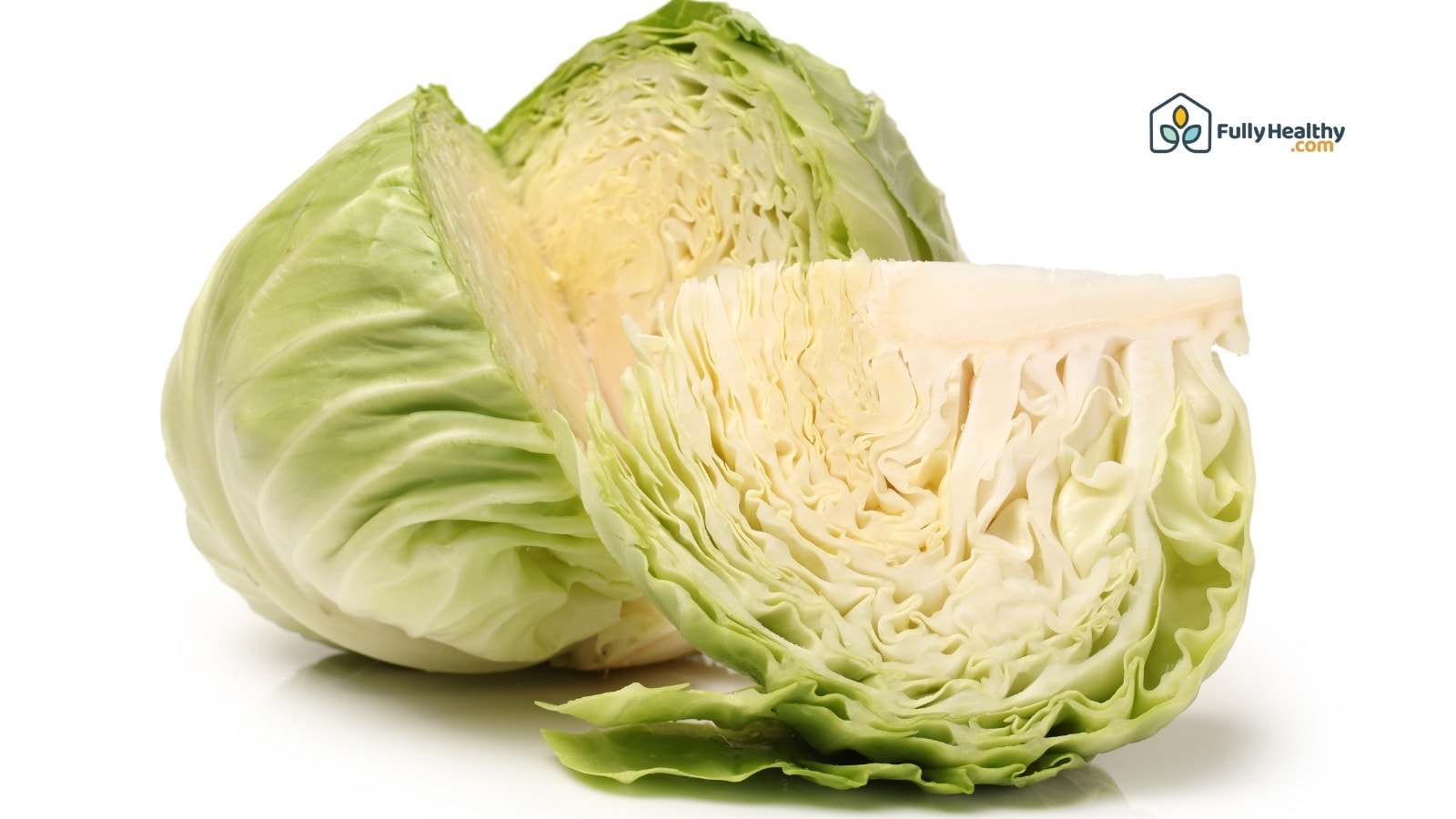 Photo Credit: Canva Pro
A rabbit can get sick from eating too much cabbage. Their delicate digestive systems can't handle eating a lot of things that make gas. So, they shouldn't eat cabbage every day; it should be a treat once in a while.
Why Cabbage May Cause Digestive Issues in Rabbits
If you eat too much or or in large amounts, cabbage can give you problems like gas or bloating. These problems are more likely to happen with red cabbage.
-
Gas and bloating: Cabbage ferments in the gut and may lead to pain or discomfort.
-
Calcium overload: Too much cabbage may increase the risk of bladder stones.
-
Stomach sensitivity: Young bunnies or rabbits with digestive issues may react poorly.
How to Introduce Cabbage Safely Into a Bunny’s Diet
Slowly feed your rabbit broccoli the first time, and keep a close eye on it. To see how well they can handle it, start with a very small amount.
-
Feed small quantities: Begin with one or two small cabbage leaves.
-
Use it as an occasional treat: Limit feeding to 2–3 times per week.
-
Mix with other leafy greens: Combine with romaine lettuce, green leaf, or brussel sprouts.
-
Watch for signs of gas: If your bunny seems tired or bloated, stop feeding cabbage.
What Greens Can Rabbits Not Eat?
 Photo Credit: Canva Pro
Some greens that look good for you can be bad for rabbits. There could be too much calcium, oxalates, or water in them. Your rabbit's digestion will be safer if you know what to avoid.
High-Oxalate and High-Calcium Greens to Avoid
If fed to rabbits too often, these greens can make their stomachs upset or raise their risk of bladder problems.
-
Spinach and beet greens: Spinach and beet greens are high in oxalates, which bind with calcium and may increase the risk of bladder stones if fed too often.
-
Mustard and collard greens: Can cause bladder stones due to high calcium.
-
Cauliflower leaves: May lead to excess gas like cabbage.
-
Iceberg lettuce: Mostly water with no nutrients, and may cause diarrhea.
Healthier Leafy Alternatives to Risky Greens
You can feed your rabbit a lot of other vegetables that are safer and still keep them healthy.
-
Romaine lettuce: Nutritious and easy to digest.
-
Green leaf and red leaf lettuce: Great for daily feeding in small amounts.
-
Fresh herbs: Basil, parsley, and cilantro can be rotated weekly.
-
Other veggies: Try mixing in carrot tops or dandelion greens with fresh water available.
Are Any Vegetables Poisonous to Rabbits?
 Photo Credit: Canva Pro
Rabbits love fresh vegetables, but not all of them are good for them to eat. Some may make your stomach hurt or even make you very sick if you eat it in large quantities. Please be careful and always check with your rabbit's owner before giving it a new food.
Vegetables That Can Be Toxic or Lethal to Rabbits
Some vegetables may look good for you, but they can hurt your rabbit's stomach or make it sick for a long time.
-
Allium vegetables: Onions, garlic, and leeks can damage red blood cells and should never be fed.
-
Choking hazards: Celery strings can get stuck in their gut, chop it into small pieces if you offer it.
-
Gas-causing greens: Kale and broccoli are nutritious but may lead to gas if overfed.
-
Dangerous plants: Rhubarb and raw beans are toxic and must be avoided at all costs.
Symptoms of Vegetable Toxicity in Rabbits
There may be quick signs if your rabbit eats something bad. Keep a close eye on them to see if their health changes.
-
Stomach issues: Diarrhea or soft stools are common signs of food intolerance.
-
Lack of energy: Lethargy or refusal to eat can signal internal discomfort.
-
Visible bloating: Swelling in the belly may indicate gas or even GI stasis.
-
Strange behavior: Unusual hopping, hiding, or grinding teeth can mean pain.
What Is a Rabbit’s Favorite Food?
They like leafy treats and rabbits eat cabbage leaves, but hay is their best food, and for good reason. This food is full of fiber, which is good for their gut system. A few pieces of fresh fruit and veggies should be added to their diet to round it out.
Why Hay Is the Core of a Rabbit’s Daily Diet
Hay isn't just food for rabbits; they need it to stay alive. If buns don't get it, they can get major health problems like GI stasis.
-
High fiber content: Keeps their gut moving and prevents blockage.
-
Natural tooth wear: Constant chewing helps control teeth growth.
-
Safe to eat anytime: Unlike pellets or fruit, hay doesn’t risk overfeeding.
-
Available 24/7: Rabbits should have unlimited access to clean, dry hay.
Tasty and Safe Vegetables That Rabbits Enjoy
Rabbits can eat a lot of fresh vegetables and generally safe for them, and when fed the right way, they can add variety and nutrition to their food.
-
Leafy greens: Romaine, green leaf, and kale are good sources of essential nutrients.
-
Mild veggies: Broccoli leaves and stems can be offered in moderation.
-
Flavorful herbs: Parsley, cilantro, and carrot tops make great add-ons.
-
Fruit treats: Small pieces of apple or berry are fine once or twice a week.
What Can FullyHealthy Offer for Bunny Owners?
FullyHealthy is a health store for people, but rabbit owners who care about clean, healthy food can learn a lot from it. The goods aren't made for rabbits, but they support gut health and healthy eating in the same way.
Gut-Boosting Sauerkrauts Available at FullyHealthy
The organic, raw sauerkrauts that Pickled Planet makes are full of good bacteria. Like hay and greens do for your rabbit, these fermented foods are good for your gut system.
-
Lil’ Kim Chee: A bold mix of cabbage, daikon, garlic, and spice.
-
Dill E Gent: Classic sauerkraut with dill, garlic, and traditional pickling spices.
-
Love Kraut: Colorful and nutrient-rich with red cabbage, burdock, and carrots.
How FullyHealthy Supports Specialized Dietary Lifestyles
It's great for people who are on an AIP, gluten-free, or allergen-free diet. If you own a rabbit and are concerned about its health, this page will help you.
-
Clean ingredients: No artificial additives or hidden chemicals.
-
Easy to navigate: Shop by diet type, ingredient, or product category.
-
Values you trust: Their mission supports small brands focused on wellness.
Final Thoughts
Rabbits can eat cabbage, but be careful when they do. To avoid problems like gas or stomach issues, it's important to know how much cabbage to give at a time. Even though cabbage has minerals and vitamins, it should never be used instead of hay or other high-fiber greens. Feeding a rabbit isn't a full-time job, but you do need to plan ahead. To keep your rabbit healthy, always mix cabbage with other vegetables and serve it in small amounts.
FAQs
How much cabbage can rabbits eat per week?
Rabbits should only eat a few cabbage leaves 2–3 times weekly to avoid ill effects.
Can I offer cabbage to my rabbit daily?
No, offer cabbage only as an occasional treat, not every day.
Is feeding rabbits a full time job?
No, but rabbit owners should plan a balanced diet to avoid health issues.
Does cabbage give minerals to rabbits?
Yes, cabbage has minerals like calcium and potassium, but too much cabbage may still harm buns.
What are the ill effects of overfeeding cabbage?
Too much cabbage can lead to bloating, soft stools, and other digestive problems in rabbits.
Leave a comment