

Can Rabbits Eat Grapes? How to Feed Your Rabbit Safely
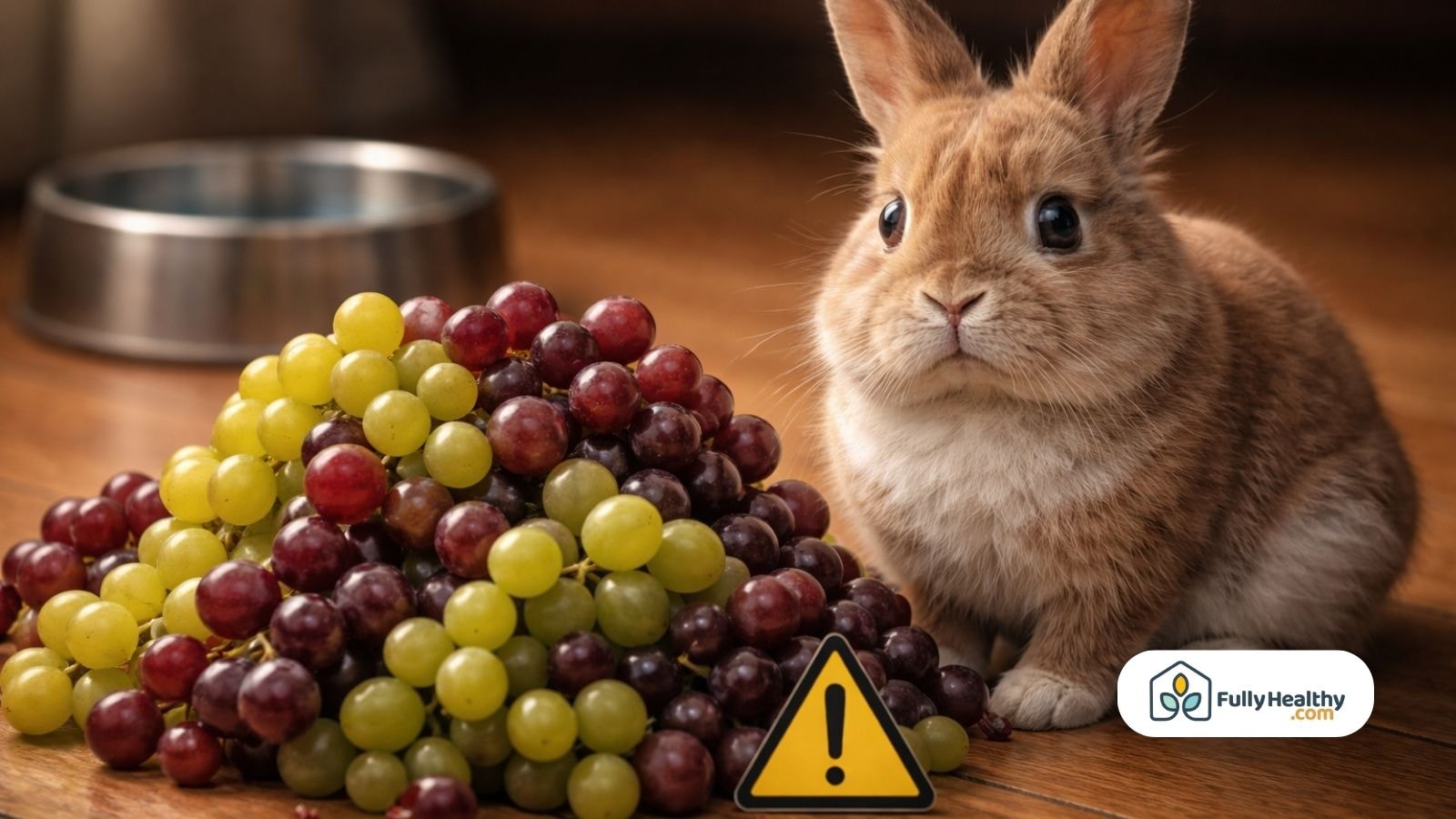
The rabbit can eat grapes, but not a lot of them. These fruits taste good, but rabbits shouldn't eat too many of them because they contain too much sugar. Only one to three grapes a week are needed. Always pick seedless grapes and wash them well.
Unhealthy fruits include avocados and fruit pits. It tells you what fruits are safe, how often to feed them, and what to look out for.
🍇 Four Fruits, One Perfect Harmony – Naturally Sweetened with Grape Juice Goodness!
Can Rabbits Eat Grapes?
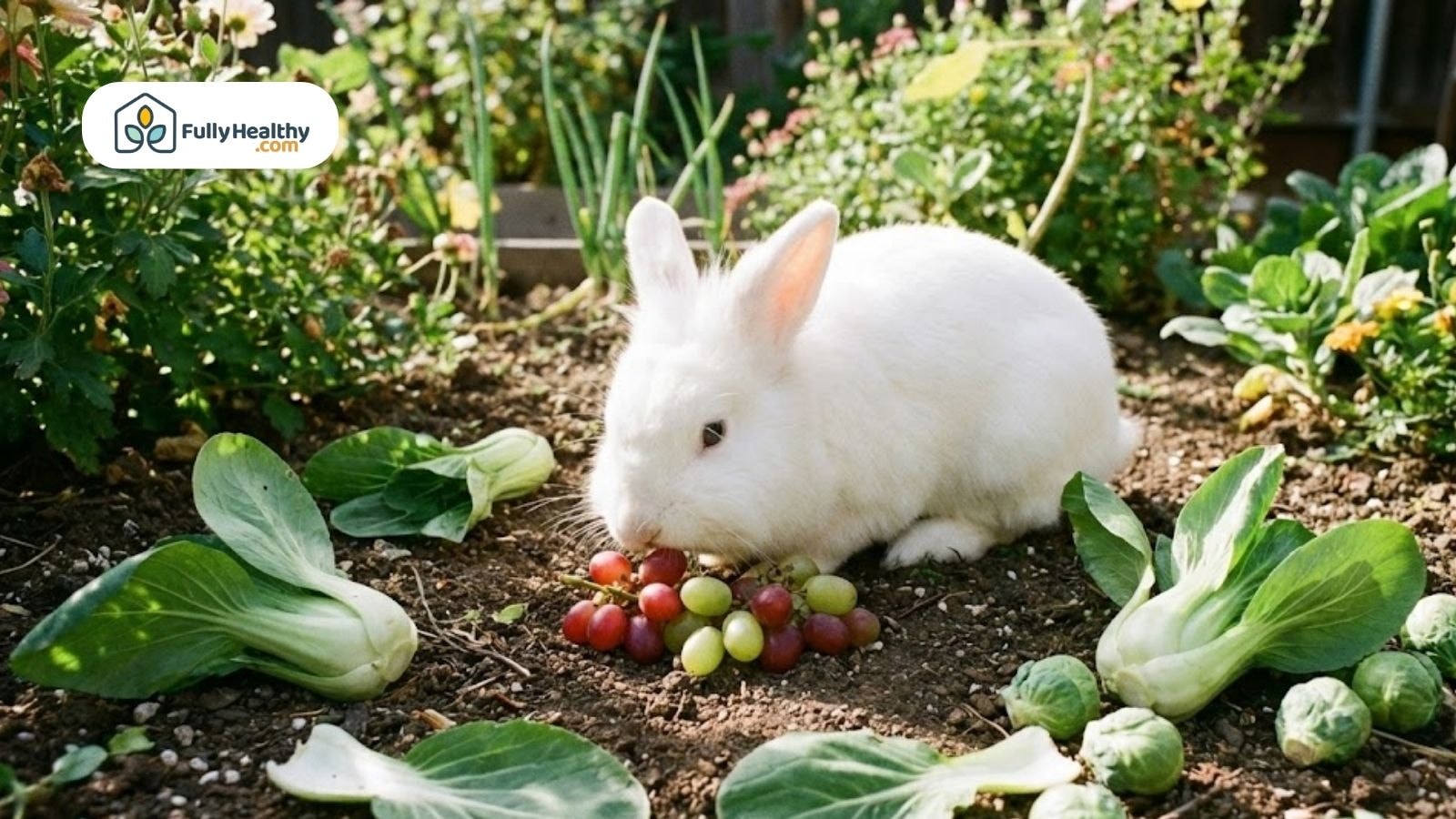
In small amounts, rabbits can eat grapes. If you give a rabbit too many grapes, but can make its stomach upset. They should only be eaten as treats once in a while and not as part of a regular meal. Grapes are not a necessary part of a rabbit's diet and should only be given occasionally as treats due to high sugar content. They offer minimal nutritional benefit.
What Makes Grapes Appealing to Rabbits
Adult and young rabbits both like grapes because they are juicy, sweet, and easy to chew. They are naturally sweet and watery, so they make a tasty treat when given with care.
-
Sweet Taste: Although rabbits enjoy sweet foods, their bodies aren't very good at handling sugar.
-
Soft Texture: Easy for rabbits of all ages to chew, especially when compared to treats that are crunchy.
-
Moisture Content: While grapes contain water, hydration should primarily come from fresh water. Over-relying on high-water-content fruits can lead to soft stools.
How Often Can You Feed Grapes to a Rabbit?
If you feed your pet too many grapes, it could get serious digestive problems like gas or diarrhea. As a result, it is best to give grapes in very small amounts, as a treat, not every day.
-
Serving Size: An adult rabbit only needs one to three grapes a week.
-
Cut for Safety: Slice each grape in half to prevent choking risk, especially for smaller rabbits.
-
Remove Seeds: Grape seeds may pose a choking hazard and offer no nutritional benefit, but toxicity is not well-documented in rabbits. Seedless grapes are still strongly preferred.
-
Avoid Raisins: Dried grapes are high in sugar and a big no for a healthy rabbit's diet.
-
Best Practice: Before you serve, wash the grapes with cold water to get rid of any wax or pesticides.
Are Any Fruits Toxic to Rabbits?
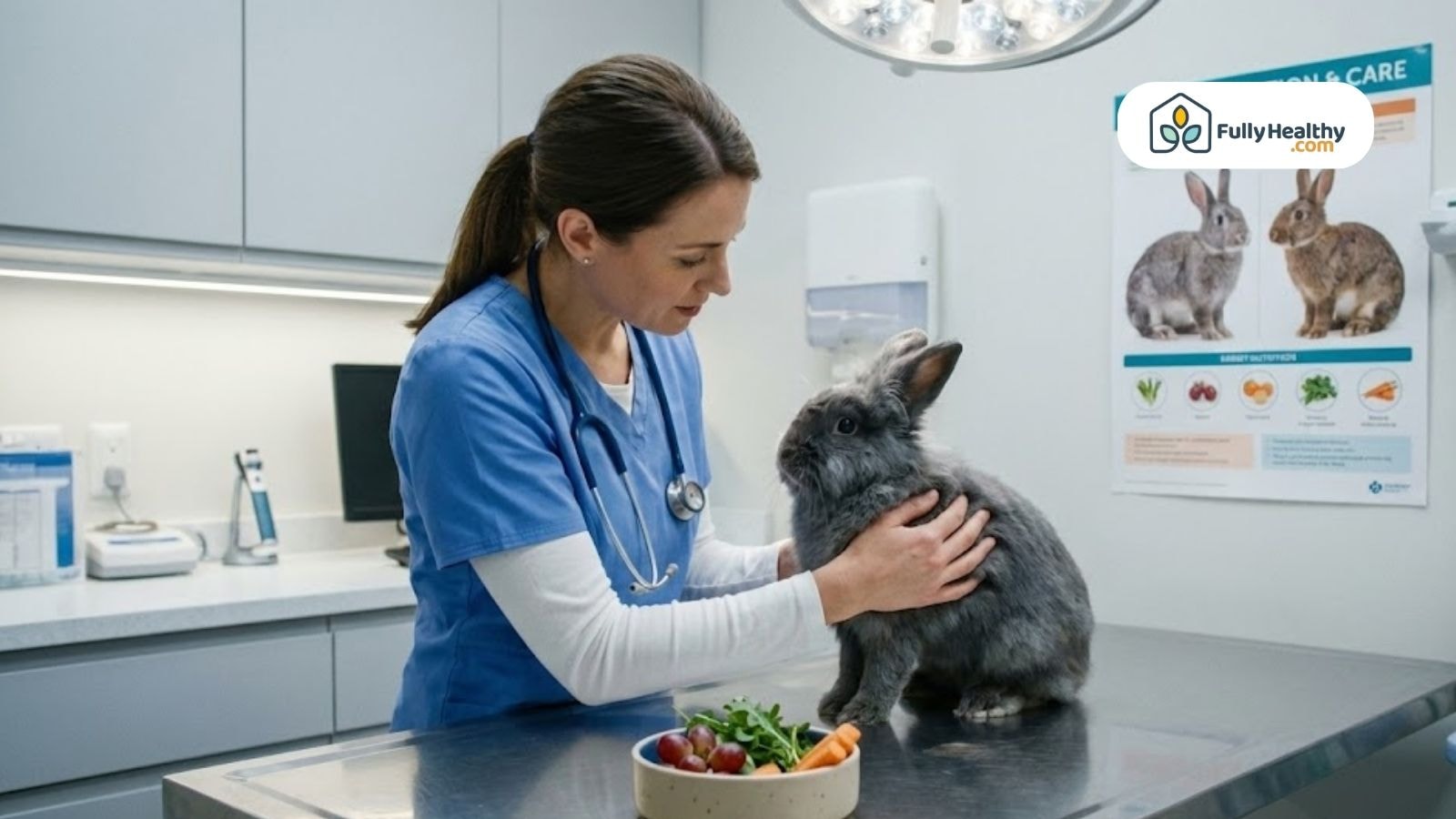
Animals like rabbits shouldn't eat all fruits. Some fruits or even parts of them can be poisonous and make you sick or make your stomach hurt. Avoiding certain foods is good for your rabbit's digestive system and helps them stay at a healthy weight.
Dangerous Fruits and Why They’re Harmful
Some fruits may not seem dangerous, but they actually have poisons inside them that can really hurt your rabbit's stomach. Some foods, like iceberg lettuce, don't really give you anything good for you and can even make digestion less healthy.
-
Avocados: Avocados contain persin, which is toxic to many animals including rabbits and can cause heart and respiratory distress—not liver failure specifically.
-
Fruit Seeds and Pits: It's found in apples, cherries, and peaches. It's poisonous, so you should never feed it.
-
Rhubarb: Too acidic and toxic for rabbits.
-
Iceberg Lettuce: Iceberg lettuce is low in nutrients and may cause diarrhea due to high water content. It doesn't directly harm gut bacteria but lacks the fiber rabbits need.
-
Processed Fruits: Those with added sugars or preservatives, should be avoided for rabbits. Treats made for other animals are inappropriate for rabbits due to different dietary needs.
Signs of Fruit-Related Toxicity in Rabbits
These things might happen if your rabbit eats something bad or just too many grapes. Health problems can be avoided by taking action right away.
-
Loose Stool or Diarrhea: Often a sign of stomach trouble.
-
Lack of Energy: Something could be wrong if the bunny looks tired.
-
Loss of Appetite: Not eating or not finishing meals.
-
Gas and Bloating: Gut issues caused by bad or too much food.
-
Wobbling or Weakness: May be a sign of a toxic reaction or an imbalance in nutrients.
What Is a Bunny’s Favorite Fruit?
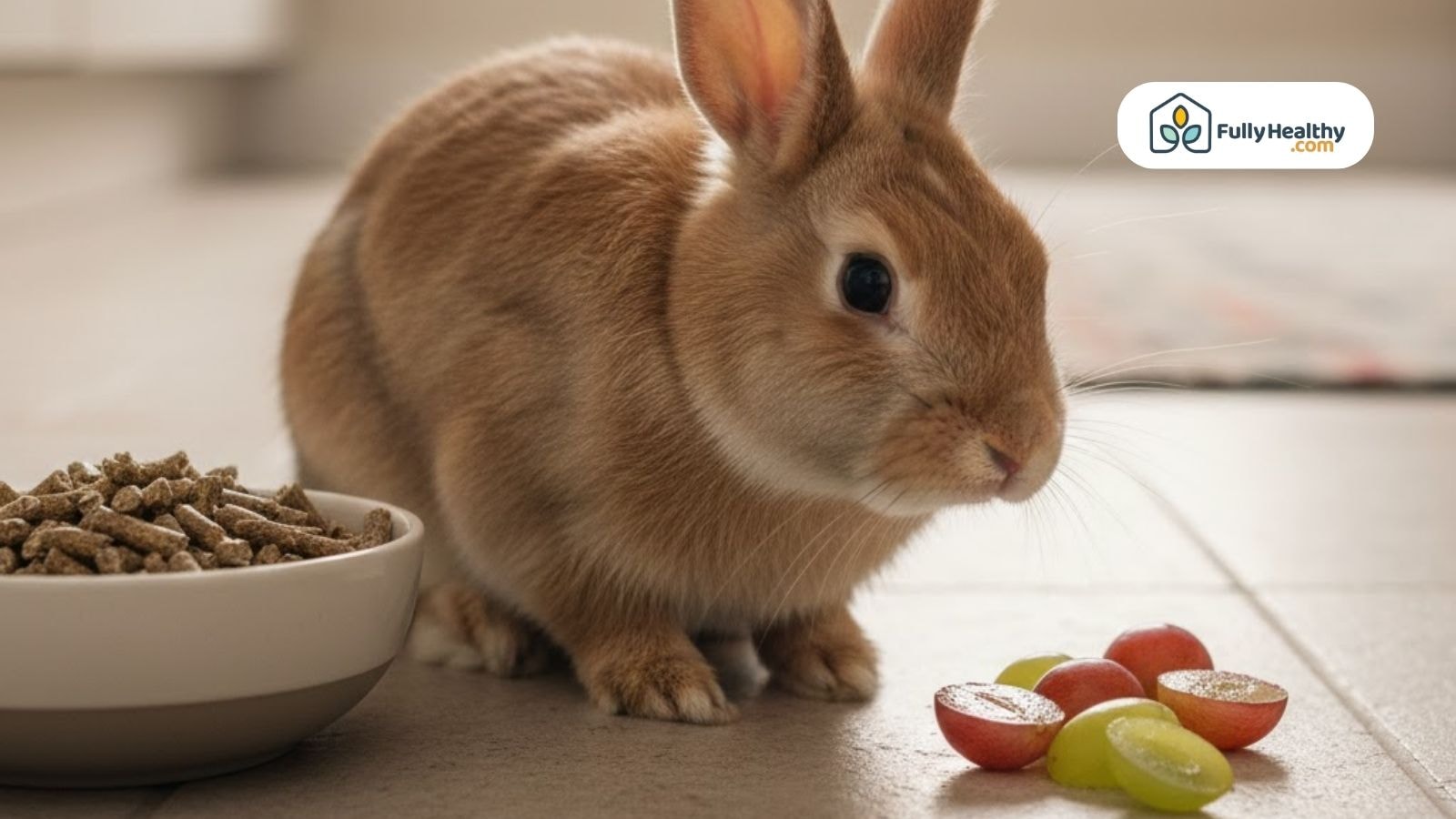
Many fruits are good for rabbits, but not all of them are the same. Fruit treats like apple slices or grapes are tasty, but it's important to give your pet the right fruit in the right amount for a healthy diet. These things are often sold in pet shops, but not all of them are good for feeding every day.
Top Treats: Apples, Bananas, Berries
There are a lot of good things for you in these fruits, like fiber and vitamin C, but they also have a lot of sugar. That means they should only get small quantities of food.
-
Apple Slices: Take out the seeds every time before feeding.
-
Banana Bits: Soft and easy to chew, but don't give too much.
-
Berries: Bunnies love fresh fruits like blueberries and strawberries.
Are Grapes High on the List?
Grapes are a common treat but should be fed sparingly to avoid excess sugar intake. Mix them up with other fruits to keep things interesting and to cut down on sugar.
-
One Grape Is Enough: A grape is a good treat size for most rabbits.
-
Check Size: Adjust the amount based on your rabbit’s body weight.
-
Pair with Greens: For best results, feed your pet a mix of fruit, leafy greens, good pellets, and fresh hay.
What Is the 3 3 3 Rule for Rabbits?
The 3-3-3 rule can help you slowly introduce your rabbit to its new home. Simple steps were taken to make the first few weeks after adoption easier for pets. The 3-3-3 rule originates in dog and cat adoption practices; while some concepts may help with rabbit acclimation, it's not a veterinarian-endorsed standard for rabbits.
This rule tells you how long you have to make your bunny feel safe, get used to its new home and food, and settle down.
What Is the 3-3-3 Rule in Pet Adoption?
Within the first three days, three weeks, and three months after getting your rabbit, you must follow this rule. If you know what to expect, it will be easier to take good care of your rabbit at each stage.
-
First 3 Days: Your rabbit might run away, eat less, or act scared. Let them have some peace and quiet, soft bedding, and fresh water, but don't touch them.
-
First 3 Weeks: Your rabbit feels safer and starts to look around. You can start giving out very small pieces of fresh vegetables like bok choy, brussels sprouts, and green grapes.
-
First 3 Months: Your rabbit should feel good now. They will stick to a routine, get to know you, and show you who they really are.
How It Helps Rabbits Transition Smoothly
This way of doing things is good for your mental and physical health. If you want to feed your rabbit something new, give it some time to get used to it before you do so. If you follow the 3-3-3 rule, you can avoid stress and possible problems like overeating or stomach problems.
-
Gentle Routine: Having a set schedule will help your rabbit feel safe.
-
Slow Food Changes: Keeps your digestive system from being shocked when you try new foods like vegetables or fruits.
-
Easier Bonding: Sooner or later, your rabbit will trust you more.
What Does Fully Healthy Offer for Rabbit-Safe Diets?
It's possible to buy foods that are good for people on special diets at Fully Healthy. Even though it doesn't have rabbit-specific items, it does have clean and organic foods that could help you and your pets eat better. If you want to eat healthier, you might get ideas for how to offer better fresh food or treats in small pieces.
Does FullyHealthy Carry Rabbit-Appropriate Foods?
Not quite. It's not possible to buy hay, high-quality pellets, or other items just for rabbits on Fully Healthy. It does, however, sell natural, organic, and additive-free goods, like the kind of things you'd want to give a rabbit as safe snacks.
-
No Rabbit-Specific Products: This place doesn't have pellets, hay, or treats for rabbits.
-
Clean Ingredients: Knowing what's good and bad to feed your rabbit is easier when you look at items that are made with whole foods.
-
Compare with Bunny Diets: You might get ideas from things like unsweetened coconut or pure vegetable snacks.
Best Product Types to Explore
People are the target audience for Fully Healthy, but rabbit owners can still find it useful. Find out more about fresh food on the site, including how much is safe and how to stay away from ingredients that can make you sick. Talk to your vet first before giving your rabbit anything that wasn't made for them.
-
Organic Produce Options: Great for seeing what rabbits can safely eat next to it.
-
Natural Sweeteners: Reminds you that you shouldn't eat too many fruits and green grapes because they are high in sugar.
-
Watch Portions: For example, one to three grapes is too many, but not one cup.
-
Understand Potential Risks: If you don't give your rabbit healthy food the right way, it can make its stomach upset.
-
Hydration Matters: Every day, give them enough water, especially when they are eating fresh food.
Final Thoughts
Rabbits that are adults can eat grapes, but only very small amounts as treats once in a while. Green grapes without seeds should always be chosen, and they should be cut up into small pieces to keep kids from choking.
For a healthy diet, give your rabbit fresh vegetables like bok choy and brussels sprouts, as well as high-quality pellets and plenty of water. Baby rabbits should not be fed fruits like grapes. Their digestive systems are too sensitive for sugary treats. Always make sure that the grapes are safe for your rabbit before giving them a new food.
FAQs
How many grapes can you give a bunny?
One to three grapes are safe for adult rabbits, not baby rabbits or guinea pigs; always slice them into small pieces.
What are the symptoms of grape poisoning in bunnies?
Too many grapes can cause diarrhea, digestive distress, and not enough water, and grape skin may upset a rabbit’s stomach.
Can rabbits have grape skin?
Yes, grape skin is safe in very small amounts, but always wash rabbit fresh produce like green grapes with cold water.
Can rabbits eat bananas?
Yes, rabbits can eat bananas as occasional treats, along with bok choy, brussels sprouts, and high-quality pellets for a balanced diet.
Are grape branches safe for rabbits?
Grape vines and branches may be safe if pesticide-free, but they are not recommended without veterinary guidance due to possible pesticide or fungicide exposure.
Leave a comment