

Can You Do Peptides Without Needles? New Needle-Free Options Explained
Can you do peptides without needles? Sometimes, yes. Some peptides can be taken by mouth, applied to the skin, or delivered through needle-free methods. But many therapeutic peptides still need injections because they break down in the stomach or do not absorb well through the skin.
The best option depends on the peptide, your health goal, and medical guidance. This guide explains when needles are needed and when they may not be.
Can You Do Peptides Without Needles?
Can you do peptides without needles? Yes, but only with certain products. A peptide is a short chain of amino acids; some peptides act as signaling molecules in the human body. Some peptides can be taken by mouth, applied to the skin, or delivered through needle-free methods.
Others need peptide injections because they do not absorb well. The right option depends on the medication, your goal, and advice from a healthcare provider.
How Do Needle-Free Peptide Options Work?
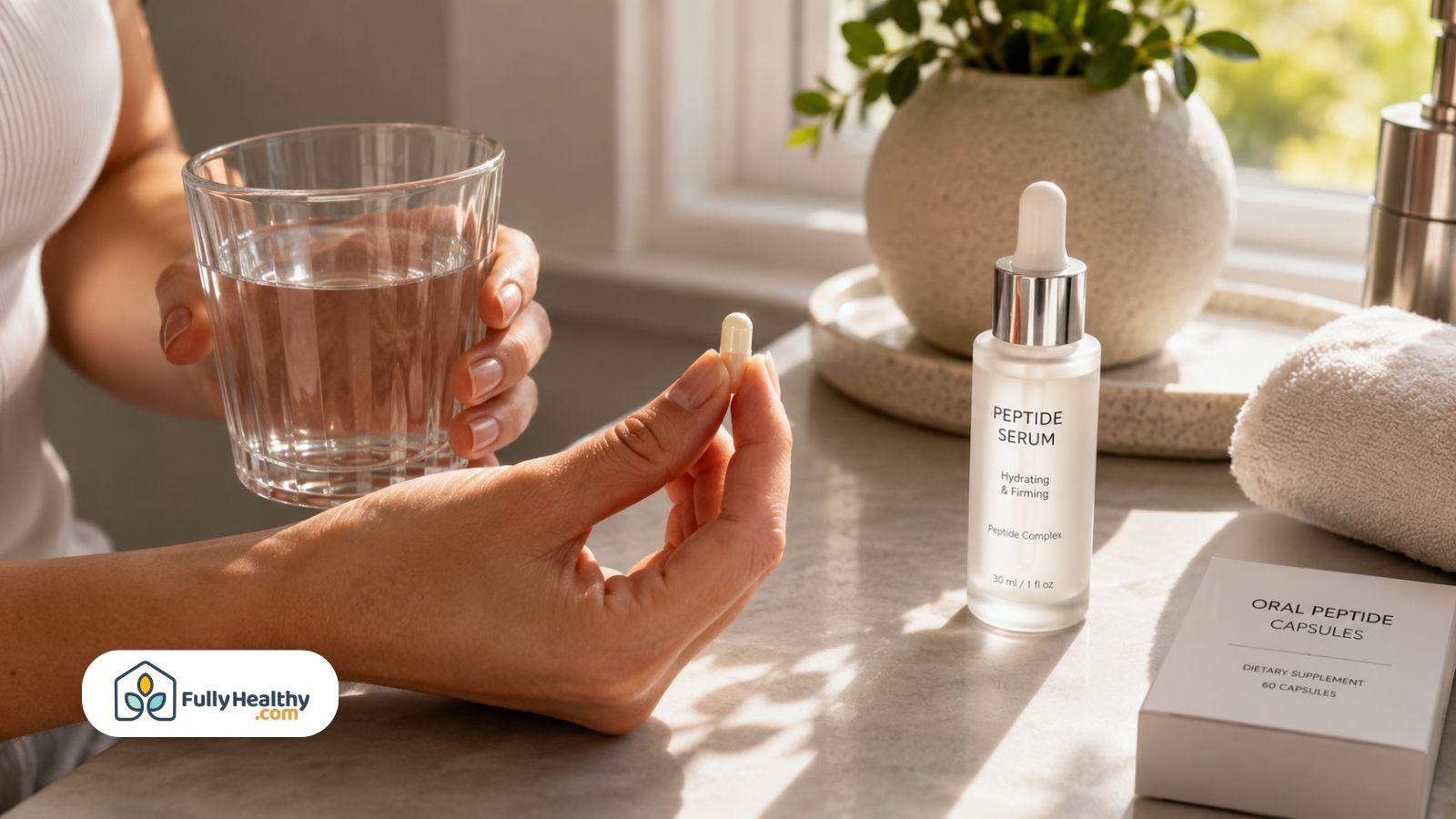
Some peptide products are made to work without a needle. For example, collagen peptides may be taken by mouth, while some skin care products use topical peptides. Other needle-free methods are being studied to improve patient comfort. Still, many therapeutic peptides are injectable because the gastrointestinal system can break them down before they work.
-
Oral Options: Oral collagen peptides may modestly support some skin measures and joint symptoms in some studies, but benefits are product-, dose-, and outcome-specific.
-
Topical Products: Some topical peptide-containing cosmetic formulas may improve the appearance of skin aging, but evidence is formulation-specific and does not prove broad anti-aging effects.
-
Needle-Free Methods: Some experimental or specialized delivery systems, such as microneedles, iontophoresis, or permeation-enhanced patches, are being studied to improve peptide delivery through or across the skin.
-
Main Limitation: Many synthetic peptide substances have poor bioavailability when swallowed.
-
Medical Guidance: A doctor can explain which delivery method is safest for your needs.
Can You Do Peptides Without Needles Safely?
Safety depends on the peptide, dose, product quality, and how it is used. Some treatments are generally safe when prescribed correctly, but side effects can still happen. Patients should avoid unclear products, expired medication, and research products not meant for human use.
-
Product Quality: Use trusted sources and avoid products with unclear labels.
-
Possible Reactions: Possible reactions may include local irritation, swelling, allergic reactions, infection, or peptide-specific adverse effects and should be discussed with a healthcare provider.
-
Storage: Keep medication away from direct sunlight and always check the expiration date.
-
Supervision: Performance enhancement without medical care can increase the risk of complications.
-
FDA Approval: FDA-approved options have more safety review than unapproved products.
Do Peptides Need Needles?
Many therapeutic peptides are given through a subcutaneous injection because this helps the medication enter the body more reliably. Injectable peptides can avoid breakdown in the gastrointestinal tract and may support better absorption. Although this method uses a needle, it is common because it can improve efficacy and treatment consistency.
Why Injections Are Common For Peptide Therapy?
Peptide injections are common because many peptides break down before they reach the bloodstream. A subcutaneous injection places the medication under the skin, where it can be absorbed more directly.
Depending on the specific approved medication, injectable peptide therapies may support outcomes such as blood sugar control or weight management; claims about muscle growth, recovery, tissue repair, or reduced inflammation require peptide-specific clinical evidence.
-
Better Absorption: Injectable medication avoids much of the digestive process.
-
Common Goals: Common medically supported goals depend on the specific peptide; stronger clinical evidence exists for some metabolic and endocrine uses than for muscle mass, recovery, or inflammation claims.
-
Research Support: Clinical trials continue to study how different peptides work in the body.
-
Correct Dose: Patients should only use the dose recommended by their healthcare provider.
-
Safety First: Peptide therapy should be guided by a trained medical professional.
What Supplies Are Used For Injectable Peptides?
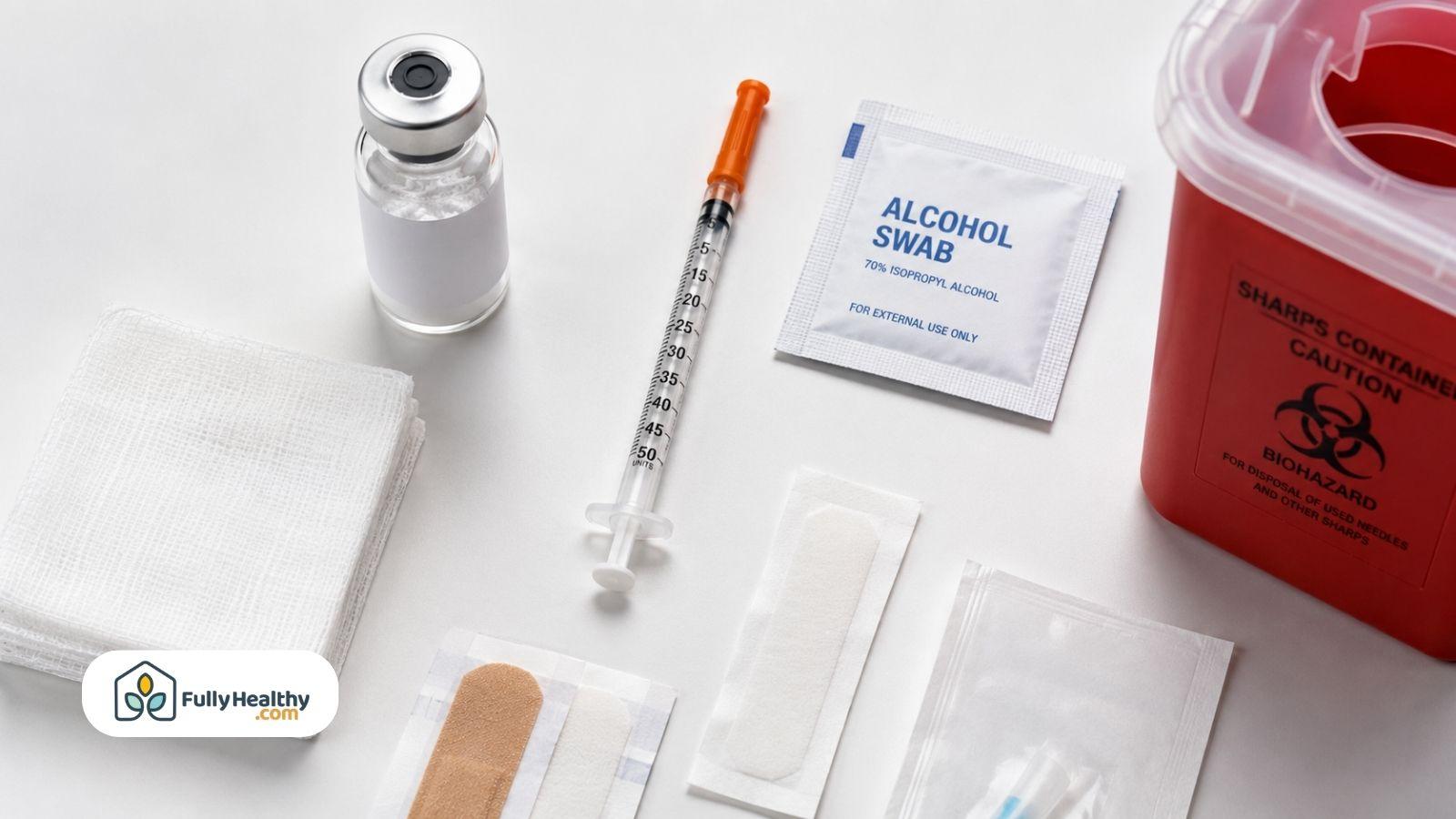
A safe self-injection needs the right tools and careful preparation. Patients may need a syringe, needle, alcohol swabs, gauze, bandages, and a sharps container. Injection sites should also be rotated.
Using the same spot repeatedly may increase local irritation, pain, bruising, or lipodystrophy; infection risk is mainly related to poor injection hygiene or contaminated products.
-
Basic Supplies: A syringe, needle, alcohol swabs, gauze, and a sharps container are commonly used.
-
Injection Sites: The upper arms or other approved subcutaneous areas may be used if recommended.
-
Technique: Patients may be told to slowly push the plunger after placing the needle correctly.
-
Site Rotation: Avoid using the same spot repeatedly to reduce irritation and discomfort.
-
Storage: Keep medication away from heat and direct sunlight.
Do Peptides Work Without Injection?
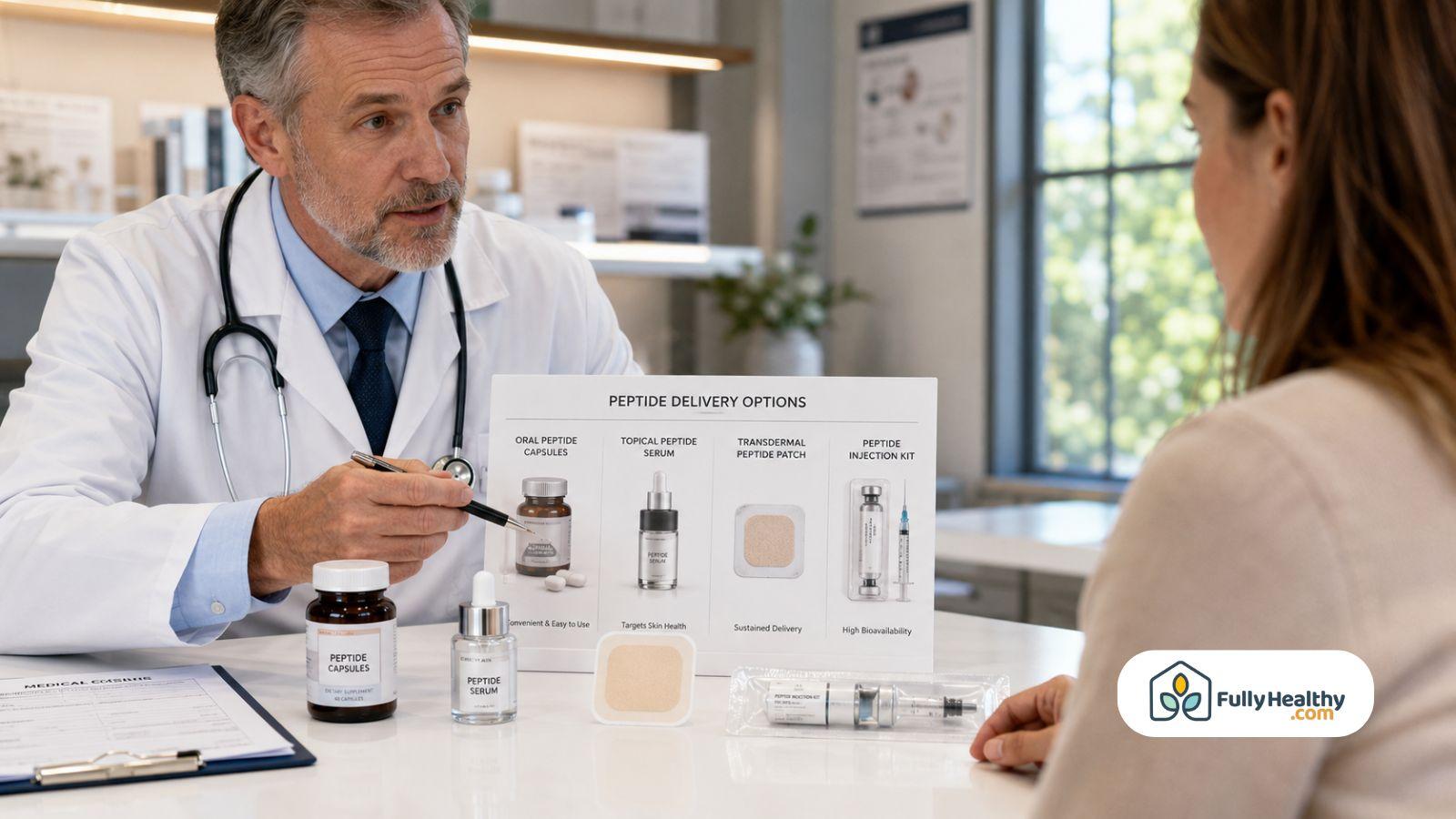
Some peptides can work without injection, but results depend on the product and its delivery method. Oral collagen and certain skin formulas are examples of non-injectable options. However, many therapeutic peptides are still injectable because they are designed for systemic effects. The best method should match the treatment goal, not just personal preference.
Which Peptides May Work Without Injections?
Not every peptide needs a needle. Some products are marketed for skin or collagen support; claims about tissue repair or general wellness require specific clinical evidence for the exact peptide and formulation.
These may be taken by mouth or applied to the skin. However, their effectiveness depends on the formula, dose, and quality of the product.
-
Oral Collagen: Collagen peptides may support skin, joints, and connective tissues.
-
Topical Peptides: Skin products may help with firmness, texture, and anti-aging goals.
-
Needle-Free Research: Clinical trials continue to study better delivery methods.
-
Realistic Results: Benefits vary, so no peptide should be treated as a guaranteed solution.
-
Medical Advice: Ask a healthcare provider before starting any peptide treatment.
Why Delivery Method Affects Results?
The way a peptide enters the body can change how well it works. Injectable treatments often have better bioavailability, while oral forms may lose strength during digestion. Each solution has benefits and limits. Patients should compare comfort, safety, and efficacy before choosing a treatment.
-
Bioavailability: This means how much of the peptide reaches the body where it can work.
-
Systemic Effects: Injectable peptides may be used when the goal is a whole-body effect.
-
Local Effects: Topical peptides may be better for skin-focused goals.
-
Safety Concerns: Serious complications, adverse events, infection risk, anxiety, and pain are possible when treatments are misused.
-
Professional Use: BPC-157 is investigational and is not FDA-approved for human therapeutic use; it should not be presented as an established therapy, and use outside regulated clinical care carries uncertain safety and efficacy.
Do Peptides Need To Be Injected To Work?

Not all peptides need to be injected to work. The best method depends on the peptide, its purpose, and how well the body can absorb it. Some peptides work better through injection because this helps them reach the bloodstream.
Others may be made for oral, topical, or other needle-free use. These factors are critical when choosing the safest and most useful option.
Do Injections Improve Peptide Absorption?
Some therapeutic peptides and proteins are given by injection because this route bypasses gastrointestinal degradation and poor intestinal absorption.
It may also help the body use the peptide more effectively. Still, this does not mean every peptide must be injected. Different amino acid sequences affect how peptides act, absorb, and reach the right tissues.
-
Better Absorption: Some peptides work best when they bypass digestion through injection.
-
Different Structures: Amino acid sequences can affect how a peptide works and how it should be delivered.
-
Needle-Free Options: Some products may be made for oral, topical, or transdermal use.
-
Patient Experience: Needle-free choices may improve comfort for people who dislike needles.
-
Medical Guidance: A healthcare provider can explain whether the injection is truly needed.
How Do You Match A Peptide To Your Health Goal?
The right peptide method should match the health goal. For example, some treatments may focus on skin, recovery, metabolism, or general wellness. Patients receive different advice based on their needs, medical history, and the evidence behind the product. This can lead to better results and fewer unwanted issues.
-
Treatment Goal: The purpose of the peptide should guide the delivery method.
-
Personal Factors: Age, health history, and current medications may affect the best choice.
-
Potential Side Effects: Patients should ask about possible reactions before starting treatment.
-
Safety Check: A provider can review the dose, product quality, and correct use.
-
Better Decisions: Clear medical advice helps patients avoid unsafe or unnecessary treatments.
How FullyHealthy Supports Special-Diet Shopping?
Fully Healthy helps people shop for foods that fit special diets. It does not offer peptide therapy, but it can support a wellness routine through AIP, gluten-free, and allergen-free products. The site brings many specialty items into one place, so shoppers do not have to search across many stores or read every label from scratch.
How FullyHealthy Helps Specialty-Diet Shoppers?
Fully Healthy makes shopping easier for people with food limits or special eating plans. Its collections help users find products by diet stage, product type, or meal need. This saves time and makes the shopping process less stressful.
-
Specialty Collections: Shoppers can browse AIP Elimination, AIP Reintros, Snacks, Breakfast, Personal Care, Seasonings, Bundles, and Health & Wellness products.
-
Simple Shopping: Clear categories help readers find foods that fit their needs faster.
-
Diet Support: The site is useful for AIP, gluten-free, and allergen-free shopping.
-
Brand Variety: FullyHealthy features products from small brands focused on quality and transparency.
-
Less Guesswork: Organized collections help shoppers avoid checking unrelated products.
Which FullyHealthy Products Are Worth Exploring?
Fully Healthy lists verified food products that can help shoppers build a pantry for special diets. These items may be useful for baking, sweetening foods, or finding simple treats that match diet needs. Readers should still check labels before buying because ingredients and availability can change.
-
Sweeteners: Big Tree Farms Organic Brown Coconut Sugar, Bob’s Red Mill Organic Coconut Sugar, Date Lady Date Sugar, and Coombs Family Farms Organic Maple Sugar are listed on the site.
-
Maple Products: Coombs Family Farms Organic Maple Syrup is available in different sizes.
-
Baking Mixes: EAT G.A.N.G.S.T.E.R Cut-Out Sugar Cookie Mix, Banana Bread Mix, and Chewy Choconot Brownie Mix are listed options.
-
Shopping Value: Fully Healthy can help readers find specialty foods in one trusted marketplace.
-
Shipping Note: The site offers free shipping on qualifying orders over $99, with listed exceptions.
Final Thoughts
Can you do peptides without needles? In some cases, yes, but it depends on the type of peptide and its intended use. Some products work without injections, while others need injectable delivery for better absorption and consistent results.
The most essential step is choosing the right treatment with guidance from a qualified healthcare provider. This helps improve safety, supports better results, and ensures the peptide matches your health goals.
FAQs
Do needleless injections hurt?
Needle-free delivery systems may cause pressure, bruising, bleeding, or discomfort, and comfort varies by device, medication, and patient.
How much do 3 months of peptides cost?
The cost varies based on the peptide, treatment plan, dosage, and healthcare provider, so there is no single price for a three-month supply.
What is the correct way to inject peptides?
Only inject peptides exactly as instructed by your healthcare provider, since proper technique, dose, and hygiene are essential for safe treatment.
What is the downside of taking peptides?
Potential downsides include mild side effects, injection-site reactions, allergic reactions, and other risks that depend on the specific peptide and your medical condition.
What syringe is best for peptides?
The appropriate syringe depends on the prescribed medication and injection method, so always use the syringe recommended by your healthcare provider.
Leave a comment