

Is Mango a Citrus Fruit? Simple Facts About Ripe Mango Nutrition
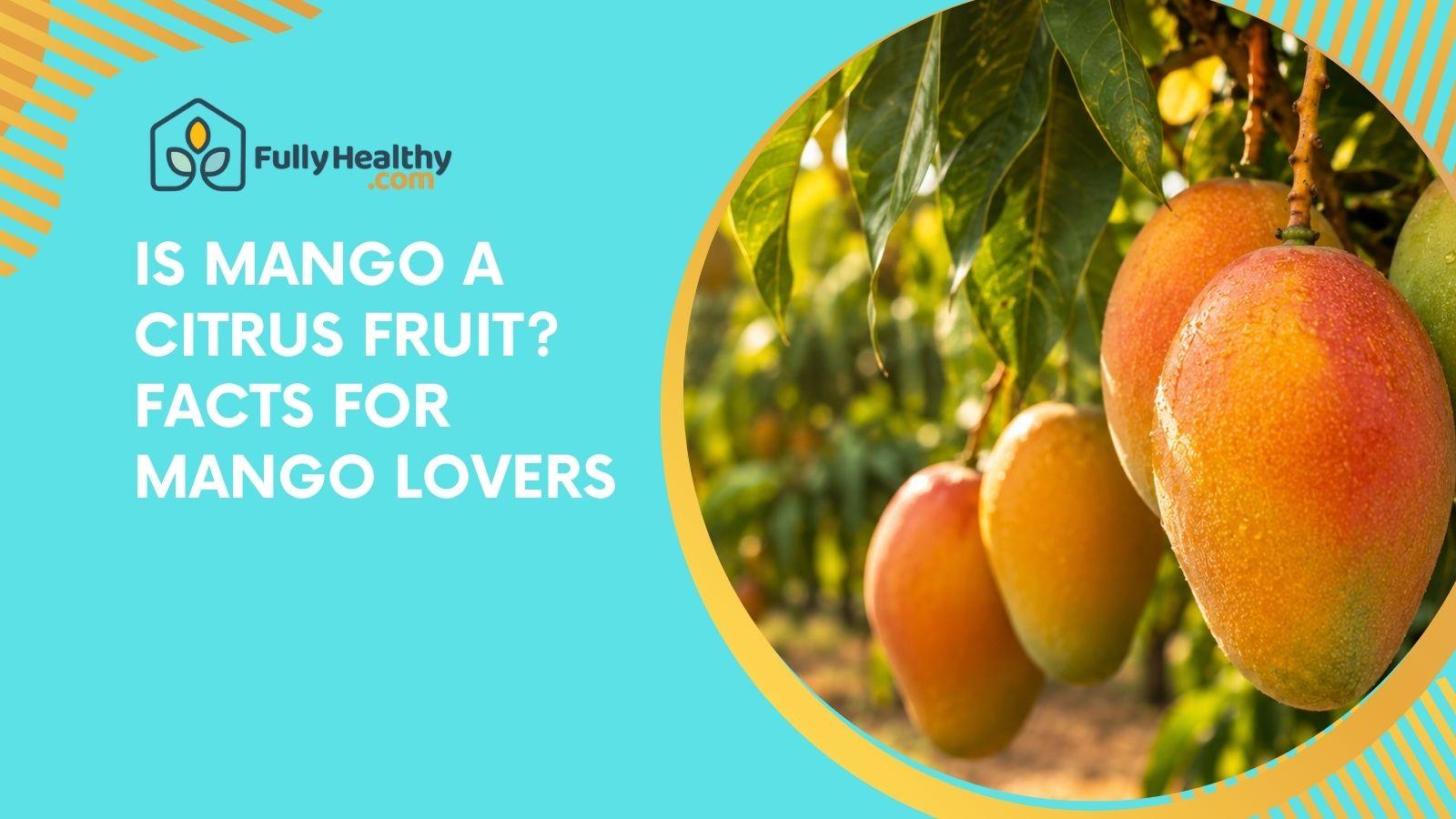
Is mango a citrus fruit? No, mango is not a citrus fruit. It is a tropical stone fruit with one large seed. Mangoes are not the same family of fruits as oranges, lemons, and limes, even though they taste sweet, sour, and juicy.
What is a mango? This article will tell you. It also tells you when to eat it and how to enjoy it properly.
Is Mango A Citrus Fruit?
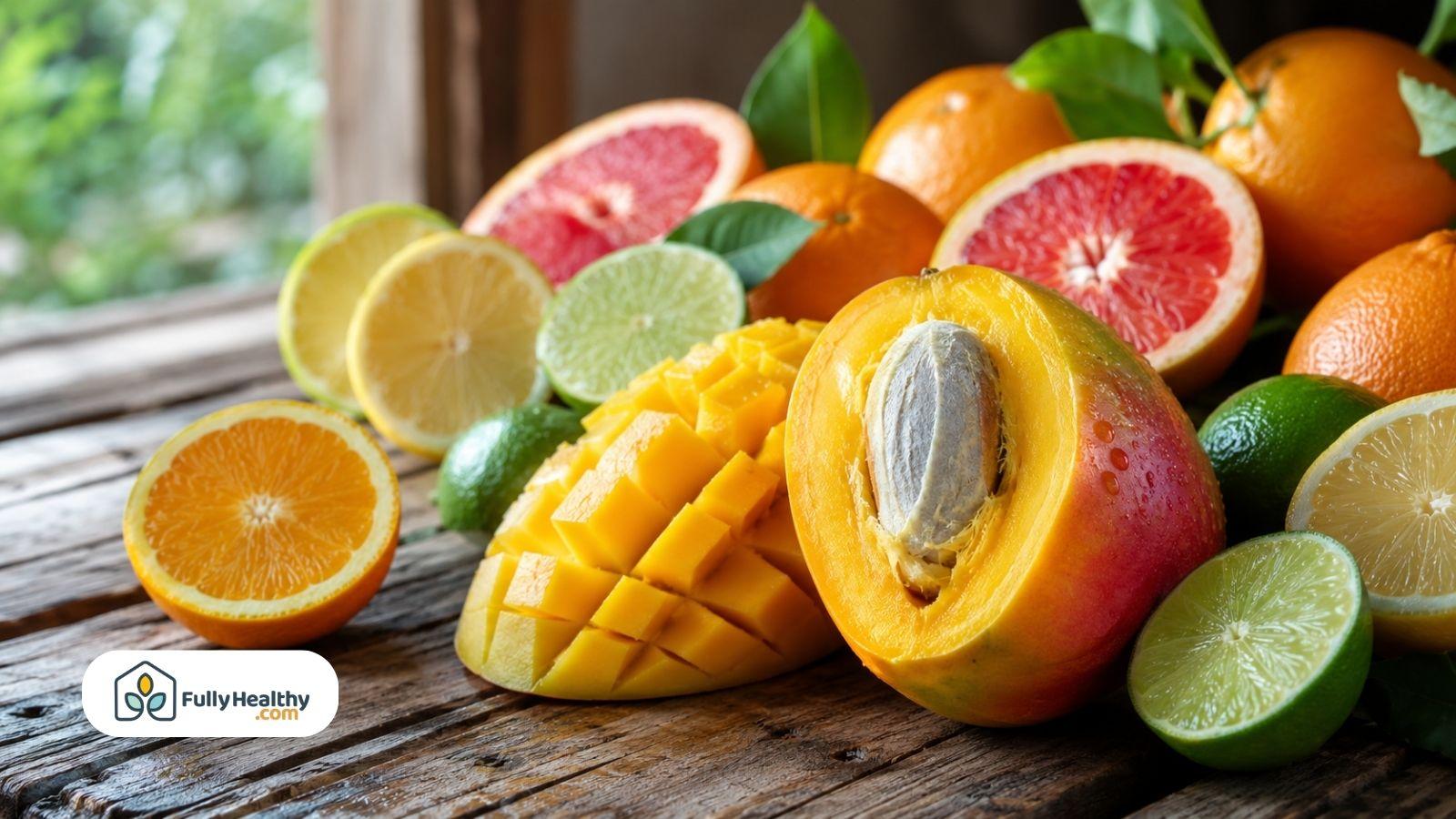
Many people ask, is mango a citrus fruit? It tastes sweet, juicy, and sometimes sour. The answer is no. Mango fruit comes from Mangifera indica in the Anacardiaceae family, while citrus fruits belong to the Rutaceae family, mainly the genus Citrus.
Even though mangoes, oranges, lemons, and blood oranges all contain vitamin C, they are not the same type of fruit. This complete guide explains the difference in simple words.
Why Mango Is Not A Citrus Fruit?
This fruit comes from a tropical tree and has a big seed in the middle. Therefore, it is a stone fruit and not a citrus fruit. When a mango is ripe, the flesh is usually soft and yellow to orange; pink or red colors are typically seen on the skin, not the flesh.
When a mango is not ripe, the skin may be dark green or green, and it tastes sour.
-
Botanical Family: Mango belongs to the Anacardiaceae family, not the citrus family.
-
Scientific Name: The scientific name of mango is Mangifera indica.
-
Fruit Type: Mango is a stone fruit because it has one large seed.
-
Growing Areas: Mango is primarily grown in tropical regions and has many cultivars.
What Mango Shares With Citrus Fruits?
Mango is not citrus, but it has some similar nutrients. It is a good source of vitamin C and provitamin A carotenoids. These nutrients may support heart health as part of an overall healthy diet, but mango alone has not been proven to lower heart disease risk.
-
Nutrition: Mango provides essential nutrients, including vitamin C, vitamin A, and potassium.
-
Health Benefits: Mango may support the immune system, skin, heart, and growth.
-
Flavor: Ripe mango has natural sweetness, while raw mango tastes more sour.
-
Food Uses: Mango works well fresh, sliced, in smoothies, salad, and desserts.
Is Mango Good For Low BP?
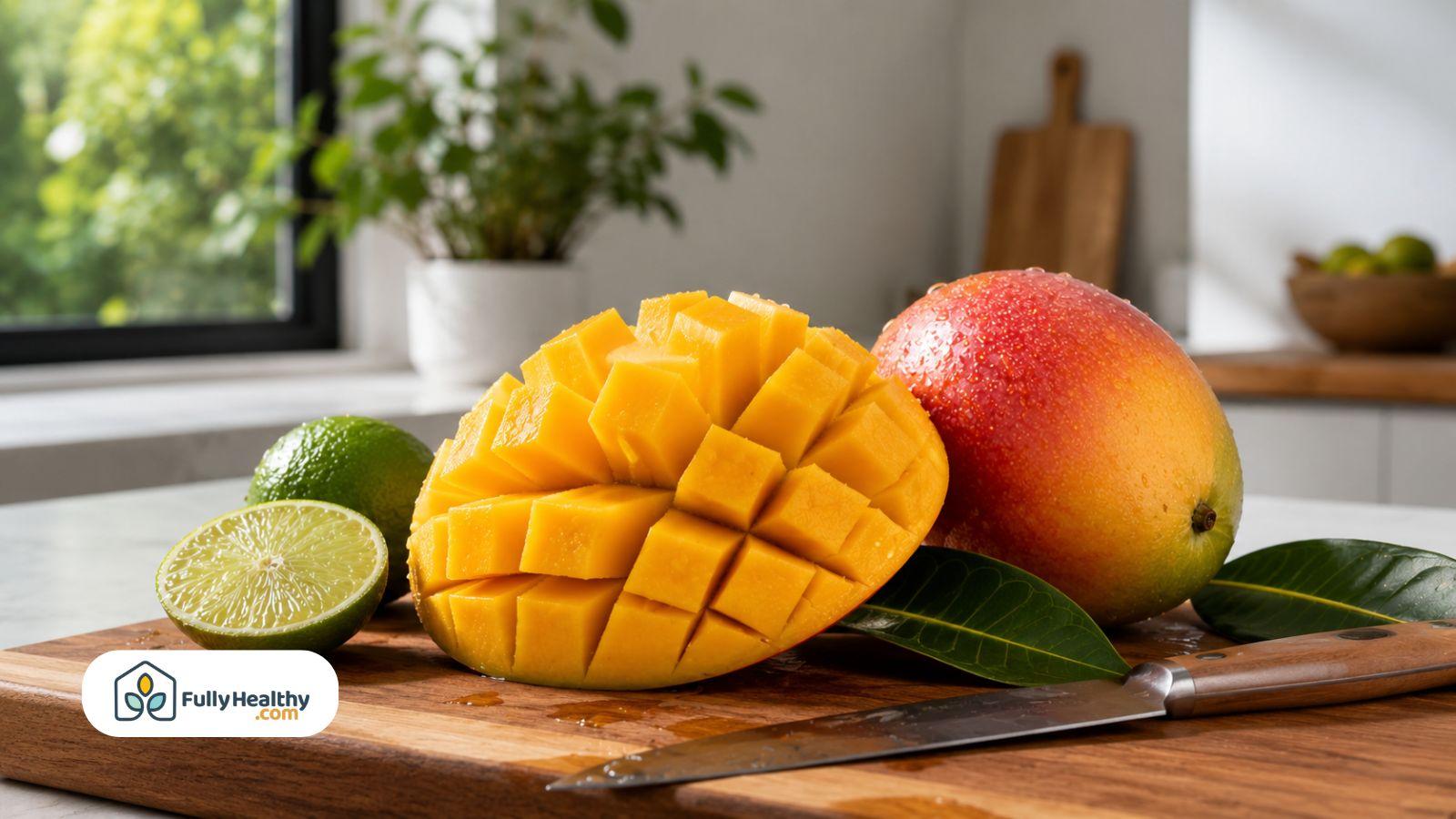
Mango can be a healthy fruit for many people because it has useful nutrients and very little sodium. Limited human research suggests mango may affect some vascular or cardiometabolic markers, but evidence is not strong enough to claim reliable blood pressure or cholesterol benefits.
However, mango should not be used as a treatment for low blood pressure, diabetes, or heart disease. It is best enjoyed as part of a balanced diet with vegetables, protein, and other fruits.
How Mango May Support Healthy Blood Pressure?
Mangoes have antioxidants, fiber, vitamin C, and potassium that may be good for your heart. In one study, fresh mango intake was associated with short-term vascular effects in postmenopausal women; avoid implying proven long-term reductions in blood pressure or cholesterol.
-
Potassium: Potassium helps the body maintain normal blood pressure.
-
Fiber: Fiber supports digestion and may help manage cholesterol.
-
Vitamin C: Vitamin C helps protect blood vessels and supports the immune system.
-
Heart Support: Mango may support heart health when eaten with balanced foods.
Should People With Low BP Eat Mango?
Mango is usually safe for people with low blood pressure to eat in small amounts, unless their doctor tells them otherwise. Mango has natural sugar, so the amount you eat is important, especially for people with diabetes or high blood sugar. You can make mango more balanced by eating it with nuts, seeds, or foods that are high in protein.
-
Moderation: Do not rely on mango alone to manage blood pressure.
-
Balanced Eating: Eat mango with protein, healthy fats, or fiber-rich foods.
-
Blood Sugar: Mango has natural sugar, so avoid eating too much at once.
-
Medical Advice: Ask a healthcare provider if you have ongoing low BP symptoms.
What Organ Is Mango Good For?
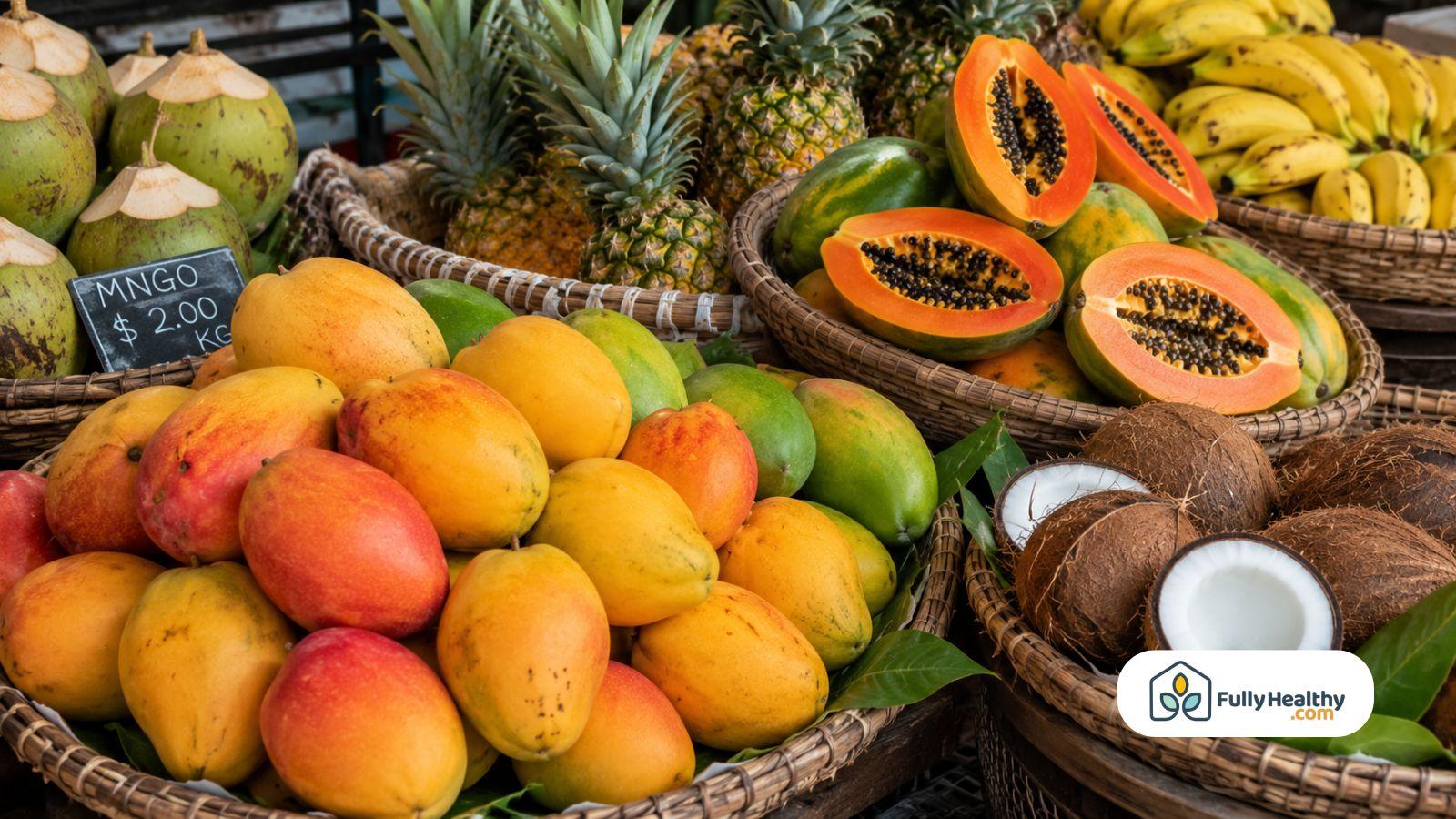
Mango does not help only one organ. It supports several parts of the body because it is a rich source of vitamins, minerals, fiber, and antioxidants.
Its nutrition may help the heart, eyes, skin, immune system, and digestive system. This makes mango a useful fruit to include in a healthy diet.
How Does Mango Support The Heart, Eyes, And Immune System?
Vitamin A, beta carotene, vitamin C, and other nutrients that are good for your health can be found in mangoes. Vitamin A and beta carotene are good for your eyes.
Vitamin C supports normal immune function and collagen formation for skin health. Some research suggests that antioxidants may help keep cells from getting hurt by stress in the body.
-
Heart: Mango may support heart health and healthy cholesterol levels.
-
Eyes: Vitamin A and beta carotene help support normal vision.
-
Skin: Vitamin C and antioxidants help support healthy skin.
-
Immune System: Mango helps support immune function through vitamin C.
Does Mango Support Digestion?
Mango contains fiber and water that may support digestion; the effects of digestive enzymes in humans should be stated cautiously. As the mango ripens, the flesh becomes softer and sweeter.
You can enjoy it fresh, sliced, in smoothies, or in a salad. For extra flavor, pair mango with papaya, lime juice, or a small pinch of salt.
-
Fiber: Fiber helps support regular digestion.
-
Fresh Ideas: Add mango to smoothies, salad, desserts, or breakfast foods.
-
Taste: Ripe mango is sweet, while unripe mangoes taste sour.
-
Diet Value: Mango adds flavor, nutrients, and variety to a healthy diet.
What Is The Best Time To Eat Mangoes?
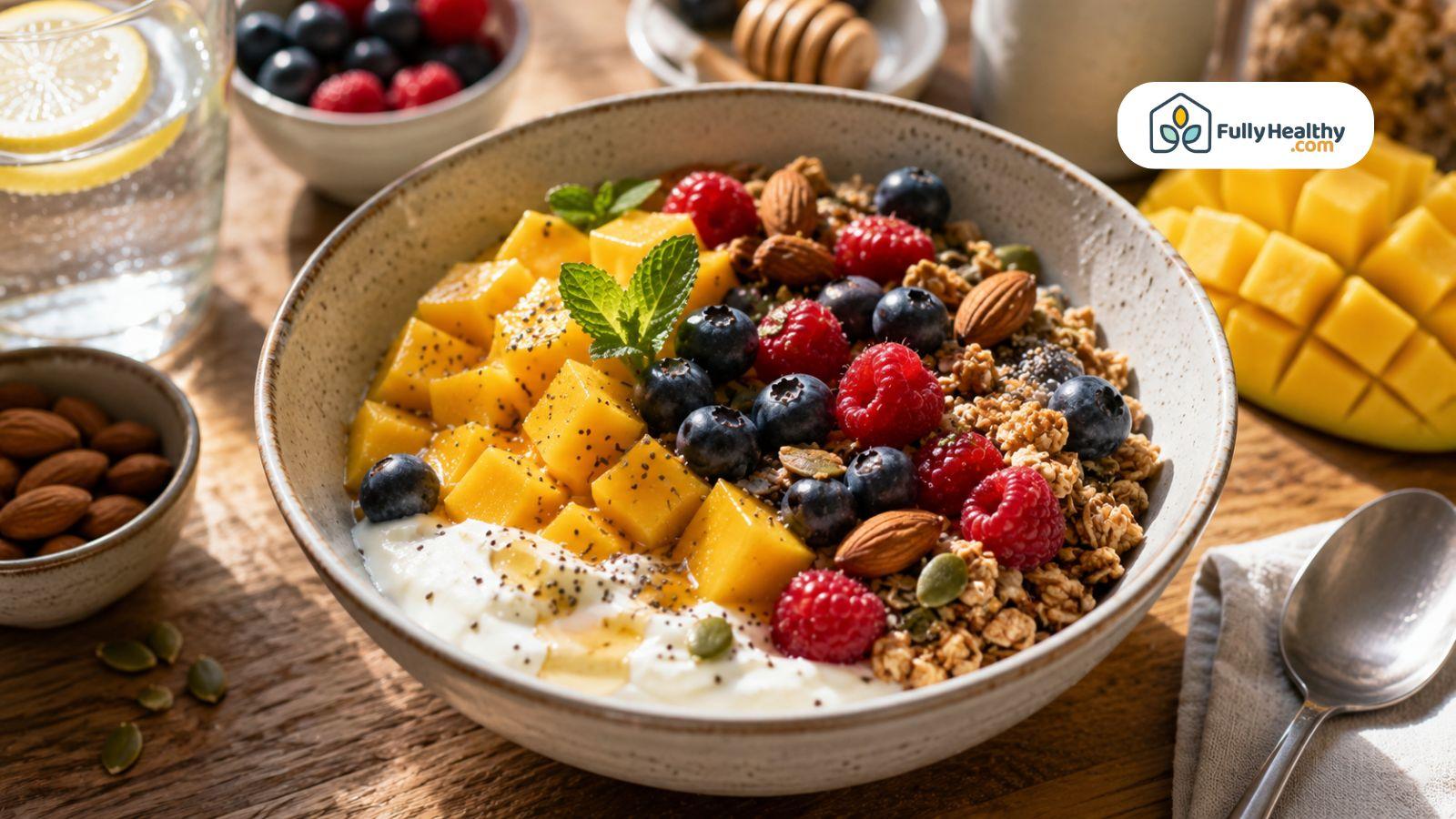
The best time to eat mangoes depends on your routine, portion size, and health needs. Many people enjoy fresh ripe mangoes in the morning or as a light snack.
You can also eat mango after lunch if your meal has protein, fiber, healthy fats, and vegetables. Since mango has natural sugar, moderation is always important.
Can You Eat Mango With Nuts Or Seeds In The Morning?
Eating mango in the morning can add natural sweetness and useful nutrients to your day. Pairing it with nuts or seeds may also help you feel full longer and support better blood sugar balance.
-
Balanced Breakfast: Eat mango with nuts, seeds, yogurt, or other whole foods.
-
Nutrient Support: Mango provides vitamin C, vitamin A, potassium, fiber, and antioxidants.
-
Fresh Ideas: Add sliced mango to smoothies, fruit salad, or papaya.
-
Natural Sweetness: Ripe mango tastes sweet without needing added sugar.
Should You Eat Mango After Meals?
Mango after meals is not always a problem. It can be a better dessert choice than pastries or ice cream. Keep portions moderate, especially if mango worsens personal digestive symptoms.
-
Moderation: Keep portions reasonable to avoid too much sugar at once.
-
Healthy Pairing: Eat mango after balanced meals with protein, vegetables, and fiber.
-
Ripeness: Ripe mango has soft, sweet flesh, while a raw mango tastes firmer and more sour.
-
Serving Ideas: Enjoy mango fresh, sliced, in salad, or with a little lime juice.
How Can Fully Healthy Support Your Specialty Diet?
Fully Healthy is an online store for people with special diet needs. It was formerly known as ShopAIP and focuses on AIP, gluten-free, allergen-free, and other specialty foods. It helps shoppers find products in one place, which makes grocery shopping easier and less stressful.
How Fully Healthy Helps Specialty-Diet Shoppers
Fully Healthy is useful for people who need to avoid certain ingredients. Instead of checking many stores or reading every label alone, shoppers can browse selected products made for specific diets.
-
Specialty Diets: FullyHealthy offers AIP, gluten-free, allergen-free, and specialty diet foods.
-
Helpful Collections: Shoppers can browse AIP Elimination, AIP Reintros, Snacks, Breakfast, Personal Care, Seasonings, Bundles, and New Products.
-
Easy Shopping: The site helps reduce the time spent searching for diet-friendly products.
-
Trusted Marketplace: FullyHealthy works with brands that focus on quality and clear ingredients.
Fully Healthy Products And Collections To Explore
Fully Healthy offers pantry staples, sweeteners, seasonings, snacks, breakfast items, personal care products, and baking mixes. The site is helpful for people who want convenient options that fit their food rules.
-
Pantry Staples: Big Tree Farms Organic Brown Coconut Sugar, Bob’s Red Mill Organic Coconut Sugar, Coombs Family Farm Organic Maple Sugar, and Coombs Family Farm Maple Syrup.
-
Sweet Options: Date Lady Date Sugar is listed on the site, though availability may change.
-
Baking Mixes: EAT G.A.N.G.S.T.E.R Cut-Out Sugar Cookie Mix, Banana Bread Mix, and Chewy Choconot Brownie Mix are shown on FullyHealthy.
-
Convenience: FullyHealthy lets shoppers buy from multiple specialty brands in one place.
Final Thoughts
The answer to is mango a citrus fruit is simple: no. Mango is a tropical stone fruit, not a member of the citrus family. It is cultivated in many warm countries, including India and China, and plays an important role in agriculture.
Mango is packed with vitamin C, vitamin A, fiber, potassium, and other nutrients that support overall health. Enjoy it fresh, in smoothies, salad, or desserts as part of a balanced diet. Whether you prefer ripe or raw mango with a little lime juice and zest, moderation helps you enjoy its benefits while limiting excess sugar.
FAQs
Is Pineapple A Citrus Fruit?
No. Pineapple is not a citrus fruit. Like mango and papaya, it is a tropical fruit and a good source of vitamin C and manganese.
Is Papaya A Citrus Fruit?
No. Papaya is not part of the citrus family. Papaya contains vitamin C, provitamin A carotenoids, folate, potassium, and fiber; it is not a major calcium source.
Is Banana A Citrus Fruit?
No. Bananas are not citrus fruits. They provide potassium and fiber but do not belong to the citrus family like oranges or lemons.
What Is The Best Drink In The Morning For High Blood Pressure?
Water is one of the best choices. Drinks with no added sugar, such as low-fat milk or smoothies made with fruits and vegetables, can also fit a heart-healthy diet depending on your health needs.
What Diseases Does Mango Prevent?
No food can prevent disease on its own, but mango contains Antioxidant compounds such as gallic acid, mangiferin, carotenoids, and other polyphenols; anthocyanins are more relevant to some peel/skin pigmentation than mango flesh generally.
Leave a comment