

Can You Freeze Spaghetti Squash? The Right Way to Save It
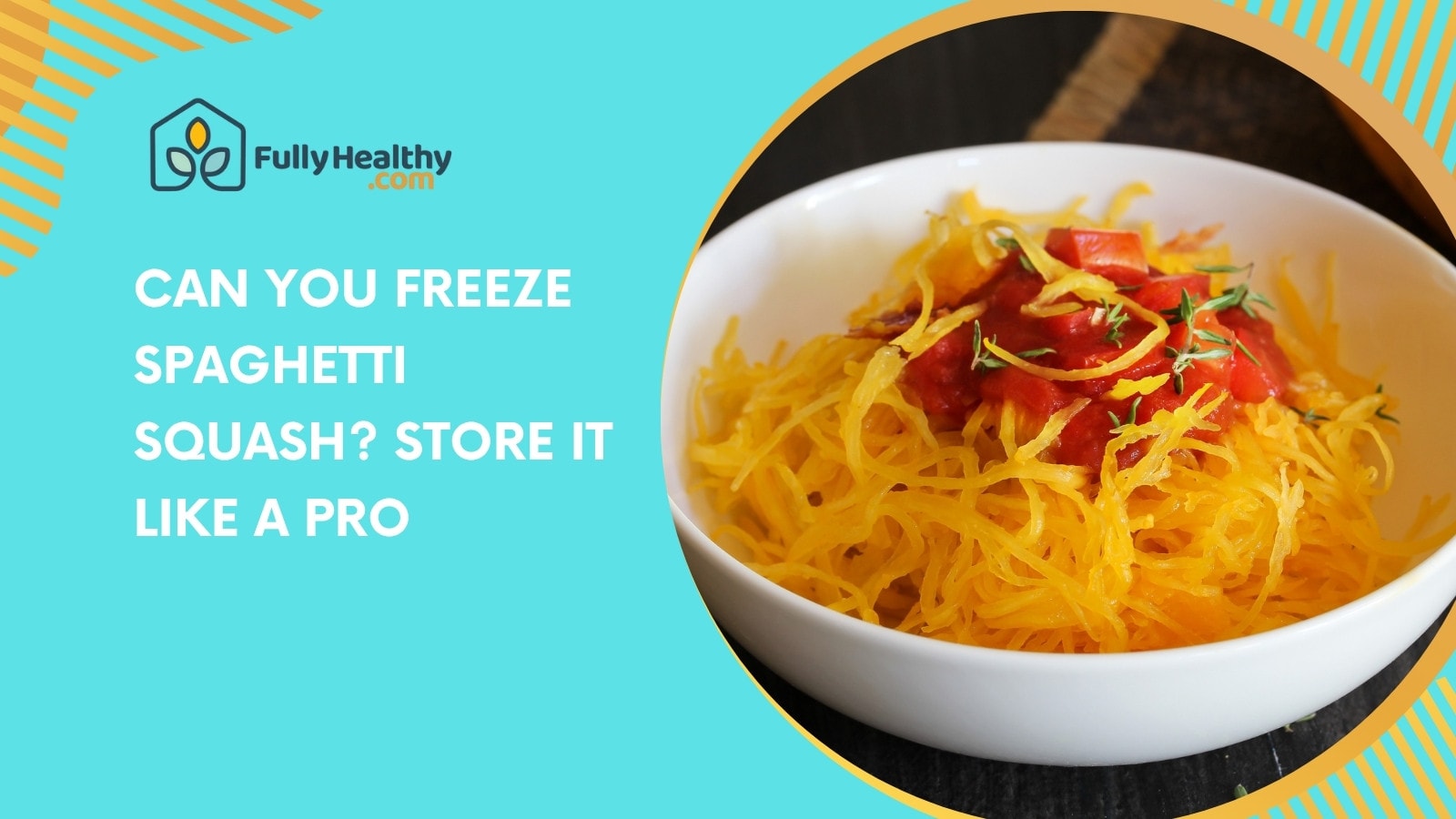 Photo Credit: Canva Pro
Can you freeze spaghetti squash? Yes, you can definitely do that! To save time, cut down on waste, and enjoy this low-carb vegetable all year, freezing it is a great idea. If you prepare frozen spaghetti squash the right way, it will stay safe and tasty for months.
You'll learn how to freeze it, what not to do, how the texture changes, and the best ways to store or use it later in this guide. Now let's begin.
🍝 Craving Pasta Without the Guilt? Try Solely’s Spaghetti Squash Veggie Pasta!
Can You Freeze Spaghetti Squash?
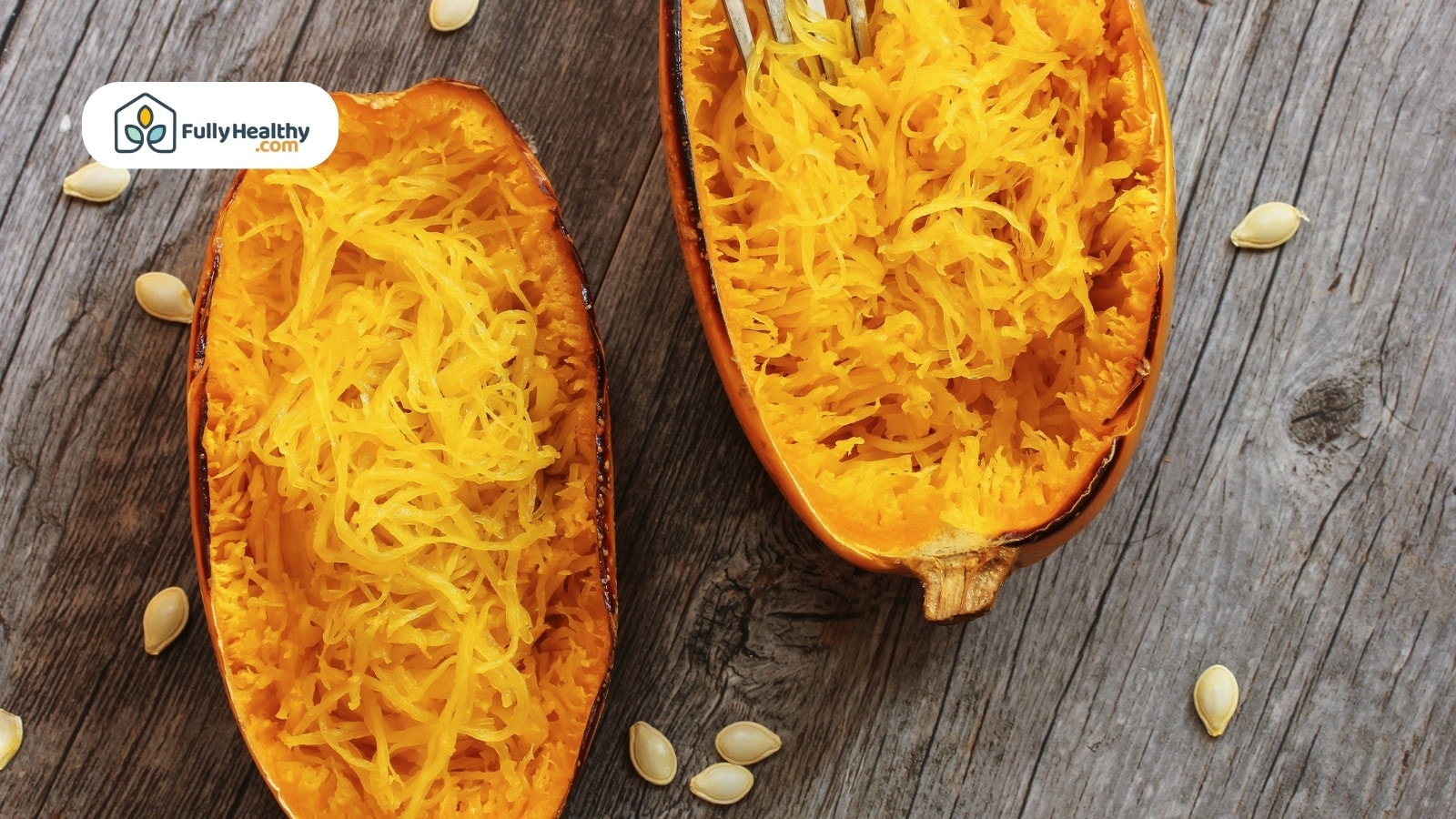 Photo Credit: Canva Pro
It's easy to make meals ahead of time when you freeze spaghetti squash. You can freeze extras or enjoy this low-carb, versatile vegetable when it's not in season. To keep the flavor and texture just right, you'll need to make sure you do it right.
Cooked Is Best: Why Cooking Before Freezing Works Better
When you freeze cooked spaghetti squash, it keeps its flavor and texture like noodles. If you freeze it raw, the strands might get soft, which isn't good for many recipes.
-
Cook it first: Baking draws out moisture and keeps the squash strands from getting soggy.
-
Use a sharp knife: Slice the whole squash in half lengthwise to roast it easily.
-
Skip the instant pot: Bake it in the oven instead, it gives better results than moist cooking methods.
-
Choose airtight storage: Use a freezer safe bag or airtight container to prevent freezer burn.
How to Freeze It Right: Step-by-Step Freezing Instructions
After baking, the squash should be allowed to cool and stored correctly for the best results later.
-
Bake the squash: Roast at 375°F for about an hour until soft.
-
Cool completely: Let it rest in a large mixing bowl before handling.
-
Drain well: Place the strands in a colander overnight to get rid of excess water.
-
Freeze the right way: Pack into a freezer bag, press out as much air as possible, seal, and label it with the date.
Can You Freeze Squash Without Cooking It First?
 Photo Credit: Canva Pro
You can freeze uncooked spaghetti squash, but due to its high water content, it often becomes mushy after thawing. If you freeze it raw, the texture might change, so it's better for soups or casseroles than for recipes that need long, firm strands.
When Freezing Raw Squash Makes Sense
Simply freezing the squash raw might work if you're short on time or want to save it to blend or roast later.
-
Prep it right: Cut it in half lengthwise and remove seeds with a spoon.
-
Blanch first: Blanching spaghetti squash is not typically recommended, as it may not prevent texture loss effectively. Cooking before freezing is more reliable.
-
Skip the plastic wrap: Instead, use a freezer safe bag or airtight container for better protection.
-
Best for soft dishes: Great for soups, sauces, or recipes where texture doesn’t matter.
Why Cooked Squash Freezes Better for Most Recipes
That being said, cooked squash is better if you want to use it as a pasta substitute.
-
Better texture: It holds up well when tossed with olive oil, tomato sauce, or parmesan cheese.
-
Less soggy: Cooking helps remove moisture that causes mushiness when thawed.
-
Quick reheating: Thawed cooked squash can be warmed in the oven or microwave with no extra prep.
How to Store Whole Spaghetti Squash Long Term?
 Photo Credit: Canva Pro
Still not ready to freeze it? If you keep the squash in the right place, it will last for a few months. Spaghetti squash can be stored at room temperature (50–55°F) with low humidity, similar to other winter squashes, but improper conditions can lead to spoilage.
How to Keep It Fresh Without a Freezer
Spoon squash can stay good for two to four months without freezing if it is taken care of properly.
-
Cure it first: Leave it in a dry, sunny spot for about 10 days to harden the skin.
-
Keep it cool and dark: Store in a pantry or closet, anywhere around 50°F with no direct light.
-
Avoid contact: Don’t let squashes touch hard surfaces. Lay them on cloth to prevent soft spots.
-
Separate each one: Don’t stack. Give them space for airflow and to prevent rotting.
Check Often and Know When to Use It
Regularly checking on squash is important because even cured squash can go bad.
-
Shelf life: Expect up to 4 months of freshness if stored right.
-
Look for signs: Toss any squash that feels soft, has dents, or smells off.
-
Rotate regularly: Use older ones first to avoid waste.
-
Try other types: Buttercup squash also stores well and offers variety for your next side dish or recipe.
Does Freezing Spaghetti Squash Affect the Texture?
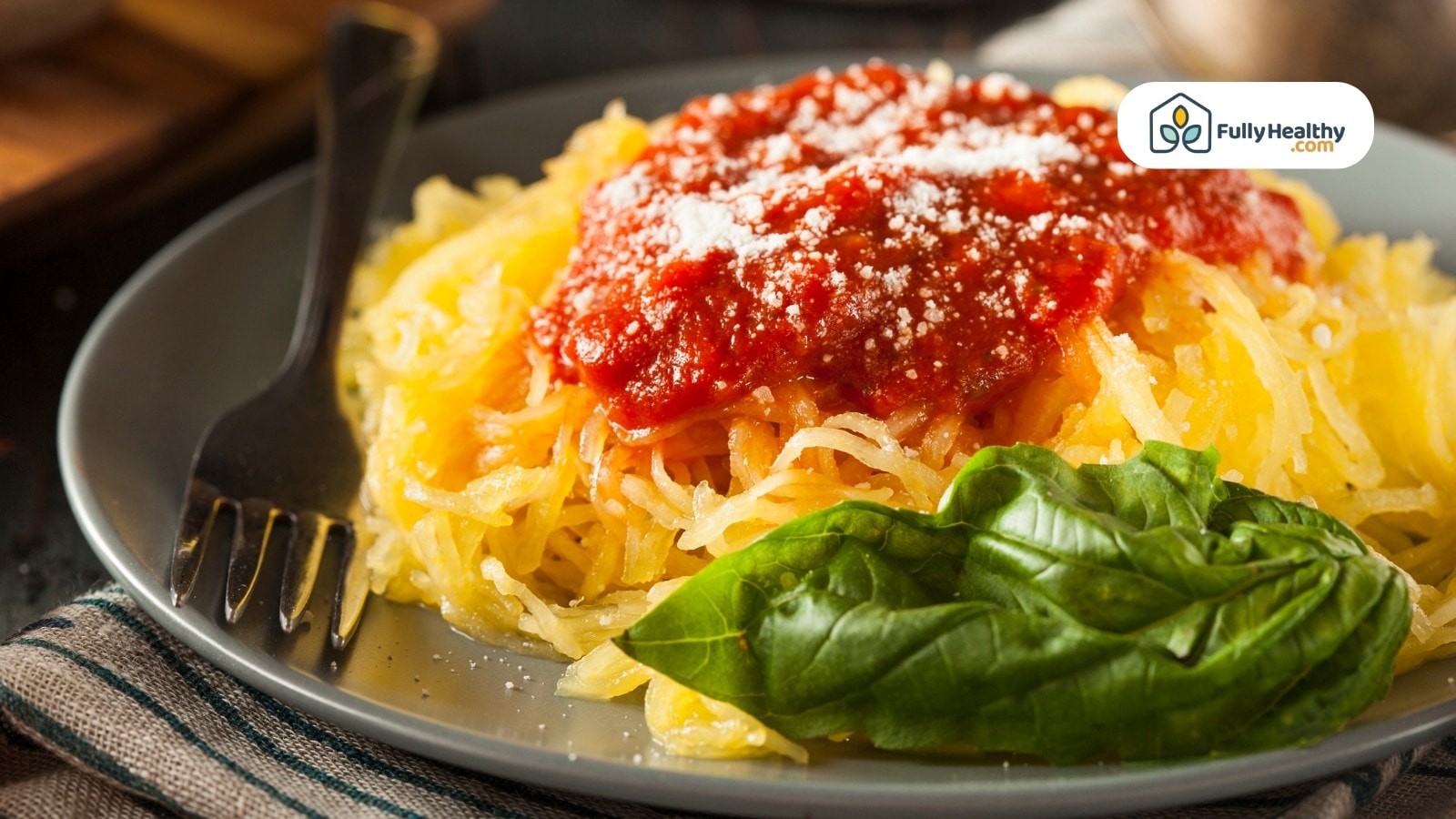 Photo Credit: Canva Pro
If you don't cook or drain spaghetti squash well, freezing it will change the way it feels. It's okay if the strands get soft, the squash is still tasty and works well in many recipes. It can stay in great shape for future use if you take a few smart steps.
Texture After Thawing: What to Expect
Fresh squash stays firm longer than frozen squash. Even though the meat gets softer, it's still great in soups, casseroles, and stir-fries.
-
Softer consistency: Thawed squash has a more tender texture than fresh.
-
Ideal for cooked recipes: Great when mixed with pesto, butter, or topped with salt and pepper.
-
Still healthy: Remains low in calories and retains most nutrients, though minimal losses may occur during freezing and reheating.
-
Quick to reheat: Simply warm in a pan or oven and enjoy as a side dish.
How to Keep the Best Texture After Freezing
Preparing your squash properly before freezing is essential to avoid soggy results.
-
Scoop and drain: After roasting, use a fork to scrape out the strands and let them sit overnight to drain.
-
Squeeze out moisture: Press with a clean cloth to remove any extra water from the strands.
-
Let it chill first: Store in the fridge before freezing to dry it out more.
-
Reheat with care: Avoid microwaving right away, use the oven or stovetop to gently warm the squash without turning it to mush.
FullyHealthy: AIP-Friendly Squash Products You Can Try
FullyHealthy has clean, diet-friendly squash products that are ready to eat and don't need to be cooked ahead of time. These are great for people with busy lives or who want to make eating healthy meals easier.
Solely’s Spaghetti Squash Veggie Pasta
The Solely’s Spaghetti Squash Veggie Pasta is a ready-made food is made from a whole squash and nothing else. You don't need to do anything to make it.
-
Only one ingredient: Just organic spaghetti squash, no salt, oil, or preservatives.
-
Easy to store: No dark instructions or prep, just keep it in a dry place.
-
Ready to eat: Open, heat, and eat, no cooking spaghetti required.
Other Nutritious and Delicious Options
You can also find other quick, easy, and diet-friendly squash alternatives at FullyHealthy.
-
Butternut squash puree: Smooth and flavorful, just add butter or herbs.
-
Cassava pasta: A great gluten-free pasta alternative you can serve with pesto or parmesan.
-
Fast to prep: Heat, sprinkle with toppings, and enjoy with your favorite recipe.
Final Thoughts
A simple and smart way to enjoy this healthy vegetable all year is to freeze spaghetti squash. It's simple to make, store, and reheat squash when you need it, whether it's cooked or not.
With frozen squash, you can make a lot of different kinds of meals, from hearty casseroles to light pasta bowls. Just make sure to drain well, freeze in bags that won't let air in, and label to keep it fresh. It's a great thing to add to your meal prep routine, whether you use the cut side, the rind, or the whole strands.
FAQs
Can I freeze spaghetti squash with the cut side up or down?
Yes, bake it cut side down to cook evenly before freezing.
Is the rind of spaghetti squash edible after freezing?
No, the rind is not eaten, just freeze the strands or flesh.
What spaghetti squash recipes work best after freezing?
Casseroles, stir-fries, and spaghetti squash recipes with sauce are great after thawing.
Can I freeze the rind and cut side together for future use?
No, only freeze the cooked strands, not the cut side or rind.
Do spaghetti squash recipes include cut side and rind in the dish?
No, spaghetti squash recipes use the inner strands, not the rind or cut side.
Leave a comment