

Can You Take Multivitamins At Night? Sleep And Absorption Facts
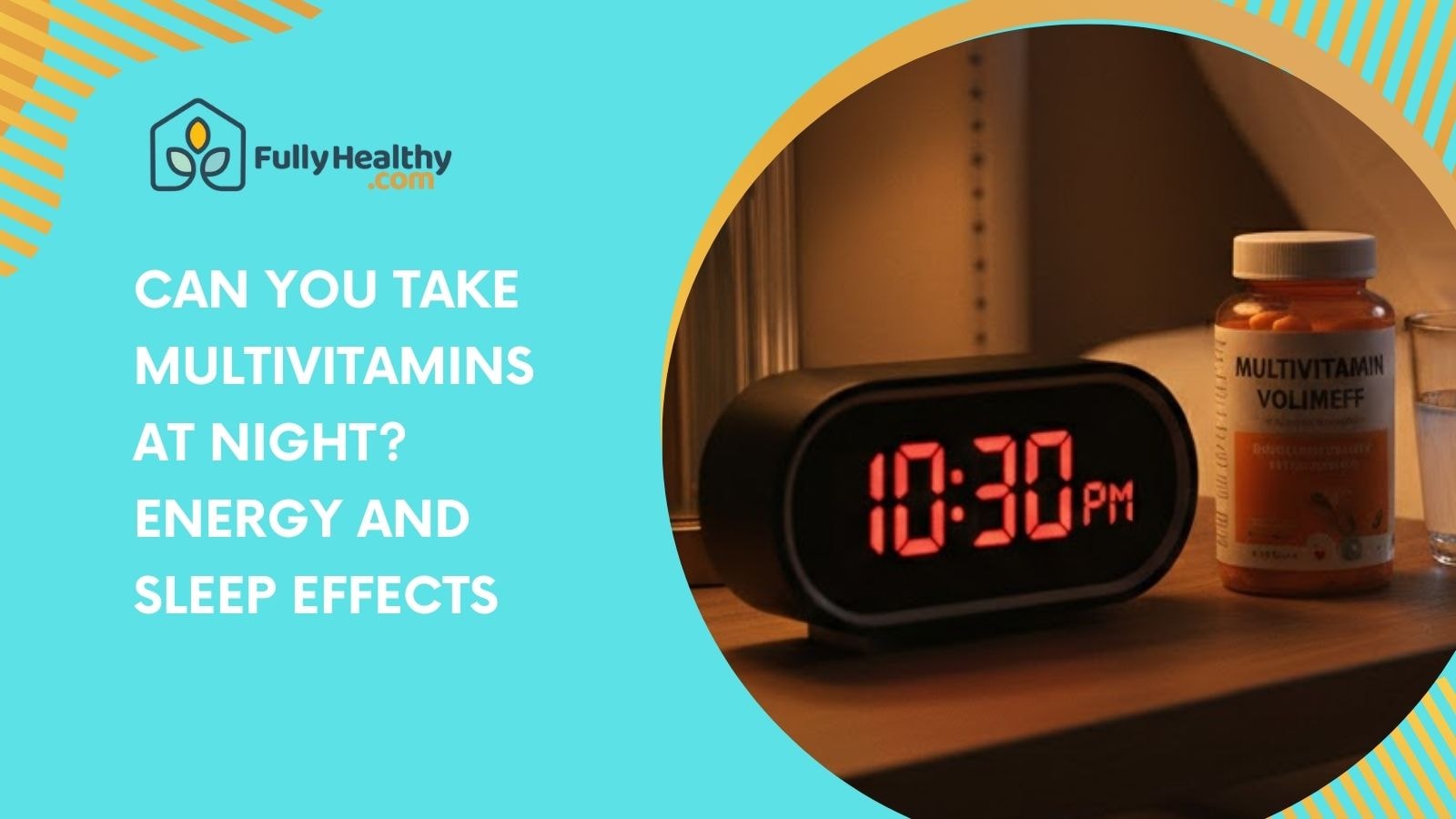
Can you take multivitamins at night? Yes, you can, but timing, food, and the type of vitamins inside your supplement all matter. For better absorption, some nutrients should be taken with a meal, while others may affect your ability to sleep.
Knowing when to take a multivitamin, which vitamins might make it hard to sleep, and how to safely take supplements are all covered in this article.
Featured Supplement Pick
The Myers Way® // Multivitamin
Loading...
Can You Take Multivitamins At Night?

Many people ask can you take multivitamins at night and still get the same health benefit as the morning. The short answer is yes, but timing, food, and formula all influence absorption and sleep.
Taking Multivitamins At Night
It is fine to take multivitamins at night. Most people can take a multivitamin at night as long as they eat a meal. This is because multivitamins contain both water-soluble vitamins, like vitamin C, and fat-soluble vitamins, like vitamins A, D, E, and K. Eating food with your multivitamins helps your body absorb them better and keeps your stomach from getting upset.
-
Water soluble vitamins: These include vitamin c and b vitamins, and they dissolve in water and move quickly through the body.
-
Fat soluble vitamins: Vitamins a d e and k are best taken with dietary fat for optimal absorption.
-
Meal timing: Taking without food or on an empty stomach may cause stomach discomfort.
-
Night option: Taking your multivitamin with dinner can work if it fits your daily routine.
-
Health focus: Consistency supports long term health goals.
Why Food And Formula Matter More Than The Clock
When is the best time to take a multivitamin? How it should be taken and if it should be taken with food depend on the supplement. Vitamins A, D, E, and K are fat-soluble, which means they need fat in the diet to be absorbed best. Most of the time, water-soluble vitamins can be absorbed even when you're not eating, but if you have stomach pain, eating may help (NIH Office of Dietary Supplements).
-
Absorption factor: Taking multivitamins without food may slightly reduce nutrient uptake.
-
Energy production: B vitamins support energy levels and may increase alertness.
-
Sleep consideration: Vitamin b12 and other b vitamins may interfere with sleep in some people.
-
Morning vs evening: If energy feels high at bedtime, switch to morning.
What Time Of Day Is The Best To Take A Multivitamin?

Many individuals disagree on if taking supplements in the morning or evening is the best time. More important than the exact time you take your multivitamins, say researchers and experts, is how often and when you eat.
Morning With A Meal Is Commonly Recommended
Many experts suggest morning as the best time to take a multivitamin because breakfast usually includes dietary fat that supports absorption of fat soluble vitamins. Taking vitamins with food helps your body use nutrients more effectively.
-
Breakfast advantage: A morning meal reduces the risk of stomach upset.
-
Fat soluble vitamins: These vitamins are best taken with food that contains fat.
-
Daily habit: Morning routines make it easier to remember to take supplements.
-
Energy support: B vitamins taken in the morning align with daytime energy needs.
Consistency Is More Important Than Exact Timing
While discussions focus on morning or at night, experts stress that taking multivitamins consistently each day is key for long term health. Dinner is acceptable if tolerated and if it helps you remember.
-
Routine priority: Choose a time that fits your daily schedule.
-
Dinner option: Evening use with a meal can still provide benefit.
-
Older adults: Consistent daily intake may help maintain adequate nutrient status.
-
Health goals: Regular intake supports overall health and wellness.
Which Vitamins Should Not Be Taken At Night?

Some supplements may affect sleep, especially when taken close to bedtime. Understanding which nutrients may interfere with sleep helps you adjust timing for better rest.
B Vitamins And Energy Related Nutrients
B vitamins such as vitamin b12 and vitamin b6 play a role in energy production and metabolism. Some people report that taking these vitamins at night increases alertness and affects sleep patterns.
-
Vitamin b12: Supports normal energy metabolism.
-
Energy levels: B vitamins support daytime energy and focus.
-
Sleep impact: For sensitive people, they may interfere with sleep.
-
Timing tip: If sleep is disrupted, shift taking vitamins to morning.
Vitamin D, Iron, And Other Sleep Disrupting Supplements
Vitamin D timing varies among people, and some individuals report changes in sleep when taken at night. Iron supplements may upset the stomach and are often better taken earlier in the day with food.
-
Iron effect: May cause stomach discomfort, especially without food.
-
Vitamin d: Some people prefer daytime use for better sleep.
-
Bedtime caution: Large doses of certain supplements may cause effects.
-
Individual response: Adjust timing based on personal tolerance.
What Should You Not Take With Multivitamins?

Taking multivitamins alongside certain medications or nutrients can reduce absorption or interfere with effectiveness. Understanding interactions helps you avoid unwanted effects.
Medications That Interact With Multivitamins
Some antibiotics and thyroid medicines may not work as well when taken with multivitamins because they contain minerals and vitamins like calcium, magnesium, and iron. When one drug changes how another works in the body, this is called a drug interaction.
-
Antibiotics: Minerals may bind to certain antibiotics and reduce absorption.
-
Thyroid medication: Iron and calcium may interfere if taken together.
-
Spacing strategy: Separate doses by several hours when recommended.
-
Safety step: Always consult a healthcare provider for medication related concerns.
Nutrients That Compete For Absorption
When taken at the same time, some vitamins and minerals fight over who gets absorbed first. Keeping different nutrients separate might help with better absorption and overall benefit.
-
Competition concept: Iron and calcium use similar pathways in the body.
-
Soluble vitamins like: Water soluble vitamins move quickly, but minerals may compete.
-
Optimal timing: Follow label directions for best taken scheduling.
-
Simple routine: Organize supplements by meal to improve absorption.
FullyHealthy’s Approach To Smarter Supplement Choices
FullyHealthy offers high-quality supplements that are meant to help with both short-term and long-term health. The company focuses on making balanced formulas that fit with goals for living a healthy life.
Our Commitment To Clean, Functional Supplements
The goal of FullyHealthy is to offer supplements that improve health, energy, and immunity. It's all about having clear standards for ingredients and helping people stick to their routines.
-
High quality: Products emphasize carefully selected nutrients.
-
Daily support: Designed to help maintain steady nutrient intake.
-
Health focus: Encourages practical and sustainable habits.
-
Education: Promotes informed supplement timing.
The Myers Way Multivitamin
The Myers Way multivitamin available through FullyHealthy is formulated to provide a balanced blend of vitamins and minerals for daily use. It is designed to be taken with a meal to support absorption and align with a structured routine.
-
Balanced nutrients: Provides essential vitamins and minerals for daily health.
-
Meal based use: Intended to be taken with food for better absorption.
-
Energy support: Contains nutrients that support energy production.
-
Routine reminder: Helps users remember to take supplements consistently.
Final Thoughts
Can you take multivitamins at night? You can take multivitamins with food at night. The best time for you to take them depends on your schedule, how your body reacts to vitamins and minerals like iron, vitamin B12, and vitamin C, and other nutrients.
Multivitamins have water-soluble and fat-soluble vitamins that help your body make energy, absorb nutrients, sleep, and reach your overall health goals. Choose a daily plan that works for your body and helps you sleep well, and don't forget to take them every day.
FAQs
What is the right time to take a multivitamin?
The best time to take a multivitamin is in the morning with breakfast, as this routine aids absorption of both water- and fat-soluble nutrients while preventing stomach upset.
Which vitamin is not good for sleep?
B vitamins, especially vitamin b12, may interfere with sleep and increase energy levels at night, while iron or certain supplements taken on an empty stomach before bedtime may upset the stomach and affect sleep.
Do I need extra vitamin D if I take a multivitamin?
If you take a multivitamin, you may already be getting some vitamin D, but many multivitamins contain moderate amounts that might not meet the full daily needs for certain people, especially older adults or those with limited sun exposure.
What vitamin am I lacking if I can't sleep at night?
Low levels of certain vitamins like vitamin D or imbalances in vitamins and minerals related to energy production may affect sleep, but sleep issues can also be related to overall health, stress, or timing of taking multivitamins before bed.
How often should I take a multivitamin?
You should take your multivitamin daily with food to support absorption, maintain consistency, align with health goals, and help your body benefit from nutrients without taking without food or disrupting your routine.
Leave a comment