

Do Carrots Have Seeds? The Part of the Plant You Never See
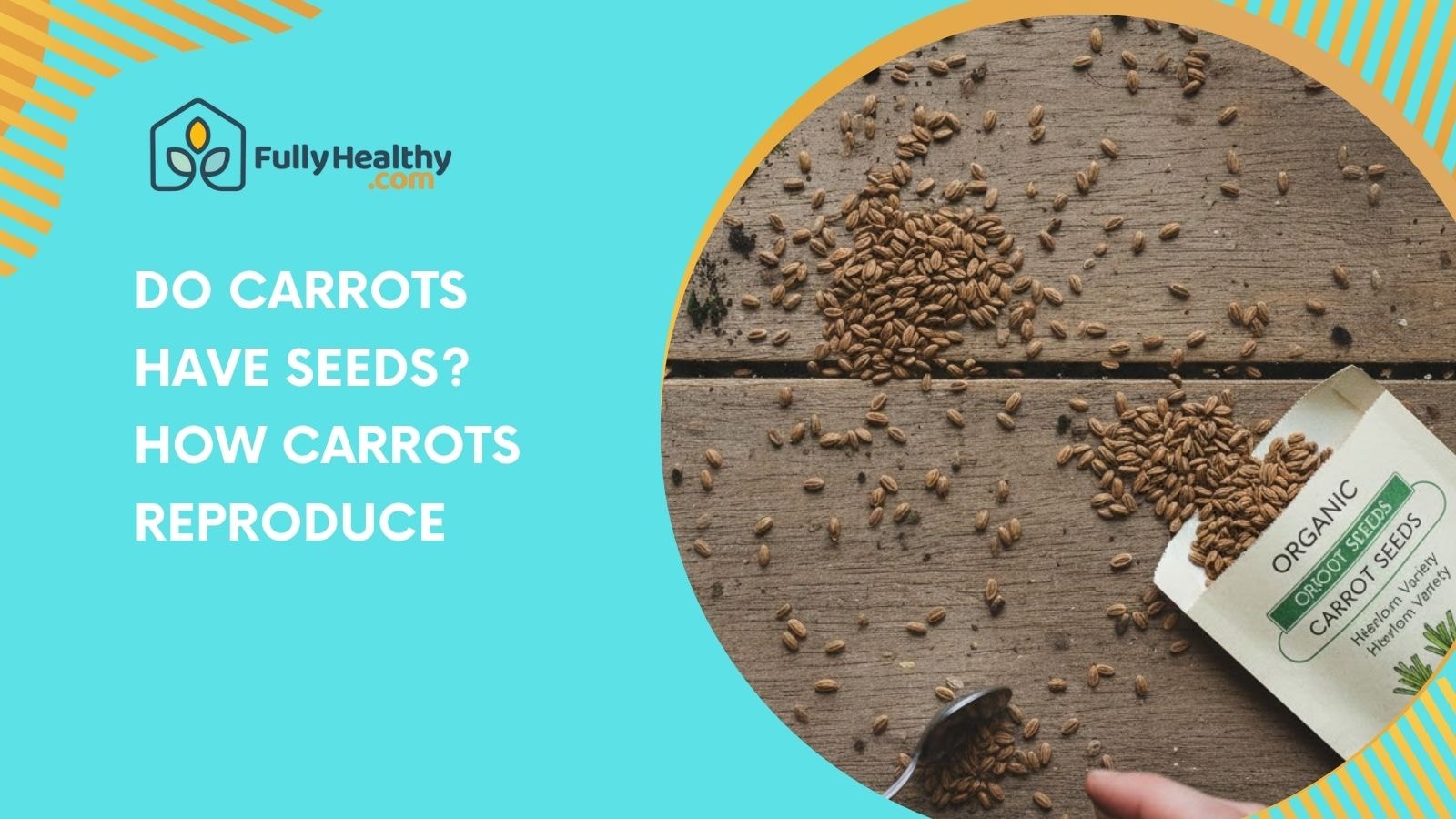
Do carrots have seeds? Yes, but not in the part you eat. Carrots begin their growth as roots that store energy below the ground. Seeds don't show up until after the plant has flowered above ground. That timing causes most of the confusion.
This article clearly and simply describes where carrot seeds come from, why they aren't there when the carrots are picked, and how they are different from fruit.
🥕 Clean Eating, Elevated — Carrot-Infused Marinara with No Added Sugar!
Do Carrots Have Seeds Inside Them?
Why the Carrot Root Never Contains Seeds
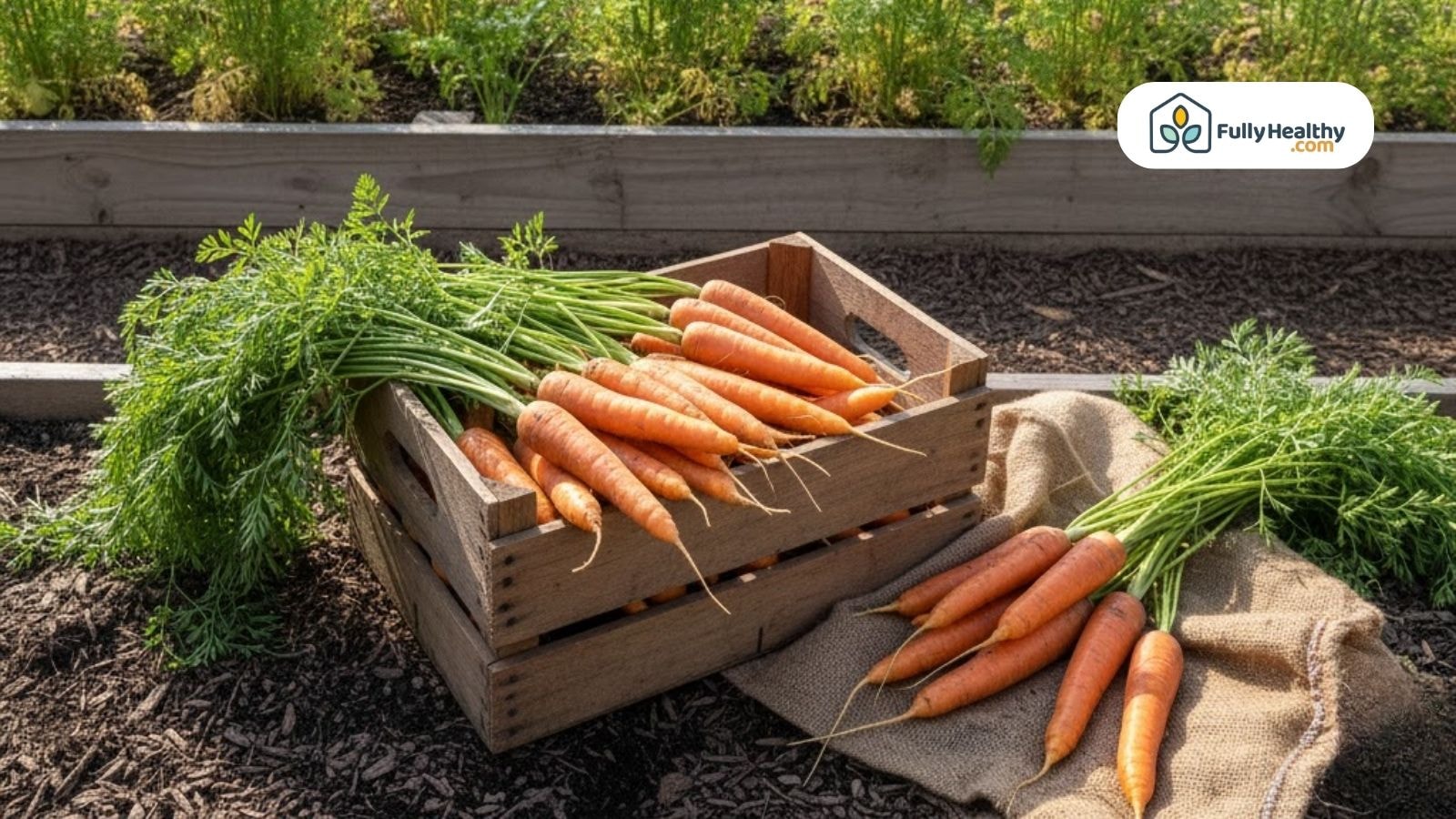
How carrots grow is different. Root vegetables like carrots have a structure called a "carrot root" that helps the plant grow instead of reproduce. Because seeds develop only after flowering, they never form underground.
-
Storage function: The root stores nutrients that support future flower and seed production.
-
Reproductive separation: Seeds form above ground on seed heads, not inside the root.
-
Growth timing: During the first year, the carrot plant focuses on root and greens development.
-
Food confusion: Eating carrots means consuming a root, not a fruit that holds seeds.
-
Plant structure: Roots support growth, while flowers and fruit handle reproduction.
How Carrot Plants Actually Produce Seeds
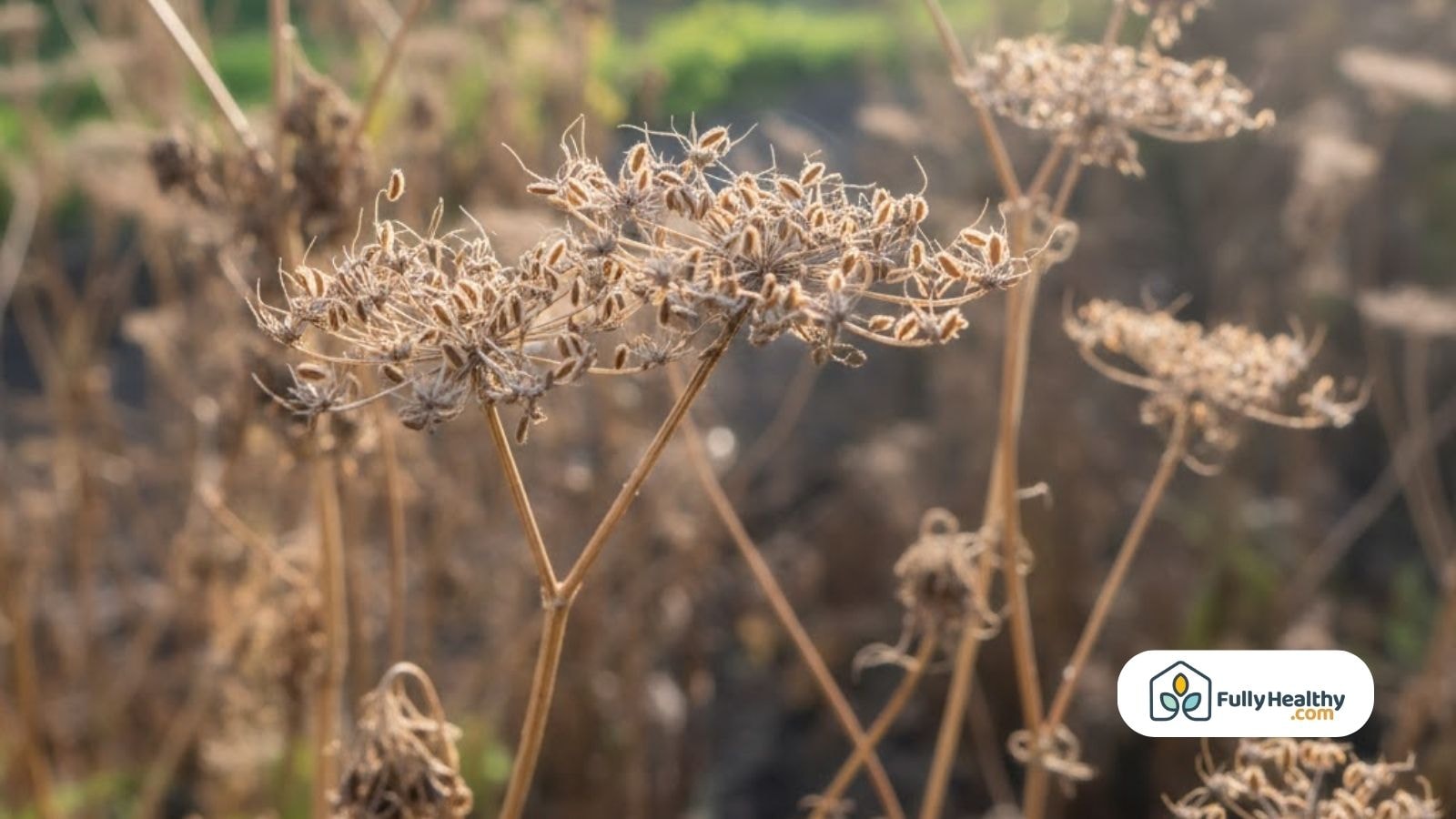
Carrot plants produce seeds only after completing a two-year growth cycle, which explains why seeds are never seen during harvest. The carrot plant grows strong roots its first year. The next year, it sends up a tall stalk that turns into a flower head and lets seeds grow. Carrot seeds can grow because insects move pollen from one bloom to another.
-
Two-year cycle: The first year builds the root, while the second year focuses on flowers and seeds.
-
Flower formation: A tall stalk grows and produces clustered blooms above the ground.
-
Pollination: Insects transfer pollen between flowers, allowing seeds to form.
-
Seed location: Seeds develop in dry seed heads after flowering finishes.
-
Species note: Carrots belong to the species daucus carota, related to parsley, celery, and fennel.
How Do You Get Seeds Out of a Carrot?
Harvesting and Cleaning Carrot Seeds
When the seed heads on a carrot plant turn brown and dry, it's time to pick the seeds. When the plants are fully grown, you can rub the heads by hand to get the seeds out, and light debris can be separated with gentle airflow. When you dry and store seeds the right way, they stay safe for a long time.
-
Visual cue: Seed heads turn brown and feel dry when ready.
-
Threshing: Rubbing seed heads releases seeds from the flower head.
-
Cleaning: Winnowing removes woody plant material and debris.
-
Drying: Seeds should fully dry before storage.
-
Storage: Keep seeds in a cool dry place using paper envelopes or jars.
Letting a Carrot Plant Go to Seed
In order to get carrot seeds, gardeners have to leave carrots in the ground all winter so the plant can finish its second year. When it gets cold, the carrot plant switches from growing roots to making flowers. This is why it's important to be patient. This method lets seeds grow on their own, without getting in the way of the plant's growth stage.
-
Winter exposure: Cold weather triggers the second-year flowering phase.
-
Timing: Seeds only appear after the second year begins.
-
Garden practice: Leave carrots undisturbed rather than harvesting the root.
-
Growth focus: Energy stored in the root fuels flower and seed development.
-
Planning ahead: This process supports saving seeds for next year’s crop.
Can You Eat Carrot Seeds?
Culinary Uses of Carrot Seeds
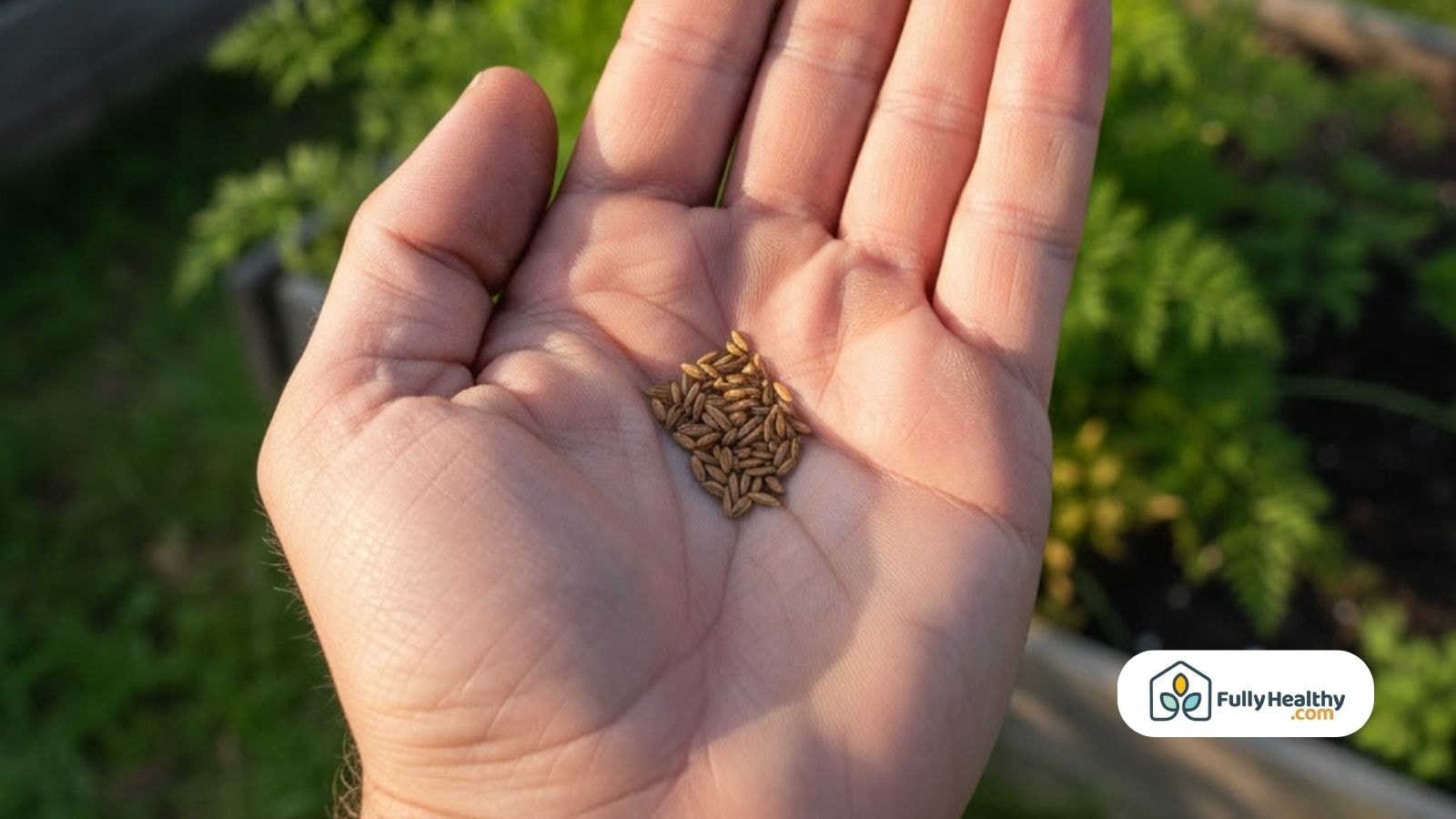
Small amounts of carrot seeds can be eaten, and they have been used as a spice in some food traditions. Due to their strong and earthy flavor, they are usually only used in small amounts. They are different from eating carrots fresh in salads, soups, or stews.
-
Flavor profile: Carrot seeds have a warm, slightly bitter taste.
-
Spice use: Often used ground or whole in small amounts.
-
Quantity: Not consumed in large quantities like root vegetables.
-
Food context: Separate from eating carrots raw, cooked, or peeled.
-
Culinary role: Adds aroma rather than bulk nutrition.
Wild Carrot Seeds vs Garden Carrot Seeds
Wild carrot seeds come from plants that are different from garden carrots. These plants are commonly known as Queen Anne's lace. Identification is important because compounds in wild carrot are stronger and using them in the wrong way can lead to problems. Garden carrot seeds come from plants that were bred to produce food and grow slowly.
-
Species difference: Wild carrot and garden carrots differ despite sharing ancestry.
-
Identification: Correct plant recognition is essential before use.
-
Safety focus: Wild carrot seeds are not interchangeable with garden seeds.
-
Cultivation: Garden carrots are grown for food and seed saving.
-
Awareness: Confusion increases risk when foraging.
What Veggie Does Not Have Seeds?
Vegetables Where We Don’t Eat the Seeds
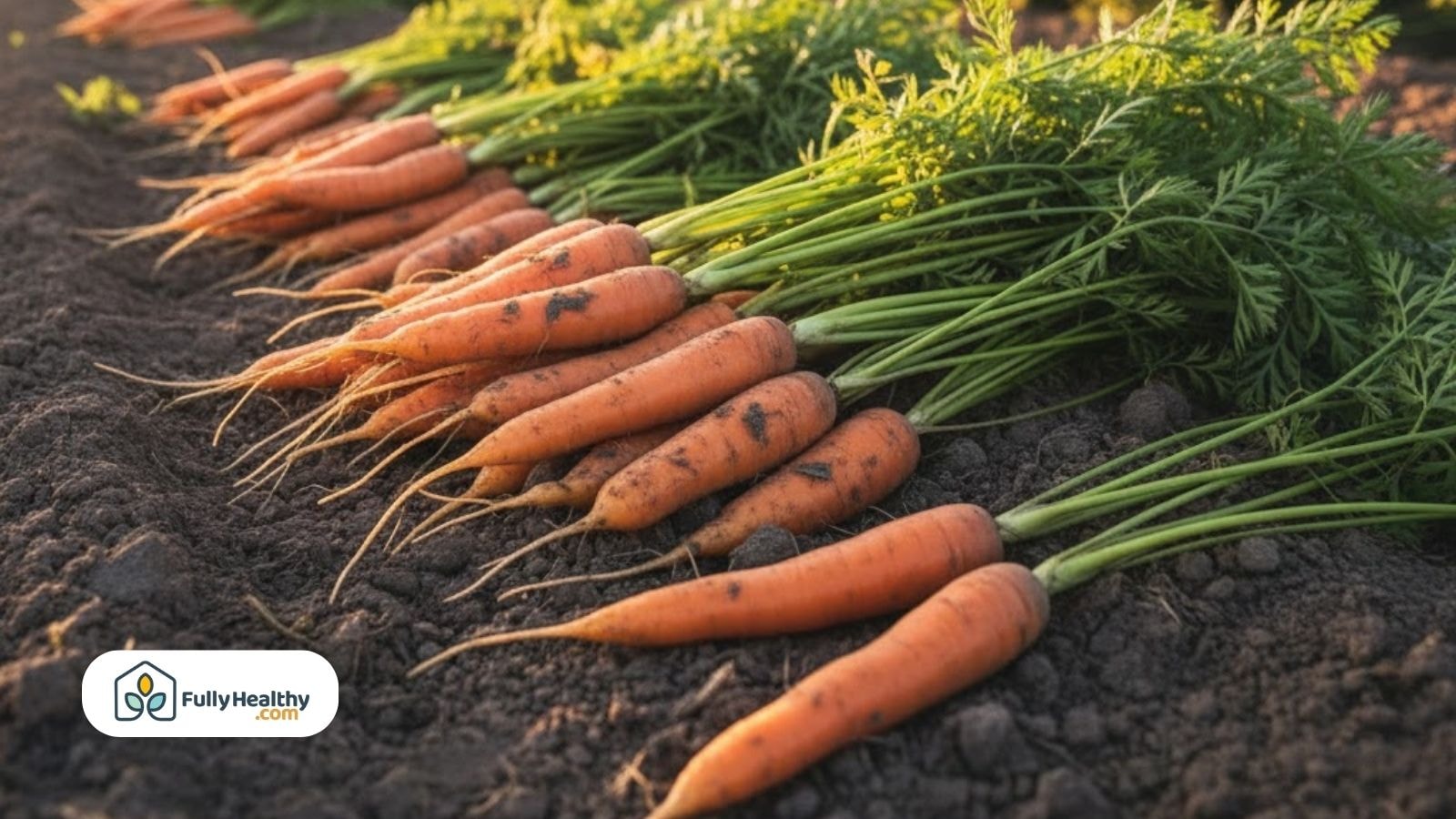
A lot of vegetables have seeds, but the part that people eat doesn't have them. Carrots, potatoes, and other root vegetables have seeds that grow later on the plant, after the flowers have died, instead of inside the root that you dig up. This is why seeds can't be seen when the crop is being harvested.
-
Carrots: The edible portion is the taproot, which stores nutrients during the first year while seeds form only after flowering in the second year.
-
Beet: Beets are eaten for their swollen root, while seeds develop above ground on tall flowering stalks.
-
Potatoes: Potatoes are tubers grown underground, and any seeds form separately in small fruits on the plant.
-
Onions: Onions are bulbs harvested before flowering, with seeds produced later on round flower heads.
-
Garlic: Garlic grows from cloves rather than seeds, and flowering is uncommon in cultivated varieties.
Why Some Vegetables Are Called Seedless
There are vegetables that don't have seeds because they are grown from clones or cuttings instead of seeds. These plants still make seeds, but farmers use the tubers, bulbs, or stems to grow the crop for the next year. This method allows plants to grow steadily and produce a lot of food without showing any seeds.
-
Propagation method: Plants grow from cuttings, bulbs, or tubers instead of seeds.
-
Common cases: Garlic, onions, and potatoes are reproduced without planting seeds.
-
Not sterile: Seedless vegetables can still produce seeds under the right conditions.
-
Commercial use: Commercial growers prefer predictable results and uniform produce.
-
Season planning: This approach supports reliable harvests each season.
FullyHealthy: Food Choices Designed for Specific Diets
What FullyHealthy Is and Who It Serves
FullyHealthy is an online store that sells specialty foods for people with special dietary needs. Customers can read about ingredients and where they come from on the site so they know what's in the food they eat. This approach supports people managing allergies, sensitivities, or structured eating plans.
-
Diet focus: Products support paleo, grain-free, and other specialty diets.
-
Ingredient clarity: Labels emphasize simple, recognizable ingredients.
-
Food access: The site brings together products that are not always easy to find locally.
-
Consumer trust: Clear sourcing helps shoppers make informed food choices.
-
Practical use: Foods are designed for everyday meals rather than supplements.
Why Carrots Appear in FullyHealthy Products
Whole foods like carrots are used in FullyHealthy products because they add flavor, texture, and nutrients. Besides seeds, they are used in soups, sauces, and meals where vegetables add sweetness and balance.
-
KC Natural Carrot Marinara Paleo Pasta Sauce: Uses carrots to add natural sweetness and body to a tomato-based sauce without added sugars.
-
Wild Zora Quick Quinoa Meal Herb Roasted Chicken with Spinach, Carrots & Herbs: Includes carrots as part of a balanced mixture of vegetables for texture, nutrients, and color.
-
Wild Zora Instant Grain-Free Hot Cereal Carrot Cake: Uses carrots to contribute mild sweetness and moisture in a grain-free cereal format.
-
Wild Zora Instant Soup French Lentil with Carrot, Onion & Celery: Relies on carrots alongside celery and onions to build flavor in a simple soup base.
Final Thoughts
Understanding do carrots have seeds becomes easier once you see how the carrot plant grows over time. When you plant carrots in rows with soil moist, full sun, and consistent moisture, the root stays tender, sweet, and sometimes purple.
Gardeners thin carrots, watch for pests and leaf blight, and mulch with wood shavings. Carrots are different from cucumbers, herbs, and other vegetables, especially when you eat them raw or harvest them in the fall. Keep learning and grow smarter each season.
FAQs
What fruit has 365 seeds?
A pomegranate is commonly said to have 365 seeds because it produces a large number of edible seeds inside the fruit, unlike vegetables grown from seedlings.
Is broccoli considered a seed?
Broccoli is not a seed because it is an immature flower head harvested before seeds form on the plant.
Can I get seeds from carrot tops?
You cannot get seeds from carrot tops because seeds only form after flowering in the second year, not from the greens or root.
Do carrots clean your gut?
Carrots support gut health by providing fiber that helps digestion, especially when eaten fresh and as part of a balanced diet.
What is healthier, cucumber or carrots?
Carrots are richer in nutrients while cucumbers offer hydration, so both support health in different ways.
Leave a comment