

Do Nuts Expire? Why They Go Bad and How to Keep Them Fresh
Do nuts expire, or do they just go bad? Although nuts don't really go bad like other foods do, the oils in them can go bad and make them taste and smell bad. It might not change how they look, but this could make them taste bad or old. Find out how to tell a bad nut from a good one and how to store nuts so they stay fresh and safe to eat.
Featured Snack Pick
Mauna Loa // Hawaiian Sea Salt Macadamia Nuts - 4 oz
Loading...
Do Nuts Expire?
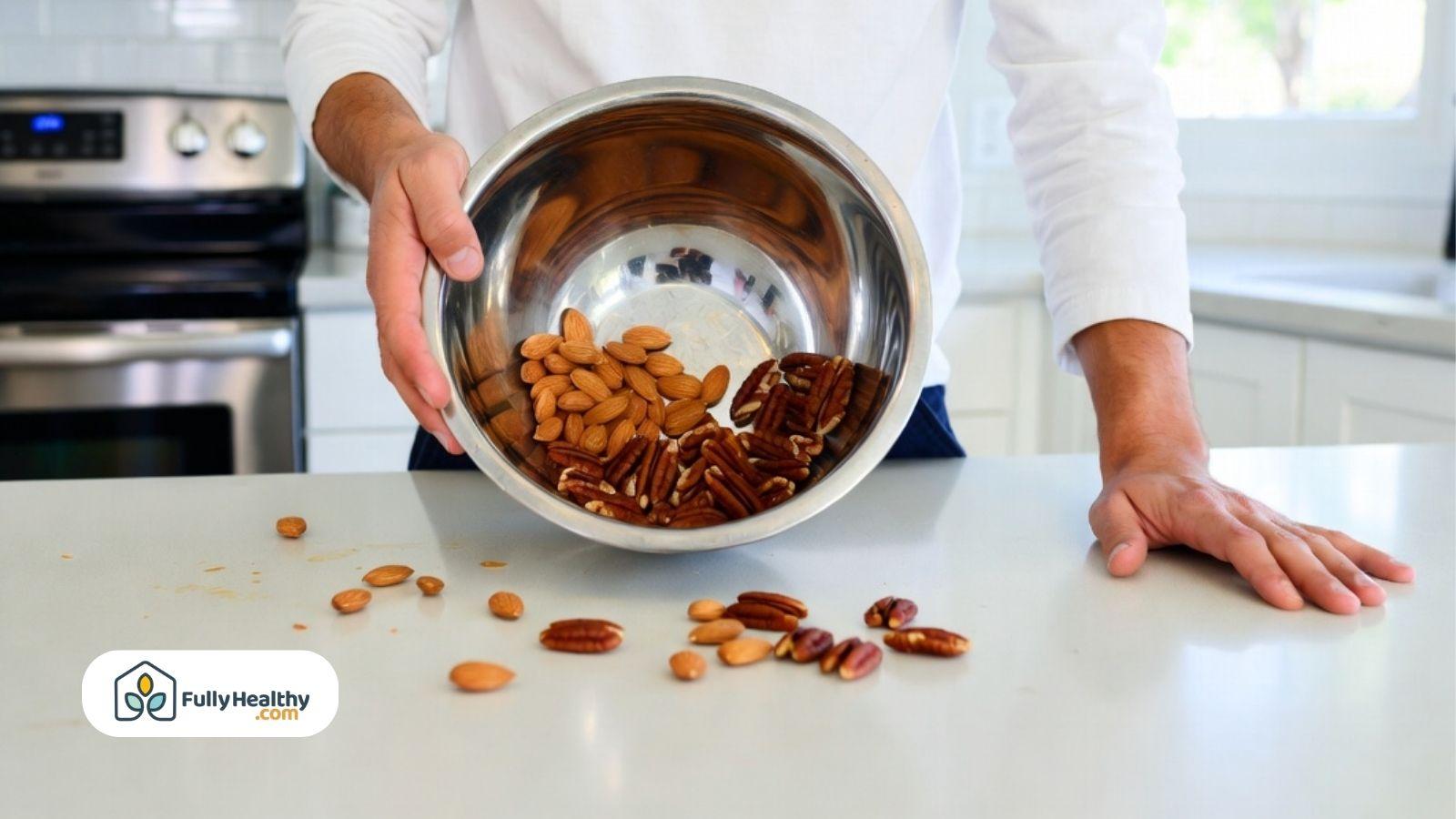
Nuts do not expire like other foods with a fixed expiration date, but they do go bad over time as their natural oils break down. This change affects taste, smell, and overall quality, especially if nuts are not stored properly in cool, dark, and dry conditions.
What Really Happens When Nuts Go Bad
Nuts do not suddenly become unsafe to eat, but they go rancid because of the oxidation process where fats react with air and break down. Because of this, nuts that sit around for too long or are exposed to heat, light, and water lose their fresh taste and smell.
-
Oxidation Process: Natural oils in nuts react with oxygen over time, which causes the fats to break down and lose freshness.
-
Unsaturated Fats: Most nuts contain high levels of unsaturated fats, which are more sensitive to heat and air exposure.
-
Rancid Taste: When nuts go rancid, the flavor becomes bitter, sour, or slightly chemical instead of fresh and nutty.
-
Exposure Factors: Heat, light, and moisture all speed up the breakdown of oils and reduce shelf life.
-
Quality Decline: Nuts lose their best quality long before they become unsafe, which is why taste and smell matter.
Real Shelf Life Depends on Storage and Product Type
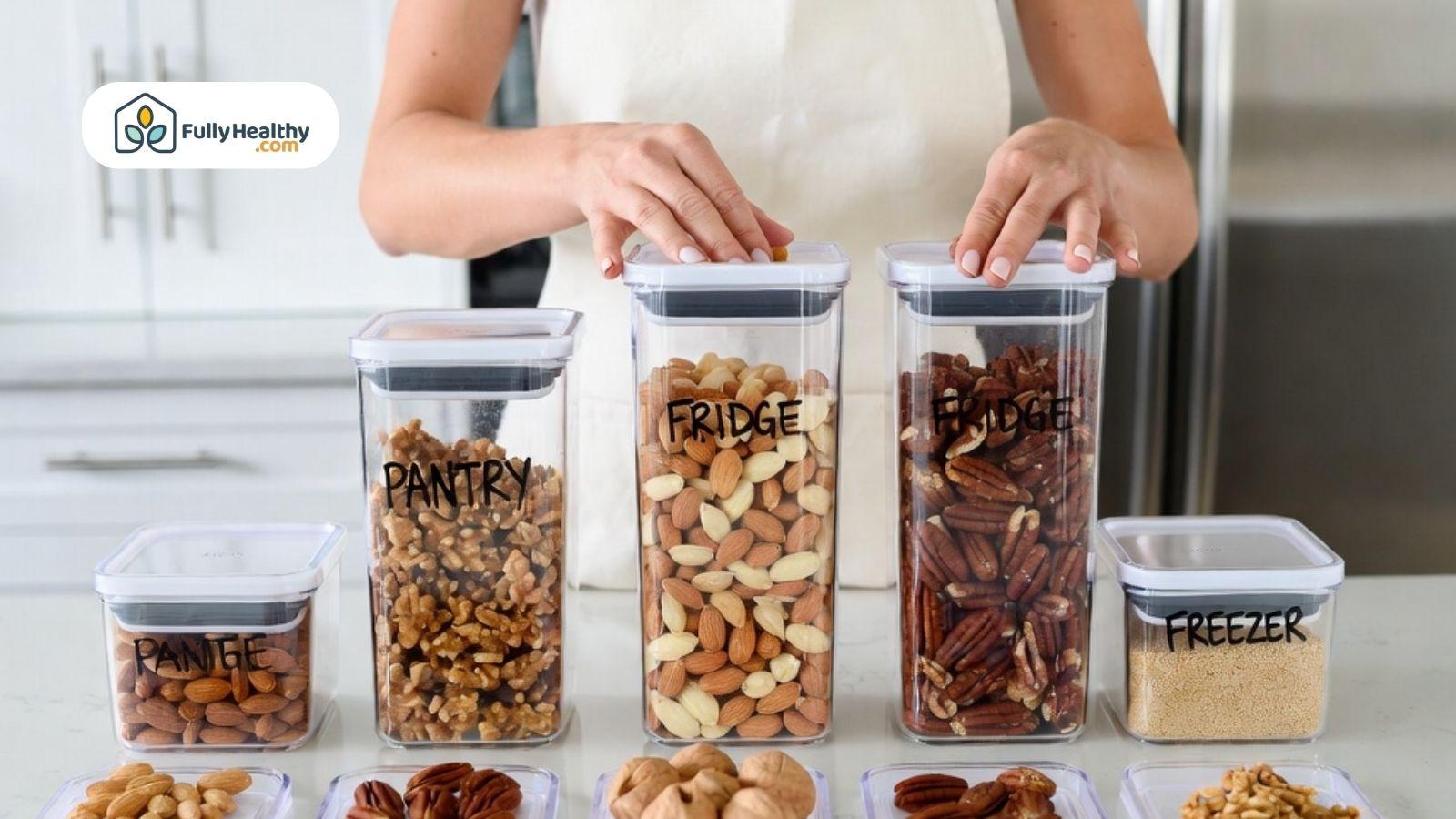
How long nuts last depends on the type of nut, how they are stored, and the temperature around them, since cooler temperatures slow spoilage. Nuts stored properly in airtight containers and away from light will maintain their freshness for a longer period compared to those kept in a warm pantry.
-
Pantry Storage: Most nuts will stay fresh for about three to six months when kept in a dry and dark pantry.
-
Refrigerator Storage: Storing nuts in the refrigerator can extend shelf life up to one year by slowing oil breakdown, depending on the type of nut and initial freshness..
-
Freezer Storage: Nuts stored in the freezer can last one to two years while maintaining best quality and flavor.
-
Processed Foods: Nut-based foods like bread or cereal have shorter shelf life due to added moisture and ingredients.
-
Packaging Matters: Sealed bags or airtight containers reduce exposure to air and help maintain freshness longer.
How Can You Tell If Nuts Are Bad?
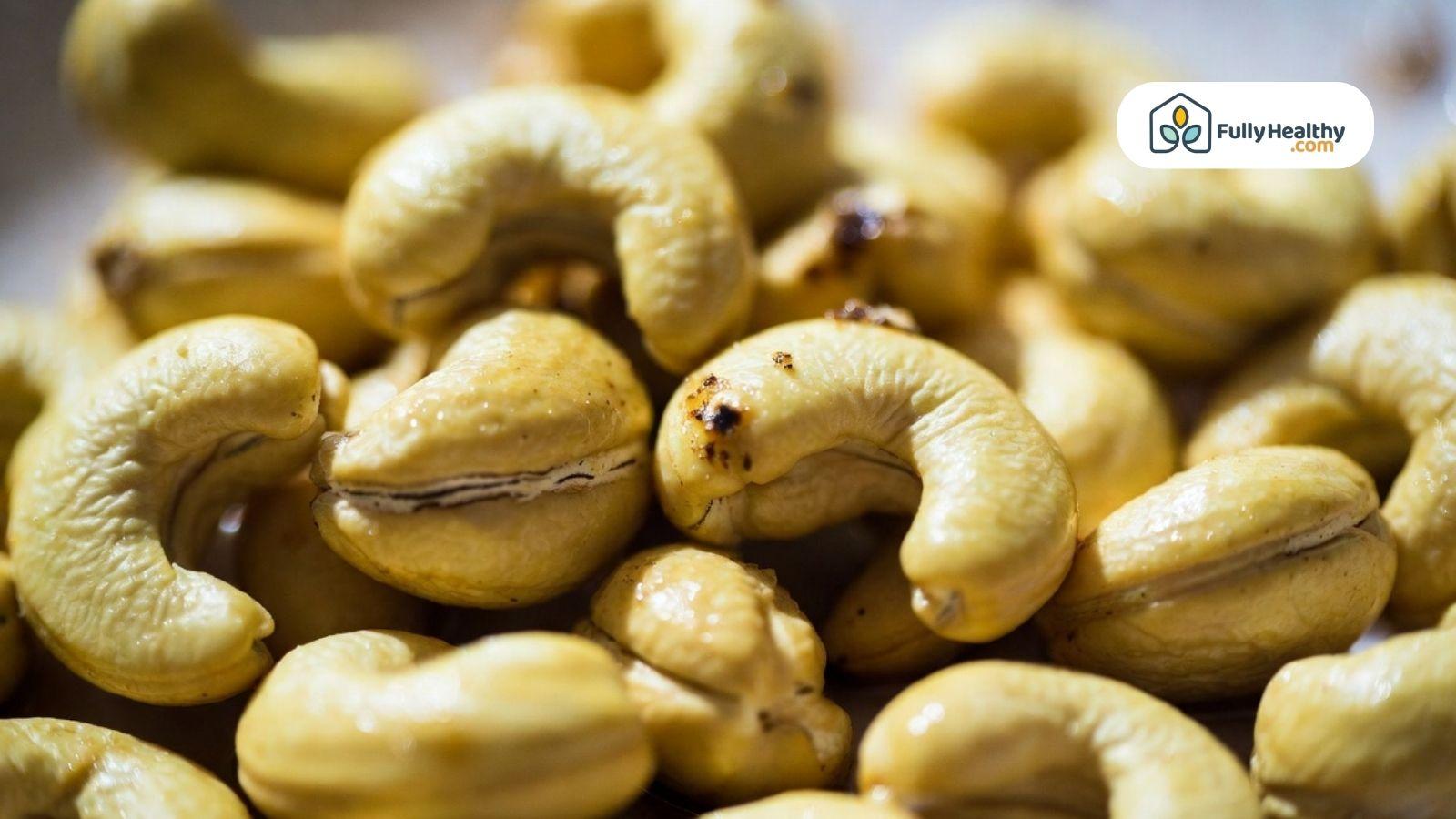
You can tell when nuts go bad by checking smell, taste, and texture, since these changes happen before nuts become unsafe. Even if the expiration date has not passed, spoiled nuts will show clear signs that they are no longer fresh.
Smell and Taste Are the First Warning Signs
The smell is the fastest and most reliable way to check if nuts have gone bad, since rancid oils give off a strong and unpleasant odor. Taste also changes quickly, and even a small bite will clearly show if the nuts are no longer good to eat.
-
Smell Check: A sharp, sour, or paint-like smell is a strong sign that the nuts have gone rancid.
-
Taste Test: Bitter, sour, or soapy flavors indicate that the oils have already broken down.
-
Immediate Signal: Rancid nuts are usually easy to notice right away without needing detailed inspection.
-
Nose Reaction: Your nose can quickly detect changes in oils before you even taste the nuts.
-
Safe Choice: If anything smells or tastes off, it is best to throw them away immediately.
Texture and Appearance Changes
Fresh nuts should feel firm and have a clean crunch, so any change in texture or appearance is a sign of spoilage. Visual signs such as mold or moisture buildup also indicate that the nuts are no longer safe to eat.
-
Texture Change: Nuts that feel soft, rubbery, or overly dry have likely lost their freshness.
-
Crunch Loss: Fresh nuts should have a crisp bite, and a dull or chewy texture means aging.
-
Moisture Signs: Dampness inside the bag or container shows poor storage and faster spoilage.
-
Mold Growth: Visible mold means the nuts are unsafe and should not be eaten.
-
Discard Rule: If the nuts look unusual or feel different, it is better to throw them away.
Which Nut Has the Longest Shelf Life?
Different types of nuts have different shelf life depending on their fat content, structure, and how they are stored. Some nuts last longer because they contain less oil, while others spoil faster due to higher fat levels.
Longest-Lasting Nuts (Lower Fat)
Nuts with lower oil content tend to last longer because their fats break down more slowly during storage. These nuts can maintain freshness and quality for a longer period when stored properly in cool and dry conditions.
-
Almonds: Almonds are known for their longer shelf life and can stay fresh for up to one to two years when refrigerated or frozen.
-
Pistachios: Pistachios are more stable than most nuts because they contain lower levels of oil.
-
Hazelnuts: Hazelnuts offer a balanced combination of flavor and moderate shelf life compared to other nuts.
-
In Shell Advantage: Nuts stored in their shell last longer because the shell protects them from air and moisture.
-
Cool Storage: Keeping these nuts in cooler temperatures helps preserve their flavor and texture for longer.
Nuts That Go Bad Faster (High Fat Content)
Nuts with higher oil content spoil faster because their fats break down quickly when exposed to heat, light, and air. Smaller pieces like chopped or ground nuts also go bad faster due to increased exposure.
-
Walnuts: Walnuts contain high oil levels, which makes them more likely to go rancid quickly.
-
Pecans: Pecans have a similar fat profile to walnuts and also spoil faster than most nuts.
-
Macadamia Nuts: These are very rich in oils, making them more sensitive to heat and storage conditions.
-
Chopped Nuts: Smaller pieces have more surface area exposed to air, which speeds up oxidation.
-
Ground Nuts: Ground nuts lose freshness quickly because their oils are fully exposed to air.
Should Nuts Be Refrigerated?
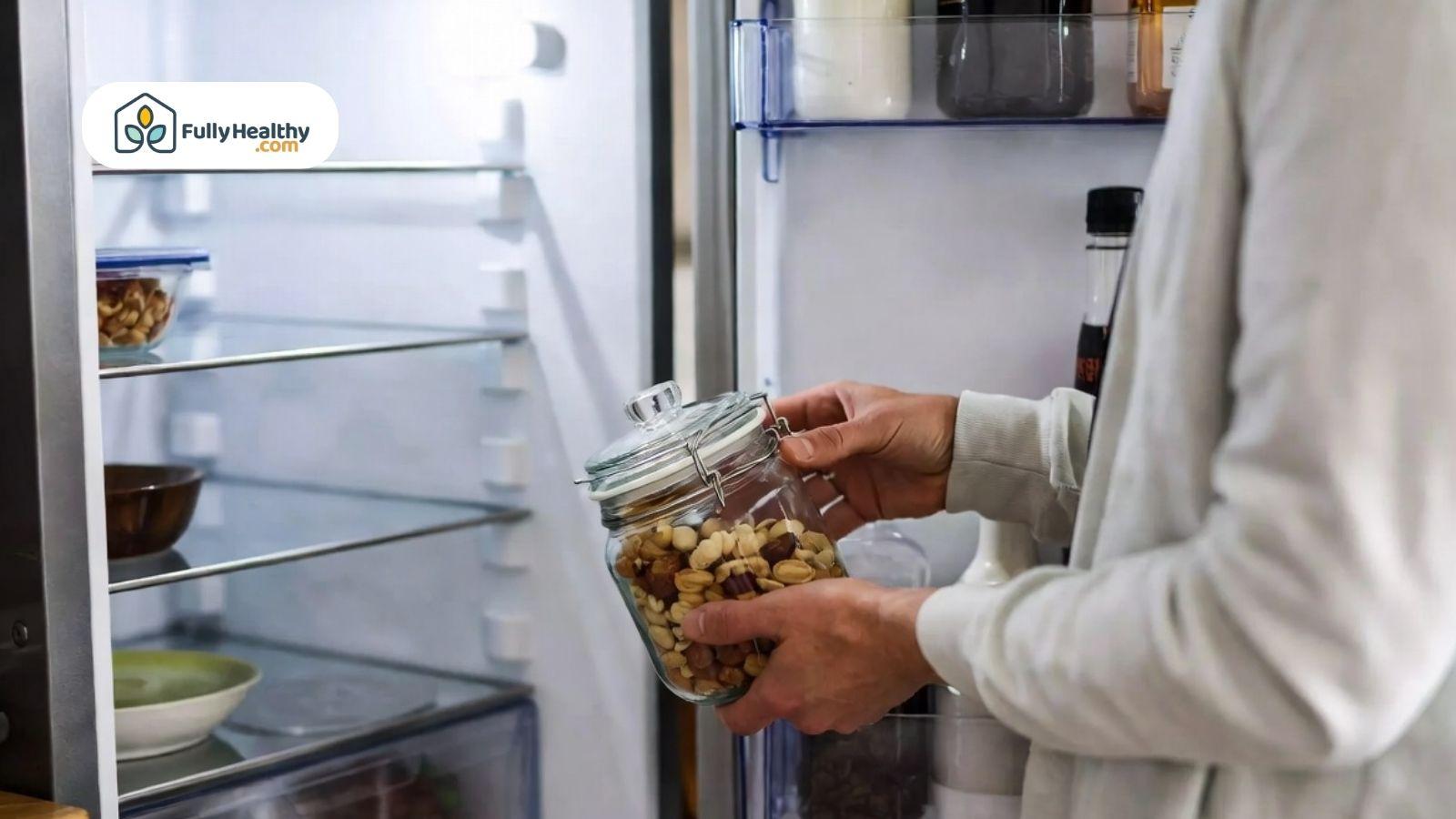
Temperature is one of the most important factors that affect how long nuts last and how well they maintain their quality. Keeping nuts in cooler environments helps slow down spoilage and keeps their natural flavor intact.
Refrigeration Slows Rancidity
Storing nuts in the refrigerator helps slow down the oxidation process by reducing temperature and limiting exposure to heat. This helps maintain freshness, flavor, and texture for a longer period compared to pantry storage.
-
Cooler Temperatures: Lower temperatures slow down the breakdown of fats and help preserve freshness.
-
Refrigerator Use: Nuts stored in the fridge last much longer than those kept at room temperature.
-
Airtight Containers: Proper containers prevent moisture and unwanted odors from affecting the nuts.
-
Light Protection: Keeping nuts away from light inside the fridge helps maintain quality.
-
Better Flavor: Refrigeration helps preserve the natural taste and crunch of nuts.
Freezing Is the Best Long-Term Storage
Freezing is the best option for long-term storage because it slows down all processes that lead to spoilage. When stored correctly, nuts can keep their quality and freshness for a much longer period.
-
Freezer Storage: Nuts stored in the freezer can last for over a year while keeping good quality.
-
Sealed Packaging: Using airtight bags or containers prevents freezer burn and odor absorption.
-
Bulk Storage: Freezing is ideal when buying nuts in large quantities.
-
Odor Control: Proper storage keeps nuts from absorbing smells from other foods.
-
Best Quality: Freezing helps maintain both flavor and texture over time.
About FullyHealthy
FullyHealthy is focused on providing specialty foods that support simple and clean eating, including products made from nuts and seeds. Their product selection shows how different forms of nuts require different storage and handling to maintain freshness.
What FullyHealthy Offers
The platform offers a wide range of foods designed for different diets, including gluten-free, paleo, and allergen-friendly options. It also focuses on proper packaging and quality ingredients to help maintain freshness and shelf life.
-
Health Focus: Offers foods that support specific dietary needs and lifestyles.
-
Product Variety: Includes nuts, seeds, and prepared food products.
-
Packaging Quality: Designed to help maintain freshness and prevent spoilage.
-
Simple Ingredients: Products focus on clean and easy-to-understand ingredients.
-
User Benefit: Helps consumers choose better quality foods easily.
Featured Nut-Based Products
The store includes different nut-based products, each with its own storage needs and shelf life based on ingredients and preparation. These products show how nuts behave differently when used in various foods.
-
Mauna Loa Hawaiian Sea Salt Macadamia Nuts (4 oz): Roasted macadamia nuts with light sea salt, high in natural oils, requiring cool and sealed storage to maintain freshness and prevent rancid flavor.
-
Base Culture Gluten-Free Seven Nut and Seed Bread (16 oz): A dense bread made from almonds, seeds, and eggs, best kept in the refrigerator and consumed within a shorter time due to moisture content.
-
Wild Zora Instant Grain-Free Hot Cereal (Original): A flaxseed-based cereal with almonds, walnuts, and dried fruits, shelf-stable but still sensitive to heat and air exposure over time.
Final Thoughts
Nuts don’t exactly expire, but they lose quality and can go bad if not stored properly, especially after a few months in the pantry. The general rule is to check nuts smell, taste, and texture before eating, since rancid oils affect freshness.
Proper storage helps extend shelf life for cooking and baking uses. Peanuts and cashews, though legumes, still need care. In the middle of storage decisions, always choose safe and edible options for your post use.
FAQs
How long do nuts last before going bad?
Nuts generally last a few months in the pantry, but longer in the fridge or freezer depending on storage conditions.
Are raw nuts safe to eat after storage?
Raw nuts are edible if stored properly and still have normal nuts smell, taste, and texture.
What can I do with expired nuts?
Stale nuts can be refreshed by toasting or air-frying for a few minutes. You can also use them for nut butter, coatings, or baking. If nuts smell like sharp oil or paint, they are rancid and should be discarded.
Can you eat 3 year old almonds?
It is generally not advised to eat 3-year-old almonds, since they are likely stale or have already gone rancid.
What are the best times to eat nuts?
Nuts can be eaten any time, but many people prefer them in the middle of the day as a quick snack or post meal addition.
Leave a comment