

Do Pickles Have Calories? A Simple Guide to Every Pickle Type
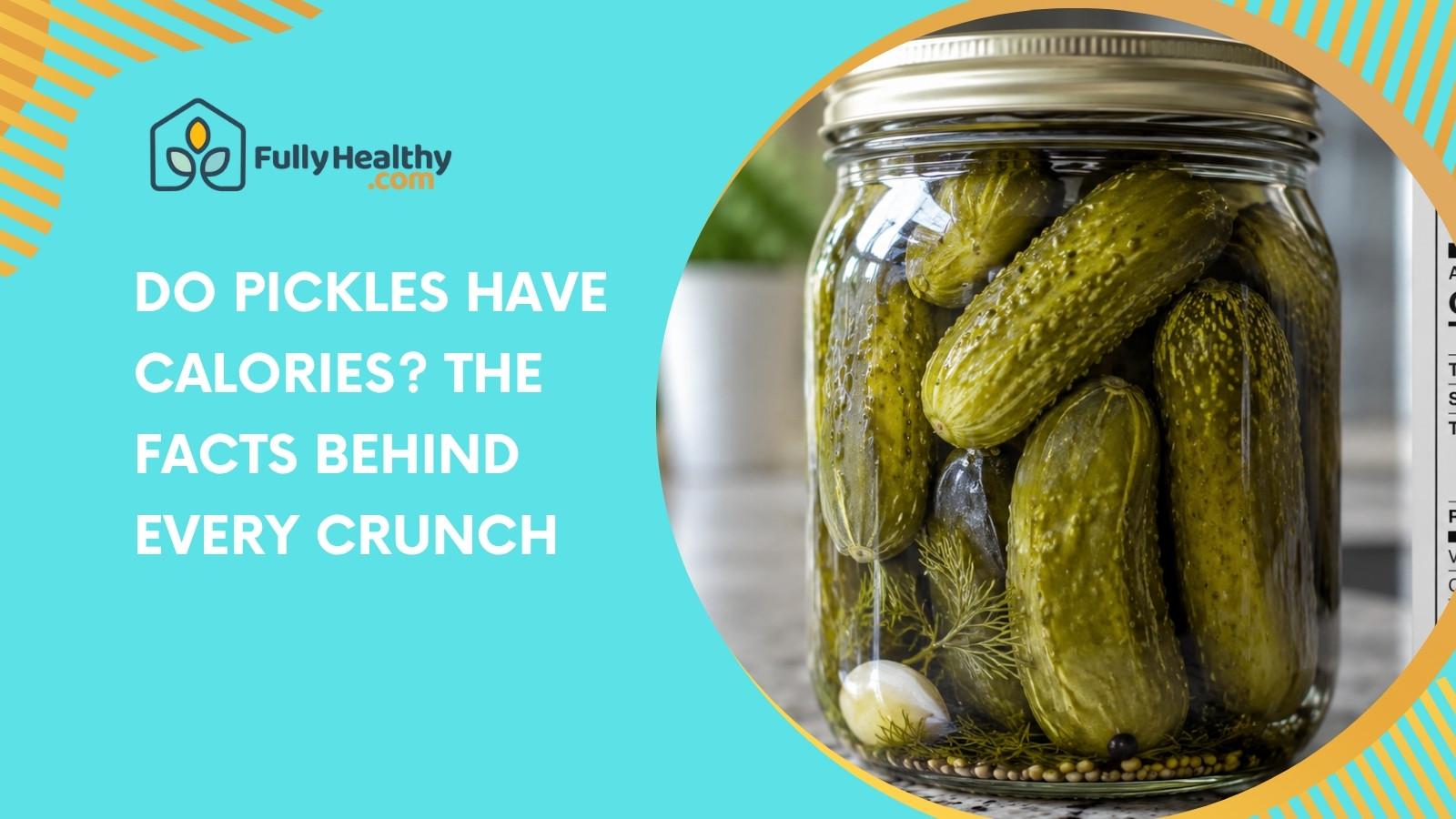
Do pickles have calories? Yes, but plain dill pickles usually contain very few. Their exact calorie count depends on size, recipe, and added ingredients. Sweet pickles have more sugar, while fried pickles contain more calories from batter and oil.
Pickles can fit into a weight-loss plan, but their high sodium content matters. They may also break a strict fast because they contain calories. This guide clearly explains calories, weight loss, daily limits, fasting, and healthier fermented options in simple terms.
Do Pickles Have Calories?
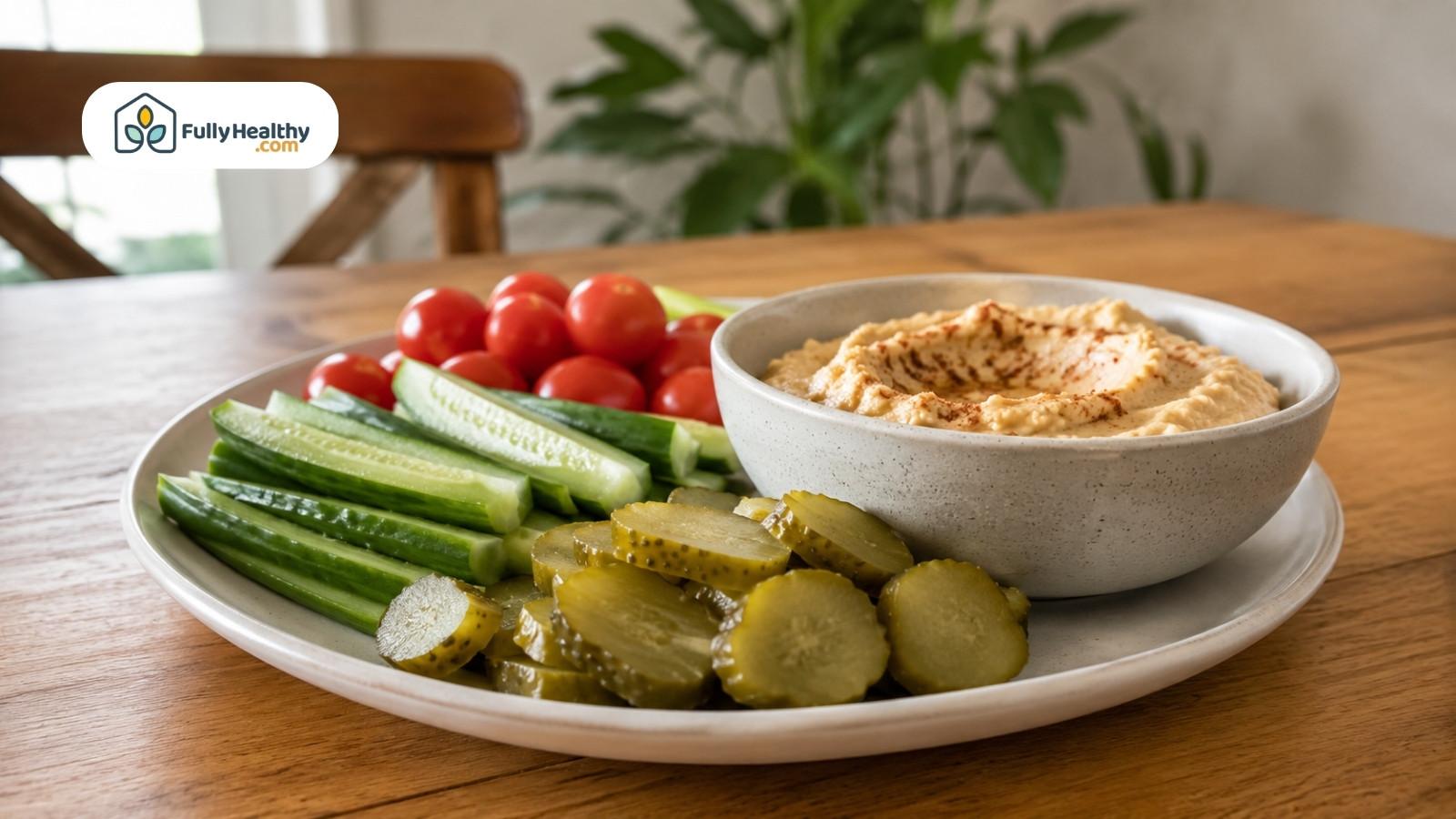
Yes, pickles contain calories, but plain dill varieties are low in calories and usually provide very few calories per serving. The exact amount depends on the type, ingredients, and serving size. While some labels may appear to show zero calories, this is often due to nutrition-label rounding rather than the food being truly calorie free.
How Many Calories Are in Different Types of Pickles?
A plain dill pickle spear usually contains very few calories, which makes it a useful low calorie snack. However, not all pickled cucumbers have the same calorie count. Sweet varieties, bread and butter pickles, and fried pickles contain extra calories because of added sugar, batter, or cooking oil. Chopped pickles added to meals such as chicken salad also add calories, but the amount is often small.
-
Dill pickle spear: One spear may contain about 5 calories, depending on its size and brand.
-
Kosher dill and sour pickles: These are usually low in calories because they often contain little or no added sugar.
-
Bread and butter pickles: These contain more calories because their sweet brine usually includes added sugar.
-
Fried pickles: Breading and oil can add many hidden calories compared with plain pickles.
Why Do Some Pickle Labels Say Zero Calories?
The phrase pickles zero calories can be misleading. A product may show zero calorie on the label because very small amounts are allowed to be rounded down per serving. This does not mean the pickle is calorie free or has negative calories. Eating several servings can still increase the total calorie count.
-
Per serving: Check the serving size because one pickle jar may contain several servings.
-
Zero calories: This often reflects label rounding rather than a complete lack of calories.
-
Calorie free: Plain pickles may be very low in calories, but they still contain a small amount of energy.
-
Healthy eating: Reading the full label can help you spot hidden calories, added sugar, and high sodium.
Are Pickles OK for Weight Loss?
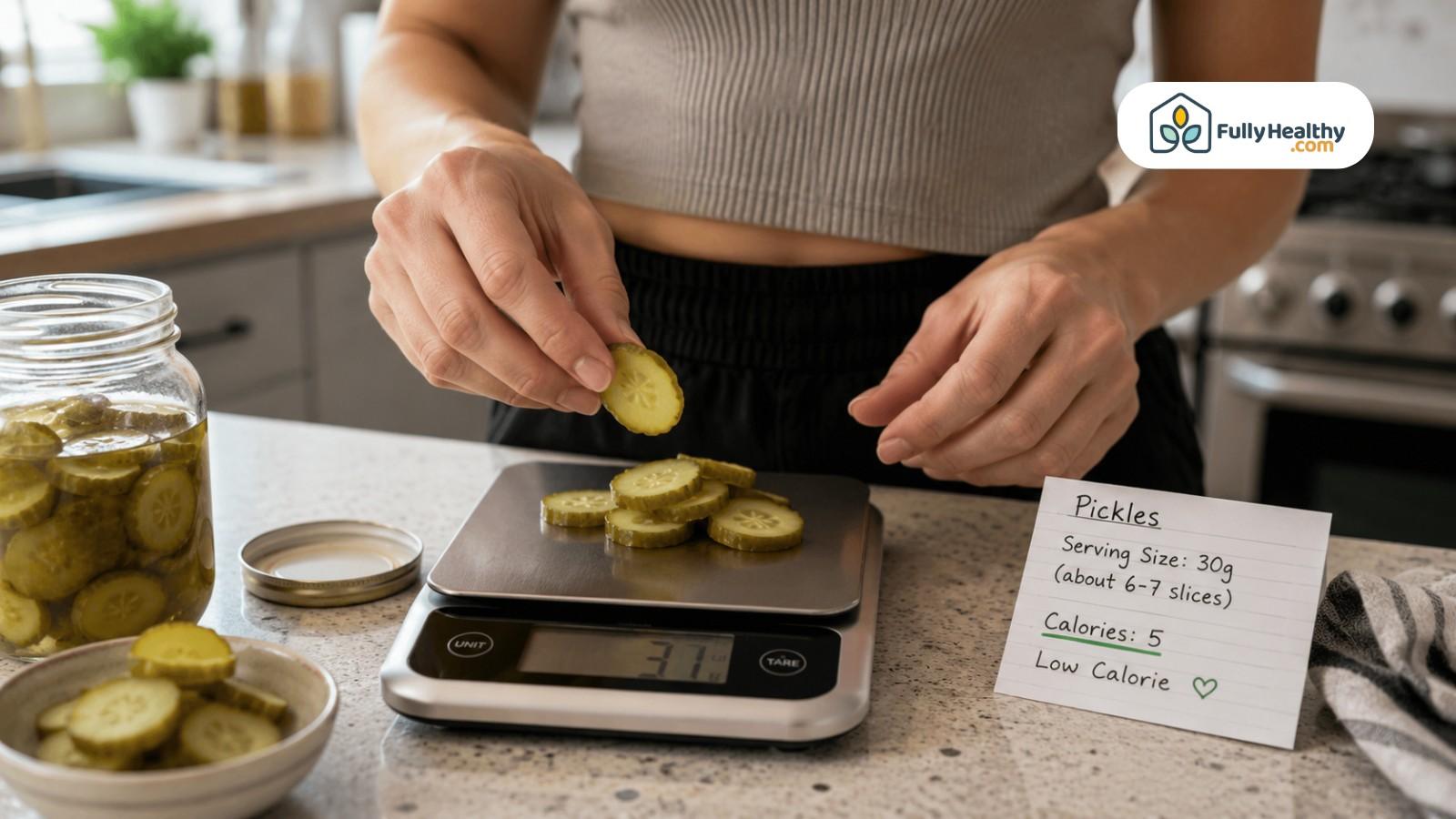
Eating pickles can support healthy eating when they replace snacks that contain more calories. Since most pickles have so few calories, they may help reduce your daily calorie intake. However, pickles are not a special fat-burning food, and eating pickles alone will not help you lose weight without an overall balanced diet.
Can Pickles Help You Eat Fewer Calories?
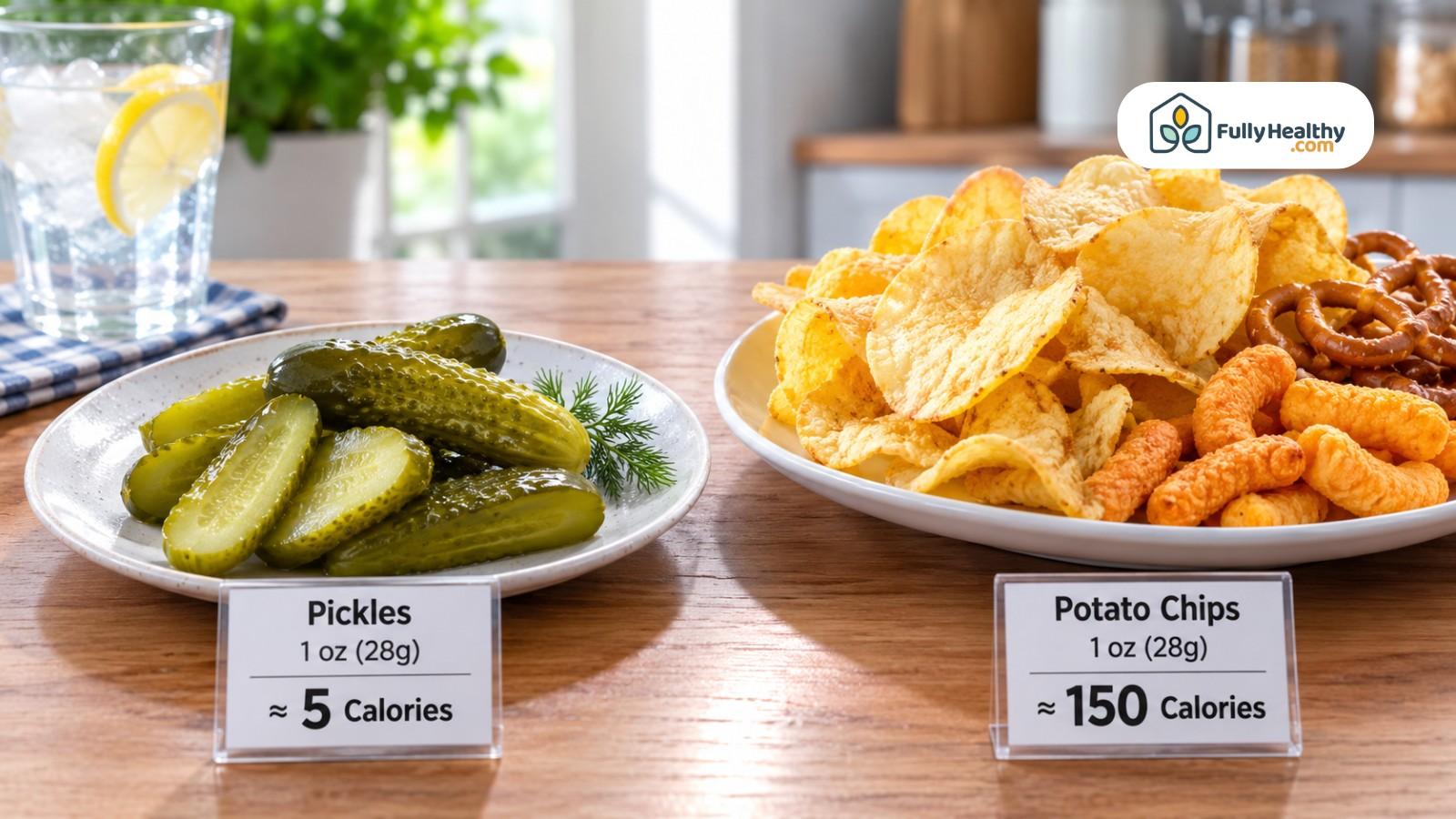
Choosing pickles instead of chips, crackers, or other high calorie foods may help lower the number of calories in a snack. Their tangy flavor and crunchy texture can make food taste more satisfying. You can also pair pickles with protein to create a fuller and more balanced snack.
-
Pair pickles: Combine them with eggs, turkey, tuna, or grilled chicken for added protein.
-
Chicken salad: Chopped pickles can add a tangy taste without adding many extra calories.
-
Low calorie: Plain dill pickles are often a lighter choice than fried or sweet snacks.
-
Sugar free gum: This may also help with cravings, but it does not provide the same texture or salty flavor as pickles.
What Are the Downsides of Eating Pickles Every Day?
Although pickles can fit into a healthy diet, they are often high in sodium. Eating large amounts may raise sodium intake and cause temporary water retention. People sometimes drink pickle juice for muscle cramps, but it can also contain a large amount of salt.
-
Sodium intake: Too much sodium may contribute to fluid retention and increased blood pressure.
-
High blood pressure: People with this condition may need to limit salty foods and check labels closely.
-
Pickle juice: It may provide electrolytes, but it should be used carefully because of its sodium content.
-
Blood sugar regulation: Plain pickles usually contain less sugar than sweet pickles, so they may have less effect on blood sugar.
Is 2 Pickles a Day Too Much?
There is no single limit that works for everyone. Two refrigerator pickles may fit into one person’s diet but provide too much sodium for someone else. The size of the pickles, the brand, and the rest of your daily food choices all matter.
How Much Sodium Could Two Pickles Add to Your Diet?
Most pickles contain a noticeable amount of sodium because salt is used for flavor and preservation. Whether they are vinegar-based or naturally fermented, the sodium level can vary widely. Checking the label is the best way to understand how much you are getting.
-
Most pickles: Sodium content changes by brand, recipe, and serving size.
-
Fermented pickles: Naturally fermented products may still contain a high amount of sodium.
-
Bread and butter: These pickles often contain both sodium and added sugar.
-
Sour pickles: They may contain less sugar, but their sodium content can still be high.
Who Should Limit Pickle Consumption?
Some people need to be more careful with pickles because of their salt content. This includes those with high blood pressure, kidney problems, or a doctor-recommended low-sodium diet. Even when pickles are low in calories, their sodium can still affect health.
-
People with high blood pressure: Limiting salty foods may help support better blood pressure control.
-
People with kidney concerns: The kidneys help manage sodium, so too much salt may place added strain on them.
-
People prone to water retention: High sodium intake may cause swelling or a temporary increase in body weight.
-
People watching added sugar: Sweet pickles and bread and butter pickles may contain more sugar than dill or sour varieties.
Will Eating a Zero-Calorie Pickle Break a Fast?
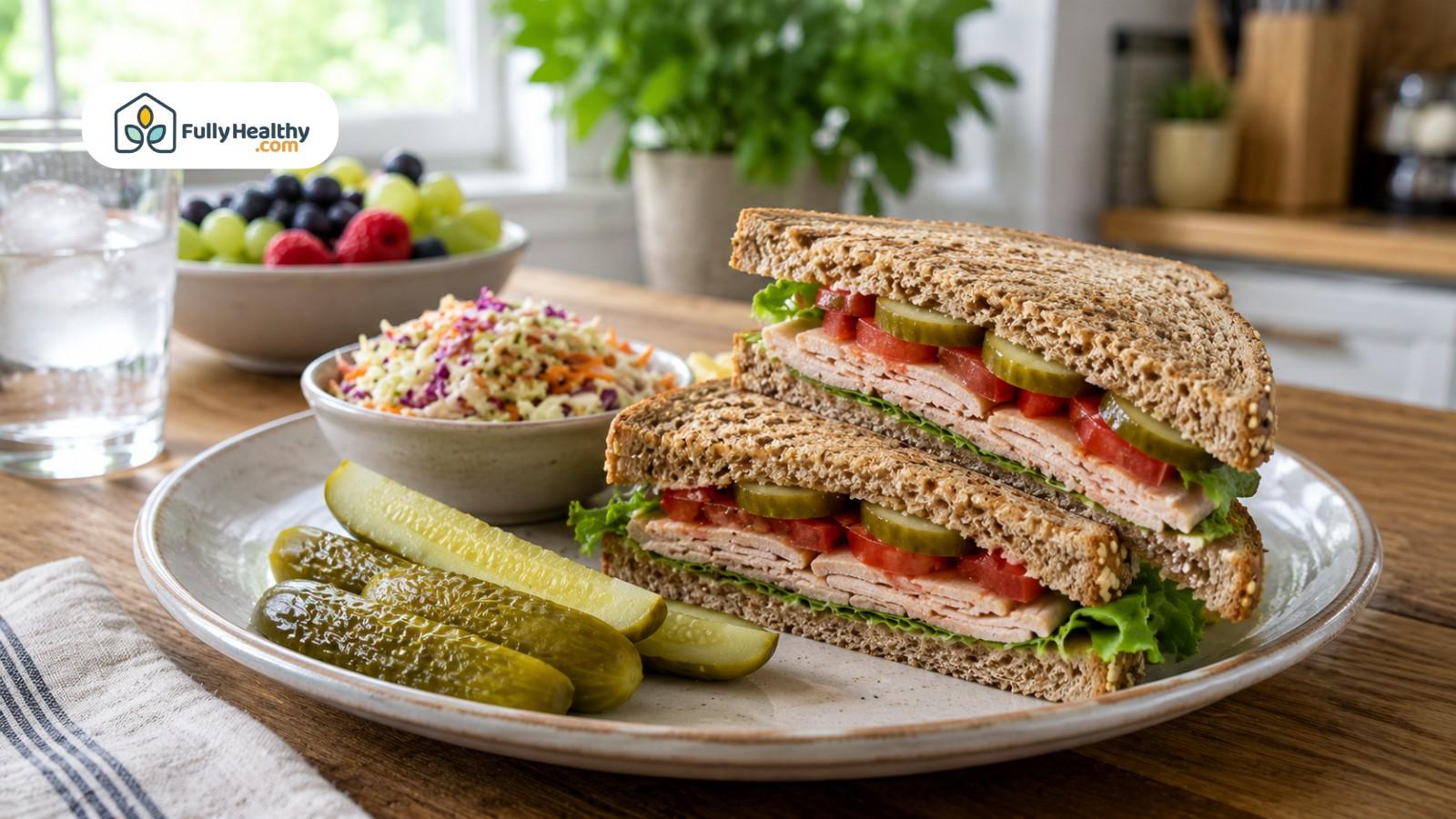
A plain pickle contains very few calories, but it is not truly calorie free. During a strict fast, eating one technically ends the fast because it provides a small amount of energy. For people using intermittent fasting mainly for weight control, one plain pickle is unlikely to greatly affect total caloric intake. The answer depends on your fasting goal, serving size, and pickle type.
Do Zero-Calorie Pickles Really Exist?
Some pickle labels show zero calories because food labeling regulations allow very small calorie amounts to be rounded down. This can make a product seem calorie free even when it contains a small amount of energy. Always check the serving size because eating several servings can increase the total calories.
-
Food Labeling Regulations: Manufacturers may round down very small calorie amounts when creating nutrition labels.
-
Food Labels: Check both the serving size and the number of servings inside the jar.
-
Significant Calories: Plain dill pickles contain little energy, while sweet or fried varieties contain more.
-
Regular Pickles: Most pickles provide some calories, even when the label lists zero calories.
Does One Pickle Affect Weight-Loss or Intermittent Fasting Goals?
One plain pickle is unlikely to disrupt a calorie controlled diet because it adds little to your daily caloric intake. It can also add flavor and provide a satisfying crunch without the extra calories found in many snack foods. However, strict medical, religious, or personal fasts may require avoiding all food.
-
Calorie Controlled Diet: One plain pickle usually contains fewer calories than chips, crackers, or other salty snacks.
-
Acetic Acid: Vinegar contains acetic acid, which gives many pickles their sour taste but does not make them calorie free.
-
Too Many Pickles: Large portions can raise sodium intake even when the calorie count stays low.
-
Pickles Good for Fasting: Pickles may suit flexible fasting plans, but they technically break a strict fast.
How Can FullyHealthy Help You Find Fermented Foods?
FullyHealthy is an online marketplace for people following specialty diets, including AIP and gluten-free eating plans. The site carries several fermented vegetable products that can add variety to lighter meals. These foods may interest shoppers focused on gut health, but buyers should still review package labels for calories, sodium, allergens, and serving sizes.
Which Fermented Products Can You Find at FullyHealthy?
FullyHealthy lists three Pickled Planet fermented vegetable products featured in this article. Each product contains a different mix of vegetables, herbs, and spices. They can bring bold flavor to sandwiches, bowls, wraps, and side dishes without the need for heavy sauces.
-
Lil Kim Chee Organic Raw Sauerkraut: This blend contains cabbage, carrots, daikon, garlic, ginger, cayenne, and paprika.
-
Organic Raw Taqueria Mix: This option combines carrots, onion, jicama, jalapeños, filtered water, and Himalayan salt.
-
Immune Boost Organic Raw Sauerkraut: This mix includes cabbage, carrots, kale, ginger, lemon, herbs, and spices.
-
Gut Health: These items are sold as fermented foods, but their product pages do not provide measured probiotic amounts.
How Do These Fermented Products Differ From Regular Pickles?
Many readers ask, are fermented pickles the same as vinegar-based pickles? Not always. The featured FullyHealthy products contain fermented vegetables instead of standard pickled cucumbers. Their different ingredients create unique textures and flavors, while natural fermentation produces a tangy taste without depending only on vinegar.
-
Are Fermented Pickles Different: Fermented vegetables develop flavor when helpful microbes naturally turn sugars into acids.
-
Bold Flavor: Ginger, garlic, herbs, and jalapeños create a stronger taste than many regular pickles.
-
Lighter Meals: Add small portions to salads, grain bowls, or wraps instead of using heavy dressings or olive oil.
-
Cooking Sprays: These can help reduce added fat when preparing foods to serve with fermented vegetables.
Final Thoughts
Pickles do have calories, but plain dill pickles are still a smart choice for many people because they contain very few calories per serving. They can fit into a balanced diet when enjoyed in moderation, especially if you pay attention to sodium and added sugar.
Besides being low in calories, some naturally fermented varieties may support gut health and provide vitamin K, although nutrition varies by product. You can also use pickles to add crunch and flavor to sandwiches, salads, and snacks without adding many calories.
As with any food, portion size matters, so check the nutrition label if you eat multiple servings. Choosing the right type of pickle lets you enjoy the health benefits while keeping your eating habits balanced.
FAQs
Are sweet pickles higher in calories than dill pickles?
Yes. Sweet pickles usually contain added sugar, so they have more calories than plain dill pickles.
Can fermented pickles support gut health?
Some naturally fermented pickles may support gut health, but not all pickles are fermented, so check the product label.
Do pickles provide any vitamins?
Yes. Some pickles contain vitamin K, and the exact amount depends on the ingredients and serving size.
Can I eat multiple servings of pickles every day?
You can, but multiple servings may greatly increase your sodium intake even if the calorie count stays low.
What is an easy way to enjoy pickles in meals?
Use pickles to add crunch to sandwiches, burgers, wraps, salads, or bowls while enjoying their flavor and potential health benefits as part of a balanced diet.
Leave a comment