

Does Hibiscus Have Caffeine? What Tea Drinkers Should Know
Does Hibiscus Have Caffeine? Many people ask this question before they pick this bright red tea. No is definitely the answer. If you want to make hibiscus tea, you need to dry hibiscus flowers. Do not use real tea leaves.
In other words, it has no caffeine. This article talks about why hibiscus is bad for some people, how it affects sleep and energy, and what happens if you drink it every day. You only need simple facts from health and tea sources to back them up.
Featured Tea Pick
Traditional Medicinals // Organic Hibiscus Tea - 16 Bags
Loading...
Does Hibiscus Have Caffeine?
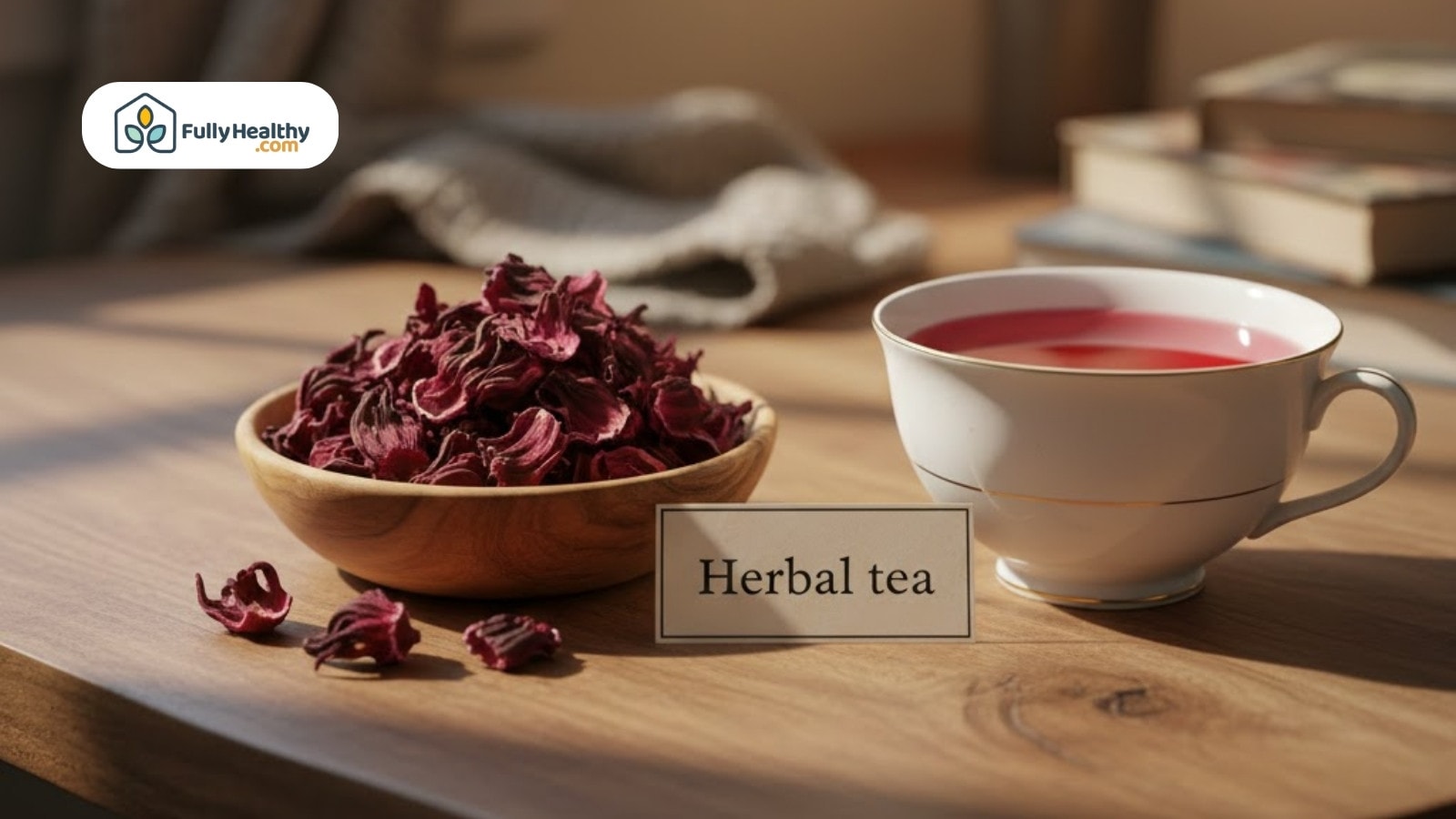
A lot of people think that hibiscus tea works like green tea or other caffeinated beverages because it looks strong and bright. Hibiscus is not what it seems to be. This part talks about what hibiscus tea is, where it comes from, and why it's thought to be a caffeine-free herbal tea that is easy to use every day.
What The Science Says About Hibiscus And Caffeine
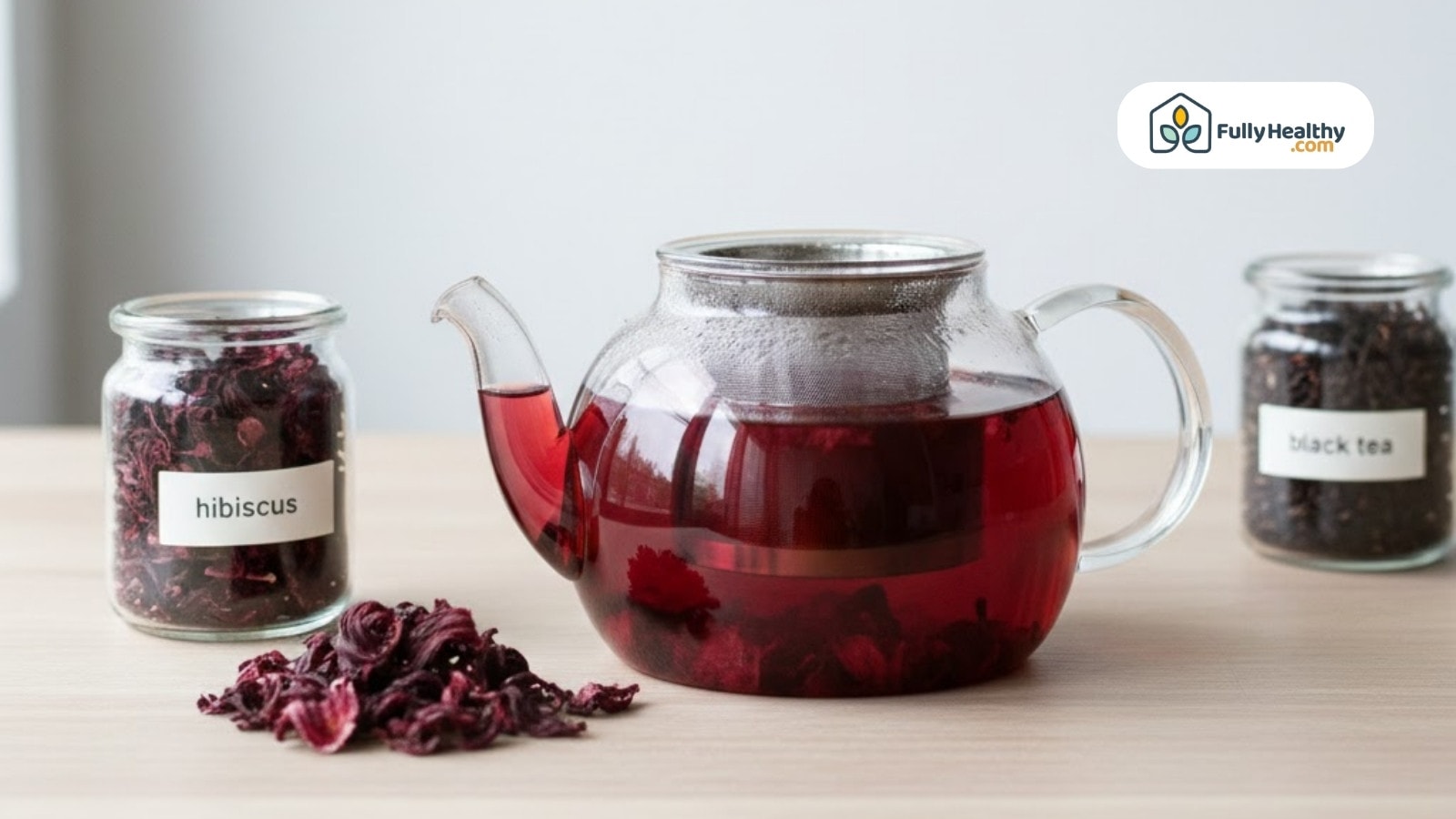
The flowers of the hibiscus sabdariffa species are used to make hibiscus tea. Since it's not made from tea leaves, it doesn't have any caffeine and doesn't work like coffee or green tea.
• Plant source: Made from dried hibiscus flowers and hibiscus petals, not Camellia sinensis leaves.
• Tea type: Classified as a herbal infusion or free herbal tea, not a true tea.
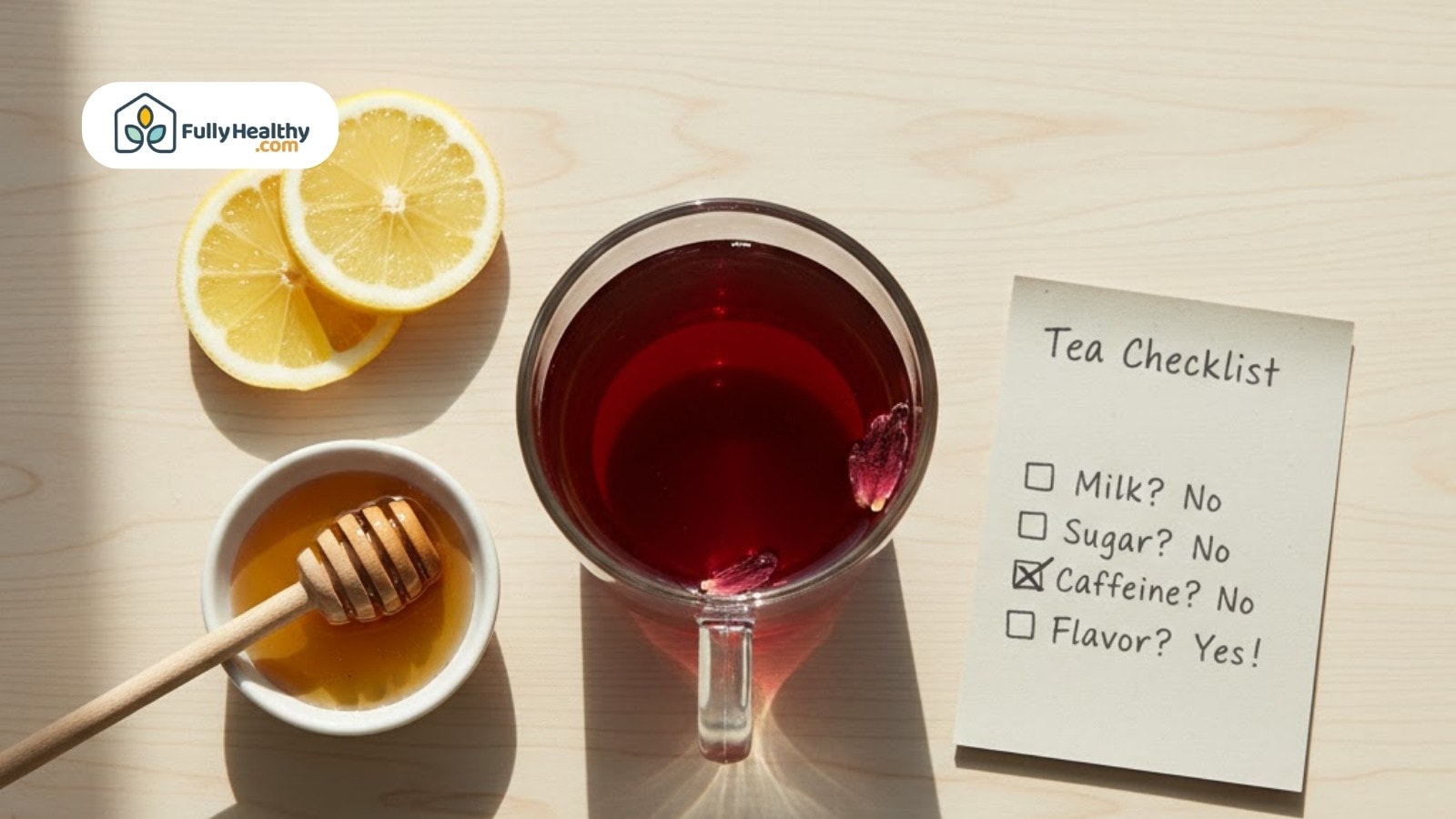
• Caffeine content: Completely caffeine free, even when brewed strong with boiling water.
Why People Ask If Hibiscus Has Caffeine
Hibiscus tea is often hard to tell apart because of how it looks and tastes. Many people think of cranberry juice or strong hot tea when they taste its deep red color and tart flavor.
• Color appearance: Brews into a deep red drink that looks bold and powerful.
• Taste profile: A sour tea flavor that feels sharp and refreshing.
• Common use: Served hot cup style, hot tea, or chilled as iced tea in tea blends.
Does Hibiscus Make You Awake?
Hibiscus tea does not contain caffeine, so it does not make you feel more alert like coffee does. Some people still feel better after drinking hibiscus tea, though, because it hydrates them and has natural plant compounds that make them feel better.
How Hibiscus Affects Energy Levels Without Caffeine
Hibiscus tea might make you feel energized without giving you the shakes. This effect comes from hydration, antioxidant properties, and vitamin C content that supports human health benefits.
• Hydration support: Helps replace sugary drinks and supports daily fluid intake.
• Antioxidant action: Helps reduce harmful free radicals in the body.
• Nutrient content: Contains vitamin c and plant compounds linked to potential health benefits.
Best Time To Drink Hibiscus Tea For Sleep Or Focus
Since hibiscus is naturally caffeine free, it is often enjoyed later in the day. Many people choose it as a calming herbal tea instead of coffee or green tea.
• Evening friendly: Suitable before bed for many healthy adults.
• Flexible brewing: Can be prepared using boiling water or cold water.
• Serving options: Enjoyed as hot tea or refreshing iced tea.
Is Hibiscus Tea Safe During Pregnancy?
Hibiscus tea is good for you, but not everyone should drink it. Because concentrated plant compounds can hurt the body, some people should be careful, especially women who are pregnant.
What Medical Sources Say About Hibiscus And Pregnancy
Hormones may be affected by hibiscus extract, according to animal and human studies. Because of this, many medical sources say that pregnant women shouldn't drink hibiscus tea.
• Hormonal concerns: Compounds from the hibiscus plant may affect estrogen activity.
• Limited research: Safety data during pregnancy is not well established.
• Medical advice: Pregnant individuals should consult a healthcare professional first.
Who Should Avoid Hibiscus Tea Or Use Caution
Tea with hibiscus may have an effect on blood pressure, especially in people who are taking medicine or care for their heart.
• Blood pressure effects: Hibiscus tea may help lower blood pressure and diastolic blood pressure.
• Medication interactions: Can interact with drugs used for high blood pressure.
• General caution: Some individuals may need to avoid hibiscus tea based on medical advice.
What Happens If I Take Hibiscus Tea Every Day?
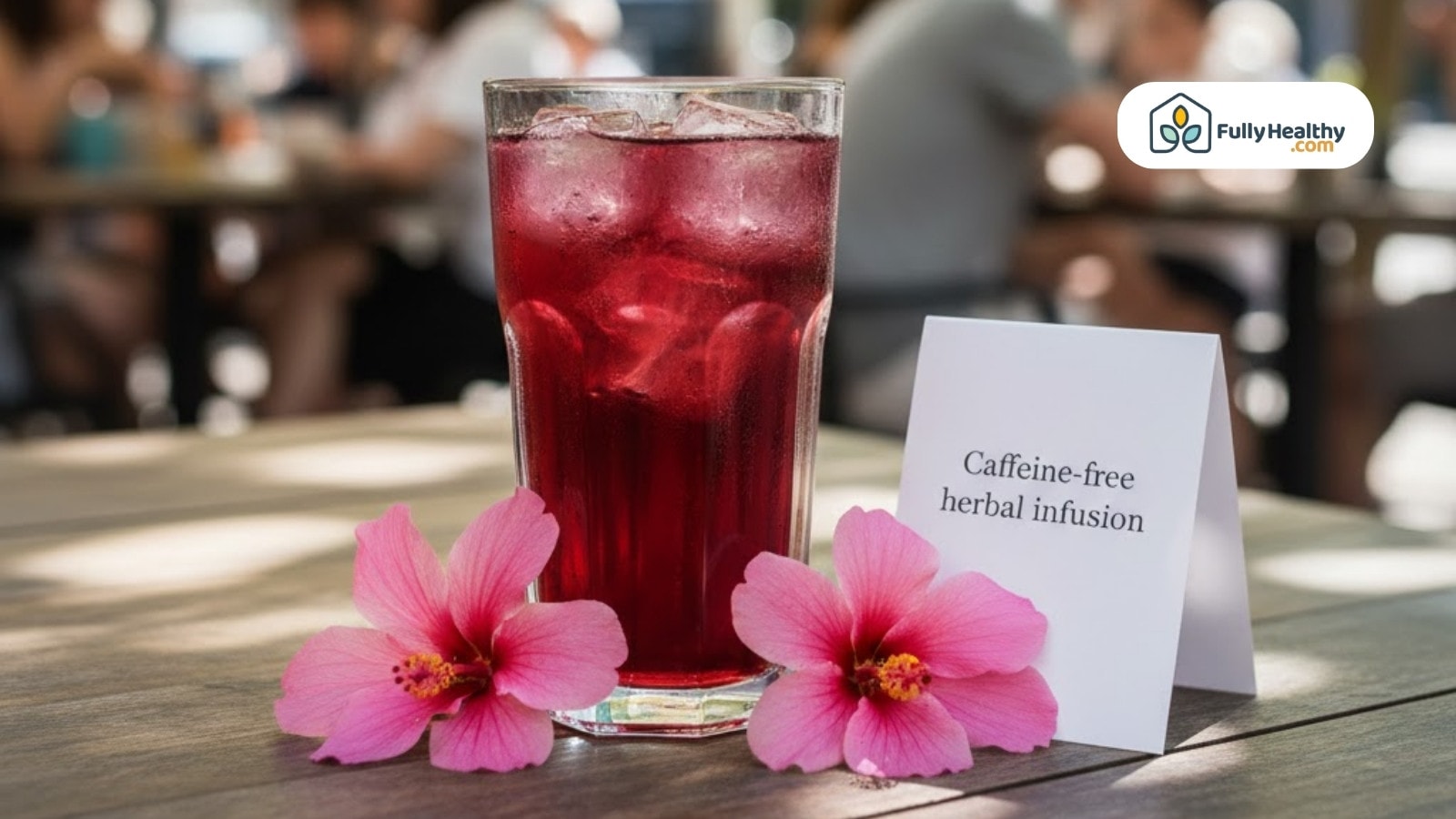
Many people drink hibiscus tea daily for its healthful qualities and bold taste. Hibiscus tea has natural plant compounds that may be good for your heart, physiological effects, and have other health benefits, according to research. Even though it is generally safe for most people, you should still use it every day based on evidence and your own health needs.
Potential Benefits Of Daily Hibiscus Tea Consumption
Studies suggest the health benefits of hibiscus are most noticeable with regular intake. Several clinical trials and a systematic review have examined how hibiscus affects the cardiovascular system, especially in mildly hypertensive adults.
• Blood pressure support: Clinical trials show a significant drop in systolic and diastolic blood in mildly hypertensive adults.
• Heart health focus: Nutrition reviews link hibiscus tea benefits to improved circulation and reduced strain on the heart.
• Protective compounds: Antibacterial properties hibiscus tea compounds help defend against daily environmental stressors.
Possible Side Effects And Safety Considerations
Hibiscus tea is generally safe, but some people may not be able to drink it every day. Some medicines and health problems need extra care and medical advice.
• Medication interactions: May affect antihypertensive drugs and other certain medications.
• Liver concerns: High doses of hibiscus extract have been associated with liver damage in rare cases.
• Medical guidance: Always consult a healthcare provider if you have existing conditions or concerns.
How FullyHealthy Helps You Choose Caffeine-Free Herbal Teas
It can be hard to pick the right herbal tea, especially when there are so many loose leaf products from other plants to choose from. FullyHealthy makes this easier by providing clearly marked, caffeine-free choices that are based on tradition and uphold modern quality standards.
Caffeine-Free Tea Options Available At FullyHealthy
FullyHealthy focuses on clean ingredients and clear nutrition information while making herbal teas that have been used for a long time and have been influenced by sudanese folk medicine.
• Product variety: Teas include blends with dried petals, rose hips, and rose petals for flavor and balance.
• Ingredient clarity: Listings clearly state when hibiscus tea contains loose leaf or dried petals.
• Diet-focused sourcing: Designed for people who value health benefits of hibiscus and simple formulations.
Featured FullyHealthy Herbal Teas For Daily Use
These caffeine-free options are easy to fit into daily life and can help with mindful wellness if they are made correctly.
• Traditional Medicinals Organic Hibiscus Tea: Made with dried petals and known for its antioxidant and antibacterial properties hibiscus tea is valued for.
• Traditional Medicinals Organic Dandelion Leaf & Root Tea: A caffeine-free option often used alongside hibiscus in wellness routines.
• Traditional Medicinals Organic Ginger Tea: A warming herbal tea commonly paired with hibiscus blends for digestion support.
Final Thoughts
A lot of people like hibiscus tea because it tastes and looks bold and has a history that goes back to West Africa. An easy way to make it is to add hot water or filtered water and then pour boiling water over the flowers to bring out the flavor.
A thorough study suggests that hibiscus tea may help with weight loss and overall health, but it also points out some risks that may apply to some people. Many of the benefits look good, but more research is still needed to fully understand how they will affect people in the long term.
Hibiscus tea is a good addition to the daily routines of most healthy adults, but it's important to drink it in moderation. Before using it regularly, you should always think about how to prepare it, how good it is, and your own health needs, especially if you already have conditions or concerns.
FAQs
How should I prepare hibiscus tea properly?
Use filtered water or hot water and pour boiling water over the tea for best results and flavor.
Is hibiscus tea linked to weight loss?
Some studies mention weight loss benefits, but a comprehensive review says more research is needed.
Are there potential risks when drinking hibiscus tea?
Yes, potential risks exist for people with certain conditions or sensitivities.
What does research say about hibiscus tea overall?
A comprehensive review suggests benefits, but also calls for more research.
Where did hibiscus tea originate?
Hibiscus tea has roots in west africa and is still widely consumed today.
Leave a comment