
Does Vegan Mean Dairy Free? Your Smarter Shopping Guide
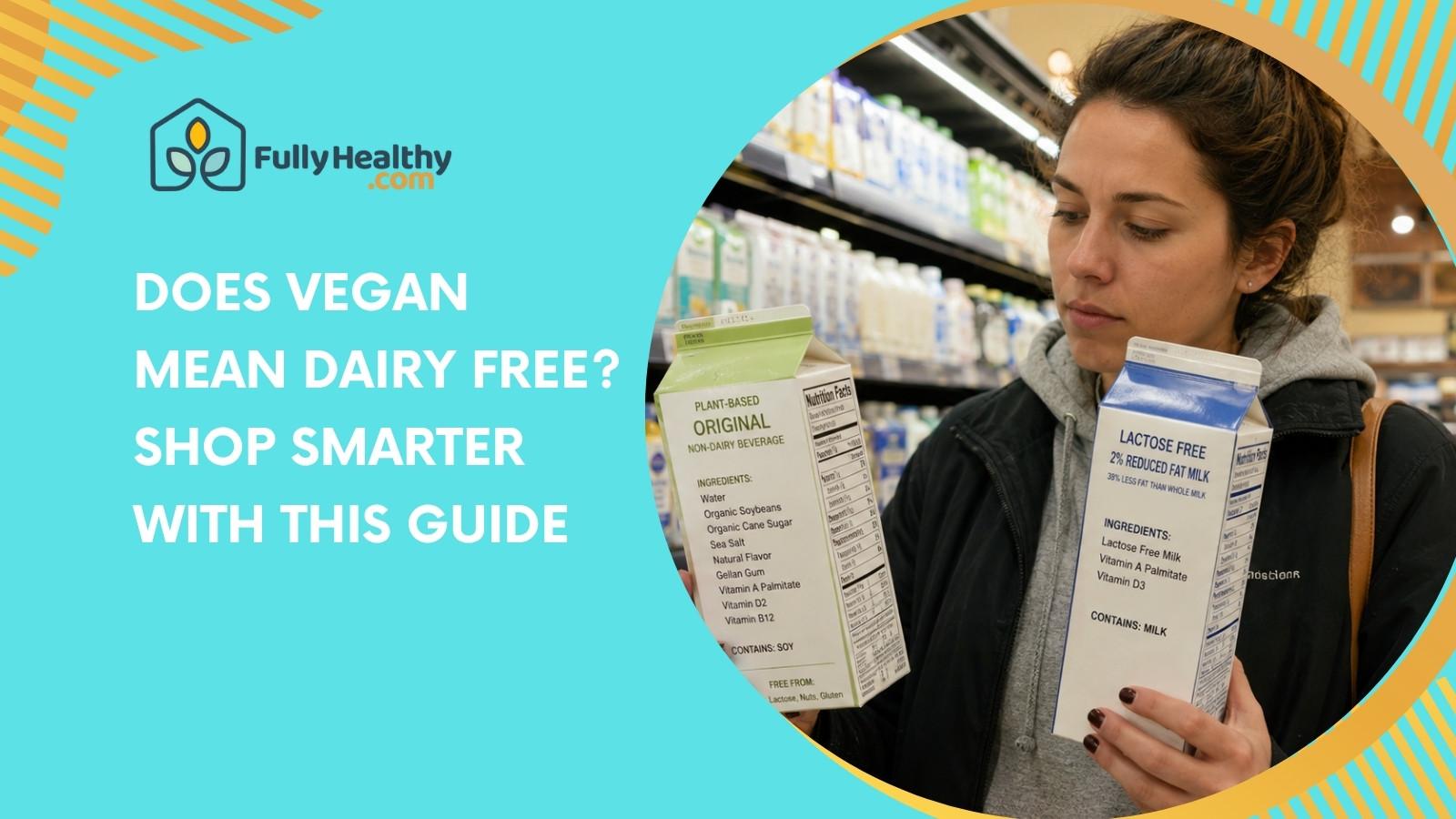
Does vegan mean dairy free? In most cases, yes. Vegan foods do not contain milk, cheese, butter, whey, casein, or other animal-based dairy ingredients. However, a vegan label does not always mean the product is safe for a milk allergy.
Some foods are made on shared equipment and may contain small traces of milk. This article explains the key differences between vegan, dairy-free, and lactose-free labels, so you can shop with more confidence and avoid common mistakes at the store.
Does Vegan Mean Dairy Free?
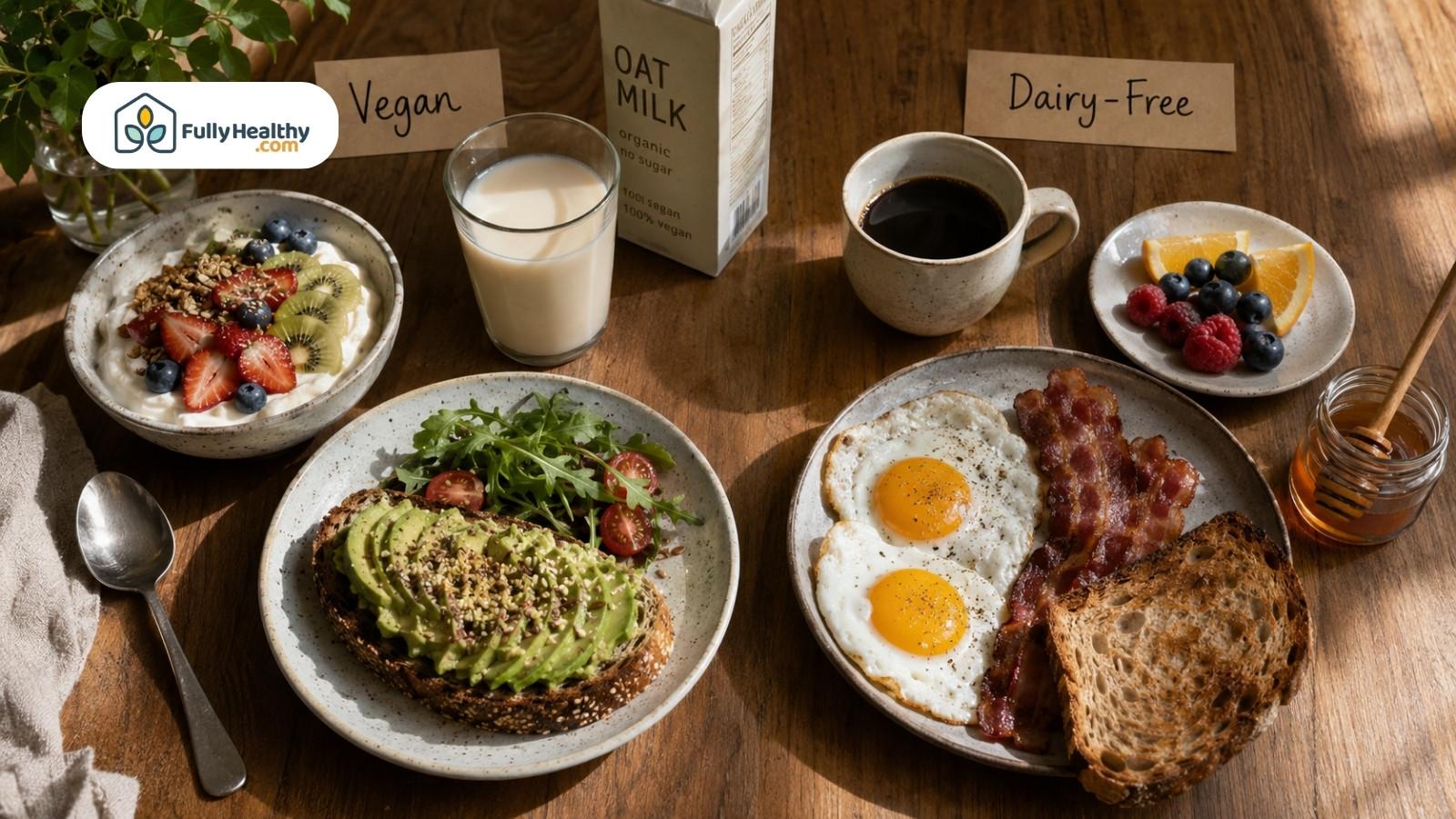
A vegan diet avoids dairy products. Vegan and dairy free foods do not contain milk, cheese, butter, whey, or casein. Shared equipment may leave milk traces, so labels matter.
Does Vegan Mean Dairy Free on Every Food Label?
A vegan diet excludes animal products and other animal derived ingredients. Vegan products should not contain intentional animal ingredients, but a vegan label does not guarantee allergy safety.
-
Vegan meaning: Vegan food avoids animal derived products and supports animal welfare.
-
Dairy-free meaning: A dairy free diet removes milk products.
-
Certification: A certified vegan mark supports the vegan claim, but it may not mean the product comes from an allergen-free facility.
Why Can Lactose-Free Food Still Contain Dairy?
Lactose intolerance makes lactose, the sugar in milk, hard to digest. Lactose free products may contain milk proteins, so they are not always vegan or allergy-safe.
-
Dairy remains: Lactose-free milk is still dairy because only the lactose is removed or broken down.
-
Plant options: Oat, soy, rice, and coconut drinks can be plant based drinks without animal ingredients.
-
Label check: Many vegan foods are inherently dairy free, but shoppers should read the ingredients and allergy warning.
How Can Something Be Vegan but Not Dairy Free?
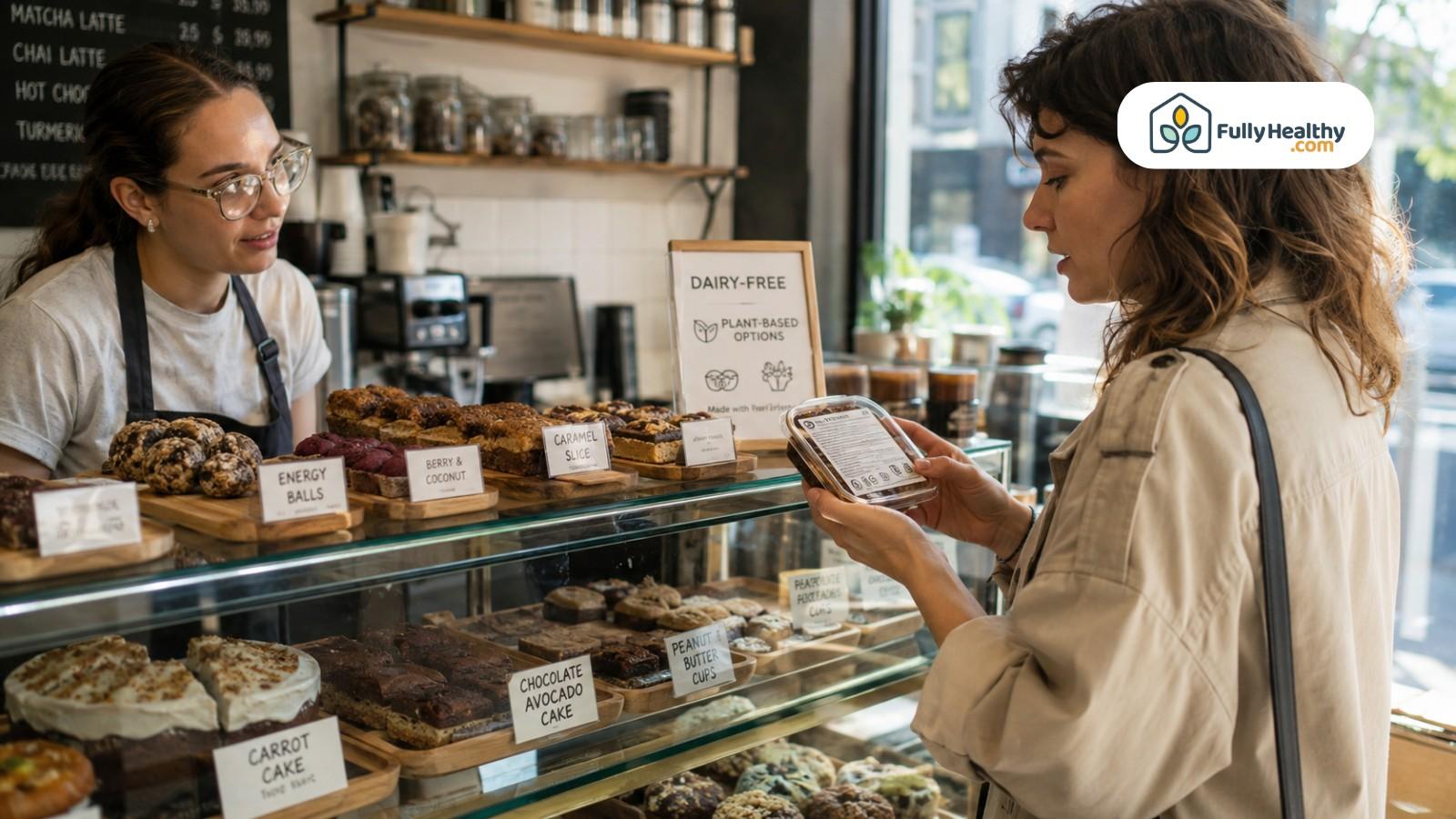
A vegan recipe may still have a “may contain milk” warning. Cross contamination, or allergen cross-contact, can happen. This matters when avoiding dairy for allergies, personal health, or health reasons.
Why Can a Vegan Label Still Say “May Contain Milk”?
Factories may use shared tools or production lines for vegan products and dairy foods. Milk traces can transfer even when dairy is not in recipes.
-
Shared equipment: Vegan food may be made near cheese, milk chocolate, or dairy products.
-
Warning meaning: “May contain milk” points to possible traces, not an intentional dairy ingredient.
-
Allergy safety: People with milk allergies should not rely on a vegan claim alone.
What Did Testing Reveal About Hidden Milk in Vegan Products?
A German test cited by R-Biopharm found milk protein in 7 of 30 vegan foods. This sample is limited, but it shows why allergy warnings matter.
-
Possible causes: Shared equipment, poor cleaning, or storage problems may introduce milk traces.
-
Limited result: The findings do not prove that all vegan foods contain hidden dairy.
-
Safer choice: Check the package and contact the manufacturer when allergen controls are unclear.
Do Vegans Eat Milk or Cheese?
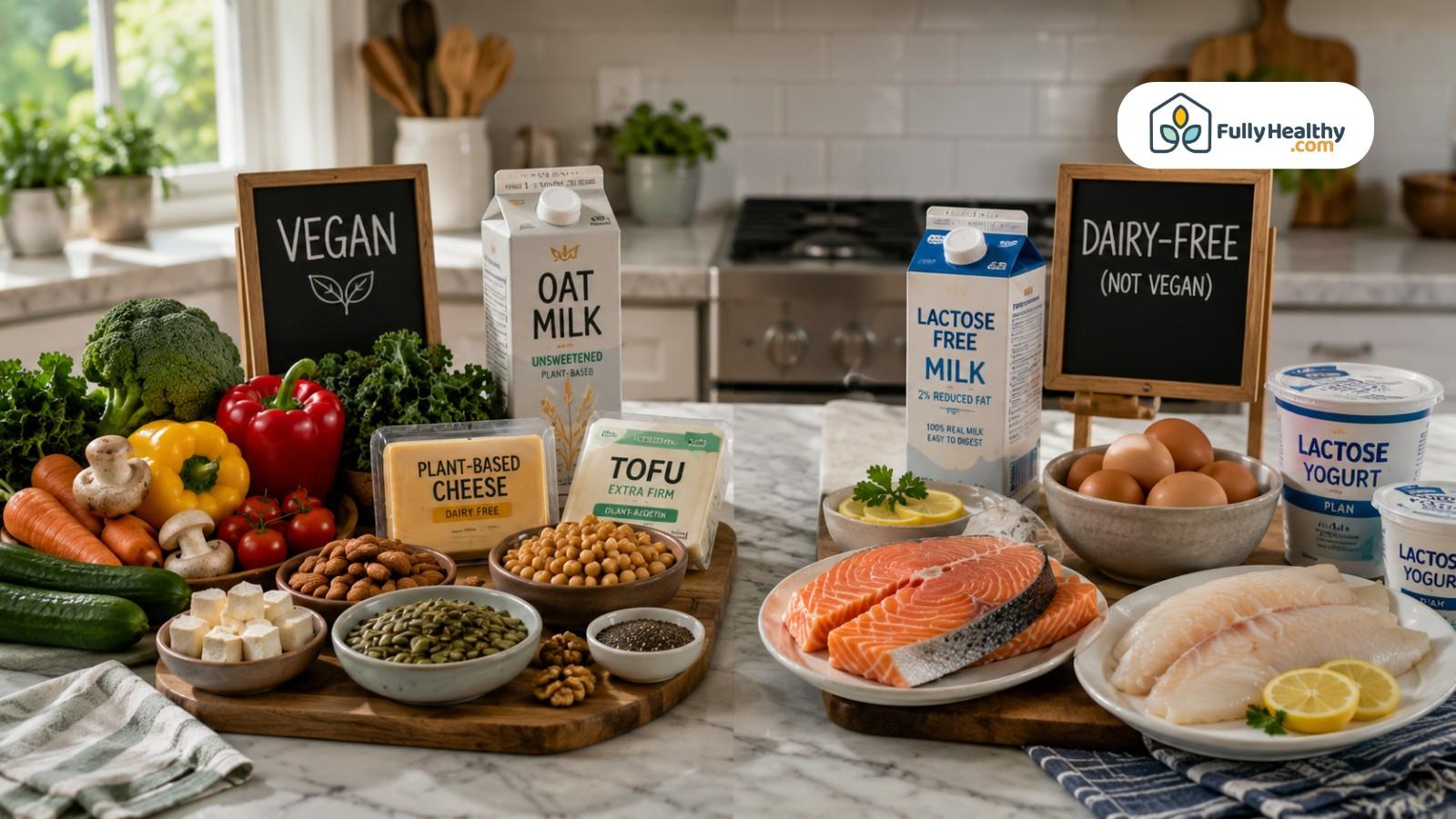
Vegans avoid milk, cheese, yogurt, butter, cream, and other animal products. Plant based diets use oat, soy, nut, pea, rice, or coconut alternatives. These dietary choices may reflect lifestyle choices, ethical concerns, dietary preferences, or personal needs.
Which Dairy Ingredients Do Vegans Avoid Beyond Milk and Cheese?
Dairy may appear in bread, sauces, soups, snacks, chocolate, and protein powders. Vegans check for whey, casein, caseinate, milk solids, curds, ghee, and buttermilk.
-
Hidden sources: Baked goods, seasoning mixes, and instant potatoes may contain dairy.
-
Shopping choice: Choose dairy free products or vegan products with clear ingredient lists.
-
Dietary needs: Check whether products are gluten free when this is part of your diet.
How Is Vegan Eating Different From Vegetarian Eating?
Vegetarians avoid meat and fish, but some eat dairy, eggs, or both. Vegans avoid animal products, animal derived products, and other animal derived ingredients.
-
Lacto-vegetarian: Eats dairy but avoids meat, fish, and eggs.
-
Lacto-ovo vegetarian: Eats dairy and eggs but avoids meat and fish.
-
Vegan approach: Avoids milk products, eggs, meat, fish, gelatin, and animal ingredients.
-
Health context: A balanced vegan diet may offer health benefits, improved digestion, and a lower risk of some conditions, but any reduced risk depends on food quality and lifestyle choices.
Is Vegan Safe for Dairy Allergies?
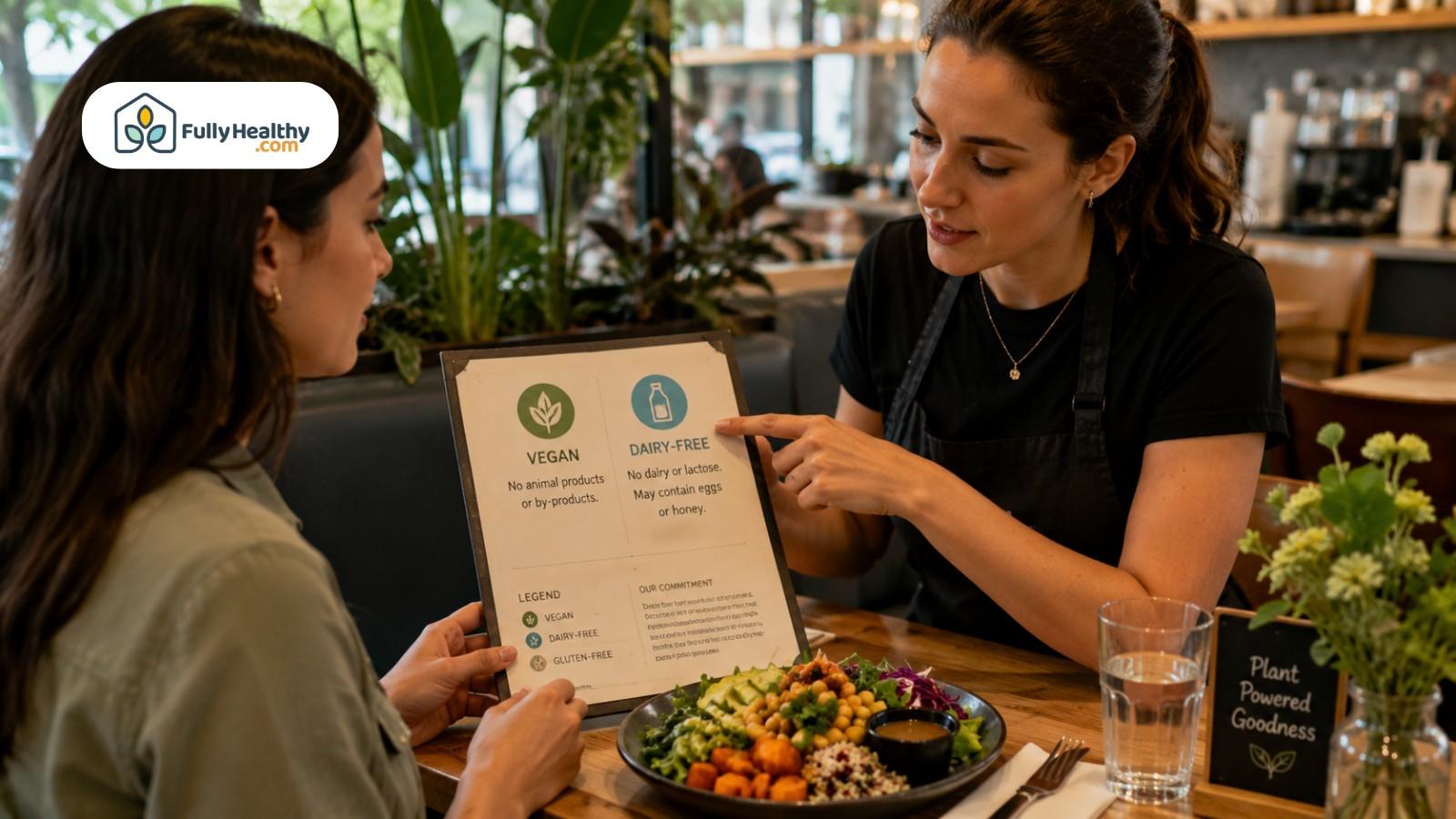
A vegan label can help shoppers avoid milk ingredients, but it does not always make a product safe for a dairy allergy. Cross-contact may happen when vegan food is made on shared equipment with dairy items. People with allergies should read labels and follow medical advice.
Why Is a Vegan Claim Not an Allergy-Safety Guarantee?
Veganism avoids animal ingredients for ethical reasons, beliefs, or health goals. A vegan claim focuses on the recipe, not the factory setup. A label may show that a product meets vegan standards, but it cannot confirm that no milk traces are present.
-
Milk proteins: Casein and whey can cause reactions, even in small amounts.
-
Shared equipment: Machines may process milk, cheese, or butter before making vegan food.
-
Safer action: Check allergen warnings and contact the manufacturer when the label is unclear.
What Should Shoppers With Milk Allergies Check Before Buying?
Reading food labels is essential for anyone with a milk allergy. Ingredients and factory practices can change, so check the package every time. Do not assume that plant-based, gluten-free, or healthy means milk-free.
-
Ingredient list: Look for milk, whey, casein, butter, cream, ghee, and cheese powder.
-
Allergen statement: Check for “contains milk,” “may contain milk,” and shared-equipment warnings.
-
Medical plan: Carry prescribed medicine and follow your doctor’s emergency instructions.
How Can FullyHealthy Help With Vegan and Dairy-Free Shopping?
FullyHealthy offers specialty foods for a growing number of shoppers with dietary needs. Its filters can help users find vegan, gluten-free, Paleo, and other options. Still, shoppers should review each product page before deciding whether an item is suitable.
How Can FullyHealthy’s Dietary Filters Make Shopping Easier?
Diet filters save time by removing products that do not match your needs. They help people compare foods made with vegetables, fruits, grains, nuts, and other plant ingredients. Good nutrition depends on variety, balance, and label reading.
-
Diet filters: Narrow results by vegan, gluten-free, Paleo, Keto, or Low-FODMAP needs.
-
Personal choices: Use filters for health goals, allergies, or ethical reasons.
-
Final check: Confirm ingredients, allergens, and package details before ordering.
Which FullyHealthy Vegan Products Can Readers Consider?
FullyHealthy lists three pantry products from the links. These options offer convenience, flavor, or sweetness without dairy ingredients. Always review the label for wheat, soy, nuts, honey, or other allergens.
-
Wild Zora Soup: A vegan enchilada noodle soup made with sweet potato noodles.
-
The Wizard’s Worcestershire: A vegan sauce made without anchovies and with soy tamari.
-
Enjoy Life Chocolate Chips: Dairy-free, vegan-friendly chips for cookies, muffins, and desserts.
-
Balanced eating: Pair packaged foods with vegetables, fruits, grains, and nuts. A healthy diet may support a lower risk of certain cancers, but no single food can prevent disease.
Final Thoughts
Choosing vegan food is a useful way to avoid dairy ingredients, but labels still need careful attention. A vegan product should not contain milk, cheese, butter, whey, or casein. However, shared equipment may leave small milk traces, which can matter for people with allergies.
Dairy-free and lactose-free also mean different things, so shoppers should read the full ingredient list and allergen statement. People with severe milk allergies should contact the manufacturer when details are unclear and follow medical advice.
FullyHealthy can make shopping easier by offering dietary filters and specialty products, but the current package should always guide the final choice. Careful label reading can protect your health, support your needs, and help you choose food with confidence every day.
FAQs
Is All Vegan Food Free From Milk?
Vegan recipes exclude milk ingredients, but cross-contact may leave small traces of milk.
Is Dairy-Free Food Always Vegan?
No, dairy-free food may still contain eggs, honey, gelatin, or other animal ingredients.
Can Someone With a Milk Allergy Eat Vegan Products?
Not always, because vegan products may be made on equipment that also processes milk.
Is Lactose-Free Milk Suitable for Vegans?
No, lactose-free milk still comes from animals and contains dairy proteins.
How Can Shoppers Protect Themselves From Hidden Dairy?
They should read ingredient lists, check allergen warnings, and contact manufacturers when labels are unclear.
Leave a comment