

How Long Can Steak Stay in the Fridge? Food Safety Facts You Need to Know
Want to know how long steak can stay in the fridge before it goes bad? It's easy to answer: raw steak stays good for three to five days, and cooked steak stays good for three to four days if kept at or below 40°F (4°C). This information helps you always eat fresh, safe, and tasty meat. We'll talk about how to store your favorite cut, tell if it's going bad, and get the most out of it.
Featured Snack Pick
Epic // Smoked Maple Bacon Bar - 1.5 oz
Loading...
How Long Can Steak Stay in the Fridge?
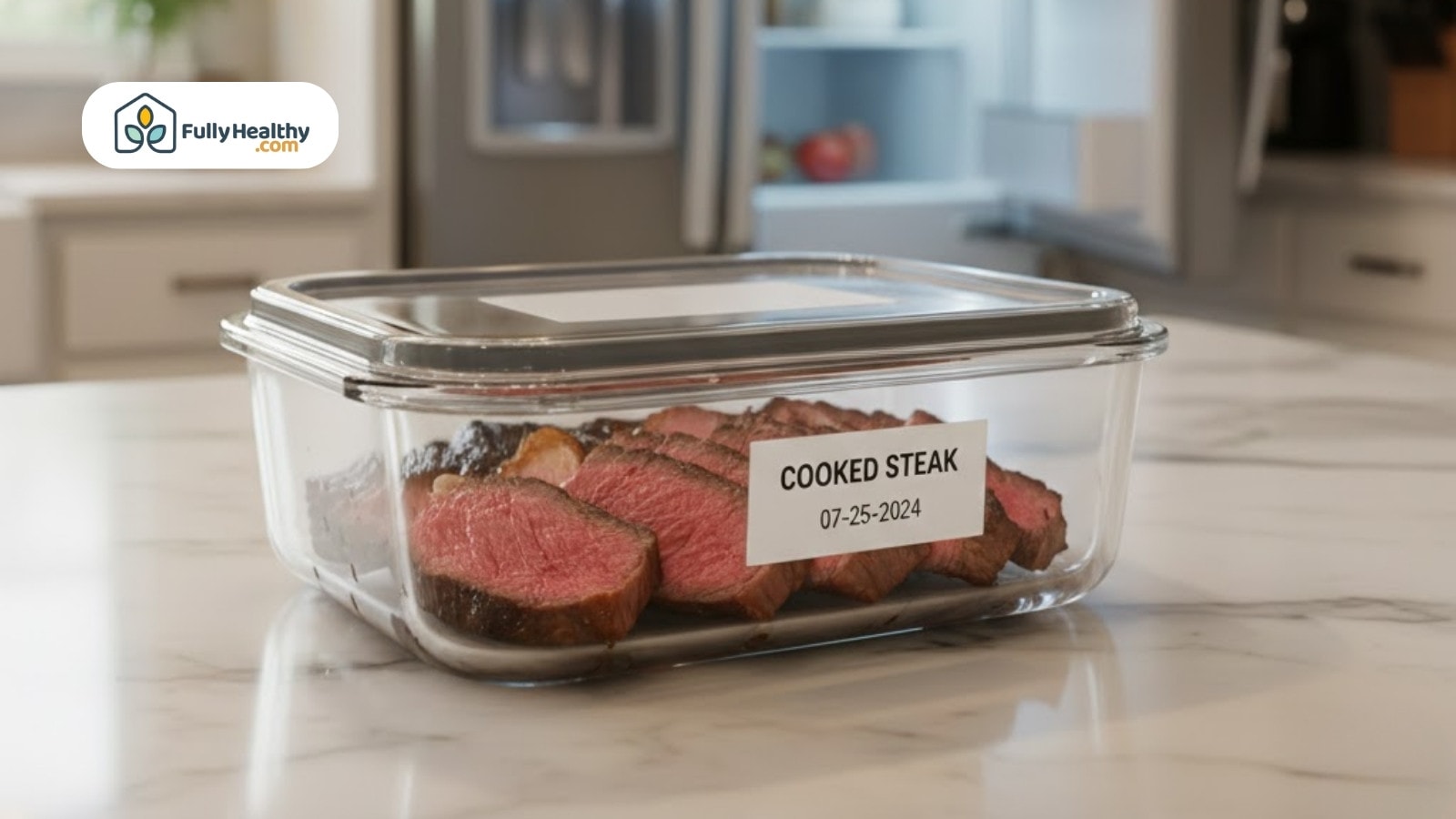
If you know how long steak can stay in the fridge, you can always eat fresh, safe food. It takes 3 to 5 days for raw meat, like fresh steak, to go bad. If you keep cooked steak below 40°F (4°C), it will last three to four days. It may not be safe to eat after that point, even if it smells fine. Bacteria will start to grow.
Raw, Cooked, and Marinated Steak Storage Times
You can tell how long meat stays fresh by how you store it. To stay safe, both raw meat and steak that has been marinated need to be kept cool and wrapped in a way that keeps air out. If you want to keep cooked steak fresh, put it in the fridge as soon as it cools down. If you freeze steak properly, it can last for months.
-
Raw steak: Keep in the fridge for 3–5 days or freeze for a longer shelf life.
-
Cooked steak: Store for 3–4 days in an airtight container to prevent odor transfer.
-
Marinated steak: Best used within 2–3 days; if not cooked immediately, freeze it.
-
Frozen steak: Wrap with plastic wrap or butcher paper, then seal tightly to prevent freezer burn.
Storage Techniques That Keep Steak Fresher Longer
Make sure you store your packed meat the right way to keep it fresh. Always check the date to see if it's past its expiration date, and vacuum-packed meat stays fresh longer. Don't let steak or ground beef sit out at room temperature for too long, and don't freeze meat that has been out for too long.
-
Vacuum packed meat: Offers a longer shelf life by limiting air exposure and slowing bacterial growth.
-
Plastic wrap or butcher paper: Helps maintain moisture and prevent dryness.
-
Paper towels: Pat steak dry before wrapping to prevent spoilage from excess moisture.
-
Airtight container: Keeps out harmful bacteria and helps steak stay fresh longer.
Can You Eat Steak After 7 Days in the Fridge?
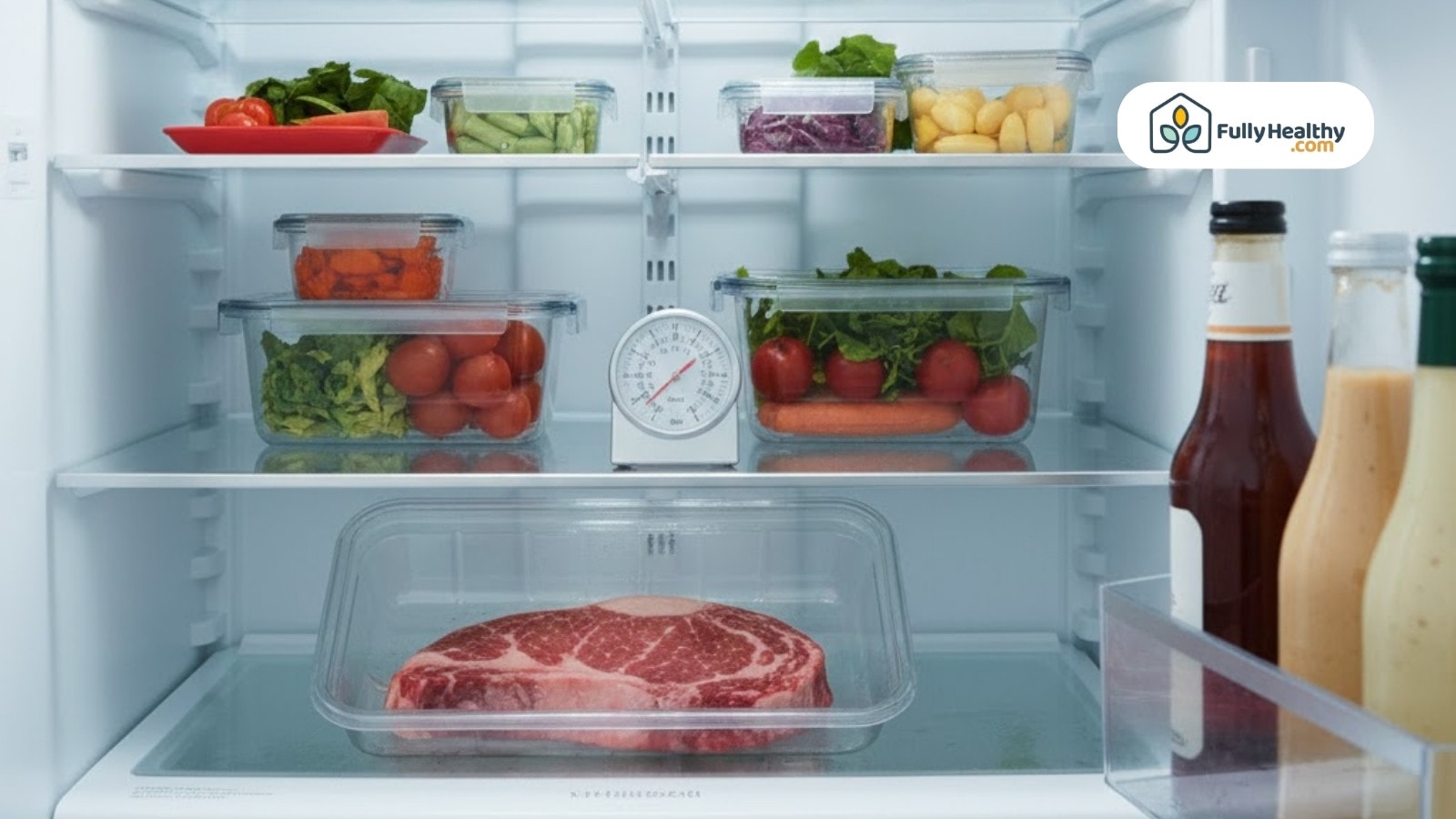
You might want to keep a long steak in the fridge for a few weeks, but just because it smells good doesn't mean it's safe. Bacteria can grow quickly and make you sick after about 5 days. If it's been longer than that, you should throw it away for safety reasons.
Why Seven Days Is Too Long
A lot of raw meat goes bad faster than you think. Steak can get bacteria that make it unsafe even if it is safely stored. The risk is not worth it.
-
Long storage: After 7 days, bacterial growth makes the steak unsafe to eat.
-
Smells fine but unsafe: A clean smell doesn’t always mean it’s still good.
-
Food poisoning risk: Eating bad steak can make you sick, even after cooking.
-
Better option: Freeze the steak before its expiration date to prevent bacterial growth.
Understanding Sell-By, Use-By, and Best-By Dates
A lot of people get the dates on packaged meat mixed up. Stores use the sell-by date to keep track of their stock, but the use-by date is more important for safety. Always cook or freeze meat ahead of time.
-
Sell-by date: The last day stores can display the product for sale.
-
Use-by date: The deadline for cooking or freezing the steak safely.
-
Best-by date: Tells you when the meat is at peak quality, not safety.
-
When unsure: If it looks odd or has signs of spoilage, throw it away.
How Long Can You Age Raw Steak in the Fridge?
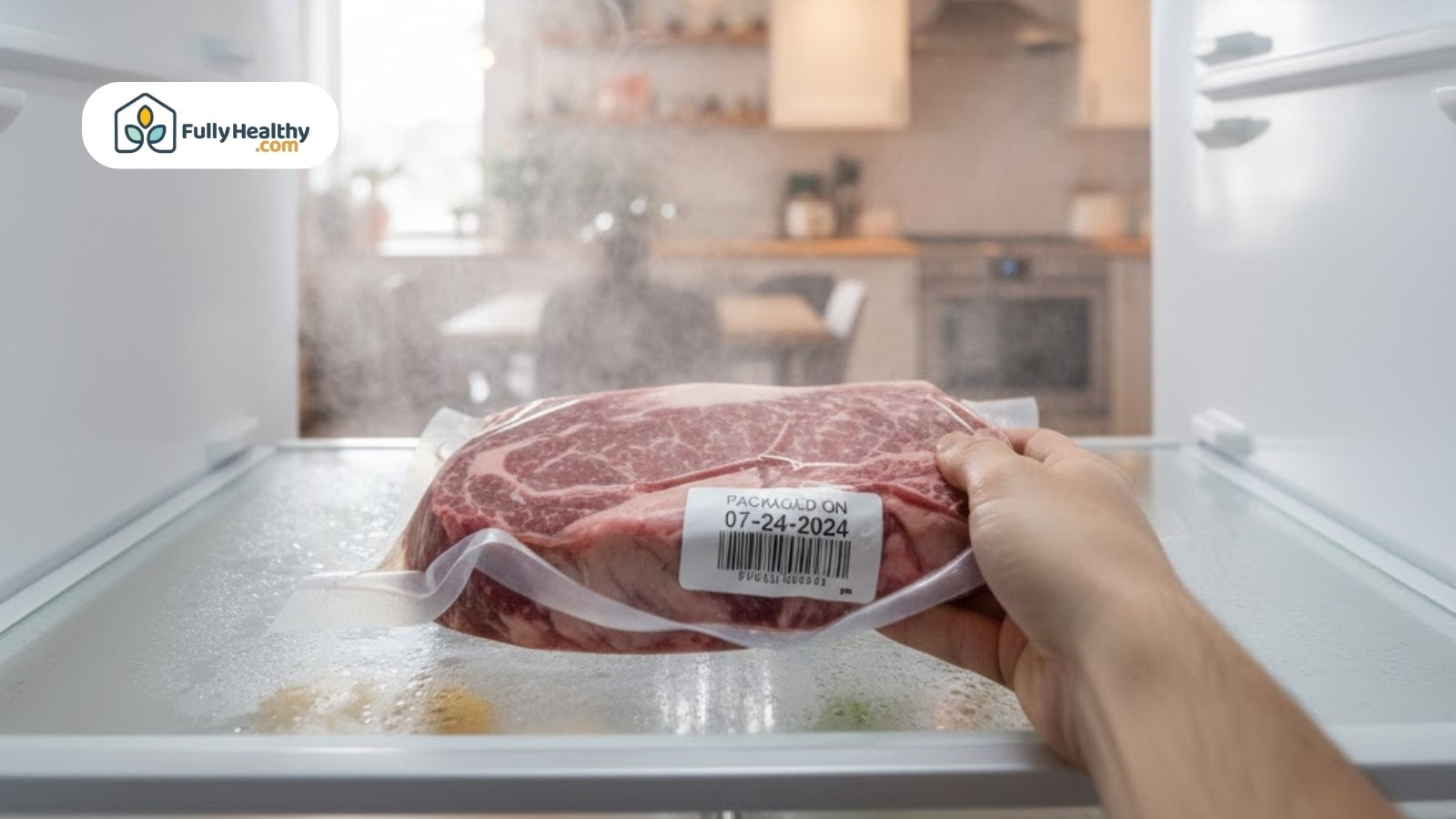
It's important to be careful when dry aging steak because it brings out deep, rich flavors. It's not the same as just putting meat in the fridge. For dry aging to work right, the temperature must be low, the humidity must stay stable, and the airflow must be controlled.
Recommended Dry-Aging Timeframes and Flavor Profiles
Dry aging is an art that makes things taste and feel better. The more flavorful meat gets, the longer it can age in a safe place.
-
Short aging: 28–35 days adds mild, savory flavor with tender texture.
-
Long aging: 45–75 days creates a stronger, nutty, almost “blue cheese” flavor.
-
Moisture loss: Expect 15–25% weight loss as flavor concentrates.
-
Poor setup: Without good airflow and UV protection, meat can spoil quickly.
Equipment and Conditions for Safe Aging
For dry aging, you need a special fridge or locker to keep the levels of air and moisture in check. If you use the wrong setup, you might get bad bacteria instead of flavor.
-
Temperature: Maintain 34–38°F to safely age meat.
-
Airflow: Prevents mold growth and helps steak age evenly.
-
Packaging: Avoid original packaging or plastic wrap; use open racks instead.
-
Freezing after aging: Use vacuum sealed bags to protect from freezer burn and extend shelf life.
How to Tell If Steak Has Gone Bad?
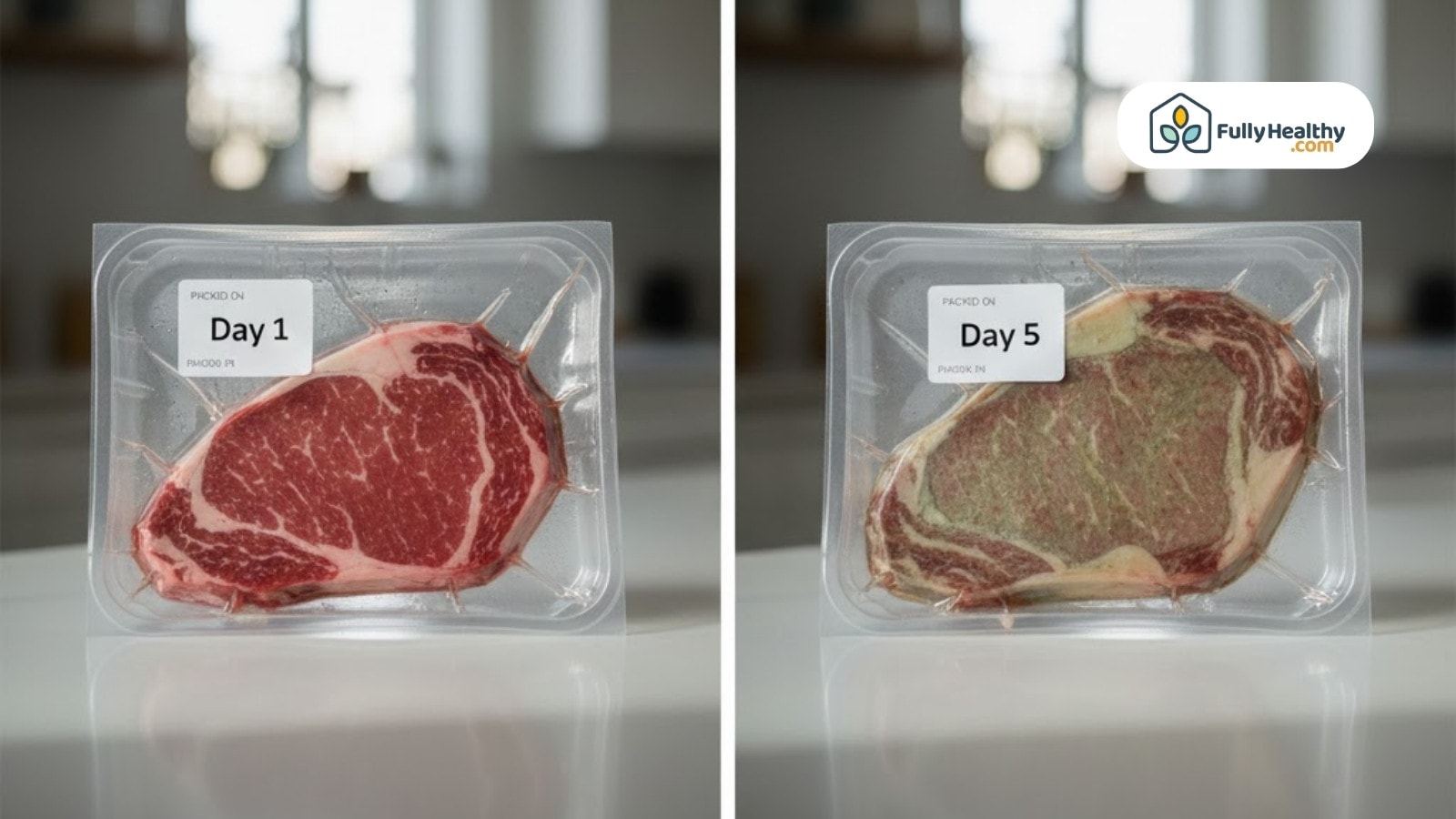
If you put steak in the fridge the right way, it can still go bad if you leave it out for too long. A lot of the time, the first signs of spoilage are smell, color, or texture changes that show up quickly. If you see these signs early, you can keep your meals safe to eat and avoid getting sick from them.
Smell, Color, and Texture Indicators
A new steak should be bright red and firm to the touch. The surface and smell of the steak change noticeably when bacteria start to grow. Before cooking, you should always check your meat, especially if you bought it frozen or kept it for more than two weeks.
-
Unpleasant smell: A sour or ammonia-like odor is the clearest sign of spoilage.
-
Slimy texture: If the juices feel sticky, greasy, or tacky, bacteria have started to multiply.
-
Odd color: Gray, green, or brown tones mean the steak is no longer fresh.
-
Pooling liquid: Too much liquid in the package can mean the steak has broken down or wasn’t in proper storage.
What to Do When Steak Spoils
Don't risk it if you see even one of these signs. Throw the steak away. This rule also works for chicken, pork, seafood, eggs, and other proteins. If you don't handle spoiled meat properly, it can spread bacteria that is bad for you inside your fridge.
-
Throw it away: Never try to rinse bad meat; it can spread bacteria through the sink or surfaces.
-
Clean the area: Wash all utensils, boards, and counters with hot, soapy water after contact.
-
Avoid mixing foods: Keep spoiled and fresh ingredients apart to prevent contamination.
-
Check packaging: Damaged or leaking marinade or liquid can cause other nearby foods to spoil faster.
Why Shop Steak Snacks at FullyHealthy
FullyHealthy has easy-to-use, high-quality steak snacks for people who love food but want safe, protein-rich options that won't go bad. You can get all the flavor of fresh meat from these products without having to thaw, cook, or store them.
Epic Wagyu Beef Steak Strip – Premium Portable Protein
The Epic Wagyu Beef Steak Strip is made from 100% grass-fed beef, this snack has a light marinade and tender texture. It’s ideal for travel, work, or quick refueling between meals.
-
Rich in flavor: Juicy beef with natural seasonings that preserve its original taste.
-
Easy to store: No refrigerator or thawing required, great for on-the-go eating.
-
Healthy and clean: Free from artificial additives and packed with natural protein.
-
Proper storage: Keep in a cool, dry area to maintain freshness longer.
Nick’s Sticks and Epic Venison Bites – Clean Protein Snacks
Nick’s Sticks and Epic Venison Bites snacks are crafted through a careful grinding process to deliver quality, flavor, and nutrition. Perfect for anyone who enjoys healthy snacking without the worry of spoilage.
-
Nick’s Sticks: Made with grass-fed beef and seasoned naturally, great for keto or low-carb diets.
-
Epic Venison Bites: High in protein and iron, made from lean wild game meat.
-
Long-lasting: Designed for longer shelf life compared to fresh or frozen foods.
-
Ready to eat: No microwave, thawing, or preparation needed, just open and enjoy.
Final Thoughts
To avoid getting food poisoning, you need to know how long steak can stay in the fridge. To keep meat safe, you should always store it the right way, whether it's raw meat, frozen steak, or vacuum-packed meat. Throw away the steak if it smells funny or turns gray. Check the expiration date on everything and keep it in the fridge or freezer to stop bacteria from growing. This includes frozen foods and meat that has been packed. Remember that you can always enjoy food without worrying as long as the steak is fresh and stored safely.
FAQs
How long can steak stay in the fridge before it turns bad?
Usually, raw meat or uncooked steak lasts 3–5 days if stored properly in the refrigerator, while cooked steak lasts about 3–4 days.
Can frozen steak or frozen foods last for two weeks or more?
Yes, when kept in proper storage, frozen steak can last for months, much longer than two weeks, as long as it’s wrapped in butcher paper or sealed to avoid freezer burn.
Why does my steak smell sour even after thawing in the microwave?
A sour smell after thawing means bacterial growth or bad marinade reaction. If it smells bad, throw it away even if the meat juices look normal.
Can ground beef and pork spoil faster than steak or chicken?
Yes. The grinding process in ground beef and pork exposes more surface area, leading to faster spoilage than whole cuts of chicken or steak.
What’s the best way to keep meat safe after cooking or marinating?
Use an airtight container for cooked meat, store seafood, eggs, and pork separately, and refrigerate within 2 hours. Avoid keeping liquid or marinade sitting out, and reheat food in the microwave only once to reduce harmful bacteria.
Leave a comment