

How Do Chickpeas Grow? Grow Garbanzos at Home Easily

Chickpeas grow as bushy plants that do well in warm, sunny weather. They are grown from seeds and take 90 to 120 days to fully grow. Chickpeas are moderately drought-tolerant but require adequate water during flowering and pod-filling stages.
You may be able to grow chickpeas from dried ones, but ensure they are raw and untreated to allow sprouting. We will cover everything from planting and caring for your chickpeas to harvesting them and more in this article.
Featured Pantry Pick
Banza // Spaghetti
Loading...
How Do Chickpeas Grow?
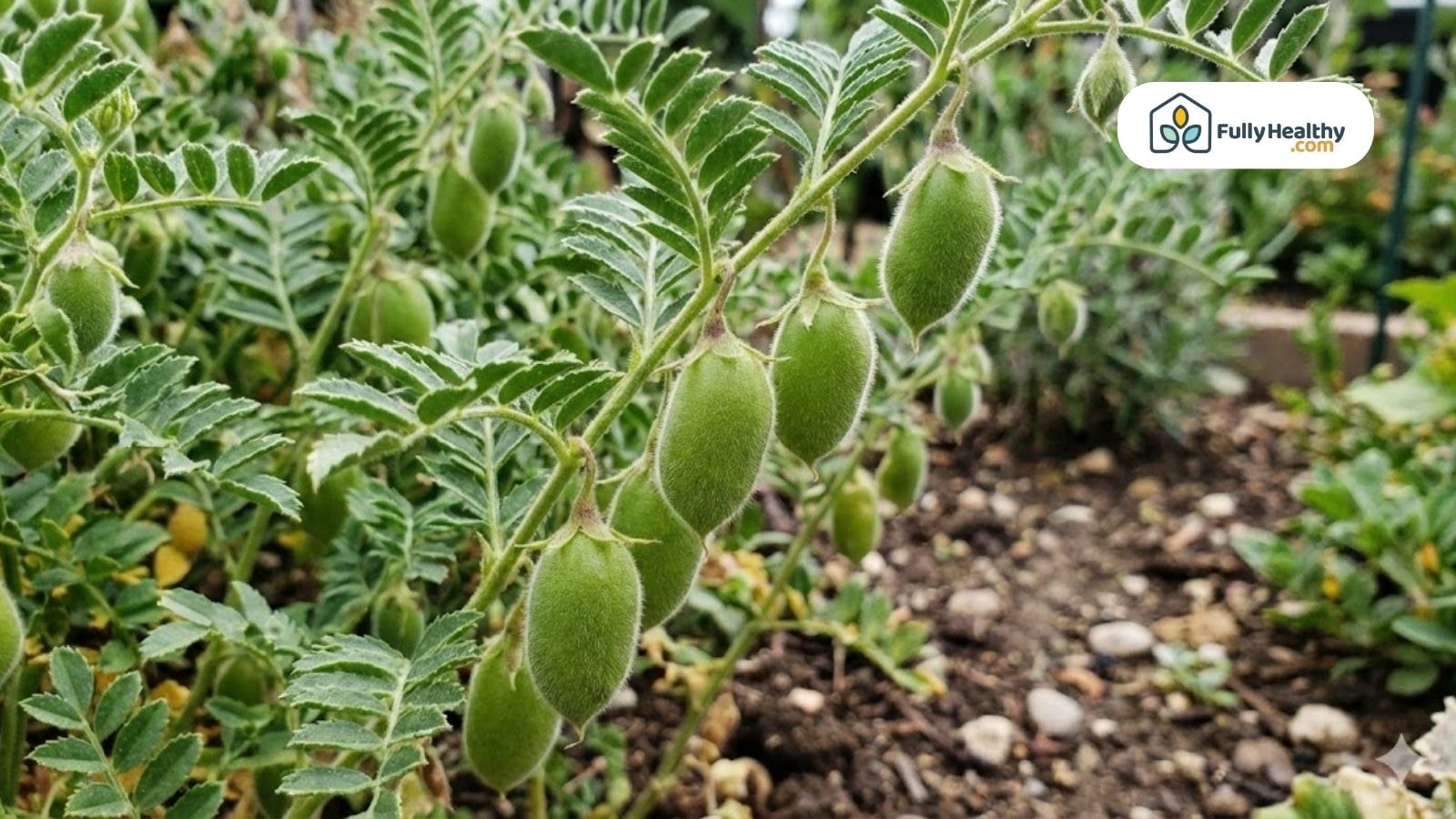
Chickpeas do best where it's warm and sunny and the soil is loose and drains well. These pulse crops, called chickpeas or garbanzo beans, are very healthy. Chickpeas typically are consumed dried; while fresh green pods are edible, they are less commonly used. Gardeners get better results during the growing season when they learn about chickpeas and how they grow.
Ideal Growing Environment And Preparation
Chickpeas grow best in areas with lots of sun and soil that isn't packed down. They can be grown in the ground or in pots. Chickpeas will grow stronger and make more pods if the soil is healthy and warm.
-
Sunlight needed: Every day, at least 6 to 8 hours of direct sunlight.
-
Best soil type: Sandy or loamy soil that is nutrient-rich, doesn't stay wet, and isn't packed down tight.
-
When to plant: One to two weeks before the last frost date in your region.
-
Minimum soil temperature: The best temperature for planting chickpea seeds is 45°F.
-
Fertilizer tip: Use phosphorus-rich fertilizers like bone meal or rock phosphate if phosphorus is deficient.
From Seed To Harvest—Planting, Spacing, And Maintenance
To help dried chickpeas sprout, soak them in a cup of water overnight. Chickpeas should be planted 1.5 to 2 inches deep, and they should have room to grow. You don't need to add support to these plants because they don't climb. If you want green chickpeas, harvest early. If you want dried chickpeas, harvest later.
-
Plant spacing: Once your seedlings are 3 inches tall, you should thin them out so that they are 6 inches apart from each other.
-
Water requirements: one inch a week in cool weather, but more in hot areas.
-
Growth stages: The steps of germination, white flower growth, pod development, and harvest.
-
Early harvest: Pick the green pods and cook them the same way you would edamame or snap beans.
-
Late harvest: For long-term storage or use in chickpea flour, let the pods dry all the way.
Are Chickpeas A Bush Or Vine?
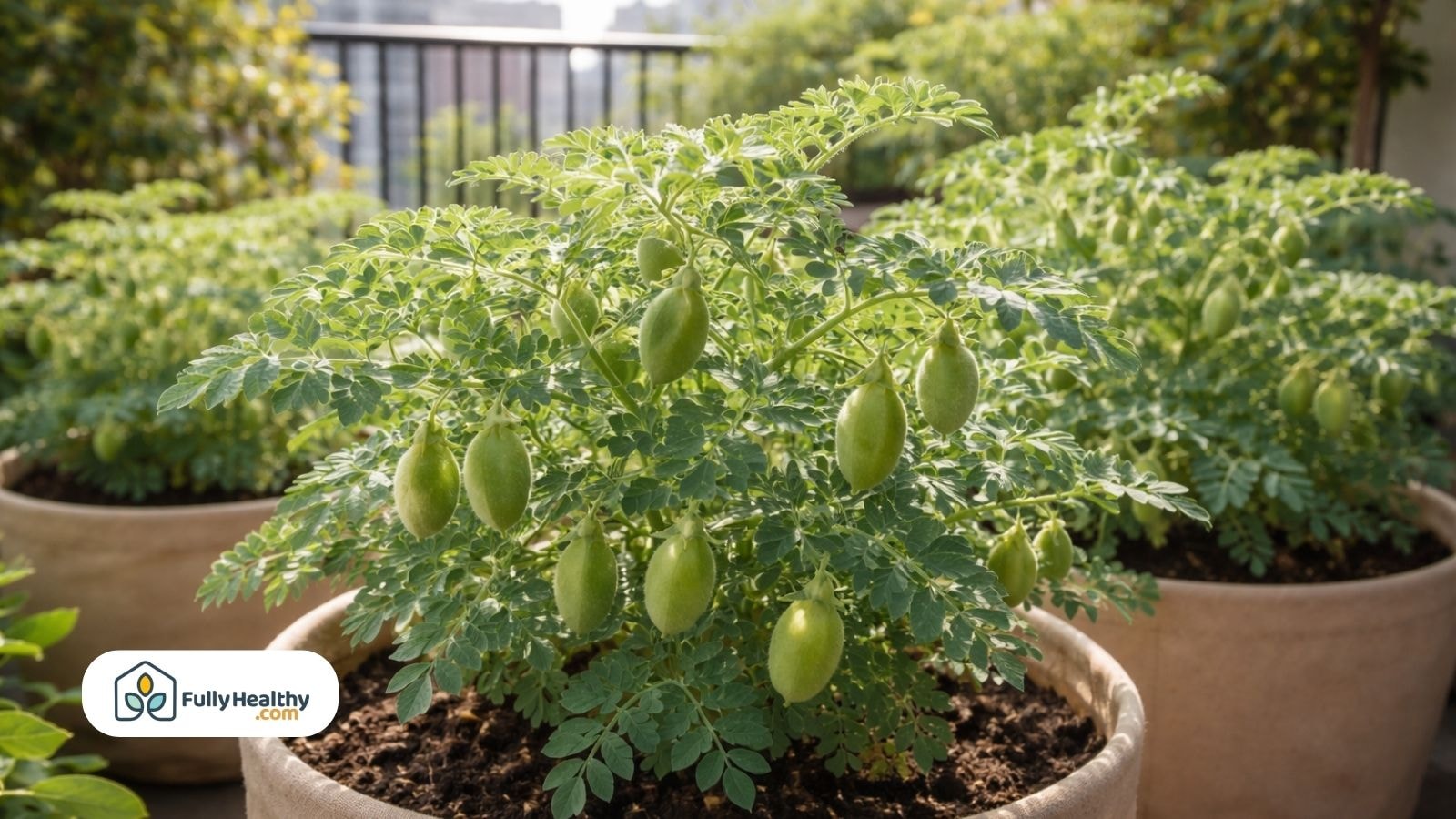
Chickpeas don't grow as vines; they grow as bushy plants. They are easy to grow in small spaces because they stay small and upright. These crops are grown all over the world for food and to keep the soil healthy. They are common in the Middle East.
Growth Habit, Height, And Structure
Chickpea plants are short and full, and they have leaves that look like ferns. They grow pods with one to three green chickpeas inside. Chickpeas don't need trellises or support like beans or peas do.
-
Typical height: 18 to 24 inches tall when fully grown.
-
Plant type: It's a bush, not a vine.
-
Pod details: Pods generally contain 1–2 seeds, occasionally 3 under optimal conditions.
Why Bush Type Suits Home And Container Gardeners
Chickpea plants are small, so they work well in containers or raised beds. They can grow in dry places where there isn't a lot of moisture and don't need a lot of water to survive.
-
Good for containers: A great choice for small gardens or patios.
-
Root strength: The plant can find water deeper in the ground if it has strong taproots.
-
Climate range: It does best in warm places with little rain and can be found in many countries.
How Long Does It Take To Grow Chickpeas?
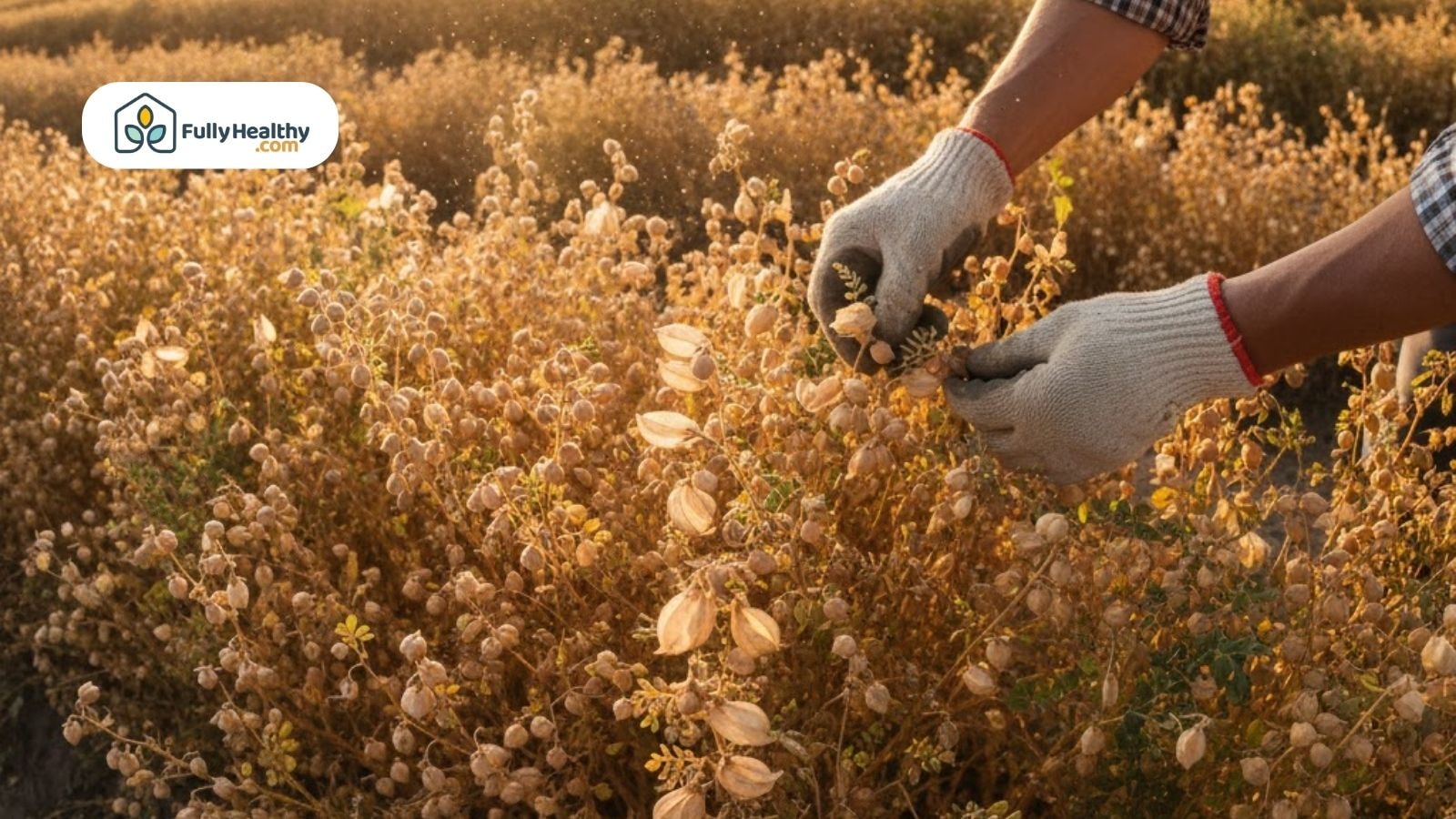
It takes 90 to 120 days for chickpeas to grow and be ready to eat. The time depends on what kind you plant and the weather in your area. Desi varieties with dark seeds grow faster. Kabuli types are used in salads and hummus, but they take longer to cook.
Days To Maturity By Variety
There are two main kinds of chickpeas: Desi and Kabuli. Desi chickpeas are smaller and are used in split chickpeas or stews. Kabuli beans are bigger and cream-colored. They are often eaten in fresh salads.
-
Desi chickpeas: In about 90 to 100 days, they will be grown up.
-
Kabuli chickpeas: It takes 110 to 120 days to grow up completely.
-
Common uses: Ground into chickpea flour, boiled for soups, or mixed with olive oil and herbs.
Climate And Water Effects On Growth Duration
Water and weather affect how quickly chickpeas grow. The process can be slowed down by too much or too little rain. During flowering and pod filling, it is important to keep a good moisture level.
-
Water needed: 6 to 10 inches for the whole growing season.
-
Drought effects: May flower more slowly and produce less.
-
Late rainfall: Late rainfall can cause delayed maturation, increase disease risk, and reduce seed quality.
-
Harvest timing tip: Pick before the pods split or get too dry to store.
Can You Grow Chickpeas From A Chickpea?
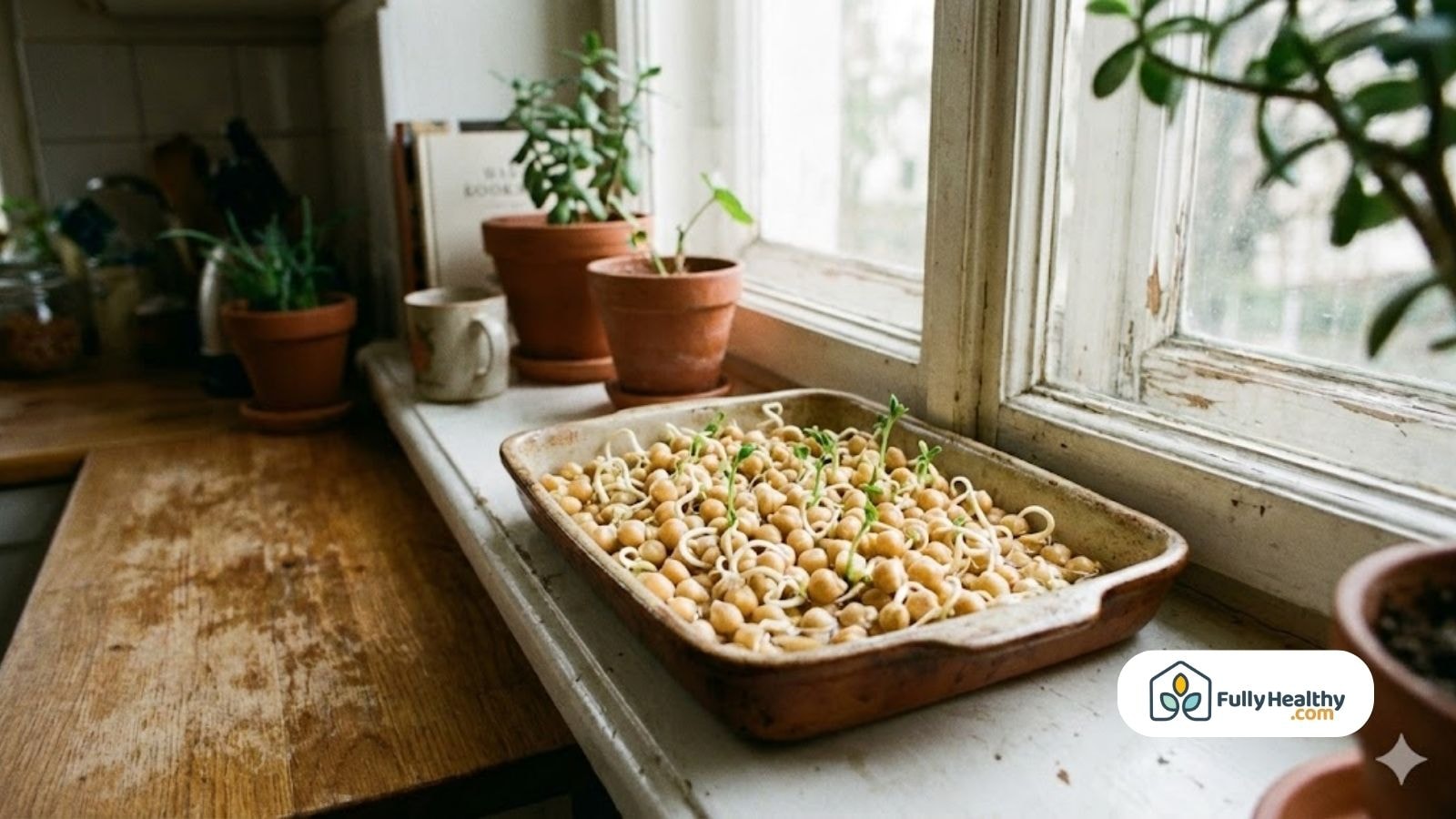
Yes, you can grow chickpeas from dried ones if you get them ready the right way. This easy method is great for people who garden at home, and it gives you a lot of fresh, healthy vegetables. Chickpeas can grow into full plants that make soft, tasty, and healthy pods if they have water, warmth, and care.
How To Sprout And Start Dried Chickpeas
While sprouted chickpeas are edible, cooking or lightly steaming is recommended to reduce potential antinutrients or bacteria.
-
Soaking time: To soften and activate the chickpeas, soak them in a cup of water for 8 to 12 hours.
-
Sprouting process: Put it in a container and leave it in the sun until it grows white roots.
-
Edible sprouts: Eat them raw as a healthy snack with a little lemon juice and salt to make them taste better.
-
Taste and texture: Has a soft, crunchy bite and a mild flavor.
-
Nutritional value: Sprouted chickpeas may offer different nutrient profiles, like increased enzyme activity, but cooked chickpeas provide better digestibility.
From Sprout To Soil—Growing Indoors Or Outdoors
When the chickpeas sprout, plant them in the ground. If you're planting them outside, do it after the last frost. If you're planting them inside, use containers. This helps the plants grow more pods during the growing season by giving them a head start.
-
Best planting method: Direct seed sprouted chickpeas in loose, warm soil.
-
Soil needs: Roots will grow more easily if the soil is clean and doesn't have any husks or clumps in it.
-
Watering tip: To keep things from rotting, keep the soil a little wet but not too wet.
-
Growth benefit: Planting early makes flowers grow faster and increases your total yield.
What Does Fully healthy Offer for Chickpea-Based Diets?
People with special diets trust Fully Healthy as an online store. It helps people who want to eat foods that taste like chickpeas without using real legumes. This site offers great-tasting, healthy, and textured foods that don't have the usual triggers, even though some diet plans may limit chickpeas. These products are great for people who are adding foods like chickpeas back into their diets.
Chickpea-Compatible Products For Special Diets
You can find a lot of useful things that go well with chickpeas and the way you like to cook them. These include seasonings, mixes, and snacks that are good for you and taste good.
-
Flavorful seasonings: Add bold flavor to soups, stews, and vegetables without using any fake ingredients.
-
No added salt options: This is great for people who want to cut back on sodium but still want to taste.
-
Baking products: Soft and chewy mixes that feel like chickpea flour treats.
How Fully Healthy Supports AIP Reintro And Elimination
The website sorts its food by stage, so you can shop with confidence no matter where you are in your food journey. If you don't want lentils, corn, or legumes, they have other foods that are just as healthy and different.
-
Stage-based shopping: Helps you choose the right food at every stage of your AIP journey.
-
Legume-free alternatives: You can eat foods that taste like chickpeas without using chickpeas, lentils, or corn.
-
Inspired by world flavors: Great for making international dishes that use simple, clean ingredients taste better.
Final Thoughts
Chickpeas are healthy vegetables that are easy to grow. They do thrive in warm places with good soil and sunlight. These plants make soft, green pods that taste good and feel good. You can grow them by planting seeds outside or by sprouting dried chickpeas inside. Chickpeas are a very popular pulse crop and are used in many delicious recipes, like soups, stews, hummus, and salads. Your chickpea plants will grow tasty, healthy food all season if you take care of them properly.
Faqs
What is one major side effect of eating chickpeas?
Chickpeas may cause bloating or gas due to their high fiber and complex carbohydrates, especially when eaten in large amounts.
Do chickpea plants attract pests?
Yes, chickpea plants can attract pests like aphids and pod borers, which feed on the pods and leaves during the growing season.
When not to eat chickpeas?
Avoid eating chickpeas if you have a legume allergy or during early AIP elimination stages, as they are legumes like lentils and beans.
Can you eat chickpea leaves?
Chickpea leaves are edible when young and can be eaten cooked like other leafy vegetables, offering a soft texture and mild flavor.
How does a chickpea grow?
Chickpeas grow as bushy plants from a direct seed and produce green pods filled with soft, nutritious chick peas during warm seasons.
Leave a comment