

How Long Do Grapes Last in the Fridge? Real Shelf Life Answers
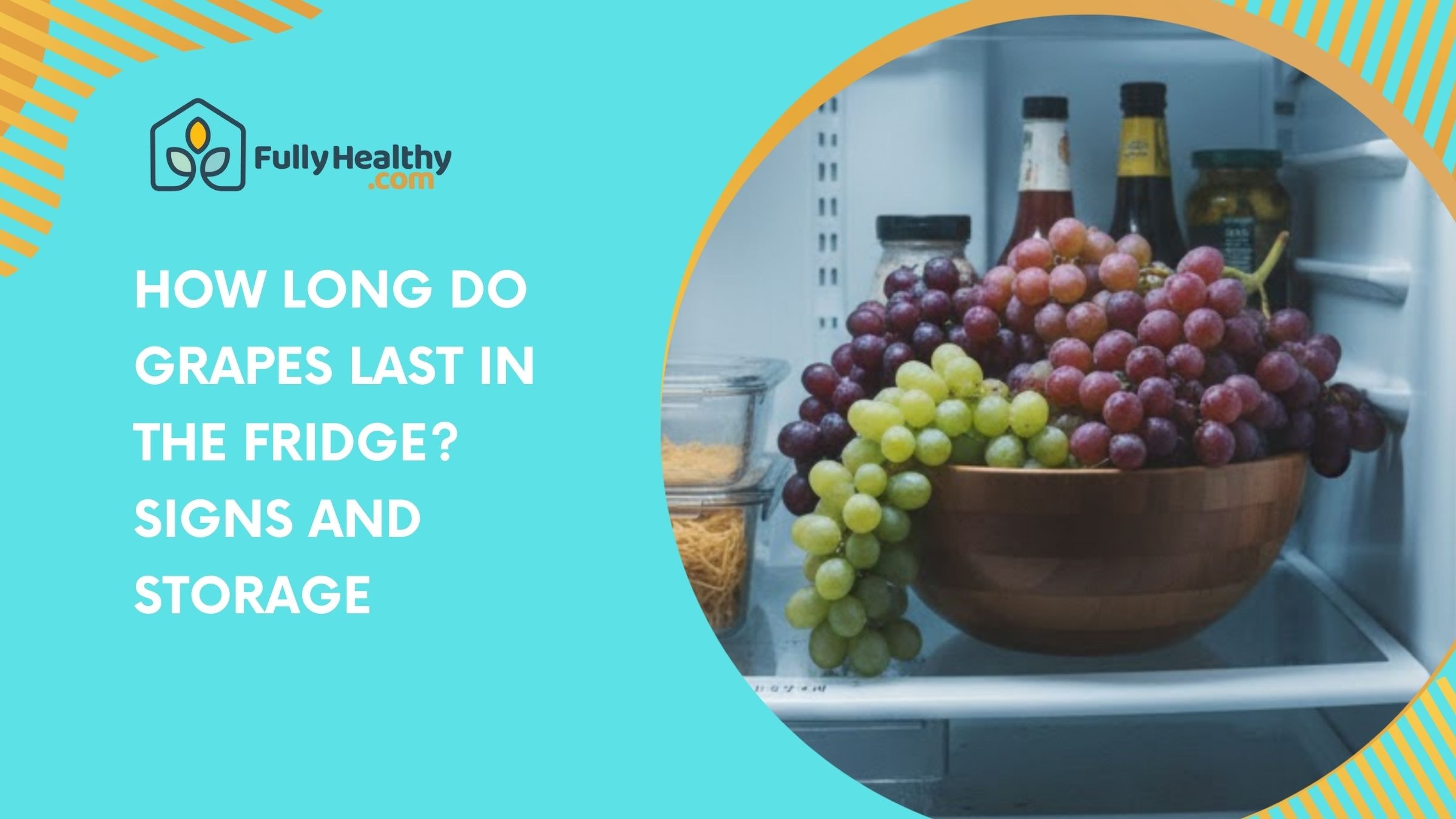
How long do grapes stay fresh in the fridge? Most grapes stay fresh for about a week to two weeks if they are stored correctly. How long they last depends on how fresh they were when you bought them, how much water is in them, and where you put them in the fridge.
This article explains storage time, spoilage signs, food safety concerns, and simple steps to help grapes stay fresh longer.
🍊 Zesty & Naturally Sweet – Experience Ginger-Orange Goodness Enhanced by Grape Sweetness!
How Long Do Grapes Last in the Fridge?
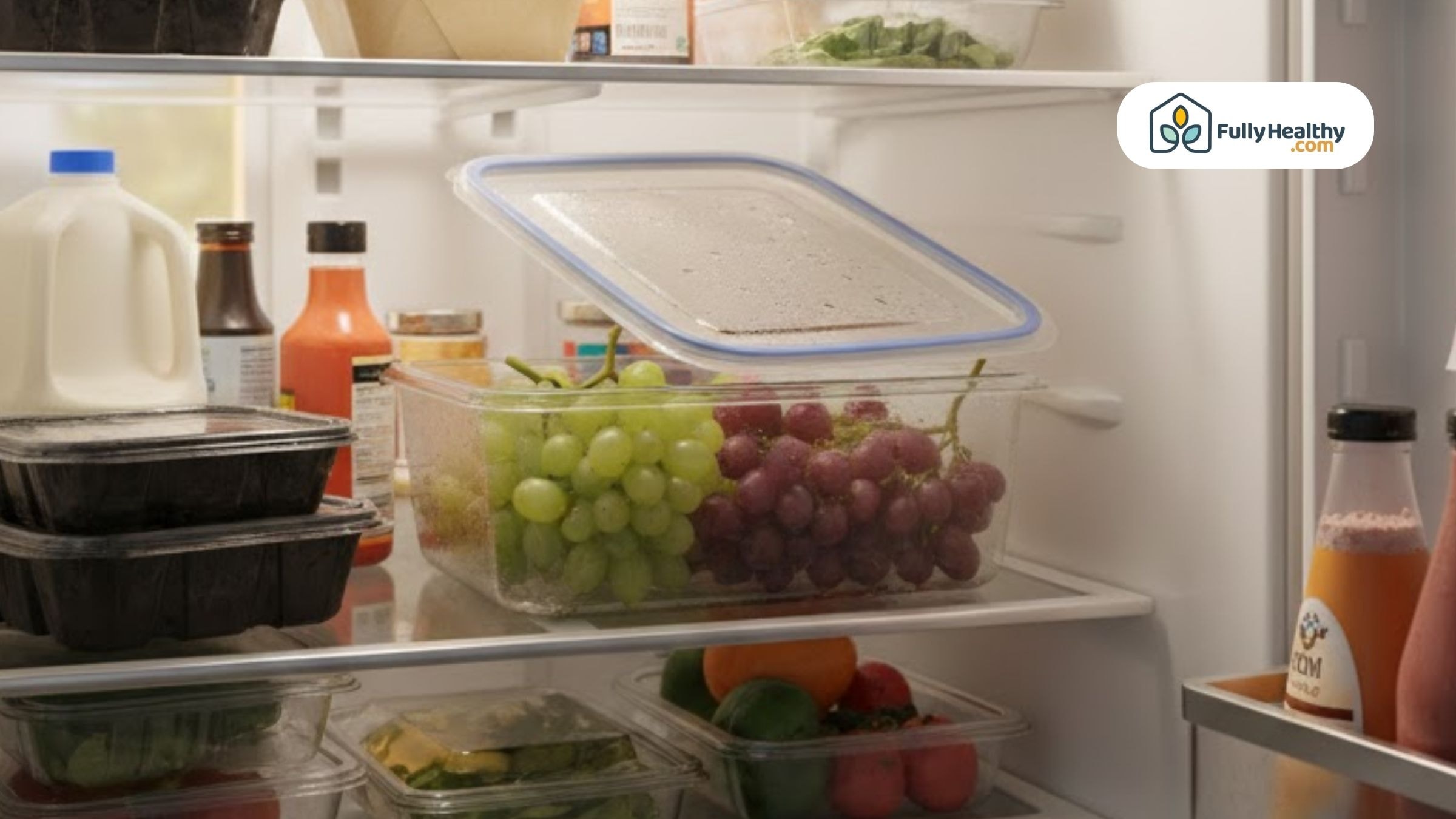
Typical Fridge Lifespan of Fresh Grapes
Although fresh grapes go bad very quickly, they can usually be kept in the fridge for one to two weeks if they are stored correctly. H ow long grapes last in the fridge depends on how fresh they are when you buy them, how well you control the moisture, and how quickly you put them in the fridge.
-
Average shelf life: Fresh grapes typically last about 7 to 14 days, with some batches staying fine for up to two weeks.
-
Grape varieties: Green grapes, red grapes, and red seedless grapes follow similar timelines when stored properly.
-
Condition at purchase: Grapes that look crisp, dry, and firmly attached to stems last longer than soft or loose individual grapes.
-
Comparison to other fruit: Grapes last longer than strawberries and blueberries but spoil faster than bananas or avocados.
Storage Conditions That Affect Fridge Life
The best way to store grapes is to keep them from getting too wet while still letting air flow through. This slows down the rotting process. Putting food in the crisper drawer of the fridge and using the right container can help keep the taste, texture, and freshness.
-
Temperature range: Grapes store best in a refrigerator set between 30 and 32°F, ideally inside the crisper drawer or fridge's crisper drawer.
-
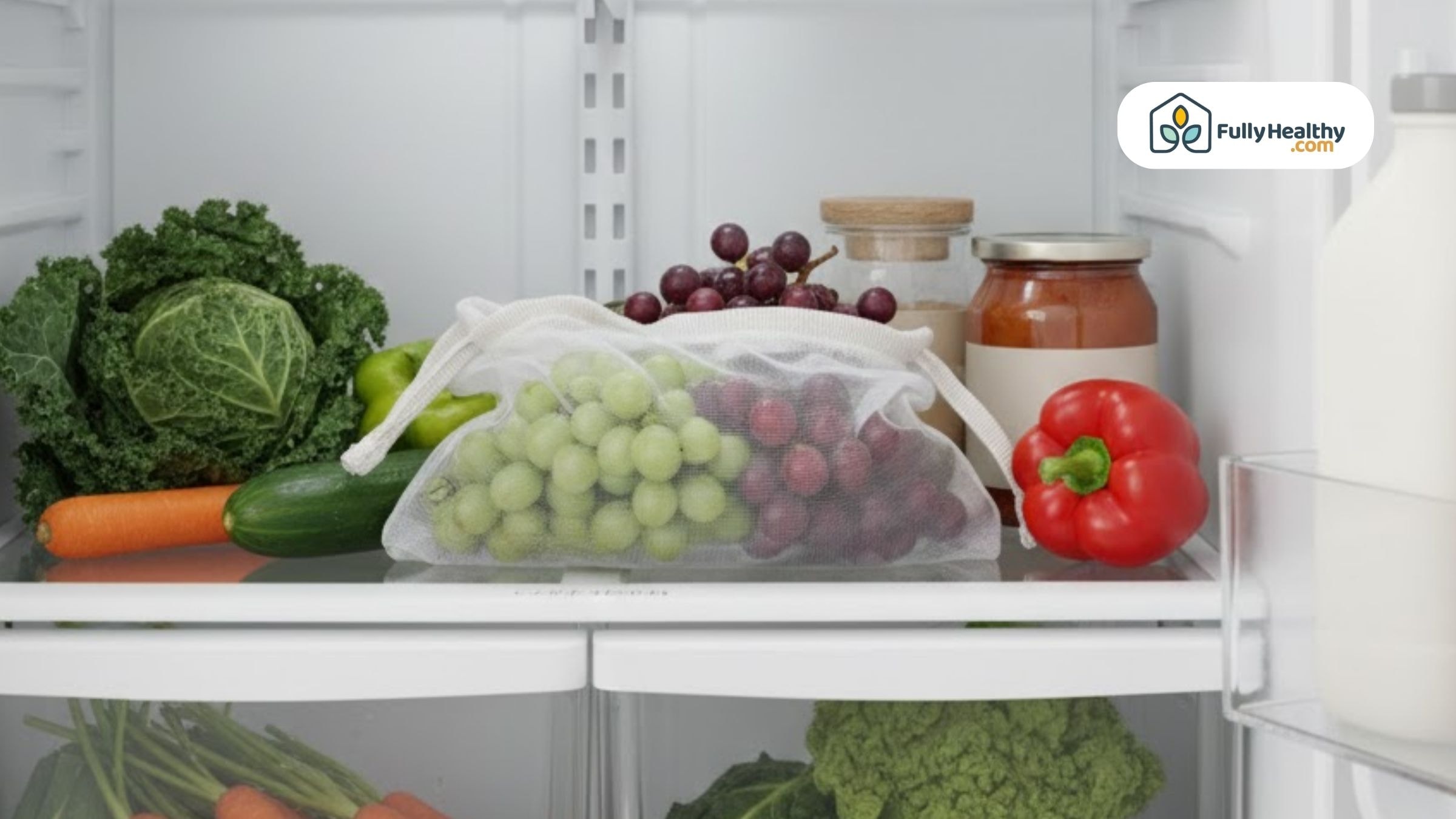
Container choice: A perforated bag, original packaging, or well ventilated container works better than an airtight container.
-
Moisture control: Paper towels placed in the bag or container help absorb excess moisture and reduce mold growth.
-
What to avoid: Plastic wrap or sealed containers trap moisture and shorten shelf life.
-
Handling tip: Keeping grapes unwashed until eating helps prevent early spoilage and mold.
How Do You Know if Grapes Have Gone Bad?
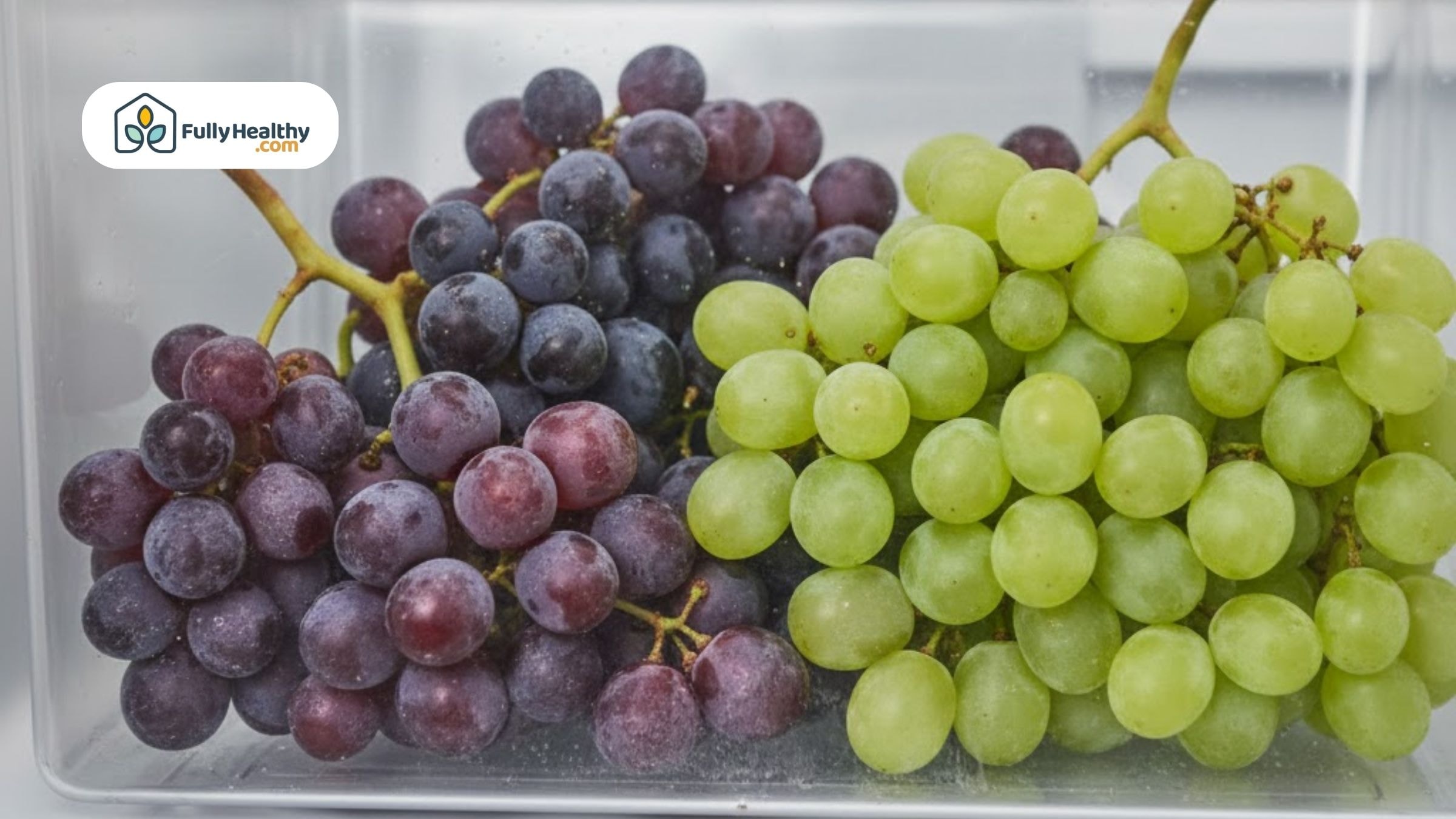
Visual and Smell Indicators of Spoilage
Grapes that have gone bad often show changes that can be seen before the taste changes. If you look for mold, fading, and strange smells on grapes, you can avoid eating ones that are no longer safe to eat.
-
Mold growth: White, gray, or green mold on grapes or stems indicates moldy grapes that should be discarded.
-
Color changes: Brown spots, dark patches, or translucent skin suggest spoilage is underway.
-
Odor: A sour or vinegar smell similar to wine fermentation signals grapes have started to spoil.
-
Juice leakage: Sticky liquid pooling in the bag or container points to internal breakdown.
Texture Changes That Signal Grapes Are Unsafe
Texture is a good way to tell if a grape is fresh, especially when it's not clear from the look. Grapes that are still fresh should feel firm and crisp, not soft and slimy.
-
Softness: Grapes that feel mushy or collapse under light pressure are past their peak.
-
Slimy surface: A slippery coating suggests bacterial growth rather than excess moisture.
-
Wrinkling: Shriveled skin shows dehydration and reduced freshness even without visible mold.
-
Stem condition: Dry, brittle stems often appear before grapes fully spoil.
Can You Get Sick From Eating Spoiled Grapes?
When Old Grapes Are Unlikely to Cause Illness
Not all grapes that are past their best are bad for you because quality goes down before safety does. Just because grapes are a little soft or have lost some of their flavor doesn't mean they are unsafe to eat.
-
Quality vs safety: Grapes with minor softness but no mold are usually fine to eat.
-
Short overage: Grapes only a couple of days past peak freshness rarely cause illness in healthy adults.
-
Rinsing: A quick wash and pat dry can remove surface residue but cannot reverse spoilage.
-
Individual judgment: Discard only the affected grapes if spoilage is limited.
Risks Linked to Moldy or Contaminated Grapes
Moldy grapes can expose people to harmful microorganisms, especially those with weakened immune systems. Food safety guidance advises avoiding any produce showing visible mold.
-
Mold spread: Mold can penetrate beyond the visible surface, even if only one grape looks moldy.
-
Higher-risk groups: Children, older adults, pregnant individuals, and those with health conditions should be cautious.
-
Reported illness: Spoiled grapes have been linked to stomach upset and foodborne illness complaints.
-
Cross-contamination: Moldy grapes can spread spoilage to nearby fruit like strawberries or blueberries.
Do Grapes Last Longer, Washed or Unwashed?
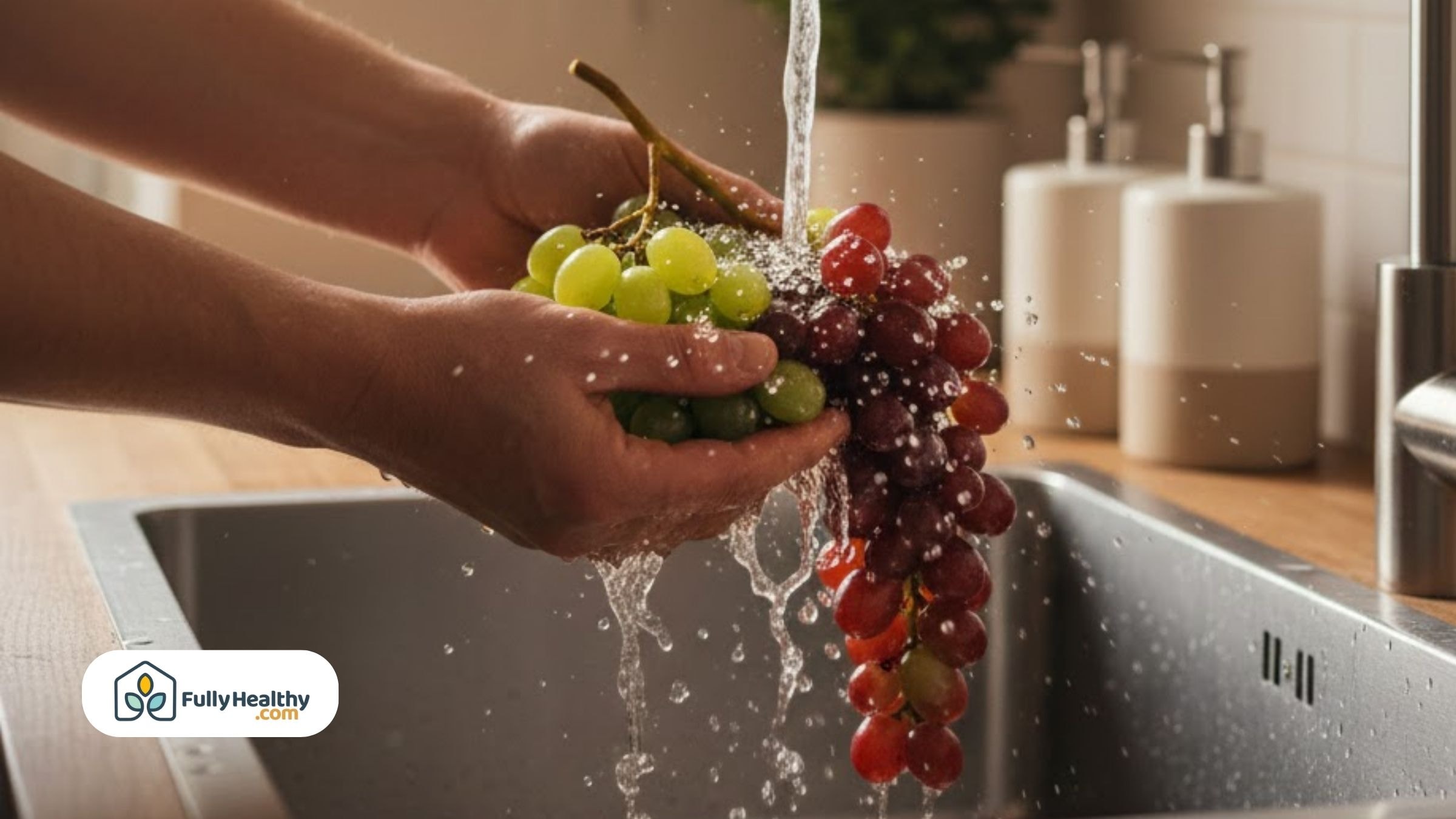
Why Unwashed Grapes Keep Longer in the Fridge
Unwashed grapes last longer in the fridge because moisture speeds up mold growth and spoilage. Keeping grapes dry slows the decaying process and preserves freshness.
-
Moisture impact: Excess moisture encourages mold and shortens shelf life.
-
Storage advantage: Unwashed grapes stored properly hold texture and flavor longer.
-
Container choice: A perforated bag or well ventilated container helps moisture escape.
-
Timing: Washing grapes only right before eating reduces spoil risk.
Best Practices for Washing Grapes Before Eating
When you wash grapes the right way, you get rid of dirt and surface residue without hurting the fruit. Grapes stay safe to eat and still taste good when you follow a few simple steps.
-
Rinsing method: Rinse grapes under cool running water without soap or chemicals.
-
Drying step: Pat dry gently with paper towels to remove excess moisture.
-
Batch size: Wash only the amount you plan to eat the same day.
-
Handling: Avoid soaking grapes, as prolonged water exposure increases spoilage.
FullyHealthy and Clean Ingredient Choices
Meet FullyHealthy
FullyHealthy is an online food store that offers carefully chosen products for people who care about food quality and knowing what's in their food. The online shop focuses on fresh fruit-based items, easy-to-read labels, and choices that are good for families with special dietary needs.
-
Ingredient focus: Products are selected with attention to clean ingredients and minimal processing.
-
Consumer clarity: FullyHealthy provides straightforward product descriptions to support informed food choices.
-
Everyday use: Items are positioned for regular eating rather than specialty or short-term use.
-
Food category range: The site features fruit-based spreads alongside other pantry-friendly options.
Fruit-Based Spreads Available on FullyHealthy
There are some St. Dalfour fruit spreads at FullyHealthy that are made without refined sugars but with fruit and natural fruit juice concentrates, like grape and date juice. These spreads are good for you and go well with fresh fruit, like berries on yogurt or toast.
-
St. Dalfour Four Fruits Fruit Spread 10 oz: Made from strawberries, raspberries, blackberries and cherries with fruit juice concentrates like grape and date.
-
St. Dalfour Ginger and Orange Marmalade Fruit Spread 10 oz: Includes oranges, ginger, grape and date juice concentrates for natural sweetness and flavor.
-
St. Dalfour Heritage Peach Fruit Spread 10 oz: Peach fruit spread made with fruit juice concentrates as sweetener (details similar to other St. Dalfour spreads).
-
St. Dalfour Black Cherry Conserves 10 oz: Black cherries and fruit juice concentrates provide rich flavor and sweetness.
-
St. Dalfour Red Raspberry Conserves 10 oz: Red raspberry spread made with fruit and grape/date juice concentrates for natural taste.
Final Thoughts
Knowing how to store and use grapes helps reduce food waste and keeps snacks safe. Grapes can stay fresh longer with simple tips like proper storage, moisture control, and quick checks for spoilage. When grapes get soft, freezing them can keep them from going to waste and make them last longer.
Small habits, like putting things away in the fridge or freezer, make a difference. When you look at your bowl of grapes and don't know what you should do, this post will help you quickly decide.
FAQs
Can I Eat 2 Week Old Grapes?
Yes, you can eat them if all the grapes smell fine, show no mold, and were stored properly, but eat just a couple to be safe.
How to Eat 12 Grapes on New Year's Eve?
Wash them, place them in a bowl, and eat them one by one as a healthy snack during the tradition.
When Should You Throw Away Grapes?
Throw grapes away if they become moldy, smell sour, or show spoilage spreading across all the grapes.
How Long Does It Take for Grape Poisoning Symptoms to Show?
Symptoms usually appear within hours if spoiled food causes a reaction, and vegetables or other foods stored nearby may also spoil.
What to Do With Week Old Grapes?
You can freeze grapes by spreading them in a single layer on a baking sheet lined with parchment paper, then transfer them to the freezer for smoothies or later use as a frozen snack.
Leave a comment