

How Long Does Pizza Dough Last in the Fridge Before It Goes Bad?
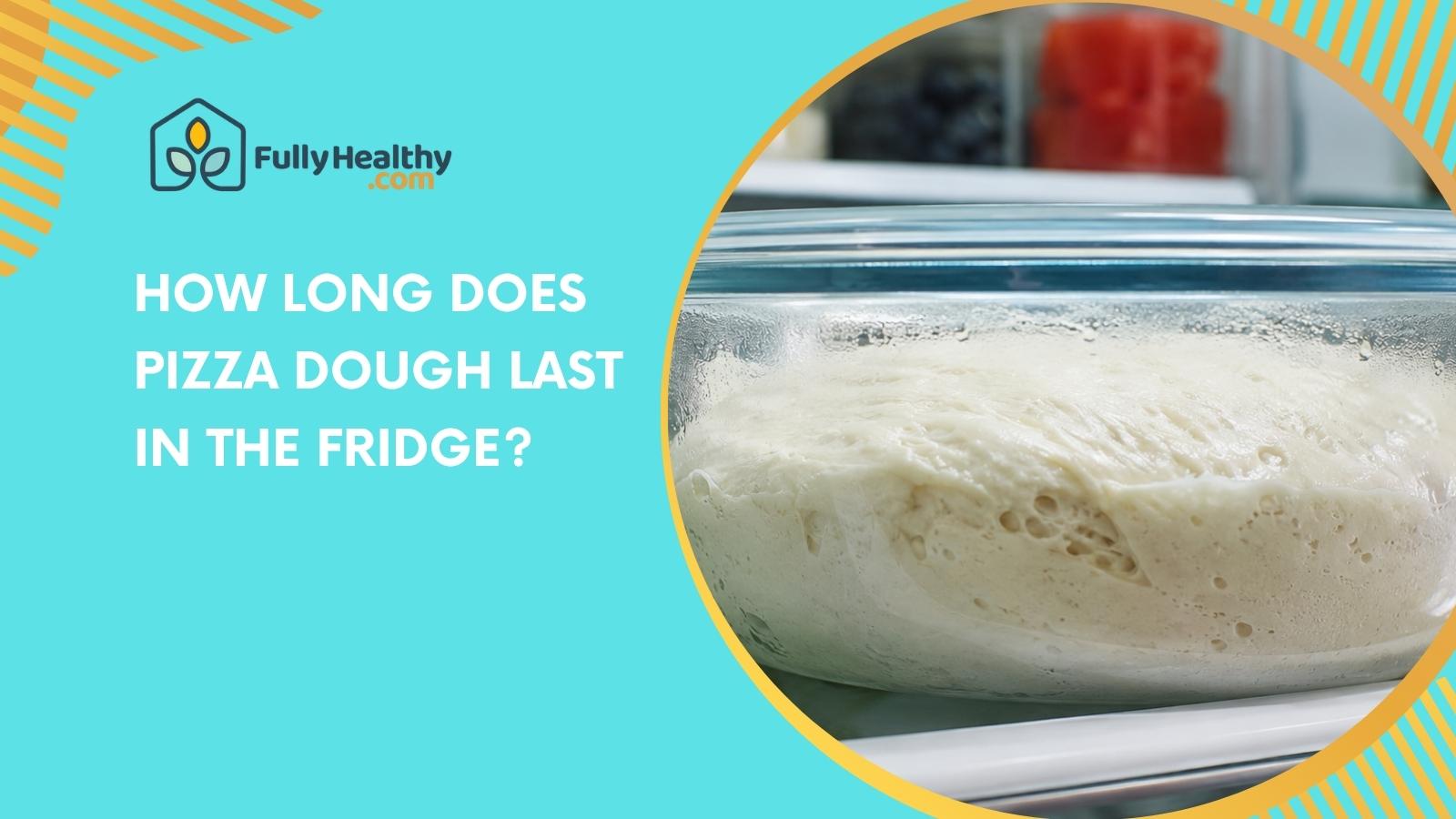
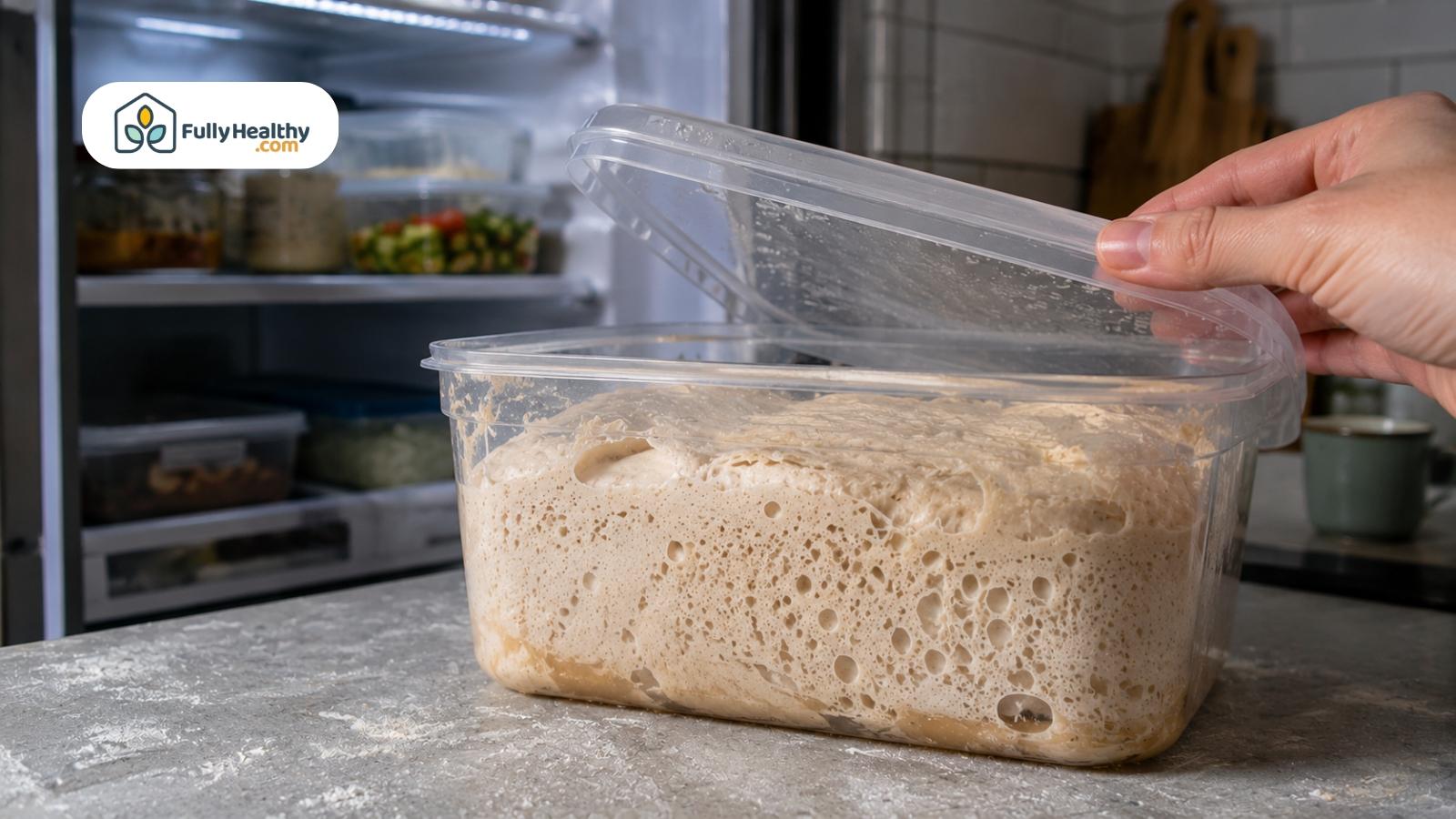
Pizza dough usually lasts 3 to 5 days in the fridge, with about 72 hours often giving the best flavor and texture. After five days, quality may drop. Check for mold, sliminess, or bad smells before using it. Proper storage helps dough stay fresh, safe, and easier to bake.
How Long Does Pizza Dough Last in the Fridge?
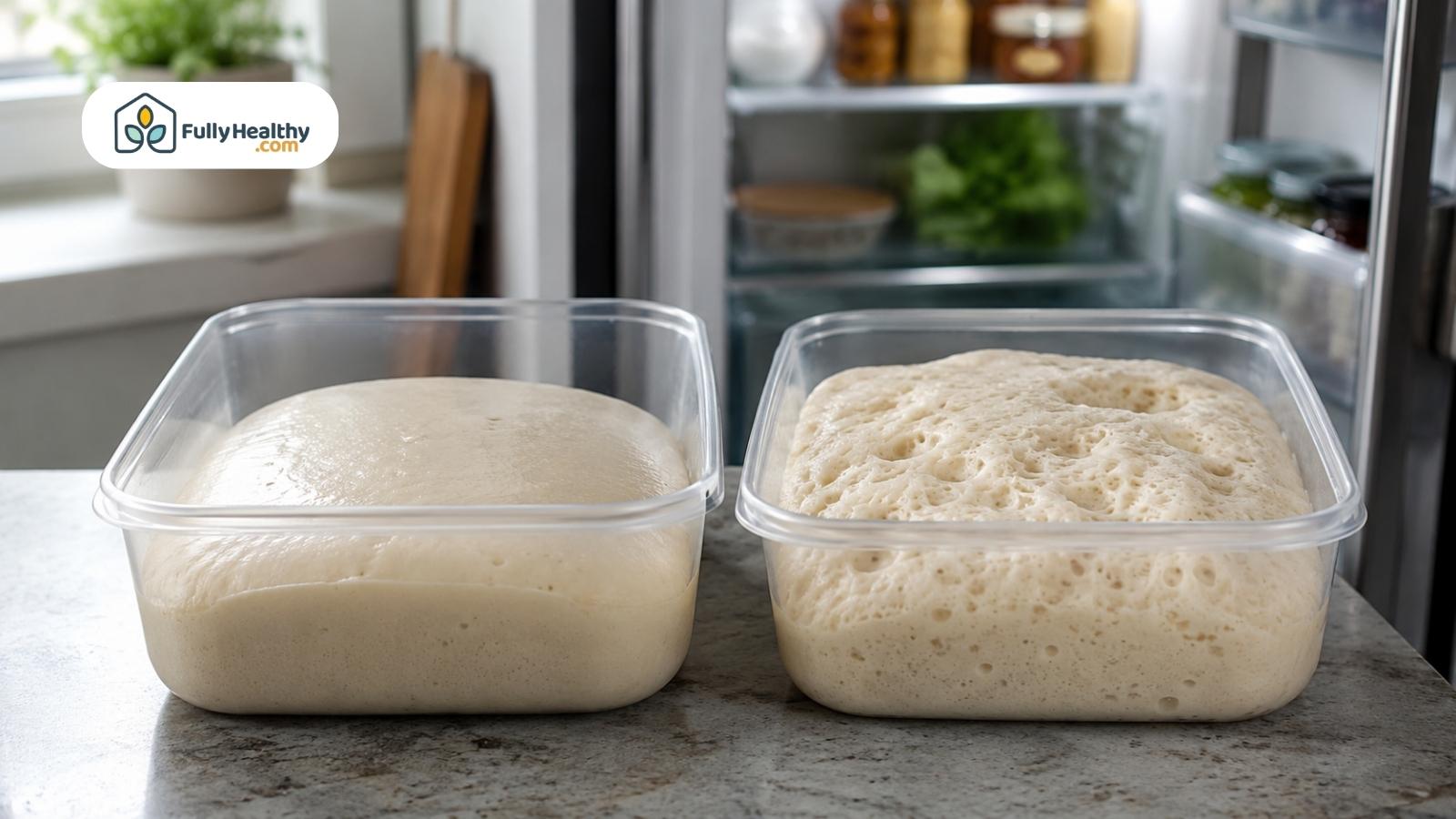
Fresh pizza dough usually lasts 3 to 5 days in the fridge when stored the right way. Baking Steel says about 72 hours is often the sweet spot because cold fermentation gives the dough more time to develop flavor and texture. During this time, yeast activity slows down, while the dough becomes easier to stretch and shape.
Why Is 72 Hours a Sweet Spot for Refrigerated Pizza Dough?
When dough stays at a lower temperature, yeast works more slowly instead of stopping completely. This slow process helps improve flavor while giving the gluten network time to relax. As a result, fresh dough can become softer, easier to stretch, and better suited for a well-shaped pizza crust.
-
12 to 24 hours: The dough is ready to use, but the flavor may still be mild.
-
24 to 48 hours: The dough develops more flavor and usually becomes easier to stretch.
-
48 to 72 hours: Baking Steel considers this the sweet spot for better flavor, texture, and stretch.
How Long Does Pizza Dough Last in the Fridge Before Quality Drops?
Pizza dough can still be usable after 72 hours, but its quality may slowly decline. Between 72 and 96 hours, a dough ball may become softer, looser, and more fermented. Other factors, such as the amount of yeast, flour type, and fridge temperature, can also affect how fast the dough changes.
-
Structure: Long fermentation can weaken gluten, making pizza dough balls harder to shape.
-
Browning: Older dough may have fewer available sugars, so the crust may not brown as well in the oven.
-
Storage: Store pizza dough in an airtight container with enough room to expand.
-
Surface protection: A light coat of olive oil can help stop the dough from drying out.
Is It OK to Use Pizza Dough After 5 Days?
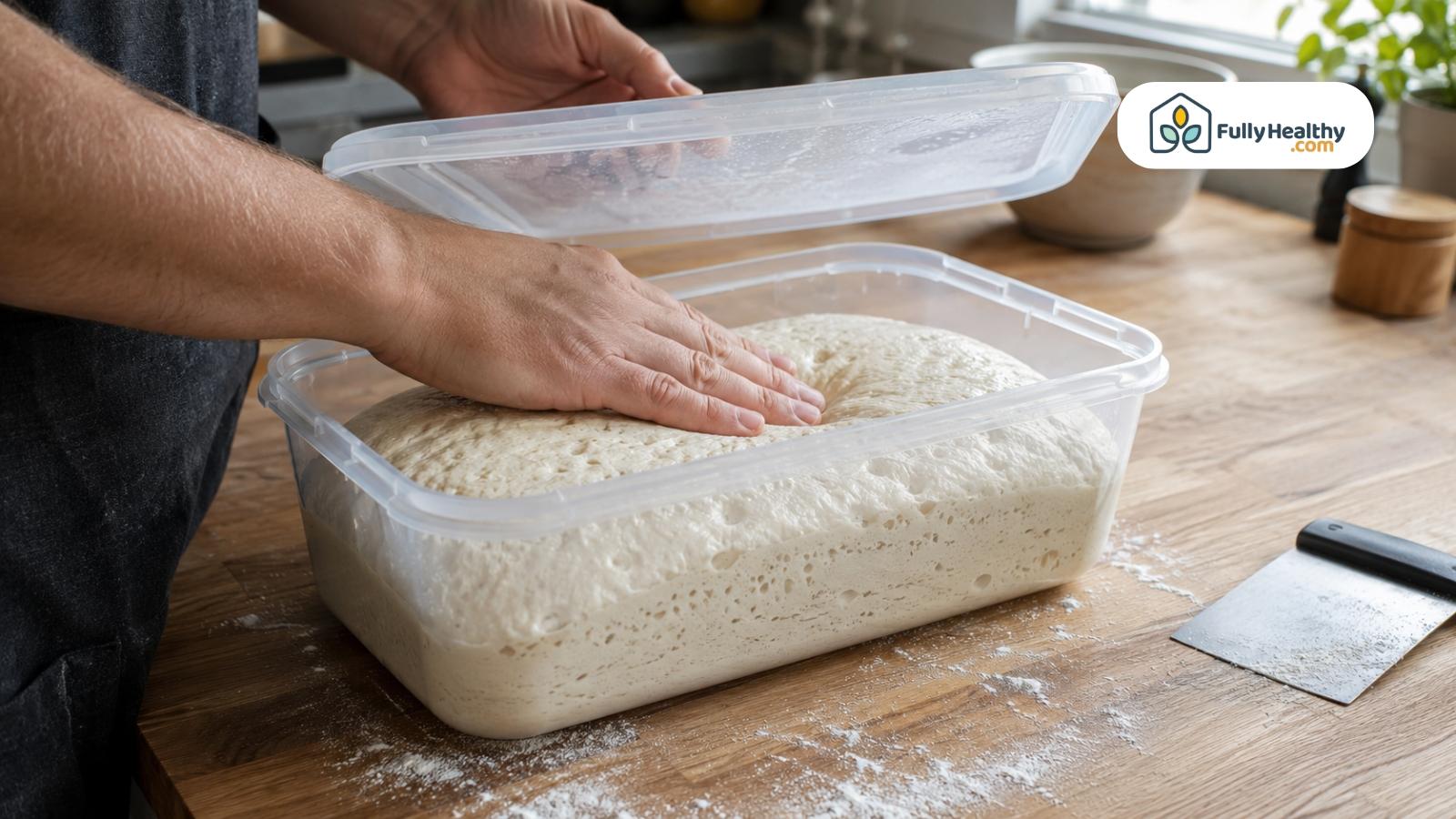
Pizza dough that has been in the fridge for five days may still be usable, but it is close to the end of Baking Steel’s suggested 3-to-5-day window. Do not judge the dough by age alone. Look at its smell, texture, appearance, and storage history before deciding whether to use it for your own pizza dough recipe.
What Happens to Pizza Dough by Day 5 in the Fridge?
Cold fermentation continues even after several days. As yeast and enzymes keep working, the dough can lose some of its strength. This may affect how well it rises, stretches, and bakes. Leftover dough that has fermented too long may also produce a flatter or denser pizza crust.
-
Gluten: The gluten network can weaken and make the dough feel loose or sticky.
-
Rise: Over-fermented dough may hold fewer air bubbles and produce a denser crust.
-
Texture: The dough may become harder to shape into smooth pizza dough balls.
-
Aroma: A stronger fermented smell can develop, but this does not always mean the dough is spoiled.
Can the Poke Test Tell You Whether 5-Day Pizza Dough Is Usable?
The poke test can give you a quick idea of the dough’s structure. Baking Steel suggests gently pressing the dough with a finger and watching how it reacts. However, this test only checks the dough’s strength. It does not tell you whether the dough is safe to eat.
-
Slow rebound: If the dough slowly springs back, it may still have enough strength for shaping.
-
Deep dent: If the indentation stays in place, the gluten network may be too weak.
-
Texture check: If the dough feels very loose, sticky, or difficult to handle, quality may have dropped.
-
Safety check: Never rely on the poke test if you see visible mold, sliminess, or other clear signs of spoilage.
How Do I Know if Pizza Dough Has Gone Bad?
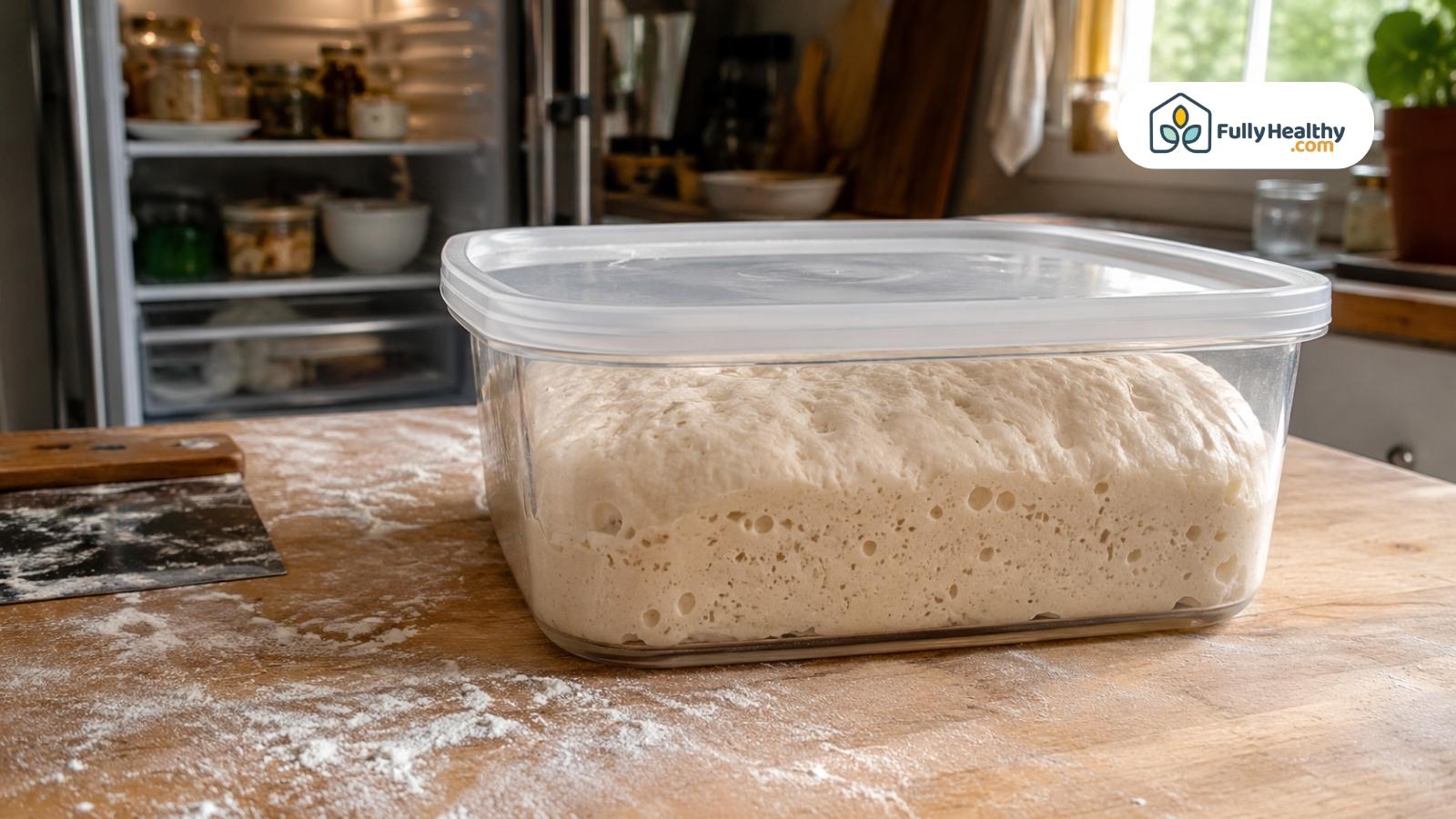
To know if refrigerated dough has gone bad, check more than the expiration date. Look at the dough’s appearance, smell, texture, and how it was stored. A sour smell can happen during normal fermentation, so odor alone is not always enough. Visible mold, unusual sliminess, or a clearly unpleasant smell are stronger reasons to throw the dough away and start fresh.
Which Smell, Texture, and Appearance Changes Mean You Should Toss Pizza Dough?
Always inspect fresh pizza dough before shaping or baking it. FEA for All points to visible mold, sliminess, and an unpleasant sharp smell as warning signs. If the dough shows more than one of these changes, it is safer to discard it instead of trying to save it.
-
Visible mold: Mold on the surface means the dough should be thrown away.
-
Slimy texture: An unusually wet or slimy surface can be a sign that the dough has spoiled.
-
Bad odor: A strong, unpleasant smell that seems different from normal fermentation can be a warning sign.
-
Poor storage: Dough left warm for too long or stored in an open container may spoil faster.
Does a Strong Fermented Smell Always Mean Pizza Dough Has Gone Bad?
No. A stronger smell can develop naturally as cold fermentation continues. Baking Steel notes that dough aged for 72 to 96 hours may smell more fermented. The key is to look at the whole condition of the dough instead of using smell alone. Check its age, texture, appearance, and storage before deciding.
-
Normal fermentation: A stronger yeasty or fermented smell can appear as dough ages.
-
Warning signs: A bad smell combined with visible mold or sliminess is more concerning.
-
Storage history: Dough kept in an airtight container in a cold fridge is easier to judge than dough left uncovered or warm.
-
When unsure: If you are not confident that the dough is still good, discard it and start fresh.
How Can FullyHealthy Help With a Specialty-Diet Pizza Night?
FullyHealthy can make specialty-diet pizza night easier by offering verified crust mixes and seasonings in one place. Instead of adjusting store bought pizza dough, shoppers can choose products that better match their dietary needs. This can save time while still giving home cooks a simple way to prepare pizza at home.
Which FullyHealthy Pizza Crust Mix Fits Different Specialty-Diet Needs?
FullyHealthy carries two pizza crust mixes with different dietary labels. These options can help shoppers choose based on their current eating plan and preferred ingredients.
-
Simple Mills: The 9.8-ounce Almond Flour Pizza Dough Mix is listed as AIP Reintro Stage 2, paleo compliant, and certified gluten-free.
-
AiPeazy: The 10.3-ounce Tigernut Flour Pizza Crust Mix is listed for AIP Elimination Stage and as paleo compliant.
-
Preparation: The AiPeazy mix makes two personal flatbread crusts and only requires oil and water before baking.
How Can Pluck Zesty Garlic Seasoning Finish a Homemade Pizza?
FullyHealthy also sells Pluck Zesty Garlic Organ Meat Blend Seasoning. The retailer specifically lists pizza as one of its suggested uses, so it can work as a simple finishing seasoning.
-
Flavor: It has vegetable, herb, and garlicky notes.
-
Ingredients: The blend includes garlic, onion, herbs, salt, and beef organ meats.
-
Use: Sprinkle a small amount over pizza and adjust to taste.
Final Thoughts
Knowing how long does pizza dough last in the fridge makes planning homemade pizza easier. In most cases, dough in the fridge keeps well for three days and can remain usable for up to five days when stored properly in the refrigerator.
Cover each batch with plastic wrap or place extra dough in a plastic bag. For longer storage, freeze portions in a freezer bag. Frozen dough can get a head start by moving it from the freezer to the fridge overnight to thaw.
A longer dough rest and less yeast may support slow fermentation and a flavorful crust. After thawing, give the dough a few hours to warm before shaping. Whether making four pizzas or one, careful storage can help you enjoy pizzeria quality pizza at home.
FAQs
Can Store Bought Dough Last a Week?
Store bought dough may have a different shelf life, so follow its package date and refrigerator instructions.
Should I Knead Pizza Dough After Refrigeration?
Usually, you can gently shape the dough after it warms rather than knead it again.
Can I Use Extra Virgin Olive Oil on Pizza Dough?
Yes, a light coating of extra virgin olive oil can help prevent the dough surface from drying.
What Is the Difference Between Bread Dough and Pizza Dough?
The difference depends on the recipe, but bread and pizza dough can use different hydration, fermentation, and shaping methods.
Can Pizza Dough Contain Butter?
Yes, some recipes use butter, although a favorite thing about basic pizza dough is that it often needs only a few simple ingredients.
Leave a comment