

How Long Is Bone Broth Good For In The Fridge? Read Before You Drink
How long is bone broth good for in the fridge? About 3 to 4 days when stored properly in airtight containers. After that, it can spoil and become unsafe to eat. Small mistakes in how you store it can make it last even less time in the fridge.
This guide shows you how to keep bone broth fresh, tell when it's going bad, and safely make it last longer.
Featured Pantry Pick
EPIC // Tuscan Style Chicken Bone Broth - 14 oz
Loading...
How Long Is Bone Broth Good For In The Fridge?
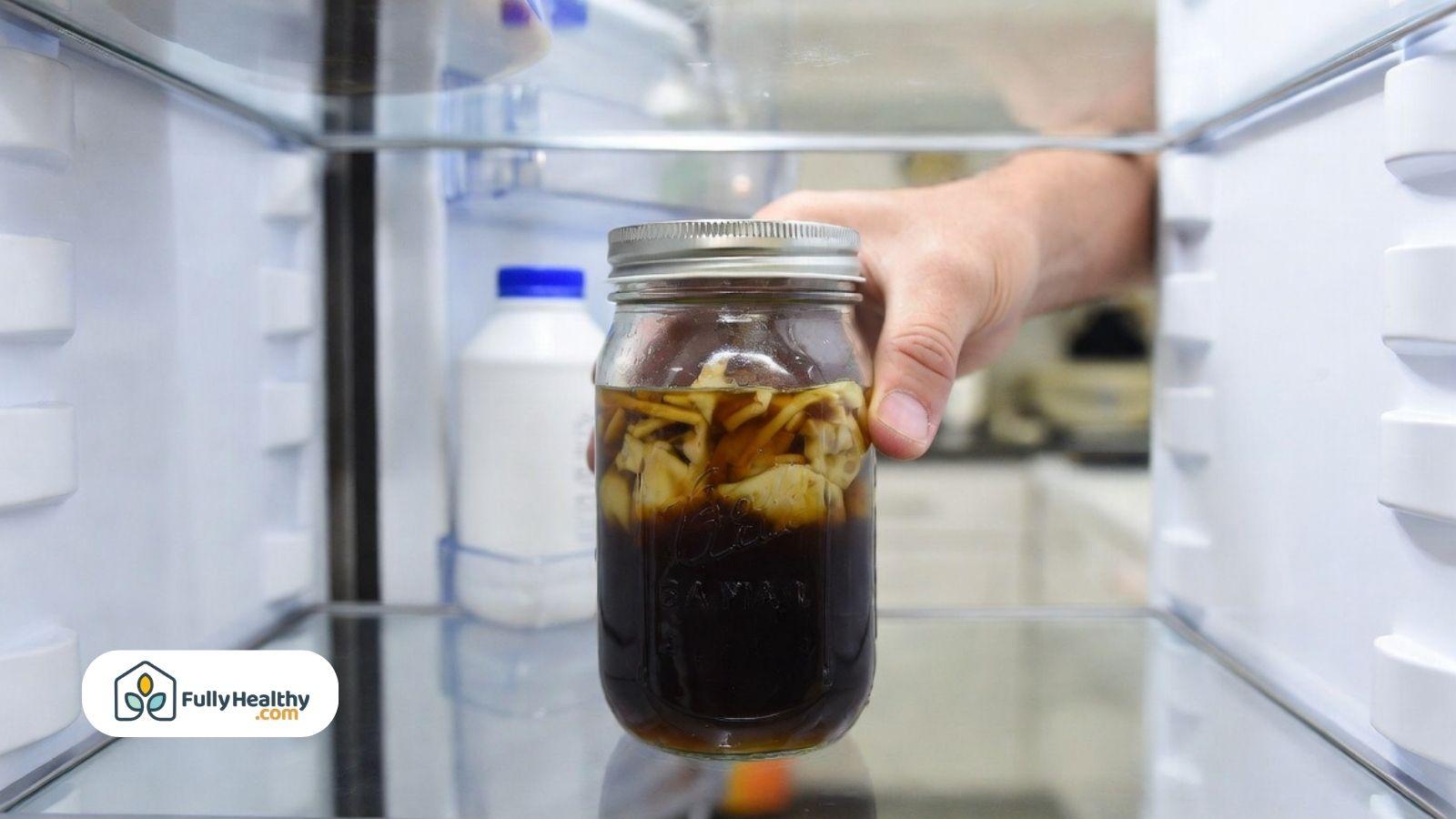
Bone broth does not last long in the fridge, and proper storing bone broth methods help it stay fresh and safe. Knowing the correct fridge life helps avoid waste and protect food safety.
Standard Storage Timeline Explained
How long is bone broth good for in the fridge usually falls between 3 to 4 days, as both homemade bone broth and store bought bone broth share a similar shelf life when handled correctly.
-
Fridge Life: Bone broth last about 3 to 4 days in the fridge under proper conditions.
-
Storage Method: Use airtight containers like glass containers, mason jars, or bpa free plastic containers.
-
Cooling Step: Cool slightly, then refrigerate promptly to avoid the temperature danger zone.
-
Placement: Keep broth in the fridge, not in the fridge door where temperature fluctuates.
-
Consistency: Homemade versions and store bought beef broth follow a similar shelf life.
What Extends Or Reduces Shelf Life
Bone broth shelf life changes depending on how it is handled, stored, and exposed to air, making some batches last slightly longer than others.
-
Fat Cap: A thick fat cap acts as a barrier and helps broth stay fresh longer.
-
Air Exposure: Leaving broth uncovered speeds up bacterial growth and spoilage.
-
Broth Type: Chicken bone broth and beef bone broth last similarly, while lighter broths spoil faster.
-
Handling: Immediately pour hot broth into airtight containers to preserve freshness.
-
Temperature: Improper cooling or warm storage reduces days in the fridge significantly.
How Can I Tell If My Bone Broth Has Gone Bad?
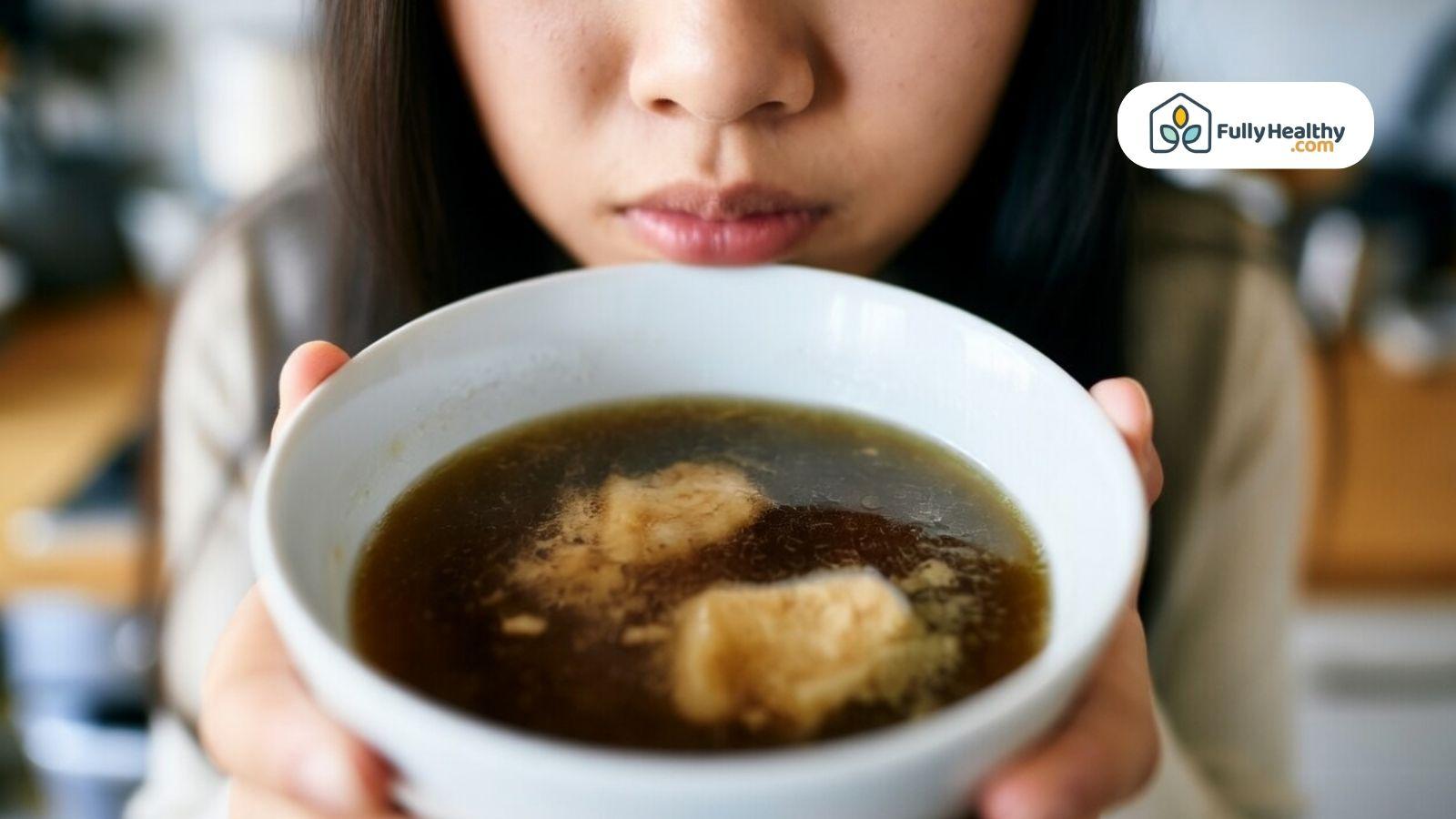
Spoiled broth shows clear changes that affect smell, texture, and taste, and these signs should not be ignored. Recognizing expired bone broth early helps prevent health risks.
Smell, Look, And Texture Warning Signs
Spoiled broth develops physical changes caused by bacterial growth, and these visual signs make it unsafe to eat even if it looks only slightly different.
-
Smell: Sour or off odor is the strongest sign of spoiled broth.
-
Texture: Slimy or sticky surface indicates bacterial growth in broth.
-
Appearance: Unusual cloudiness or mold growth signals contamination.
-
Surface Layer: A broken fat cap or odd film may indicate spoilage.
-
Color Change: Darkening or dull color suggests broth is no longer fresh.
Taste And Safety Red Flags
Taste test is risky when checking broth safe conditions, and even a small change in flavor can indicate spoiled broth that should not be consumed.
-
Taste Test: Sour or bitter taste means the broth is no longer safe to eat.
-
Safety Rule: When unsure, discard leftover broth to avoid risk.
-
Hidden Risk: Expired bone broth may contain toxins even after reheating.
-
Consistency: Off texture combined with taste change confirms spoilage.
-
Food Safety: Eating spoiled broth can lead to digestive issues.
Why Does Bone Broth Go Bad So Quickly?
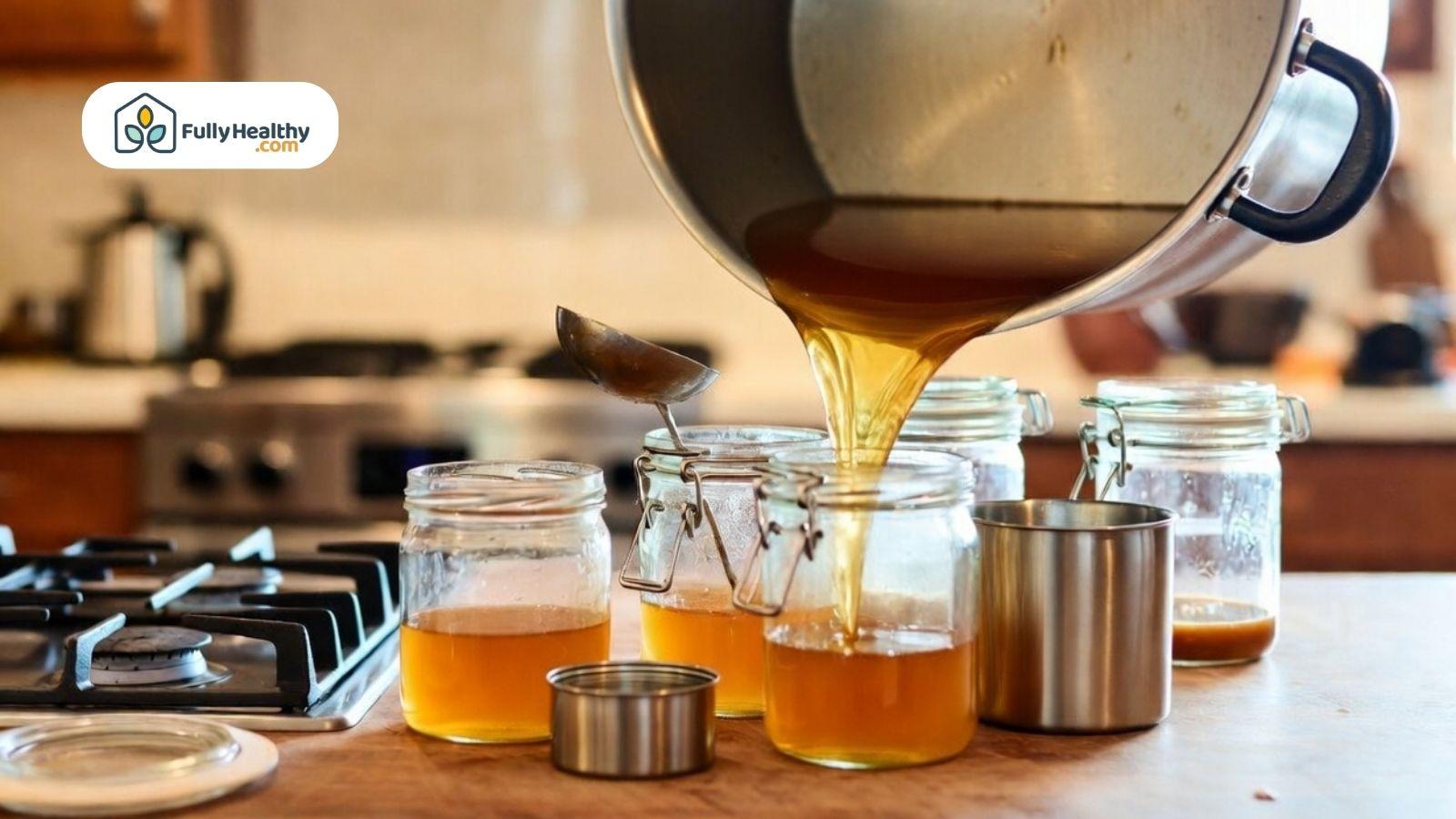
Bone broth goes bad quickly because it is a high-moisture, nutrient-rich liquid with no preservatives, creating the perfect environment for rapid bacterial growth when not stored properly.
Bacteria Growth In Nutrient-Dense Liquids
Bone broth contains proteins, minerals, and moisture extracted from bones, which bacteria use as fuel, allowing them to multiply quickly if the broth is left warm or exposed.
-
Nutrient Density: Rich nutrients from bones make broth an ideal food source for bacteria.
-
Moisture Content: Liquid environment allows bacteria to grow and spread easily.
-
No Preservatives: Homemade bone broth lacks chemicals that slow spoilage.
-
Cooking Process: Long simmer from whole chicken or beef increases nutrient availability.
-
Ingredients: Adding apple cider vinegar supports mineral extraction, not preservation.
Role Of Air, Temperature, And Storage Methods
Improper cooling, air exposure, and temperature changes speed up spoilage by keeping broth in conditions where bacteria grow fastest.
-
Temperature Danger: Warm broth left out stays in the bacterial growth zone longer.
-
Cooling Method: Slow cooling allows bacteria to multiply before refrigeration.
-
Air Exposure: Oxygen exposure increases contamination risk.
-
Storage Setup: Poor sealing reduces how long broth stays safe in the fridge.
-
Placement: Storing in unstable areas like the fridge door shortens shelf life.
Can You Boil Bacteria Out Of Broth?
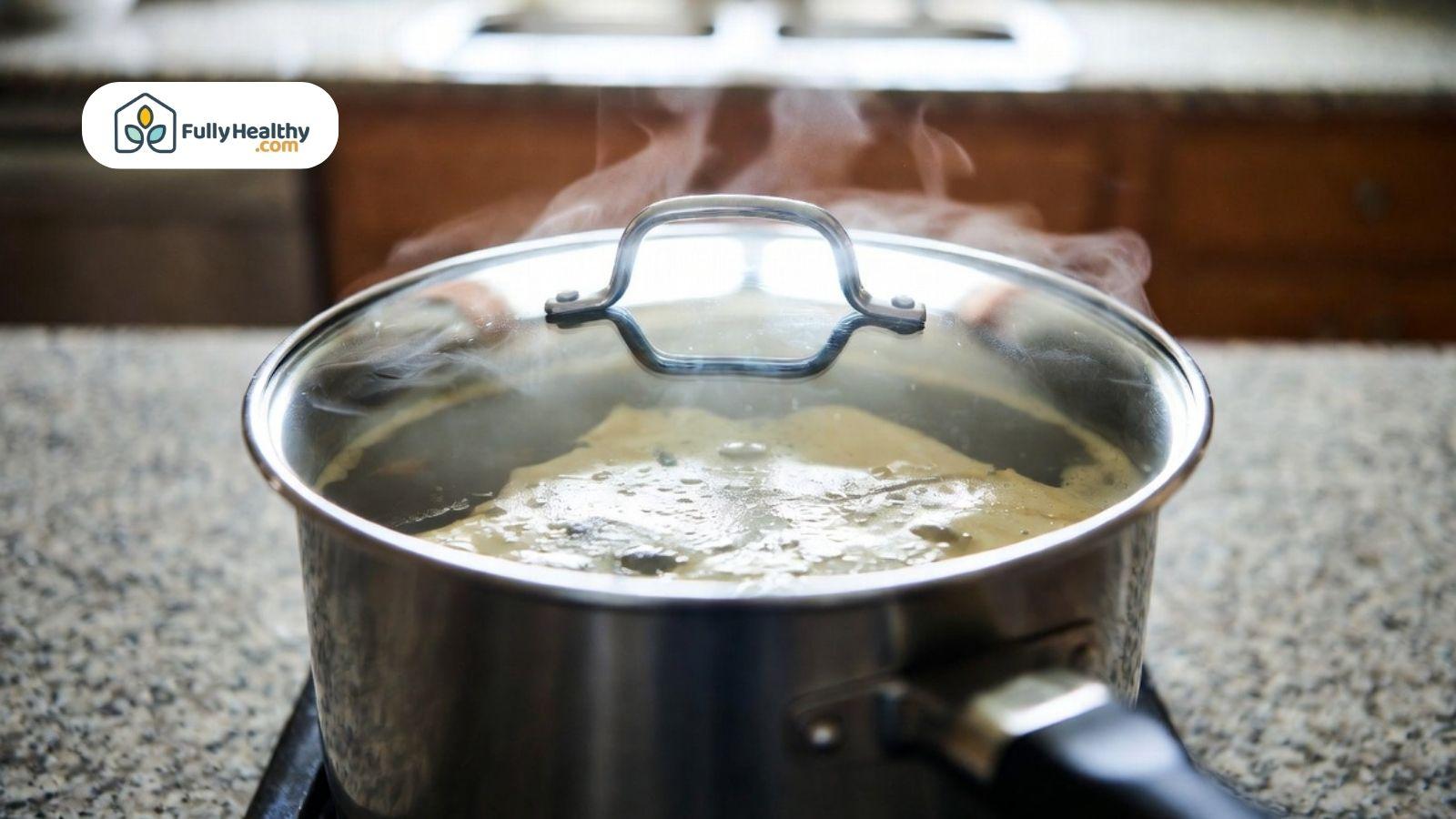
Boiling broth is often seen as a quick fix, but it does not fully restore broth safe quality once spoilage has started. Understanding the limits of heat helps protect food safety and avoid eating spoiled broth.
What Boiling Can And Cannot Fix
Boiling broth to a rolling boil can kill bacteria, but it cannot remove toxins already formed in expired bone broth, making it unsafe even after reheating.
-
Heat Effect: A rolling boil can kill active bacteria in broth.
-
Toxins: Harmful toxins remain even after boiling spoiled broth.
-
Spoiled Broth: Expired bone broth is still unsafe after reheating.
-
False Safety: Boiling does not restore original nutritional value or safety.
-
Food Safety: Reheating is not a solution for spoiled broth.
When Reheating Is Still Safe To Do
Reheating works only when broth is still within its safe shelf life and shows no signs of spoilage, making timing important.
-
Safe Reheat: Bring fresh broth to a rolling boil before eating.
-
Timing: Only reheat within the 3 to 5 days in the fridge window.
-
Storage: Keep leftover broth sealed in airtight containers before reheating.
-
Freezing Option: Use frozen broth or frozen bone broth for longer storage.
About FullyHealthy
FullyHealthy provides convenient access to high-quality broth options for people who prefer ready-made products over making their own broth. It supports clean eating with a focus on simple ingredients and reliable sourcing.
What FullyHealthy Offers
FullyHealthy offers a curated selection of products designed for dietary needs, including organic chicken bone broth and shelf stable broth choices.
-
Product Range: Includes chicken broth, beef broth, and specialty blends.
-
Diet Support: Options fit gluten free, paleo, and clean eating plans.
-
Convenience: Shelf stable products reduce reliance on fridge storage.
-
Quality Focus: Emphasis on nutritional benefits and ingredient transparency.
-
Flexibility: Ideal for quick meals without long cooking process.
Bone Broth Products To Consider
Popular choices offer convenience and flexibility while maintaining nutritional value, making them suitable for daily use or quick meals.
-
Epic Homestyle Savory Chicken Bone Broth: Ready-to-drink chicken bone broth made for simple heating and everyday use.
-
Bare Bones Instant Chicken Bone Broth: Powdered option that mixes quickly with hot broth or water for convenience.
-
Bare Bones Instant Beef Bone Broth: Instant beef broth packets designed for fast preparation and portability.
-
Kettle & Fire Beef Bone Broth: Shelf stable beef bone broth with high collagen content and clean ingredients.
-
Epic Tuscan Style Chicken Bone Broth: Flavored chicken broth with herbs for added taste and variety.
-
Kettle & Fire Mushroom Chicken Bone Broth: Organic chicken broth blended with mushroom for a richer profile.
-
Fond Light Chicken Bone Broth: Light and clean broth option suited for everyday drinking or cooking.
Final Thoughts
While bone broth is very healthy and full of nutrients, it only lasts a short time if you don't store it the right way in the fridge. Bone broth from scratch, bone broth from the store, and beef broth from the store all have the same shelf life, which is a few days at most.
Use airtight containers like glass jars or BPA-free plastic containers, let them cool down completely, and if you need to, move them to freezer-safe containers. Follow safe storage tips and use fresh broth as soon as possible to avoid waste.
FAQs
Can bone broth go bad in the refrigerator?
Yes, bone broth, beef broth, chicken broth, and organic chicken bone broth can go bad in the fridge due to bacterial growth, especially after days in the fridge beyond safe shelf life.
Is bone broth good after 7 days?
No, bone broth, homemade bone broth, and fresh broth are not broth safe after 7 days in the fridge and may become spoiled broth or expired bone broth.
What does spoiled bone broth smell like?
Spoiled broth, expired bone broth, or leftover broth often has a sour smell, unusual cloudiness, and strong odor from bacterial growth.
How often should you drink bone broth?
Bone broth, beef bone broth, chicken bone broth, and broth made from whole chicken or bones can be consumed regularly for nutritional benefits like skin health and joint pain support.
How long does frozen bone broth last?
Frozen bone broth or frozen broth stored in freezer safe containers, ice cube trays, or as a frozen block can last up to six months in the freezer before moving to broth in the fridge.
Leave a comment