

How Many Calories In A Pickle? Health Benefits And Snack Truths
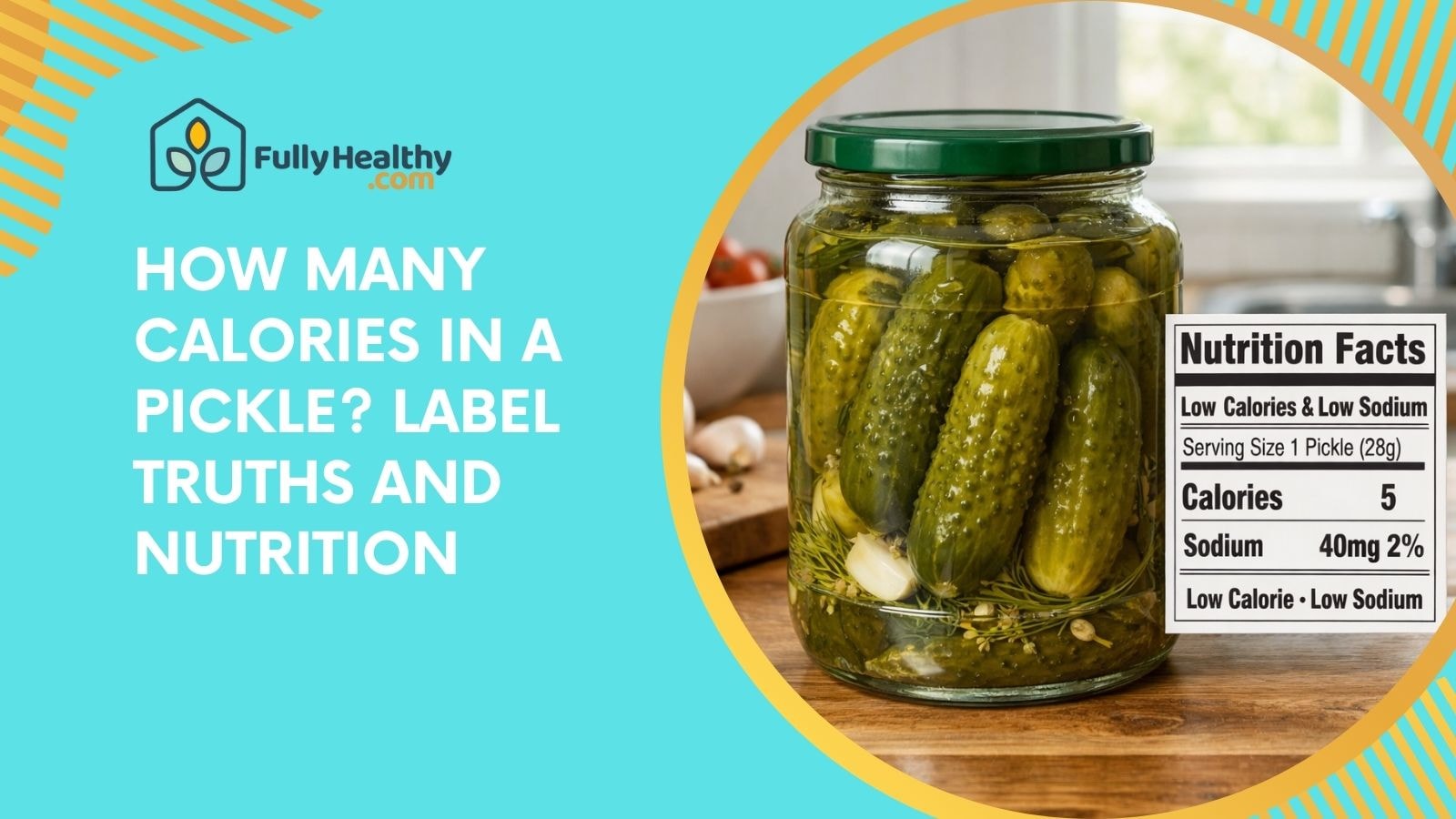
Pickles are crunchy, salty, and low in calories, but how many calories are there in a pickle? Dill pickles usually only have 5 to 10 calories, but sweet pickles have more because they have sugar added to them.
For serving size rules reasons, labels may say "zero calories." For smart pickle eating, this article talks about pickle calories, health benefits, weight loss effects, sodium limits, and how to choose nutritious pickles.
🥬 Go Back to Basics — Classic Pickled Cabbage with a Probiotic Punch!
How Many Calories In A Pickle?
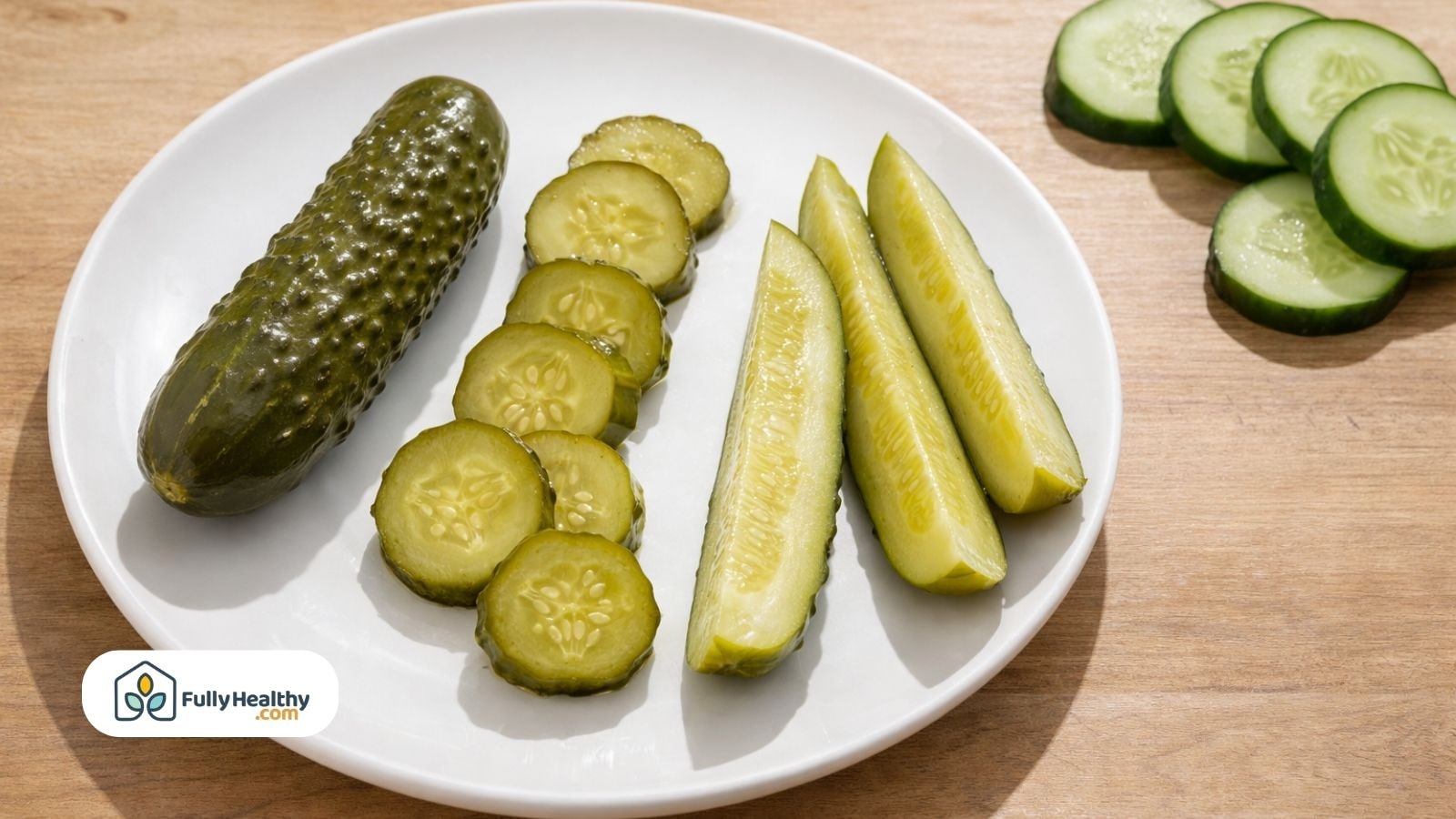
You can make pickles from cucumbers that have been preserved in a brine made of salt, vinegar, water, and spices. Some food labels say there are no calories, so a lot of people look up "how many calories are in a pickle."
Actually, most pickles don't have many calories. Knowing how many calories are in a serving can help you keep track of your calories, control your diabetes, and pick foods that meet your daily nutrition goals.
Calorie Counts By Pickle Type (Dill, Sweet, Kosher)
Usually, dill cucumber pickles have the fewest calories. On the other hand, sweet pickles have more calories because they have sugar added to them. What goes into fermented pickles, like yeast or garlic, and how long they ferment can make them taste different. Pickles mostly have little to no fat, medium to little protein, and only a few carbs.
-
Serving size matters: Eating a single pickle is lower in calories than eating a bunch of them from the whole jar.
-
Sugar raises calories: There are more calories in a serving of sweet pickles than dill pickles.
-
Preparation changes nutrition: Seasonings, soaking time, and brine all change the number of calories in the end.
Why Pickles Can Be Labeled Zero Calories
Labeling rules let foods with very few calories per serving round down, which is why many pickle jars say they have no calories. Some people who are carefully counting calories might get this wrong. There are still some carbs, fiber, and salt in pickles, even if they say they have no calories on the label.
-
Label rounding rules: Foods with less than 5 kcal per serving can legally say they have no calories.
-
Multiple servings add up: When you eat a lot of pickles, you take in more calories overall.
-
Smart label reading: You can avoid making mistakes when counting by checking the serving size.
Is Pickle Good During Weight Loss?
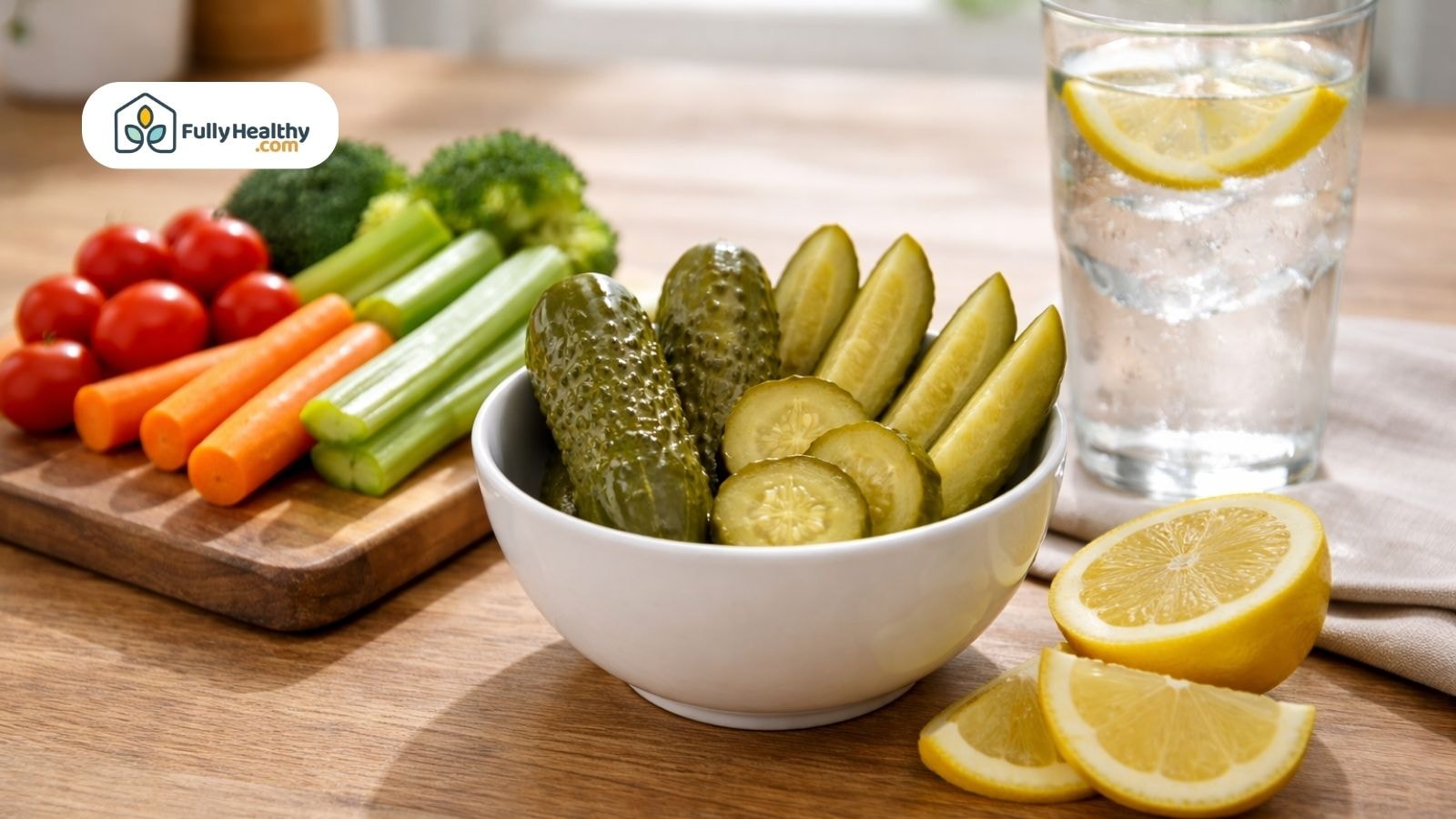
If you eat pickles in moderation, they can help you lose weight. Some people say they make food taste better without adding a lot of calories, fat, or carbs.
Pickled cucumbers made with vinegar may help people feel fuller, which can help them control their calories and stop them from Pickled cucumbers made with vinegar may marginally influence satiety, though current evidence is limited and context-dependent.
How Pickles Fit Into A Calorie-Controlled Diet
No oil or heavy sauces are needed to add crunch and flavor with pickles. So, they can be used for meals that are meant to help you lose weight, control your diabetes, or get a balanced diet. Foods that go well with them are vegetables, lean proteins, and easy recipes.
-
Low energy density: Pickles are tasty without being too high in calories.
-
Meal balance: By adding pickles, you may not need as many high-calorie foods.
-
Hydration support: Pickle juice has electrolytes in it that might help you stay hydrated.
Vinegar, Fullness, And What Science Shows
The vinegar in pickles may help you control your hunger and blood sugar. Others use pickle juice to ease muscle pain and help muscle recovery after working out. However, salt intake should always be thought about.
-
Appetite control: Garlic vinegar might help people eat less at meals.
-
Cramp relief: Pickle juice may relieve muscle cramps, possibly through neural reflexes, but findings are inconclusive and require further research.
-
Moderation matters: Getting too much sodium can raise the risk of high blood pressure.
Is A Pickle A Healthy Snack?
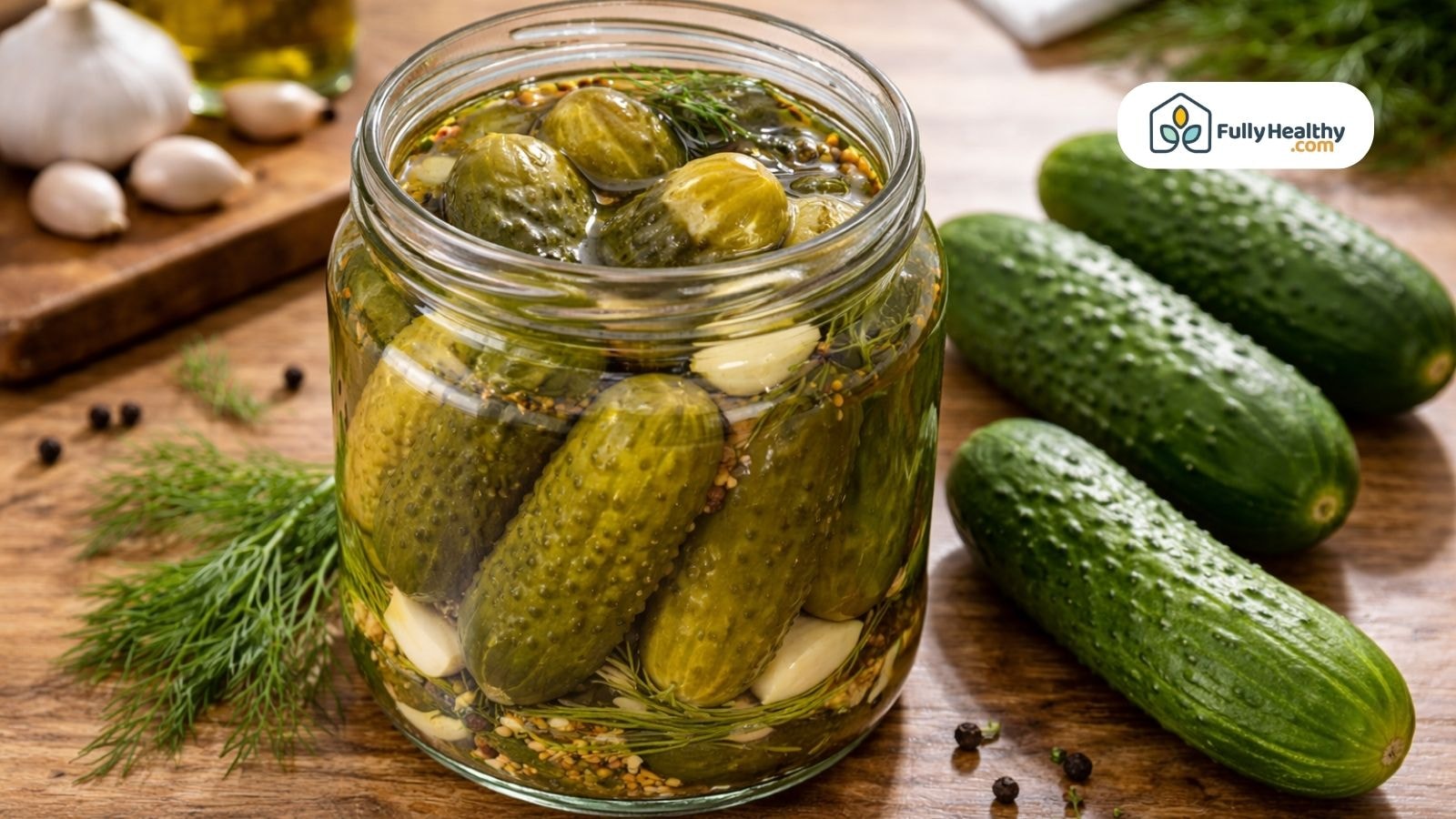
Depending on the type and amount, pickles can be a healthy snack. Naturally fermented, unpasteurized pickles may contain probiotics that support gut health, but many commercial varieties do not. They also have vitamin K, potassium, and small amounts of fiber, all of which are good for your health.
Nutrients And Benefits Beyond Calories
Fermentation lets good bacteria grow, which is good for the gut and digestion. Also, pickles have vitamins that are good for you without adding fat or oil.
-
Gut support: Fermentation makes probiotics, which help keep the balance of bacteria in the gut.
-
Bone and blood health: Vitamin K helps blood clot and meets daily value needs.
-
Low fat content: Pickles contain negligible fat and very low protein levels.
When Pickles Are Not The Best Choice
Pickles have high sodium content, which could raise blood pressure. People with hypertension or high blood pressure should cut back on salt or choose foods with less salt.
-
Sodium awareness: Sodium-rich foods may make blood pressure go up.
-
Portion control: Too many pickles can be bad for your health.
-
Smarter options: Pickles that have been fermented naturally with less salt are better most of the time.
Is 2 Pickles A Day Too Much?
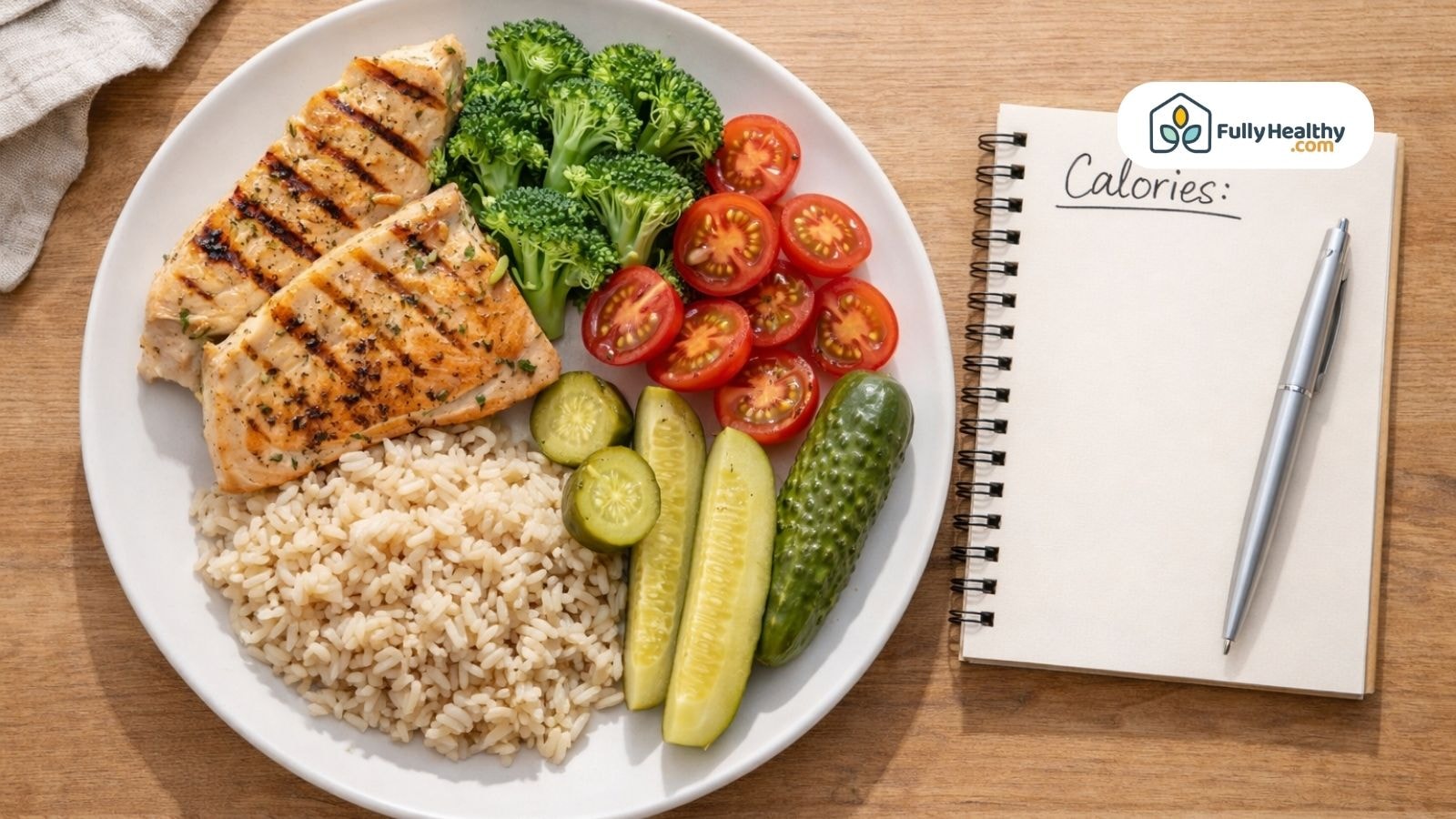
Pickles every day might not be bad for you, but how much you eat and how much sodium you take in are important. Even though pickles are low in calories, the brine makes them very salty. When people eat pickles without keeping track of how many they eat, the sodium can quickly build up.
One or two pickles can be part of a meal for most healthy adults, but eating too many may hurt your heart health, digestion, and ability to stay hydrated over time.
Sodium Intake And Daily Limits
Two pickles can contribute significantly to the daily upper sodium limit recommended by health guidelines. It has health benefits that are important for people who are managing heart conditions or high blood pressure. While salt keeps pickles fresh, eating too much of it on a regular basis may make you retain water, put more stress on your heart, and raise your long-term risk.
-
Daily sodium intake: It's possible to get more than half of your daily sodium needs from just two pickles.
-
Hidden portions: When you eat straight from the jar, you often get more salt than you meant to.
-
Balancing intake: Choosing foods with less salt and drinking water can help ease stress.
Signs You May Be Overconsuming Pickles
The body usually lets people know when they've eaten too many pickles. People who are sensitive to salt or vinegar are more likely to have these effects. Keeping an eye on your symptoms can help you avoid pain and form healthier habits.
-
Digestive discomfort: Too much acid and salt can make your stomach bloat or hurt.
-
Thirst and swelling: Too much sodium makes you thirsty and may make you hold on to water.
-
Heart impact: Continuing to eat too much may make the risk of high blood pressure higher.
What Does Fully Healthy Offer For People Tracking How Many Calories In A Pickle?
Fully Healthy is an online store for people who are on special diets. It's not meant to teach people about calories, but it does help them choose foods with clear ingredients and fewer additives. People who want to burn extra calories should eat well-balanced meals instead of severely restricting their food intake.
How Fully Healthy Supports Ingredient-Aware Eating
FullyHealthy picks out products that are good for people with autoimmune diseases, gluten intolerance, and allergens. Users can easily keep track of what they eat, manage their nutrition, and reach their personal goals with this. Short lists of ingredients cut down on hidden sugars and extra sodium, which helps digestion and keeps energy levels steady.
-
Clear labeling: People can clearly see the ingredients before they buy.
-
Diet flexibility: Products help people form long-term eating habits, not just quick fixes.
-
Mindful choices: Helps people consume foods that work with their daily lives.
Relevant Product Categories That Complement Low-Calorie Foods
You can find seasonings, snacks, and pantry items at FullyHealthy that go well with low-calorie meals. You can add flavor with these items instead of heavy sauces or lots of oil. People can still enjoy food while staying on track with their nutrition goals by using options like lemon-based blends.
-
Seasonings and spices: Adding taste doesn't mean adding more calories.
-
Snack alternatives: Replace processed foods that are high in salt.
-
Meal balance: Helps keep your energy level steady, digestion, and food control.
Final Thoughts
Knowing how many calories are in a pickle can help you eat better without thinking too much about your diet. It's important to watch how much pickles you eat because they are low in calories but high in sodium.
Choosing naturally fermented foods can help your gut health and keep you from eating too much salt. As long as you don't eat too many pickles, they won't hurt your blood pressure or nutrition goals.
FAQs
Do pickles really have zero calories?
Pickles do not truly have zero calories, but many are labeled that way because servings under 5 calories can be rounded down according to U.S. food labeling rules.
Can you eat 0 calorie pickles while fasting?
Eating pickles may break certain types of fasts that restrict all caloric intake, though the effect may be minimal depending on fasting goals.
What is the 3 2 1 rule for pickles?
The 3 2 1 rule for pickles refers to a simple brine ratio of 3 parts vinegar, 2 parts water, and 1 part salt used in quick pickle recipes.
What foods truly have 0 calories?
No solid foods truly have zero calories, but items like water, black coffee, and plain tea come closest because they provide negligible energy.
Why do pickle labels list zero calories per serving?
Pickle labels list zero calories because the calorie amount per serving is very low and allowed to be rounded down under food labeling guidelines.
Leave a comment