

How Many Calories Should Breakfast Be? Your Simple Guide

How many calories should breakfast be? For many active adults, about 350 to 600 calories is a practical range. A balanced breakfast should include protein, fiber, healthy fats, and complex carbs. Your ideal amount depends on your daily needs, activity level, hunger, and personal health goals each day.
How Many Calories Should Breakfast Be?
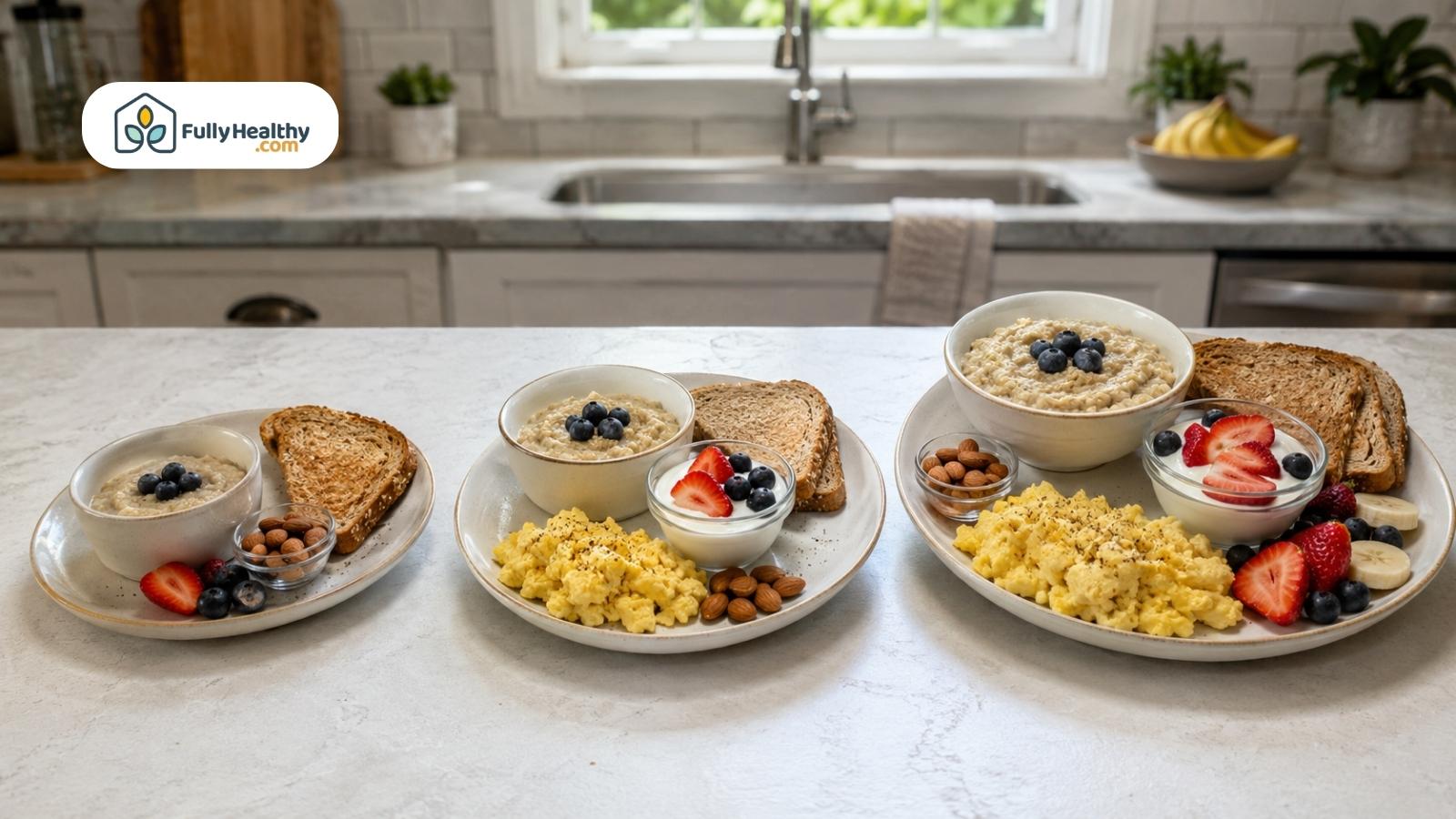
Breakfast calories can range from about 350 to 600 calories for many active adults, according to TODAY dietitian Natalie Rizzo, RD. This may equal around 25% to 30% of your daily calorie intake. However, your ideal calorie range depends on your age, activity level, body size, and health goals.
Should Breakfast Be 25–30% of Your Daily Calories?
Using 25% to 30% of your daily calories for breakfast can be a useful guide, but it is not a strict rule. Your total energy intake can change based on age groups, muscle mass, activity level, and daily eating habits.
-
Meal balance: A healthy breakfast should include complex carbohydrates, protein, fiber, and healthy fats to support steady energy.
-
Food choices: Whole grain bread, fruits and vegetables, cottage cheese, and plain Greek yogurt can add important nutrients to your meal.
-
Personal goals: People who want to lose weight, maintain body weight, or gain weight may need different breakfast calories.
How Many Calories Should Breakfast Be to Keep You Full?
Calories matter, but the foods you choose can also affect how long you stay full. Refined carbohydrates, such as white bread, may not be as satisfying as balanced meals that include protein, fiber, and healthy fats.
-
Protein sources: Cottage cheese, eggs, Greek yogurt, or a protein smoothie can help make eating breakfast more filling.
-
Better carbohydrates: Choose complex carbohydrates more often because they usually provide more fiber than refined carbohydrates.
-
Healthy fats: Nuts, seeds, avocado, or a small amount of olive oil can help create a more balanced breakfast.
Is a 200-Calorie Breakfast Enough?
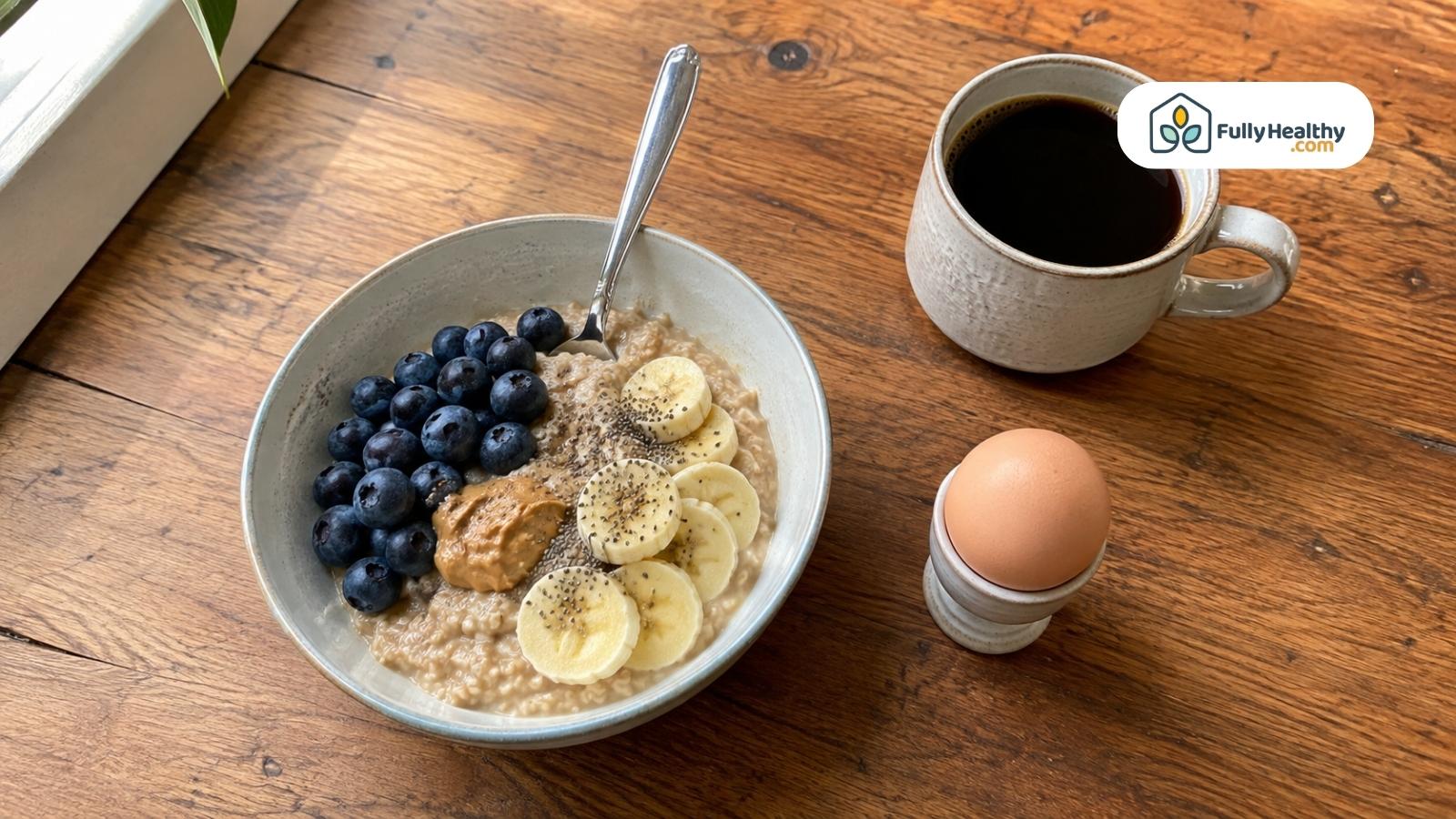
A 200-calorie breakfast may work for some people, but TODAY describes 200 calories or less as closer to a snack than a full meal. If this calorie count leaves you hungry, tired, or distracted before lunch, your breakfast may need more calories or better balance.
Can a 200-Calorie Breakfast Keep You Full Until Lunch?
Fullness depends on both calorie intake and food quality. Trying to eat fewer calories does not mean breakfast has to be very small. A balanced approach can support weight management and sustainable weight loss without leaving you constantly hungry.
-
Hunger signals: Feeling hungry well before lunch may be a sign that your breakfast calories are too low.
-
Nutrient quality: Protein, fiber, fruits and vegetables can make a smaller breakfast more satisfying.
-
Daily balance: Consider your lunch and dinner calories instead of judging breakfast calories by themselves.
When Might a 200-Calorie Breakfast Be Too Small?
Active people or those with higher calorie needs may find that 200 calories are not enough for breakfast. Eating fewer calories is not always better for weight loss or metabolic health, especially if it makes balanced eating harder later in the day.
-
Activity level: Regular exercise and daily movement can increase your overall calorie needs.
-
Body goals: Weight gain, weight loss, and maintaining muscle mass may require different levels of caloric intake.
-
Eating preference: Some people skip breakfast, while others feel better with a big breakfast or higher calorie breakfast.
What Does 600 Calories a Day Look Like?

Eating 600 calories for an entire day is very different from eating 600 calories at breakfast. Aspect Health describes a 600-calorie daily intake as extreme restriction. TODAY, however, places 600 calories at the higher end of its suggested breakfast range for many active adults.
Why Is 600 Calories a Day Considered a Very-Low-Calorie Diet?
Aspect Health states that conventional low-calorie diets often contain around 1,200 to 1,500 calories per day. Limiting daily intake to only 600 calories may increase the risk of nutrient deficiencies, fatigue, muscle loss, and hormonal problems.
-
Energy shortage: This level of calorie intake may not provide enough energy for basic daily needs.
-
Nutrition concerns: Severe calorie restriction can make it difficult to get enough vitamins, minerals, protein, and other nutrients.
-
Muscle loss: Very low calorie intake may contribute to a loss of muscle mass, especially when maintained for too long.
When Is a 600-Calorie Diet Used Under Medical Supervision?
Very-low-calorie diets may sometimes be used in clinical settings, such as certain obesity treatments or before some medical procedures. This is very different from counting calories and choosing to severely restrict your food intake without professional guidance.
-
Clinical purpose: A healthcare professional may prescribe severe calorie restriction for a specific medical reason.
-
Medical monitoring: Professional supervision can help track nutrient deficiencies, side effects, and changes in overall health.
-
Long-term approach: Sustainable weight loss usually depends on balanced meals and realistic eating habits rather than extreme calorie restriction.
How Can FullyHealthy Help With Specialty-Diet Breakfasts?

FullyHealthy offers specialty foods for people following AIP, gluten-free, and other specific diets. Its breakfast products can make meal planning easier when regular options do not fit your needs. These choices can support healthy breakfast ideas, but portion size and preparation still matter when planning your daily calories.
Which FullyHealthy Products Can Make Specialty Breakfasts Easier?
FullyHealthy carries several breakfast options for different eating needs. These products can help add variety to what you eat for breakfast while making it easier to follow certain dietary preferences.
-
Primal Palate Everyday AIP Blend Breakfast Blend: This seasoning can add flavor to vegetables, breakfast meats, or lean protein.
-
EAT G.A.N.G.S.T.E.R Pancake and Waffle Mix: This grain-free and gluten-free mix can be used for homemade pancakes or waffles.
-
Wild Zora Original Instant Hot Cereal: This grain-free cereal contains flaxseed, coconut, fruit, almonds, and walnuts for a simple hot breakfast.
How Can You Fit FullyHealthy Products Into Your Breakfast Goals?
The calories breakfast provides depend on serving size, toppings, and preparation. Even specialty-diet foods can add too many calories if portions are large or extra ingredients are added often.
-
Check portions: Use the serving information available on the package.
-
Choose toppings wisely: Fruit can add flavor without relying on added sugar.
-
Plan your day: Balance breakfast with your other main meals and overall calorie needs.
Final Thoughts
When deciding how many calories breakfast should provide, focus on your current weight, physical activity, hunger, and needs throughout the day. Breakfast can be an important meal when it provides enough nutrients and supports balanced breakfast choices.
Eating eggs, egg whites, scrambled eggs, avocado toast, or whole foods instead of refined grains may offer useful health benefits. You do not need to cut calories too sharply or save most of them for a big dinner. Instead, balance breakfast, lunch, and dinner with foods such as lean protein and brown rice.
FAQs
Is Eating Eggs a Good Breakfast Choice?
Yes, eating eggs or egg whites provides protein and can be part of a balanced breakfast.
Is Avocado Toast a Healthy Breakfast?
Avocado toast can provide healthy fats and other nutrients, especially when made with whole-grain bread instead of refined grains.
Should I Cut Calories at Breakfast to Lose Weight?
You can cut calories if needed, but your breakfast should still provide enough nutrients to support your daily needs.
Should Breakfast Be Smaller Than a Big Dinner?
Meal size depends on your calorie needs, hunger, physical activity, and eating pattern throughout the day.
How Should I Balance Breakfast, Lunch, and Dinner?
Plan breakfast, lunch, and dinner around nutrient-rich foods and portions that match your health goals and energy needs.
Leave a comment