

How Much Juice in One Lemon? Tips That Actually Work

Photo Credit: Canva Pro
Have you ever thought about how much juice a lemon has? About two to three tablespoons of juice can be squeezed out of a medium-sized lemon. However, that amount can change based on the type, size, and level of ripeness.
Find out how to get the most juice out of a lemon, when to use fresh lemons instead of bottled ones, and why the size of the lemon matters. This short guide will help you whether you're cooking, baking, or mixing drinks.
🍋 Need Fresh Lemon for Recipes Anytime? Lakewood Organic Lemon Juice Delivers!
How Much Juice in One Lemon?

Photo Credit: Canva Pro
You are not the only one who wants to know how much juice is in a lemon. The amount of juice that comes from a medium-sized lemon can be anywhere from 2 to 3 tablespoons. How much juice a lemon makes depends on its size, how ripe it is, and even the type of lemon. If you know this, you can use lemon juice or lemon zest in recipes for cooking, baking, or making drinks.
How Much Juice You Can Expect
Using a small, medium, or large lemon will change how much juice it has. Getting the measurements right can change how your recipe turns out.
-
Small lemon: Yields about 1.5 tablespoons of juice on average.
-
Medium lemon: Typically yields 2 tablespoons.
-
Large lemon: Can yield up to 3 tablespoons, rarely 4.
-
Cup conversion: One cup of juice comes from four to six lemons.
How to Get the Most Juice
With a few smart moves, you can get more juice out of a lemon with less work.
-
Roll before cutting: Lemon pulp can be broken up by rolling it on the counter for a short time.
-
Microwaving: For 10 to 15 seconds, heat the lemon to soften it.
-
Freezing trick: It is easier to juice your own lemons if you freeze and thaw them first.
-
Juicing tools: You can use a citrus squeezer, a juicer, or a citrus reamer.
-
Manual method: Cut the lemon in half and use your hands or a mesh strainer to squeeze it over a bowl, this will catch the seeds.
Can You Replace Fresh Lemon Juice with Bottled?
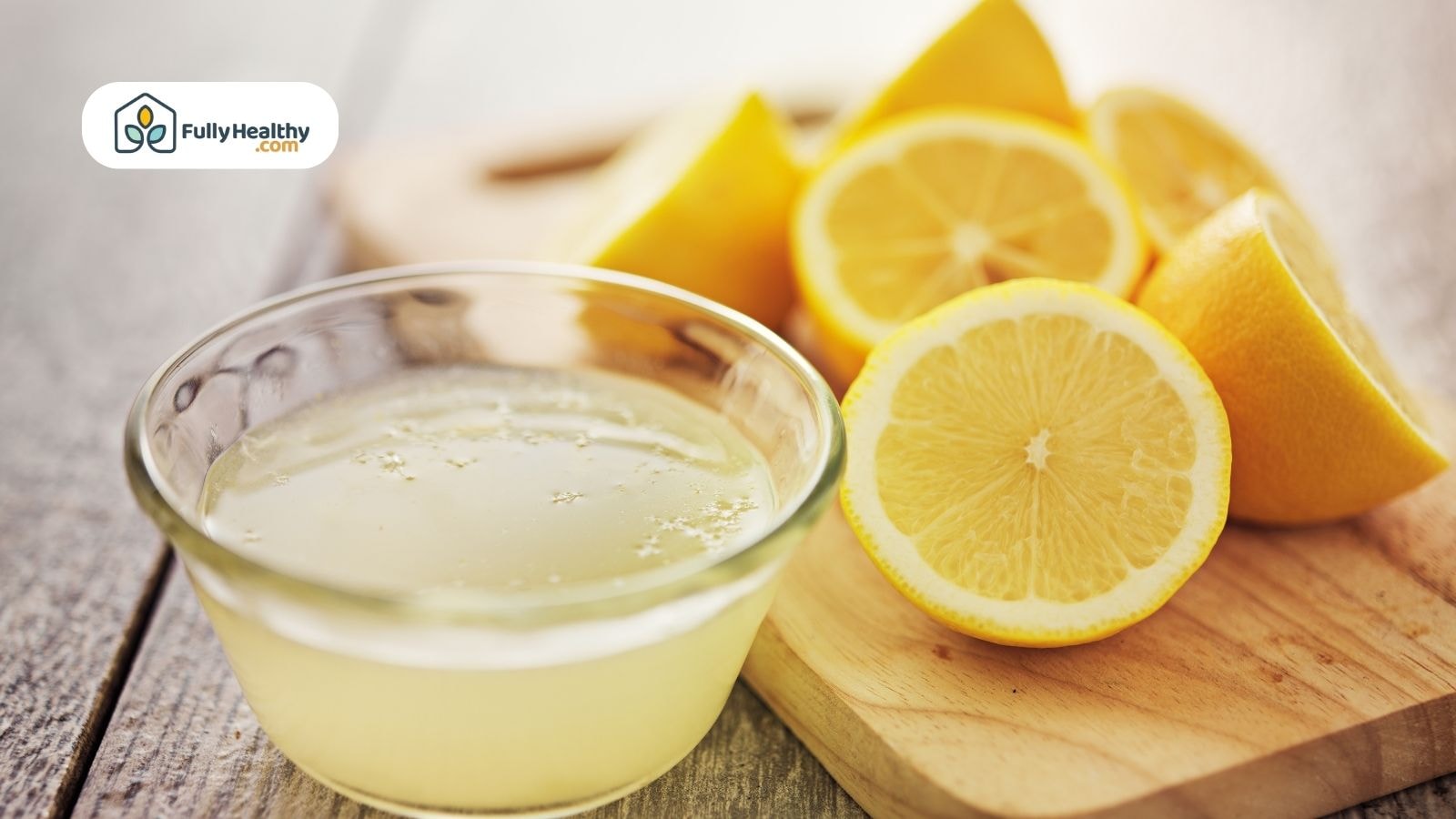
Photo Credit: Canva Pro
It's not always possible to switch between fresh lemon juice and lemon juice in a bottle. Fresh lemons smell, taste, and are better for you than canned ones. It might seem easier to just buy lemon juice in a bottle, but it usually has extra things in it and doesn't have the oils that give lemons their flavor. It can still be used in some recipes when it comes in a bottle.
Comparing Taste and Nutrition
Fresh lemon juice tastes better than bottled lemon juice, but it's also better for you.
-
Loss of vitamin C: When lemon juice is pasteurized, it loses some of its nutrients.
-
Missing lemon oils: Lemon oils are largely removed in bottled juice, leading to a reduced citrus aroma.
-
Preservatives: Sulfites, present as preservatives in some bottled lemon juices, can trigger allergic reactions in sulfite-sensitive individuals.
-
Fresh wins: Lemonade, salad dressings, cakes, and other things that need a strong lemon flavor should all use fresh lemon juice.
When Bottled Juice Works
When taste isn't important or when fresh lemons aren't available, bottled lemon juice might do.
-
Cooking with heat: If it doesn't matter what flavor you lose, use juice from a bottle in soups or marinades.
-
No zest needed: Lemon zest from a bottle might work if your recipe doesn't call for it.
-
Measurement: One medium-sized lemon's juice is equal to two tablespoons of lemon juice from a bottle.
-
Convenience factor: Juice in a bottle is handy, but it's not the best thing to use to finish cooking or baking.
Does Lemon Size Affect Juice Amount?

Photo Credit: Canva Pro
In fact, the amount of juice in a lemon depends on how big it is. However, size isn't the only thing that matters. Ripeness, variety, and storage all play a part as well. Lemons that are soft and heavy for their size are more likely to be juicy. Most of the time, lemons with thick rinds have less pulp, which means they have less juice.
What Makes Some Lemons Juicier
There are types of lemons that naturally make more juice than others. Picking the right lemon can help you juice faster and easier.
-
Meyer lemons: Less big, but very juicy, and the skins are very thin.
-
Eureka and Lisbon: Normal grocery store lemons with a medium amount of juice.
-
Heavy = juicy: It's likely that a lemon that feels heavy for its size is full of juice.
-
Smooth skin: Lemons with thin skins tend to have more pulp.
Ripeness and Storage Tips
How you keep lemons can change how much juice they give you. To taste and yield, ripeness is also important.
-
Room temperature: If you're going to use the lemons soon, keep them on the counter.
-
Fridge for longer: Lemons will last up to two weeks if you put them in the fridge.
-
Avoid dryness: Lemons get less juicy and moist as they age.
-
Freeze to save: With ice cube trays, you can freeze tablespoons or teaspoons of lemon juice.
What Does FullyHealthy.com Offer Related to Lemon Juice?
The website FullyHealthy.com does not sell fresh lemons or lemon zest but we have bottled lemon juice. The site helps people who need citrus-free products for baking or cooking, but it doesn't say exactly how much juice is in a lemon or how many tablespoons of juice a lemon makes.
Their AIP-friendly seasonings and mixes make it easy to add lemon to recipes without having to juice a lemon or worry about the pulp, oils, or acidity.
AIP & Citrus-Free Alternatives
FullyHealthy helps people who can't use lemons because they are allergic, have a restricted diet, or have a sensitive gut.
-
No lemon, no problem: You can use green herbs or vinegars instead of lemon zest or lemon halves in recipes that call for them.
-
Citrus-free cooking:To get one tablespoon of lemon juice from a bottle, you don't have to roll, slice, or squeeze a lemon.
-
Acid-free options: The products don't have any harsh acids or citrus oils in them.
-
Low-allergen pantry: It sells spice blends that can be used instead of zesting lemons or juicing lemons.
Tools You Won’t Need
With what they sell, you don't need any juicing tools or measurements.
-
Skip the tools: You don't need a citrus reamer, juice press, or juicer.
-
No mess: Don't use a cutting board, bowl, or elbow grease to extract juice.
-
No guessing: To match the taste of lemon, you don't need to count tablespoons or ounces.
Final Thoughts
If you're wondering how much juice in one lemon, it depends on the fruit size and how you juice a lemon. About 1–2 ounces is enough from a lemon half for most cooking or baking needs. If a recipe calls for zest or pulp, fresh lemons taste better than lemon juice from a bottle. Over a bowl or cutting board, use a press or squeeze by hand.
Microwaving a lemon for 10–15 seconds can increase juice yield, but ensure it is pierced or cut to avoid pressure buildup. Fresh lemon from the tree always adds more warm oils and value than lemons from a bottle, whether it's for decoration, zest, or a drop of acidity. It takes a lot of juice to make something.
FAQs
How much are 2 lemons juiced?
2 lemons give about 6 tablespoons or just under 1/2 cup depending on ripeness and how much juice in one lemon.
Is there a tool to maximize lemon juice?
Yes, use a press, fork, or twist the lemon half to do the job right and squeeze all the pulp and oils; some prefer keeping lemons in the refrigerator.
How much juice is in 4 lemons?
4 medium lemons typically yield about 1/2 to 2/3 cup of juice.
What is a substitute for lemon juice?
Use vinegar or bottled lemon juice if fresh is not available, but flavor, oils, and acidity will not taste the same.
Does rolling a lemon increase juice?
Yes, rolling the lemon before squeezing helps release pulp and oils, improving the juice is in one and perfect for cooking or baking.
Leave a comment