

How to Defrost Salmon Like a Pro? Fast, Safe, and Delicious
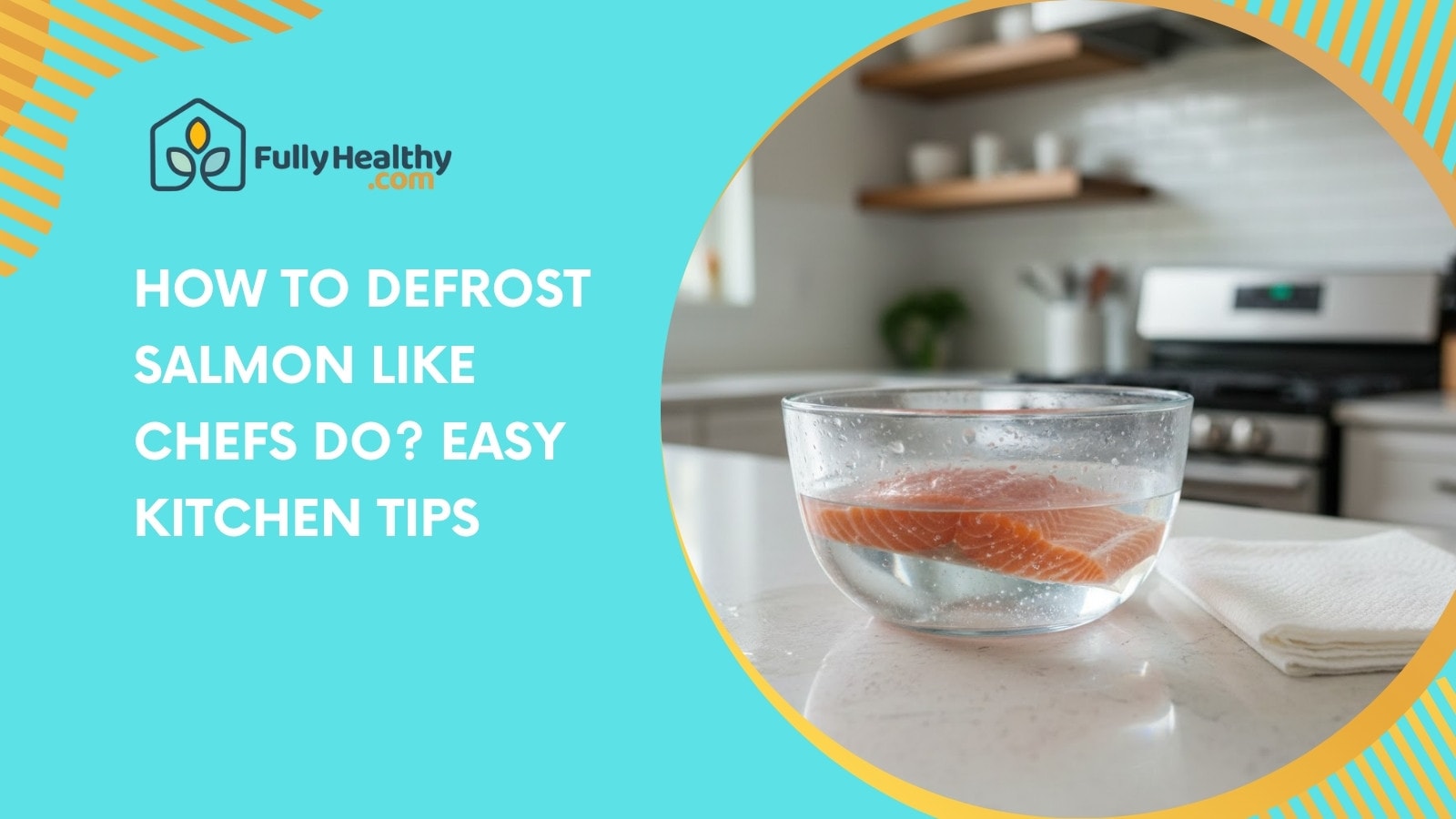
Want to know how to defrost salmon the right way? When salmon is safely thawed, its taste, texture, and nutrients stay the same. It can be done in the microwave, in cold water, or overnight in the fridge.
When done right, each method works, no guesswork, no soggy fish. Here is the best way to always get salmon that is completely defrosted.
Featured Snack Pick
Epic // Salmon Maple Coconut Oil Bites - 2.5 oz
Loading...
How to Defrost Salmon?
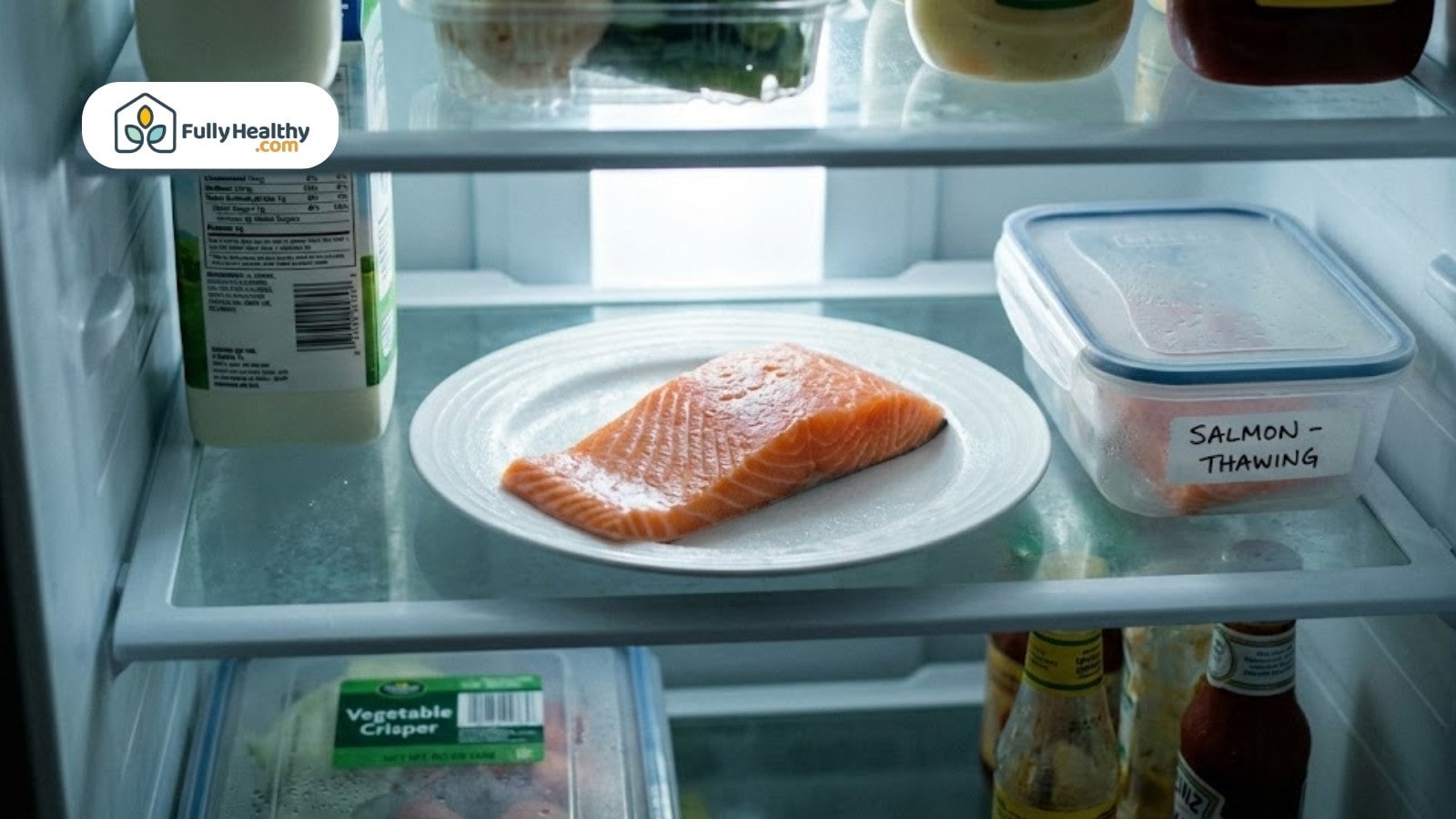
By learning how to safely defrost salmon, you can keep its taste and texture close to those of fresh fish. Proper thawing minimizes the risk of bacterial growth, helping seafood remain safe, moist, and flavorful. Getting it to a safe temperature without drying it out or making the meat too soft is the goal.
The Three Safe Ways to Thaw Salmon
There are several safe and effective ways to thaw salmon. When you thaw food the right way, these tips will help you keep it safe and fresh.
-
Refrigerator Overnight: Place the salmon in a resealable bag or wrap it in plastic wrap to prevent cross contamination. Set it on a plate or bowl in the refrigerator overnight. This slow method keeps the fish moist and ensures it’s thawed correctly.
-
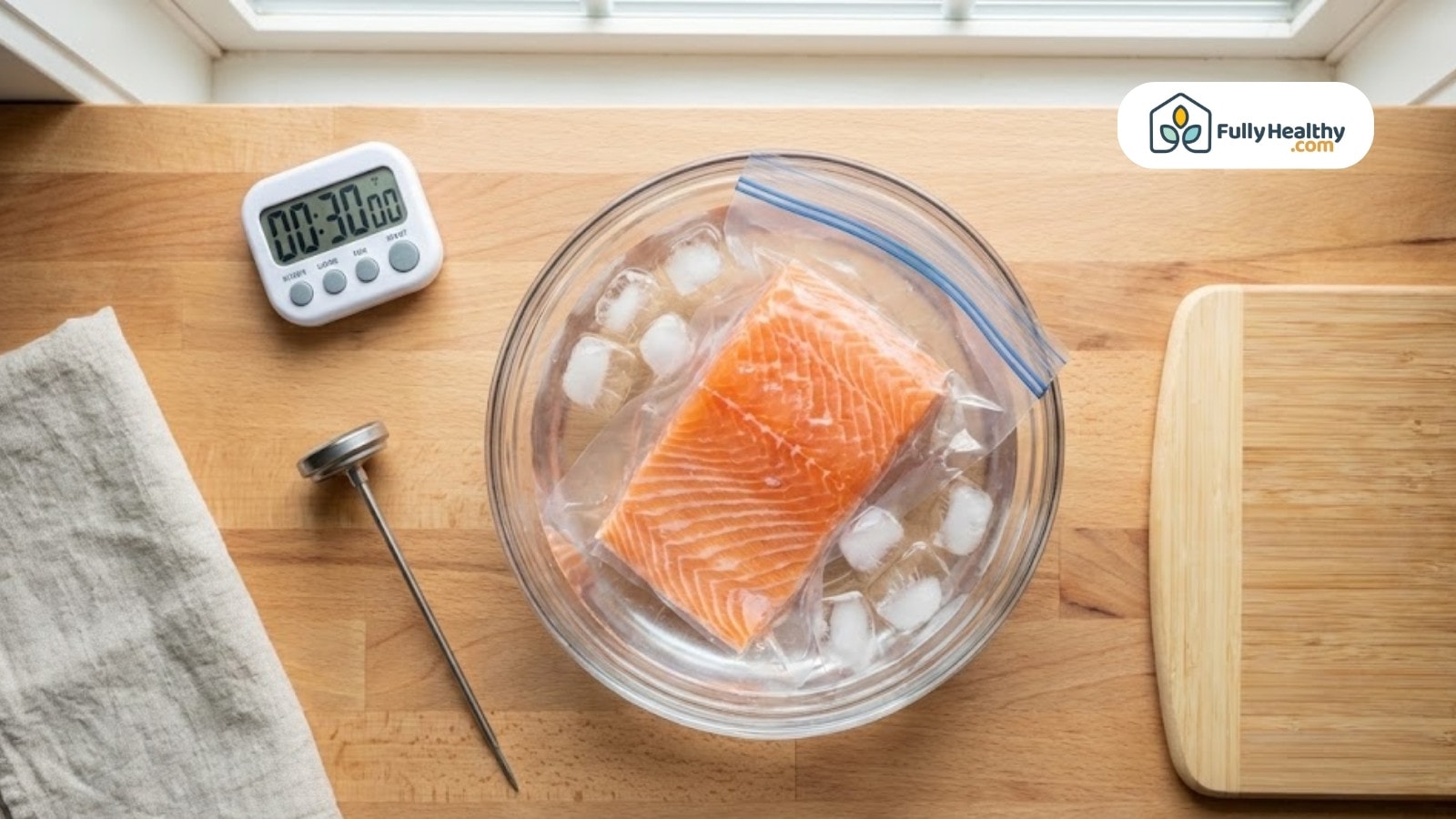
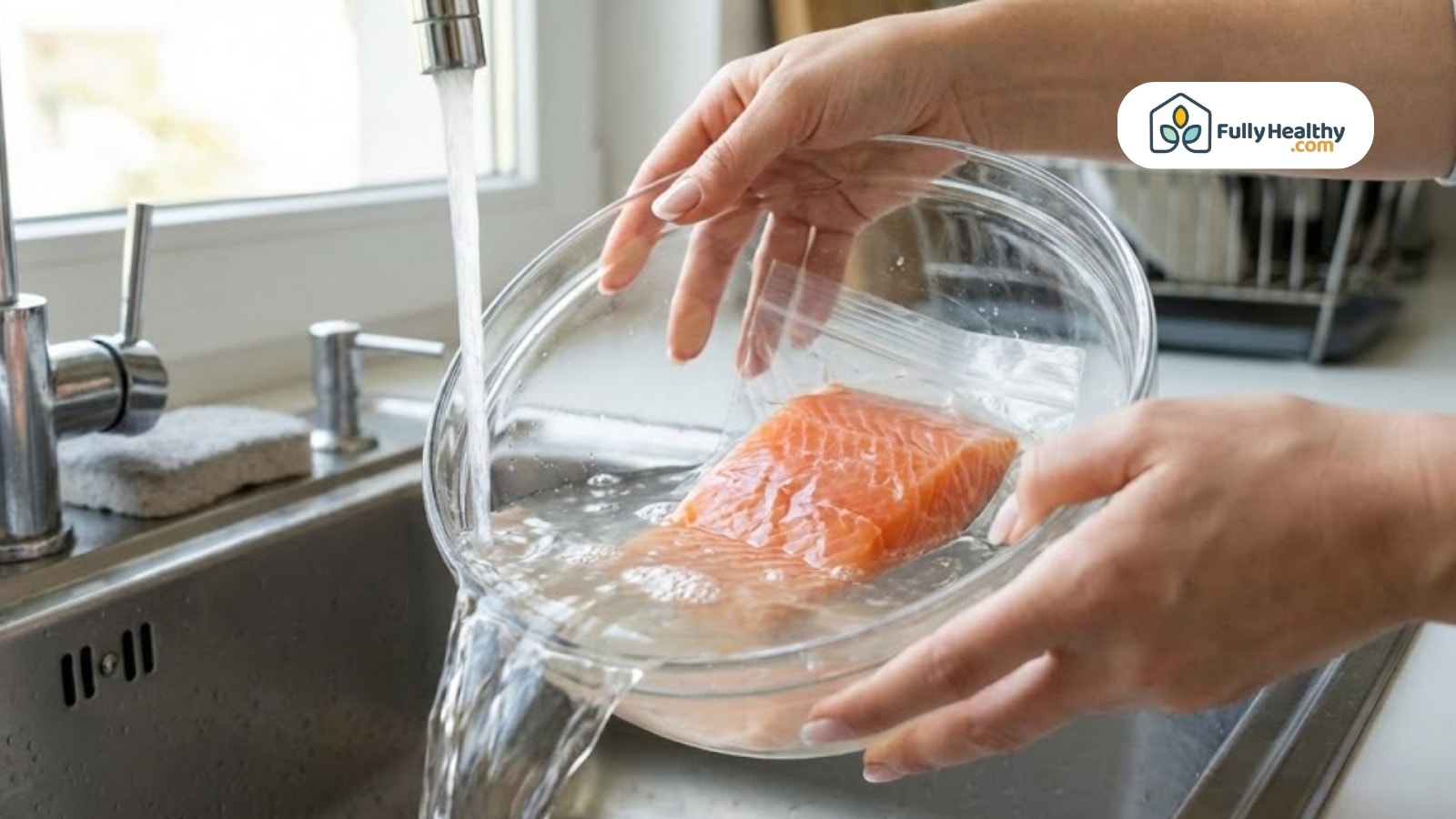
Cold Water Method: Put the salmon in a plastic bag or zip lock bags, remove excess air, and submerge it in a bowl of cold water. Change the water every 15–30 minutes, depending on fillet thickness, to maintain a safe temperature. Small fillets thaw in about an hour, while large fillets may need up to four hours.
-
Microwave Thawing: Use the defrost setting and check the salmon every minute. Once the fish becomes flexible, remove it and cook immediately to stop any warm spots where bacteria could grow.
Why Refrigerator Thawing Works Best
It is easiest and safest to thaw seafood in the fridge, where its flavor and texture will stay the same.
-
Maintains quality: Keeps the fish’s natural moisture and flavor.
-
Prevents bacteria: Cold, steady temperature stops harmful bacteria from growing.
-
Avoids uneven thawing: The inside and outside thaw evenly without turning warm.
This method works great when you plan to cook the fish the next day and want results that taste like fresh fish.
Can I Cook Salmon From Frozen?
If you do it right, you can cook salmon right from the freezer. This method cuts down on time while still making tender, tasty food. It works great when you forget to take the fish out ahead of time.
Baking or Poaching From Frozen
You can get moist, flaky salmon without having to let it thaw first if you cook it in the oven or by poaching.
-
Bake in the oven: Rinse off ice, pat dry with paper towels, and bake at 450°F. After five minutes, season lightly and continue cooking until it reaches 145°F.
-
Poach with white wine or broth: Add salmon to a pan with white wine, herbs, or broth. Cover and cook over medium high heat until the meat flakes easily.
Both methods keep the fish tender while sealing in natural juices and nutrients.
Pan-Frying or Grilling Techniques
If you use the right heat and are careful, you can also cook frozen seafood right on the stove or grill.
-
Start with moderate heat: Avoid too warm temperatures that dry out the surface.
-
Use a nonstick pan: Place salmon skin-side down and cover to let steam cook it evenly.
-
Flip for crispness: Turn halfway through for golden, crispy skin.
-
Grill smarter: Brush the grill with oil and use vacuum sealed packaging or grape leaves to stop sticking and preserve flavor and texture.
What Are Common Mistakes When Defrosting Salmon?
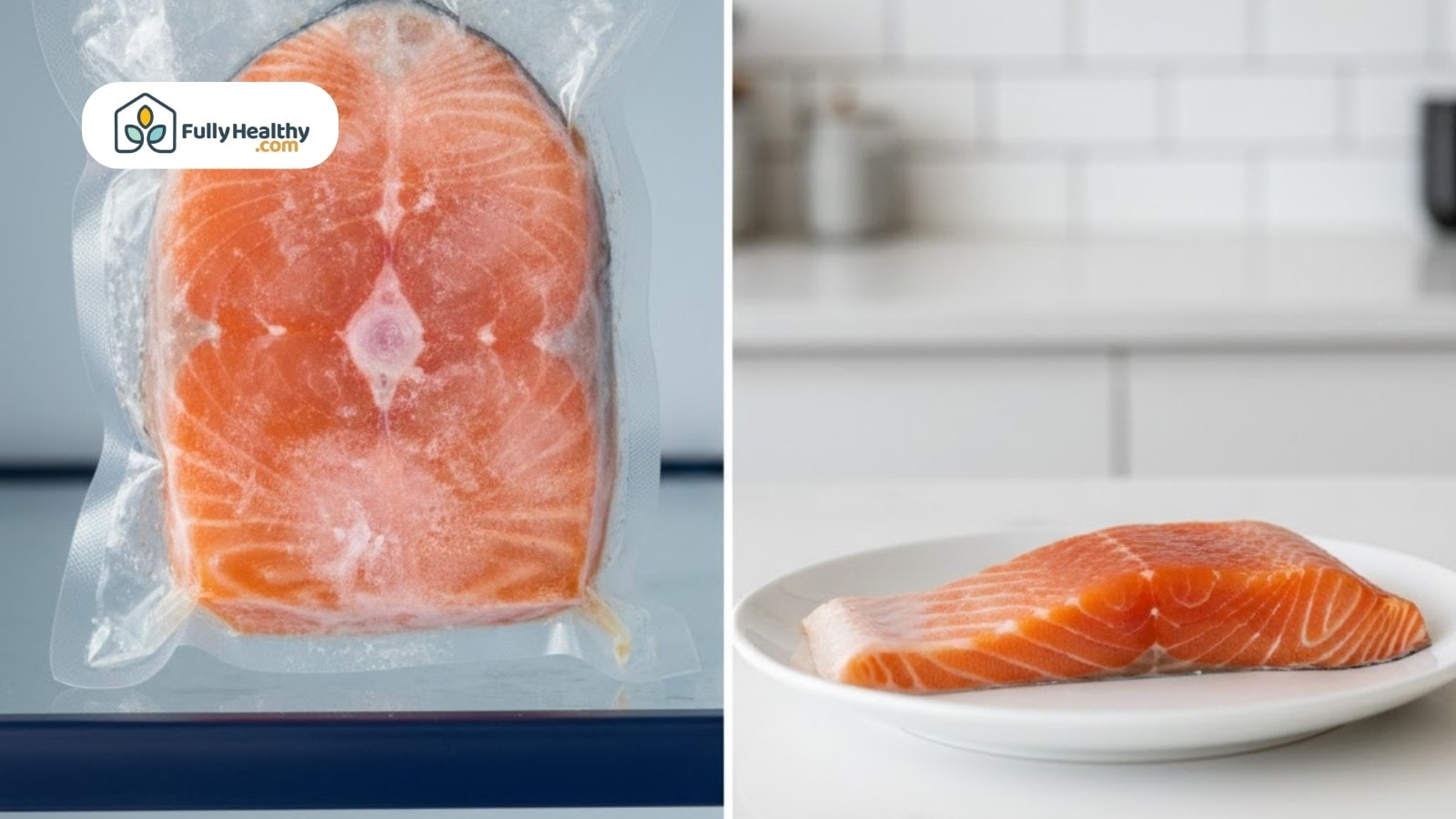
Bad thawing can ruin good fish and make it unsafe to eat. If you know what not to do, you can handle seafood properly and keep it tasting great.
Unsafe Thawing Habits to Avoid
If you do these common mistakes, bacteria can grow or the texture will be bad.
-
Countertop thawing: Leaving fish at room temperature lets bacteria multiply fast.
-
Hot water soak: Hot water can begin cooking the outer layer, leading to poor texture and promoting unsafe bacterial growth.
-
Microwave overheating: Using high heat instead of the defrost setting can dry out the edges.
-
Uncovered thawing: Always seal the fish in a plastic bag or wrap to prevent cross contamination.
How to Know It’s Thawed Correctly
Make sure the fish is ready to cook once it has thawed.
-
Firm texture: The salmon should feel firm and springy.
-
Fresh smell: It should have a mild ocean scent, not a strong fishy odor.
-
Healthy color: Look for bright flesh without gray or dull spots.
When it meets these checks, season and cook immediately to keep the best flavor and texture.
What Are Common Mistakes When Defrosting Salmon?
A lot of people mess up their salmon by doing simple things that ruin the taste or safety of it. If you know what not to do, you can save time, keep your taste, and stay healthy. When you handle seafood the right way, it stays fresh, tastes great, and is safe to eat.
Unsafe Thawing Habits to Avoid
Improper thawing can make it mushy, give it weird flavors, or even make you sick. Things you should stay away from are these:
-
Leaving fish on the counter: Letting salmon sit at room temperature increases the risk of bacteria growth and makes it unsafe to eat.
-
Soaking in hot liquid: Hot or warm water in the sink can start cooking the outside while the inside stays frozen, ruining the texture.
-
Skipping proper wrapping: Always wrap or seal the salmon before placing it in water. This stops salt or liquid from soaking in and changing the taste.
-
Not catching drips: Place the fish on a plate or bowl to catch any liquid and prevent contamination of other food in your kitchen.
How to Know It’s Ready to Cook
Make sure the salmon is fully thawed and safe to cook before you add butter or anything else.
-
Check texture: The meat should feel firm but flexible when lightly pressed.
-
Smell test: A mild ocean scent means it’s safe to cook. If it smells sour or off, don’t consume it.
-
Visual check: The flesh should look bright and moist. Dull or dry spots mean it may have thawed incorrectly.
Once these signs are clear, you can cook and serve your salmon without worry, knowing it will taste fresh and delicious.
How to Defrost Salmon Fast (Food52 Method)
If you don't have much time, the cold-water method is a quick and safe way to defrost salmon. It saves energy, keeps the flavor, and keeps the fish tender without using heat.
The 20-Minute Cold-Water Method
This simple process works great for busy cooks who need fast results.
-
Seal the fish properly: Place it in a plastic bag, press out the air, and submerge it in cool water in the sink.
-
Replace the water often: Change the water every 10 minutes to maintain a steady, cold temperature.
-
Check the fish: Thin cuts may thaw in 20 minutes, while thicker ones might take a bit longer.
When it’s done, dry it gently, season with salt and butter, wrap in foil if baking, and cook right away.
Safety Tips to Remember
Keep safety in mind while using this fast method.
-
Avoid warm water: It can encourage bacteria growth and affect texture.
-
Use clean water only: Make sure the fish stays submerged under cool liquid the entire time.
-
Cook and serve immediately: Once thawed, prepare the salmon right away to keep it safe and flavorful.
FullyHealthy: Salmon Products for Clean Eating
FullyHealthy has options for clean, healthy seafood that you can choose from. This online store sells natural, allergen-free, and AIP-friendly foods that make it easy to eat well. People who want healthy food and high-quality seafood shouldn't have to worry about confusing labels or ingredients that aren't obvious.
Wild Planet Wild Sockeye and Pink Salmon
Wild Planet offers premium canned salmon packed with nutrition and real flavor. Each can is made to keep the fish’s freshness and nutrients intact.
-
Wild Sockeye Salmon: Packed fresh—not frozen before canning—this variety delivers 17g of protein and healthy Omega-3s for heart and brain support.
-
Wild Alaskan Pink Salmon: Mild, flaky, and perfect for salads, wraps, or quick meals. It’s cooked once to keep its natural juices and taste.
-
Clean and responsible: Both options are Non-GMO, Paleo, Whole30, and AIP-approved. They also take into account ocean sustainability by using responsible fishing methods.
These canned salmons are great for busy people who want the benefits of fresh fish in a convenient, shelf-stable form.
Epic Salmon Maple and Coconut Oil Bites
Epic Provisions makes it easy to enjoy healthy seafood snacks without extra additives.
-
High-protein snack: Each bite is made from wild-caught salmon and provides clean energy for your day.
-
Simple ingredients: Made with maple, coconut oil, and mild spices, no unnecessary stuff added.
-
Perfect for busy lifestyles: Great for travel, post-workout snacks, or quick bites between meals.
FullyHealthy’s range of salmon products gives you nutritious, flavorful options that fit into a clean-eating lifestyle with ease.
Final Thoughts
If you know how to safely defrost salmon, you can keep its taste, texture, and nutrients just like when it was fresh. Keep the fish at a safe temperature and cook it as soon as it's ready, whether you thaw it in the fridge overnight, cold water, or the microwave.
With these easy steps, you can feel confident in the kitchen and make tasty meals without worrying about food safety.
FAQs
How do I defrost salmon without losing flavor?
Use the refrigerator overnight or a cold-water bowl to fill the fish with even temperature and create a smooth texture.
Can I cook salmon straight from frozen?
Yes, you can cook salmon straight from frozen if you use medium high heat and cook it until the center is hot.
What’s the best way to store frozen salmon after buying it?
Keep it sealed in vacuum packaging or zip lock bags to fill air gaps and create a tight barrier against freezer burn.
Can I refreeze salmon after it’s thawed?
Refreezing is only safe if the salmon was thawed in the refrigerator, not by microwave or warm water, to prevent bacterial growth.
Why is defrosting salmon properly important?
Proper thawing helps create safe food handling, fill the need for freshness, and prevent harmful bacteria while keeping the seafood’s natural flavor.
Leave a comment