

How to Know If an Avocado Is Bad? Signs You Should Never Ignore
 Photo Credit: Canva Pro
Here’s how to know if an avocado is bad. It has brown or stringy flesh inside, the skin is too dark, the flesh is too soft, or it smells bad. How to keep avocados fresh after cutting them, what to look for, and how long they last are all covered in this guide. It's best to get clear, simple answers so you don't waste food or eat something unsafe.
Featured Snack Pick
Jackson's // Avocado Oil Sweet Potato Chips - 5 oz
Loading...
How Can You Tell If an Avocado Has Gone Bad?
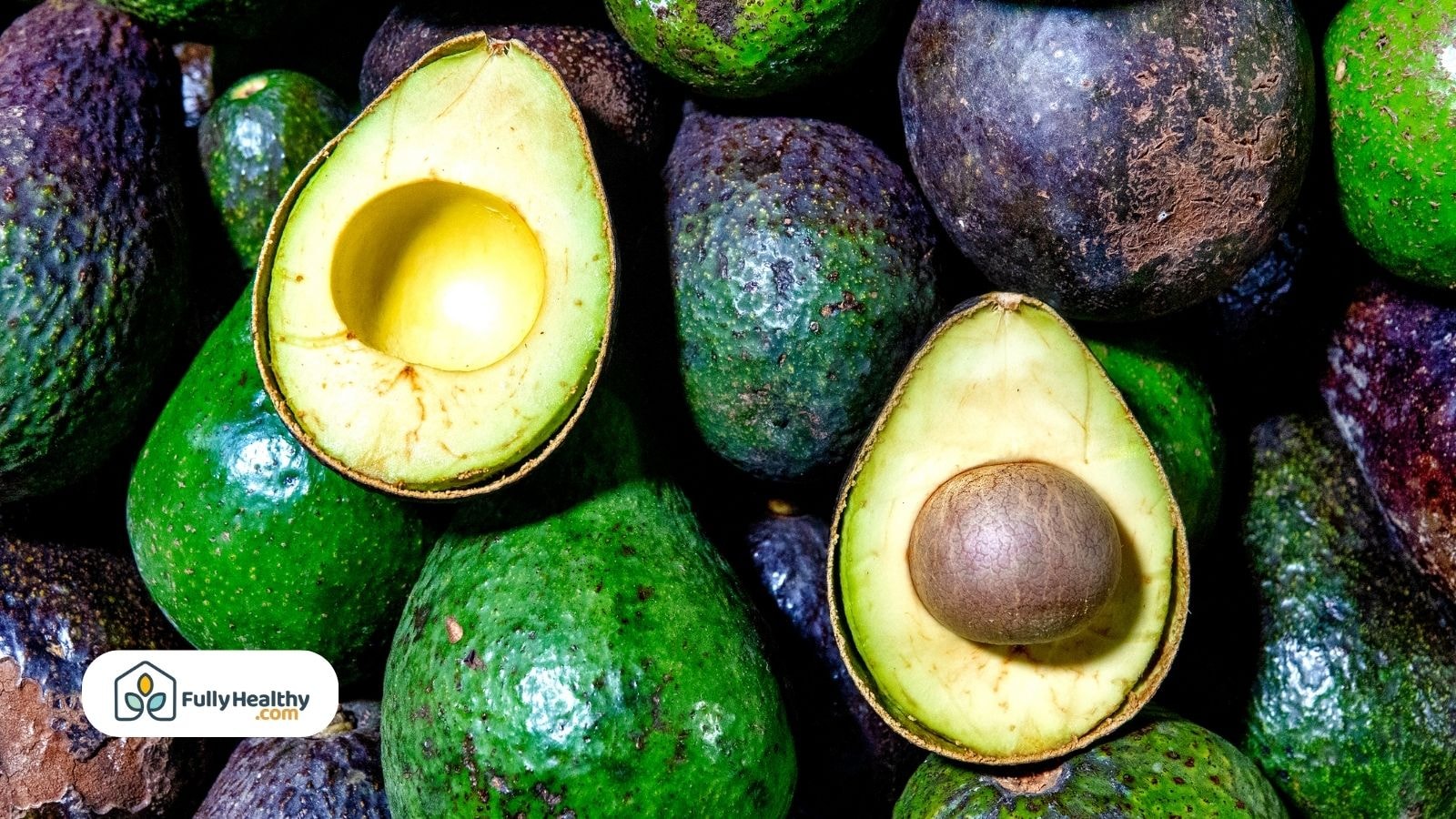 Photo Credit: Canva Pro
Visual Signs to Look For
Inspect the skin and flesh to find out if an avocado is bad. Its outside appearance is the first sign, and cutting it open confirms the problem. Hass avocado ripen from bright green skin to dark green and nearly black on the outside that takes up to two weeks.
-
Color changes: The fruit is past its prime if the skin is almost black and it feels too soft.
-
Sunken areas: Deep holes or spots that have collapsed show that there is damage or decay inside.
-
Wrinkled skin: The fruit is no longer fresh if the surface is dull or shrunken.
-
Mold on stem end: Don't eat an avocado that has white, gray, or fuzzy mold on the stem or skin.
-
Brown inside: Brown, gray, or black flesh with dark streaks usually means the avocado is bad.
-
Fibrous texture: A stringy or fibrous texture may appear in overripe avocados, especially from young trees. Combined with discoloration, this is a spoilage sign.
Texture, Smell, and Taste Cues
A spoiled avocado can be easily identified by its texture, smell, and taste. Learn how to know if an avocado is bad without relying only on appearance.
-
Too soft or mushy: Ripe avocados should yield slightly to gentle pressure. If they feel watery, collapsed, or overly soft, the fruit is likely spoiled.
-
Sour or rancid smell: A fresh avocado has a mild, nutty scent. A sour, chemical, or fermented odor signals it has gone bad.
-
Unpleasant taste: If the flesh has a bitter, sour, or rancid flavor, it is no longer safe to consume, despite its appearance.
-
Slimy texture: If the avocado’s flesh starts to feel slimy or slippery, throw it out.
-
Off taste with discoloration: A dark color combined with a bad taste confirms a spoiled avocado.
What Happens If I Eat a Bad Avocado?
 Photo Credit: Canva Pro
When It’s Just Overripe vs. Truly Unsafe
If an avocado turns brown or soft, that doesn't always mean it's bad . Some avocados that are too ripe still taste good, especially if you use them right away.
-
Overripe vs. spoiled: A perfectly ripe avocado may darken slightly but still be safe to eat. Soft texture alone does not mean it's a spoiled avocado.
-
Harmless oxidation: It's not always a bad thing for flesh to turn brown when it's exposed to air, especially if the rest of the fruit is still green underneath.
-
Safe to cut around: You can get rid of discolored areas near the flesh that is showing if the rest of the avocado is still fresh and creamy.
-
Use cases: As long as the flavor stays mild, overripe avocados can be used in smoothies, guacamole, or baked goods.
Health Risks of Eating Spoiled Avocados
If an avocado is visibly contaminated or has been stored incorrectly may carry health risks such as digestive upset due to mold or bacteria.
-
Food poisoning: Mold or bacteria like listeria and salmonella can grow on avocados, especially if stored improperly.
-
Toxic compounds: Rancid fats may lead to unpleasant taste and digestive discomfort, though the toxicity risk in small amounts is generally low.
-
FDA warning: The U.S. Food and Drug Administration says to rinse the skin off before cutting so that bacteria doesn't get on the flesh.
-
Symptoms: Nausea, vomiting, or stomach cramps may occur if you consume a spoiled avocado.
-
Mold inside: If the flesh is not put in the fridge right away after cutting, mold can grow on it. Throw away the whole fruit, even if you can only see one spot.
How Long Before an Avocado Turns Bad?
 Photo Credit: Canva Pro
Shelf Life by Ripeness Stage
How long an avocado lasts depends on how ripe it is when you buy it and how you store it. Timing and storage help keep the fruit from going to waste.
-
Unripe avocados: At room temperature, unripe avocados take 4 to 7 days to ripen depending on the environment.
-
Ripe avocados: Once ripe, they last 2 to 3 days in the refrigerator.
-
Cut open: Sliced or cut in half, avocados go bad faster. They last 1 to 2 days in an airtight container with plastic wrap.
-
Refrigeration: Always store avocados in the fridge once they are ripe to slow the ripening process.
-
Freezing: Overripe avocado flesh can be mashed and frozen for use in guacamole or smoothies.
Factors That Speed Up Spoilage
Certain conditions cause avocados to turn brown or spoil faster. Knowing about these things can help keep food fresh longer.
-
Temperature: The process of ripening speeds up in warm places. Keep avocados that are ripe chilled.
-
Ethylene gas: Storing avocados near bananas or apples increases ethylene exposure, speeding ripening.
-
Handling: When you squeeze or drop something, it can hurt it and cause black spots and early spoilage. Use the palm of your hand, not fingertips.
-
Oxygen exposure: As soon as it is cut open, oxidation starts. This makes the food turn brown, which shortens its shelf life.
-
Lack of protection: Storing a cut avocado without plastic wrap or an airtight container leads to faster spoilage.
How to Keep Avocado Fresh Once Cut Open?
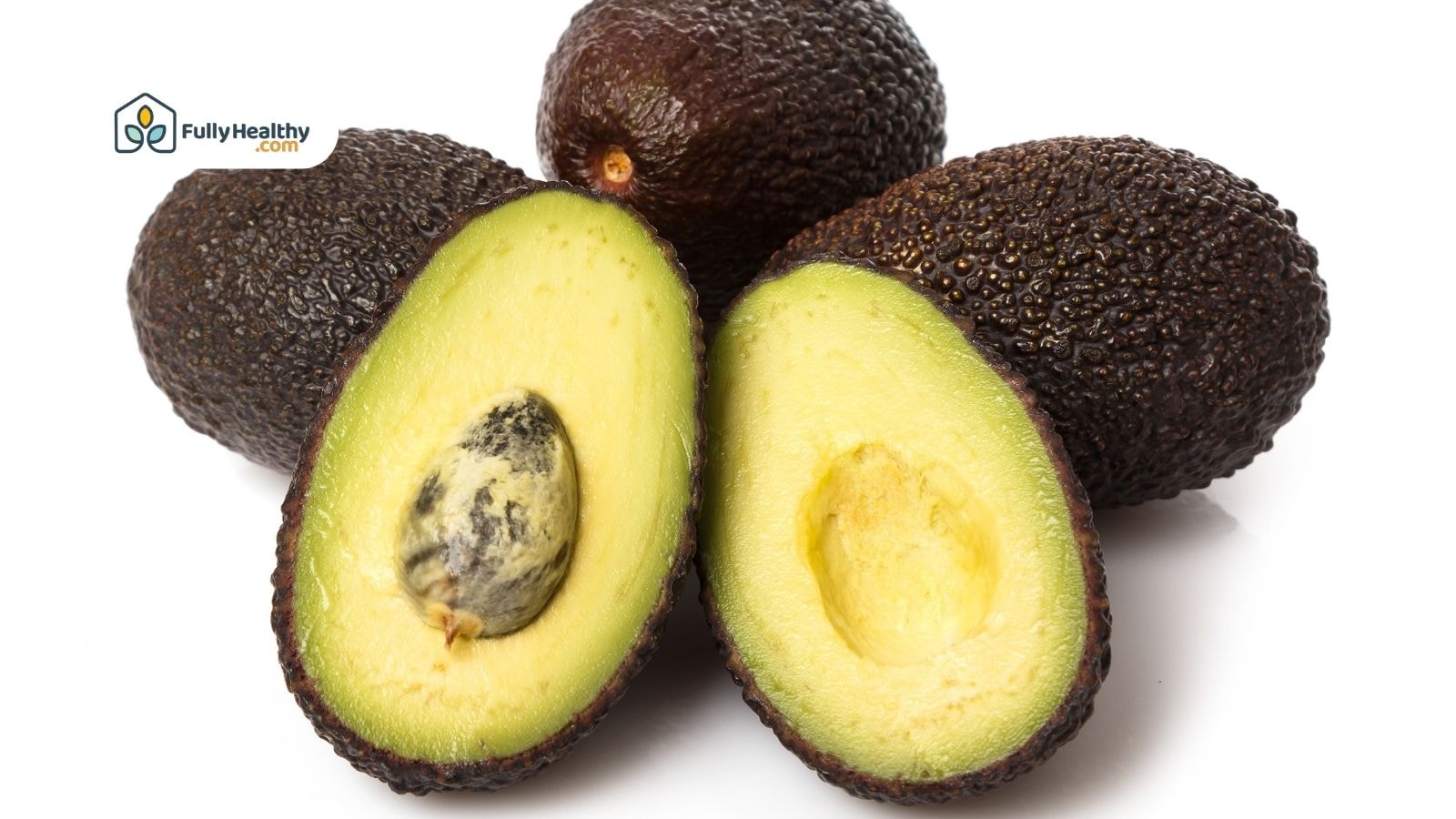 Photo Credit: Canva Pro
Best Storage Hacks to Prevent Browning
As soon as ripe avocados are cut, they start to turn brown quickly. If you store the exposed flesh the right way, it will stay fresh and delicious.
-
Lemon or lime juice: The acidity slows oxidation. Brush the flesh with lemon juice or lime juice before storing.
-
Olive oil coating: A thin layer of olive oil acts as a barrier against air.
-
Airtight container: Use an airtight container and press plastic wrap directly onto the avocado’s flesh.
-
Keep the pit in: Leaving the pit in helps protect part of the surface from air exposure.
-
Water method: Storing cut avocado in clean water in the fridge can help delay browning for a short time.
-
Use quickly: Despite these tips, it's still best to eat within one to two days for the best texture and taste.
What Science Says About Preventing Oxidation
Oxidation turns the flesh brown, but the change is only on the surface. Figuring out how it works can cut down on waste and confusion.
-
Polyphenol oxidase (PPO): This enzyme reacts with oxygen, triggering the browning process.
-
Acidic environment: Lemon juice or lime juice lowers pH and slows PPO activity.
-
Low temperature: Cold slows enzyme activity. Always store cut avocado in the refrigerator.
-
Limited oxygen: Using an airtight container or plastic wrap reduces air contact.
-
Not always harmful: Browning from oxidation doesn’t mean the avocado is bad. If it smells and tastes fine, you can eat it or use it in guacamole or baked goods.
About FullyHealthy: Smarter Food, Cleaner Fuel
Our Mission and Why We Exist
If you want to buy real, clean-label foods and healthier pantry staples, you can trust FullyHealthy. We focus transparency, using natural materials, and including useful ingredients that make you eat better and feel better every day.
-
Clean ingredients: Every product is made with real, wholesome, and transparent ingredients.
-
Better choices: We offer snacks, oils, and staples that help you eat smarter every day.
-
Trusted quality: Every item is carefully selected for taste, nutrition, and purity.
-
Sustainable sourcing: We care about the planet and the people behind the food.
-
Feel-good food: Everything we carry is made to help you feel good inside and out.
Avocado-Based Products We Love
Among our products are high-quality avocado-based ones that are good for you and useful.
-
Jackson’s Sweet Potato Chips in Avocado Oil: Crunchy, flavorful chips cooked in 100% avocado oil for a better snack experience.
-
Primal Kitchen Avocado Oil: Perfect for high-heat cooking and dressings, packed with healthy fats and a neutral taste.
-
Chosen Foods 100% Avocado Oil Mayo: A clean, creamy mayo made with cage-free eggs and pure avocado oil.
-
Chosen Foods Avocado Oil Spray: A convenient, propellant-free spray ideal for roasting, baking, or pan-frying.
Final Thoughts
Knowing how to know if an avocado is bad helps you avoid spoiled food and eat with confidence. Throw it away if it smells like sulfur, feels too soft, or doesn't taste good. Seek out other signs, like dark spots, deep indentations, or strong smells. You can gently squeeze to see if it's ready, but how you store it is also important. Lemon, red onion, or plastic wrap can help it stay fresh longer.
Follow these tips to reduce waste and trust what your avocado tells you.
FAQs
How long is avocado good for in the fridge?
Ripe avocados can stay fresh in the fridge for 2 to 3 days if you gently squeeze and it still feels firm and doesn't smell like sulfur compounds.
Can you eat a 2 week old avocado?
If it’s soft, smells bad, or has other signs like black spots and red onion doesn’t help, it will not taste good and should not be eaten.
Can you save a slightly brown avocado?
You can use lemon juice or plastic wrap to slow browning and reduce waste, but if the avocado doesn't taste good or shows other signs, don’t eat it.
Can you get food poisoning from avocado?
Yes, if it’s spoiled and smells like sulfur compounds or looks mushy inside, eating it can cause food poisoning from bacteria or other signs of rot.
Is it safe to eat avocado with black spots?
Black spots, stringy texture, and sour smell mean the avocado has gone bad and will not taste good, even if you gently squeeze and it feels okay.
Leave a comment