

Ready To Eat Or Not? How To Tell If A Pear Is Ripe?
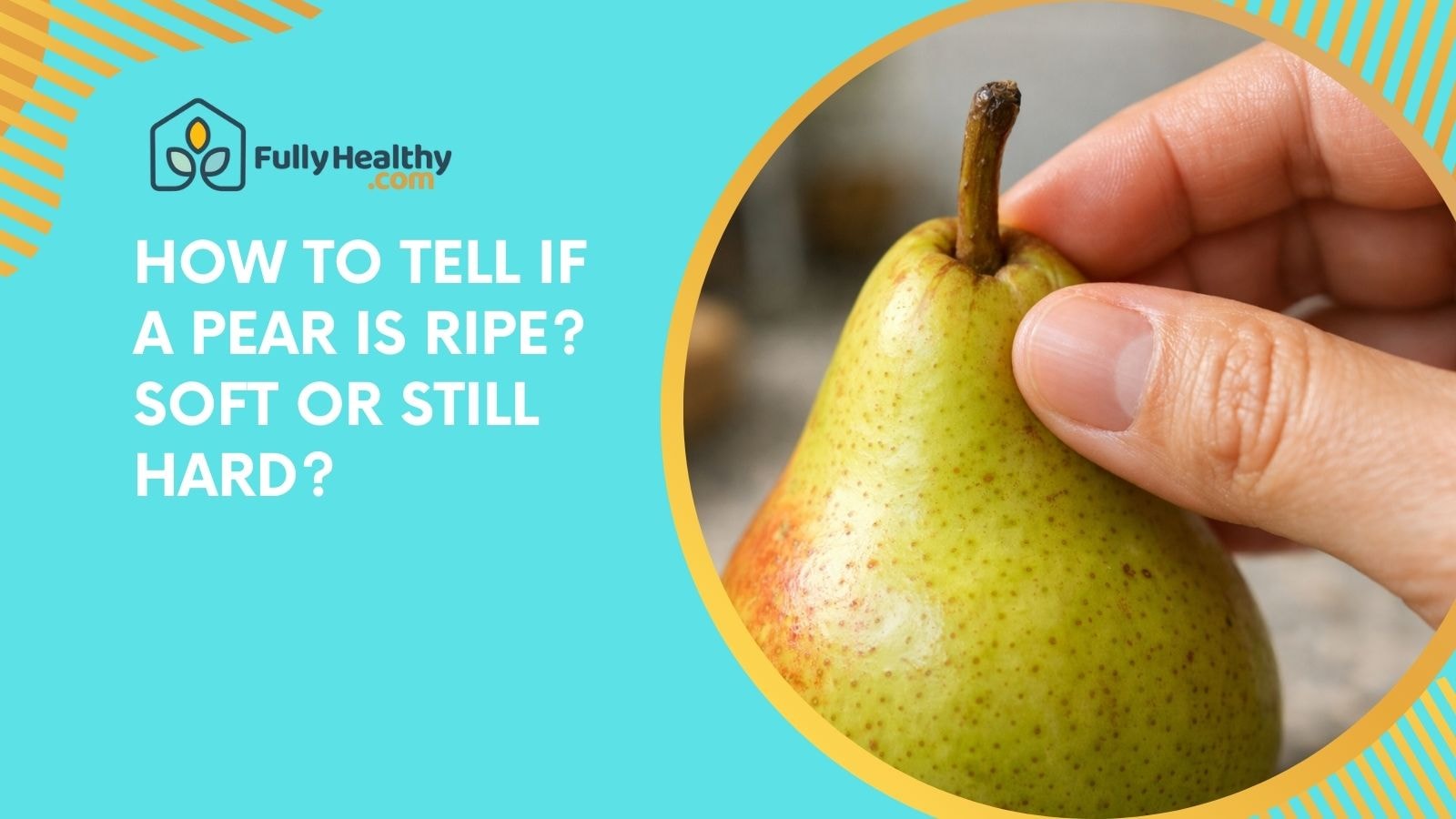
How to tell if a pear is ripe? Apples and pears can trick you. They usually look ready, but when you bite into them, they don't feel right. Not looking at the skin can help you tell if a pear is ready. Pears ripen from the inside out, which means they may feel firm on the outside while being ripe internally.
Press gently near the end of the stem. If it softens a bit, it's ready. Wait until it's room temperature before using it. With a paper bag, you can speed up the process.
🍐 Snack Simply — Just Apple & Pear. Nothing Else, Ever!
How To Tell If A Pear Is Ripe?
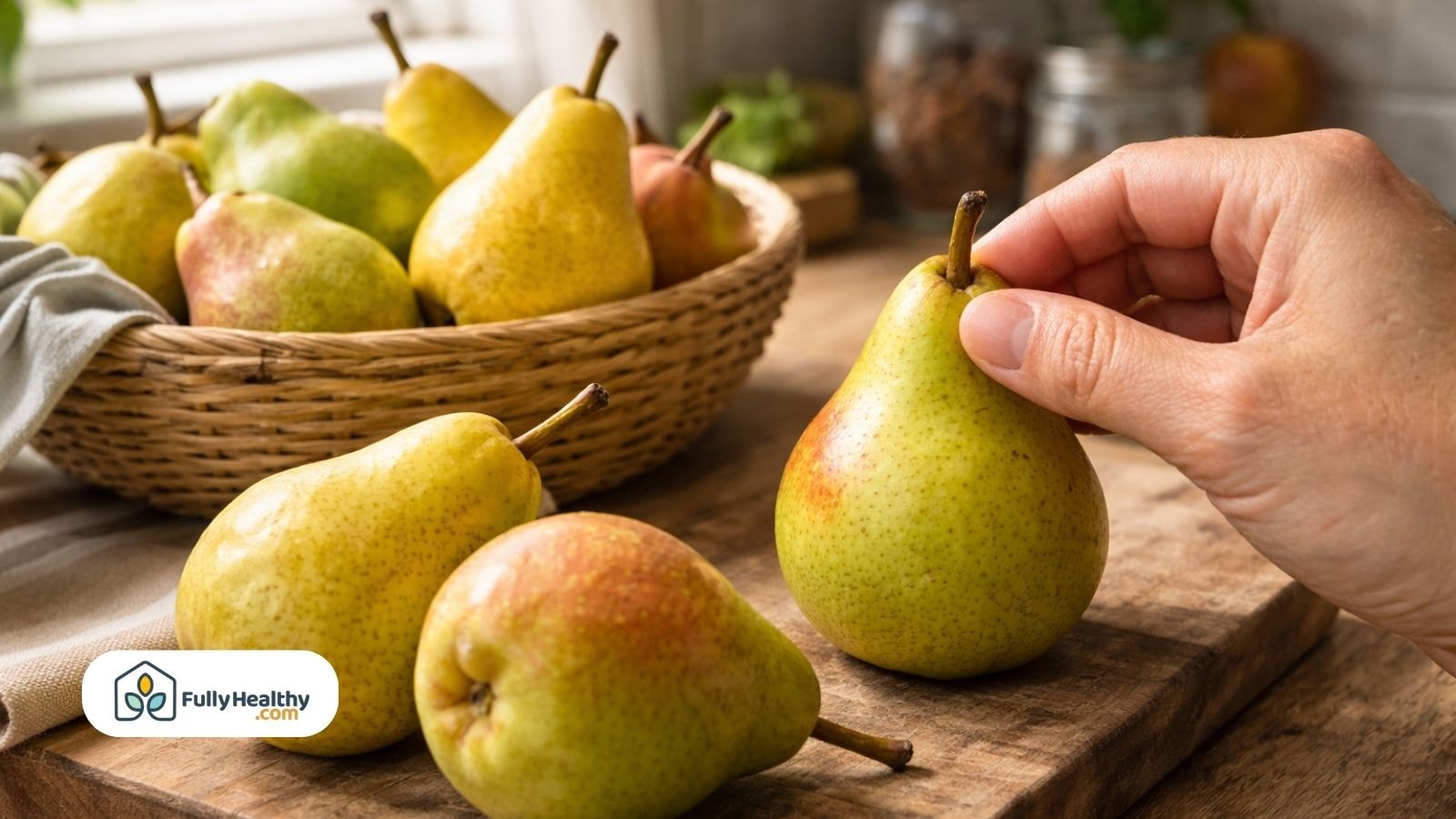
Apples and pears can trick you. In the supermarket, a fruit can be green or yellow and still be very hard. When trying to figure out if a pear is ready, feel it instead of looking at it. Since pears usually ripen from the inside out, the inside can get soft while the outside still looks good. For real ripeness, that's why a quick press test is important.
How To Tell If A Pear Is Ripe: The Stem-End Press Test
Apply gentle pressure with your thumb near the stem and neck. It is ready to eat if it gives a little and feels smooth. It is not ripe yet and needs time to soften if it feels firm or stiff. If you want to be sure, this little pressure check is better than guessing by color.
-
Best Spot To Check: Instead of pressing the bottom, press the neck close to the stem.
-
Ripe Feel: If it's slightly soft and gives a little, it's ready.
-
Not Ready Yet: If something is rock hard, you should wait and leave it on the kitchen counter.
-
Too Far Gone: A very soft fruit that smells sour, leaky, or brown can mean that it is overripe or rotting.
Ripen Pears On Your Schedule With Ethylene
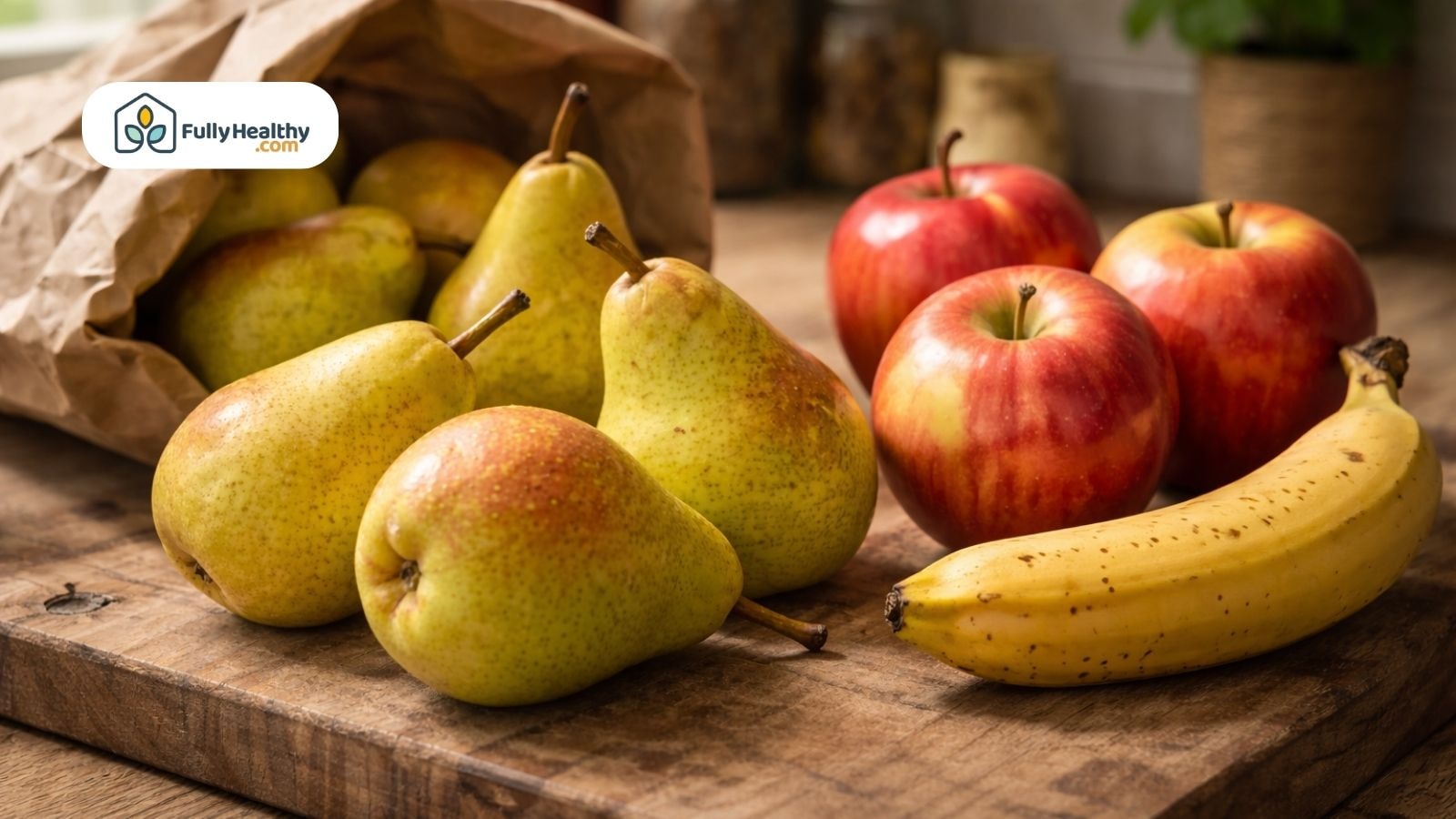
Leave pears out at room temperature on the kitchen counter to ripen. Having fruit nearby can help because ethylene gas makes fruit ripen faster. You can put pears next to a ripe banana and apples, or you can put them next to a banana, peaches, nectarines, plums, and avocados. This raises the level of ethylene, which can make the pear sweeter, taste better, and feel better without having to cut it open.
-
Ripening Helpers: Apples and bananas that are ripe give off ethylene, which makes pears softer.
-
Daily Routine: Make sure to check the ripeness every day to get the best window.
-
Simple Goal: It shouldn't have a mushy center; the flesh should be juicy and sweet.
-
When To Chill: Pears should be put in the fridge to slow changes once they are ready to eat.
Are Pears Meant To Be Hard Or Soft?
Most pears are harvested mature but unripe and are meant to ripen off the tree for optimal flavor and texture. That's fine. They're supposed to soften in your kitchen so that they taste sweet and juicy instead of green or sour. Knowing what "normal" feels like for each type is helpful because some of them can be hard to figure out.
The Texture Sweet Spot: Firm With A Give
Use pressure on the neck to tell if a bosc pear is ready. It may stay brown and look firm even when it's ready. As Bartlett pears get riper, they often turn yellow from green, but you should still check to see if they are soft. If you take a bite of an Asian pear and it stays crisp, that doesn't always mean it's not ripe enough to eat. Always use the fruit in your hand to tell you when it's ready.
-
What You Want: Not rock hard, but a soft bend near the neck.
-
Color Clues: It's possible for Bartlett and Bartlett to change color, but not for Berg.
-
Crisp Exception: Korean pears can be firm and still be eaten.
-
Taste Check: Once they are ripe, pears taste sweeter, richer, and less sour.
How To Speed Ripening Without Guesswork
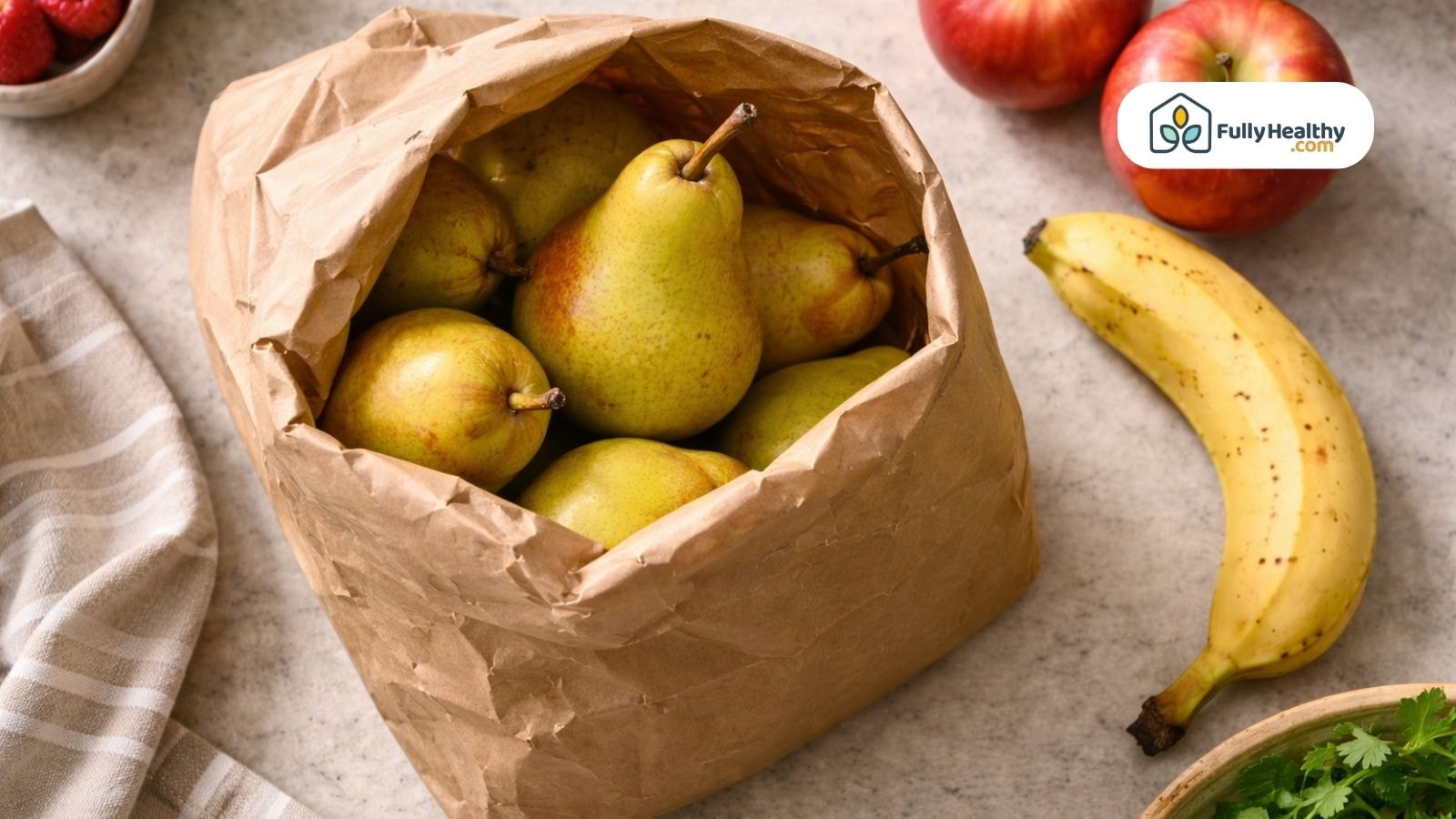
Using a brown paper bag will help pears ripen quickly. The bag keeps ethylene inside, which helps the fruit ripen. Putting in bananas or apples, folding the top over, and check ripeness daily. Take off any fruit that is leaking or getting soft, as this can make the rest of the fruit ripen faster than you want.
-
Fast Method: Add a banana or apple to a brown paper bag to help pears ripen faster.
-
Short Checks: Make sure to stop every day when the softness is perfectly right.
-
Clean Control: Take out any fruit that is brown, broken, or going bad right away.
-
After Ripening: If you want to store pears for a short time, put refrigerate them.
Can I Eat An Unripe Pear?
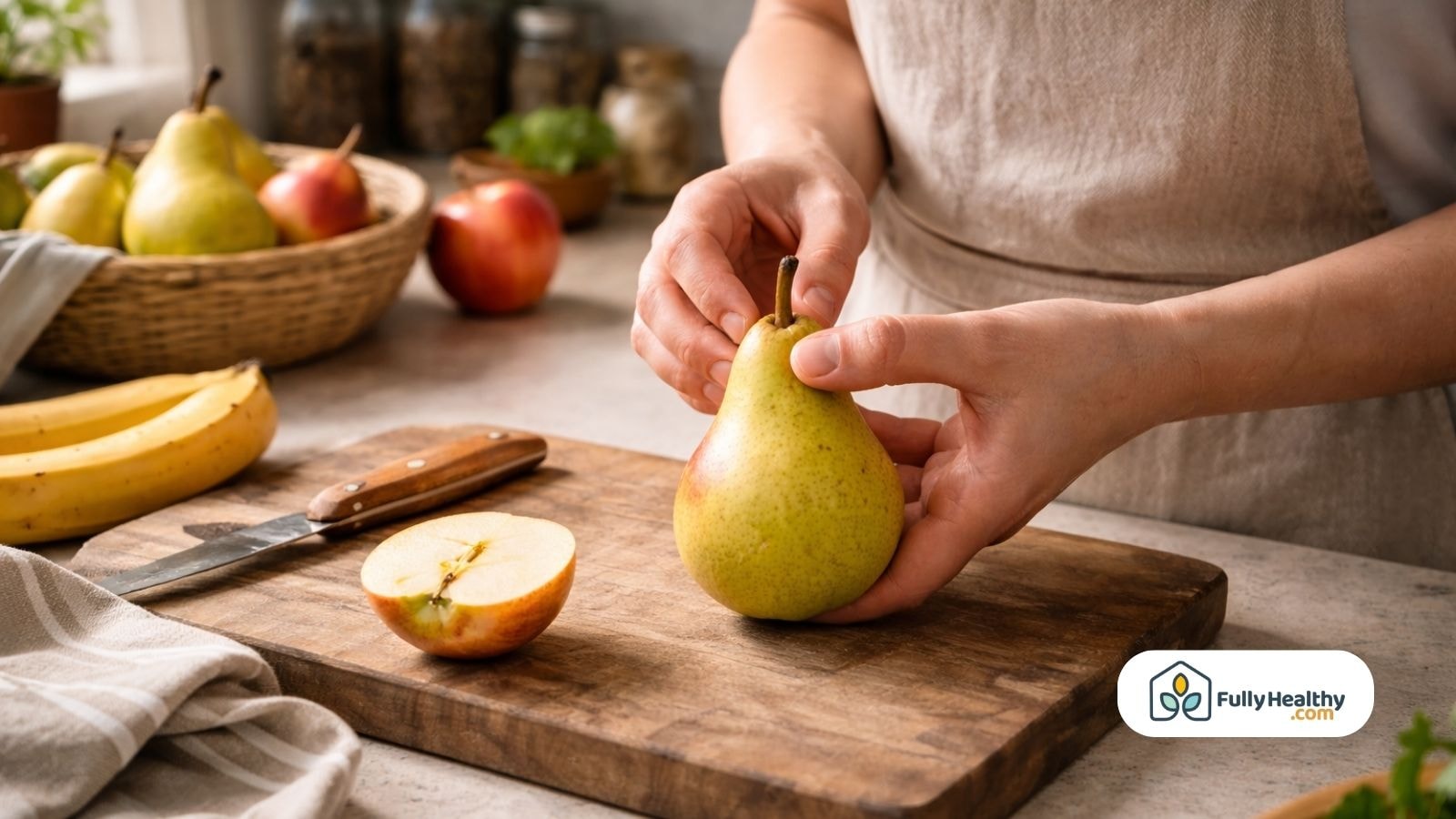
While unripe pears are edible, they are often firm, sour, and may cause digestive discomfort in some individuals. It might be less sweet and sour, and the flesh might be tough. Some people also get stomachaches when they eat fruit that isn't ripe yet. It's okay to wait a little while longer if the pear isn't quite ready. If it's really hard, cooking it is usually the best option.
What Happens If You Eat A Raw Unripe Pear
As pears ripen, the conversion of starches to sugars enhances sweetness and flavor. It might feel rough, firm, or even too mealy, which is not a good thing. If you want a new bite, wait until the neck gets a little softer. Asian pears retain a crisp texture even when ripe, which some people prefer over softer varieties
-
Common Result: Less sweetness, more sourness, and a strong bite.
-
Texture Issue: Instead of being smooth and juicy, flesh can feel tight or rough.
-
Better Timing: Hold on until the end of the stem yields a little when you press on it.
-
Quick Swap: Pick something ripe for dinner if your pear isn't ready yet.
Better Options: Cook Or Bake Unripe Pears Instead
When you bake with pears that are just a slightly underripe, they keep their shape and don't fall apart quickly. They become softer and taste sweeter and richer when roasted or simmered. Plus, this is a smart way to use pears that won't ripen right or that were left out in the cold for too long. Let pears ripen at room temperature, then put them in the fridge when you're ready to eat them.
-
Best Uses: Baking, cooking, and desserts work well for firm pears.
-
Storage Tip: Since cold temperatures slows down ripening, put food on the counter first and then put it in the fridge.
-
Handling Reminder: Pick pears mature, let them ripen at home, and then store them cold to make their shelf life longer.
-
Serving Idea: For dessert, cut them up and serve them with apples.
What Is The Color Of A Ripe Pear?
The color can help, but it can't prove that the fruit is ready. Some pears change color on the inside but stay green on the outside. To tell if a pear is ready, look at its color and then feel it to be sure. A duller skin may indicate ripening or moisture loss, depending on the variety and storage conditions.
However, don't depend on it only. Do the neck test every time, especially after taking fruit off the counter and putting it away.
Color Clues By Variety
It's common for Bartlett pears to turn yellow as they soften from green. Asian pears can look the same for days and still be crisp and ready to eat. This is normal for the process of ripening.
-
Color Rule: Instead of eating, use color to tell you when to test.
-
Variety Note: It is easier to see changes in Bartlett pears than in Asian pears.
Combine Color With A Quick Press Test
You should keep pears at room temperature and check on them every day if you want them to ripen quickly. Even if it still looks green, the pear is getting closer to being fully ripe when the neck starts to bend a little.
-
Press Point: When you touch the end of the stem, it should slightly bend.
-
Spoilage Sign: Overripe patches, not sweetness, are indicated by dark, wet spots.
How Can Fully Healthy Help You Build Pear-Friendly, Specialty-Diet Snacks While You Learn How To Tell If A Pear Is Ripe?
Fully Healthy is a specialty diet market that focuses on groceries that are AIP-friendly, gluten-free, and allergen-aware. It doesn't tell you how to ripen pears, but it can help you think of simple toppings to use them with once they are ready.
What Does FullyHealthy Offer That Fits Pear Snacks?
Store foods that are good for you while the pears soften on the counter. You can quickly ripen pears at home with a ripe banana, and Fully Healthy can help you keep healthy foods in your pantry.
-
Why It Helps: There is less time spent reading labels for people on limited diets.
-
Planning Tip: Purchase basic items first, then pair them with ripe fruit.
Which Fully Healthy Products Can You Use With Pears?
You can find Big Tree Farms Organic Brown Coconut Sugar and Coombs Family Farms Organic Maple Syrup on the home page. Pour a little syrup over sliced pears or over baked fruit for a sweet finish that works with both bartlett and Asian pears.
-
Product Examples: One can find organic brown coconut sugar and organic maple syrup on the website.
-
Simple Use: Add a little to make it sweeter without covering up the taste.
Final Thoughts
A pear's color is not the only way to tell if it is ready to eat. The neck test and ripening process are also important. If you need to ripen pears quickly, keep them at room temperature with apples and a ripe banana. Note that Asian pears can stay firm and still be ready to eat even if they turn yellow. Bartlett pears may change color.
For most pear varieties, softness near the neck signals ripeness, though some types like Asian pears remain firm when ripe. You will be able to ripen pears on time and avoid getting overripe ones by practicing.
FAQs
How to ripen pears that are hard?
Keep them at room temperature on the counter, and place them in a paper bag with a ripe banana or an apple to speed up ripening.
Which color pear is the sweetest?
Color alone does not guarantee sweetness, because it depends on the variety, but many pears taste sweetest when they are ripe and give slightly near the stem.
Should I eat pear skin?
Yes, pear skin is safe to eat for most people, and it adds fiber, so just wash the pear well first.
Do pears ripen in the fridge?
Pears ripen best at room temperature, and the refrigerator mainly slows the process once the pear is already ripe.
Do pears have a laxative effect?
Due to their fiber and sorbitol content, pears can support regular bowel movements, but excessive intake may cause digestive discomfort.
Leave a comment