

Is A Strawberry A Berry? The Simple Science Guide
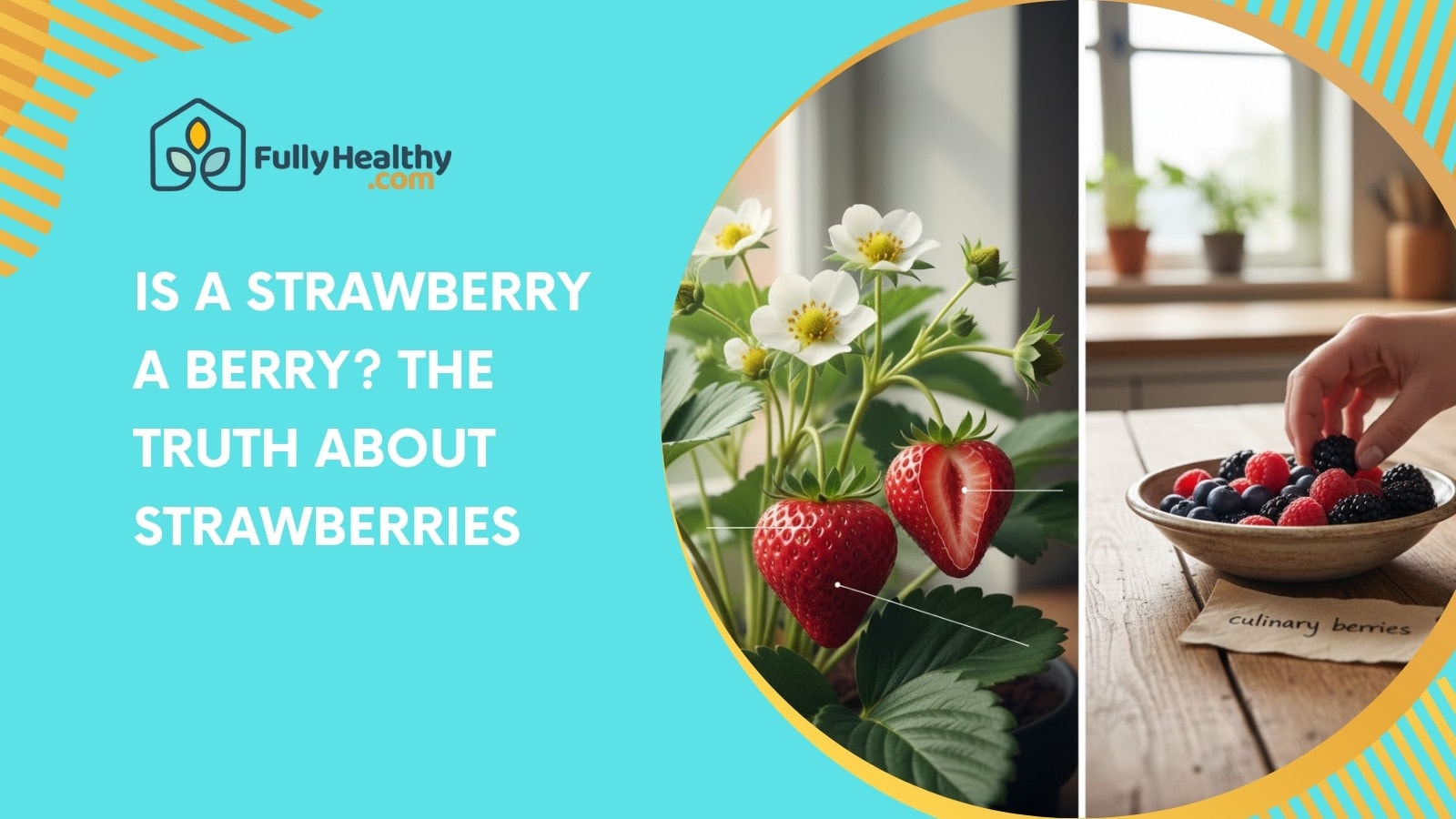
Are strawberries berries? As for plants, no. There is more to the fruit than the red, juicy part. The red, juicy part is not the true fruit. Each tiny “seed” on the outside is an achene, a little fruit with a seed inside.
Since strawberries are an aggregate fruit, even though we cook with the word "berry," Scientists use simple rules to do their work. This guide explains those rules and why bananas are also berries. You'll finally understand what the phrase means.
🥤 Feel Strong & Satisfied — Fuel Up with Strawberries & Cream!
Is A Strawberry A Berry?
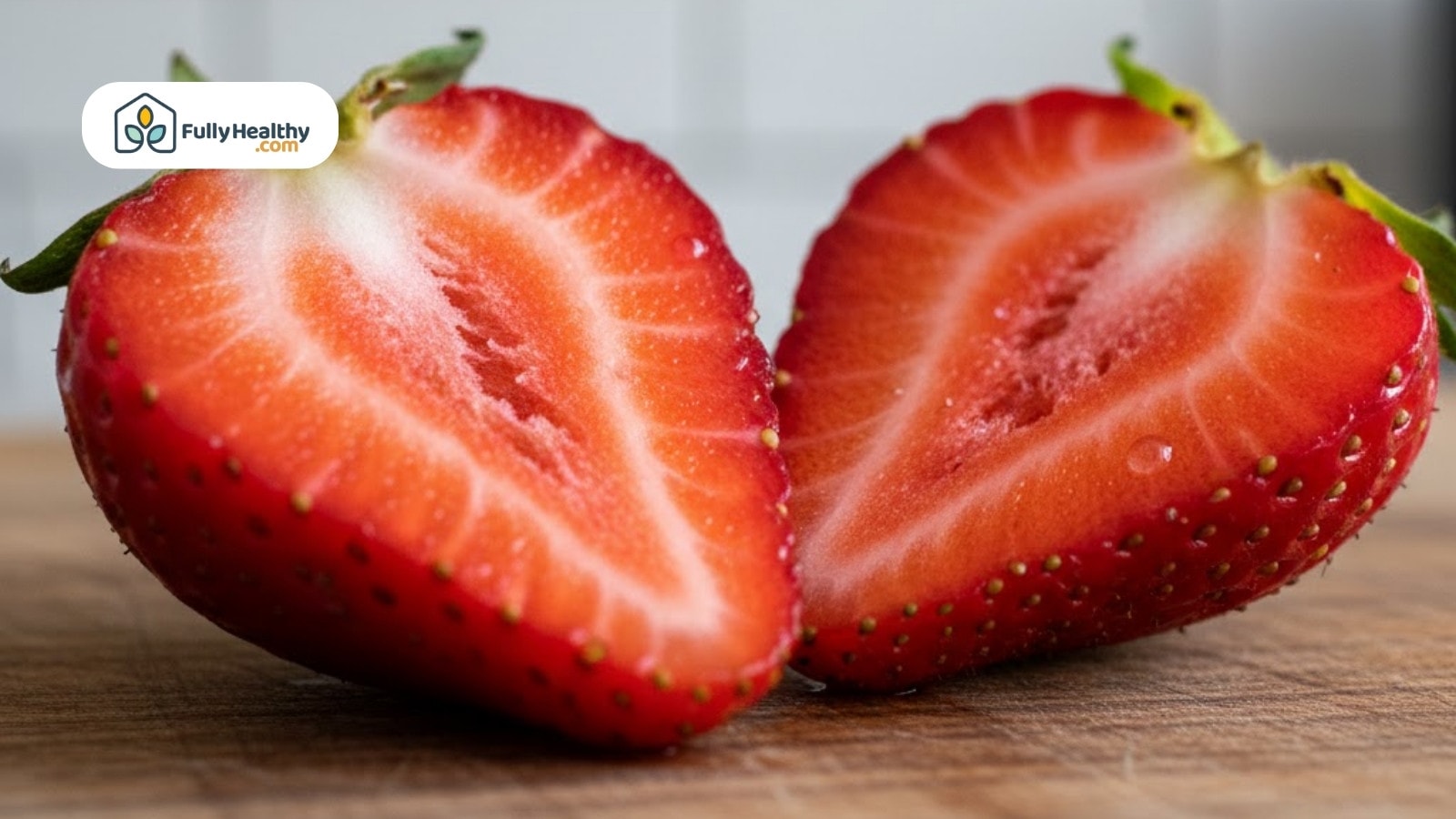
Is a strawberry a berry? Botanically speaking, no. The cultivated strawberry is an edible fruit, but it is not a “true berry” by the botanical definition. What we eat is mostly accessory tissue, not the part that holds the seeds. The fruit produced comes from a single flower with more than one ovary, which changes how scientists classify it among botanical fruits.
The Direct Answer In Plain English
Strawberries are not berries under the botanical definition. They are an aggregate fruit because they develop from multiple ovaries in one flower, not from a single ovary. The sweet fleshy middle comes from accessory tissue, while the seed bearing structure sits on the outer layer.
-
Bottom line: Strawberries are not berries, even if the name suggests it
-
How it forms: The fruit produced comes from more than one ovary in a single flower
-
Where seeds sit: All the seeds are on the outside, not inside the fleshy layers
-
Why it’s different: The fleshy part is mostly accessory tissue, not the ovary itself
What The “Seeds” Really Are
Those tiny yellow dots are not “just seeds.” Each dot is an achene, a small botanical fruit. Inside each achene is a seed, which is why strawberries carry all the seeds on the surface. This is the opposite of how true berries work, where seeds are inside the fleshy part.
-
What you’re seeing: Each dot is a seed bearing structure called an achene
-
What it contains: Each achene holds a seed, not loose seeds on the surface
-
What it means: The outer layer carries the achenes, not the fleshy middle
-
Why it matters: This setup is a key reason strawberries are not berries
Is A Banana A Berry?
Bananas confuse people because they look nothing like “berries.” But botanically speaking, bananas are true berries. They develop from one flower with one ovary, and the seeds form inside the fruit’s fleshy part. Even some citrus fruits fit this botanical definition, which shows how different science is from the culinary arts.
The Botanical Checklist For A True Berry
A true berry forms from a single ovary in a single flower. It also has fleshy layers, and the seeds develop inside the fruit, not on the outside. Bananas match that pattern, even though modern varieties have tiny, soft seed traces.
-
Flower structure: It comes from one flower and one ovary.
-
Ovary rule: It develops from just one ovary, not multiple ovaries.
-
Seed placement: The seeds form within the fleshy part, under the outer layer.
-
Core traits: It has fleshy layers that surround the seed area.
Why Bananas “Count” Even If It Feels Weird
In everyday life, we sort fruit by taste and use. That’s the culinary arts approach. Science sorts fruit by structure and how it forms in flowering plants. That’s why bananas are true berries, while strawberries are not berries, even though they are popular “berries” in the kitchen.
-
Everyday meaning: “Berry” often means small, sweet, and easy to snack on.
-
Science meaning: The botanical definition focuses on one ovary and seed placement.
-
Surprising examples: Some citrus fruits also qualify as true berries botanically.
-
Takeaway: Kitchen labels and botanical fruits are not always the same thing.
Is Strawberry A Berry Or A Fruit?
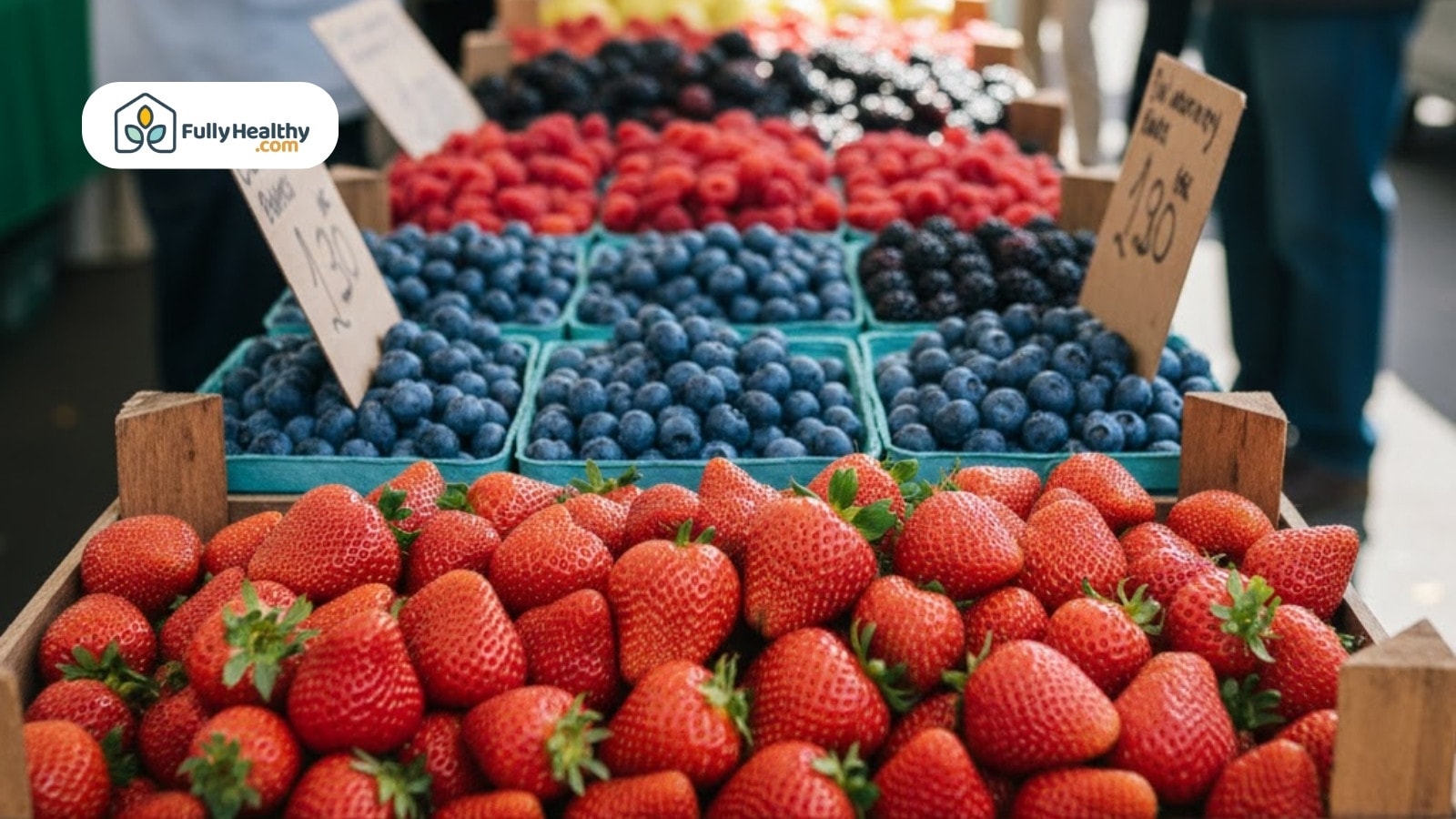
Strawberries are fruits in everyday language, but they are not true berries. They are aggregate fruit and accessory fruits at the same time. The fleshy middle is what we enjoy, but the real fruits are the achenes on the surface. This is also tied to the strawberry’s place in the rose family and how it developed from its parent species.
Culinary Berry Vs Botanical Berry of these Fleshy Fruit
In cooking, strawberries are “berries” because they are sweet, soft, and often served with whipped cream. In science, the label depends on the flower and ovary. A berry must come from a single ovary and keep seeds inside the fleshy layers. Strawberries don’t follow that rule.
-
Kitchen use: Strawberries act like berries in desserts and snacks.
-
Common pairing: They’re often eaten with whipped cream in simple dishes.
-
Science rule: True berries come from a single ovary and store seeds inside.
-
Key contrast: Strawberries place the seed bearing structure on the outer layer.
Aggregate Fruits: Where Strawberries Fit as an Accessory Fruit
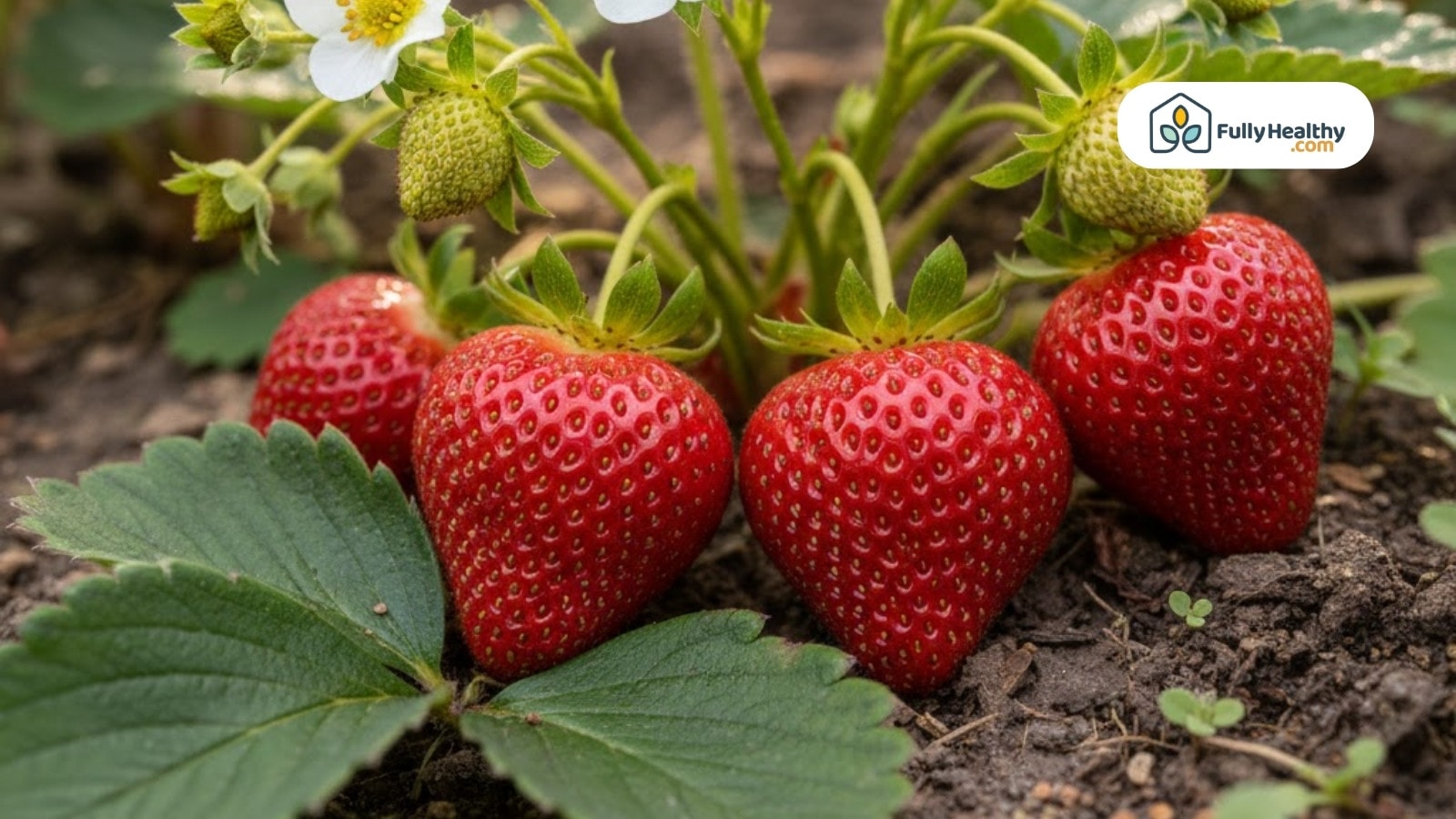
Strawberries form from a single flower with multiple ovaries, meaning more than one ovary becomes fruit. Each ovary becomes an achene, so the plant ends up with many small fruits on the outside. That is why strawberries are aggregate fruit and also accessory fruits, since the fleshy part is not the ovary.
-
How it develops: It comes from multiple ovaries, not one ovary.
-
What forms: Each ovary creates an achene, making an aggregate fruit.
-
Seed detail: Achenes can contain two or more seeds depending on development.
-
Nutrition note: Strawberries still deliver vitamin c and strong antioxidant capacity.
Why The “Is A Strawberry A Berry” Answer Surprises People
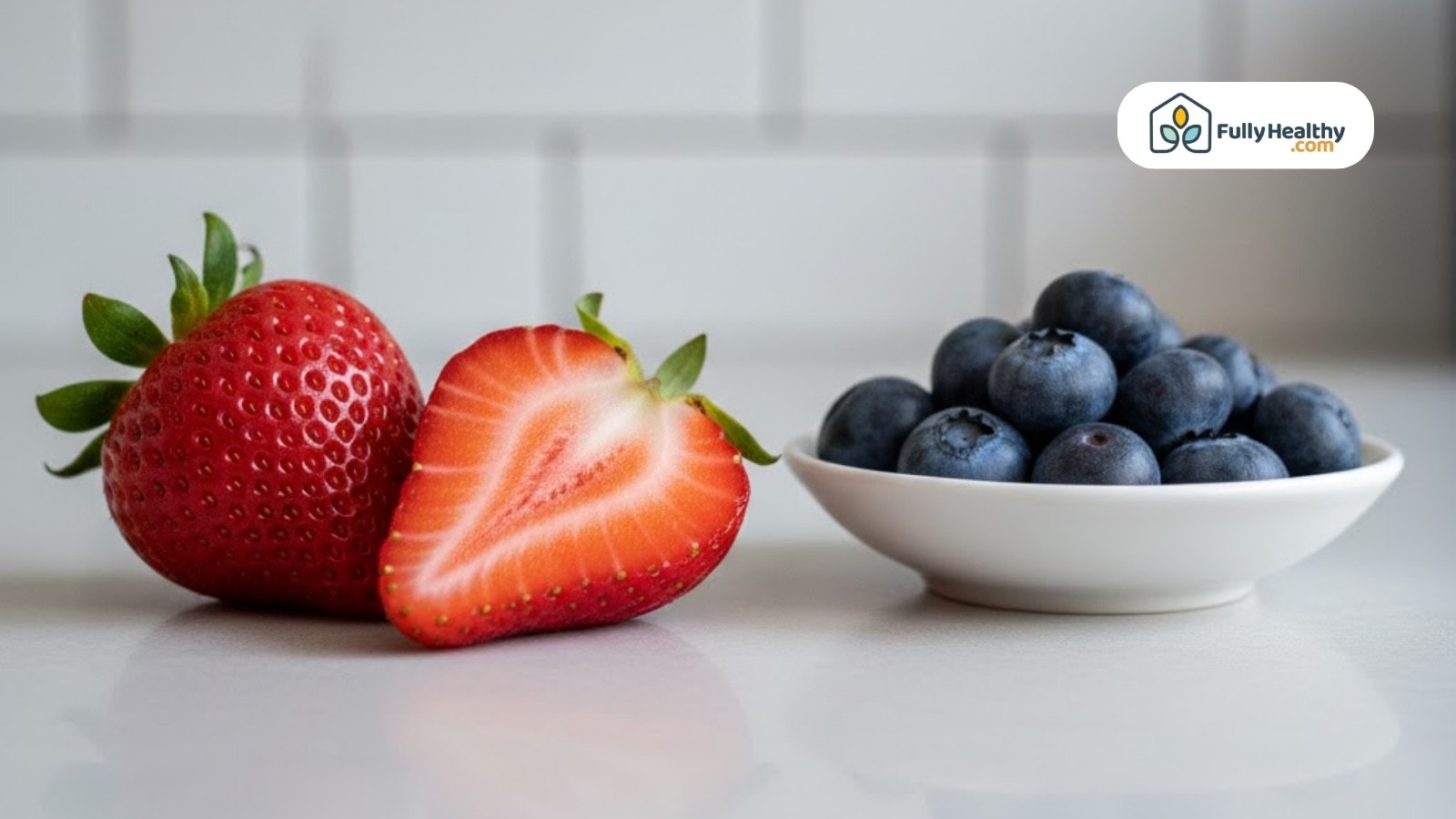
Most people grow up hearing strawberries are berries, so the science answer feels confusing. In daily life, we group food by taste, look, and culinary use. That is why fleshy fruit like strawberries sit next to blueberries and blackberries. Botany does not follow the kitchen. It focuses on how fruit forms on strawberry plants.
One Single Ovary Vs Many Ovaries
A true berry must grow from one single ovary. Strawberries grow from more than one ovary, which is why each dot on the surface forms separately. The red flesh supports those dots. That is also why strawberries are often called a false fruit in botany.
-
One single ovary: True berries like grape, tomatoes, and peppers form from one ovary.
-
False fruit: Strawberries develop from more than the ovary, including flower tissue.
-
Strawberry seeds: The outside dots are fruits that carry seeds, not loose seeds.
-
Only fruit: Each tiny surface fruit is the only fruit on a strawberry.
Why The Kitchen Teaches It Differently for Culinary Use
In cooking, fruits are grouped by sweetness and how people use them, not plant structure. That is why strawberries are grouped with blueberries and raspberries. This same habit affects how we talk about vegetables, too. The kitchen view is useful for eating, but it is not a botanical rule.
-
Culinary use: Foods are grouped by taste, texture, and how they are served.
-
Sweetness: Strawberries match other small sweet fruits people snack on.
-
Food habits: Common names follow tradition, not flower science.
-
Everyday sorting: Most people do not think about ovaries when they eat fruit.
FullyHealthy Strawberry Picks For AIP And Paleo
Even though strawberries are a false fruit botanically, they are still a popular fleshy fruit in everyday food here at FullyHealthy. Their soft flesh and sweetness make them easy to enjoy in many ways. Strawberry flavor also shows up in products that fit clean-eating routines. This section highlights how strawberry flavor fits into common choices people already like.
Strawberry Flavor In Modern Food Choices
Strawberry flavored like Strawberries & Cream, and Strawberry Lemonade, paired with familiar fruits and Strawberry spreads because it feels easy and comforting. You will see it used alongside flavors like apples, cherries, and pineapple. These are common flavors in many pantries, so strawberry fits in naturally.
-
Flavor pairing: Strawberry is often matched with apples, cherries, or pineapple.
-
Familiar foods: These flavors are already common in daily meals and snacks.
-
Fruit image: Strawberry is still grouped with blueberries and watermelon in everyday talk.
-
Flesh appeal: The soft flesh texture makes strawberry popular in drinks and snacks.
How Strawberry Fits Into Broader Fruit Categories
People group strawberries with many fruits they already recognize, even though botany separates them. This is why strawberries appear next to oranges, avocados, and watermelon in real life. It also helps to know that some “berries” are not true berries, and some surprising foods actually are.
-
Fruit variety: Oranges and grape are true berries botanically, like blueberries.
-
Common mix-ups: Blackberries and raspberries are also not true berries.
-
Unexpected berries: Tomatoes, peppers, and avocados meet berry rules.
-
Everyday fruit bowls: Strawberries still appear with cherries, apples, and pineapple.
Final Thoughts
If you asked, is a strawberry a berry, now you know the science answer and the kitchen answer can both be true in context. Botanically speaking, strawberries are accessory fruits and an aggregate fruit, with the real fruits on the outside and the fleshy part acting as support. That does not change how sweet, useful, and nutritious they are, including vitamin C and antioxidants.
Buy fresh, pick ripe berries, and store them dry so they last longer. Use them in jam, blend with peaches, or toss into salads for quick color and flavor. When labels confuse you, remember: botany describes structure; cooking describes use. Either way, strawberries belong on your plate, not in a debate, and that’s fun.
FAQs
Is a strawberry a berry in botany?
Is a strawberry is a berry it is answered no, because it’s an aggregate accessory fruit.
How can I tell if a strawberry is fresh?
When the strawberry is a fresh berry with dry caps and no soft spots.
What does ripe mean for strawberries?
Ripe strawberries are fully red and smell sweet.
Can I mix strawberries with peaches?
Peaches and strawberries work well in smoothies and fruit bowls.
Are strawberries good in salads or jam?
Strawberries add brightness to salads and cook down fast into jam.
Leave a comment