

Is Buckwheat Gluten Free? What Celiac Shoppers Should Know
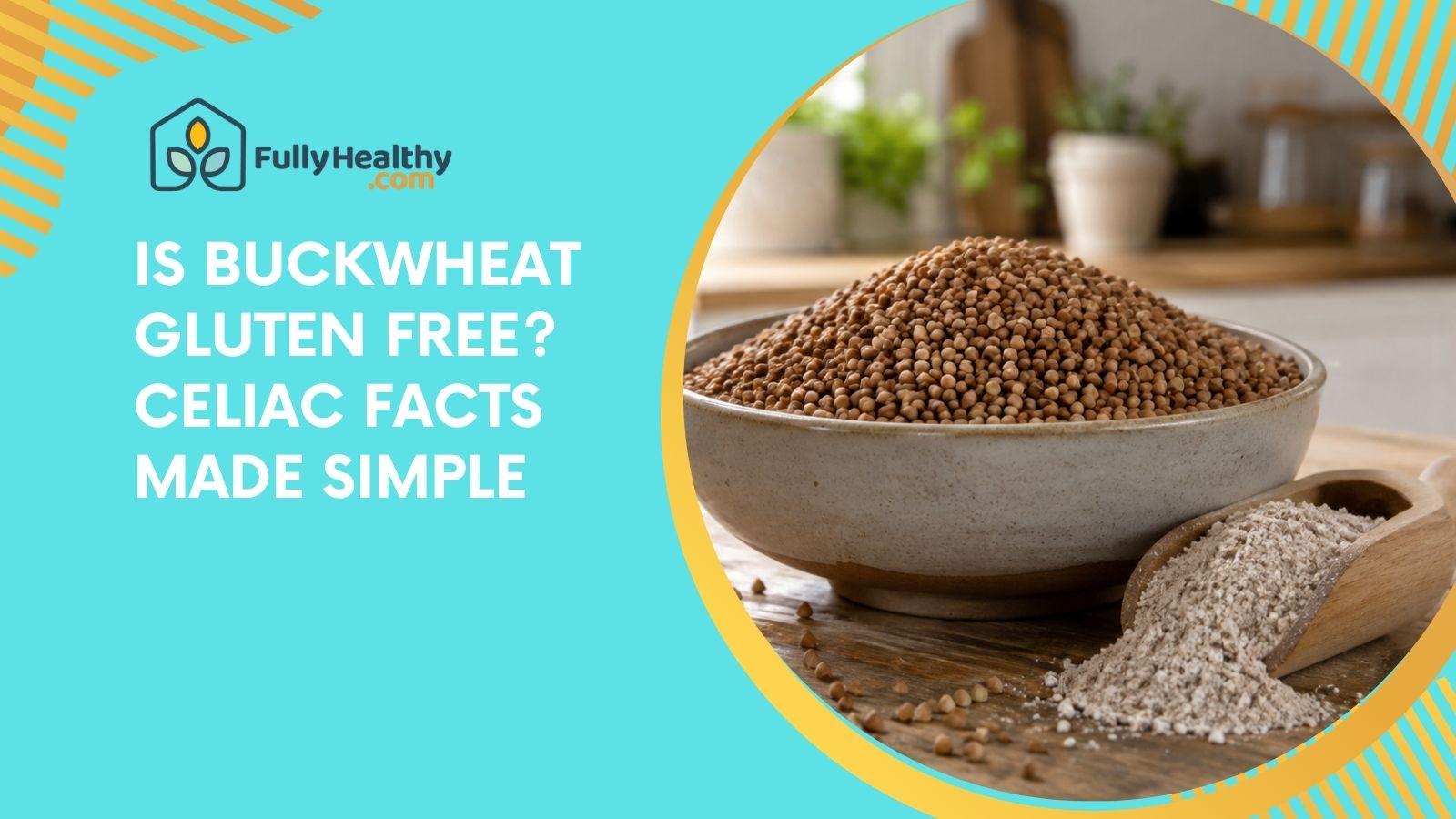
Buckwheat is naturally gluten-free, even though its name includes wheat. It is a seed, not a true grain, so people with celiac disease can usually eat it. The main concern is cross-contact during processing, so labels still matter.
Buckwheat may also offer fiber, minerals, and antioxidants. However, people with a buckwheat allergy should avoid it. This guide explains safety, inflammation, celiac concerns, and shopping tips for choosing it safely.
Is Buckwheat Gluten Free?
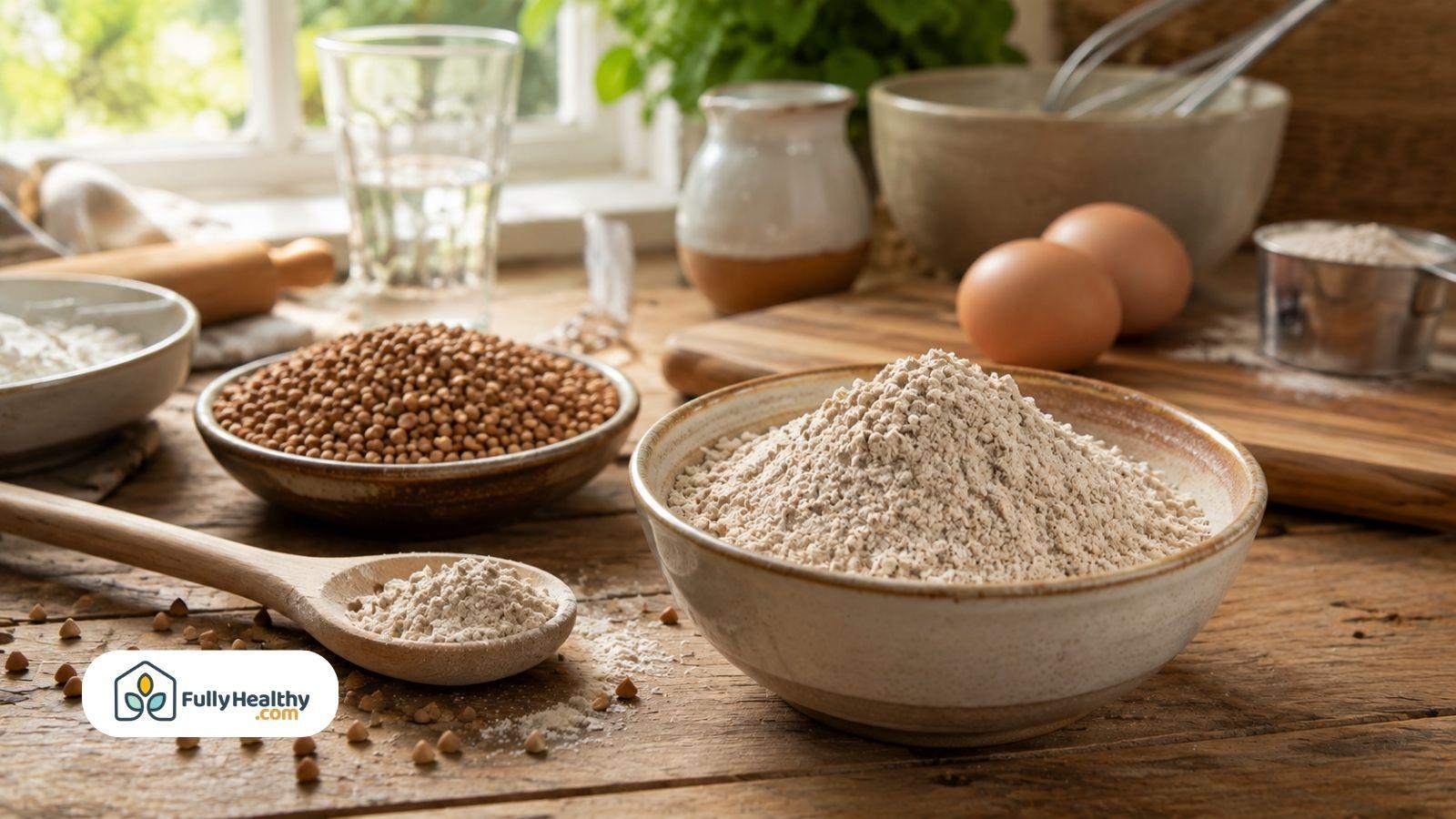
Is buckwheat gluten-free? Yes. Pure buckwheat is naturally gluten-free because it is a seed, not wheat.
Despite its deceptively gluten-seeming name, buckwheat gluten is not naturally present. It is a great alternative for a gluten-free diet. However, processing and cross-contact can affect whether a packaged product is safe.
Why Is Buckwheat Gluten Free?
Buckwheat belongs to a different plant family from wheat, rye, and barley. It is related to rhubarb and sorrel and is considered a pseudocereal. People often call it a gluten-free grain or a naturally gluten-free grain because it is cooked and used similarly to whole-grain foods.
-
Common Forms: Buckwheat groats, buckwheat flour, buckwheat flakes, and each hulled groat can be used in breads, breakfast dishes, and many recipes. They can also work as a substitute for rice, quinoa, millet, teff, oats, or polenta.
-
Key Nutrients: Buckwheat provides fiber, protein, iron, niacin, folate, thiamin, and other minerals. These nutrients support a balanced diet and may offer several health benefits.
-
How It Grows: Buckwheat has been grown for centuries and can be used as a rotation crop. Unlike leafy vegetables, the edible part of buckwheat comes from its seeds.
How Can You Tell Whether Buckwheat Products Are Gluten Free?
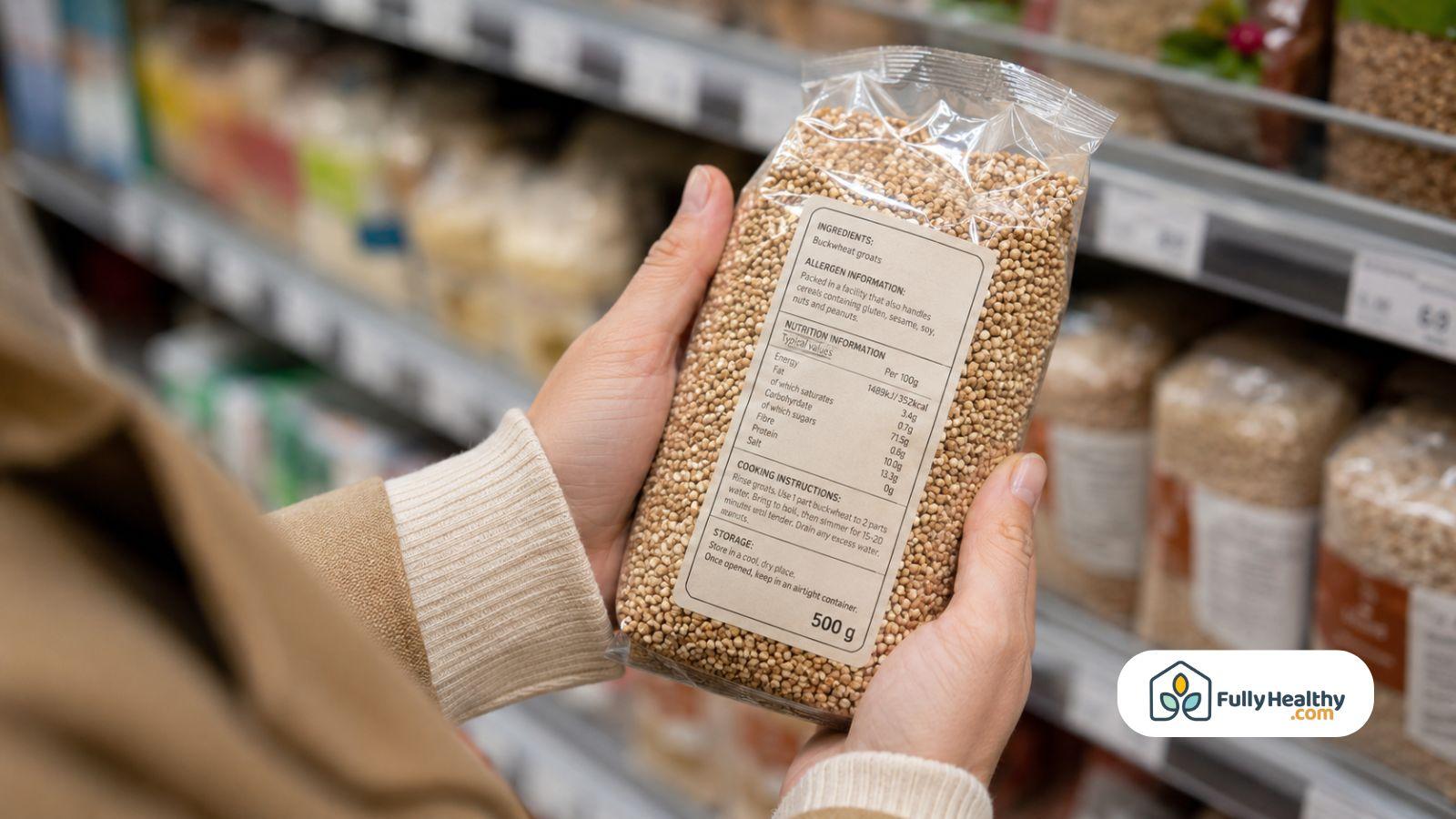
Pure buckwheat is buckwheat gluten free, but packaged food can still face cross-contact. Some manufacturers share milling equipment with wheat or other gluten-containing grains. If you have celiac disease, double-check ingredients and labels instead of assuming every flour or mix is safe.
-
Check Processing: Choose products labeled gluten-free. People with celiac disease should choose products labeled or certified gluten-free and produced under validated controls that minimize gluten cross-contact. A facility itself does not need to be ‘certified gluten-free’ for a product to meet gluten-free standards.
-
Know The Limit: In the United States, foods using a gluten-free label must contain less than 20 ppm of gluten under FDA rules. In the United States, FDA-regulated foods labeled ‘gluten-free’ must contain less than 20 ppm gluten. Separate USDA/FSIS oversight applies to certain meat, poultry, and egg products, so the responsible regulator depends on the food category.
-
Shop Carefully: When buying buckwheat products, learn how to read labels and check every ingredient. Buckwheat is easy to use in cooked dishes and recipes with milk, eggs, or sugar.
Is Buckwheat An Inflammatory Grain?
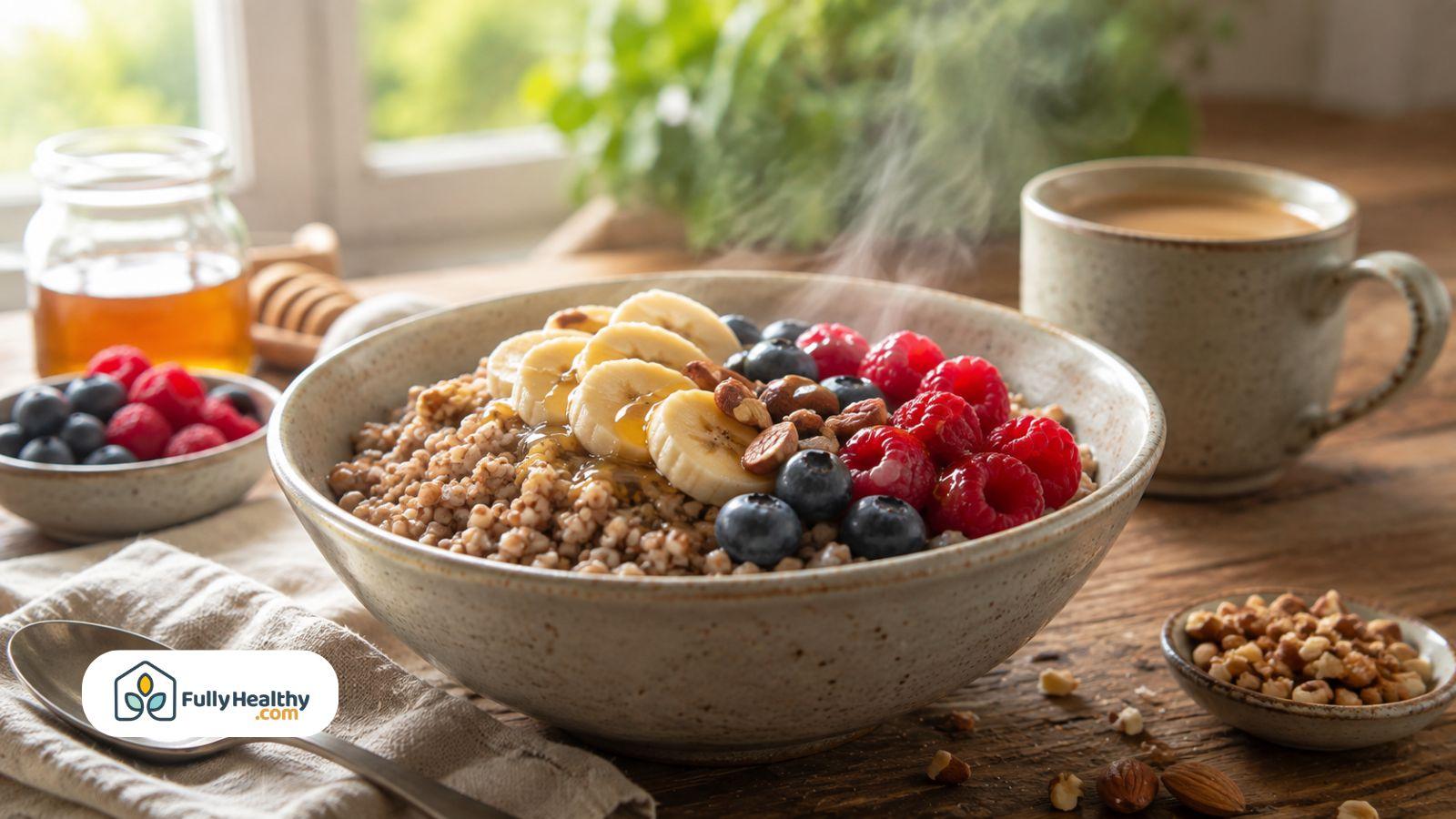
Buckwheat is a pseudocereal, and current human evidence does not establish that buckwheat generally promotes inflammation. Evidence suggesting anti-inflammatory effects remains limited and should not be interpreted as proof of a therapeutic benefit.
Instead, buckwheat contains fiber, minerals, and plant compounds with antioxidant properties.
Is Buckwheat Actually A Grain That Causes Inflammation?
Buckwheat is often called a grain because people cook and eat it like cereal grains. Botanically, however, it is a seed and is not related to wheat. Some people may have individual reactions, but that does not mean buckwheat generally causes inflammation.
-
Look At Evidence: Online comments, even if seen by a million readers through HTTPS pages, do not prove that a food causes inflammation. Reliable research is more relevant than personal claims.
-
Watch Your Symptoms: If you regularly feel unwell after you eat buckwheat, we recommend speaking with a qualified health professional to find the cause.
Can Buckwheat’s Rutin And Quercetin Affect Inflammation?
Buckwheat contains flavonoids, including rutin and quercetin, but concentrations vary substantially by species and product; Tartary buckwheat generally contains much more rutin than common buckwheat.
Laboratory and clinical research suggest antioxidant and possible anti-inflammatory effects, but evidence is insufficient to claim therapeutic effects from eating buckwheat. However, this does not mean buckwheat can treat arthritis, autoimmune conditions, or other inflammatory diseases.
-
Antioxidant Role: Antioxidants help the body manage oxidative stress, which happens when harmful molecules build up faster than the body can control them.
-
Balanced View: Buckwheat can add useful nutrients to your diet, but overall health depends on your full eating pattern, not one food alone.
Who Should Not Eat Buckwheat?
Most people can eat buckwheat safely. However, anyone with a known buckwheat allergy should avoid it. WebMD reports that allergic reactions can sometimes become serious, so certain people need extra care.
Who Should Avoid Buckwheat Because Of An Allergy?
A buckwheat allergy is different from gluten intolerance and celiac disease. Symptoms may include a rash, runny nose, asthma, itching, swelling, breathing problems, or a dangerous drop in blood pressure. Severe reactions can develop into anaphylaxis and may require emergency treatment.
-
Know The Risk: Never test a suspected serious buckwheat allergy on your own. Seek medical advice if you have had symptoms after eating it.
-
Possible Cross-Reaction: IgE cross-reactivity between buckwheat and rice proteins has been reported, but the clinical significance is incompletely established. Rice allergy alone should not be presented as evidence that a person will react to buckwheat.
Should People With Rice Allergies, Pregnancy, Or Breastfeeding Be Cautious With Buckwheat?
Safety data for concentrated buckwheat extracts or supplemental doses during pregnancy and breastfeeding are insufficient. This lack of evidence should not be extrapolated to ordinary dietary amounts of buckwheat.
This does not mean normal food portions are proven harmful. There is also no established therapeutic dose for buckwheat.
-
Pregnancy And Breastfeeding: Ask a healthcare professional before using buckwheat in medicinal or concentrated forms.
-
Practical Advice: Check allergies, labels, and ingredients before adding buckwheat regularly, especially if you have a medical condition or a history of food reactions.
Can Celiac People Eat Buckwheat?
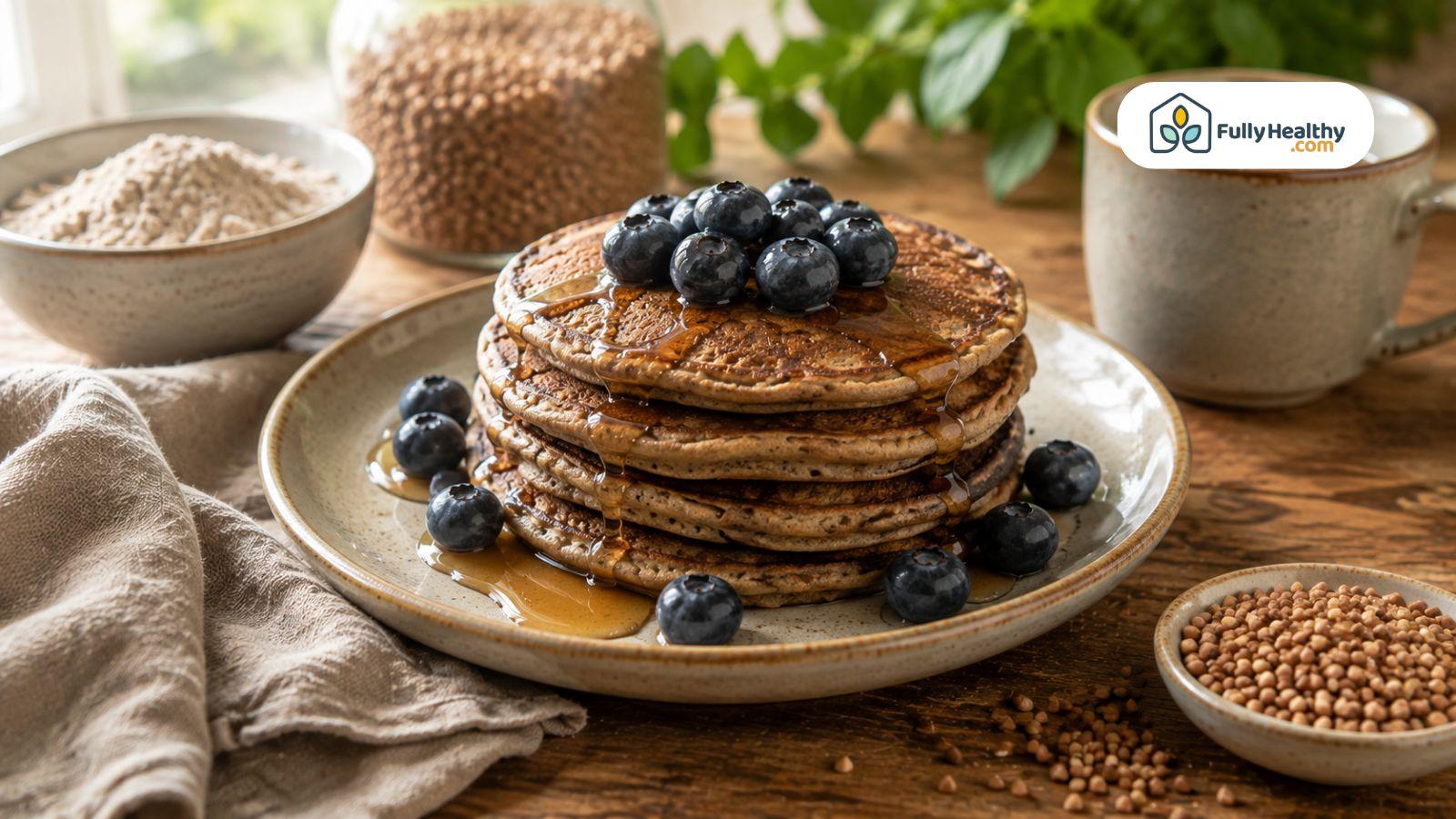
People with celiac disease can eat uncontaminated buckwheat because buckwheat does not contain the gluten proteins responsible for celiac disease; the relevant risk is contamination with wheat, barley, or rye.
Despite its name, buckwheat is a seed and is not related to wheat. The main concern is cross-contact during farming, milling, packaging, or cooking. Choosing carefully processed products can help people on a strict gluten-free diet enjoy buckwheat more safely.
Can People With Celiac Disease Safely Eat Pure Buckwheat?
Pure buckwheat does not naturally contain gluten. WebMD notes that buckwheat is considered acceptable for people with celiac disease or gluten sensitivity when it is produced under gluten-free conditions. This makes buckwheat a useful option for adding more variety to everyday meals.
-
Know The Difference: Celiac disease is an autoimmune condition in which gluten triggers an immune response that can damage the small intestine. A buckwheat allergy is different. Someone with celiac disease may tolerate buckwheat, while a person with a buckwheat allergy should avoid it.
-
Choose Pure Products: Plain buckwheat groats or buckwheat flour may fit a gluten-free diet, but always read the package. Added ingredients or shared processing equipment can affect whether a finished product is suitable.
Why Does Cross-Contact Matter For People With Celiac Disease?
Cross-contact happens when a naturally gluten-free food comes into contact with wheat, barley, or rye. It may happen during harvesting, transportation, storage, milling, manufacturing, or kitchen preparation.
For someone with celiac disease, checking the full product is safer than assuming anything labeled “buckwheat” is automatically gluten-free.
-
Read Labels Carefully: Check gluten-free statements and ingredient lists before buying buckwheat flour, noodles, cereal, crackers, or baking mixes.
-
Check Prepared Foods: Restaurant noodles, pancakes, and other dishes may combine buckwheat with wheat flour. Ask about ingredients and preparation methods before ordering.
How Can Fully Healthy Help With Specialty-Diet Shopping?
Fully Healthy is an online marketplace for people shopping for specialty-diet foods. Its website organizes products around needs such as AIP, gluten-free, and allergen-friendly eating. This can make it easier for shoppers to find suitable options without searching through many unrelated products.
How Can FullyHealthy Make Specialty-Diet Shopping Easier?
Fully Healthy groups products into useful collections, including AIP Elimination, AIP Reintros, Snacks, Breakfast, Bundles, Seasonings, and New Products. This setup can make specialty-diet shopping easier to manage and less time-consuming.
-
Shop By Need: Organized collections help shoppers narrow their choices based on specific dietary preferences and needs.
-
Save Time: Browsing products by category can reduce the need to sort through items that may not match your diet.
-
Check Every Label: Dietary needs are different for everyone, so review each product’s ingredients, allergen details, and labeling before buying.
Which FullyHealthy Products Can Readers Explore?
Verified products shown on Fully Healthy include pantry sweeteners and baking mixes. These options can help shoppers build a more practical specialty-diet pantry while giving them a range of products to explore.
-
Pantry Choices: FullyHealthy lists Big Tree Farms Organic Brown Coconut Sugar, Bob’s Red Mill Organic Coconut Sugar, Date Lady Date Sugar, and Coombs Family Farms Organic Maple Sugar.
-
Baking Choices: The site also lists EAT G.A.N.G.S.T.E.R “Cut-Out” Sugar Cookie Mix, Banana Bread Mix, and Chewy Choconot Brownie Mix.
-
Practical Value: These products offer a wonderful way to explore specialty-diet pantry and baking options, but shoppers should still review each label to make sure the item fits their personal dietary needs.
Final Thoughts
Buckwheat provides fiber, protein, and several minerals and contains antioxidant phytochemicals; however, the amount and bioavailability of these compounds vary by buckwheat species, processing method, and food product.
People with celiac disease should still check labels and choose products that limit gluten cross-contact. Those with a buckwheat allergy should avoid it. Overall, buckwheat can be a nutritious and versatile addition to meals, from breakfast dishes to baked recipes.
FAQs
Which Grains Have No Gluten?
Naturally gluten-free options include rice, quinoa, millet, teff, corn, and sorghum, while buckwheat is a gluten-free seed often used like a grain.
What Are The Disadvantages Of Buckwheat?
Buckwheat can cause allergic reactions in some people, and processed buckwheat products may face gluten cross-contact or contain other ingredients that do not suit certain diets.
Which Is Healthier, Quinoa Or Buckwheat?
Both quinoa and buckwheat are nutritious and naturally gluten free, so the healthier choice depends on your nutritional needs, preferred recipes, and overall diet.
Is It Bad To Eat Buckwheat Every Day?
For most people without a buckwheat allergy, buckwheat can be part of a balanced diet, but eating a variety of foods helps provide a wider range of nutrients.
Which Is Healthier, Barley Or Buckwheat?
Both provide useful nutrients, but buckwheat is the better choice for people with celiac disease or gluten intolerance because barley contains gluten while pure buckwheat does not.
Leave a comment