

Is Cornbread Gluten Free? What’s Really in Your Slice
Is cornbread gluten free? Sometimes, but not always. Cornmeal is naturally gluten free, yet many cornbread recipes also use wheat flour.
This article explains how to spot gluten-free cornbread, whether people with celiac disease can eat cornmeal, what breads contain no gluten, and what cornbread is made from. You will also learn about apple cider vinegar for cleaning and how FullyHealthy can help with specialty-diet shopping needs.
Is Cornbread Gluten Free?
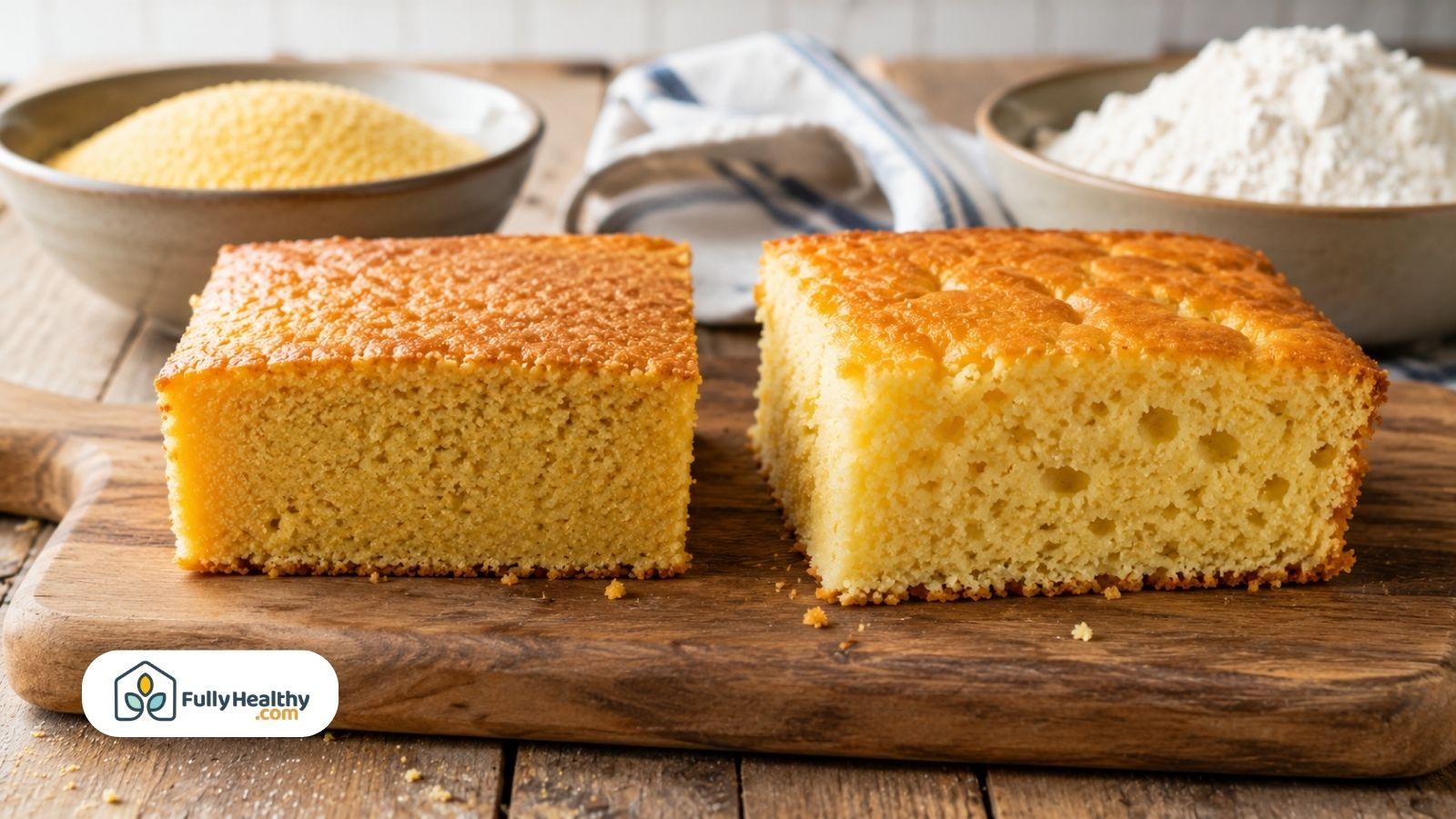
Cornbread can be gluten-free, but many traditional recipes are not. Cornmeal comes from corn and is naturally free of gluten. However, many recipes also use wheat flour to improve structure and texture. If you follow a gluten-free diet because of celiac disease or gluten sensitivity, check every ingredient carefully. Cross-contact during processing, baking, or serving can also introduce gluten.
What Makes Cornbread Gluten-Free?
Gluten-free cornbread uses cornmeal and other ingredients that do not contain gluten. Some recipes use only cornmeal, while others use a gluten-free flour blend instead of wheat flour. Eggs, milk, butter, sugar, and leavening agents can also be added. Always read labels because packaged ingredients and baking mixes can vary.
-
Cornmeal Choice: Choose cornmeal labeled gluten-free if you need to avoid gluten strictly. Plain corn kernels are naturally gluten-free, but flavored or processed versions may include other ingredients.
-
Mixing Method: Add the dry ingredients to a large bowl, then combine them with the wet ingredients. Stir the cornbread batter only until everything is mixed to help prevent a heavy texture.
-
Flavor Options: Sweet cornbread may include sugar, honey, or similar sweeteners. Savory cornbread may include cheddar cheese, herbs, or other add-ins. Make sure each ingredient is gluten-free.
-
Different Forms: You can use a similar batter to make cornbread muffins or skillet-style cornbread. Baking in a hot cast-iron skillet can help create crisp edges and a soft center.
-
Serving Ideas: Cornbread goes well with chili, soup, barbecue, or fried chicken. Gluten-free cornbread can also be used for cornbread stuffing if every added ingredient is gluten-free.
How Can You Tell Whether A Cornbread Recipe Is Safe?
Read the full ingredient list instead of assuming that cornbread is safe because it contains corn. Wheat flour is one of the main reasons cornbread contains gluten. For people with celiac disease, shared pans, utensils, counters, and flour dust can also cause cross-contact. When buying a mix or ready-made cornbread, look for clear gluten-free labeling.
-
Recipe Check: Before making GF cornbread, review the recipe ingredients one by one. Check the cornmeal, flour, baking powder, seasonings, and optional add-ins.
-
Texture Check: Gluten-free baking can sometimes result in crumbly cornbread. Enough moisture, eggs, and a good flour blend can help improve the texture.
-
Nutrition Check: Nutrition calories and saturated fat depend on the ingredients and serving size. Butter, cheese, sugar, and milk can change the nutrition profile, but they do not determine gluten content.
-
Website Disclosures: Phrases such as may contain affiliate links or post may contain affiliate are publishing disclosures. They do not prove that a recipe is gluten-free or medically safe.
-
Rating Context: Required recipe ratings and reader reviews can show how people liked a recipe, but they are not proof of gluten safety. Ingredient labels and trusted gluten-free guidance matter more.
-
Storage Tip: Store finished cornbread away from gluten-containing baked goods. Use clean serving tools to reduce cross-contact when slicing, storing, and serving leftovers.
What Bread Has No Gluten?
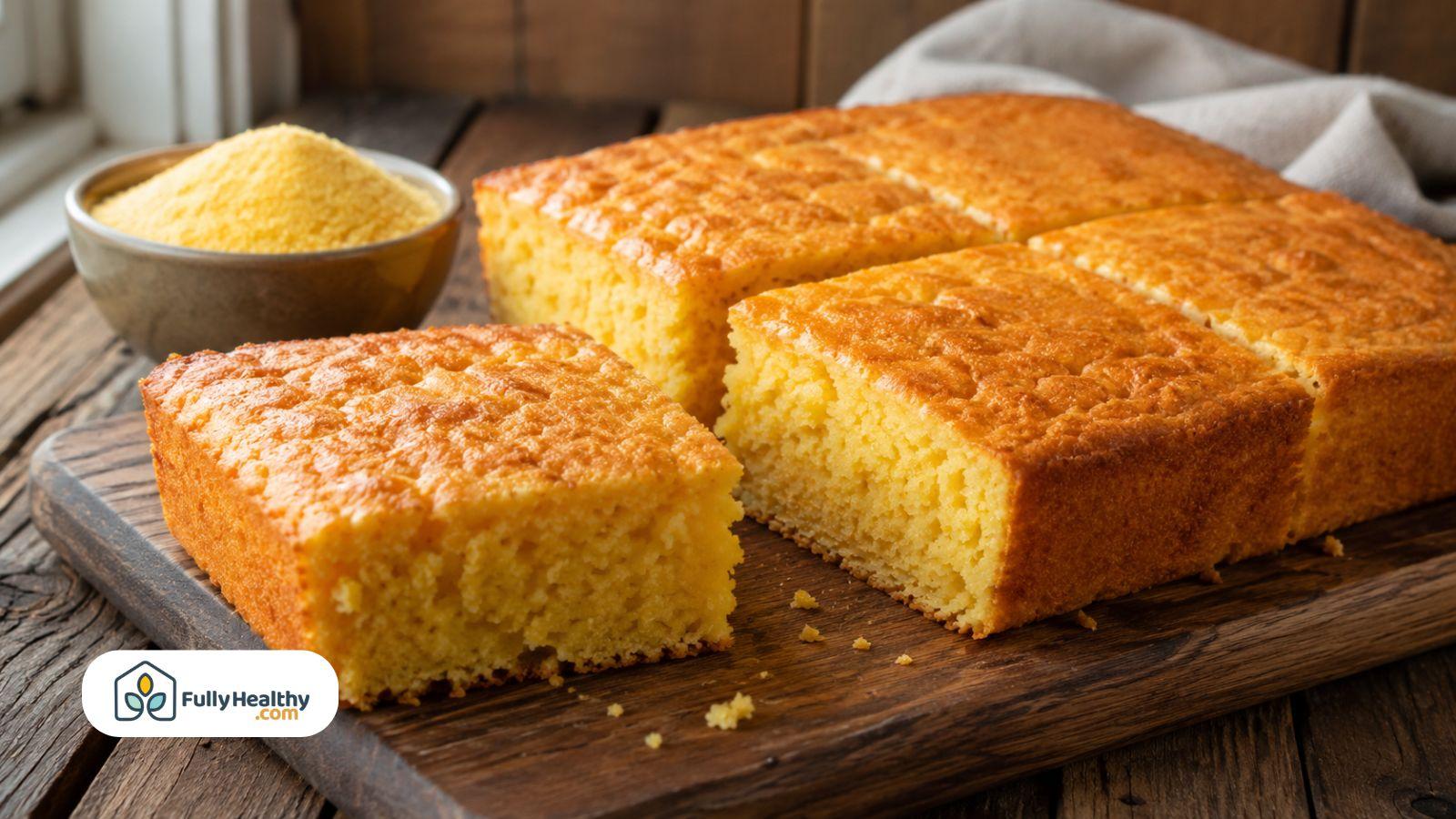
In the United States, packaged foods labeled ‘gluten-free’ must contain less than 20 ppm gluten and must comply with FDA ingredient requirements; standards can differ by jurisdiction. Many breads use gluten-free flour, almond flour, corn flour, or starches instead of wheat flour. People with celiac disease should also watch for cross-contact.
What Types Of Bread Can Be Made Without Gluten?
Gluten-free bread often uses several flours and starches because wheat flour normally gives bread structure and elasticity. A gluten-free flour blend with xanthan gum can help improve texture and hold baked goods together. King Arthur also offers gluten-free baking products.
-
Flour Choices: Bakers may use purpose gluten-free flour, gluten free all purpose, free all purpose flour, almond flour, or another safe blend to make gluten-free bread and other gluten-free baked goods.
-
Corn Choices: Corn meal, gluten-free corn, gluten-free cornmeal, finely ground cornmeal, medium grind cornmeal, or another medium grind may be used in some traditional recipes and cornbread recipes.
How Can You Tell Whether Bread Is Truly Gluten-Free?
Always read the package label carefully. A product marked “wheat-free” is not automatically gluten free because barley and rye also contain gluten. For people with celiac disease, products labeled gluten-free must meet applicable regulatory standards; third-party certification is optional and may provide additional independent verification or use stricter thresholds.
-
Ingredient Check: A gluten-free flour blend can help create a gluten-free version, but multi-ingredient products such as some baking powders, seasoning blends, and mixes should be checked for gluten-containing ingredients or cross-contact. Pure baking soda (sodium bicarbonate) does not inherently contain gluten.
-
Diet Check: Dairy-free does not mean gluten-free. Dairy-free milk, almond milk, dairy-free butter, or vegan butter change the dairy content of a recipe, not its gluten status.
Can Celiacs Eat Cornmeal?
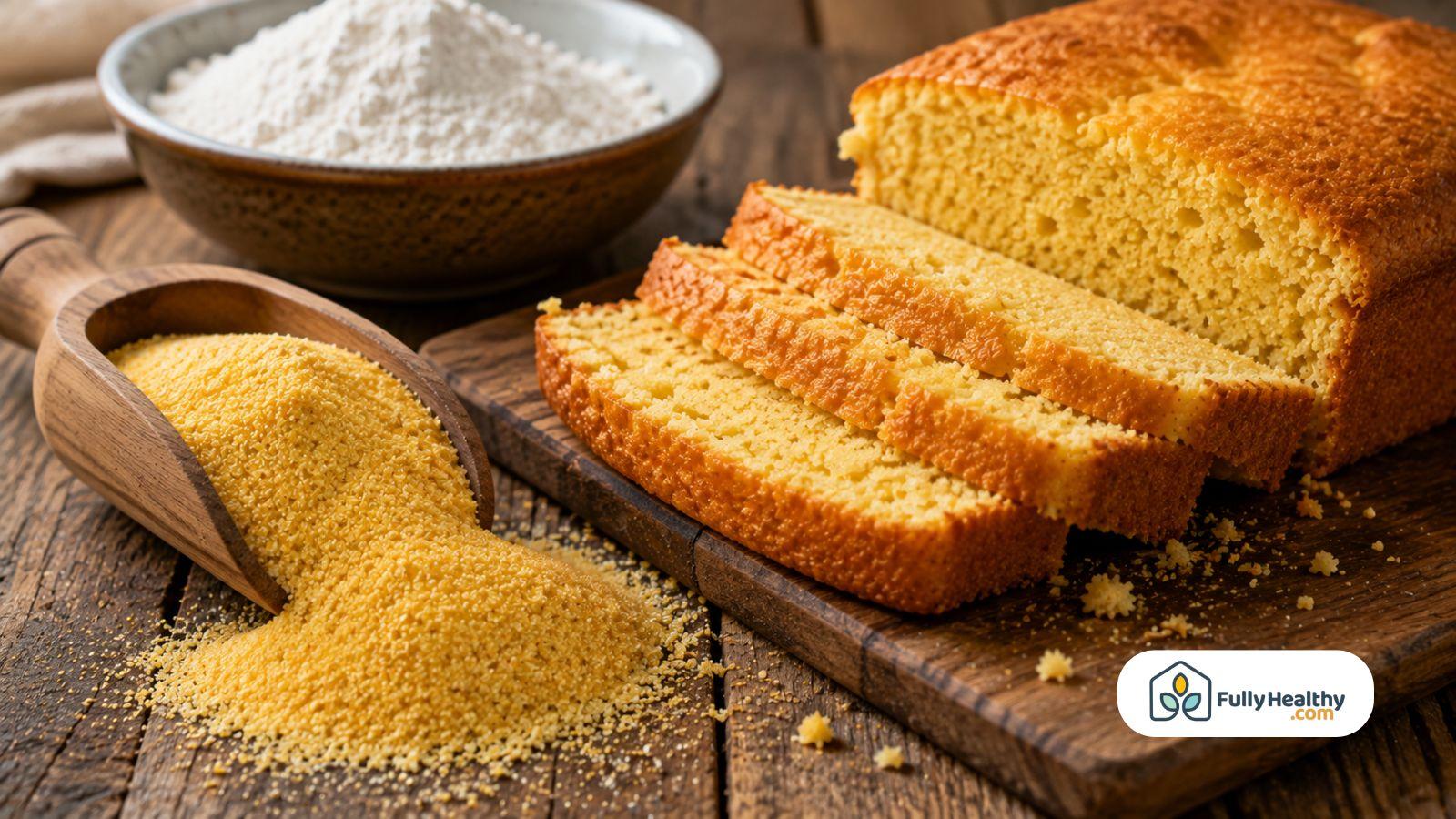
Corn is naturally gluten-free. For people with celiac disease, cornmeal labeled gluten-free can reduce concern about gluten cross-contact; third-party certification is an additional option rather than a universal requirement. This is also why the answer to is cornbread gluten free depends on every ingredient used in the recipe.
Is Cornmeal Naturally Gluten-Free For People With Celiac Disease?
Cornmeal is made from dried, ground corn. Its texture can range from finely ground to medium ground. For people with celiac disease, choosing certified gluten-free cornmeal can help reduce the risk of cross-contact.
-
Cornbread Basics: To make gluten-free cornbread, a recipe may combine gluten-free cornmeal with gluten-free flour, baking powder, eggs, melted butter, and milk. Maple syrup or coconut sugar may also be used for sweetness.
-
Recipe Options: An easy gluten-free cornbread or the best gluten-free cornbread may use a gluten-free flour blend, xanthan gum, or sour cream to improve texture and help keep the cornbread tender.
Why Should Celiacs Check Cornmeal For Gluten Cross-Contact?
Cross-contact happens when gluten accidentally gets into food that would normally be gluten free. When following a gluten-free cornbread recipe, check the cornmeal, flour, baking powder, and other ingredients before mixing the batter.
-
Baking Method: Pour the mixture into a prepared baking pan, bake it in a preheated oven, and serve cornbread once it is cooked through. Leftovers may be stored in a container at room temperature when the recipe allows.
-
Fat Choices: The recipe calls may vary. A slice of gluten free cornbread may be made with unsalted butter, dairy-free butter, vegan butter, or another suitable fat.
-
Recipe Variety: Cornbread recipes range from classic best cornbread styles to free cornbread options. Some cornbread recipes can be adapted with a gluten-free flour blend, but a direct one-to-one substitution does not always reproduce wheat flour’s structure; adjustments to hydration, binders, or other ingredients may be necessary.
What Is Corn Bread Made Of?
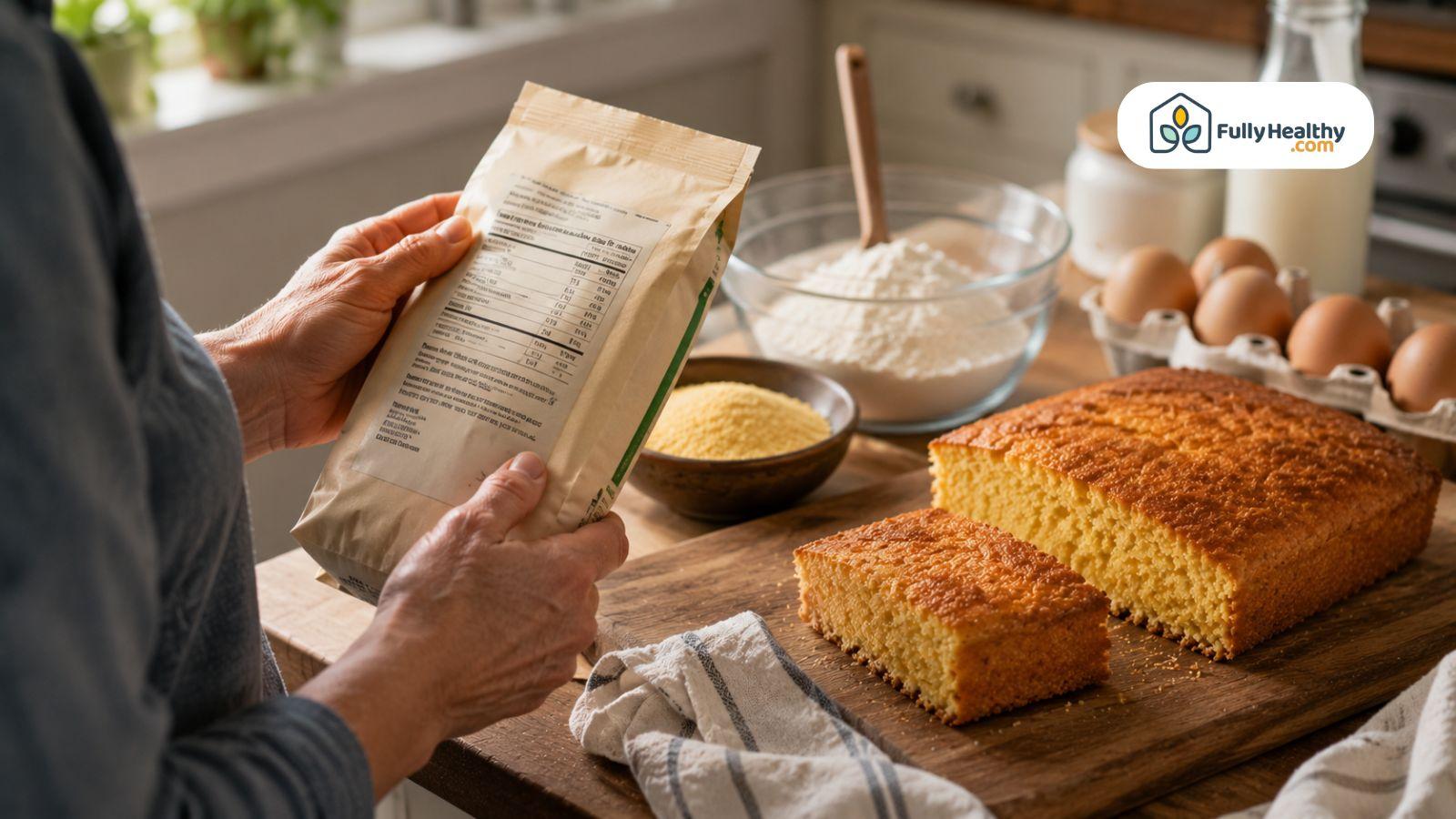
Corn bread is mainly made with cornmeal, which gives it a rich corn flavor and a slightly grainy texture. Recipes can be sweet or savory. Some versions also use wheat flour, which means they are not gluten-free. RecipeTin Eats, for example, uses both cornmeal and all-purpose flour in its recipe.
What Ingredients Are Commonly Used To Make Cornbread?
Most cornbread recipes combine dry ingredients with eggs, milk, and fat. RecipeTin Eats uses yellow cornmeal, all-purpose flour, baking powder, sugar, salt, creamed corn, melted butter, eggs, and milk. Each ingredient has a specific role in the final texture and flavor.
-
Main Ingredients: Cornmeal gives cornbread its classic taste, while flour helps create structure. Eggs hold the batter together, milk adds moisture, and butter adds richness.
-
Flavor Choices: Sugar can make cornbread sweeter, while savory versions may use less sugar or no sugar at all.
-
Baking Tip: Mix the wet and dry ingredients separately before combining them. Do not overmix the batter, and preheat the oven as directed for even baking.
Why Is Some Cornbread Gluten-Free While Other Cornbread Is Not?
Cornmeal is naturally gluten-free, but cornbread is not always gluten-free. Many traditional recipes use wheat flour. A gluten-free version replaces wheat flour with a suitable gluten-free flour blend and uses ingredients that are confirmed to be gluten-free.
-
Check The Flour: Meaningful Eats uses gluten-free measure-for-measure flour and recommends a blend with xanthan gum to help improve structure.
-
Check The Cornmeal: Choose cornmeal labeled gluten-free because cross-contact can happen during processing and packaging.
-
Check The Whole Recipe: Gluten-free recipes can vary, so review every ingredient instead of assuming all corn-based breads are gluten-free.
How Can Fully Healthy Help You Shop For Specialty-Diet Foods?
Fully Healthy is an online marketplace that focuses on specialty diets, including AIP, gluten-free, and allergen-aware eating. The site brings many specialty products into one place, which can make shopping easier for people who have specific food needs or preferences.
How Can Fully Healthy Make Specialty-Diet Shopping Easier?
Fully Healthy organizes products by dietary needs, which can save shoppers time. Instead of searching through many general stores, users can browse products that are already grouped into specialty categories. However, shoppers should still read product labels and ingredient lists carefully.
-
Easier Browsing: Diet-focused categories help shoppers find suitable products faster.
-
Better Comparisons: Product pages make it easier to compare ingredients, package sizes, and dietary labels before buying.
-
Check Current Details: Product formulas and stock can change, so always review the latest information on the website.
Which FullyHealthy Products Were Verified During The Source Review?
The source review confirmed two products on Fully Healthy: Bob’s Red Mill Organic Coconut Sugar, 13 oz, and Date Lady Date Sugar, 12 oz. Both were shown within the site’s AIP Elimination merchandising at the time of review.
-
Bob’s Red Mill Organic Coconut Sugar: This 13-ounce product was directly verified on FullyHealthy and can be used as a specialty sweetener option.
-
Date Lady Date Sugar: This 12-ounce product was also verified and gives shoppers another option for specialty pantry use.
-
Shop With Care: Always check current stock, ingredients, labels, and dietary suitability before placing an order.
Final Thoughts
Is cornbread gluten-free? It depends on the recipe. Cornmeal is naturally gluten-free, but many cornbread recipes also contain wheat flour. If you have celiac disease or avoid gluten, choose certified gluten-free cornmeal and check every ingredient carefully.
A good gluten-free flour blend can also help create soft, moist cornbread. For easier specialty-diet shopping, FullyHealthy offers products for gluten-free, AIP, and allergen-aware needs.
FAQs
Does Gluten-Free Cornbread Taste Different?
Gluten-free cornbread can taste very similar to regular cornbread, although the texture may be slightly different depending on the flour blend and cornmeal used.
What Gluten-Free Flour Is Closest To Bread Flour?
There is no universally equivalent gluten-free substitute for wheat bread flour. Gluten-free bread formulations commonly combine flours or starches with hydrocolloids, proteins, or other structure-forming ingredients, depending on the recipe.
Is Marie Callender Cornbread Mix Gluten-Free?
Marie Callender’s cornbread mix should not be assumed to be gluten-free unless the current package is clearly labeled gluten-free, so always check the ingredient list and allergen statement before buying.
Does Sourdough Bread Have Gluten?
Traditional wheat- or rye-based sourdough bread contains gluten and should not be considered safe for people with celiac disease. Conventional sourdough fermentation may partially hydrolyze gluten proteins but generally does not reduce gluten to a reliably safe level; specialized, extensively hydrolyzed formulations are different.
Does Peanut Butter Have Gluten?
Plain peanut butter is naturally gluten-free, but flavored varieties or products made on shared equipment may need a closer label check for added ingredients or cross-contact.
Leave a comment