

Is Ghee Healthy? Benefits, Risks, And Truth

Is ghee healthy? Ghee can be good for you if you use it in moderation and as part of a healthy diet. Ghee is butter that has had the water and milk solids taken out, leaving only pure fat that can be used for high-heat cooking.
Some people may find it easier to digest because it has vitamins that dissolve in fat. You'll learn why it can be good for you and when you should cut back in this article.
Featured Pantry Pick
Ahara Rasa // Traditional Ghee
Loading...
Is Ghee Healthy For Everyday Use?
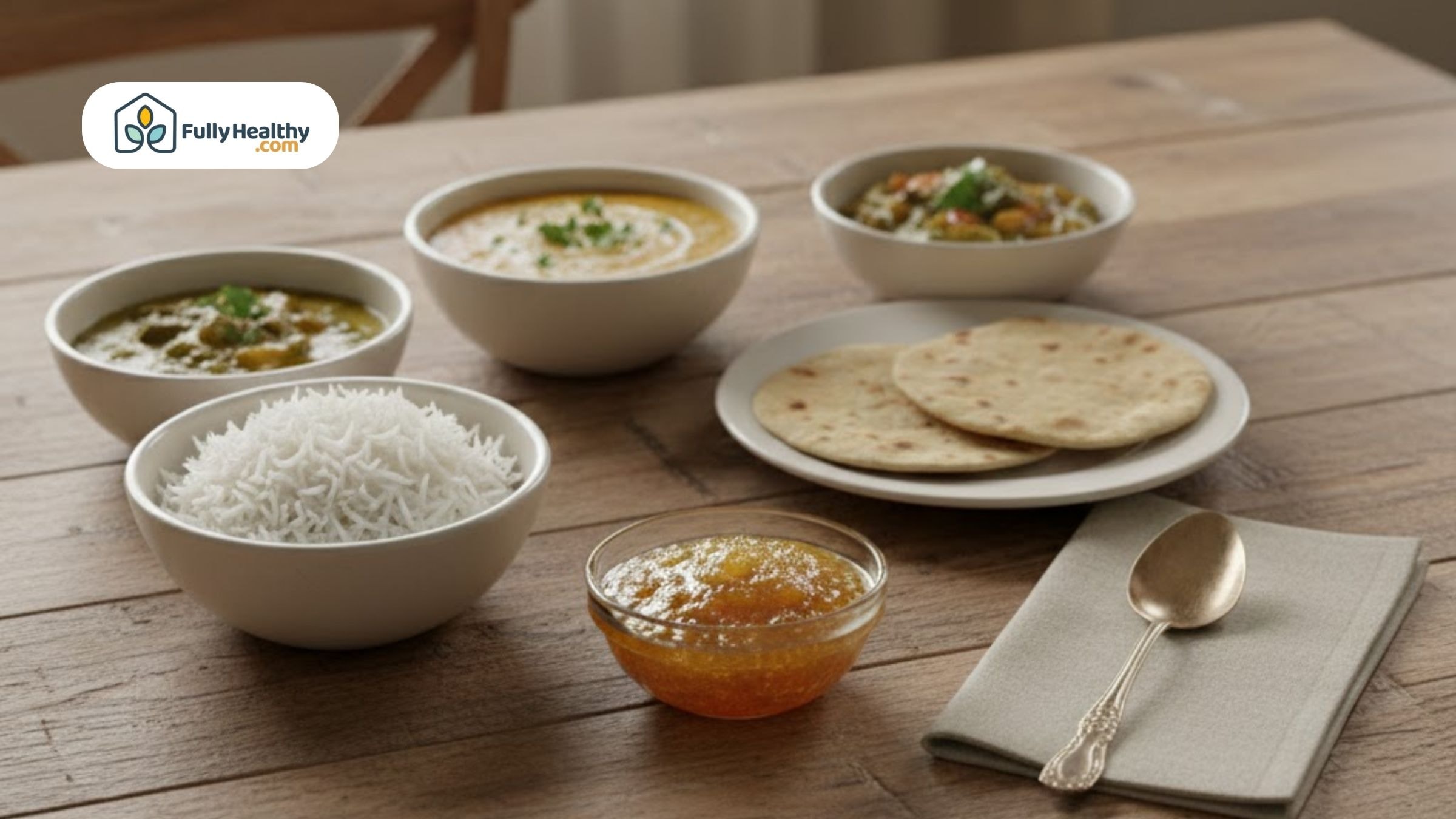
Ghee is good for you as long as you don't eat too much of it and keep your diet balanced. It is a natural cooking oil made from butter that has been clarified. It may be better for you than many processed foods or partially hydrogenated fats.
Why Ghee Is A Healthy Fat
Ghee is made by heating butter until the milk solids and water separate, leaving only pure fat with a rich golden brown flavor. Because the milk solids that are taken out include lactose, the milk sugar, and most of the proteins lactose and casein, many people who are lactose intolerant or have mild dairy allergies can handle ghee better than regular butter.
-
Natural Source Of Fat: Ghee is made from butter without chemical processing, unlike some vegetable oils such as soybean oil.
-
Higher Smoke Point: Ghee has a higher smoke point than butter, making it stable for high temperature cooking and high heat frying.
-
Fat Soluble Vitamins: It provides fat soluble vitamins like vitamin a and vitamin e in small but beneficial amounts.
-
Short Chain Fatty Acids: Ghee contains short chain fatty acids that may support gut health and colon health.
-
Ghee Dairy Free For Many: With lactose and casein largely removed, many people tolerate ghee even if they cannot digest regular butter.
How To Use Ghee In A Healthy Way
When eaten in moderation and mixed with other healthy fats like avocado or olive oil, ghee is good for you. It shouldn't be the main source of fat in your diet, it should be a healthy part of it.
-
Portion Control: Limit intake to about one tablespoon at a time to avoid excess saturated fat.
-
Balanced Diet: Pair ghee with vegetables, whole grains, and lean proteins instead of relying on fatty foods alone.
-
Heart Health Awareness: Because ghee is high in saturated fat, intake should align with dietary guidelines that recommend limiting saturated fat to reduce LDL cholesterol and cardiovascular risk.
-
Better Than Some Oils: Compared to heavily refined vegetable oils or partially hydrogenated fats, ghee is a cleaner option.
-
Avoid Overuse: Consuming ghee in large amounts may increase total fat intake and contribute to weight gain.
Is Ghee Better For You Than Butter?
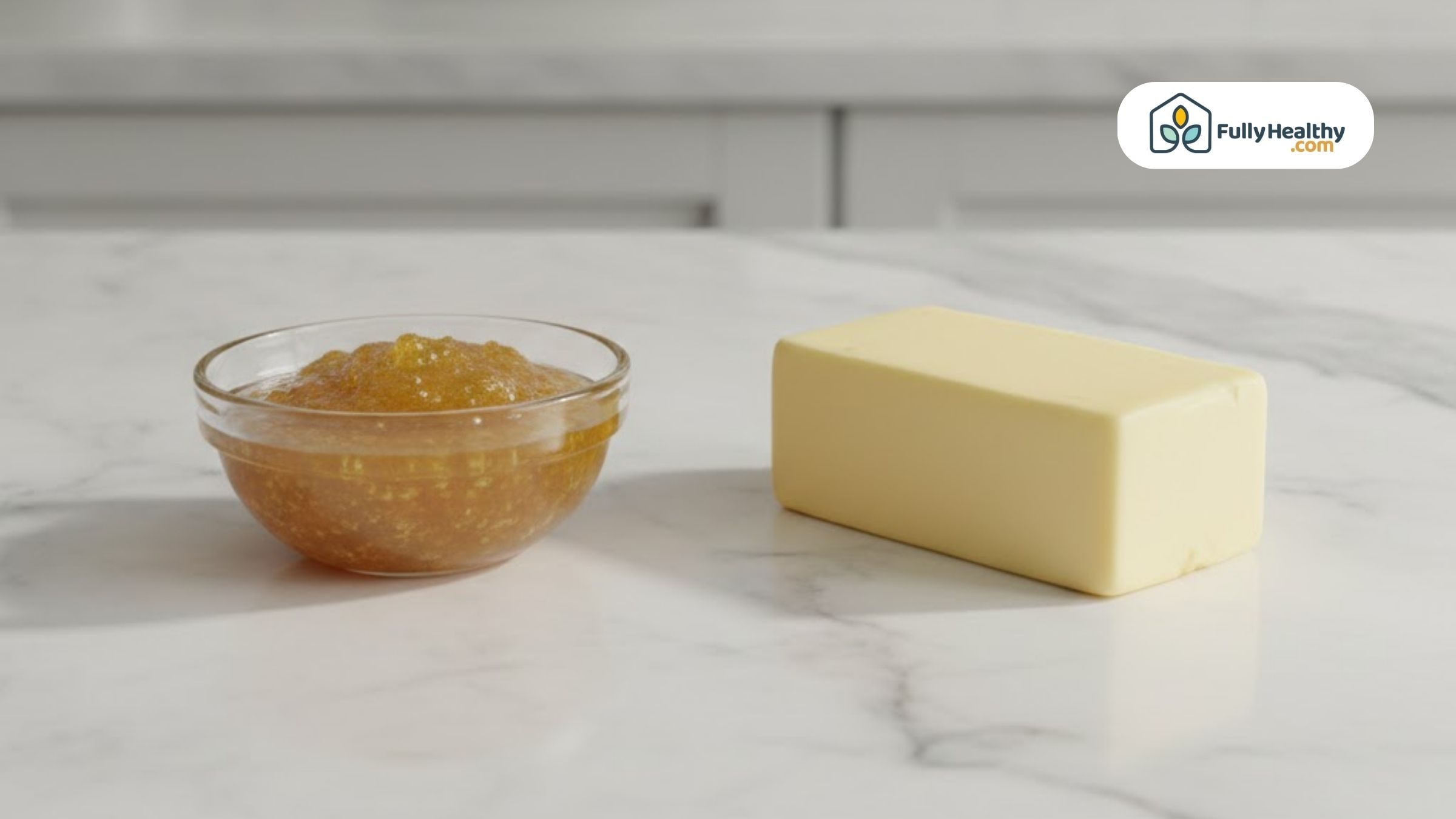
Ghee and butter share the same origin, but their preparation creates nutritional and culinary differences. Comparing ghee vs butter helps clarify if there is a significant difference in health impact.
Nutrition Breakdown
One tablespoon of ghee contains slightly more fat and calories than regular butter because the water and milk solids have been removed. Ghee is nearly 100% fat, while butter contains some water and small amounts of milk solids.
-
Total Fat Content: Ghee contains slightly more total fat per tablespoon than butter, and both are made up mostly of saturated fats.
-
Milk Solids Difference: Butter keeps small amounts of lactose and milk proteins, while ghee has these components removed during the clarification process.
-
LDL Consideration: Diets high in saturated fat may increase LDL cholesterol levels in some individuals, although responses differ from person to person.
-
Vitamin Content: Both ghee and butter provide fat-soluble vitamins like vitamin A, with ghee offering a slightly higher concentration due to its reduced water content.
Flavor, Cooking Performance, And Digestibility
Ghee develops a golden brown color and nutty aroma during heating butter, which changes its taste profile compared to regular butter. It also performs differently in cooking applications.
-
Nutty Flavor: Ghee has a richer, toasted flavor that enhances vegetables and grains.
-
Smoke Point Than Butter: Its smoke point than butter makes it suitable for high heat frying.
-
Digestibility Factor: People with dairy allergies or casein allergy often tolerate ghee because lactose and casein are removed.
-
Liquid Fat Texture: Ghee remains a stable liquid fat when melted and stores well in a glass container.
-
Processed Foods Comparison: Unlike partially hydrogenated fats or soybean oil, ghee does not contain industrial trans fats.
Is Ghee Healthier Than Olive Oil?
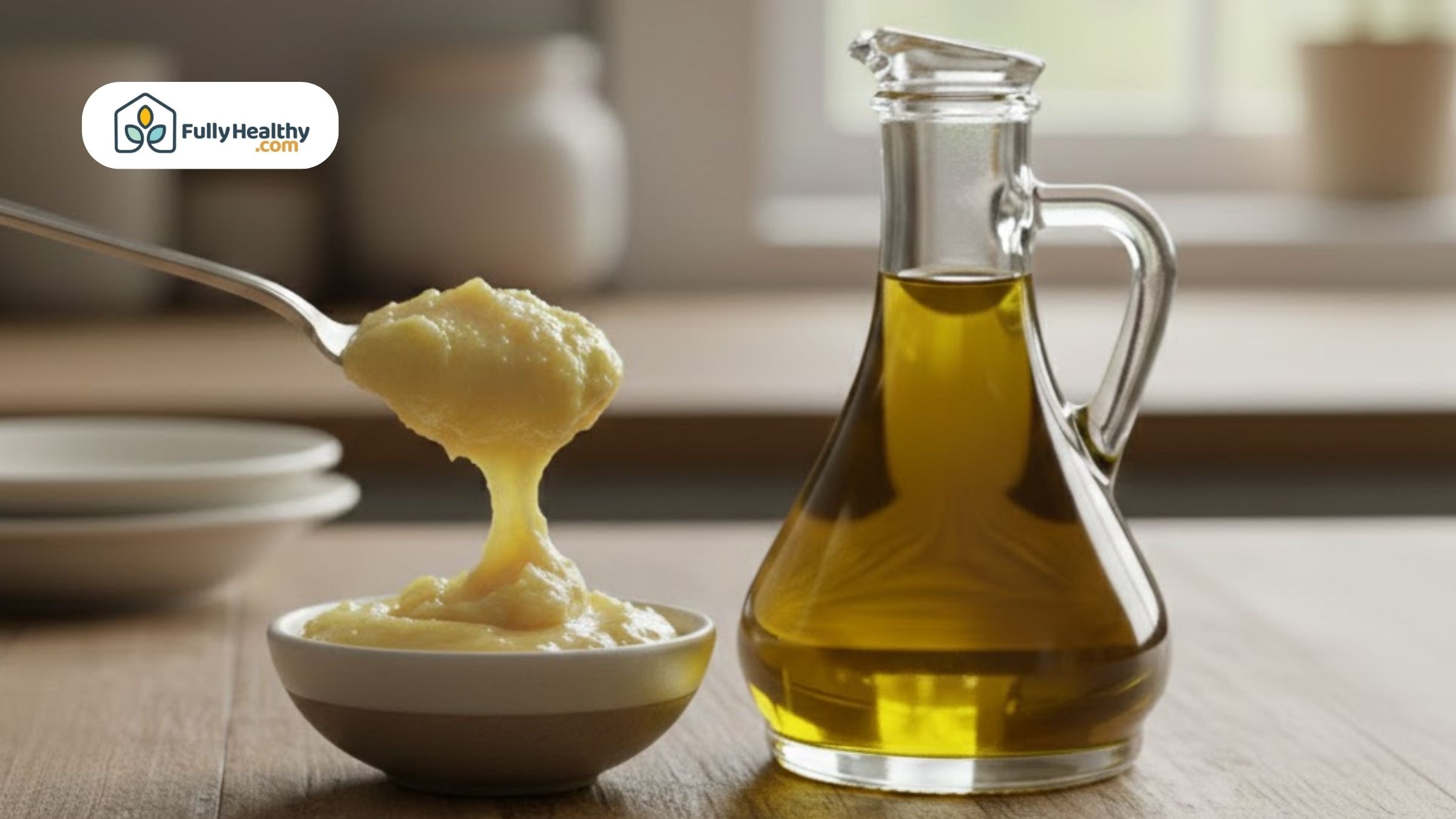
Ghee and olive oil are both used as cooking oil, but their fat composition differs significantly. Comparing animal fats and plant based liquid fat options helps guide healthy diet choices.
Fat Composition And Heart Health
Olive oil is rich in monounsaturated fats, which are known as healthy fats in Mediterranean diet studies. Ghee contains more saturated fat, while olive oil contains more linoleic acid and other unsaturated fatty acids.
-
Monounsaturated Fats: Olive oil is associated with reduced heart disease risk in population research.
-
Saturated Fat Content: Ghee’s saturated fat may increase LDL if consumed in excess saturated fat amounts.
-
Support Heart Health: Olive oil is commonly recommended to support heart health in balanced diet plans.
-
Comparison With Coconut Oil: Coconut oil, like ghee, is high in saturated fatty acids, showing similar concerns.
-
No Significant Difference Claim: There is no clear evidence that ghee is superior to olive oil for heart health.
Cooking Stability And Best Use Cases
Because it has a higher smoke point, ghee is better for cooking at high temperatures. Olive oil, on the other hand, is better for cooking at medium temperatures or making cold dishes. Which one you choose depends on your cooking needs and dietary goals.
-
High Heat Advantage: Ghee performs well for sautéing and roasting at high heat.
-
Cold Applications: Olive oil works well in salads and as finishing oil.
-
Oxidation Risk: Heating butter beyond its smoke point can degrade beneficial compounds.
-
Vegetable Oils Alternative: Compared to refined vegetable oils, minimally processed options like olive oil and ghee are often preferred.
-
Avocado Oil Option: Avocado oil also offers a high smoke point with more unsaturated fats.
What’s The Best Way To Eat Ghee?
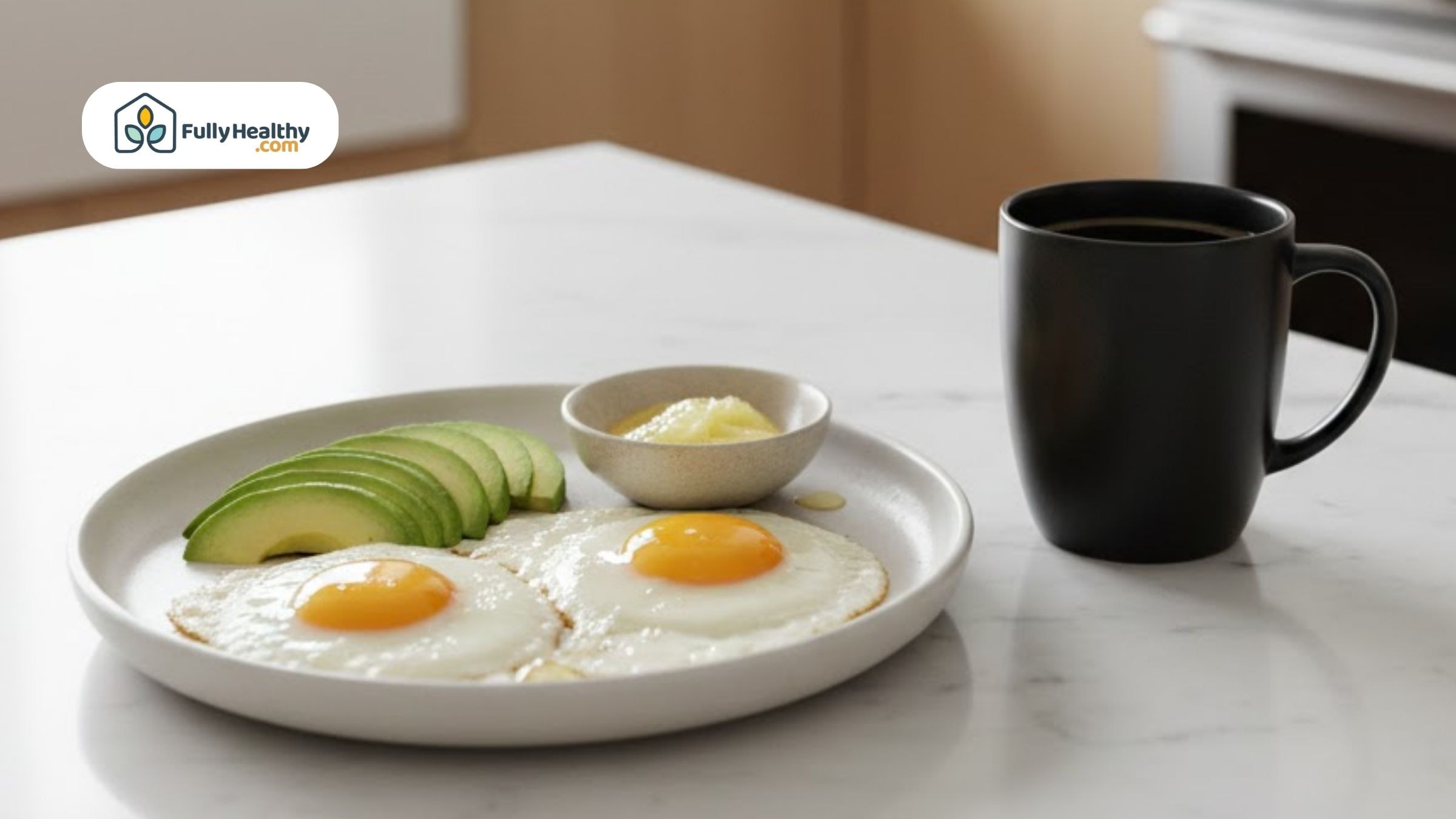
Using ghee correctly enhances both flavor and nutritional balance. Portion control remains essential when consuming ghee in a healthy diet.
Cooking Methods And Daily Portions
Most nutrition experts recommend limiting intake to small servings such as one tablespoon or less per meal. Adding ghee to healthy foods instead of processed foods supports better balance.
-
Portion Guidance: Use one tablespoon or less to avoid weight gain from excess dietary fat.
-
Cooking Uses: Ideal for roasting vegetables or sautéing grains.
-
Healthy Diet Pairing: Combine with fiber rich foods to balance fatty acids intake.
-
Lose Weight Context: Ghee alone does not help lose weight without overall calorie control.
-
Balanced Diet Focus: Eat fat as part of overall nutrient needs, not in isolation.
Traditional Timing And Ayurvedic Practices
According to some traditions, eating ghee with warm foods in the morning can help keep your gut healthy. Today's evidence doesn't prove timing-based advantages, but it does recognize cultural practices.
-
Morning Use: Warm ghee added to grains is common in indian cooking traditions.
-
Herbal Medication Role: Ghee is sometimes used as a carrier fat for herbal medication.
-
Gut Health Claim: Short chain fatty components are linked to digestive support.
-
Bone Health Mention: Fat soluble vitamins contribute modestly to bone health.
-
Clinical Perspective: Clinical nutrition experts emphasize moderation over ritual timing.
Why Choose FullyHealthy For Specialty Foods
FullyHealthy focuses on nutrient dense products that align with special dietary needs and transparent sourcing. The platform emphasizes quality standards and whole ingredient options.
About FullyHealthy
FullyHealthy offers products that are good for people with special diets or foods they can't have, like dairy allergies. The company emphasizes foods that have been processed as little as possible and clean sourcing methods.
-
Quality Standards: Focus on carefully selected ingredients.
-
Dietary Inclusivity: Options designed for people with lactose intolerant concerns.
-
Transparency: Clear labeling of ingredients and sourcing.
Ahara Rasa Traditional Ghee Products
Ahara Rasa products available on FullyHealthy feature grass fed sourcing and traditional preparation methods. The ghee butter is packaged in glass container options to maintain freshness.
-
Ahara Rasa // Traditional Ghee: Classic grass-fed traditional ghee made from cultured butter and clarified slowly, offering rich flavor and a higher smoke point for daily cooking.
-
Ahara Rasa // Brown Butter Ghee: Slow-cooked brown butter style ghee with deep savory notes and excellent performance for roasting and sautéing.
-
Ahara Rasa // Lemon & Garlic Ghee: Grass-fed ghee blended with organic lemon and garlic for bright, savory flavor in vegetables, meats, and more.
-
Ahara Rasa // Vanilla Dream Ghee Sweet, aromatic ghee infused with organic vanilla bean, ideal for baking, desserts, and coffee enhancements.
Final Thoughts
When used instead of highly processed fats and unsalted butter for cooking over high heat, ghee really does have health benefits. When compared to overheating butter, ghee is better because it stays stable at high temperatures and has fewer milk solids, which lowers the risk of the toxic compound acrylamide.
What's true about ghee versus what's hype is still important because too much saturated fat can make you more likely to get coronary heart disease. Use ghee wisely and only buy it from reputable stores that put quality and cleanliness first for your kitchen.
FAQs
How much ghee should I eat daily?
Most experts suggest about one tablespoon per day to enjoy health benefits without increasing coronary heart disease risk from excess saturated fat.
What are the health benefits of ghee?
The health benefits and benefits of ghee include cooking stability, fat soluble vitamins, small amounts of conjugated linoleic acid, and easier digestion compared to unsalted butter.
Does conjugated linoleic acid in ghee improve health?
Ghee contains conjugated linoleic acid in small amounts, but current evidence shows modest impact rather than dramatic results.
Is avocado oil healthier than ghee?
Avocado oil contains more unsaturated fat and may be better for heart health, but ghee performs better at very high heat cooking.
Why is ghee not used for cooking?
Ghee is widely used for cooking, but some avoid it due to saturated fat concerns or preference for plant oils, even though it produces less toxic compound acrylamide than overheating butter.
Leave a comment