

Does Ghee Have To Be Refrigerated? A Clear Storage Guide

Does ghee have to be refrigerated? No, ghee doesn't need to be kept in the fridge as long as it is kept in a cool, dark place. It stays fresh longer than regular butter because the milk solids and water have been taken out. Find out how long ghee lasts, how to store it right, and how to tell if it's gone bad in this article.
Featured Pantry Pick
Ahara Rasa // Traditional Ghee
Loading...
Does Ghee Have To Be Refrigerated?
Understanding how clarified butter is made explains why ghee can be safely stored at room temperature without spoiling quickly.
When Refrigeration Is Recommended
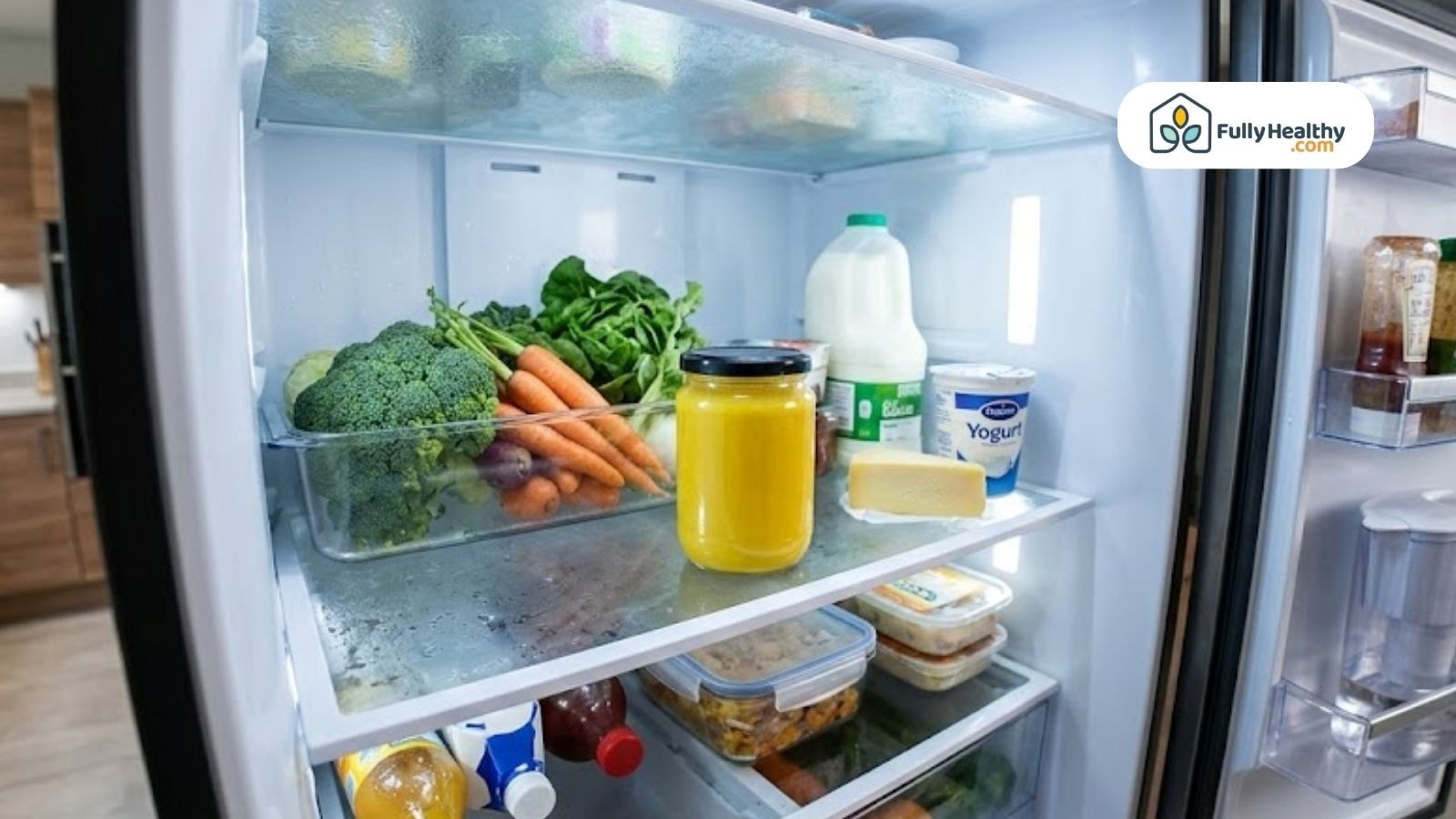
Does ghee have to be refrigerated in every kitchen environment? No, but refrigeration becomes helpful in hot climates where heat and oxidation reduce freshness faster.
-
Hot Climates: In hot and humid environments, heat speeds up oxidation and shortens shelf life.
-
Humidity Exposure: Moisture in warm kitchens increases contamination risk inside the container.
-
Long Term Storage: If you plan long term storage, keeping ghee refrigerated helps preserve quality.
-
Texture Changes: Refrigerated ghee becomes solid and chilled but remains fine for cooking and baking.
-
Extra Protection: Storing ghee in the fridge slows oxidation and minimizes air exposure.
Why Ghee Is Naturally Shelf-Stable
Ghee is made by heating butter until the milk solids and water separate and are removed, leaving mostly pure fats. When stored properly, ghee doesn't go bad like butter does because it doesn't have any moisture or lactose.
-
Clarification Process: Heating butter removes milk solids, lactose, and moisture, which reduces the environment where bacteria can grow.
-
Low Moisture Content: Most fats without water are more resistant to spoilage compared to regular butter.
-
Stable At Room Temperature: Traditionally, homemade ghee was safely stored in a jar at room temperature without refrigeration.
-
Reduced Spoilage Risk: Without milk solids, oxidation and bacterial activity slow significantly.
-
Longer Shelf Life Than Butter: Ghee lasts longer than regular butter because it lacks moisture that accelerates spoilage.
How Long Does Ghee Last Unrefrigerated?

Ghee has a longer shelf life than regular butter because it contains mostly pure fats and very little moisture. The key factor is how it is stored and how often the jar is opened.
Unopened Shelf Life
Unopened ghee that is properly stored in a dark cupboard away from direct sunlight and heat can last up to one year. A sealed airtight container protects the fats from oxygen and contamination.
-
Sealed Jar: An airtight container with a tight lid prevents oxygen and air exposure.
-
Cool Storage: Store ghee in a cool area away from stove heat and warm appliances.
-
Dark Location: Light exposure increases oxidation and reduces quality over time.
-
Stable Fats: Pure fats remain stable when moisture is removed during clarification.
-
Up To One Year: Many storage guides state unopened ghee can last one year when safely stored.
Opened Ghee Storage Timeline
Once opened, ghee typically lasts 3-6 months at room temperature if properly stored and protected from contamination. Exposure to air and moisture over and over again shortens the shelf life of food by speeding up oxidation.
-
Average Pantry Life: Opened ghee generally lasts three to six months when stored correctly.
-
Air Exposure: Each time you open the jar, oxygen enters and slowly affects flavor and freshness.
-
Minimize Air Exposure: Close the lid tightly after every scoop to protect the fats.
-
Use Small Quantities: Buying small quantities reduces the time the container stays open.
-
Properly Stored Ghee: When safely stored in an airtight container, quality remains consistent longer.
How Do I Know If Ghee Has Gone Bad?

Even fresh ghee can spoil if exposed to contamination, moisture, or prolonged heat. Recognizing signs of spoiled ghee helps prevent consuming rancid fats.
Smell, Color, And Texture Warning Signs
Ghee that is still fresh smells rich and nutty and is golden in color. Ghee that has gone bad smells rancid and tastes sour. Changes in texture and appearance are early signs of oxidation.
-
Rancid Smell: A sharp, sour, or unpleasant odor signals rancid fats.
-
Visible Mold: Any visible mold growth means the ghee should be discarded immediately.
-
Darkening Color: Significant color change beyond natural golden tones indicates spoilage.
-
Grainy Or Strange Texture: Unusual texture unrelated to cold storage may signal oxidation.
-
Off Taste: Bitter or sour flavor suggests the ghee has spoiled.
Moisture Contamination Risks
Ghee goes bad the fastest when it gets wet, because water helps bacteria grow inside the jar. Even small amounts added during cooking shorten the quality and shelf life of food.
-
Use A Dry Spoon: Always use a completely dry spoon or clean spoon when you scoop ghee to prevent introducing moisture.
-
Avoid Wet Utensils: Dry utensils are critical because even a small drop of water can lead to spoilage.
-
Prevent Food Contamination: Do not return used ghee to the container after cooking because food particles can spoil it.
-
Seal The Lid Tightly: Close the lid immediately after each use to minimize air exposure.
-
Discard If Spoiled: If you detect a sour smell, visible mold, or contamination, discard the spoiled ghee.
Which Container Is Best To Store Ghee In?

The type of container affects how well ghee is protected from air, light, and contamination. Choosing the right storage method supports longer shelf life and consistent flavor.
Best Storage Materials
Materials that don't react with oxygen keep fats from going bad and keep their quality over time. Most people say that you should store ghee in glass, stainless steel, or ceramic.
-
Glass Jar: Glass is non reactive and protects against chemical interaction with fats.
-
Stainless Steel Container: Stainless steel is durable and shields ghee from light and heat.
-
Ceramic Option: Food grade ceramic containers also provide safe storage.
-
Avoid Plastic When Possible: Plastic can absorb odor and may not provide the same airtight protection.
-
Tight Fitting Lid: Always choose a container with a secure airtight lid.
Airtight And Light Protection Matters
Oxidation happens when light and oxygen interact with fats, changing their taste and freshness over time. Keeping ghee out of direct sunlight and too much heat helps keep its quality.
-
Airtight Seal: An airtight container limits oxygen exposure and slows rancid development.
-
Store Away From Heat: Keep the jar away from stove areas and hot surfaces.
-
Protect From Light: Store in a dark cupboard to reduce light driven oxidation.
-
Cool Environment: A cool location supports stable storage conditions.
-
Avoid Freezing Unless Needed: Freezing is possible but freezing and thawing repeatedly may affect texture.
Why Choose FullyHealthy
Selecting high quality ghee matters for taste, safety, and long term storage. FullyHealthy offers products focused on purity and traditional preparation methods.
About FullyHealthy
FullyHealthy is an online store specializing in allergen conscious food products that emphasize clean ingredients and minimal additives. The company highlights traditionally prepared ghee made without unnecessary stuff or preservatives.
-
Allergen Focused Products: Many products avoid additives and unnecessary ingredients.
-
Quality Standards: Items are selected with attention to ingredient sourcing and preparation.
-
Traditional Methods: Products reflect traditional preparation practices.
-
Clear Labeling: Transparent ingredient lists support informed food choices.
-
Wellness Oriented Selection: The platform emphasizes nutrient rich and clean fats.
Featured Ghee Products
FullyHealthy carries Ahara Rasa traditional ghee products prepared using traditional techniques that remove milk solids and moisture. These products are rich in flavor and suitable for cooking, baking, and daily food use.
-
Ahara Rasa // Traditional Ghee: Authentic grass-fed ghee slow cooked in small batches with milk solids removed to create rich flavor and stable fats suitable for cooking, baking, and daily food use.
-
Ahara Rasa // Bacon Ghee: Grass-fed ghee blended with real organic bacon, offering a savory, small-batch cooking fat that enhances eggs, vegetables, steaks, and everyday meals.
-
Ahara Rasa // Vanilla Dream Ghee: A subtly sweet ghee flavored with organic vanilla beans, ideal for baking, stirring into coffee or tea, and adding aromatic richness to daily dishes.
-
Ahara Rasa // Lemon & Garlic Ghee: Grass-fed ghee infused with whole organic garlic and lemon, perfect for sautéing greens, meats, potatoes, and other savory dishes with bright citrus notes.
Final Thoughts
Does ghee have to be refrigerated? No, ghee does not need to be refrigerated if properly stored in a cool place, but the refrigerator helps in hot climates and long term storage. Because clarified butter removes milk solids and moisture, properly stored ghee lasts longer than regular butter and most fats. Keep the jar sealed, minimize air exposure, and protect it from direct sunlight and heat. Store ghee right and enjoy fresh ghee with rich flavor.
FAQs
Is Ghee Healthier Than Olive Oil?
Ghee and olive oil are different fats, and ghee made from clarified butter without milk solids offers rich flavor for cooking and baking, while olive oil works well for cold food and rest periods outside heat.
Why Did My Ghee Turn White?
Ghee can turn white or solid when refrigerated ghee becomes chilled in the fridge or cold refrigerator, but it turns liquid again when warm and this does not mean spoiled ghee.
Can Bacteria Grow In Ghee?
Bacteria struggle to grow in properly stored ghee because moisture and milk solids are removed, but contamination from a wet dry spoon or air exposure can still cause spoilage.
Should Refrigerated Ghee Be Stored In The Freezer?
Refrigerated ghee can be kept in the refrigerator for long term storage and freezing is fine in small quantities, but repeated freezing and thawing may affect taste and quality.
Is Homemade Ghee Safe To Store At Room Temperature?
Homemade ghee can be safely stored at room temperature in an airtight container if kept in a dark cupboard with a tight lid to minimize air exposure and oxidation.
Leave a comment