

Is Thyme Perennial? How to Keep It Thriving Year-Round
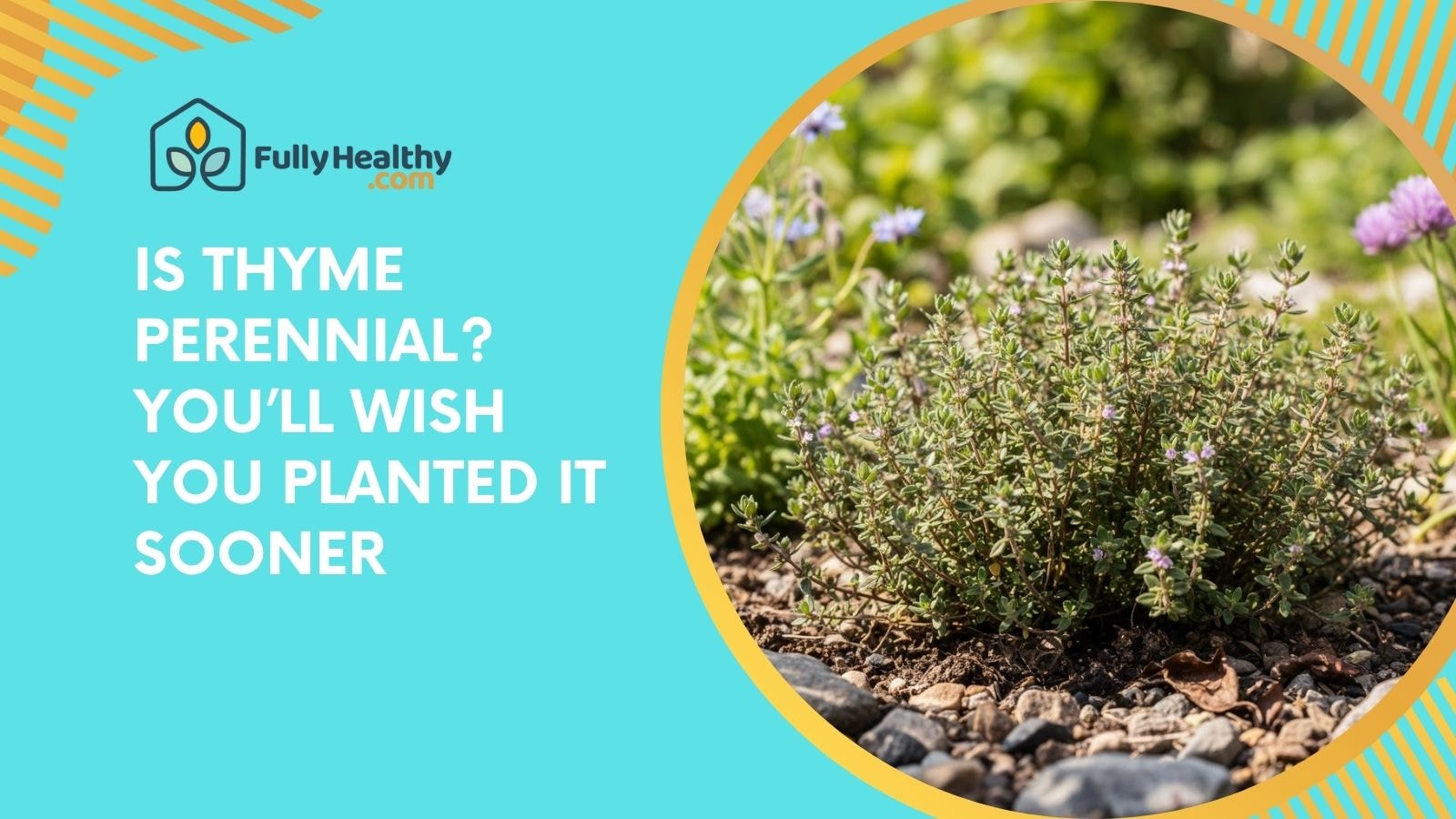
Thyme is a perennial herb that regrows annually in most regions. It may stay green through winter in milder climates (USDA zones 6–9), but in colder zones it often goes dormant and loses leaves. Some of these types spread like ground cover, but others grow as small bushes.
Thyme can live for many years if it gets the right attention. This blog talks about how thyme grows and survives the winter, as well as what products can help people use thyme in healthy diets.
Featured Pantry Pick
Simply Organic // Thyme - .78 oz
Loading...
Is Thyme Perennial?
Thyme is a perennial herb that doesn't need a lot of care and can live in the garden for many seasons. Most thyme plants keep making tasty leaves every year as long as they grow in Zone 5 or higher. Thyme thrives in full sun and sharply-drained, alkaline to neutral soils (pH 6.0–8.0), making it ideal for culinary or ornamental purposes. It is often used for cooking and landscaping.
What Makes Thyme a Perennial Herb?
A perennial herb is a herb that lives for more than two years. Thyme is perennial because it grows for more than one season. Like rosemary and oregano, it belongs to the mint family (Lamiaceae), unlike parsley, which is in the Apiaceae family. If you grow thyme in the right conditions, you can enjoy its smell and taste for a long time. Like rosemary, oregano, and parsley, it is a member of the mint family.
-
Thyme survives winters: Most kinds grow in USDA Zones 5–9.
-
It's evergreen: In places with mild weather, thyme keeps its sprigs all year.
-
Returns each spring: When the weather gets warmer, new growth can be seen.
-
Can be grown as annual: If you don't keep thyme indoors during the winter, treat it like an annual in places that are cold.
Which Thyme Varieties Are Considered Perennial?
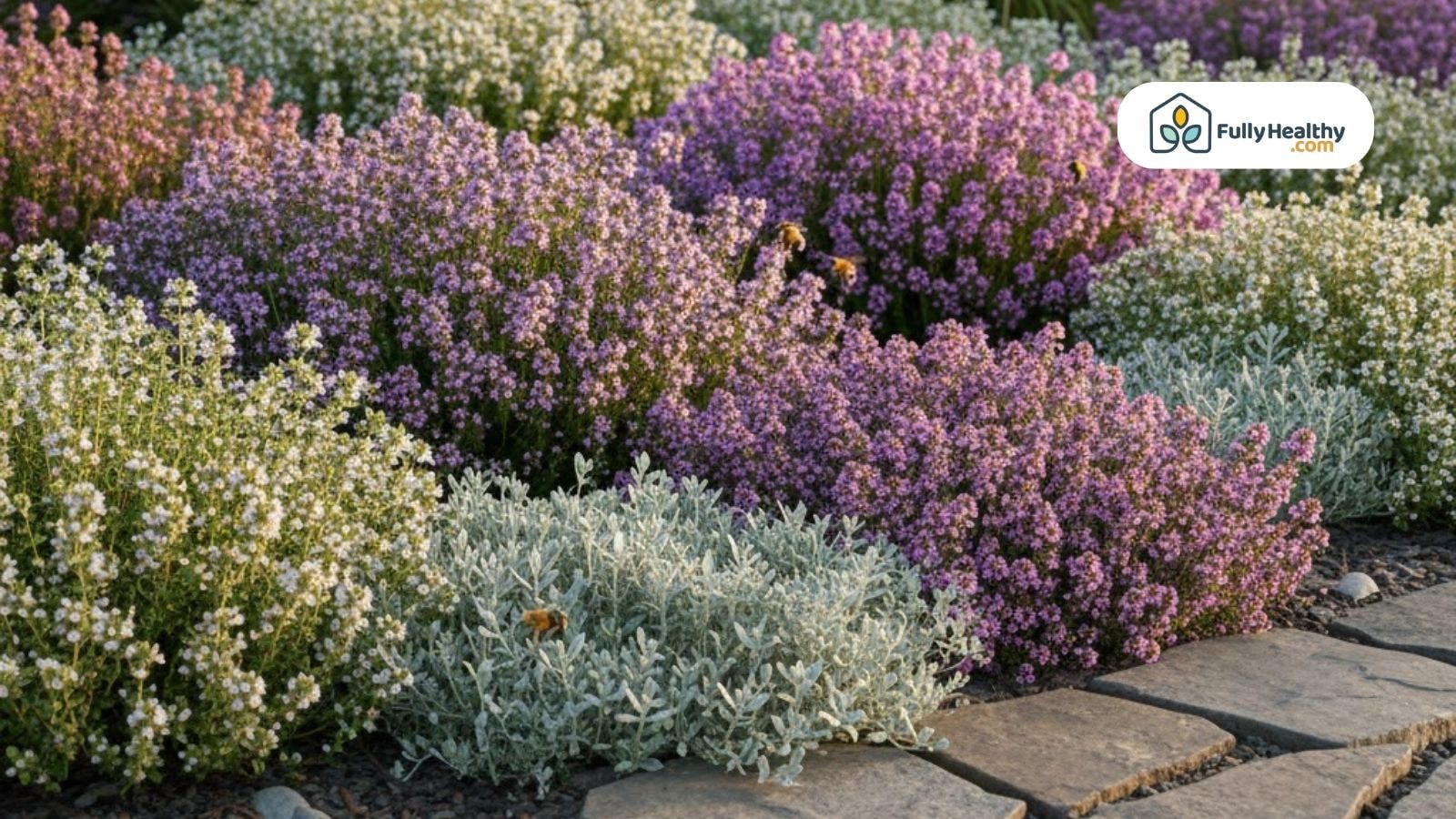
A lot of thyme plants come back every year. Some are better for cooking, while others are better for decoration. They all need a lot of sunlight, little water, and good drainage.
-
Common thyme (Thymus vulgaris): This is the most popular thyme for cooking. It is also called English thyme.
-
German thyme: A type that can survive the winter and has a strong taste.
-
French thyme: It's more delicate and is sometimes called summer thyme.
-
Lemon thyme (Thymus citriodorus): A bright, citrusy thyme that is used in tea, vegetables, and stews.
-
Creeping thyme: A type that grows low and is often used in rock gardens or paths.
-
Wooly thyme: It grows flat and fuzzy and is used to make paths and cover the ground.
Does Thyme Come Back Each Year?
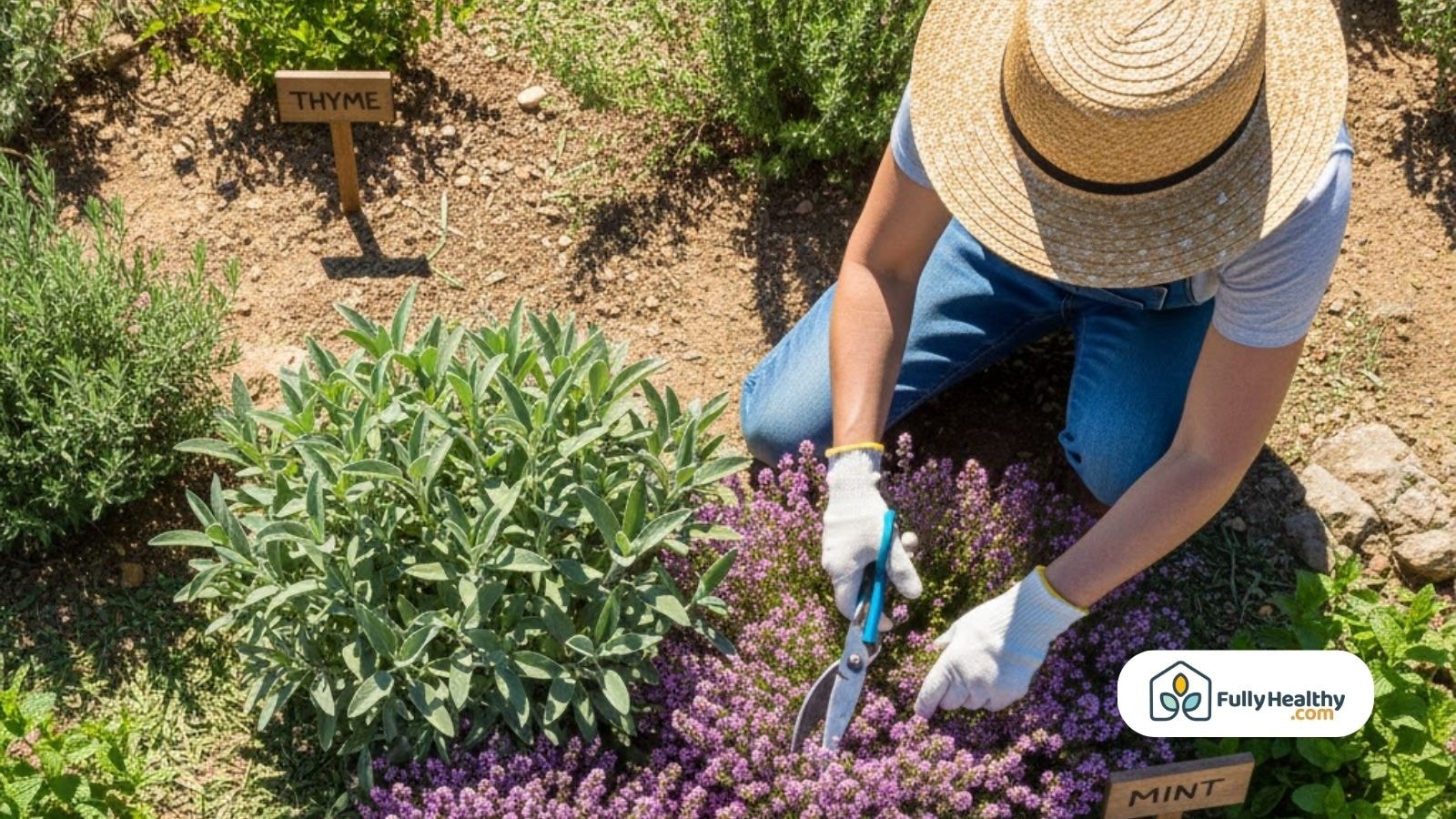
Yes, in USDA zones 5 and above, thyme often returns in early spring with fragrant growth, making it ideal for perennial gardens in temperate climates. Thyme comes back after winter with stronger stems and leaves. Thyme grows well in many areas where it needs little to no help from people. Because it can come back on its own, it's a great plant for a perennial garden or an herb garden.
What Seasonal Changes Does Thyme Go Through?
Thyme grows a lot in the spring and summer, but it slows down in the fall and goes dormant in the winter. It stays green all year in warm areas. In places where it's cold, it may go dormant but come back when it gets warmer.
-
Early season: In the spring, new growth appears.
-
Peak flavor: It's best to harvest these in the summer when the flowers are blooming.
-
Fall prep: Take off the old sprigs and any stems that are woody.
-
Winter rest: The plant stays alive while going dormant.
Where Does Thyme Grow Back Best?
Thyme grows best in a sunny spot with dry soil that doesn't stay wet for long and has a little bit of organic matter in it. It doesn't like having wet feet and would rather be in poor soil than rich soil. A rock bed, herb garden, or container would work best.
-
Full sun: At least six hours of sun each day.
-
Soil: Not very nutrient-rich, dry and loose, and a little sandy.
-
Containers: Can be moved inside if necessary.
-
Spacing: Make sure each plant has enough space to grow and spread out.
Does Thyme Lose Its Leaves In Winter?
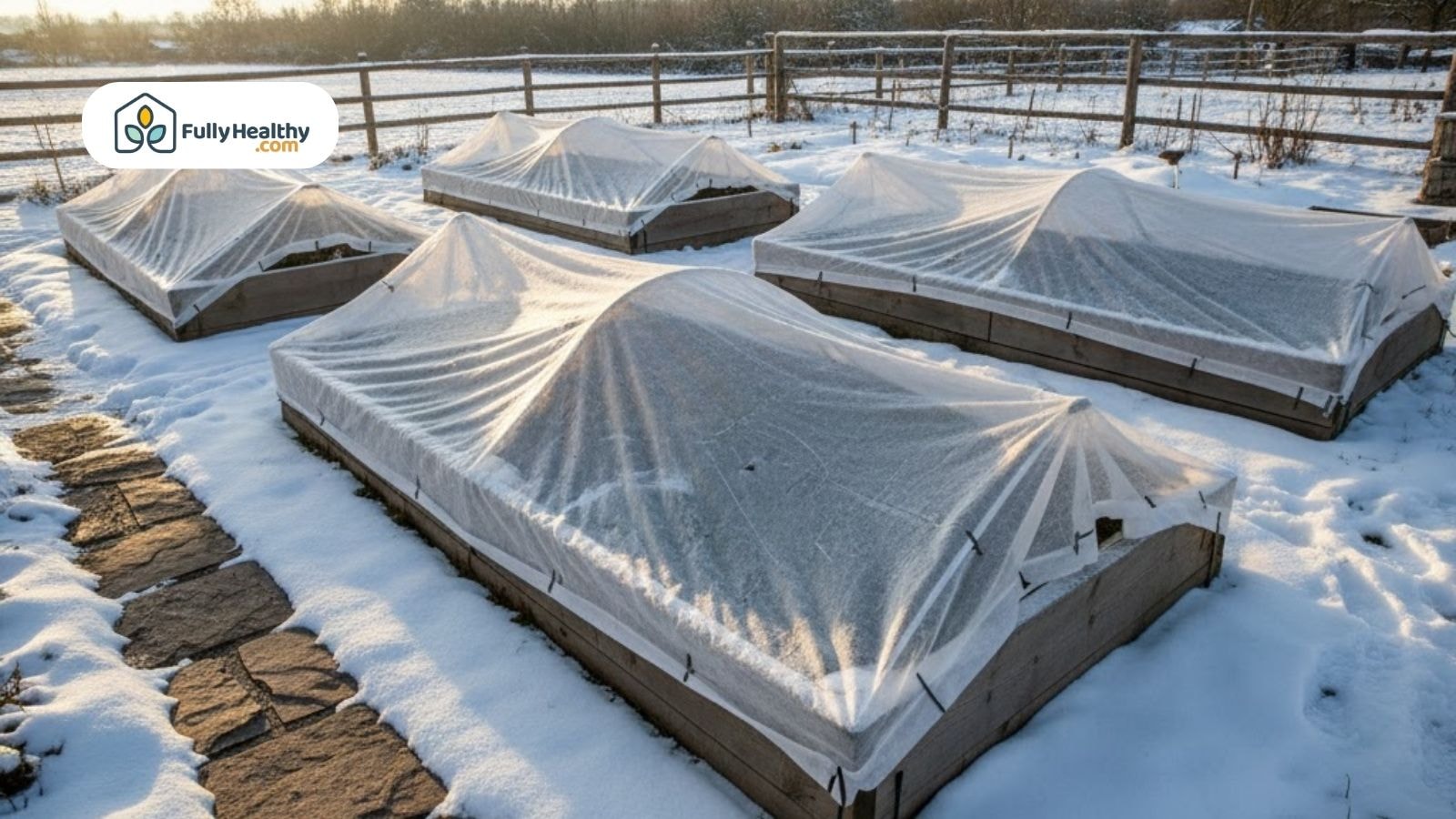
Thyme stays green in most places during the winter, but very cold weather can make it lose some leaves. The roots are still alive and will be able to regrow in the spring, even if they look dry or faded. Garden thyme that stays outside during the winter usually does better if it is cut back in the spring.
Is Thyme Truly Evergreen In All Climates?
In mild climates (zones 6–9), thyme may stay green year-round, but in colder regions it typically loses leaves during winter dormancy. In areas with milder weather, they keep their green shoots even when it's cold. Some leaves fall off in colder winters, but this doesn't hurt the plant in the long term.
-
Zones 6–9: The leaves stay fresh and green.
-
Zones below 5: Get inside or take cover.
-
Evergreen trait: Keeps thyme useful year-round.
-
Wind protection: Place close to walls or other things the object can't pass.
What’s the Best Time to Harvest Flavorful Thyme Leaves?
When thyme is growing, it tastes better. The best time to harvest is before or during bloom, which is usually in late spring or early summer. Always trim a little bit to keep the plant from getting too woody and to help it grow more.
-
Peak time: Right before flowers show up.
-
Avoid over-harvesting: Leave some sprigs and stems.
-
Dry sprigs: In a warm room, hang upside down.
-
Use in dishes: Great with broccoli, tomatoes, lime, soups, and tea.
What Does Fully Healthy Offer For Thyme Lovers And AIP Dieters?
Fully Healthy is an online store that focuses on natural products and specialty diets. It is a useful tool for people who cook with fresh herbs such as thyme every day. Many people go to Fully Healthy for safe and trusted products that help with clean eating and autoimmune health during the growing season. It's perfect for people who follow the AIP diet, a gluten-free diet, or an allergen-free diet.
What Is Fully Healthy And Who Is It For?
ShopAIP, now called Fully Healthy, is for people who have health conditions or are sensitive to certain foods. It takes the guesswork out of buying herbs and clean, label-friendly food. The store also backs brands that are honest about their products and care about health.
-
For specialty diets: Doesn't have any artificial preservatives or additives.
-
Supports clean eating: No artificial additives or preservatives.
-
No subscription needed: All customers can get in.
What Herbal And Thyme-Friendly Products Are Available?
AIP-approved spices, tasty herb blends, and even baking mixes that go well with bouquet garni or savory dishes are all easy for shoppers to find. FullyHealthy has great advice for when you plant seeds in your garden or buy things that are already made.
-
Product types: Seasonings, baking mixes, snacks, and sauces.
-
Use cases: Ideal for making food, soups, and meal plans that use fresh herbs.
Final Thoughts
Thyme is a perennial herb that is able to grow each year on its own. This makes it a great option for any herb garden or perennial garden. Lemon, woolly, and common thyme all work well as fresh herbs in food, tea, or a bouquet garni. Thyme can be grown from seeds or by planting it directly in the ground. If you follow the right advice, thyme will grow well in full sun and give you tasty results.
FAQs
Does thyme regrow after cutting?
Yes, thyme regrows after cutting, especially when you trim during the growing season and give it full sun and proper soil. This applies to both culinary thyme and ornamental types, which are known for being hardy and low-maintenance.
How to keep thyme alive in winter?
To keep thyme alive in winter, plant in well-drained soil, cut back woody stems, and move containers to a sunny location indoors. This is especially helpful for culinary thyme varieties in at least zone 5 or colder. These hardy herbs need minimal care, but following a few simple tips ensures they return strong for the next season.
What should not be planted near thyme?
While some gardeners suggest thyme prefers separation from moisture-loving vegetables, scientific data on negative interactions with broccoli or parsley is limited. It's best to separate thyme from water-loving crops, especially when growing culinary or ornamental varieties.
What is the lifespan of thyme?
Thyme plants, like common thyme and lemon thyme, can live many seasons in a perennial garden when you grow thyme with care. These are widely grown for both culinary and decorative uses.
What is the mother of all herbs?
Thymus vulgaris is sometimes referred to as the 'mother of all herbs' in culinary contexts, though this is a colloquial, not scientific, designation.
Leave a comment