

Are Dill Pickles Good for You? The Truth About Nutrition and Sodium
Pickles with dill are they good for you? Yes, but it depends is the short answer. Dill pickles are healthy and low in calories. They also have vitamin K and antioxidants.
Most store-bought pickles are high in sodium, but fermented pickles may be good for your gut. This article talks about the real pros and cons of pickles and when they can be part of a healthy diet. Today you will also learn some common myths and better, safer ways to enjoy them.
Featured Pantry Pick
Great Plain // Raw Sauerkraut - 16 oz
Loading...
Are Dill Pickles Good for You?
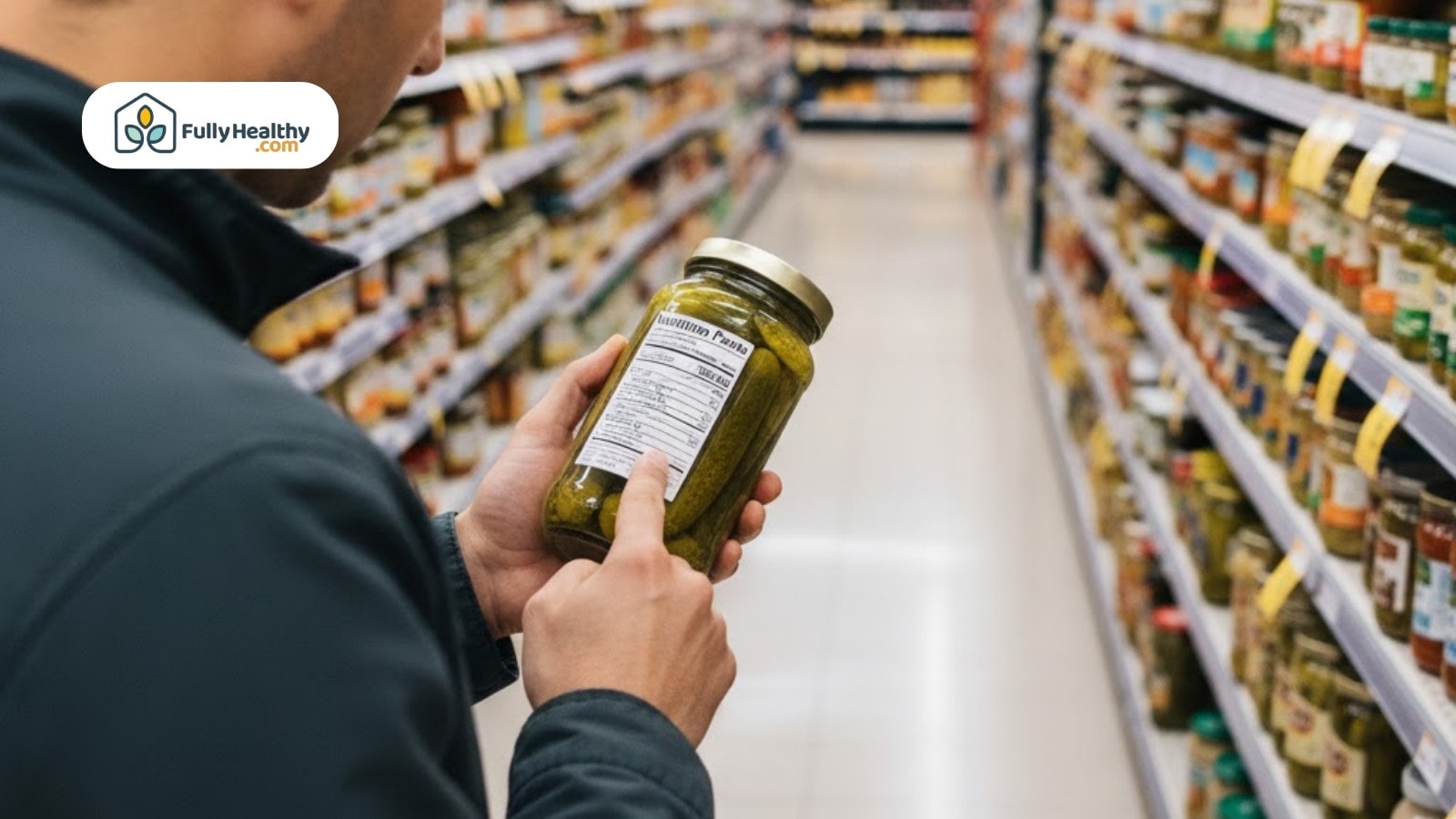
Pickles with dill are low in calories and a lot of people like them because of the tangy flavor and crunch well. The answer to the question "Are dill pickles good for you?" depends on how they are made and how often you eat them. A registered dietitian would tell you that not all pickles are good for you, especially if you eat a lot of salt.
The Short Answer: Yes, but Moderation Matters
When eaten in moderation, dill pickles can be part of a healthy diet. Plus, they can make meals more enjoyable and add flavor without adding a lot of calories.
-
Low calorie option: A large dill pickle is filling and adds very few calories to meals.
-
Health benefits of pickles: Pickles can provide small amounts of vitamin C and antioxidants.
-
Easy to enjoy: Many people enjoy pickles as a snack or side without overeating.
-
Smart choices matter: Healthy pickles are best enjoyed as part of varied meals.
The Biggest Health Trade-Off: Sodium Content
Most store-bought pickles have a lot of sodium because they are brined. Pickles may not be good for everyone because they can raise blood pressure if eaten too many pickles.
-
Salt intake concerns: One large dill pickle can contain a large portion of daily sodium needs.
-
High blood pressure risk: Too much sodium may worsen blood pressure levels.
-
Not all pickles: Vinegar pickles and bread and butter pickles often contain extra salt or sugar.
-
Balanced diet reminder: Pickles should support meals, not replace fresh foods.
Do Dill Pickles Burn Belly Fat?
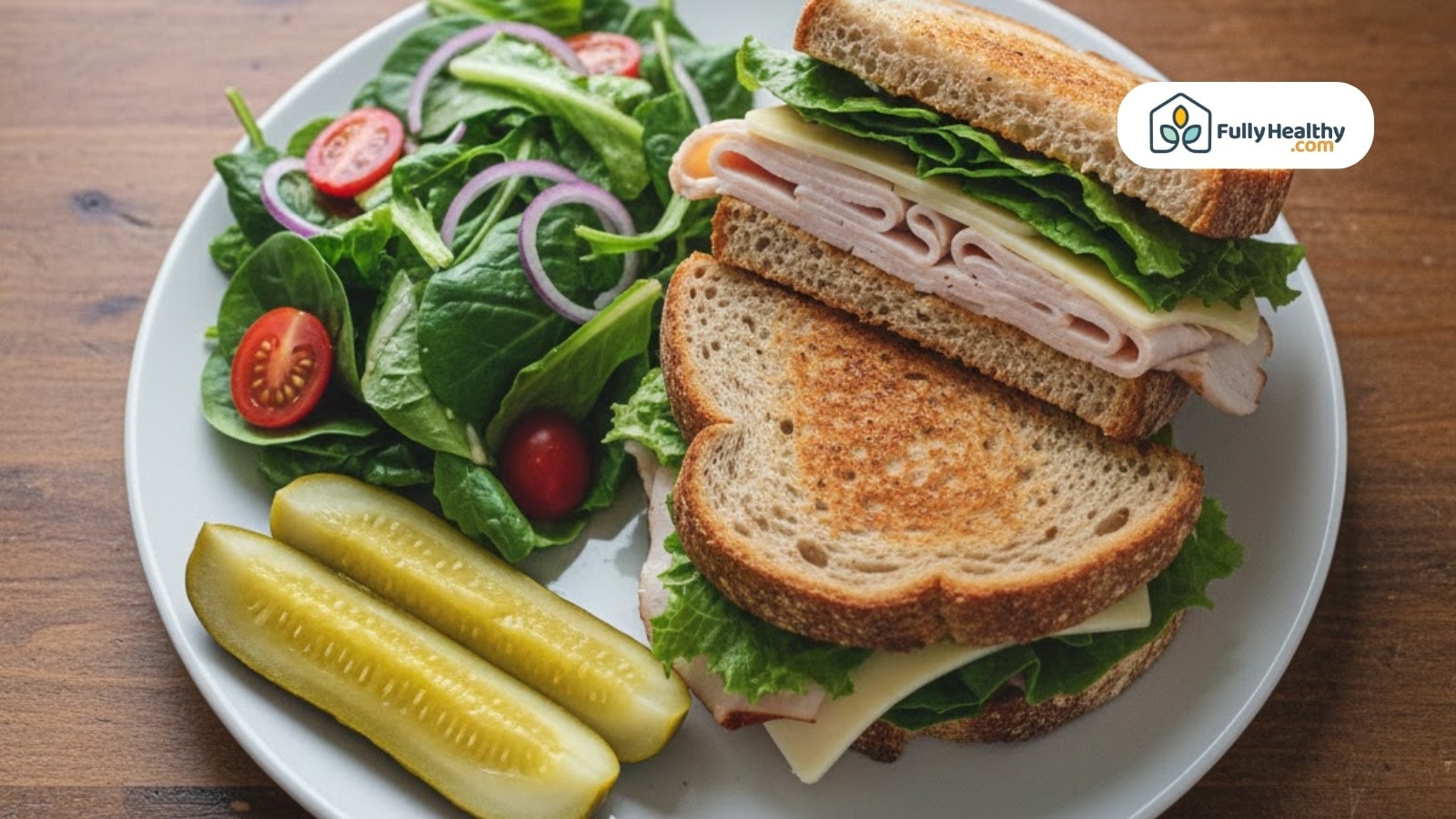
People often think that pickles can help them lose weight, but this isn't true. Even though they are low in calories, they don't burn belly fat or help you lose fat faster.
Why Dill Pickles Do Not Directly Burn Fat
If you drink pickle juice, it doesn't mean you lose weight. Not just one food affects weight loss; it's how you eat in general.
-
Blood sugar effects: Consuming vinegar may slightly slow digestion, but it does not cause fat loss.
-
Pickle juice myths: Drinking pickle juice does not target belly fat.
-
Health benefits explained: Pickles support habits, not fat-burning processes.
-
How healthy pickles really are: They help with choices, not metabolism changes.
Why Pickles Are Often Linked to Weight Loss Anyway
People on diets often eat pickles because they taste good and don't have many calories. Pickled foods can help people feel full longer so they eat less.
-
Low calorie food choice: Pickles replace higher-calorie snacks easily.
-
Tangy crunch satisfaction: The sharp taste helps reduce cravings.
-
Eat pickles wisely: Portion control is still important.
-
Enjoy pickles mindfully: They work best with other whole foods.
Is a Pickle Healthier Than a Cucumber?
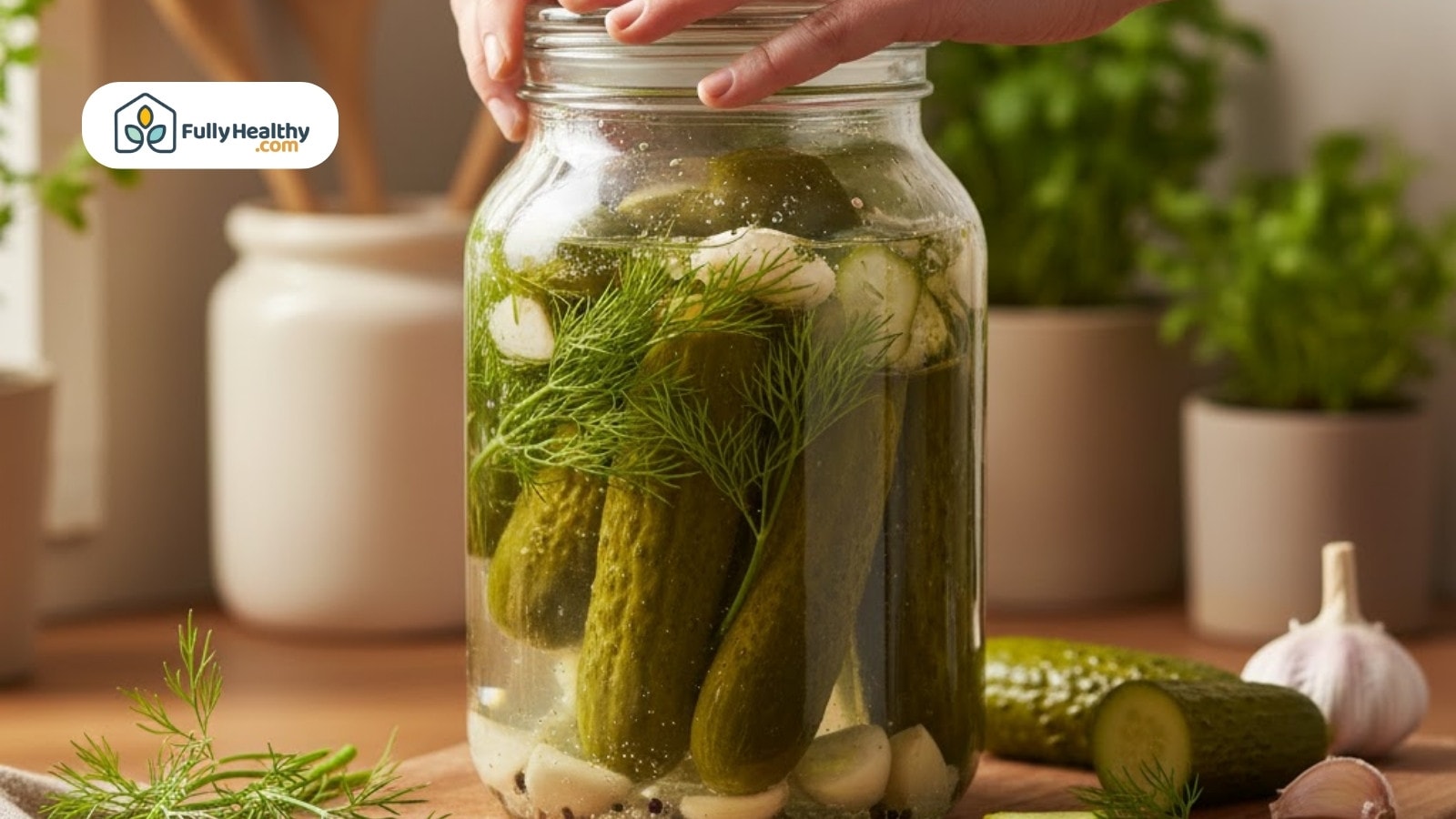
Pickles start out as cucumbers, but the process changes the nutrients in them. Whether pickled vegetables are better for you depends on how they are made and your health needs.
Nutrients Pickles Contain More Of
As a result of losing water during processing, some pickled vegetables have higher amounts of certain nutrients. The gut also benefits from eating foods that are true fermented foods.
-
Fermented foods benefit: Naturally fermented pickles contain beneficial bacteria.
-
Healthy gut microbiome: Fermentation process supports digestion through lactic acid.
-
Naturally fermented options: These differ from vinegar pickles.
-
Many health benefits: Found mainly in pickled vegetables made with just salt.
Where Fresh Cucumbers Clearly Win
You can stay hydrated and get a lot less sodium from fresh cucumbers. There is often extra salt or sugar added to pickled vegetables, which lowers their overall value.
-
Blood pressure friendly: Fresh cucumbers support heart health better.
-
Store bought pickles: Often contain excess sodium and additives.
-
Not all pickles equal: Pickled eggs, pickled beets, and pickled veggies vary widely.
-
Own pickles advantage: Homemade pickles with mustard seed and just salt allow better control.
Are Dill Pickles Good for the Gut?
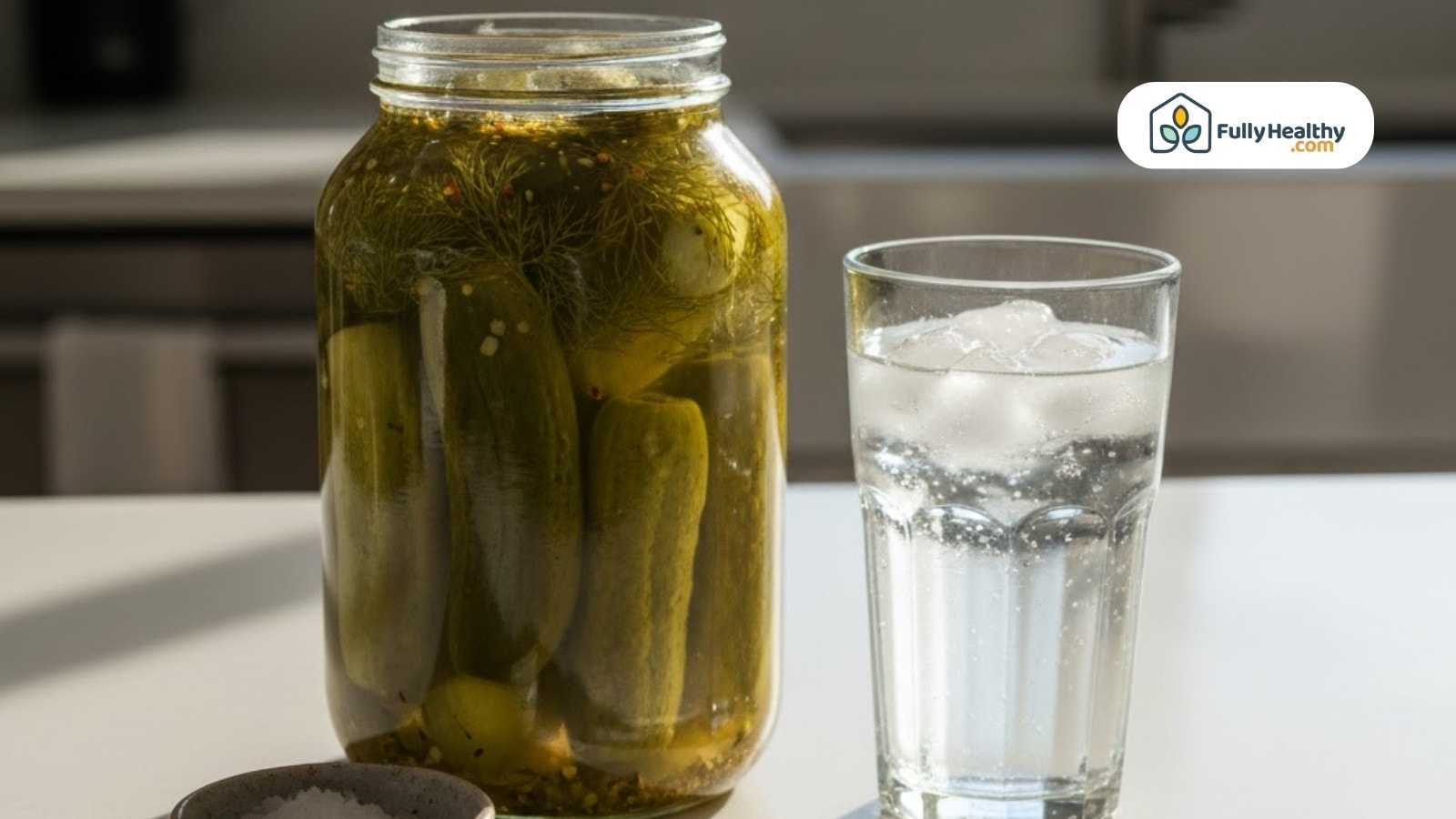
If you make them the right way, dill pickles can help your digestion. They might be good for you if the pickling process goes well. Some pickles are good for your gut, while others are just tasty salty snacks. Understanding how fermentation works helps explain the difference and sets reasonable goals.
Fermented Pickles vs Vinegar Pickles Explained Simply
The most important thing for gut health is whether fermentation happens naturally or not. Time and bacteria are important in traditional methods, but speed and taste are more important in modern shortcuts.
-
Natural fermentation: Pickles made in a saltwater brine allow good bacteria to grow naturally.
-
Gut protection: This process helps block harmful bacteria while supporting digestion.
-
Quick pickles: These use vinegar and skip fermentation, so they do not contain good bacteria.
-
Regular pickles: Many store options fall into this non-fermented category.
When Dill Pickles Can Support Gut Health
Only naturally fermented pickles offer health benefits for the gut. Vinegar-based pickles may still be enjoyable, but they work differently in the body.
-
Good bacteria: Fermented pickles help support a healthy gut microbiome.
-
Beneficial nutrients: They may provide small amounts of essential nutrients.
-
Blood clotting: Some fermented pickles still supply vitamin K for normal blood clotting.
-
Salt caution: Too much salt can reduce potential health benefits.
FullyHealthy: Fermented Food Options Beyond Pickles
FullyHealthy has fermented foods that are already made for people who don't want to make their own. These goods use traditional fermentation methods instead of quick fixes. If you watch how much you eat, they can fit into a healthy routine.
How FullyHealthy Supports Gut-Friendly Eating
FullyHealthy focuses on foods where fermentation occurs naturally. This makes it easier to choose fermented foods without added sugars or unnecessary ingredients.
-
Fermented focus: Products rely on fermentation instead of vinegar-only methods.
-
Low calorie snack ideas: Fermented vegetables can work as a low calorie snack.
-
Cleaner labels: Many items avoid added sugars and excess fillers.
-
Diet support: Options work well for people limiting processed foods.
Fermented Products Available Through FullyHealthy
FullyHealthy has fermented foods that aren't just pickles and are good for people who eat with their gut in mind.
-
Lil Kim Chee Organic Raw Sauerkraut: A fermented vegetable blend made through natural fermentation.
-
Immune Boost Organic Raw Sauerkraut: A fermented option that provides beneficial nutrients without quick pickling.
-
Great Plain Organic Raw Sauerkraut: A simple fermented food made with cabbage and saltwater brine only.
-
Electrolyte awareness: Fermented foods may help replace lost electrolytes, but portions matter.
Final Thoughts
If you watch how much you eat and make smart choices, dill pickles can be part of a healthy diet. It's important to stick to the daily recommended amount of sodium because eating too much sodium can lead to heart disease over time. Options that have been fermented may help keep the microbiome and digestive system healthy, while options that have been soaked in vinegar only add flavour. Even though pickles aren't medicines, they can be good snacks. Some people drink brine to treat muscle cramps or cramps caused by electricity, but there isn't much evidence to support this. Pickles are tasty, so eat them for that reason. If you can, choose fermented types, eat them with whole foods, and pay attention to your body. Moderation is good for the digestive system, helps keep the microbiome healthy, and keeps meals enjoyable and in balance every day.
FAQs
Are dill pickles safe for daily eating?
Yes, but keep sodium intake within recommended daily sodium intake to reduce heart disease risk and protect the digestive system.
Do pickles help muscle cramps?
Some people use brine for muscle cramps or electrically induced muscle cramps, but benefits are inconsistent.
Are fermented pickles better for gut health?
Fermented pickles may support a healthy microbiome and the digestive system better than non-fermented ones.
Can high sodium intake be harmful?
Yes, high sodium intake over time may raise heart disease risk and affect the digestive system.
Should people with cramps drink pickle brine?
It may help muscle cramps briefly, but watch sodium intake and focus on overall digestive system health.
Leave a comment