

What Do Lambs Eat? Foods, Feeding Sheep Tips, and Common Mistakes
If you know what lambs eat, you can feed them safely from birth until they are weaned. The first thing lambs need is colostrum, followed by their mother’s milk. As they grow, they move on to creep feed, grass, clover, hay, and clean water. Their food should match their age, size, health, and nutrient requirements.
Sheep have a four-compartment stomach; these compartments become functionally developed as lambs mature. A balanced diet supports steady growth, helps reduce waste, and lowers the risk of feeding problems. There are foods that lambs should eat and others that should be avoided.
Featured Snack Pick
Wild Zora // Meat & Veggie Bar Mediterranean Lamb - 1 oz
Loading...
What Do Lambs Eat?
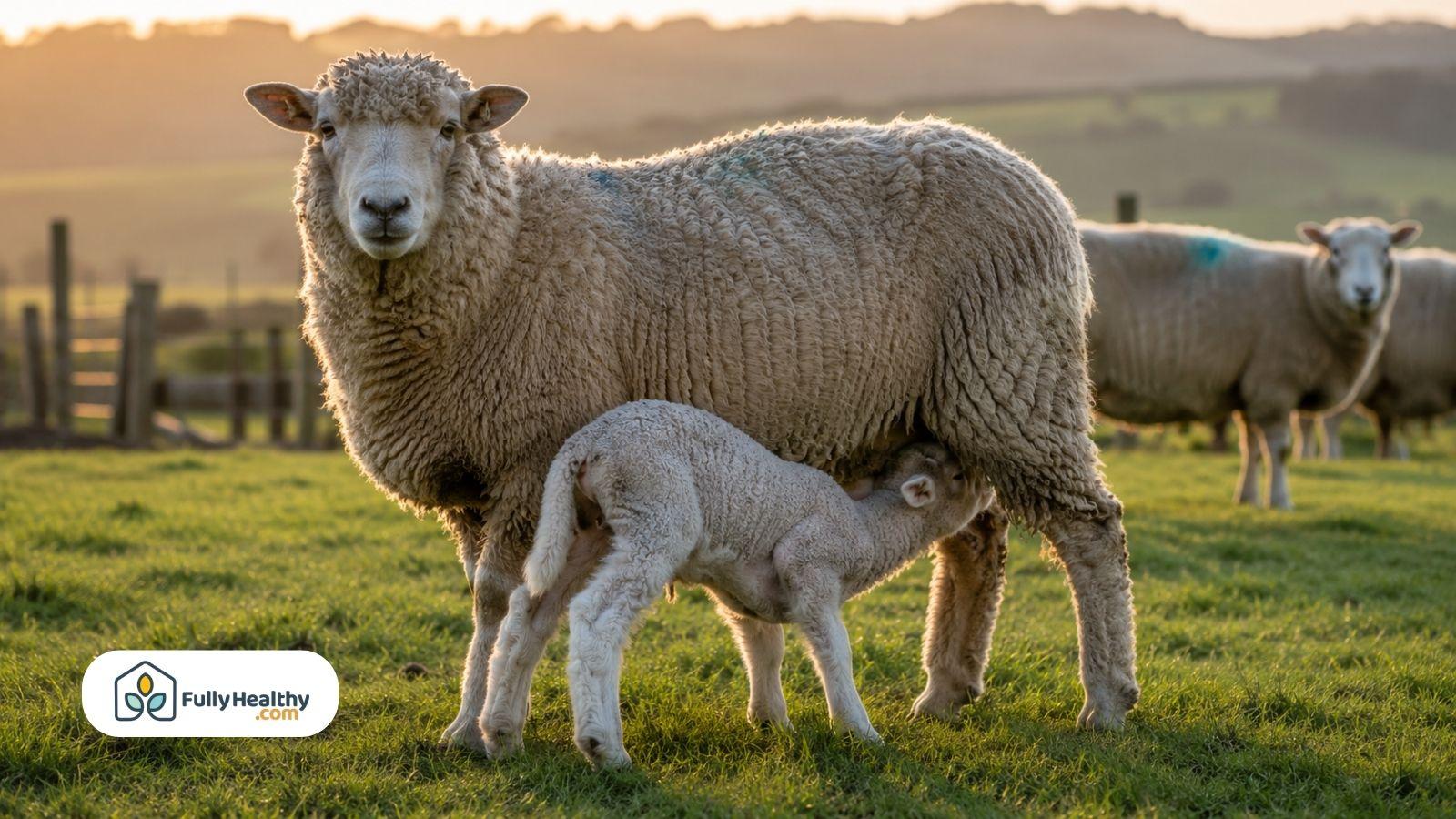
Farmers can feed lambs safely from birth until they are weaned if they know what lambs eat. Lambs are young sheep, and as they get bigger, they eat different things. First, they are given milk, then fresh grass, hay, grain, and clean water.
As ruminants, sheep have four sections in their stomachs that are used to break down fibrous plant matter.
What Do Lambs Eat In Their First Weeks?
Sheep give milk to lambs when they are born. This milk helps babies grow, gives them energy, and is good for them. Ewes need to produce enough milk because lambs can't eat enough roughage or grain at first.
-
Main food: Colostrum is the first and most urgent feed for newborn lambs; milk remains the main early food afterward.
-
Early growth: Milk gives lambs protein, energy, vitamins, and minerals.
-
Health support: Good lactation helps reduce early health problems in lambs.
How Does A Lamb’s Diet Change As It Grows?
Lambs start to eat grass, plants, hay, and small amounts of feed as they get bigger. As their stomach grows, they are better able to break down fiber and other whole plant foods.
-
Creep feeding: This lets growing lambs eat starter feed while still nursing.
-
Common grains: Barley, corn, oats, and wheat can provide extra energy.
-
Pasture foods: Lambs eat grass, legumes, and fresh forage when they graze.
-
Water needs: Water intake and water consumption rise when lambs eat solid food.
What Do You Feed Lambs?
Lambs that are fed well will grow and produce meat, wool, and more overall. For sheep to be healthy, their food should have clean water, energy, protein, fiber, vitamins, and minerals. The amount of nutrients an animal needs can change based on its age, breeding, breastfeeding, and other factors.
What Should You Feed Lambs Besides Milk?
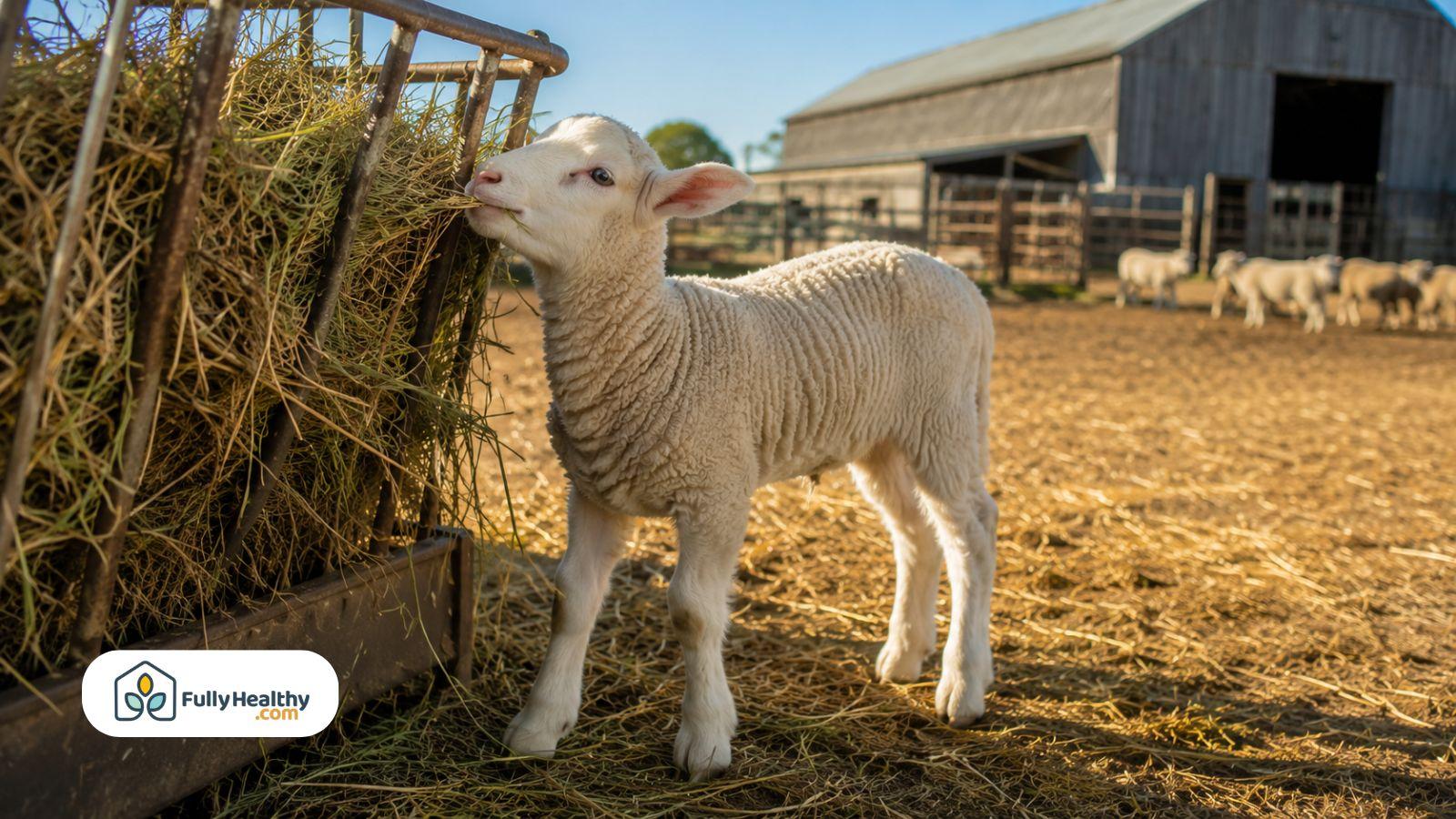
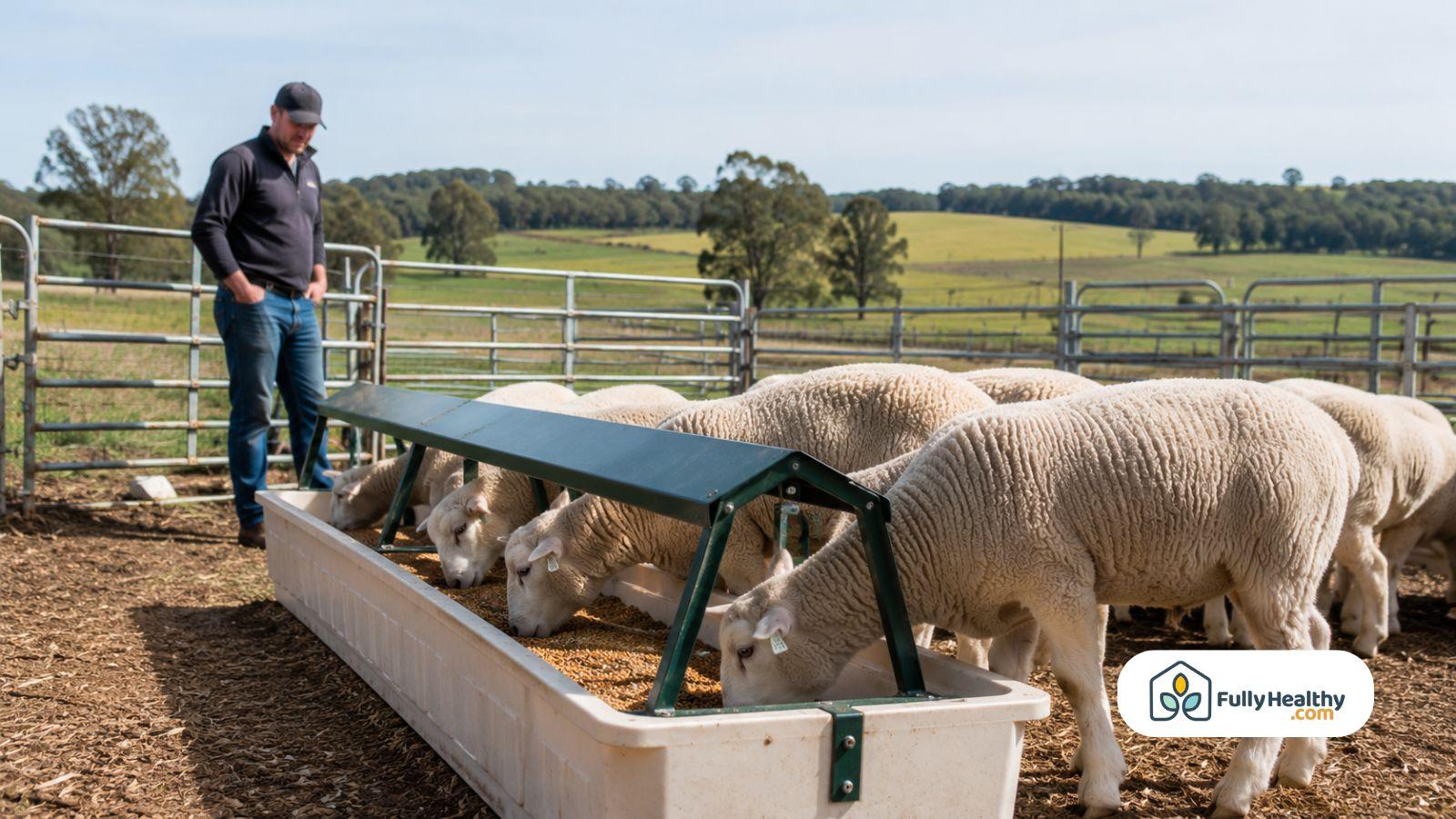
For rumen development, lambs need access to palatable starter feed, forage, and clean water while continuing to receive milk. Sheep that are being fed by creep can get extra nutrients before they are weaned.
-
Starter feed: Use feed made for lambs, not random grain mixes.
-
Protein sources: Alfalfa, legumes, and alfalfa hay can support growth.
-
Energy sources: Small amounts of barley, corn, oats, or wheat may help growing lambs.
-
Feed balance: High levels of grain can cause problems, so balance is important.
What Feeding Basics Keep Lambs Healthy?
Good management of feed is important. Clean water, safe pastures, and clean feeders help protect animals and cut down on waste.
-
Clean water: Sheep need steady water intake for digestion and health.
-
Minerals: Minerals formulated specifically for sheep are needed; avoid high-copper mineral products intended for other livestock.
-
Pasture safety: Toxic plants and certain plants can harm sheep and other animals.
-
Health risks: Poor mineral balance may lead to urinary calculi, especially in males.
What Are Lambs' Favorite Foods?
Lambs often prefer tender, fresh plants. Soft food may be the first thing they pick because it is easier for them to chew and digest. Favorite foods should still be a part of the lamb's diet, but they shouldn't take the place of healthy food.
Why Do Lambs Like Fresh Pasture?
Fresh pasture looks good because it has nutrients, fiber, and water. Most of the time, sheep eat the best parts of the plants first.
-
Fresh forage: Young lambs often enjoy soft grass and tender plants.
-
Legumes: Clover and alfalfa can add useful protein.
-
Natural grazing: Lambs graze like sheep, cattle, and goats graze, but each species eats differently.
What Foods Do Lambs Enjoy When Pasture Is Limited?
Hay is important when pastures aren't growing well. Good hay helps lambs, pregnant ewes, and ewes who are nursing.
-
Alfalfa hay: This can help growing lambs because it contains protein and nutrients.
-
Grass hay: This adds roughage and fiber to the diet.
-
Feeding limit: Poor pasture quality can be a limiting factor for growth.
-
Farm value: Good feeding helps producers raise sheep for meat, mutton, wool, lamb chops, and milk production.
Do Lambs Just Eat Grass?
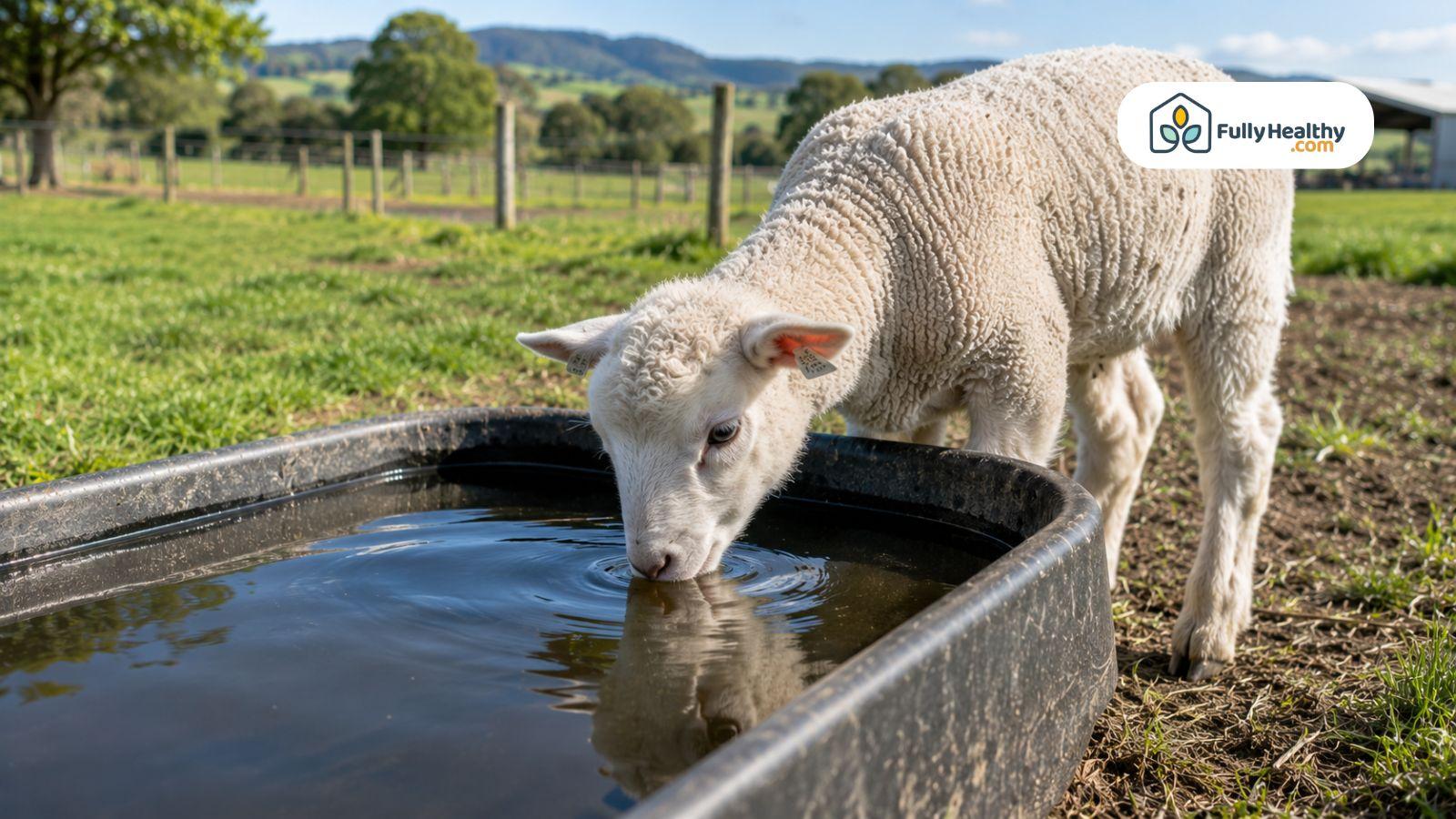
Woolly lambs eat more than just grass. There should be grass, but lambs also eat safe pasture plants like legumes, soft weeds, and grass. They get more nutrients and can grow in a mixed pasture. A varied diet also helps them eat better.
Do Lambs Eat More Than Grass?
After grazing, lambs eat more than just grass. The soft, fresh plants are usually the first ones they pick because they are easier to chew and digest.
-
Pasture variety: Lambs may eat grass, clover, legumes, and safe broadleaf plants.
-
Better nutrition: Mixed plants can provide fiber, protein, vitamins, and minerals.
-
Fresh growth: Young, tender plants are usually easier for lambs to eat.
-
Safe grazing: Check pastures often and remove harmful plants.
Why Are Lambs Considered Grazers?
It's called grazing because lambs eat mostly plants that are low to the ground. Goats like to eat leaves, twigs, and taller plants, while sheep like to eat things that are close to the ground.
-
Grazing habit: Lambs spend much of the day eating pasture plants.
-
Digestive support: Forage helps the rumen break down fibrous plant material.
-
Natural feeding: Grazing helps lambs get nutrients from fresh pasture.
-
Species difference: Sheep graze more, while goats browse more.
What Does Fully Healthy Offer For Lamb Feeding And Care?
Reviews of animal care products can fit in Fully Healthy's lamb care section, but each item should be checked out first. Baby lambs must first have safe food, clean water, and the right minerals. Product claims should never be used instead of advice from a vet or an expert on animals.
Which Products Should Lamb Owners Look For Carefully?
Before buying feed, supplements, or care items for their lambs, owners should read the labels. Products made for animals other than sheep might not work with sheep.
-
Species suitability: Check that the product is safe for sheep and lambs.
-
Ingredient list: Look for clear sources of protein, vitamins, and minerals.
-
Feeding directions: Follow the label and avoid guessing the amount.
-
Single-animal care: Even one sheep needs the right nutrition and safe products.
How Can Fully Healthy Fit Into A Lamb-Care Checklist?
When people compare products with real feeding needs, Fully Healthy can be on a care checklist. Lambs still need a balanced diet with water, forage, and feed that is right for their age.
-
Mineral support: Calcium and phosphorus balance supports growth and bone development; excess phosphorus or an imbalanced Ca:P ratio can increase urinary calculi risk, especially in males.
-
Milk support: Good nutrition helps ewes produce milk for nursing lambs.
-
Balanced care: Products should support, not replace, good feed and pasture.
-
Whole-farm use: Safe choices can help sheep and other livestock on the farm.
Final Thoughts
Knowing what do lambs eat helps you make better feeding decisions from birth through adulthood. As they grow, lambs eventually switch from milk to pasture, hay, forage, and other appropriate food.
A balanced diet, clean water, proper minerals, and safe grazing areas support healthy growth, wool production, and overall well-being. Making sure your lambs are well fed is one of the most important parts of caring for them, whether you raise them for meat, wool, or milk.
FAQs
Are Lambs Killed For Meat?
Yes, many lambs are raised for meat production, and according to the RSPCA, lambs raised for meat are commonly slaughtered before 14 months of age.
Can Lambs Bond With Humans?
Yes, lambs can form strong bonds with humans, especially when they receive regular care, handling, and positive interactions from a young age.
Do Lambs Need Water Or Just Milk?
Lambs need milk at birth, but they should also have access to clean water as they begin eating feed, forage, and other solid foods.
What Fruits Can Lambs Eat?
Lambs can eat small amounts of safe fruits as occasional treats, but most of their nutrition should come from grass, hay, forage, and a balanced sheep's diet.
How Often Do Lambs Eat?
Lambs eat frequently throughout the day, and bottle-fed lambs are usually fed several times daily to match their natural feeding behavior.
Leave a comment