

What Does Cumin Taste Like? A Simple Flavor Breakdown
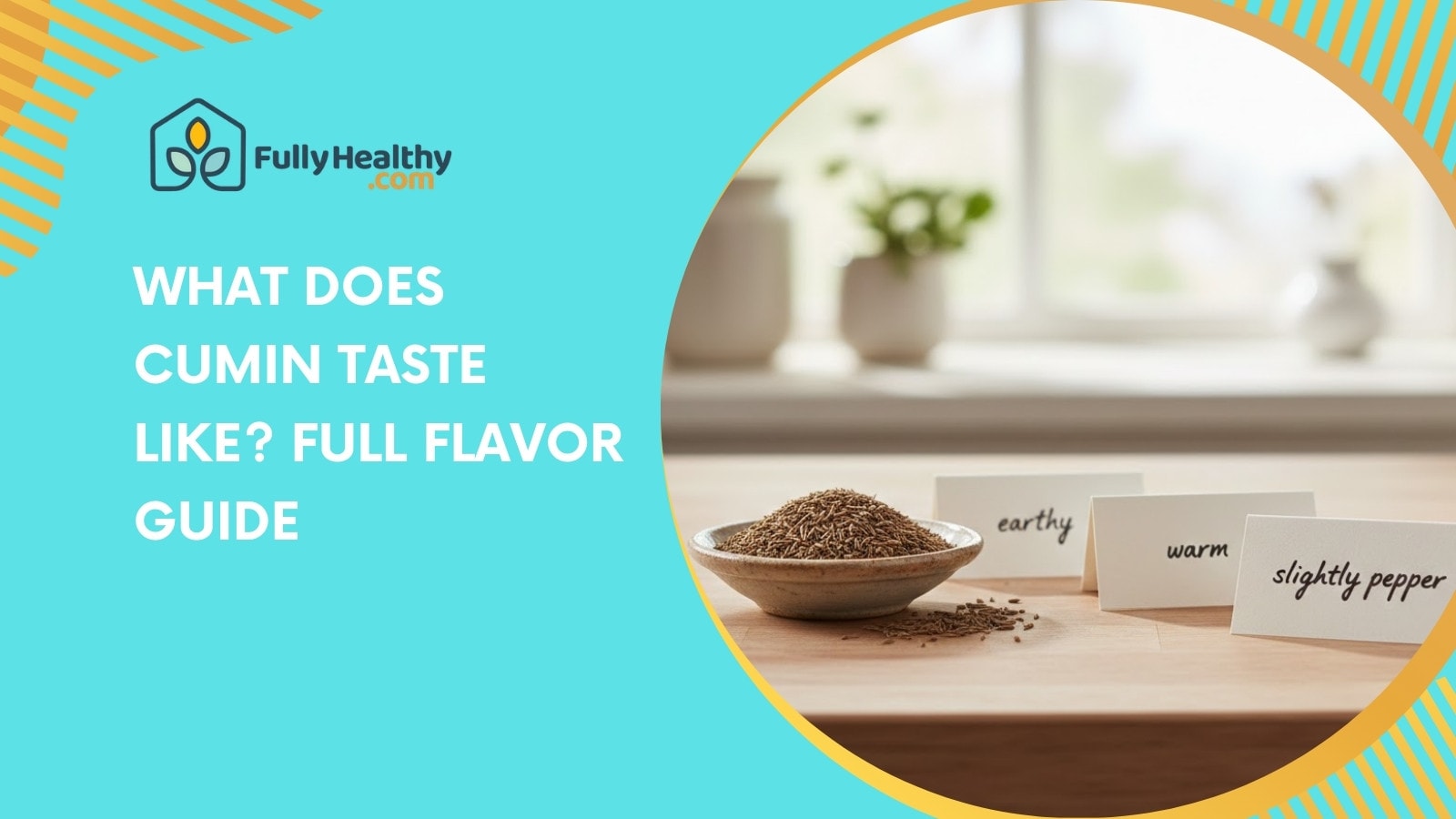
What does cumin taste like? The flavor of cumin is earthy, warm, and a little nutty. It also has a slight bitterness and a citrusy edge. It has a strong, smoky smell that isn't spicy.
Foods like chili, curries, lentils, and roasted vegetables taste better with this popular spice added to them. Find out how cumin tastes, what it adds to food, and how to use it correctly in this guide.
Featured Spice Pick
Simply Organic // Ground Cumin - 2.57 oz
Loading...
What Does Cumin Taste Like?
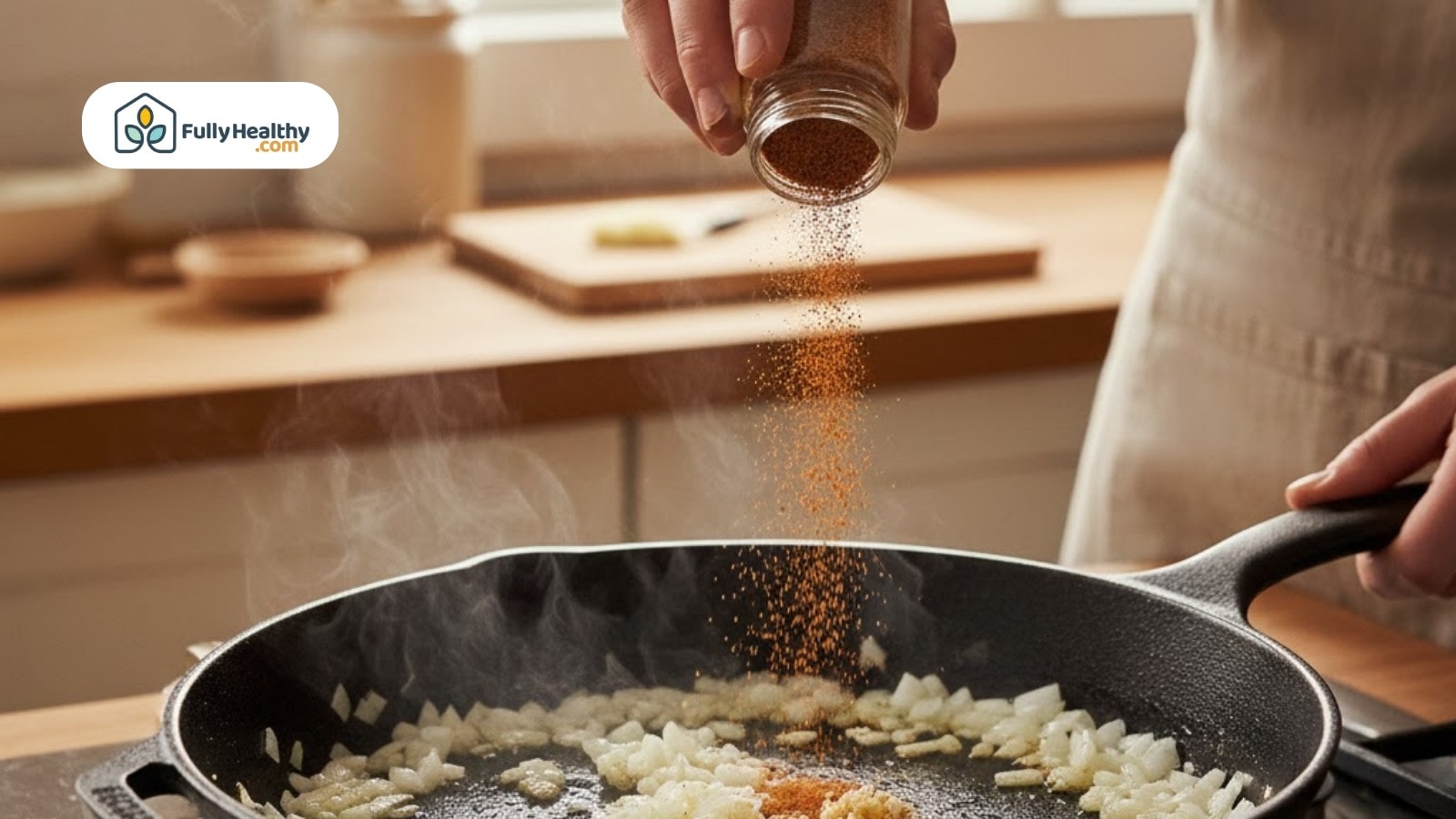
The cumin plant is related to parsley. You can use the dried seeds whole or ground up. What does cumin taste like? Strongly earthy, warm, slightly bitter, and with a hint of citrus, it tastes great. It has a strong, slightly smoky smell, but it doesn't make you hot like chili peppers do.
Earthy, Warm, And Slightly Nutty
Some foods taste better with cumin added to them. Because it tastes savory, it is an important spice in many savory dishes around the world. The taste gets stronger when heated while it's being cooked.
-
Earthy flavor: Tastes deep and grounded, similar to fresh soil after rain.
-
Warm spices note: Gives gentle warmth without the burn of cayenne pepper.
-
Nutty tone: Develops a light toasted taste, especially after dry roasting.
-
Mild bitterness: Balances fatty meats and hearty rice dishes.
Aroma, Bitterness, And How Toasting Changes The Flavor
Cumin’s strong smell comes from essential oils inside the whole seeds. When heated over medium heat, these volatile oils are released. This makes the spice more fragrant and flavorful without adding heat.
-
Whole seeds: Offer a stronger and fresher aroma than pre-ground versions.
-
Grind cumin seeds: Grinding fresh keeps the essential oils more active.
-
Dry roasting: Toast for 30–90 seconds to boost aroma and depth.
-
Airtight container: Store properly to protect flavor and freshness.
What Flavor Does Cumin Add To Food?
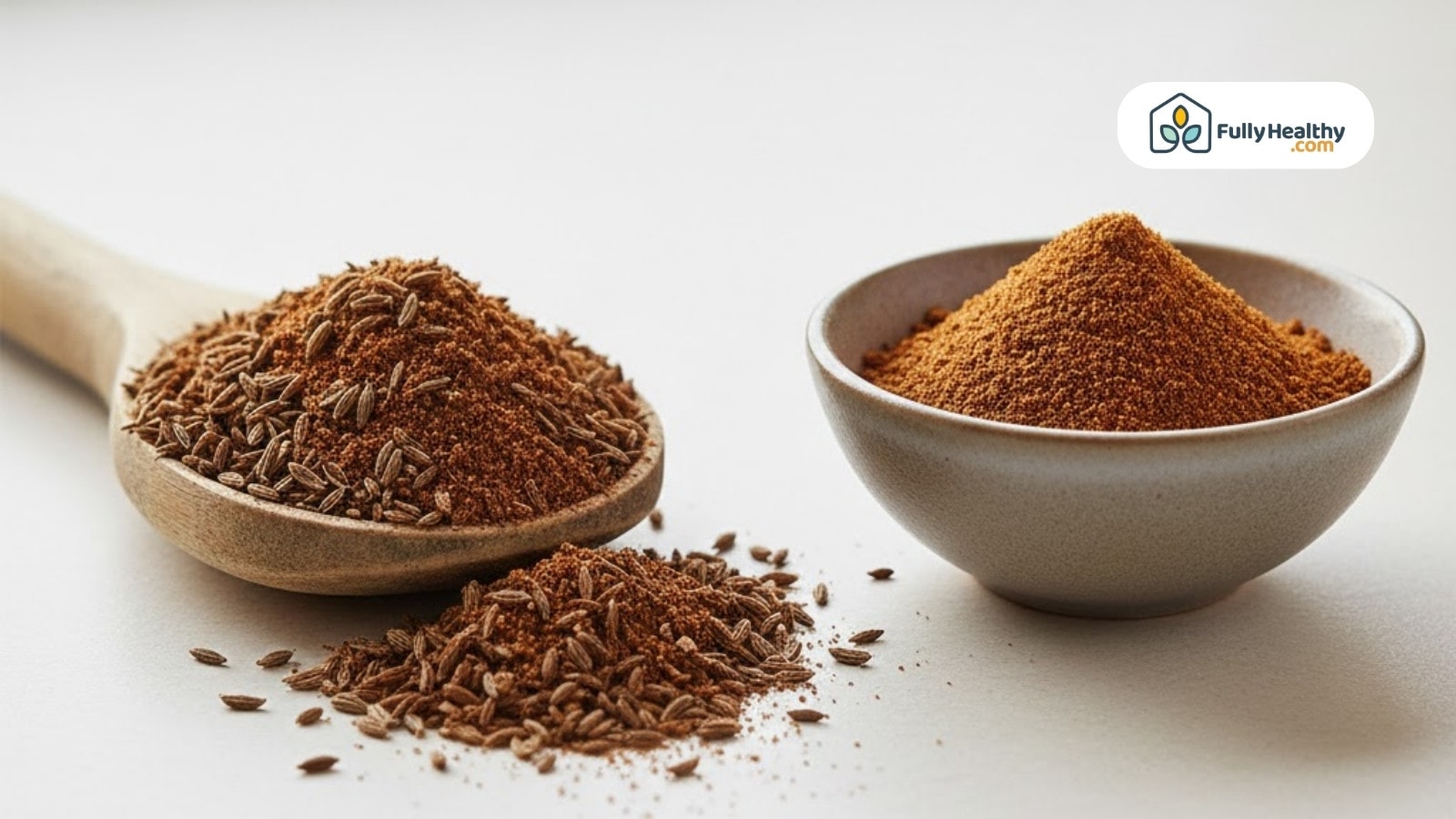
Cumin builds depth and adds a rich savory flavor. It is often one of the dominant flavors in classic spice blends. Whether used as ground cumin or cumin seeds, it gives structure and balance to many meals.
Depth, Warmth, And Savory Complexity
Cumin strengthens the base flavor of dishes. It enhances natural sweetness and adds body without overpowering other ingredients.
-
Root vegetables: Brings out sweetness in carrots, sweet potatoes, and squash.
-
Savory dishes: Deepens flavor in soups, stews, and roasted meats.
-
Rice dishes: Adds warmth and complexity without heaviness.
-
Balanced diet: Works well in lentil, bean, and vegetable-based meals.
Why Cumin Is Essential In Chili, Curries, And Global Cuisines
Cumin is an essential spice in indian cooking, middle eastern recipes, and Latin American meals. It is a key ingredient in curry powder, garam masala, and many spice mixes used worldwide. Cumin itself is not spicy. The heat in chili often comes from cayenne pepper or other spices, not from cumin.
-
Curry powder: Ground cumin gives the blend its earthy backbone.
-
Garam masala: Pairs with other warm spices for layered flavor.
-
Spice blends: Found in achiote blends and taco-style seasoning mixes.
-
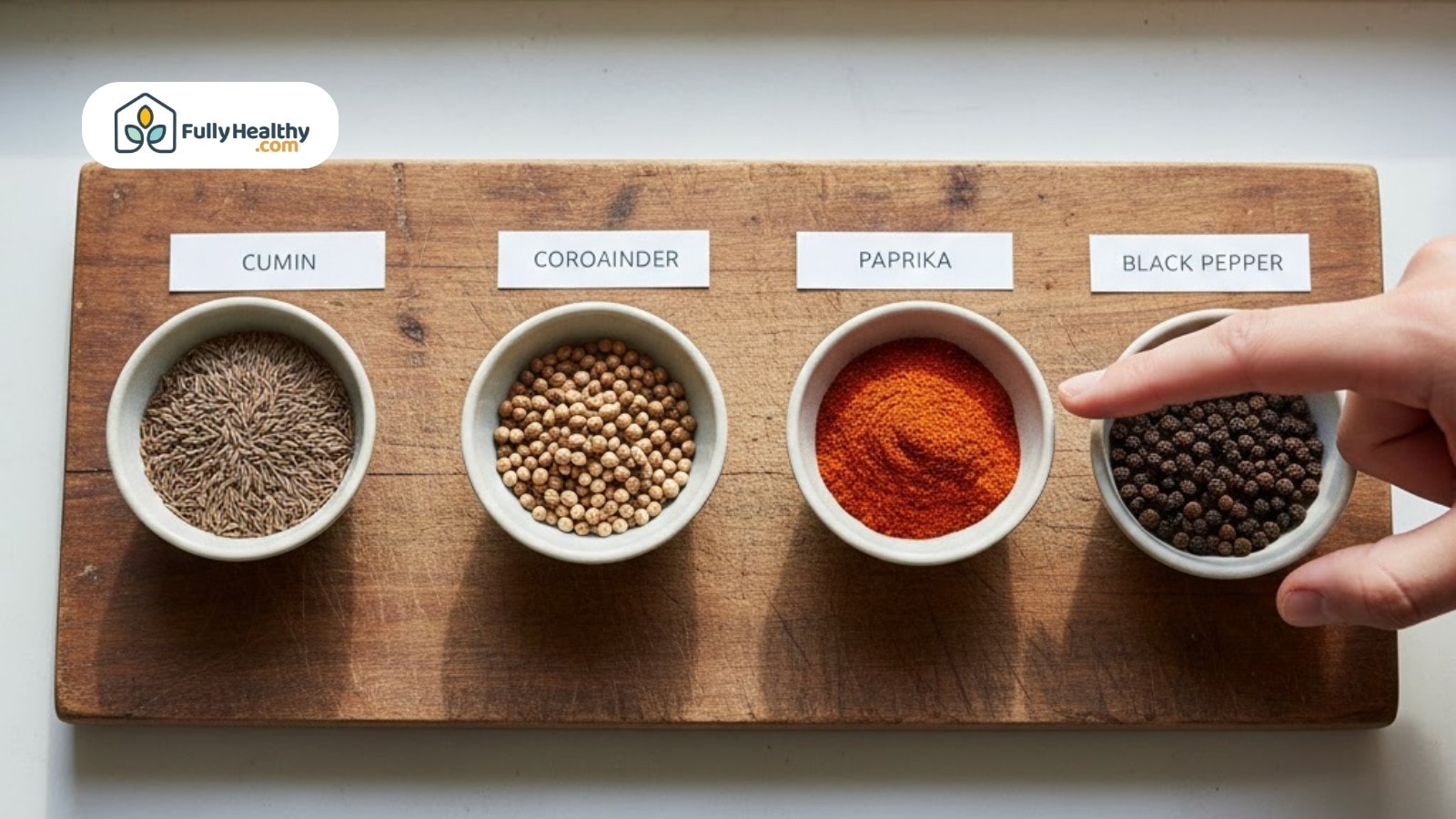
Smoked paprika and black pepper: Often combined to add contrast and depth.
Does Cumin Taste Like Chili Powder?
Cumin does not taste the same as chili powder. It contains no capsaicin, which is the compound that causes burning heat. Chili powder is made from several spices, and cumin is only one part of that mix.
Cumin Vs. Chili Powder: What’s The Difference?
Cumin adds flavor, while chili powder adds both flavor and heat. Many spice blends use cumin as a base, but they also include hot peppers.
-
Ground cumin: Earthy, warm, and slightly bitter with no heat.
-
Chili powder: Includes cayenne pepper and sometimes smoked paprika for spice.
-
Dominant flavors: Chili blends taste hotter because of added peppers.
-
Other spices: May include garlic, oregano, or achiote blends for extra flavor.
Why People Confuse Earthy Warmth With Heat
Cumin’s strong aroma can feel bold on the tongue. This boldness is often mistaken for heat. The essential oils create intensity, not spiciness.
-
Volatile oils: Release fragrance during the cooking process.
-
Whole cumin seeds: Taste stronger when freshly toasted.
-
Black cumin: Comes from a different plant and has a distinct flavor.
-
Favorite spice: Many cooks buy cumin for depth and warmth, not heat.
What Pairs Well With Cumin?
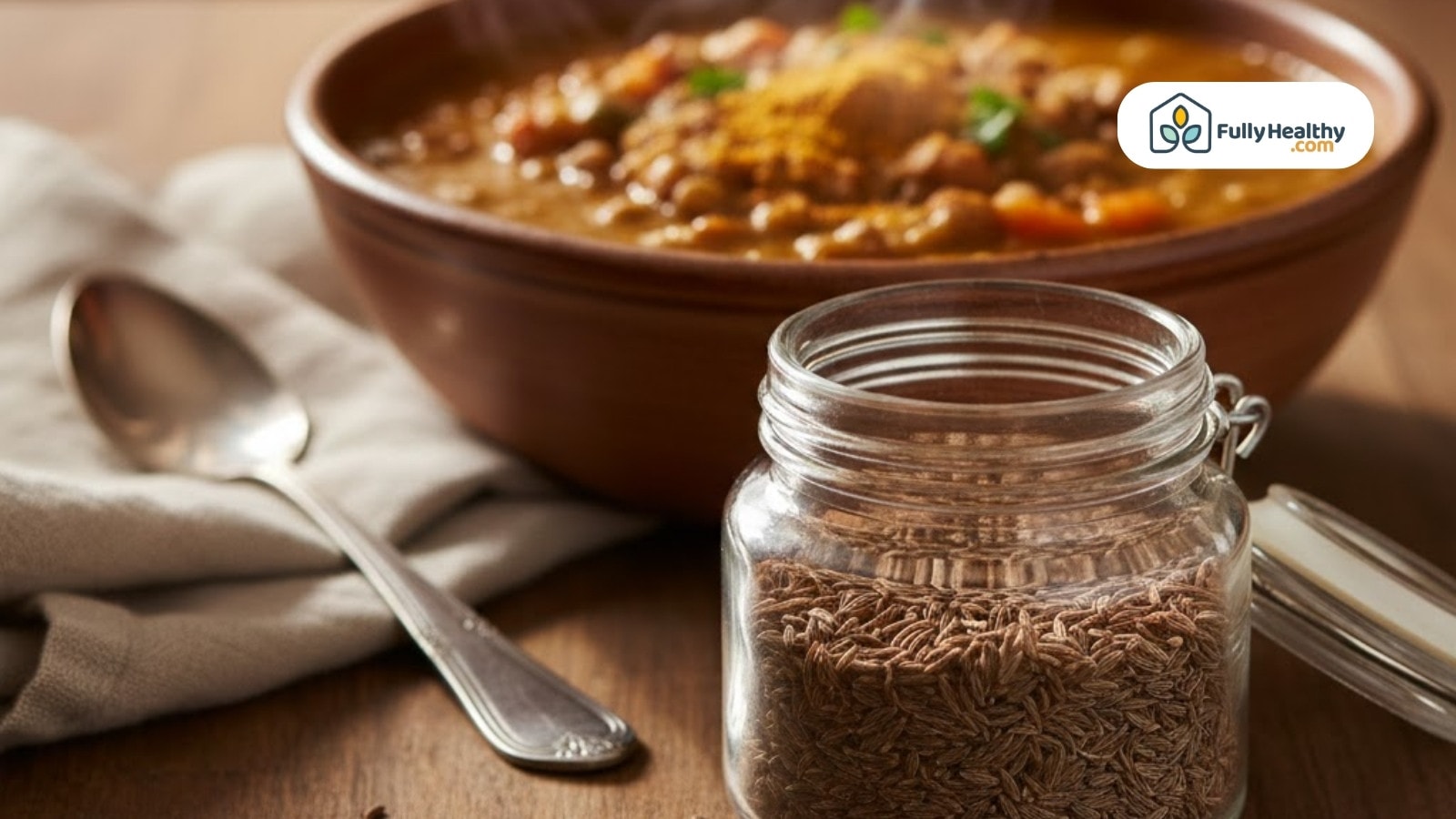
Cumin comes from the cuminum cyminum plant and has been used since the time of the ancient egyptians. Today, it is common in the middle east and north africa. Its warm, earthy taste blends easily with herbs, spices, and fresh ingredients. When paired correctly, cumin makes everyday food more balanced and delicious.
Spices And Herbs That Complement Cumin
Cumin works well with other warm and fragrant spices. These pairings are common in dishes from the middle east and north africa. Blending the right spices creates deeper flavor without making food too strong.
-
Coriander: Adds light citrus notes that brighten cumin’s earthy depth.
-
Cardamom: Brings mild sweetness and warmth to soups and stews.
-
Cinnamon and cloves: Add sweet, woody layers that balance savory dishes.
-
Fennel and caraway seeds: Provide a gentle licorice flavor that blends smoothly with cumin.
These combinations are often found in traditional spice mixes used for meats, grains, and vegetables.
Foods That Bring Out Cumin’s Best Flavor
Cumin pairs best with hearty foods and fresh herbs. It enhances natural sweetness and gives structure to simple recipes. The result is a fuller and more satisfying taste. These pairings show why cumin good for both simple meals and festive dishes.
-
Onions: Release sweetness when cooked with cumin over gentle heat.
-
Chicken: Absorbs cumin’s earthy flavor during roasting or grilling.
-
Cilantro: Adds fresh contrast in rice bowls and salads.
-
Root vegetables: Create a delicious balance of sweet and savory flavors.
Shop High-Quality Cumin And Meals At FullyHealthy
Freshness matters when buying spices. Quality cumin has a stronger aroma and better taste. FullyHealthy offers clean, carefully sourced products that support specialty diets. If you want pure spices without fillers, this store provides reliable options.
Simply Organic Ground Cumin: Clean And Certified
Simply Organic ground cumin is made only from the cuminum cyminum plant. It contains no added fillers or artificial ingredients. This makes it a trusted option for home cooks.
-
Pure ingredient: Made from organic dried seeds only.
-
Certified quality: Produced under strict organic standards.
-
Strong aroma: Fresh grinding keeps flavor bold and rich.
-
Easy storage: Seal tightly to keep taste and scent fresh.
Using high-quality cumin helps improve soups, chicken dishes, and vegetable recipes.
Wild Zora Fiesta Beef Quinoa Meal: A Savory Example Of Cumin In Action
The Wild Zora Fiesta Beef Quinoa Meal ready-to-make meal shows how cumin works in a balanced dish. It blends beef, vegetables, and spices for a warm and satisfying result. The flavor is layered and delicious.
-
Beef and vegetables: Combine with cumin for a hearty taste.
-
Coriander and spices: Add depth without too much heat.
-
Quick preparation: Convenient for busy schedules.
-
Balanced meal: Supports a healthy lifestyle and possible health benefits.
Final Thoughts
Cumin is a bold yet balanced spice that has shaped cooking for centuries. From the cumin plant in the parsley family to the dried seeds used whole or in powdered form, it delivers a warm, earthy flavor that defines many savory dishes. Whether you use ground cumin, toast whole cumin seeds over medium heat, or dry roasting to release essential oils and volatile oils, this essential spice builds depth.
Found in curry powder, garam masala, spice blends, spice mixes, and even achiote blends, it pairs with coriander, cardamom, cinnamon, cloves, fennel, black pepper, smoked paprika, onions, chicken, cilantro, and root vegetables. Stored in an airtight container, whole seeds stay fresh longer. Buy cumin wisely and enjoy its savory flavor as part of a balanced diet.
FAQs
What does cumin taste like and is cumin good for health benefits?
Cumin from the Cuminum cyminum plant tastes earthy flavor, warm spices style, slightly bitter, and supports health benefits in a balanced diet used in Indian cooking, middle eastern, and North Africa recipes.
Is ground cumin different from whole cumin seeds or whole seeds?
Ground cumin is powdered form made when you grind cumin seeds, while whole cumin seeds hold essential oils and volatile oils longer in an airtight container during the cooking process over medium heat.
Does cumin taste like curry powder, cayenne pepper, or smoked paprika?
Cumin is one of the dominant flavors in curry powder, garam masala, spice blends, spice mixes, and achiote blends but it is not as hot as cayenne pepper and differs from smoked paprika and black pepper.
What pairs best with cumin in savory dishes and rice dishes?
Cumin pairs with coriander, cardamom, cinnamon, cloves, fennel, caraway seeds, onions, chicken, cilantro, root vegetables, and other spices to create delicious savory flavor in rice dishes.
Is black cumin the same as regular cumin from the cumin plant?
Black cumin is different from the cumin plant in the parsley family used since ancient egyptians times, and though both are favorite spice options, their dried seeds and flavor profiles are not identical.
Leave a comment