

What Is Black Garlic? Taste, Benefits, and How to Use It
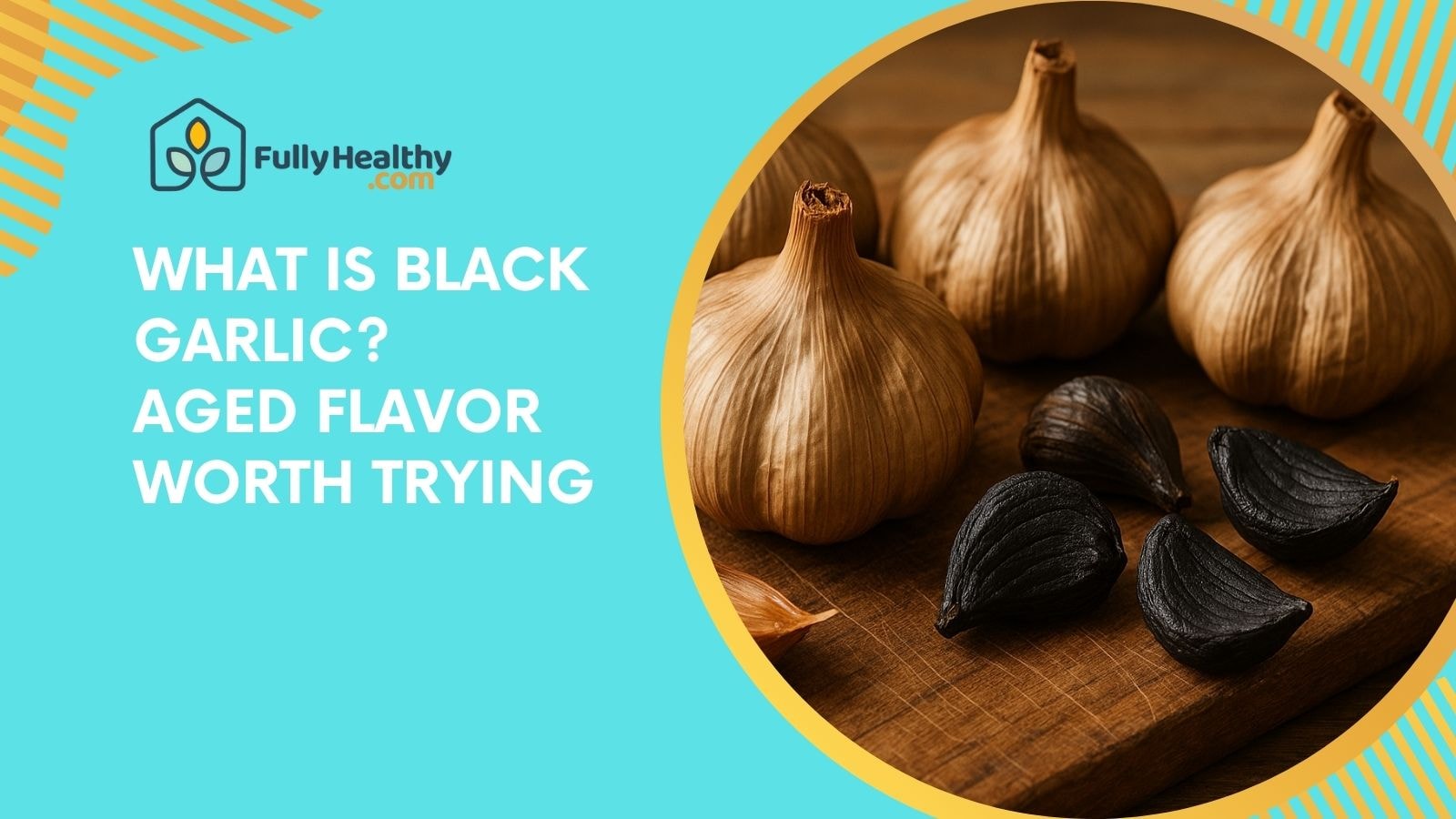
Regular garlic that has been slowly aged in heat and humidity is called black garlic. Its texture, flavor, and color are altered by this process. It turns soft, sweet, and full of deep, rich flavors. It doesn't bite as sharply as raw garlic does.
It is used in spreads, dressings, and sauces. Its health benefits, particularly for the heart, are also well-known. You'll discover what makes black garlic so special in this post.
Featured Pantry Pick
Simply Organic // Garlic Powder - 3.64 oz
Loading...
What Is Black Garlic?
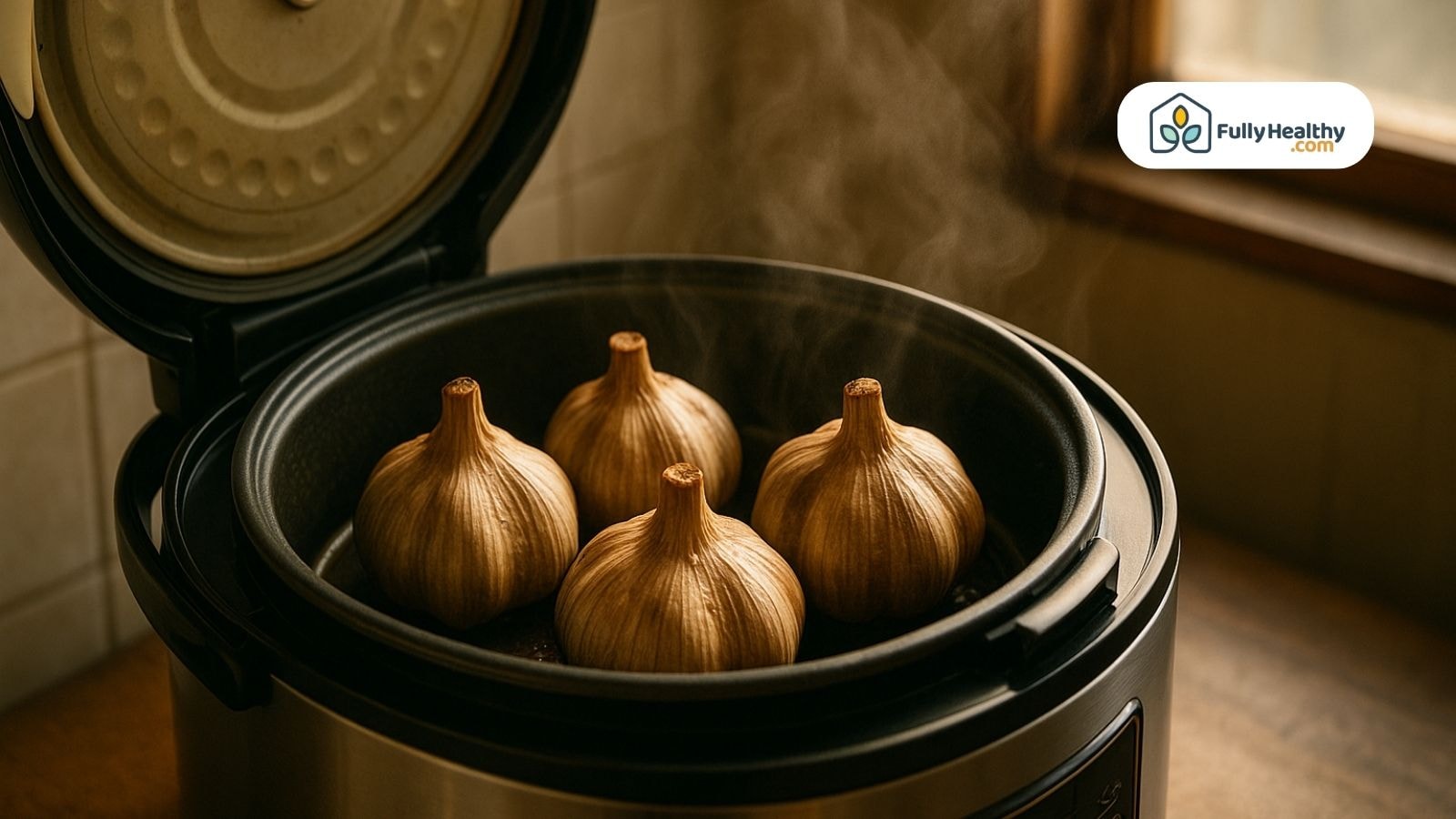
Black garlic is simply fresh garlic that has undergone a gradual aging process; it is not a distinct variety of garlic. In this procedure, whole garlic heads are subjected to high humidity and low heat for several weeks. With time, the garlic cloves develop a black color, a soft, chewy texture, and a flavor that is rich, sour, and sweet. It is frequently used as a pizza topping, in salad dressings, and in sauces.
How Black Garlic Is Made
Black garlic is produced primarily through the Maillard reaction, a non-enzymatic browning process. While sometimes referred to as 'fermented,' true microbial fermentation does not occur. Sugars and amino acids undergo a chemical reaction that modifies the flavor and color.
-
Process Duration: Typically lasts three to six weeks.
-
Required Conditions: A constant humidity of 70–90% and a temperature of 140–194°F.
-
Not True Fermentation: Despite being referred to as fermented garlic, microorganisms are not involved.
-
Tools Used: You can make homemade black garlic in a slow cooker or rice cooker.
-
Changes Inside: The garlic inside becomes darker, with a sticky consistency and deep umami flavor.
How Black Garlic Is Different From Regular Garlic
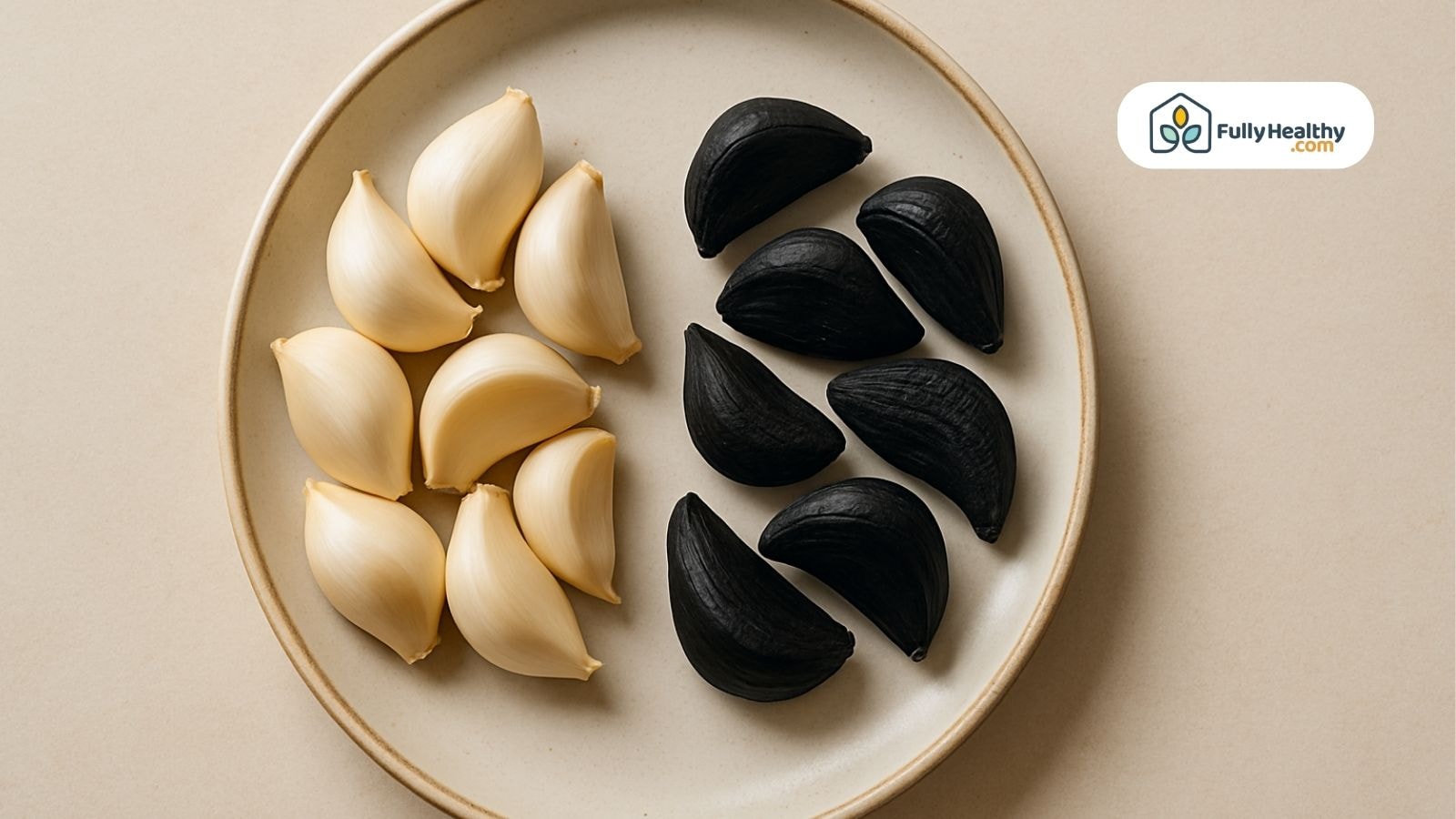
The distinctions between black garlic and raw or roasted garlic are evident. It has more nuanced flavor nuances and is sweeter and gentler.
-
Color: Deep brown to black.
-
Taste: Like aged balsamic vinegar or balsamic vinegar, but with licorice and tamarind flavors.
-
Texture: Soft, chewy, and spreadable.
-
Odor: Less pungent than fresh raw garlic.
-
Use: Frequently used to impart a unique flavor to chicken, savory sauces, and even desserts.
What Is So Special About Black Garlic?
Black garlic has significant health advantages and is more than just a culinary ingredient. It gains antioxidant qualities and becomes more valuable in food science and nutrition as it ages.
Nutritional and Antioxidant Properties
When compared to fresh or ordinary garlic, aged black garlic is renowned for having a higher concentration of free amino acids and antioxidant activity. These nutrients may help with lipid metabolism and are good for the nervous system.
-
Increased Compounds: Has greater concentrations of flavonoids, polyphenols, and S-allyl cysteine..
-
Antioxidant Boost: Studies show black garlic may exhibit stronger antioxidant activity compared to fresh garlic due to increased levels of certain bioactive compounds, though exact efficacy can vary by processing method.
-
Sulfur Compounds: Important sulfur-based substances that are more bioavailable include aged garlic extract and black garlic extract.
-
Animal Studies: Rats fed black garlic exhibited less evidence of liver injury and better indicators of liver damage.
-
Scientific Journals: Some conclusions are supported by research, including studies in Molecules and Journal of Agricultural and Food Chemistry (2025), which highlight increased antioxidant and anti-inflammatory properties.
Health Effects in Humans and Animals
Black garlic may reduce the risk of heart disease and help repair the damage caused by a high-fat diet, according to numerous studies, including some that employ an animal model.
-
Heart Health: May lower blood pressure and cholesterol.
-
Immunity Support: Some evidence suggests black garlic may support immune function, though it is not a significant source of vitamin C
-
Reduced Inflammation: Chronic inflammation may be lessened by black garlic's antioxidant properties.
-
Cell Protection: Enhances detox processes and shields cells from oxidative damage.
Can I Make Black Garlic at Home?
Yes, you may use simple appliances like a rice cooker or slow cooker to make your own black garlic. Since it requires patience and effort, using the wrong techniques can result in spoiling or safety issues.
Home Methods and Equipment
Making black garlic at home is a fragrant and time-consuming procedure. For weeks, the garlic must be kept at the same temperature.
-
Use a Rice Cooker: For three to four weeks, keep it in "warm" mode all the time.
-
Slow Cooker Alternative: Use comparable settings, but keep an eye on the moisture and heat.
-
Ventilation Needed: The smell of fermentation can be strong.
-
Whole Cloves Only: Peeled cloves dry up more quickly, so avoid using them.
-
Check Consistency: Inside the papery skin, feel for a soft, chewy texture.
Safety Tips and Commercial Alternatives
Making black garlic at home can be satisfying, but if done incorrectly, there are certain risks.
-
Avoid Mold: Variations in moisture or temperature can lead to spoiling.
-
Don’t Add Water: Hot water alters the atmosphere, so avoid adding it when cooking.
-
Buy Pre-Made: Purchasing aged black garlic extract, black garlic oil, or black garlic cloves from grocery stores or online is safer and more dependable.
-
Allergic Reactions: Rare; however, caution is advised for those who are sensitive to allium sativum.
What Does Black Garlic Taste Like?
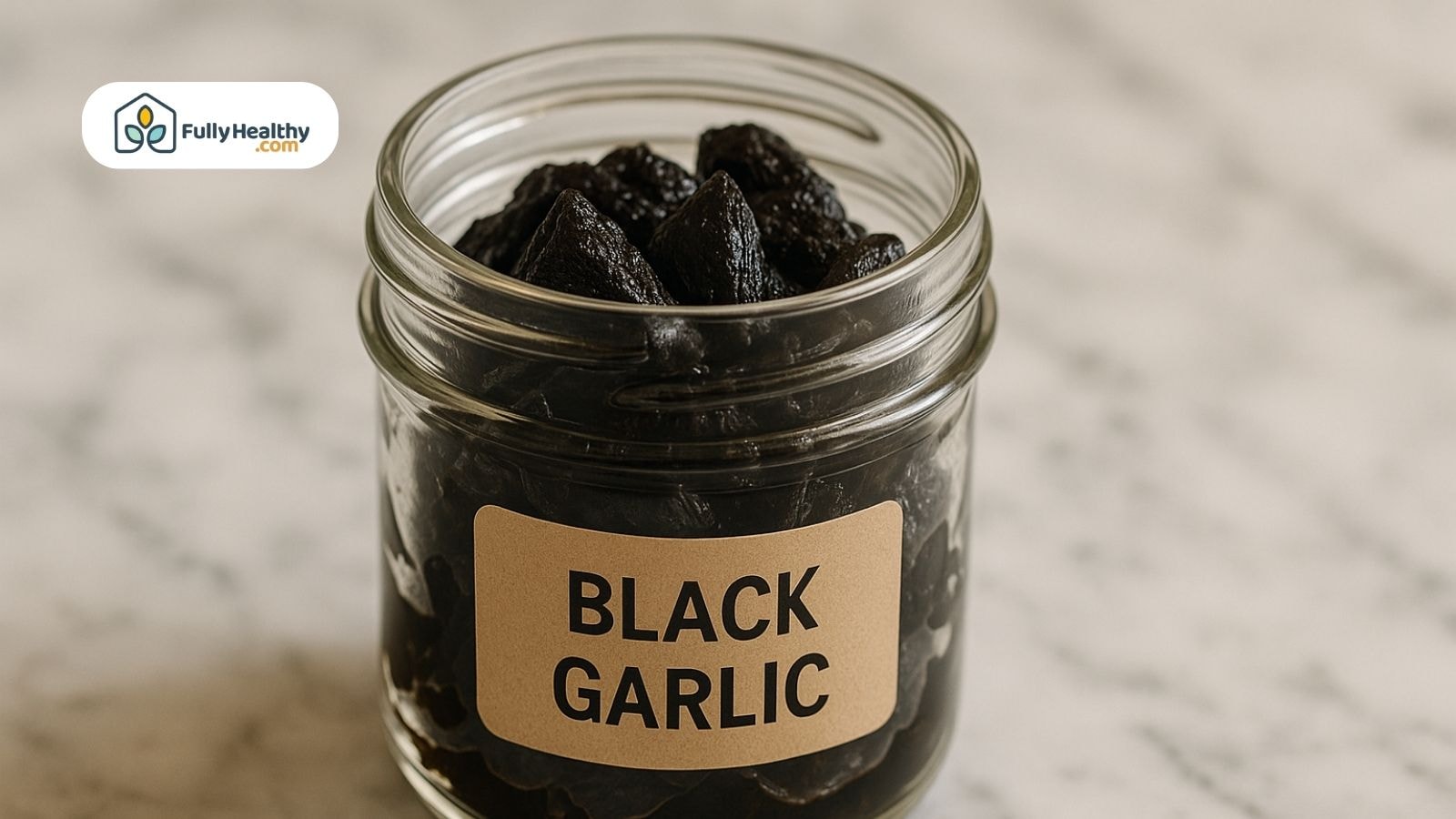
Compared to raw or fresh garlic, black garlic has a completely different flavor. Garlic's sugars and amino acids undergo a Maillard reaction as they age, giving it a black hue and a rich, sweet flavor. Since it has a mild, savory, and rich flavor, it can be used in a variety of culinary applications. In many cuisines, particularly in Asian countries, this fermented garlic has a distinct appeal.
Taste, Texture, and Flavor Notes
The distinctions between black garlic and other varieties are evident. It doesn't have the intense heat or harsh bite of raw garlic. Rather, it adds delicate, sweet aromas with tamarind and molasses undertones.
-
Flavor Profile: Like dried fruit or aged balsamic, it's rich, tart, and somewhat sweet.
-
Texture: Sticky, soft, and chewy like dried figs.
-
Salt Level: Its naturally low salt content makes it perfect for well-balanced meals.
-
Aftertaste: Mellow, smooth, and free of any residual pungency.
-
Garlic Compared: It doesn't have the bitterness of overdone garlic or the sharp bite of raw garlic cloves.
Best Culinary Uses for Taste and Texture
Black garlic cloves' delicate texture and sweet-savory flavor make them ideal for both conventional and inventive dishes. It mixes nicely with spreads, sauces, and even desserts.
-
Salad Dressings: Combine with lemon and olive oil to create a thick, umami-flavored vinaigrette.
-
Sauces: Perfect for enhancing the complexity of sauces made with butter, cream, or soy.
-
Spreads and Pastes: Blend into yogurt-based dips, hummus, or aioli.
-
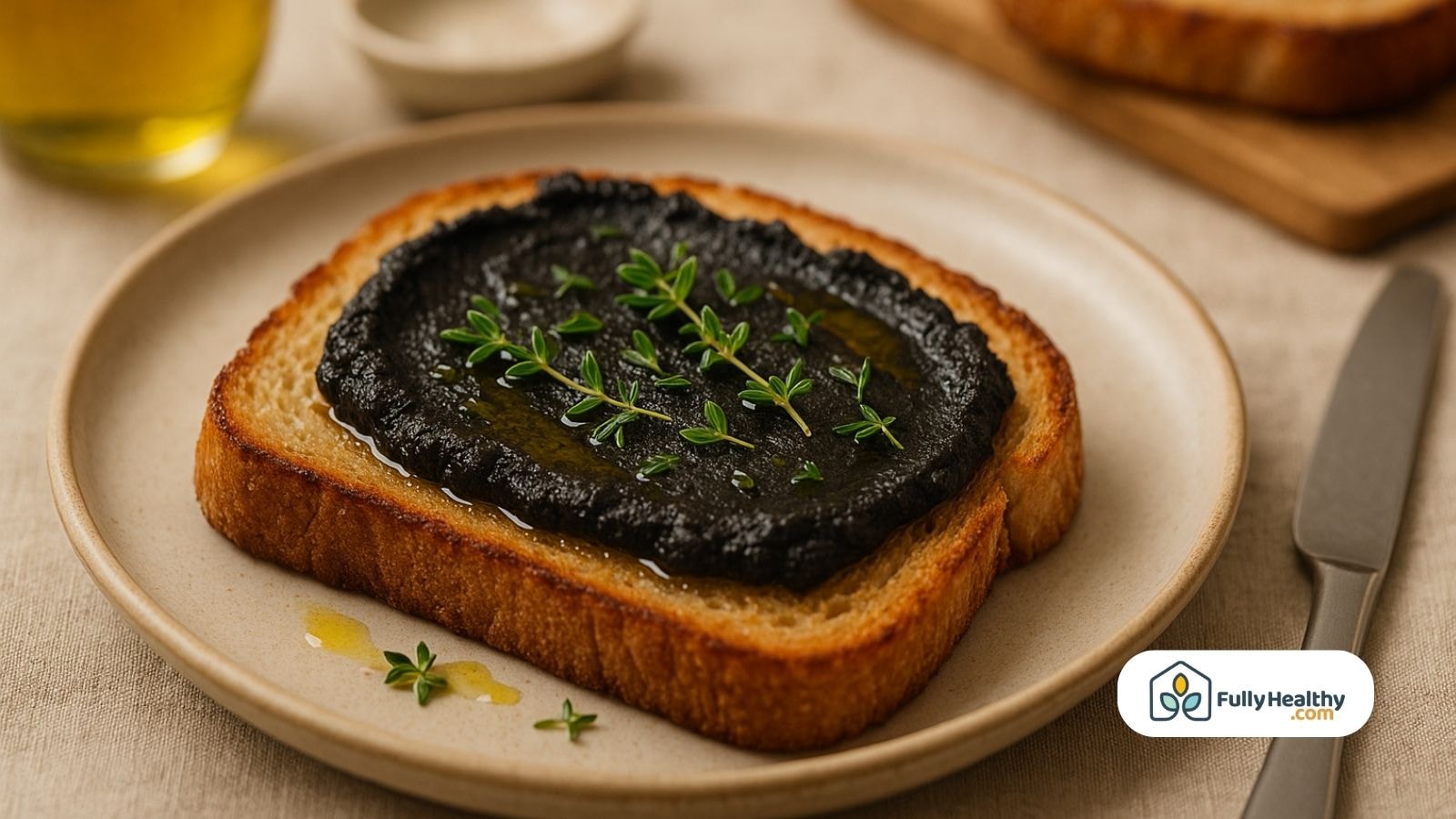
Pizza Topper: For an earthy enhancement, mash and spread on dough before baking.
-
Finish Most Recipes: To maintain the delicate flavor, add close to the finish of cooking.
What Does FullyHealthy.com Offer For Black Garlic Fans?
An online marketplace for those with dietary limitations is called Fully Healthy. It specializes in gluten-free, allergy-free, and AIP foods. It offers a variety of goods that go well with black garlic in everyday cooking, even if it doesn't sell black garlic cloves directly. These products help those who wish to add black garlic to their recipes without being concerned about unstated additives.
Specialty Focus for Restricted Diets
For those who are following particular diets or avoiding allergens, a lot of the products on Fully Healthy are perfect. These products are made to fit clean-eating habits and are labeled according to dietary stages.
-
Allium-Free Alternatives: Excellent for those who react to garlic, or allium sativum.
-
Salt-Free Options: Excellent for balancing flavors and low-sodium diets.
-
Cook-Friendly Ingredients: Encourages basic food preparation for home-cooked meals.
-
AIP-Safe Spices: Enhance the black garlic production and use it in most recipes.
Related Products That Pair with Black Garlic.
Although you won't find peeled or entire black garlic bulbs on the website, you may get condiments and pantry essentials that enhance its flavor. Those who want to make black garlic at home or include it in their diets will love these goods.
-
Oil Pairings: Aged garlic has a silky texture that is enhanced by unrefined olive oil.
-
Sweeteners: Make use of low-glycemic alternatives to counterbalance the sweetness of black garlic.
-
Base Ingredients: Perfect for adding to rice cookers or slow cookers with whole garlic heads or bulbs.
-
Balanced Flavors: Helps you use basic blends to emphasize the physicochemical properties of old garlic.
Final Thoughts
Garlic bulbs undergo a long aging process under controlled heat and humidity that triggers the Maillard reaction, not fermentation. The Maillard process, which transforms whole heads of black garlic, produces unparalleled culinary depth whether you're cooking it in a rice cooker or a slow cooker.
With its papery skin and darkened cloves, black garlic, sometimes mistakenly called fermented garlic, brings a sweet richness perfect for salad dressings. Studies by Li N and Lu X have demonstrated that the culinary and health benefits of this type of garlic are still increasing. Never forget to cook and store it safely.
FAQs
Who should not take black garlic?
People allergic to garlic, fermented garlic, or sensitive to sulfur compounds should avoid it even if it’s sweet or used in food.
What happens if I eat black garlic every day?
Eating black garlic daily may support health, but too much may affect digestion due to active cloves and intense cooking concentration.
Should you refrigerate black garlic after opening?
Yes, once opened, store black garlic in the fridge to keep the cloves safe, especially if made in a slow cooker or rice cooker.
What's the best way to eat black garlic?
You can cook it into sauces, mash it with butter, or use it in dressings—black garlic adds rich, sweet food flavor.
What is the 10 minute garlic rule?
The 10-minute rule applies to raw garlic, not black garlic, which is already fermented garlic through cooking or devices like a slow cooker.
Leave a comment