

What Spices Are in Italian Seasoning? A Simple Guide to Every Herb
Wondering what spices are in italian seasoning? Most blends use dried oregano, basil, thyme, rosemary, and marjoram. Some also add parsley, sage, garlic powder, or red pepper flakes.
There is no single fixed recipe, so ingredients can vary by brand or homemade mix. In this guide, you’ll learn the core herbs, easy substitutes, top Italian seasonings, how to make your own blend, and a few ready-made options that can save time in the kitchen without making the process feel complicated.
What Spices Are in Italian Seasoning?
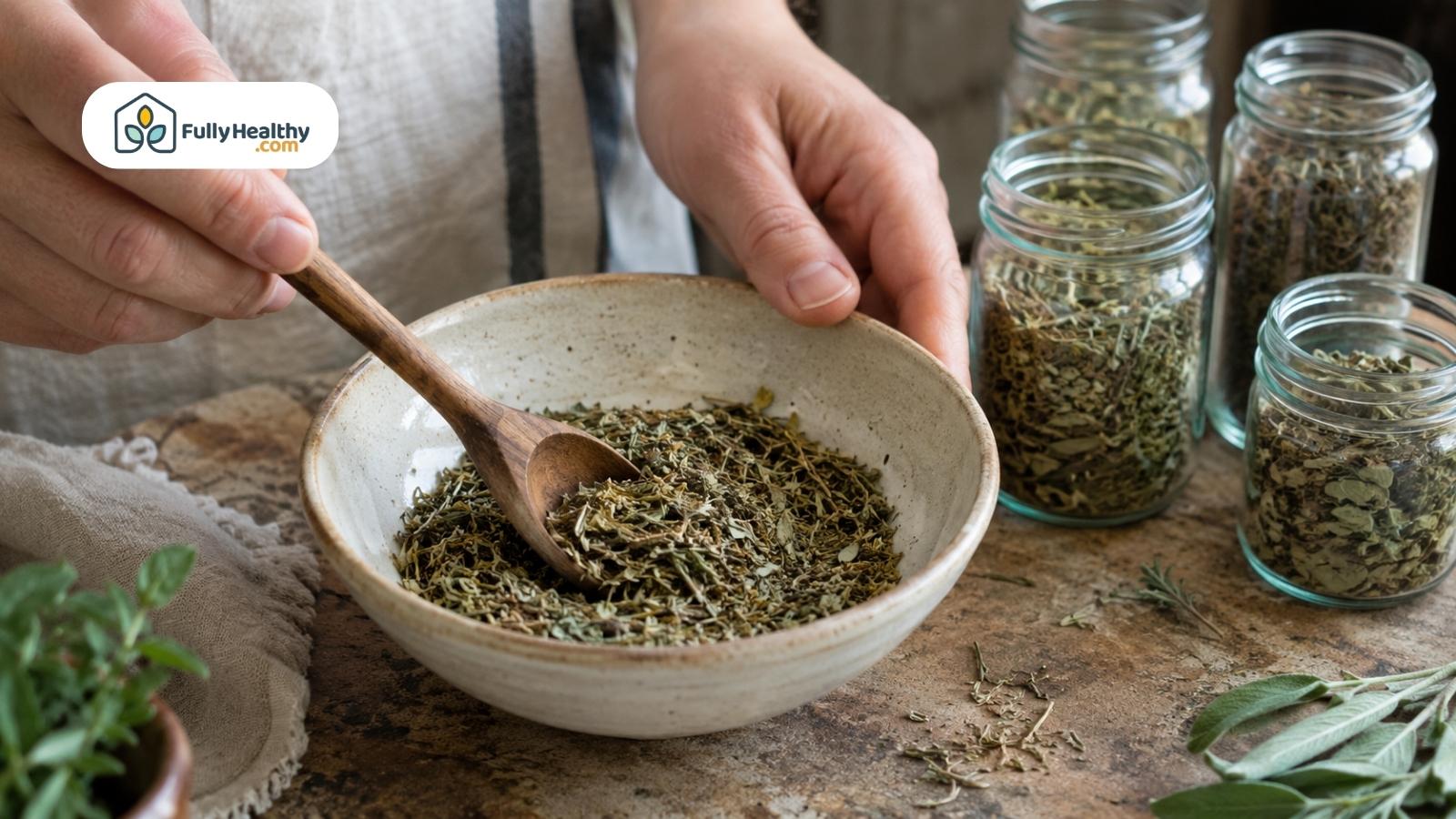
Italian seasoning is a versatile blend made mainly from dried herbs. Most versions combine oregano, dried basil, dried thyme, dried rosemary, and marjoram. Some blends also include dried parsley, sage, garlic powder, or chili flakes. Since there is no single standard formula, the exact flavor and ingredients can vary by brand or recipe.
What Are the Core Herbs in Italian Seasoning?
The most common base includes oregano, basil, thyme, rosemary, and marjoram. Together, these herbs create earthy, sweet, piney, and slightly peppery notes. Many of them belong to the mint family, which helps explain their strong aroma and savory taste.
-
Core herbs: Oregano, dried basil, dried thyme, dried rosemary, and marjoram often appear in a classic italian seasoning blend.
-
Optional additions: Dried parsley and sage may be included, while garlic powder or chili flakes can add extra depth or heat.
-
Everyday uses: This seasoning blend works well in pasta sauces, soups, vegetables, chicken, and many types of italian food.
Why Does What Spices Are in Italian Seasoning Vary by Brand?
An italian seasoning mix does not follow one universal ratio. The Mediterranean Dish uses more oregano, while the reviewed Allrecipes italian seasoning recipe uses more basil and includes red pepper flakes. This variation makes making homemade italian seasoning useful because you can adjust the flavor to suit different italian recipes.
-
Customize the blend: A homemade italian seasoning recipe can leave out salt, pepper, or garlic when a required recipe calls for those ingredients separately.
-
Store it properly: Keep homemade italian seasoning in an airtight container, such as a spice jar or glass jar, away from heat, moisture, and direct light.
-
Check the ingredients: Nutrition calories, saturated fat, and required recipe ratings do not explain flavor, so focus on all the spices and herbs listed instead.
What Can I Use if I Don't Have Italian Seasoning?
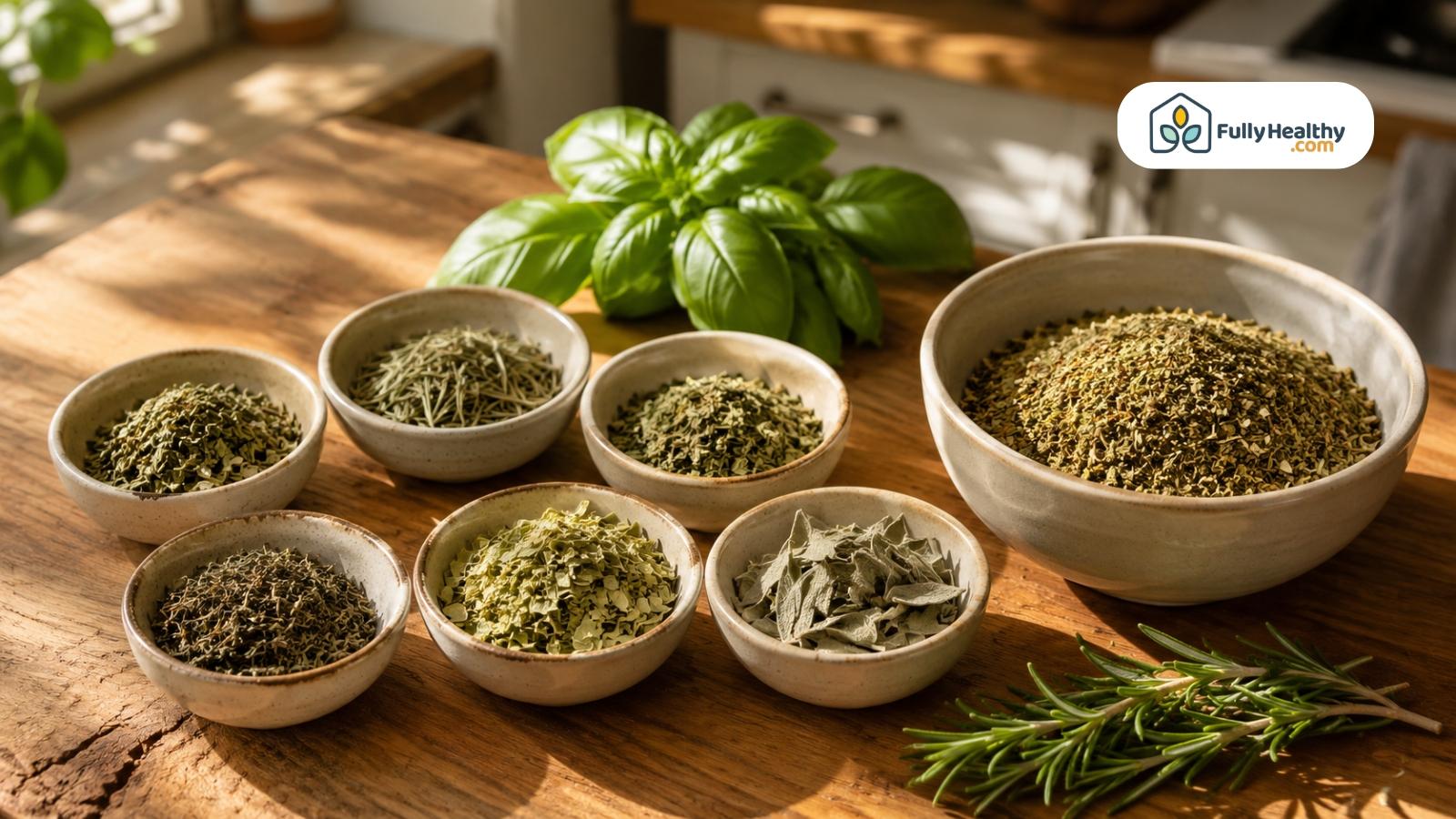
You can still make flavorful meals when italian seasoning is missing from your pantry staples. Bites of Wellness recommends two parts dried basil to one part oregano as a simple replacement. Fresh herbs and other spice blends can also work, but they may change the final taste of the dish.
Can Basil and Oregano Replace Italian Seasoning?
Yes. Combine two teaspoons of dried basil with one teaspoon of oregano to replace one tablespoon of italian seasoning. This easy ratio works well in tomato based sauces, pasta sauces, soups, and many italian recipes. It is also a useful starting point for making your own spice blends.
-
Simple substitute: Basil and oregano create a familiar italian flavor without needing all your other spices.
-
Easy to scale: Keep the same 2:1 ratio when preparing larger own mixes for future meals.
-
No special equipment: Mix the herbs in a small bowl; a food processor is not needed for this basic great recipe.
Can Fresh Herbs or Other Seasoning Blends Work Instead?
Fresh herbs can replace dried herbs, but you usually need more because their flavor is less concentrated. Bites of Wellness suggests roughly three times as much fresh herb as dried herb. Herbs de Provence, pizza seasoning, Greek seasoning, and za’atar can also work, although each spice mix brings a different flavor.
-
Use fresh herbs carefully: Add delicate fresh herbs later in cooking so they keep more of their aroma and wonderful flavor.
-
Check other blends: Herbs de Provence may contain lavender, while za’atar often contains sesame, so both can noticeably change a dish.
-
Review the recipe first: Review recipe ingredients and compare the individual spices before using a substitute in soups, sauces, or when you season chicken.
What Are the Top 5 Italian Seasonings?
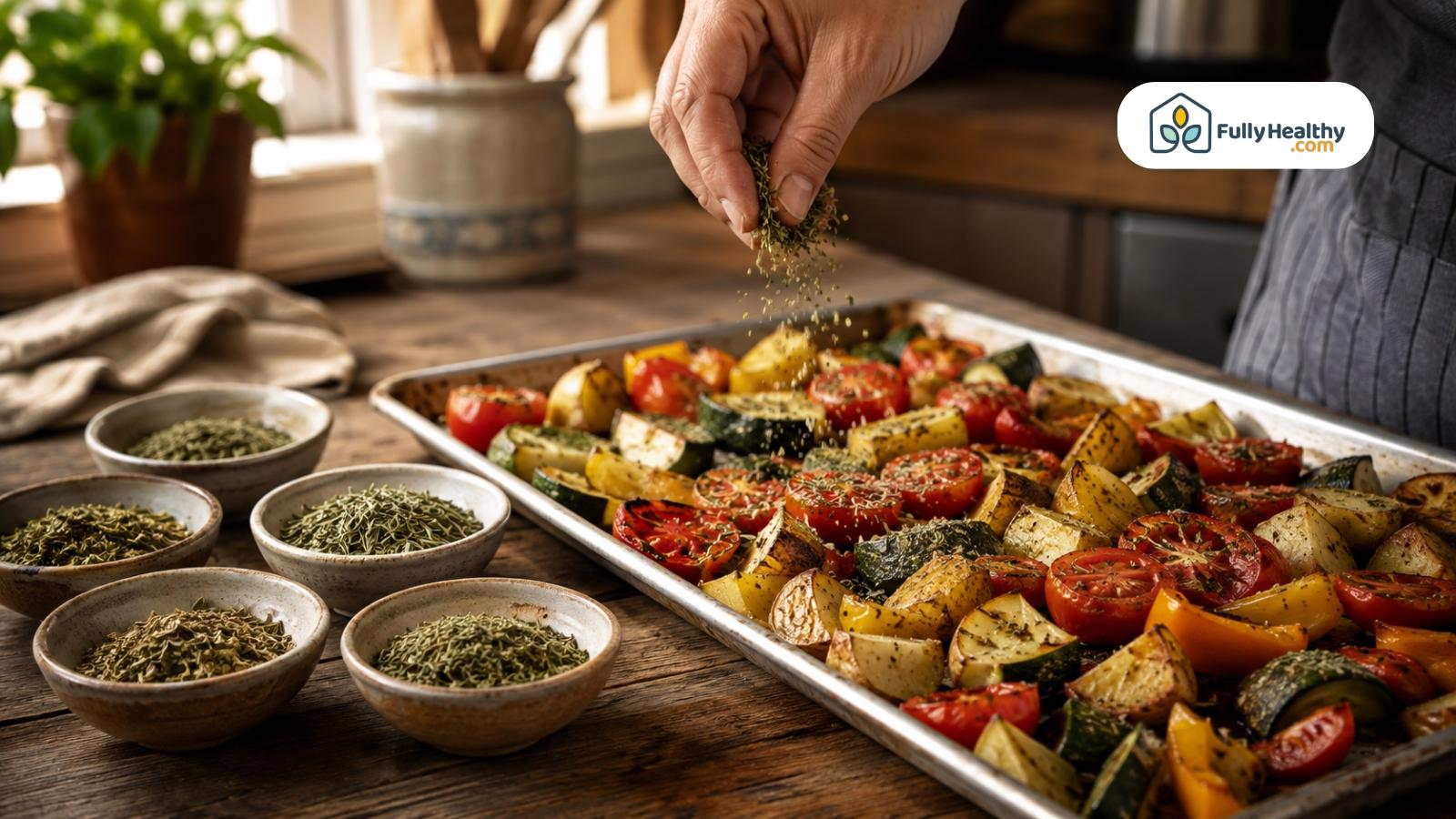
TasteAtlas ranks regional Italian herbs, spices, and seasonings rather than the ingredients in a standard italian seasoning mix. In the scanned source, the top five included Basilico Genovese, Sicilian Rosmarino, Pestèda, Sardinian Prezzemolo, and Zafferano di Sardegna. These choices show how diverse regional italian flavor can be.
Which Five Italian Herbs and Spices Rank Highest on TasteAtlas?
The TasteAtlas list focuses on regional specialties, so it should not be treated as a homemade italian seasoning recipe or a list for every spice jar. Some entries overlap with familiar italian seasoning, while others are unique products linked to specific regions and cooking traditions.
-
Basilico Genovese: This Ligurian basil is closely linked with pesto and is known for its strong, clove-like aroma.
-
Sicilian Rosmarino: Sicilian rosemary is used with meats, fish, vegetables, bread, and other savory foods.
-
Regional specialties: Pestèda, Sardinian parsley, and Sardinian saffron complete the scanned top five and show flavors beyond a standard versatile blend.
How Do Regional Italian Seasonings Differ From Italian Seasoning Blends?
Regional Italian seasonings can contain ingredients that do not normally appear in a basic italian seasoning mix. Pestèda combines garlic, salt, pepper, and aromatic herbs, while Sardinian saffron is a distinct regional spice. These ingredients add character to italian food but are not required when you make italian seasoning at home.
-
Know the difference: Regional specialties are not automatically interchangeable with a supermarket italian seasoning blend.
-
Choose by dish: A simple homemade blend can season chicken, vegetables, soups, and tomato based sauces without copying every regional spice mix.
-
Keep it practical: Store your own mixes beside all your other spices in a dry place, and label the glass jar clearly. Thank you so much for checking ingredients carefully before you use italian seasoning.
How to Make Your Own Dry Italian Seasoning?
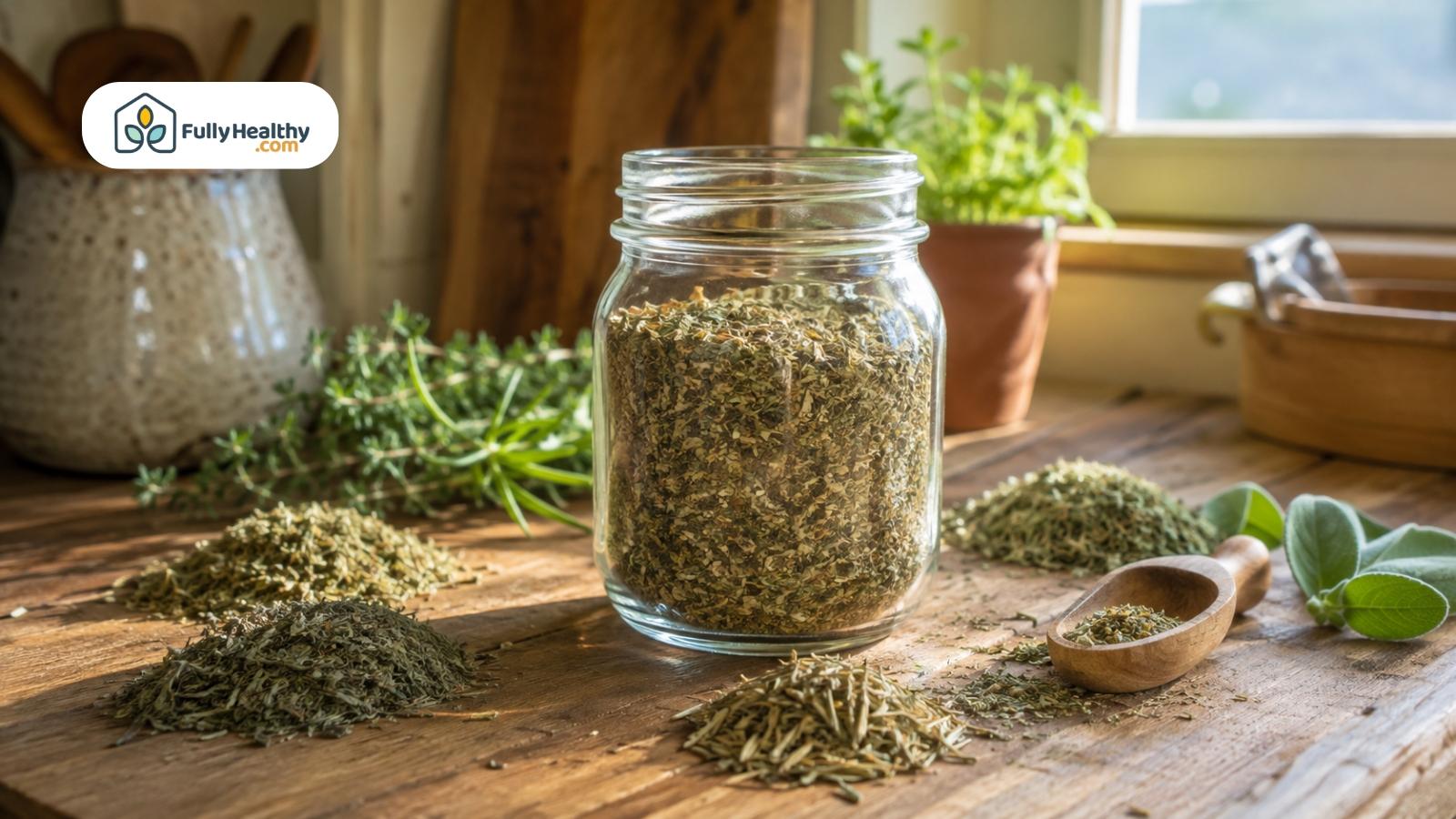
Making Italian seasoning at home is quick, simple, and useful for so many recipes. The Vegan 8 uses six dried herbs without added salt or red pepper. This gives you more control over the flavor profile and makes the blend easy to use in favorite recipes. The short prep time also makes it a great idea for busy cooks.
What Ingredients and Ratios Make a Balanced Homemade Blend?
The Vegan 8 recipe uses 2 tablespoons each of dried basil, oregano, and marjoram, 4 teaspoons of dried thyme, and 1 teaspoon each of dried rosemary and ground sage. These measured amounts create a perfectly balanced base without overpowering the final dish.
-
Measure accurately: Follow the listed ratios instead of adding a generous pinch of every herb, since too much rosemary or sage can quickly change the taste.
-
Adjust with care: Onion powder, black pepper, garlic, or other herbs can be added if they fit the dish you plan to make this recipe for.
-
Control the seasoning: Unlike some store bought blends, this version has no added salt or red pepper flakes, giving you more control.
Should You Grind, Shake, or Simply Mix Italian Seasoning?
You do not need special equipment to prepare this blend. Simply grab a clean jar, add the measured herbs, close the lid, and shake vigorously. The Vegan 8 also suggests whisking the herbs together, so using a food processor is optional rather than necessary.
-
Mix it well: Shaking helps spread the herbs evenly, so each spoonful has a more consistent flavor.
-
Store it properly: Keep the sealed jar in a dry, dark place to help protect the herbs from heat, moisture, and light.
-
Make extra: Preparing a larger batch is a great idea if you often use Italian seasoning in soups, sauces, vegetables, or meats.
How Can FullyHealthy Help You Find Italian-Inspired Seasonings?
FullyHealthy carries specialty-diet-focused foods, including a dedicated seasoning selection. The verified product pages include two traditional Italian herb blends and one garlic-forward seasoning designed for broader savory use. Always check each product page for ingredients and dietary labels before choosing the best option for your needs.
Which Seasoning Products Can You Find at FullyHealthy?
The three products from the reviewed FullyHealthy pages offer different ways to add Italian-inspired flavor. Two are classic Italian seasoning blends, while the third is a more specialized garlic and herb seasoning that also contains beef organs.
-
Frontier Co-op Italian Seasoning Organic 0.64 oz: This blend contains organic oregano, marjoram, thyme, rosemary, basil, and sage. FullyHealthy lists it under the AIP Elimination Stage.
-
Simply Organic Italian Seasoning 0.95 oz: This blend also contains organic oregano, marjoram, thyme, basil, rosemary, and sage, with labels including Organic Certified and Low-FODMAP.
-
Pluck Zesty Garlic Organ Meat Blend Seasoning: This product includes garlic, onion, oregano, marjoram, basil, thyme, parsley, lemon peel, vegetables, salt, and a beef organ blend.
-
Compare before buying: Required fields are marked on some site forms, but readers should focus on the product ingredients and listed dietary details.
What Does Pluck Zesty Garlic Add to Italian-Inspired Meals?
Pluck Zesty Garlic is not a standard Italian seasoning blend. FullyHealthy describes it as a savory, garlic-forward seasoning that can be used on pizza, pasta, vegetables, meats, and sauces. Its broader ingredient list gives it a different flavor profile from a traditional dried herb mix.
-
Use it for variety: Its garlic, herbs, vegetables, and salt make it suitable for many savory dishes.
-
Start with less: FullyHealthy suggests beginning with about ¼ teaspoon per serving, then adding more to taste.
-
Choose based on the dish: Use a classic Italian seasoning for a traditional herb blend, and choose Pluck when you want a stronger, more complex savory flavor.
Final Thoughts
Knowing what spices are in italian seasoning makes it easier to choose a blend that fits your cooking. Oregano, basil, thyme, rosemary, and marjoram form the common base, while parsley, sage, garlic, or red pepper may appear in some versions.
You can buy a prepared blend or make your own and adjust each herb to your taste. Italian seasoning works well in pasta sauces, soups, vegetables, chicken, pizza, and many other savory meals. For the best flavor, check ingredient labels because recipes and brands can differ.
Store homemade blends in a sealed container away from heat, moisture, and light. Whether you prefer a simple herb mix or a more complex version, choose ingredients that complement your dish and dietary needs.
FAQs
What herbs are usually found in Italian seasoning?
Most blends contain oregano, basil, thyme, rosemary, and marjoram, although parsley, sage, garlic powder, or red pepper flakes may also be included.
Can I make Italian seasoning at home?
Yes, combine dried basil, oregano, marjoram, thyme, rosemary, and sage, then store the mixture in an airtight container in a cool, dark place.
What can I use when I run out of Italian seasoning?
A simple substitute is two parts dried basil to one part oregano, while fresh herbs or herbs de Provence may also work but can change the final flavor.
Does every Italian seasoning blend contain the same spices?
No, recipes vary by brand because some blends include parsley or sage, while others add garlic, onion powder, black pepper, or chili flakes.
What foods can I season with Italian seasoning?
Use it with pasta sauces, pizza, soups, vegetables, chicken, meat, and other Italian-inspired dishes for an easy savory herb flavor.
Leave a comment