

When Are Carrots Ready to Harvest? Signs Every Gardener Should Know
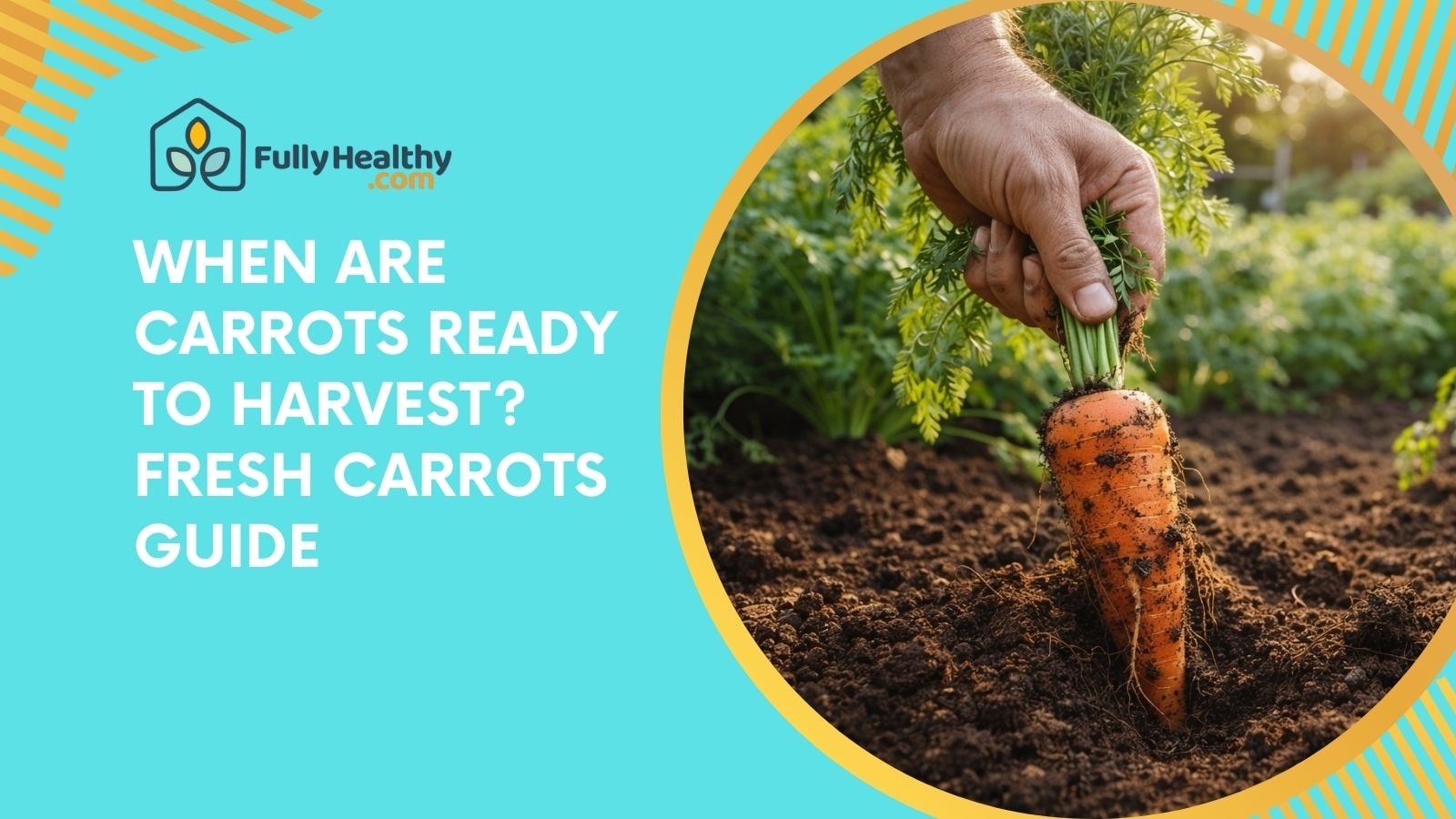
Knowing when are carrots ready to harvest helps you get the best taste and texture. CCarrots typically mature in 50 to 80 days depending on variety, climate, and soil conditions, not just size. Mature carrots have strong green tops, shoulders that can be seen, and good color.
In terms of taste, picking them too early can change the flavor, while waiting too long can make them woody. This guide talks about the best time, noticeable signs, and common blunders.
☀️ Wake Up Warm — Enjoy Cozy Carrot Cake Flavor, Guilt-Free!
When are carrots ready to harvest?
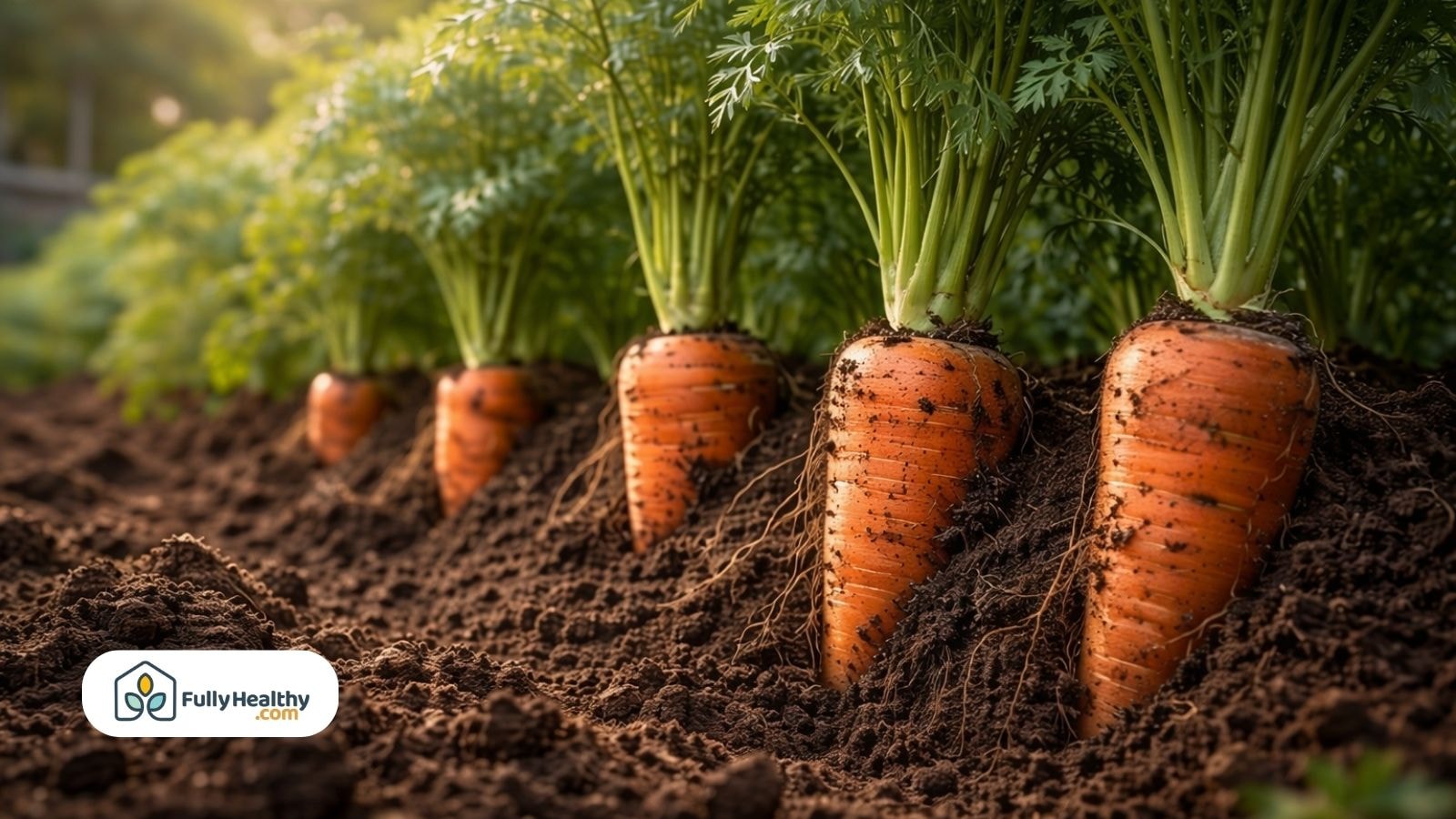
You can enjoy sweet and crunchy carrots from your own garden if you know when they are ready to be picked. Carrots are root vegetables that are scientifically named Daucus carota. They are grown from carrot seeds.
When they can be picked depends on the type of carrot, the quality of the soil, and the growing season. The seed packet gives you a rough idea of when to plant, but you can really tell when it's ready by looking at its size, texture, and healthy root growth.
Average Days To Maturity
Most homegrown carrots are ready to eat in a certain amount of time, but their growth rate can vary depending on the weather and other factors. Baby carrots mature faster, while larger carrots need more time to reach full size. If you grow carrots in sandy soil that has a lot of organic matter, the roots will grow evenly.
-
Typical timeline: Carrot seeds are planted and grow in about 50 to 70 days.
-
Seasonal planting: Fall carrots may mature at a similar or slightly slower rate depending on soil temperature and daylight length, though cooler weather can improve flavor.
-
Variety factor: Smaller carrots mature sooner than full size carrot varieties.
Size And Root Development Matter More
While counting the days is useful, checking the carrot root works better. The carrot greens and top show that the plant is healthy, but the root below the ground tells you when to harvest. If you pull one carrot to see how big it is, it won't hurt the other plants.
-
Minimum size check: When the carrot root feels thick and firm, it's time to pick it.
-
Texture goal: Carrots that have matured properly tend to be sweeter and firmer, though soil conditions and variety influence taste and texture.
-
Smart harvesting: First, pull out one carrot. Then, over the next few weeks, pick more carrots.
How do you know when carrots are ready to pick?
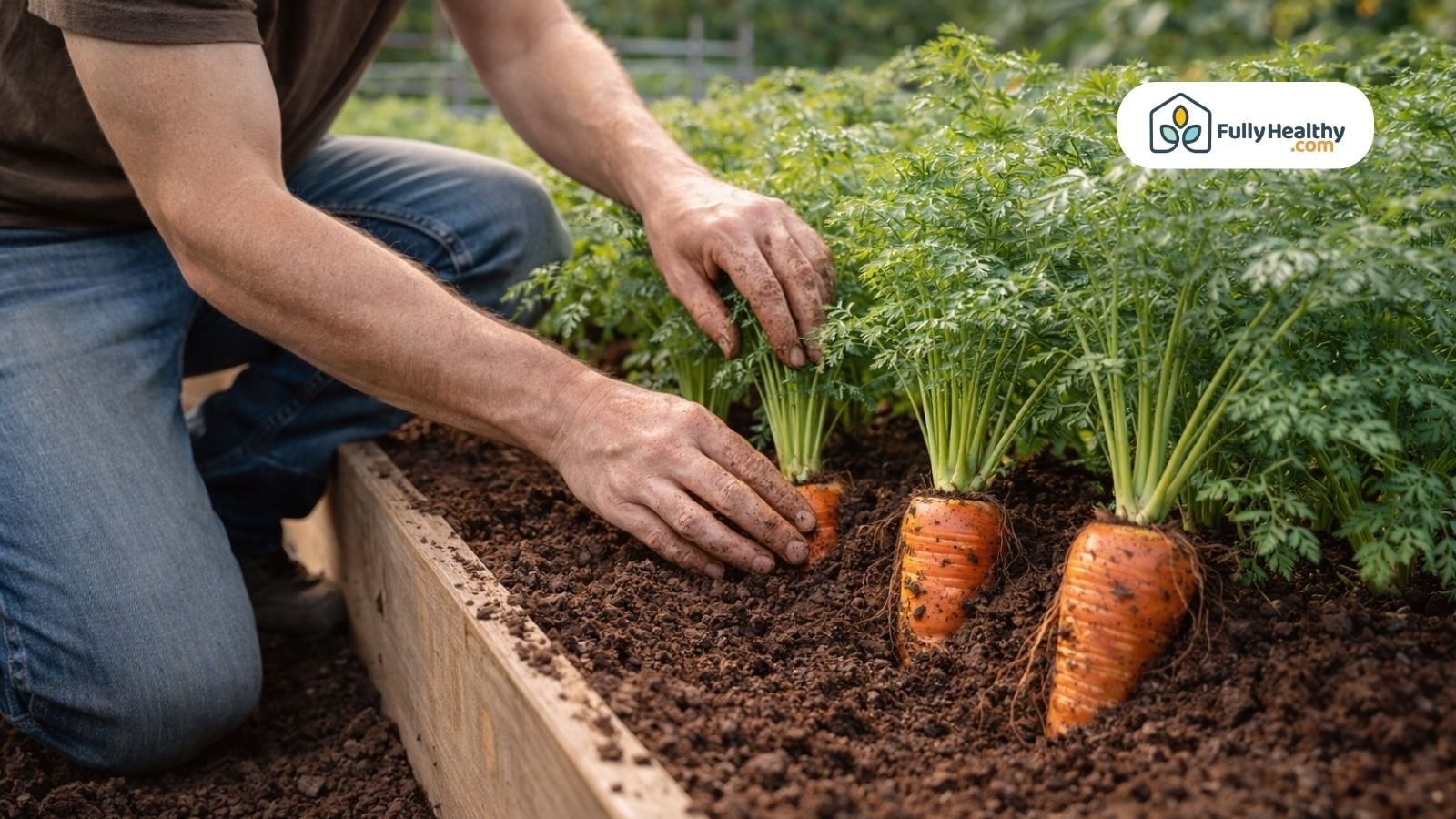
Knowing how to tell when carrots are ready will save you time and keep you from being let down. When carrot plants are healthy, their stems and leaves stay straight. The carrot top may rise a little above the soil as the roots grow. This means that your garden is making progress.
Signs Visible Above The Soil
Growth above ground can tell you a lot about what's going on below. When the carrot greens are strong, it means that the root is actively growing. When the growth is weak, it means that the root still needs time. This is true whether you grow carrots in a container or in the ground.
-
Green height: While vigorous foliage may indicate healthy growth, it does not reliably predict root depth or maturity.
-
Spacing practice: Don't let carrot seedlings get too crowded; thin them out early.
-
Helpful marker: Lots of gardeners plant radishes to show where the carrot rows are.
Checking The Shoulder And Root
That part of the carrot root that touches the ground is called the shoulder. By gently brushing away the soil, gardeners can tell if they are fully grown or undersized carrots. Pulling too early is avoided with this method.
-
Shoulder test: Carrots are usually ready when you can see the shoulder.
-
Flavor sign: Having a sweet and crunchy texture is a sign of maturity.
-
Harvest method: Do not pull all the carrots at once. Instead, do it slowly.
Can you leave carrots in the ground too long?
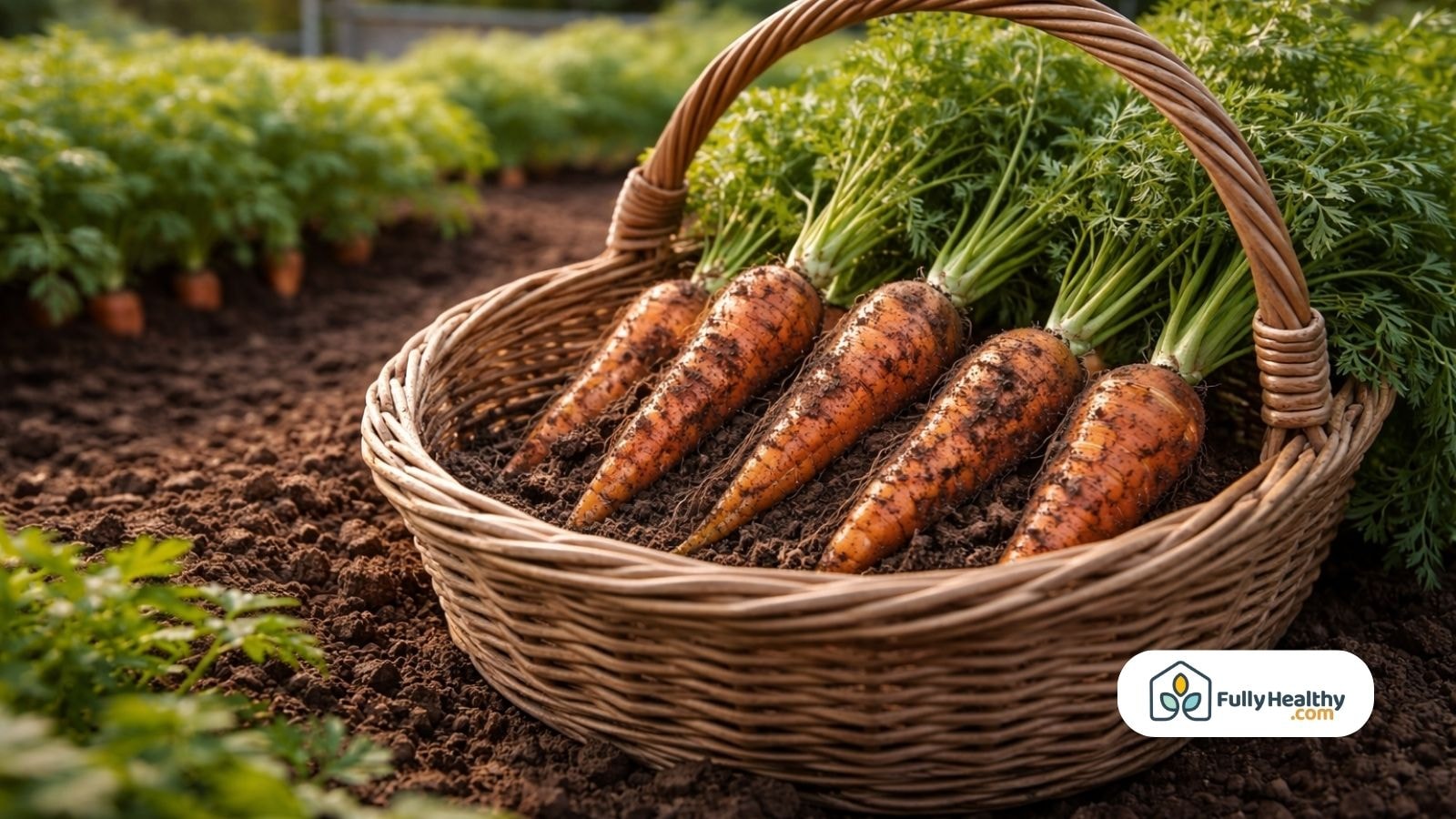
Many gardeners are uncertain about whether or not to leave carrots in the ground once they are fully grown. Growing root crops in the ground can make them taste better when it's cool outside. Nevertheless, summer heat, frost, and winter weather can all have different effects on carrots.
Benefits Of Leaving Carrots Briefly
Carrots that are fully grown can stay in the ground for a short time. Lower temperatures in the fall slow plant growth and keep sugars in the carrots longer, making them taste sweeter.
-
Flavor improvement: Keeping the ground cool helps carrots stay sweet.
-
Natural storage: In cool, unfrozen soil, carrots can be stored briefly, but excessive moisture or freezing temperatures can lead to spoilage.
-
Flexible harvest: When you're ready to eat, only pull fresh carrots.
Risks Of Waiting Too Long
Too much time can hurt the quality of carrots. Roots may get tough, change color, or split. Leaving carrots out in the cold causes frost damage, and when they freeze, they become unusable.
-
Texture loss: Immature roots don't get crunchy, they get tough.
-
Weather danger: The soil freezing over and frost killing carrots.
-
Best practice: How to store carrots correctly; using carrot greens in pesto; rotating tomato and flower beds; adding organic matter to the soil to make it richer and protect the nutrients; and eating fresh carrots cooked or raw all season long.
Can You Eat Carrots That Are Picked Too Early?
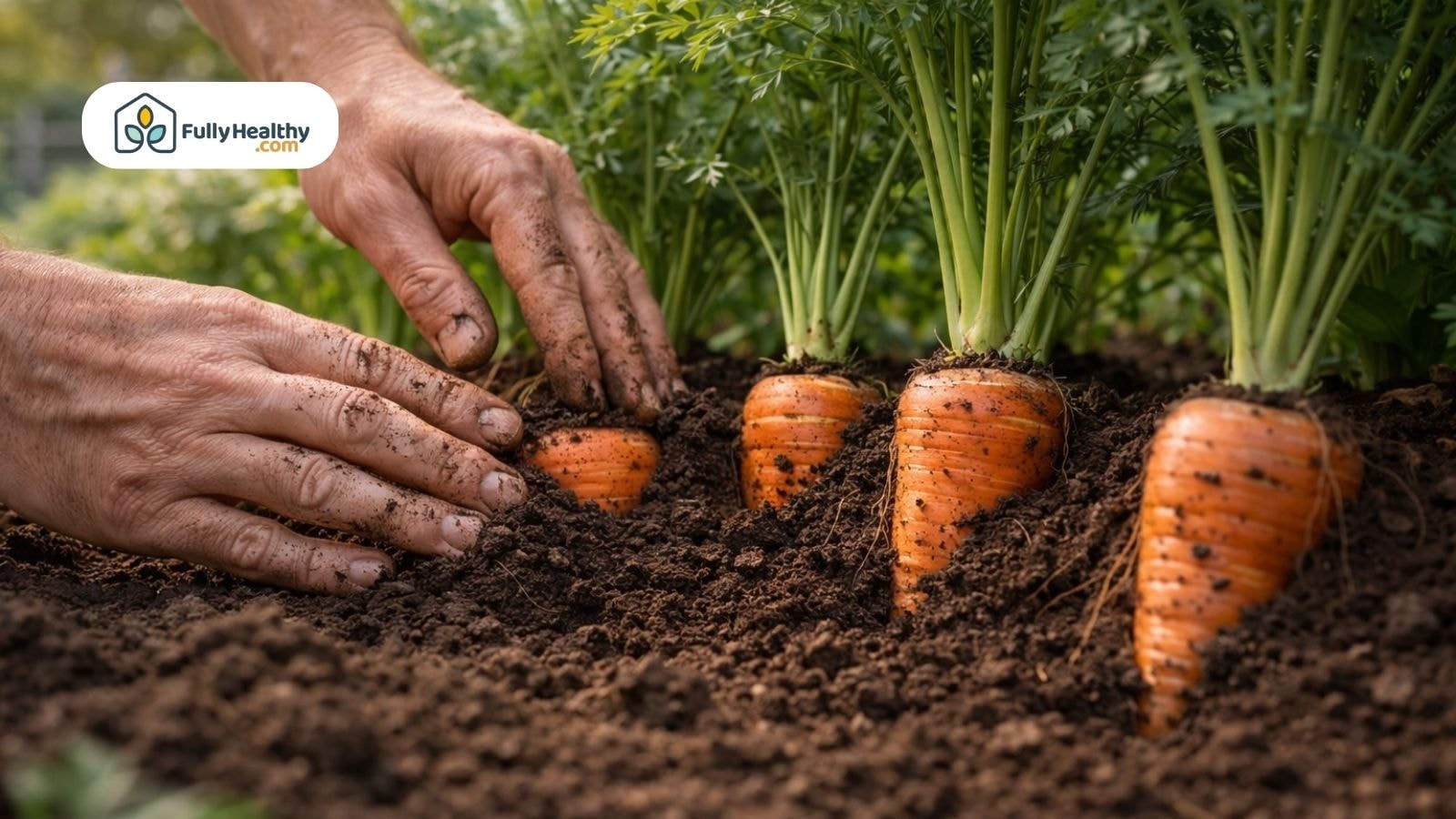
Some gardeners worry that picking too early will waste their work, but you can still eat carrots that were picked too early. Taste and texture are more important than safety. Most early carrots are smaller and milder, but you can still eat them raw or cooked.
This information helps gardeners make better choices, especially when they have to deal with time, curiosity, or a small garden space.
Safety Of Early-Harvested Carrots
You can eat carrots that have been pulled before they are fully grown. Thinned crops are often harvested early because the seedlings are taken out to make room for the roots that are left. A lot of people eat these little carrots right away.
-
Food safety: Early carrots are fully edible and safe for all uses.
-
Gardening practice: Thinning reduces competition for nutrients and space, promoting better root development in remaining carrots.
-
Space management: When working with little space, harvesting early helps.
Taste And Texture Differences
Even though they are safe to eat, early carrots don't always taste as sweet or crunchy as mature roots. Since they are softer, they are better for cooking than eating raw. Carrots get better in taste and texture over time when they are allowed to mature.
-
Flavor change: Carrots left to mature in cool soil often become sweeter due to increased sugar concentration.
-
Texture note: Cooking softens things and makes them taste better overall.
-
Garden benefit: Early harvesting helps roots grow in a healthier way later on.
What Does Fully Healthy Offer That Supports Gardeners After Carrots Are Harvested?
Gardeners often think about how to use their crops wisely after they've been picked. FullyHealthy doesn't teach gardening, but it does help with the stage after harvest by encouraging healthy, mindful eating. This fits well with the way of life of gardeners who like to use the food they grow.
How Fully Healthy Fits Post-Harvest Needs
Fully Healthy is an online store for people who have special dietary needs. It doesn't tell gardeners how to plant or harvest, but it does help them choose better food after the harvest. This is very helpful for people who like to cook at home.
-
Diet focus: Encourages people to be aware of allergens and eat cleanly.
-
Cooking support: Encourages eating simple meals with fresh foods.
-
Extra learning: There are other videos that give you cooking ideas and tips.
Using Harvested Carrots In Everyday Meals
People who garden like to use new carrots in simple, everyday meals. You can eat fresh carrots raw, roast them, or put them in soups and other dishes. Using food soon after it's been picked keeps the quality high. Crop rotation that is planned ahead of time also makes future harvests better.
-
Meal ideas: Carrots are good when they are raw or cooked.
-
Garden planning: Long-term, crop rotation keeps the soil healthy.
-
Seasonal habit: Getting new carrots and using them boosts confidence and cuts down on waste.
Final Thoughts
Gardeners can grow better, sweeter, and more reliable crops if they know when to pick carrots. While estimated days to maturity provide a useful guideline, observing root development and environmental cues offers greater harvesting accuracy.
This method makes food taste better, cuts down on waste, and encourages healthier gardening habits. If you check your garden often and are patient, carrots will reward your work every season.
FAQs
How do I know when to dig up my carrots?
Dig up carrots when the roots are thick, firm, and the tops look healthy above the soil.
What happens if you wait too long to harvest carrots?
Waiting too long can make carrots woody, less sweet, or cracked.
Can carrots be sown in September?
Carrots can be sown in September in regions with mild autumns, provided the soil temperature remains above 7°C (45°F) for germination.
Can I grow carrots in October?
You can grow carrots in October only in warm regions or with protection like row covers.
Does 1 carrot seed make 1 carrot?
One carrot seed can produce one carrot if germination is successful and the plant grows under favorable conditions.
Leave a comment