

Where Are Cashews Grown? The Global Origins of Your Favorite Nut
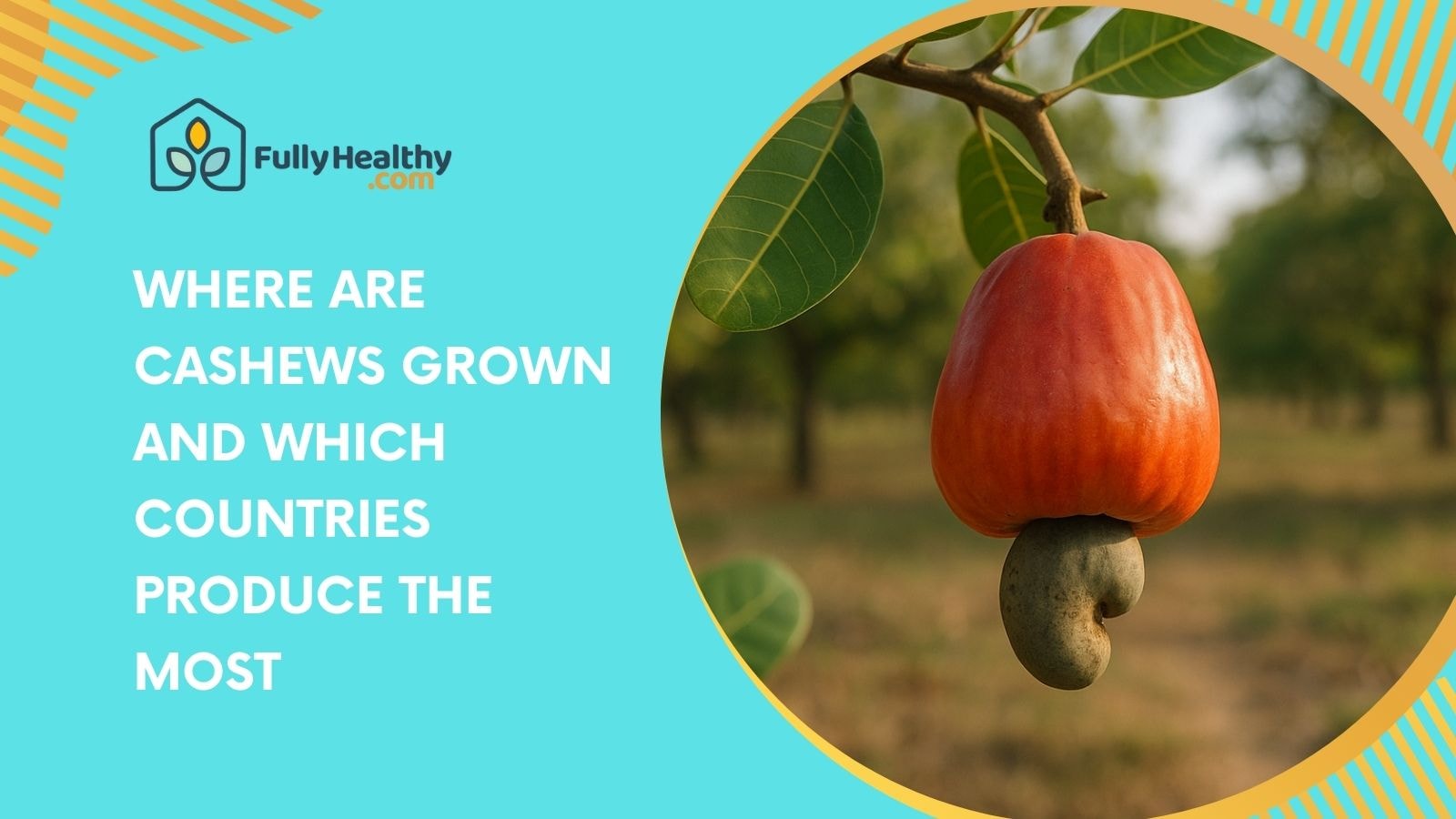 Where are cashews grown? Most of the time in warm, tropical places like India, Southeast Asia, and West Africa. The fruit that these tasty nuts come from is called a cashew apple, and it grows on trees that are always green. Some cashew trees grow in Florida, but most of the cashews that are sold are made in other countries.
This article tells you how cashews grow, why they're expensive, which countries have the biggest markets for them, and what makes them unique.
Featured Snack Pick
Mauna Loa // Hawaiian Sea Salt Macadamia Nuts - 4 oz
Loading...
Where Are Cashews Grown in the US?
Why Cashew Trees Grow Only in Certain U.S. States
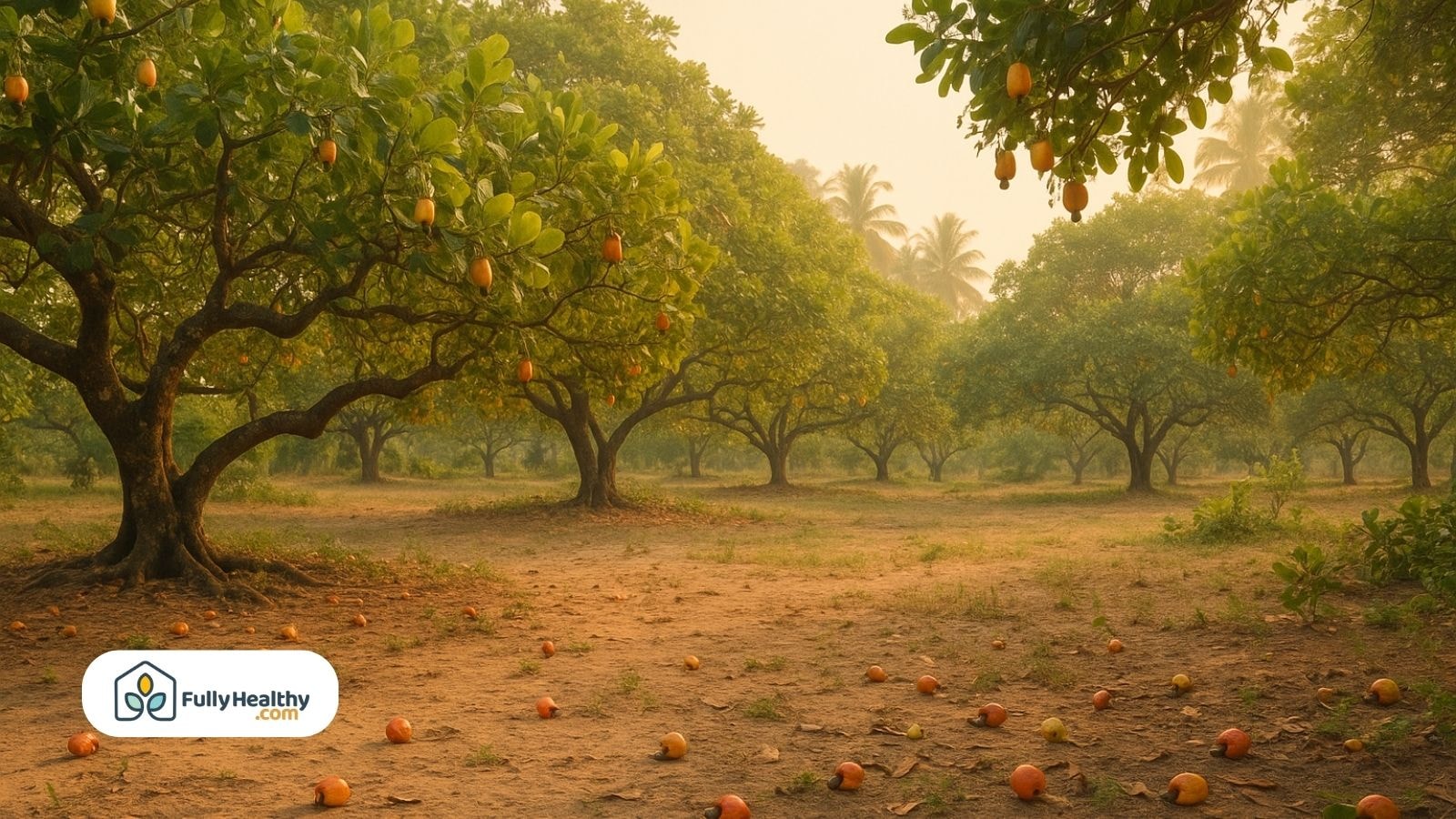
Cashew trees, or Anacardium occidentale, can only grow well in hot, dry places with stable humidity. This means that cashews can only be grown in some parts of Florida, Hawaii, and Puerto Rico in the United States. These trees grow slowly but steadily.
-
Climate conditions: Cashew trees need warm climates with minimal frost and stable temperatures between 63°F and 100°F.
-
Soil type: Cashew cultivation prefers well-drained sandy loam soil with an ideal pH of 5.5–6.5, though it can tolerate a range of 4.5 to 7.3.
-
Geographic zones: South Florida and Puerto Rico mimic the cashew tree’s native climate in northeastern Brazil.
-
Tree properties: The cashew is an evergreen tree that produces fruit in dry, tropical zones.
-
Growth limits: Cold spells in other states make them unsuitable for cashew trees growing to maturity.
Why You Won’t See “Grown in USA” on Cashew Labels
Cashew trees can live in some areas of the United States, but they are rarely grown for commercial purposes. Most of the raw cashews sold in the U.S. come from other countries that export a lot of cashews.
-
Import reliance: Nearly all cashew nuts consumed in the U.S. are imported from Côte d'Ivoire, Vietnam, and India.
-
Labor cost barrier: Cashew cultivation and processing in the U.S. is too expensive due to safety and wage requirements.
-
Danger in handling: Cashew nutshell oil contains anacardic acid, which causes burns like poison ivy.
-
Label origin: U.S. labels usually reflect the country exports location, not where cashews grow natively.
Which Country Grows the Most Cashews?
Ivory Coast Leads the World in Cashew Production
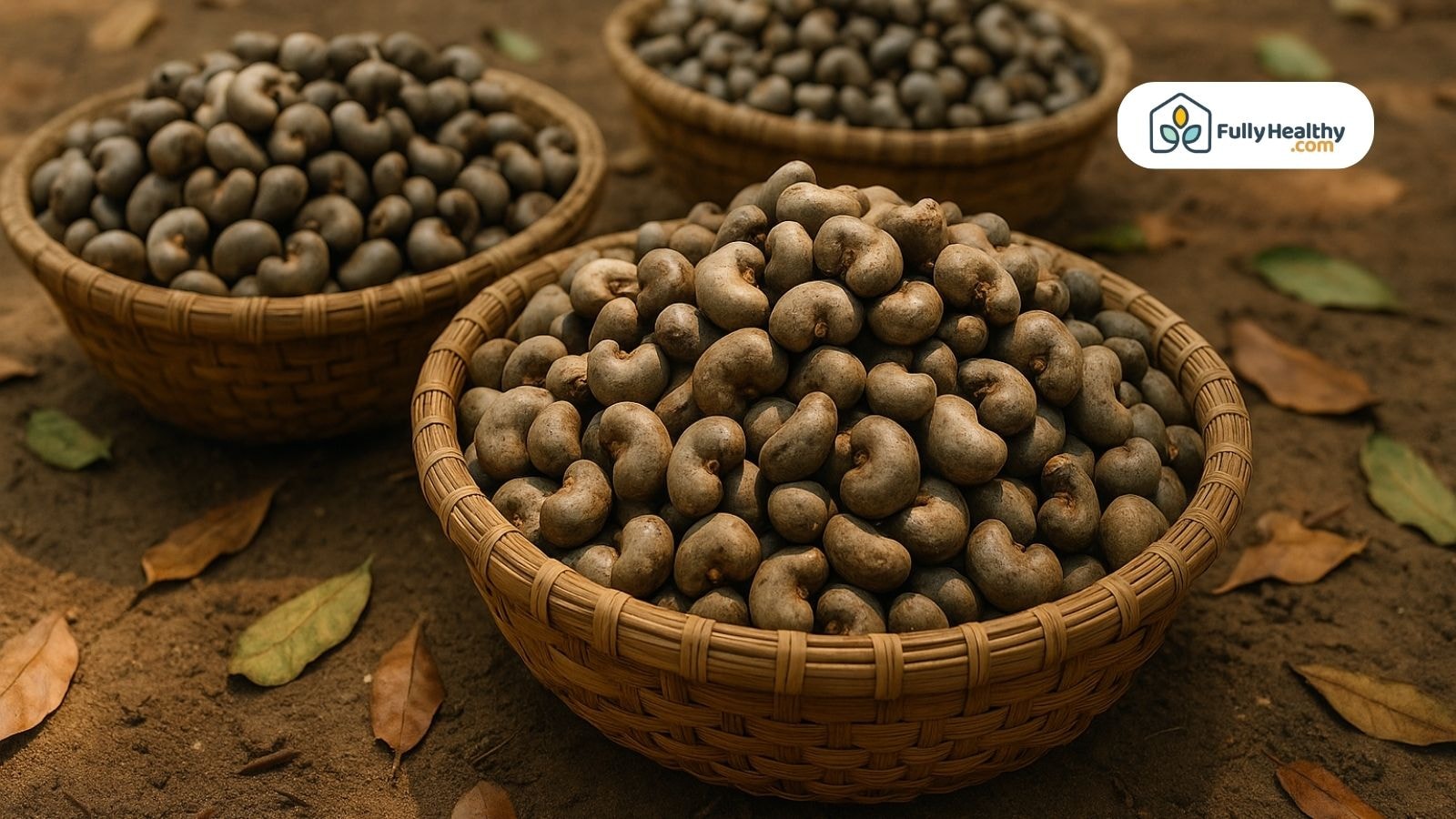
Côte d’Ivoire, also known as Ivory Coast, is currently the largest producer of cashews worldwide. The country produces more cashews than any other and leads both in volume and export potential across global production markets.
-
Annual output: Ivory Coast produces over 1 million metric tons of cashew nuts yearly.
-
Economic value: Often referred to as “gray gold,” cashew exports are a major economic pillar in West Africa.
-
Growing regions: Most cashew trees grow in the northern regions like Boundiali and Korhogo.
-
Processing gap: Despite high yield, local processing is limited, so many raw cashews are exported.
-
Global position: Côte d’Ivoire continues to lead among major cashew producers with rising investment.
How India and Vietnam Dominate Processing
West Africa has more cashew fruit, but most of the nuts are sent to India and Vietnam to be processed. These countries decide how whole cashews are shelled, packed, and sent around the world.
-
Processing hubs: India and Vietnam handle over 80% of global cashew shelling.
-
Technology use: Vietnam uses semi-automated systems, while India relies more on manual labor.
-
Export power: Vietnam remains the top country exports leader for finished cashew nuts.
-
Labor structure: India employs thousands of workers, especially women, in small processing units.
-
Import volume: Both nations import raw cashews from Guinea Bissau, Tanzania, and Ivory Coast.
Why Is Cashews So Expensive?
Toxic Shells and Labor-Intensive Processing
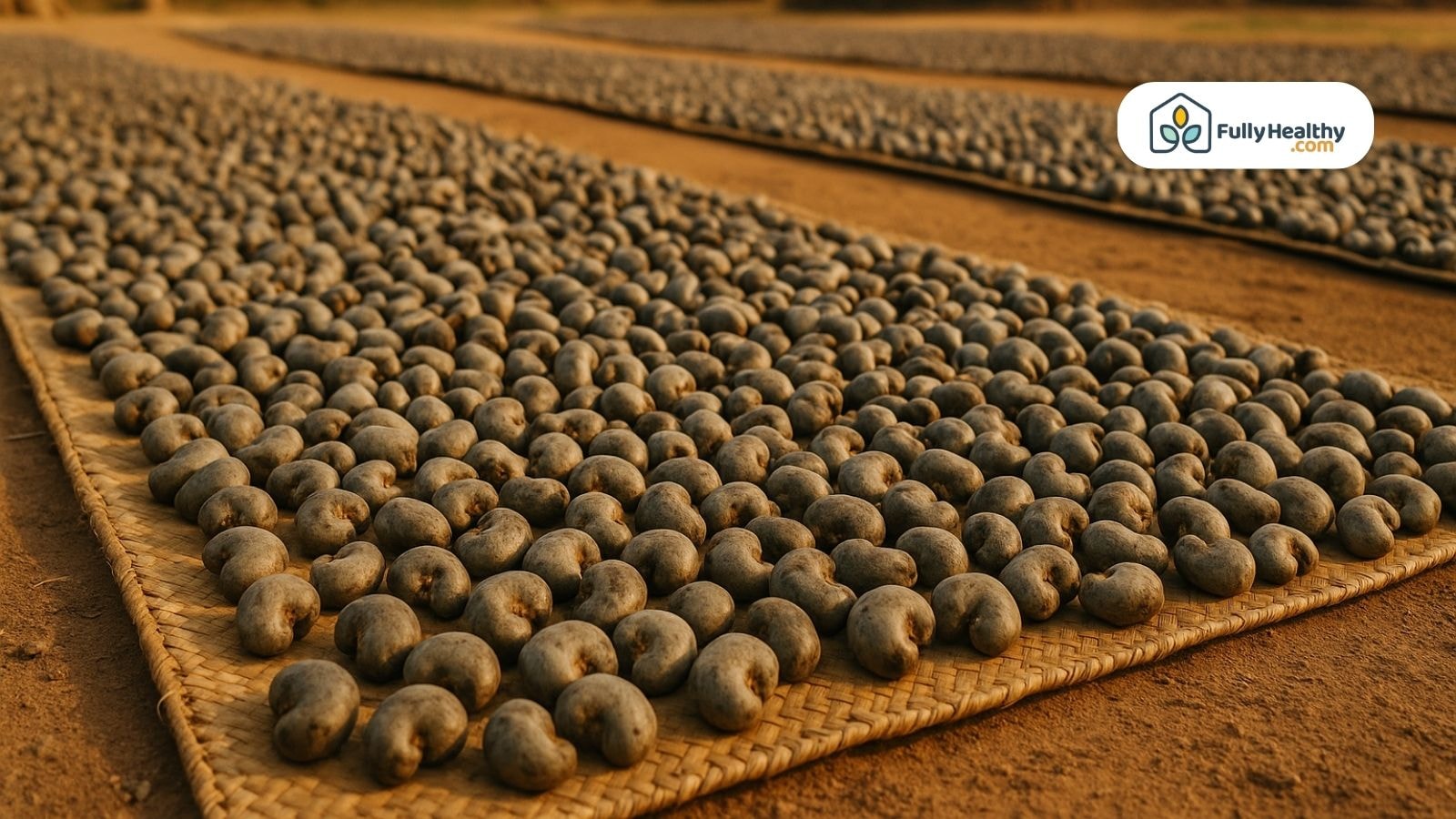
Processing raw cashews is one of the most dangerous nut-handling procedures. To keep from getting skin injuries, workers need to use special tools and be trained to handle the shell of a cashew nut.
-
Shell toxicity: Cashew shells hold anacardic acid, also found in poison ivy, which causes severe irritation.
-
Processing stages: Cashew nuts must be roasted, shelled, and sorted manually in many countries.
-
Worker safety: Poor labor protections in some producer of cashews regions raise ethical concerns and costs.
-
Protective gear: Repeated exposure destroys gloves and equipment, which must be replaced frequently.
-
Fair trade push: Ethical sourcing adds costs to ensure safe working conditions for processors.
Scarce Growing Regions and High Global Demand
You can't just grow cashews anywhere. They only grow in certain tropical areas. Cashews are more expensive than other raw nuts because they can only be grown in a few places and demand is growing around the world.
-
Limited zones: Cashew trees grow mainly in South and Central America, West Africa, and Southeast Asia.
-
Major producers: Côte d’Ivoire, India, and Vietnam lead global production due to ideal growing conditions.
-
Global demand: Cashew cheese, cashew butter, and cashew apple juice trends fuel more cashew consumption.
-
Harvest cycles: Cashew fruit takes up to three months to mature, delaying supply chains.
-
Market dynamics: Domestic consumption increases in countries like Guinea Bissau and Tanzania reduce exports.
Are Cashews a Nut or a Fruit?
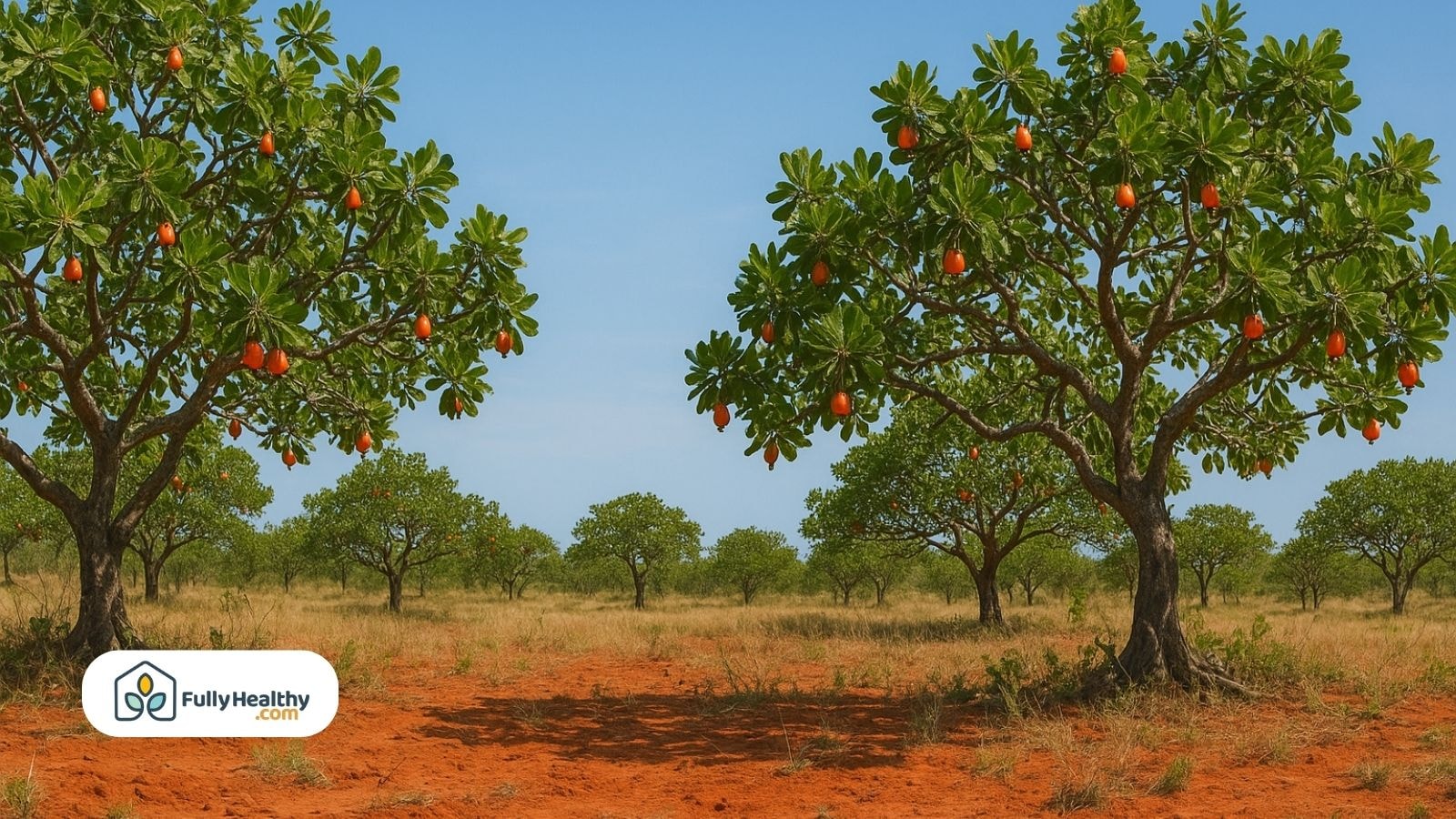
Cashews Are a Seed from a Fruit
Cashews are not true tree nuts like pistacia vera (pistachio) or mangifera indica (mango’s relative). Cashew seeds grow from the bottom of the cashew fruit, which is also known as a cashew apple.
-
Botanical identity: Cashews are seeds from a false fruit known as the cashew apple.
-
Classification: Cashews belong to the same family as poison ivy and mango, but are technically drupes.
-
Tree source: Cashew trees produce one cashew fruit and one seed per flowering cycle.
-
Naming confusion: Despite being eaten like nuts, cashew seeds are not true nuts.
-
Fruit relation: The cashew apple is the swollen fruit stalk, and the cashew nut forms outside it.
Cashew Apple vs. Cashew Seed
The cashew apple is juicy and can be eaten, but it is fragile. In tropical areas, cashew apple juice is often made from them. When the seed is roasted, it turns into the well-known cashew nut that is sold all over the world.
-
Apple characteristics: Cashew apples are rich in vitamin C and often used in local drinks and desserts.
-
Edibility: Only the cashew seed is sold commercially as a nut; the fruit pulp spoils too quickly to ship.
-
Product usage: Cashew fruit is used locally, while the seed is roasted for global markets.
-
Consumption method: Cashew nuts are rarely eaten raw due to toxins and must be roasted.
-
Cultural use: In South America, cashew apple juice is a staple, while in other countries it’s less common.
About FullyHealthy: Special Diets, Simplified
Who We Are and What We Believe
FullyHealthy is an online store dedicated to supporting specialty diets with safe, transparent products. Originally ShopAIP, the site helps shoppers avoid hidden ingredients in tree nuts and pantry items.
-
Mission: Make clean-label shopping accessible for AIP, gluten-free, and allergen-sensitive customers.
-
Values: Partner with brands that promote ethical sourcing and health benefits through whole foods.
-
Transparency: All items are screened for compliance with specialty diet standards.
-
Product range: Includes snacks, cashew seeds, nut butters, and pantry staples.
-
Customer base: Serves those with autoimmune protocols, food allergies, and restricted diets.
AIP-Compliant Cashew Butters You’ll Love
FullyHealthy features products like cashew butter and pecan-cashew blends for people seeking nutritious, compliant snacks. These choices only have whole cashews and never add any fillers or additives.
-
Artisana Raw Cashew Butter: Made from raw nuts with no added sugar, ideal for AIP stages.
-
Pecan-Cashew Butter: Combines two nutrient-rich tree nuts for healthy fat and flavor balance.
-
Shelf stable: Products ship without refrigeration but retain their creamy texture.
-
No seed oils: Every spread is free of industrial oils and synthetic thickeners.
-
Versatility: Great for smoothies, cashew cheese recipes, or eaten straight by the spoon.
Final Thoughts
Cashews come from tropical climates and grow on evergreen trees that produce both cashew apples and nuts. While cashew trees can survive in parts of the U.S., most cashew production happens in southeast Asia, west central Africa, and other countries with high annual rainfall. Cashews are different from other tree nuts because they grow outside the true fruit. If you want the freshest taste, always buy cashews from trusted sources. Now here's what most readers ask.
FAQs
Are cashews grown in Australia?
Cashews are not commercially grown in Australia because the climate lacks the consistent annual rainfall needed for healthy plant growth.
Is cashew fruit edible?
Yes, the cashew apple is edible and used locally in costa rica and east Africa, but it spoils too fast for export.
Which country has the best quality cashews?
India is known for premium whole cashews, but leading producers like Vietnam also produce high-quality nuts for export.
Why are cashews not as healthy as other nuts?
Cashews are healthy but have more calories than some other tree nuts and must be roasted to remove toxins.
Are cashews safe to eat raw?
No, raw cashews contain toxic oils and cannot be eaten raw like other nuts; they must be roasted before sale.
Leave a comment