

Where Do Carrot Seeds Come From? Garden Secrets
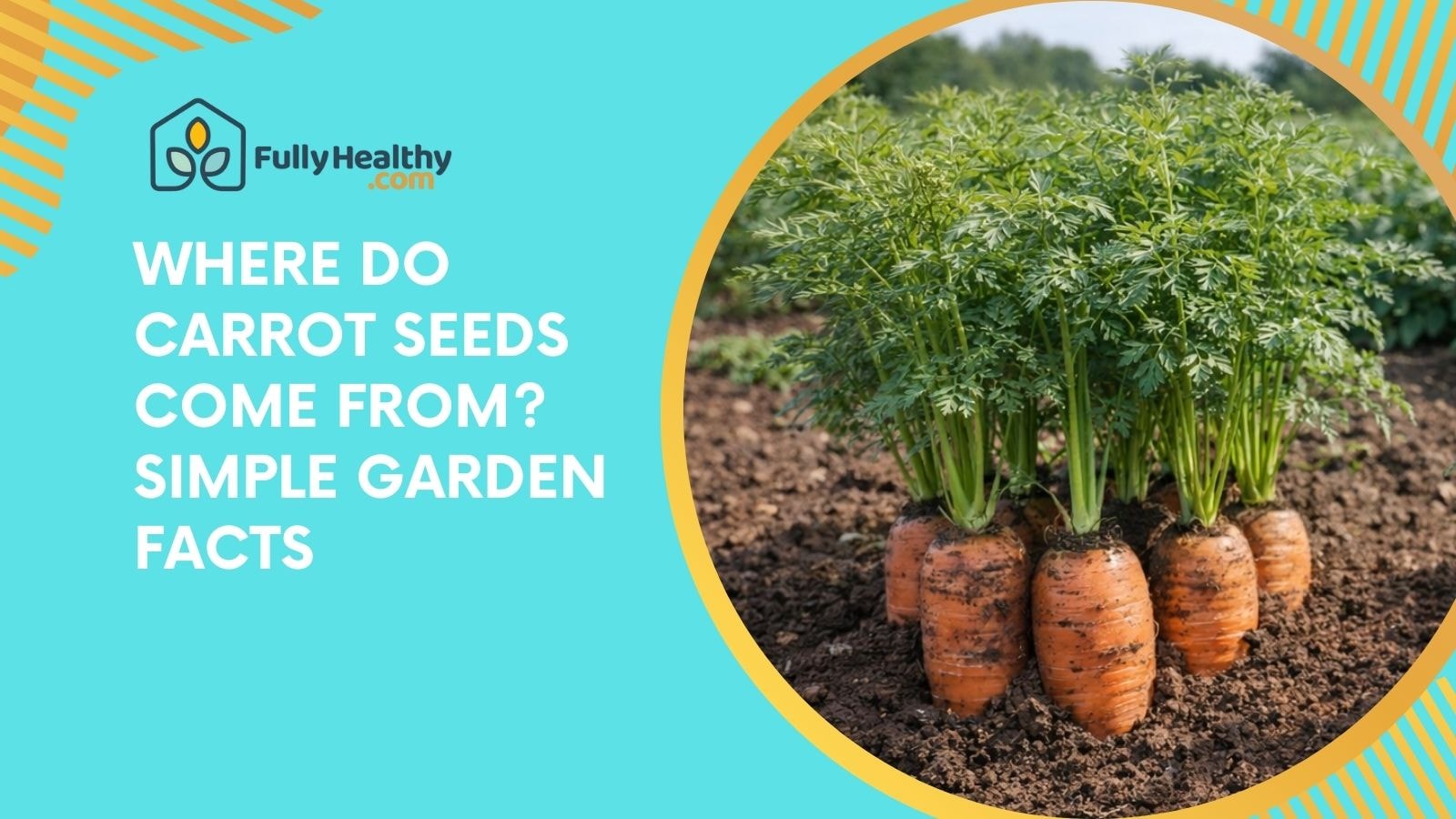
Lots of people are curious about where carrot seeds come from and how carrots really grow. Carrot seeds are not found in the edible root but are produced in flowers during the plant’s second year. When a carrot plant is two years old, it flowers. Planting a seed only makes one carrot. Cuttings from carrots can't grow back.
Knowing about this life cycle can help gardeners grow better carrots and readers understand how carrots get from being a seed to being a food item on your plate.
🌿 Paleo Perfect — Real Carrots, Real Flavor, Zero Sugar!
Where Do Carrot Seeds Come From?
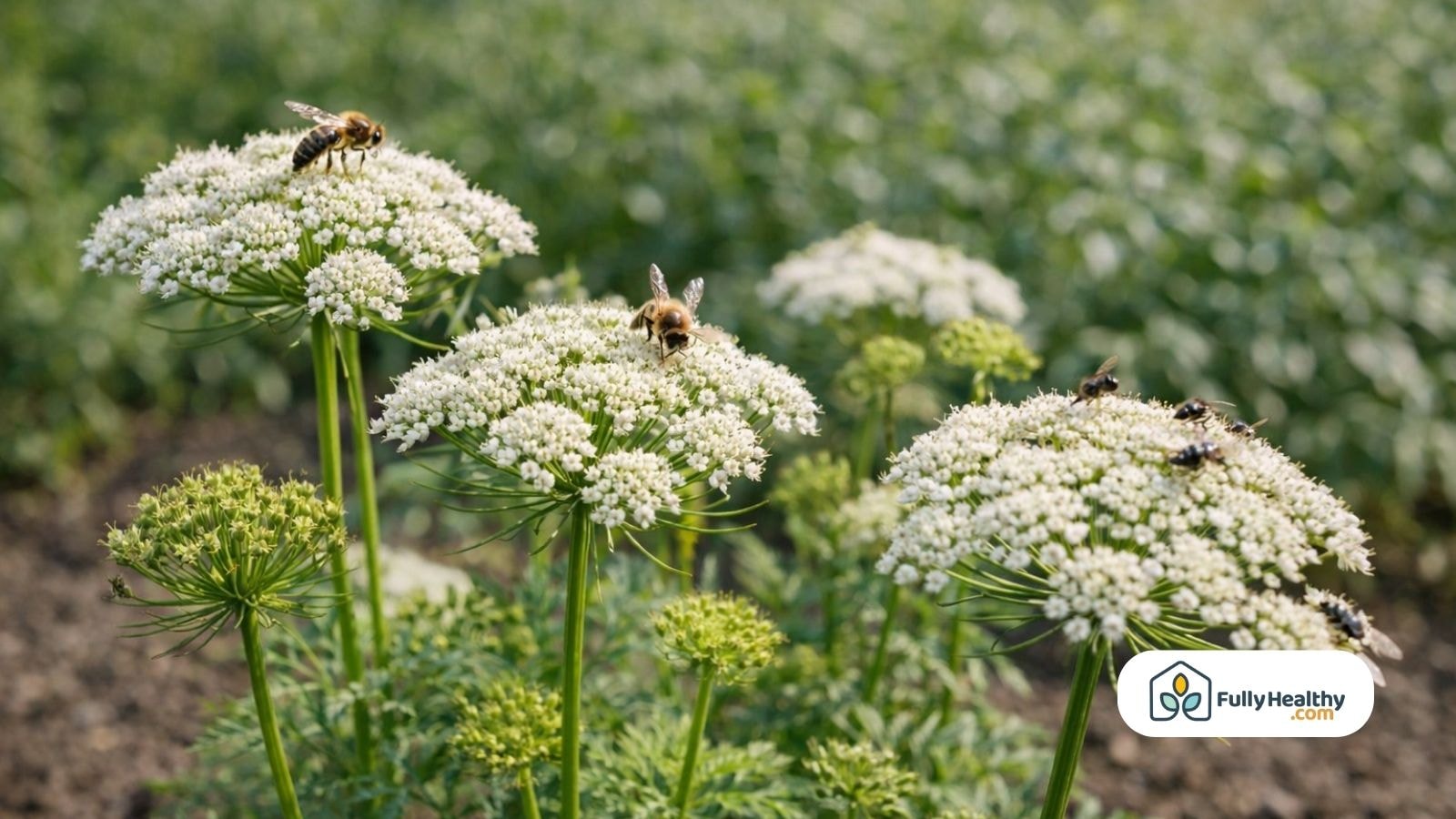
Many gardeners wonder where carrot seeds come from since they never show up on carrots that have been picked. Carrots are biennial, meaning they flower and produce seeds in their second year, but they are typically grown annually for their roots.
For example, the first year they grow carrot roots, the second year they grow flowers. Carrots don't make seeds until after the flowering stage. It depends on how cold it is in the winter and how much energy is stored in the root.
Carrot Flowers And Seed Heads
Carrot plants grow tall stalks and produce umbels of flowers in their second growing season. There are groups of these flowers called seed heads, which are also called flower heads. Animals, mostly bees, flies, and other insects, pollinate carrots. This is why wild carrot, which is also called queen Anne's lace, can pollinate other plants.
-
Pollination method: Since carrots are insect pollinated, there is a higher chance of cross-pollination.
-
Look-alike plants: Wild carrot, also known as Queen Anne’s Lace, is the wild form of Daucus carota.
-
Seed structure: Each seed head has seeds that are attached to a thin stem.
When Carrot Seeds Mature
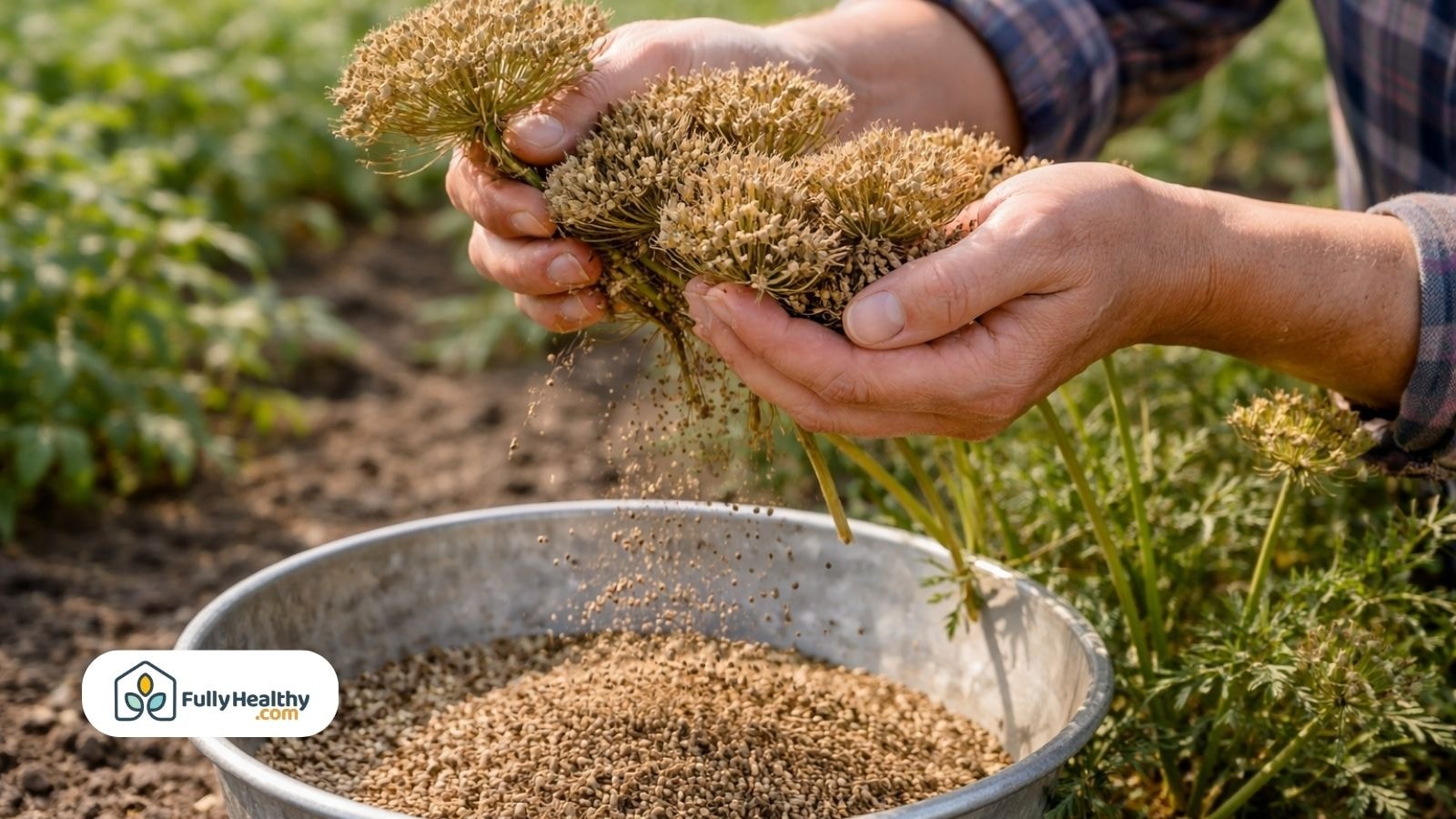
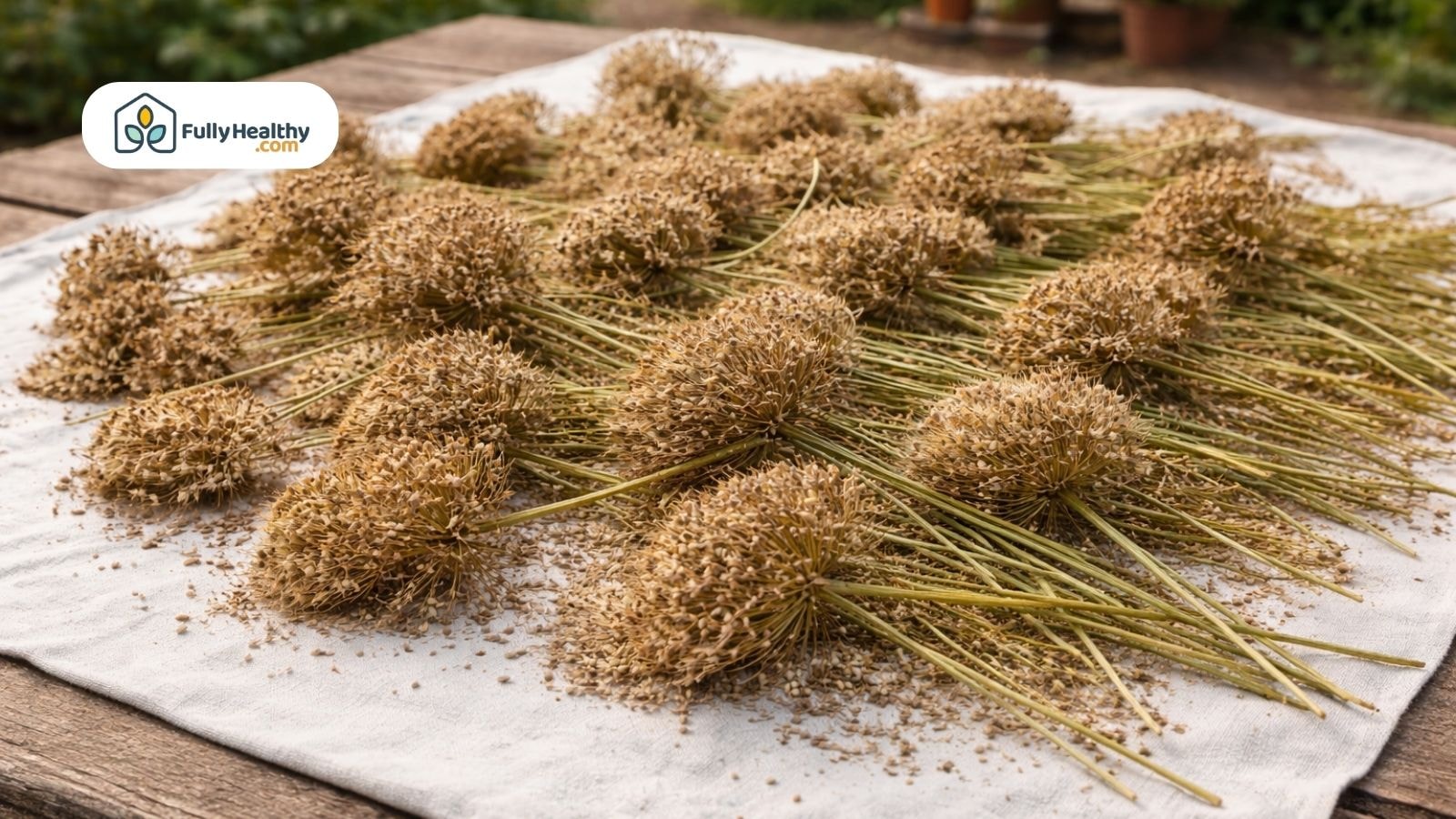
After the flowers are pollinated, seed production begins. Carrot seeds grow up and change color over time. When seeds are fully grown, they turn a tannish brown color and come off the seed heads. This is the best time to harvest seeds that remain viable again in a few years if they are stored properly.
-
Color change: Carrot seeds are ready when the seed heads turn brown.
-
Seed quality: Fully mature seeds are more likely to sprout.
-
Harvest timing: After most of the individual seed heads have turned brown, each one is cut open.
How Does A Carrot Grow From A Seed?
It's best for carrots to be planted directly in the ground because they are root vegetables and crops. Seeds sprout, form leaf stems above ground, and develop carrot roots below the soil line. Not making flowers or seeds for the first year because the plant stores food in its roots.
Germination And Early Growth
They grow into younger plants with fine leaves as the growing season goes on. To make sure roots grow straight and strong, they need to be spaced out correctly. Cauliflowers should not be moved once they are planted.
-
Planting method: No need to use transplants; just plant carrots in the ground.
-
Soil condition: Tough root vegetables grow best in loose soil.
-
Spacing care: Spreading out the roots helps keep them from getting twisted or crowded.
From Root To Seed Plant
That carrot roots can grow into new plants the next year if gardeners leave them in the ground or dig carrots for storage. The plants need to be exposed to cold winter temperatures for a certain amount of time.
-
Cold requirement: Winter temperatures frequently fall low enough to trigger flowering.
-
Overwintering method: Root overwinter allows stored energy to support seed stalks.
-
Second-year growth: Instead of roots, biennial plants flower and then make seeds.
Do Carrot Seeds Only Produce One Carrot?
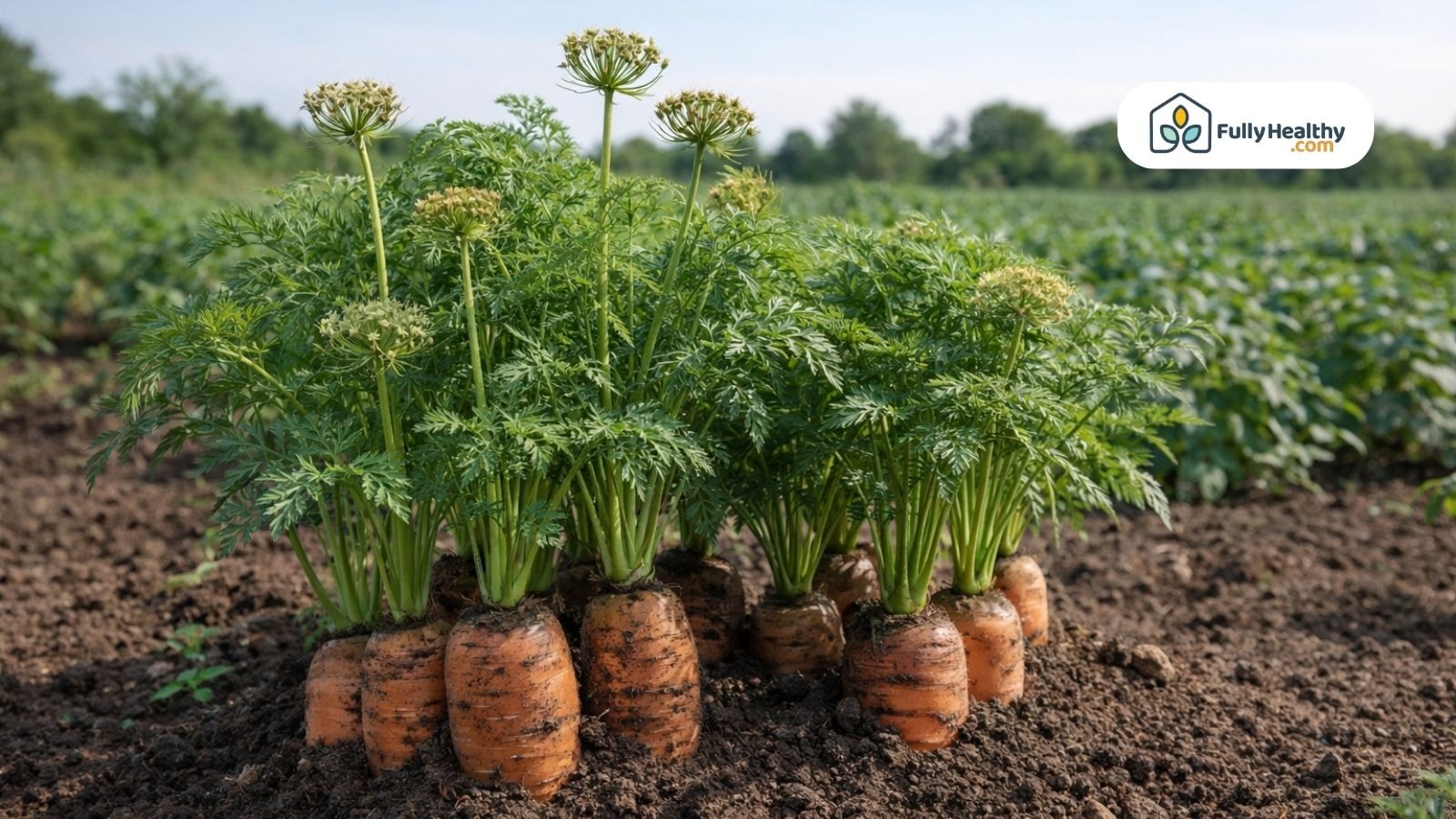
There is only one carrot that grows from each seed. Carrots don't grow roots that grow roots like some other root crops do. This is why saving seeds means growing more than one plant instead of expecting large quantities from a single seed.
One Seed, One Root
A single seed turns into a taproot, which stores food for when the plant grows again. The root of a carrot can't grow back after it has been picked or cut.
-
Single outcome: One carrot root is equal to one seed.
-
Harvest effect: Cut carrots can't grow back or set seeds.
-
Growth limit: Carrots don't naturally split into more than one root.
Why Seed Saving Matters
Gardeners can save carrot seed for the next year's crop by saving seeds. It also helps with genetic preservation, which is especially important when growing open-pollinated varieties in a home garden.
-
Long-term benefit: Remember to save seeds for later growing seasons.
-
Seed quality: Saving seeds from healthy, open-pollinated carrot plants each season improves genetic adaptation and viability.
-
Sustainability: Saving seeds makes you less reliant on buying seeds from stores.
Can I Grow Carrots From A Carrot?
It doesn't work for many people who try to grow carrots again using kitchen scraps. The edible root of a carrot can't grow back after it has been picked. The plant is no longer growing. Leaves may regrow from the crown if it remains intact, but the taproot itself will not regenerate. All kinds of carrots, whether grown in a garden or bought in a store, satisfy this condition.
Why Harvested Carrots Cannot Regrow Roots
Gardeners damage the root's growing point when they cut or pull carrots from the ground. The plant can't grow roots or go down anymore. Limited growth is only possible in the top part.
-
Root limitation: Cutting stems takes away the part that roots need to grow back.
-
Leaf growth only: Although new leaves may grow, no edible root forms.
-
Applies broadly: This rule applies to all carrot varieties.
What Happens If You Leave Carrots In The Ground
For carrots to produce seeds, gardeners have to leave them in the ground all winter. Safeguarding is necessary, especially when a hard frost is scheduled. While using a row cover, protecting the roots from harm is easy. When winter is over, the plant starts to grow again and flower stalks start to appear.
-
Cold protection: Protecting the rows from freezing helps keep damage from happening.
-
Winter care: Not touching the root, lightly trim the tops.
-
Second-year growth: When the temperature rises, flowers start to bloom.
How Does Fully Healthy Relate To Carrots And Clean Food Choices?
Fully Healthy doesn't focus on gardening, but it does help people who care about where their food comes from and how clear the ingredients are.
A lot of people who are interested in food sources care about how vegetables like carrots are grown, handled, and stored. Knowing what to do after the harvest helps you make the connection between how you grow food and how it will be used in the future.
Understanding Ingredient Sourcing And Proper Handling
Handling carrots after they are picked changes both the quality of the food and the success of the seeds. Preparing roots and seeds carefully helps them last longer and reduces waste.
-
Initial cleaning: You can get rid of as much soil as possible without washing by gently brushing.
-
Top removal: Make diagonal cuts upward near the leaf base to trim the tops.
-
Root selection: Take off any off-type roots prior storing.
Storage Practices That Support Long-Term Use
Correct storage prevents moisture loss, spoilage, and damage. These practices are useful for gardeners and anyone interested in clean food handling.
-
Container choice: Perforated plastic bags or a ventilated container help manage humidity.
-
Layering method: Evenly disperse wood shavings to use as a storage medium.
-
Storage environment: Store things in a root cellar or a room with good air flow, and check on them often to make sure they don't go bad.
Final Thoughts
If you know how carrots grow, you'll have a better understanding of seeds, roots, and regrowth. No carrot seeds come from roots that have been picked; they only come from plants that are flowering in their second year. If you know this, you can garden better and save seeds more reliably.
Also, it helps people understand how carrots get from the ground to the store to the table. If you know what you're doing, you can grow, store, and choose food better.
FAQs
How to turn carrots into carrot seeds?
To turn carrots into carrot seeds, leave healthy carrots in the ground or replant them so they flower and form seed heads several inches above the soil, which later become harvested material with fewer dry flower stems.
Where do we find carrot seeds?
Carrot seeds are found on dried flower heads that form on mature carrot plants several inches tall in their second year, often with fewer dry flower attached.
Do carrots reseed themselves?
Wild carrots can self-seed, but cultivated varieties typically do not reliably reseed themselves without intervention.
What causes carrots to go to seed?
Carrots go to seed after cold exposure and warming temperatures trigger flowering stalks, and seeds can later be cleaned using a fine mesh screen.
Can you plant carrots in the same place every year?
You can plant carrots in the same place every year, but rotating beds helps soil health and makes it easier to manage harvested material with fewer dry flower remains.
Leave a comment