

Where Do Cashews Come From? The Truth Behind the Seed
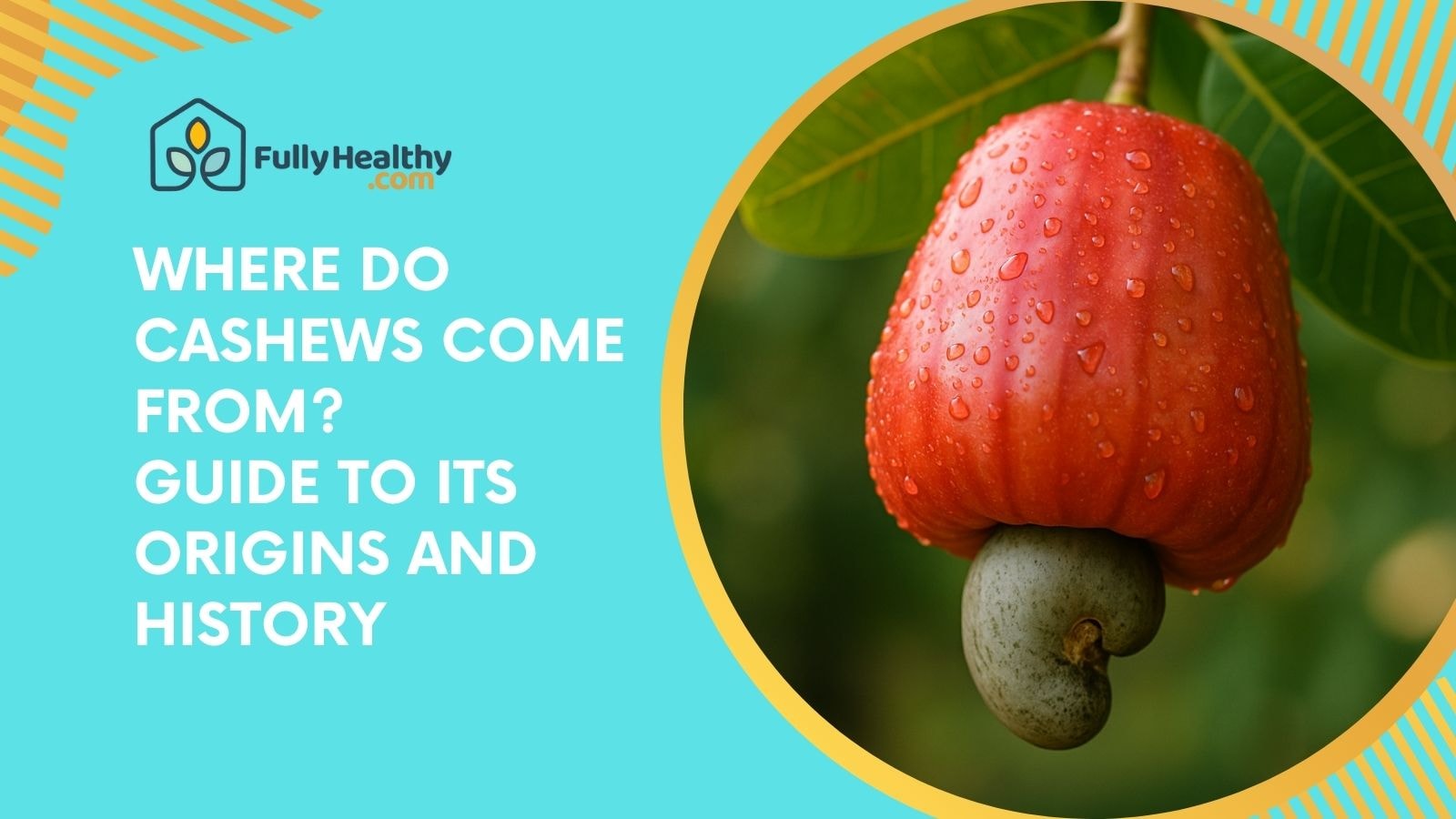 Where do cashews come from? The cashew tree is native to Brazil, but it is now grown in many tropical places. To be more specific, a cashew "nut" is actually a seed that is attached to an apple. Cashew shells contain anacardic acid, a toxic oil similar to that in poison ivy. The seeds are typically roasted or steamed to remove any residual toxins before consumption.
The apple is edible and full of nutrients. This article explains where cashews come from, what they are, how they’re processed, and how to enjoy them safely.
🥄 Snack Better – Fuel Up with the Wholesome Taste of Raw Pecan & Cashew Butter!
Where Do Cashews Come From?
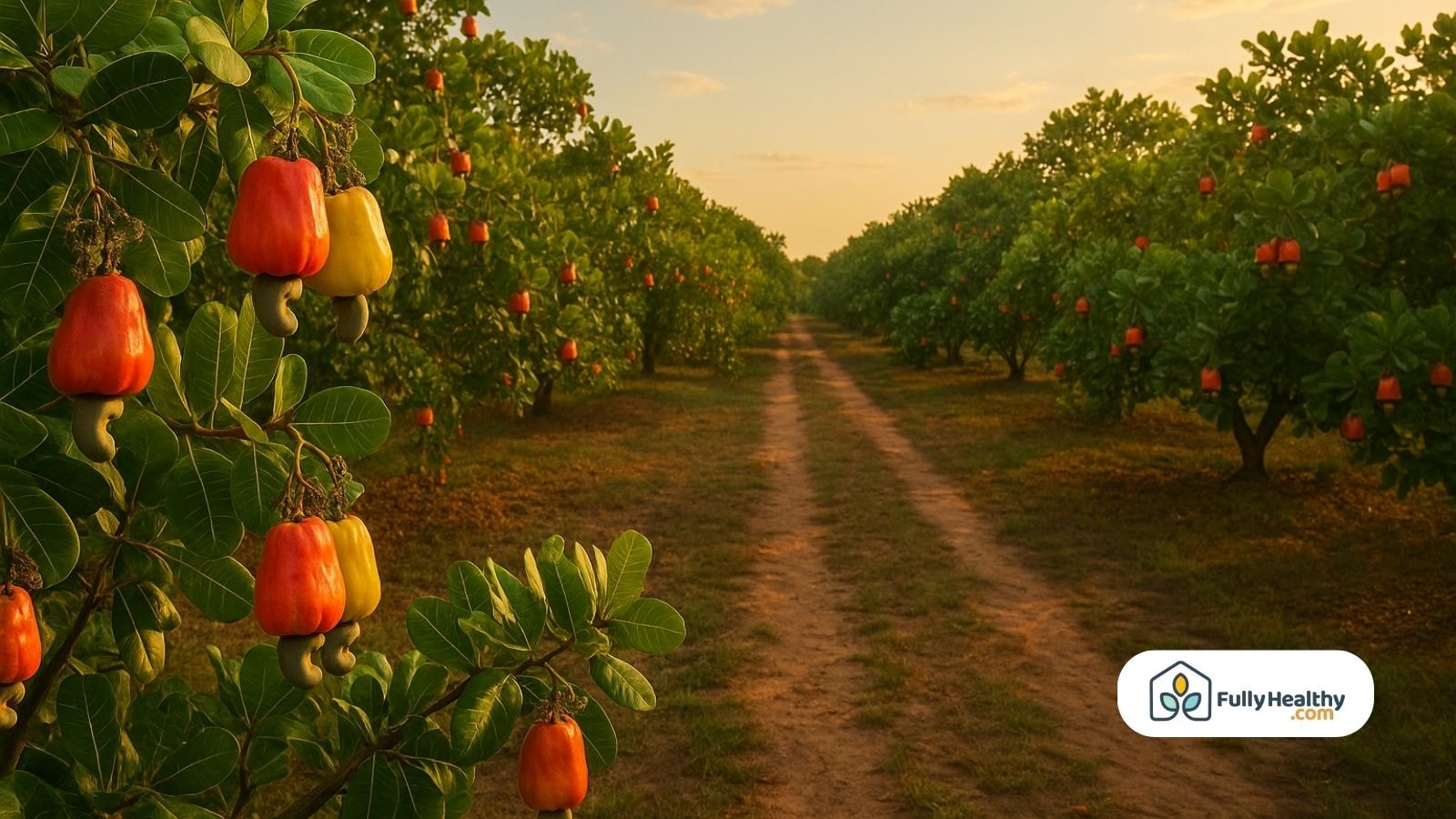
Where do cashews come from? The Anacardium occidentale cashew tree grows in parts of South and Central America and Brazil. It is where cashews come from. These cashew trees do best in tropical climates.
In the 1600s, Portuguese colonists brought them to India, Southeast Asia, and West Africa. Many countries now grow cashews, mainly the Ivory Coast, Vietnam, and India. This means that cashews are available around the world.
Cashew’s True Origin Story
The cashew fruit comes from the cashew tree. The cashew nut, which we eat, is not really a nut. It's actually a seed that grows outside the cashew apple, which is called a false fruit. The nut on the bottom of the apple is the real fruit.
-
Native region: Northeastern Brazil.
-
Spread by: Portuguese colonists to India and West Africa.
-
Now cultivated in: India, Vietnam, the Ivory Coast, and many countries in Africa and Southeast Asia.
-
Scientific name: Anacardium occidentale.
-
Closely related to: Poison ivy, in the same family of plants.
How Cashews Are Harvested and Processed
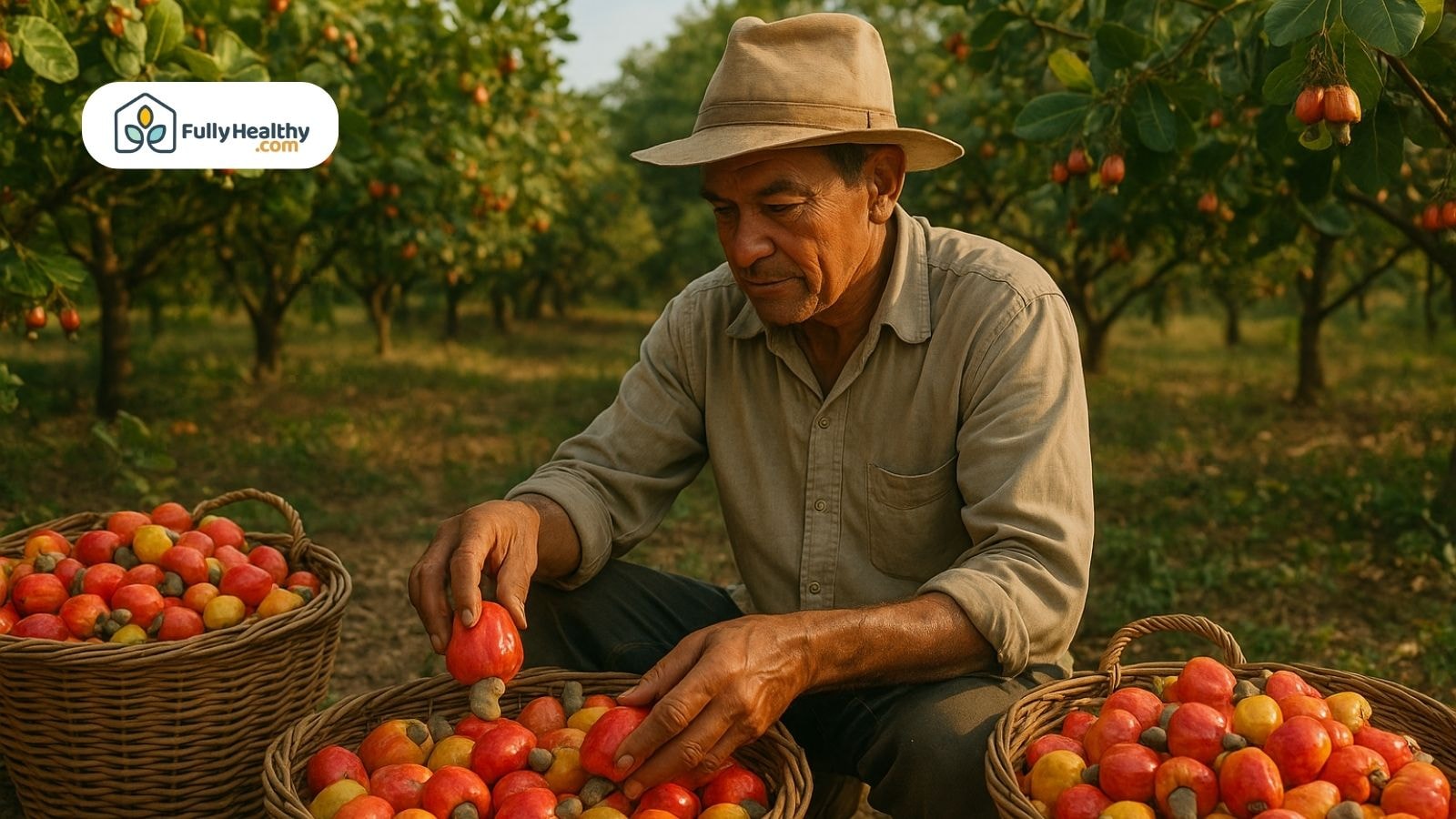
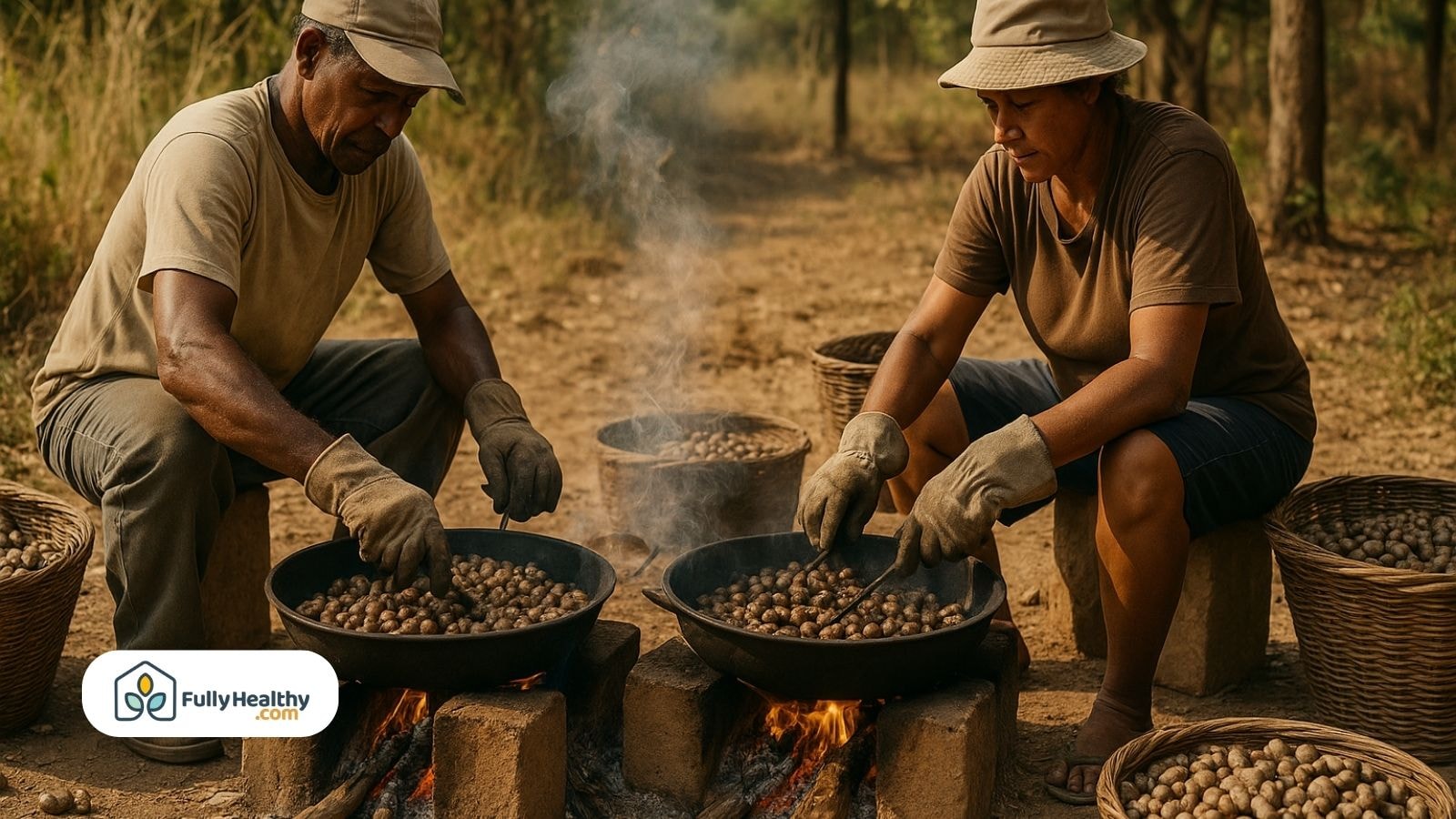
When cashew apples are ready, they are picked, and the seed is taken out. Anacardic acid, which is found in cashew nutshells, is bad for your skin. You have to roast, boil, or steam the nuts to get rid of the poison before you can eat them.
-
Harvested from: The bottom of the cashew apple.
-
Toxins: Anacardic acid, also found in poison ivy.
-
Processing: Roasting, boiling, or steaming to remove toxic oils.
-
Final product: Cashew nuts become safe and edible after proper heat treatment to neutralize toxic oils.
-
Main exporters: India, Vietnam, and the Ivory Coast supply over ninety percent of the world's cashews.
Are Cashews A Nut Or A Fruit?
The seeds of a drupe fruit are what cashews are, even though they are often called nuts. In terms of plants, they're very different from tree nuts like almonds and pistachios, but they're in the same group. The cashew apple is a fleshy, yellow fruit that has a nut on the outside.
What Botanists Say About Cashews
Botanists all agree that cashews are seeds and not nuts. They grow on the outside of the cashew apple's fruit pulp. With this, they are a drupe seed, like a mango or pistachio.
-
Fruit type: Drupe, not a nut.
-
Edible part: Seed, not the shell.
-
Structure: The apple has a seed on the outside.
-
Color: Cashew apples are a light reddish-yellow.
Why Cashews Are Still Considered “Nuts” in Stores
Cashews are not really nuts, but they taste and look like nuts. Like other tree nuts, they taste sweet and buttery, and they are used the same way in baking, snacks, and desserts.
-
Culinary uses: Cashew cheese, trail mix, and frozen treats all use it.
-
Nutritional match: It has the same minerals and vitamins as almonds and pistachios.
-
Common pairings: Used in sweets, jams, and savory dishes that have sugar in them.
Why Can't You Eat A Raw Cashew?
It is not safe to eat raw cashews because their shells have anacardic acid in them, which is a poison similar to poison ivy. If you eat raw cashews, this chemical can make your skin and stomach hurt.
The Toxic Compound in Raw Cashews
There is a harsh oil inside the shell of the cashew nut that can burn and irritate the skin. That's why you can't buy raw cashews in stores. Before being packed, they are always roasted or steamed.
-
Toxic oil: In the shell, you can find anacardic acid.
-
Reaction risk: Blisters, redness, and an allergic reaction on the skin.
-
Caution: Do not consume cashew seeds directly after harvesting, as the shell contains caustic oils that require removal by heat processing.
Safe-to-Eat Processing Methods
People who make cashews heat them to get rid of the poisons that make them unsafe. When you roast or boil cashew seeds, they become safe to eat and can be used for snacks or desserts.
-
Processing types: Roasted, steamed, or boiled.
-
Final result: Processed cashew nuts are safe and rich in health benefits.
-
Forms sold: It can be plain, salted, unsalted, or used in cashew cheese or apple juice.
Is The Cashew Apple Edible?
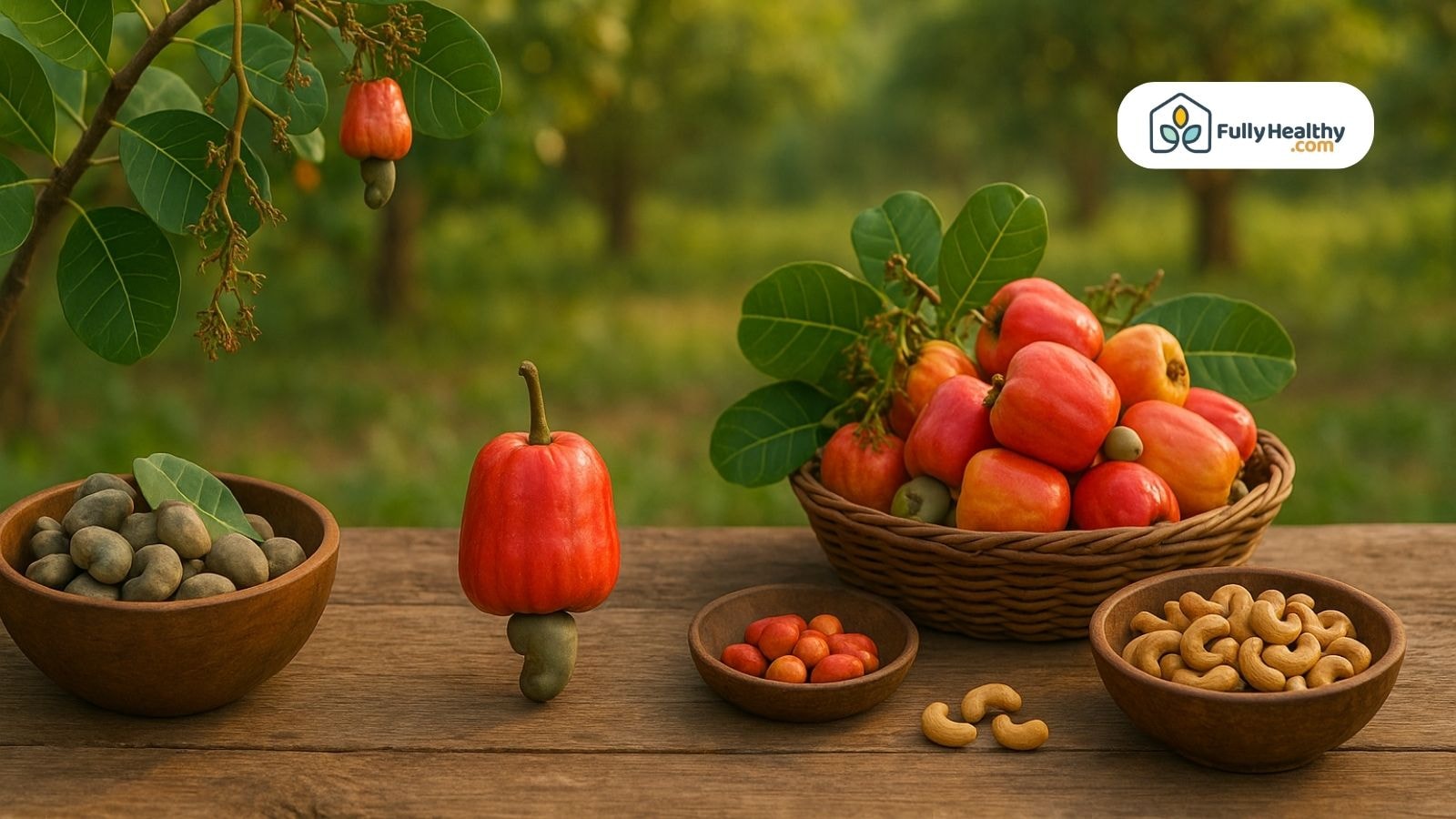
It grows on the cashew tree, right above the cashew nut or seed. The cashew apple is a soft, shiny fruit. Even though the nut gets all the attention, the apple is edible, rich in nutrients, and commonly consumed in producing regions, though its perishability limits export, and it may cause mild allergic reactions in sensitive individuals.
However, it doesn't last long; it's not often exported, but people in Brazil, South America, and other countries where cashews grow eat it all the time.
Cashew Apple Nutrition And Flavor Profile
The cashew apple can be light red, yellow, or orange, and it looks like a small mango. It tastes sweet and sour, which makes it great for drinks, desserts, and even fermented juice. People who live in places where cashew trees grow pick the fruit by hand and use it in many traditional recipes.
-
Taste and texture: Sweet, juicy, with a fibrous bite.
-
Nutritional value: It is full of minerals like iron and calcium and has a lot of vitamins, especially vitamin C.
-
Used for: Juice, preserves, fermented beverages, and dessert toppings.
-
Popular in: Brazil, South America, India, and parts of Africa.
Milk Myth: Why It’s Safe With Cashew Apple
In some parts of Africa, people think it's bad to drink milk after eating a cashew apple. This myth goes back to the early days of cashew production, when false information spread about how safe the fruit was. There is no documented evidence in peer-reviewed research that consuming milk after cashew apples causes adverse reactions.
-
Origin of myth: Fear from the Ivory Coast and other similar places.
-
Reality: There is no scientific proof that milk and cashew apples should not be eaten together.
-
Studies: Researchers in West Africa found that mixing milk with cashew apple juice did not make people sick.
What Does Fully Healthy Offer For Cashew-Friendly Diets?
If you have special dietary needs and want to enjoy food without any stress, Fully Healthy is the place for you. It doesn't sell cashews, but it does offer nut-safe alternatives and products to help people who are allergic to or sensitive to cashews. Their products are great for people who can't eat nuts, raw cashews, or processed seed ingredients.
What Is Fully Healthy?
Fully Healthy used to be called ShopAIP, and it helps people who want to find foods with clean ingredients and that are safe for people with allergies. People who are sensitive to tree nuts, milk, or added sugar can still enjoy tasty desserts and drinks with their products.
-
Focus: Foods that are AIP, gluten-free, and allergen-free.
-
Diet support: Avoids nuts, dairy, and ingredients that cause inflammation.
-
Popular items: Vegetable snacks boiled or steamed, fermented sauces, and basic cooking ingredients with clean labels.
Notable Cashew-Compatible Products
Many foods at Fully Healthy don't have cashews, almonds, or other tree nuts in them. People with allergies can now enjoy a wide range of processed foods thanks to these options. Sugar-free baking mixes and dessert blends are great for people on strict diets because they still taste great.
-
Nut-free mixes: Baked goods that don't have cashews, almonds, or pistachios in them.
-
Salt-free snacks: Good for diets low in salt.
-
Drupe-free recipes: No products made from cashews, peaches, or mangoes.
-
Processed foods: Labels make it clear that they don't contain anacardic acid or allergenic shell oils.
Final Thoughts
Where do cashews come from? When you cut open a cashew tree, you'll find a seed attached to an apple. This is what we call a cashew nut. The apple can be eaten, but the shell of the cashews is poisonous and should not be eaten until they have been processed.
The first people to grow cashews were Portuguese colonists, and now places like the Ivory Coast do very well with them. When you eat cashew apples and seeds, you need to be extra careful. Always pick roasted nuts over raw cashews or tree nuts that haven't been treated.
FAQs
Where are cashews from originally?
Cashews are from Brazil, first harvested by Portuguese colonists, and now widely grown in Ivory Coast and other parts of the world as a plant that produces seeds and cashew apples.
Are cashews healthy to eat?
Yes, cashew seeds are nutrient-dense and rich in vitamins and minerals, often categorized with tree nuts due to culinary similarities.
Why are cashews so expensive?
The seed is inside a toxic shell that must be removed safely, unlike pistachio or other tree nuts, making cashew apple processing labor-intensive.
What organ is cashew good for?
Cashews and cashew apples support the heart, and the nut contains nutrients that help in eating healthy desserts and maintaining plant-based diets.
Should men avoid cashews?
No, men can eat cashews and nuts, but avoid raw cashews with anacardic acid and stick to steamed, boiled, or roasted tree nuts and drupe seeds.
Leave a comment